Day 2: Exploring Jyrgalan
Spend the day hiking in Jyrgalan Valley, which offers marked trails and guide services through Destination Jyrgalan Valley (easy to use website). Good hiking options include: Turnaluu-Köl lake (13.3KM, 6–7 hrs from the village or shorter if you park the car closer to the base of the uphill hike section), Kok-Bel Waterfall (12KM), Robbers Canyon trail (19KM). The valley is very wide and you get open views mixing alpine meadows with cows, waterfalls, canyons, and distant peaks, all at a relaxed altitude of ~2,500m. For multi-day treks, visit the Destination Jyrgalan Valley website. You may wish to wild camp this evening along the banks of the river wherever it is flat. This makes for great mornings (with the occasional horse or cow passing through your camp spot!)
Day 3: Jyrgalan to Engilchek (Inylchek) Ghost Town (4–5 hrs drive + permits check)
After breakfast, drive east toward the Sary-Jaz Valley, entering one of Kyrgyzstan’s most remote border zones. You’ll need printed copies of your border permits, which are checked at the military post near the turn-off. Note that these permits need to be pre-arranged and you can pick these up in Bishkek or in Karakol before heading to Jyrgalan Valley. Post border checkpoint, the landscape quickly becomes dramatic, wide glacial rivers, barren ridges, and snow peaks of the Tien Shan mountain range. Reach Engilchek, a haunting Soviet-era mining town largely abandoned after the USSR’s collapse. Walk through its empty streets and derelict buildings for a glimpse of history frozen in time. Enjoy the Kara-Tash hot springs with hot radon water, reaching 55C Overnight in a basic homestay (found in situ) or set up camp just outside the village along the river, surrounded by total silence.
Day 4: Engilchek to Altyn Arashan
Retrace your route towards Karakol. Either take a day to unwind in Karakol or turn into Altyn Arashan valley trailhead before reaching Karakol. You cannot drive your own car up the valley given the road conditions. Park the car at the base of the valley (behind Ak-Suu village where the road leads into the valley, this is clearly marked). To reach the valley basin, hike (4 hours) or ride horses 15–18 km up the forested track to the valley base through pine forest alongside a turquoise river. An alternative option is to get driven up the valley in an old Soviet vehicle (~1.5 hrs, ~€100 cost), an adrenaline inducing experience in itself! Settle into a guesthouse (recommendation is Guesthouse Elza) and enjoy a soak in the steaming natural hot springs with mountain views all around. Note that there are no ATMs in the valley and card is not accepted anywhere, so remember to bring up enough cash to fully cover accommodation, food, supplies and activities for the duration of your stay in the valley.
Day 5: Altyn Arashan hike to Ala Kol Pass
This is an intense day of hiking that takes you from the base camp at 2,500m to the Ak-Suu Pass at 4,000m. The hike takes 5-7 hours and involves a gently winding walk up the valley before turning steeply up the side for multiple hours of high inclination trekking. The landscape changes significantly from alpine Swiss-pastures and pine trees to barren, rocky landscapes, Icelandic in nature. The final section of the hike has an extreme inclination of up to 70% and slippery gravel paths, which can be dangerous. Hikers who cannot make this can rest at yurt camps before the extreme incline begins. Wear proper hiking shoes for grip and take this section slowly, scrambling up with your hands where needed. The view at the top is spectacular, overlooking this emerald blue lake with a backdrop of a sweeping glacier and charred black mountains. Be sure to take some photos before heading back down the same route (some slide down given the steepness) back to Altyn Arashan, with a dip in the hot springs as a reward after a tiring day of hiking. Note that this is not the conventional route to visit Ak Suu traverse and Altyn Arashan: most travellers start in Karakol and complete a loop hike that brings them Ala Kol Lake and pass and then down to Altyn Arashan over 3 days.
Day 6: Altyn Arashan to Issyk-Kul South Shore
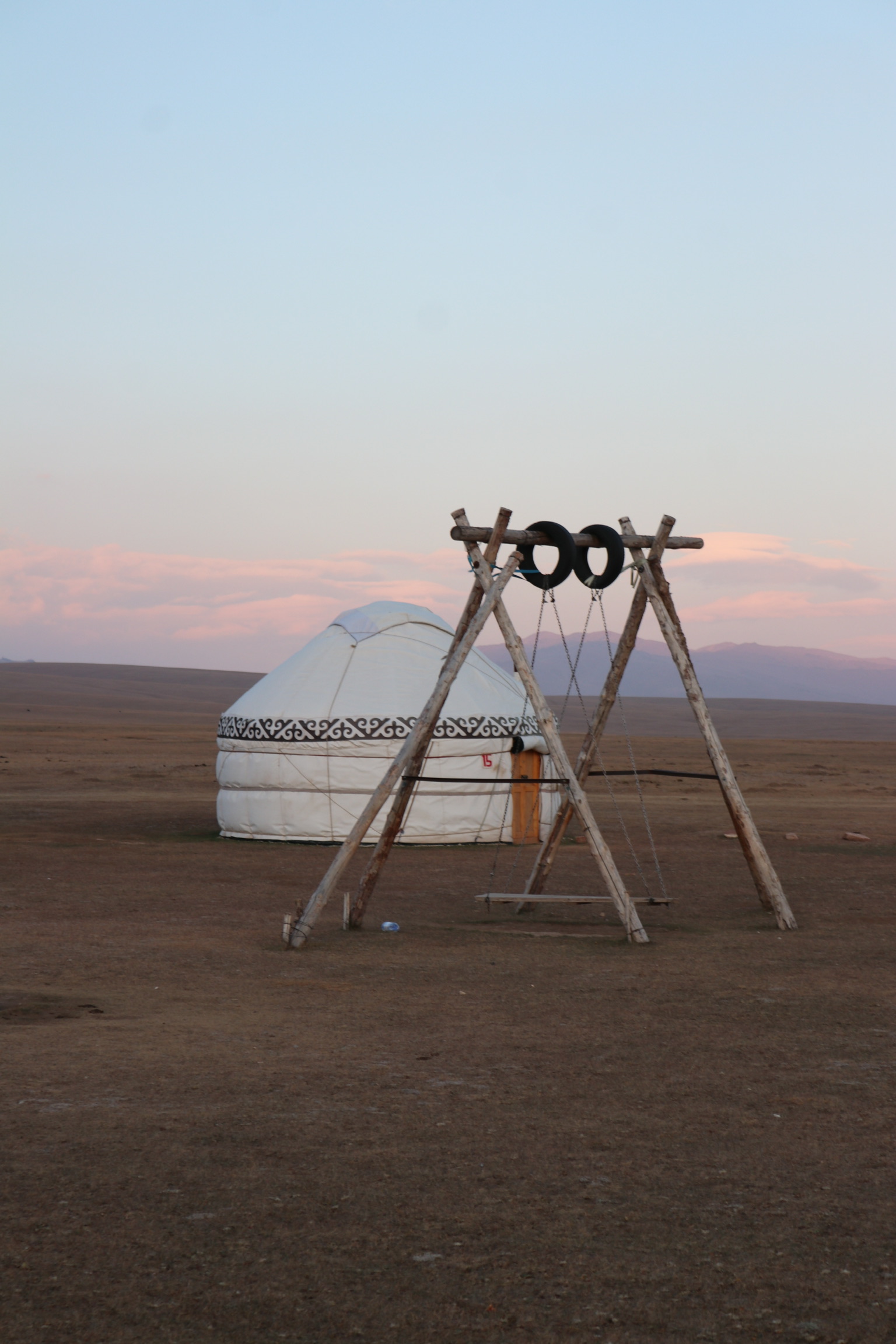
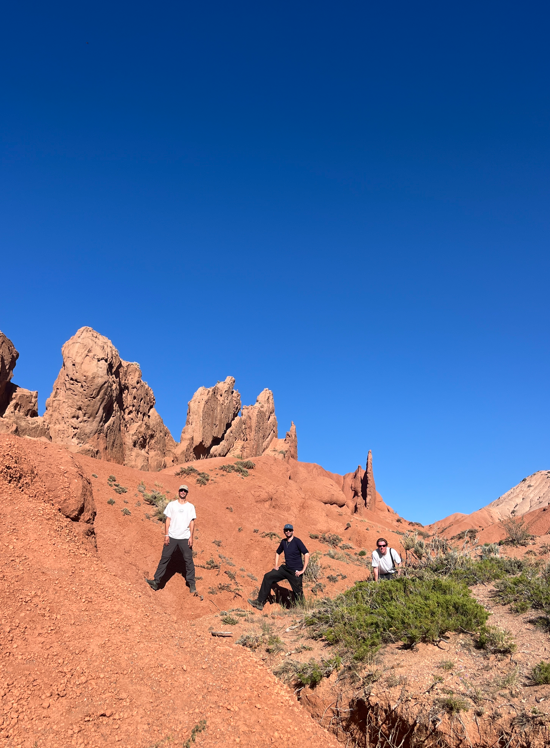
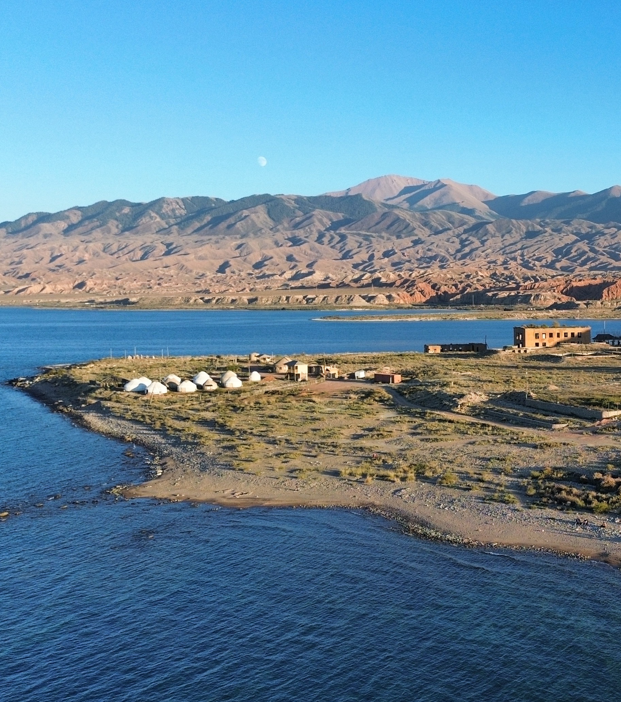
After an early breakfast, get a 4x4 taxi (pre-plan this on your way up) back down the valley to where you left your car. From there, drive 30 minutes into Karakol town and have an early lunch. In Karakol, you can visit the Dungan Mosque, the Holy Trinity wooden church, and the local market where you can have Ashlan Fuu. Leave Karakol and head west along the shores of Lake Issyk-Kul to Skazka Canyon. Along the way there is also the Seven Bulls and Broken Heart rock formations, if you have time to stop. At Skazka, take a 1-hour walk around the canyon and its impressive red-rock formations. Continue west along the south shore of Issyk-Kul and arrive at a lakeside yurt camp in the late afternoon (recommendation is Bel-Tam Yurt Camp, with beach access, tradtional family style dinners and amazing views of both the lake and the backdrop mountains). Settle in, go for a chilly swim in the lake, and enjoy the sunset reflecting off the water. This is one of the most peaceful evenings of the trip.
Day 7: Issyk-Kul South Shore to Naryn
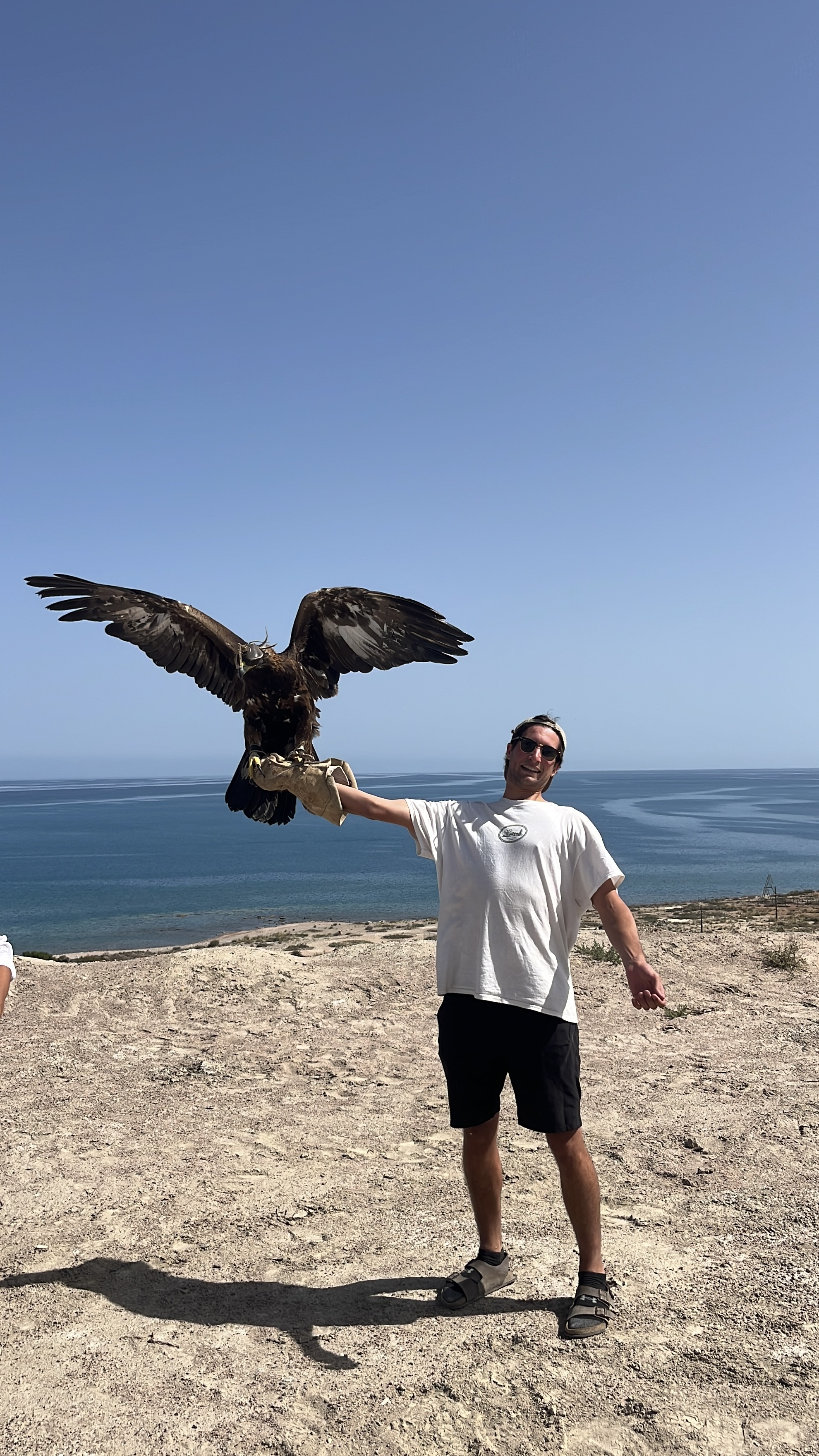
Through the local CBT, arrange a berkutchi eagle-hunting demonstration, the eagle soars, circles, and lands on a moving (unalive) prey and the hunter’s gloved arm in a stunning display of precision. This is an activity put on for tourists but still worthwhile to get to hold an eagle on your arm! Continue west through semi-desert terrain toward Boom Gorge, where the landscape changes from blue lake to ochre cliffs. Turn south through Kochkor and the mountain passes toward Naryn, arriving by evening. Refill fuel and withdraw cash here, it’s the last major service town before the high borderlands. Stay in a small hotel or yurt camp on the outskirts (I wouldn't recommend camping on this evening as available spots are limited given proximity to Naryn large city). Note that Naryn itself is not worth visiting, it is a good stopover to break the journey from Issyk-Kul to Kok-Kiya.
Day 8: Naryn to Kok-Kiya Valley (5–6 hrs drive in a 4×4)
Depart early for the Kok-Kiya Valley, a remote route requiring sturdy 4×4 and valid border permits (collected in Naryn or previously in Karakol or Bishkek). The track follows rivers and gravel plains, gradually climbing toward the Kel-Suu basin near the Chinese border. After passing the military post, you reach Kok-Kiya valley, a vast plain at 3,500m with an impressive mountain range in the background and cows and horses pasturing. Settle into a yurt camp (recommendation is Golden Moon Yurt Camp) by mid-afternoon and spend the day walking around the plains, taking photographs, reading a book by a fire, or in the yurt camp sauna.
Day 9: Kel-Suu Lake exploration
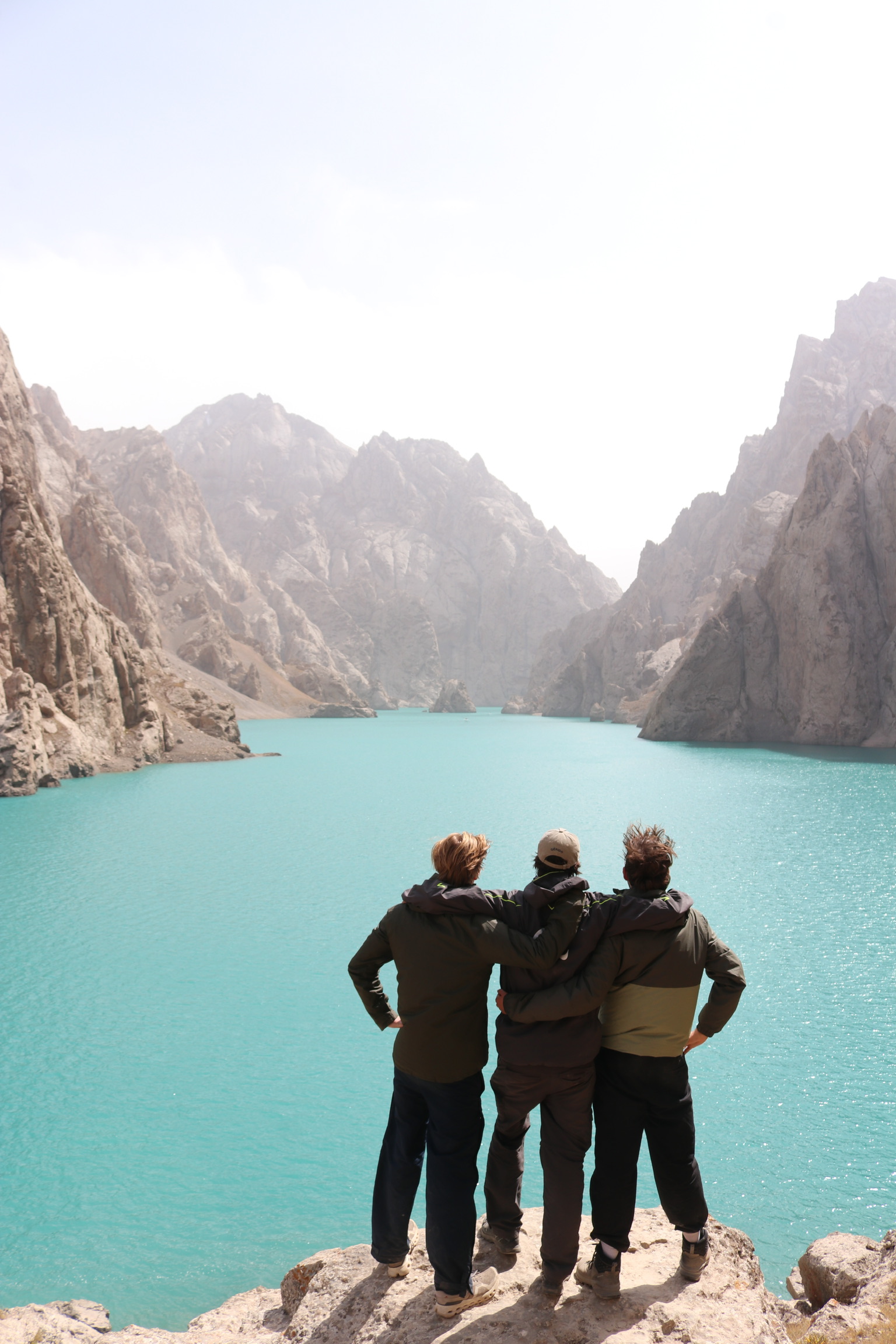
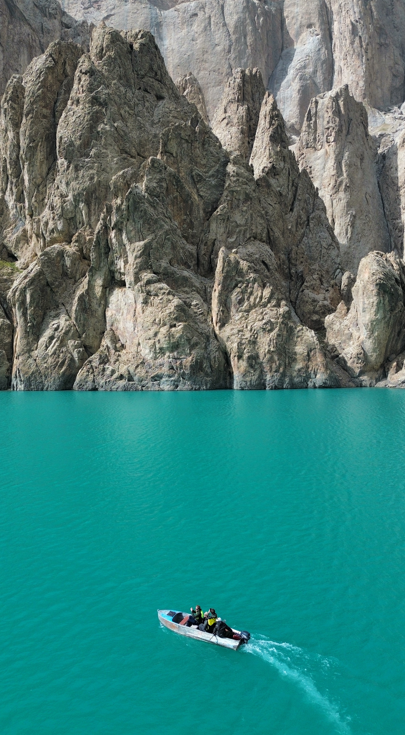
Hike or horse-ride the 2 hours to Kel-Suu Lake. This glacial-blue lake is backed by immense limestone walls and leaves you stunned. When water levels are high, local herders offer boat rides through the narrow limestone gorges, one of Kyrgyzstan’s most surreal experiences. Spend the day around the lake and either return to Kok-Kiya valley to stay overnight in a yurt or stay at Kel-Suu and camp next to the lake, surrounded by total wilderness. Note that temperatures drop to negative at night and wind picks up, so a sheltered spot for camping is recommended. If you chose to camp, pre-arrange all food and kindling down in Kok-Kiya valley, as there are no ammenties at the Lake. A horseman can bring your belongings up to the lake for you.
Day 10: Kel-Suu to Tash Rabat (5 hrs drive in 4x4)
In the early morning, explore Kel-Suu further, the shifting lake colours and echoing cliffs are especially photogenic before noon. Make sure you are back from the lake to be able to leave Kok-Kiya by 11am and head for Tash Rabat, the 15th-century stone Silk Road caravanserai nestled at 3,200m. Note that the drive there is challenging, with roads washed away into rivers that require agility to cross manually due to collapsed bridges, and Chinese border checkpoints with intense security, scrutiny and long wait times. Arrive at the caravanserai by late afternoon and tour the vaulted chambers once used by traders and monks (20 minutes needed). Spend the night in a nearby yurt camp (recommendation for Sabyrek's Yurt Camp), where hearty stews and endless tea keep the cold mountain air at bay.
Day 11: Tash Rabat to Song-Kul Lake (4 hrs drive via Kyzart)
Depart after breakfast and drive through Naryn, At-Bashy and Kyzart, climbing steadily toward the Song-Kul plateau. Depending on the road condition, cross either Moldo-Ashuu or Kalmak-Ashuu Pass, both offering panoramic views of the high steppe. By early-afternoon, you descend onto the shores of Song-Kul Lake at 3,000 m, where wild horses run wild everywhere. Spend the afternoon on a horseback excursion around the lake and surrounding mountains (organised via your yurt camp), climbing to viewpoints that overlook the lake and surrounding jailoos. No prior experience is required. The air turns cold quickly after sunset, so layer up for your night on the plateau. Do not camp here, it is too windy and there is no shelter. Note that some people do a multi-day horse-riding expedition here. Due to time requirements (and some members' dislike for horses!) we chose the one-day option.
Day 12: Song-Kul to Bishkek via 33 Parrots Pass (6–7 hrs drive)
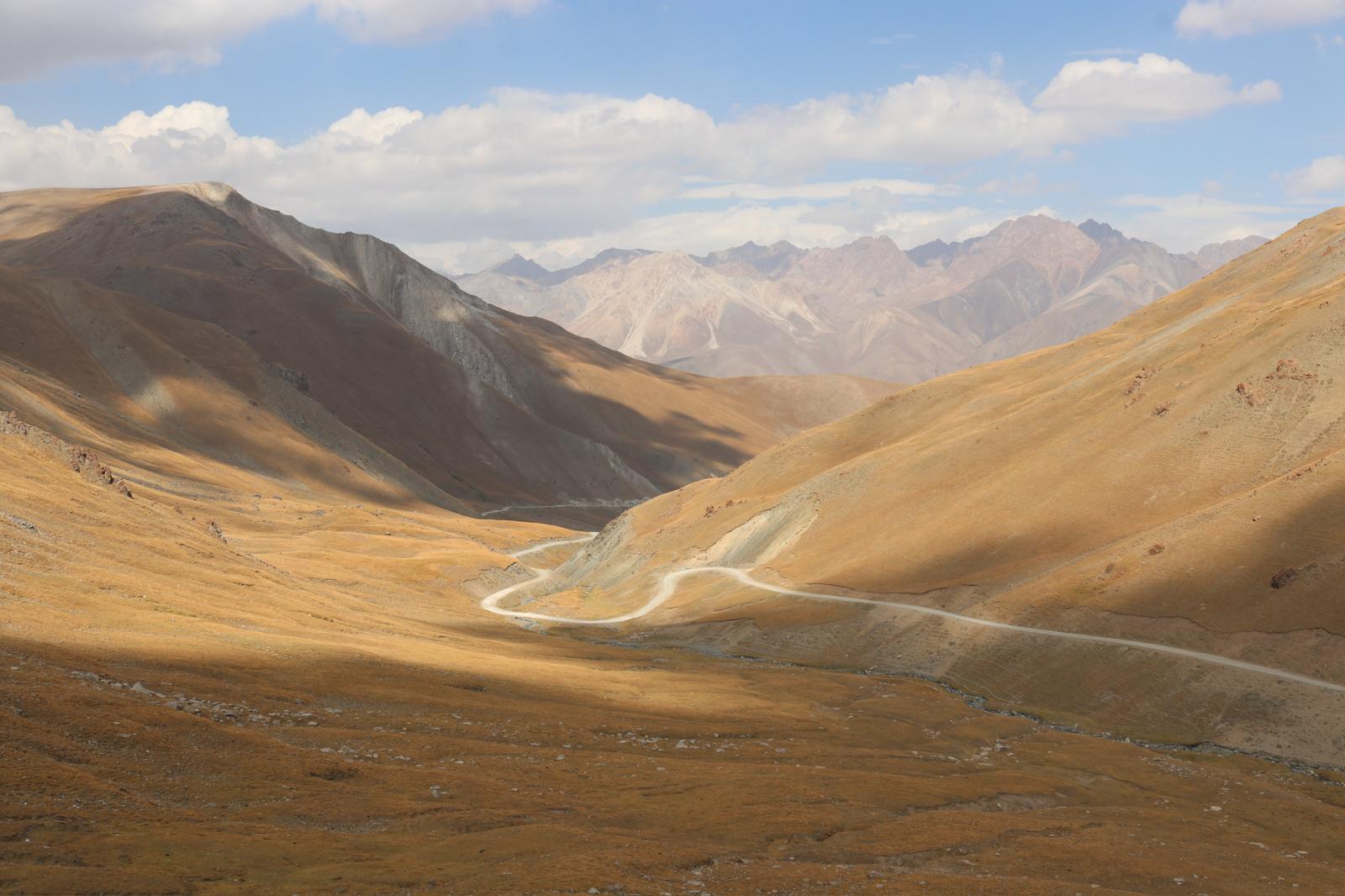
Begin the long descent toward Bishkek. The route takes you over the Teskey-Torpok Pass, nicknamed the “33 Parrots” for its hairpin bends that snake down the valley, a dream for drone shots. From there, re-join the main Bishkek–Osh highway, optionally detouring through the Too-Ashuu Tunnel for dramatic views or Burana Tower. Arrive in Bishkek by late afternoon, visit Ala Too Square and the Osh Bazaar then celebrate with a drink at Obshestvo. We ended up in a late-night Karaoke bar with some locals, the a perfect way to close a Kyrgyz adventure.
Day 13: Bishkek departure
Fly out from Bishkek, or continue on your central Asian journey by land through the Kazakh border crossing.
.png)
.jpg)

.jpg)
.jpg)
.jpg)