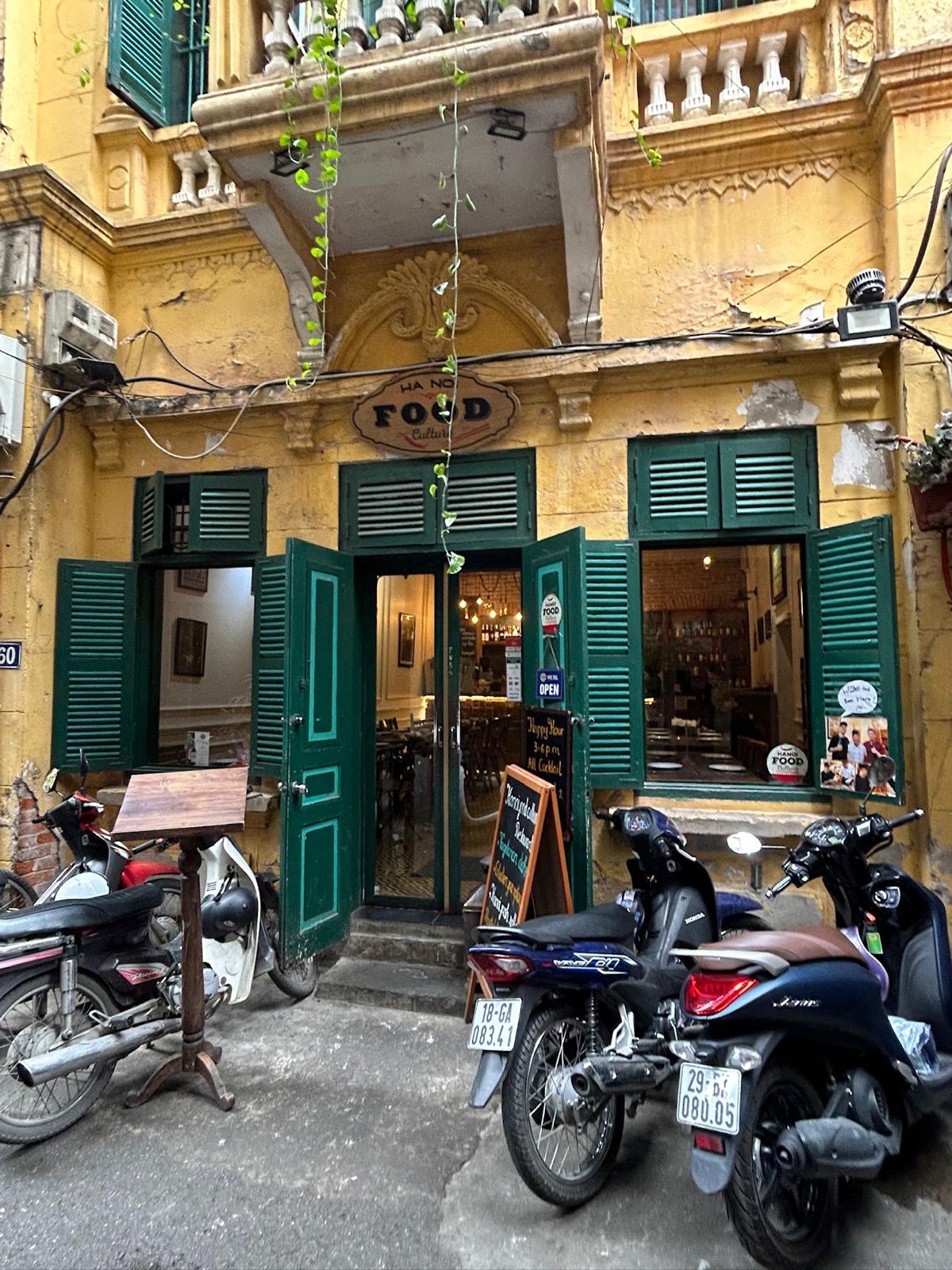
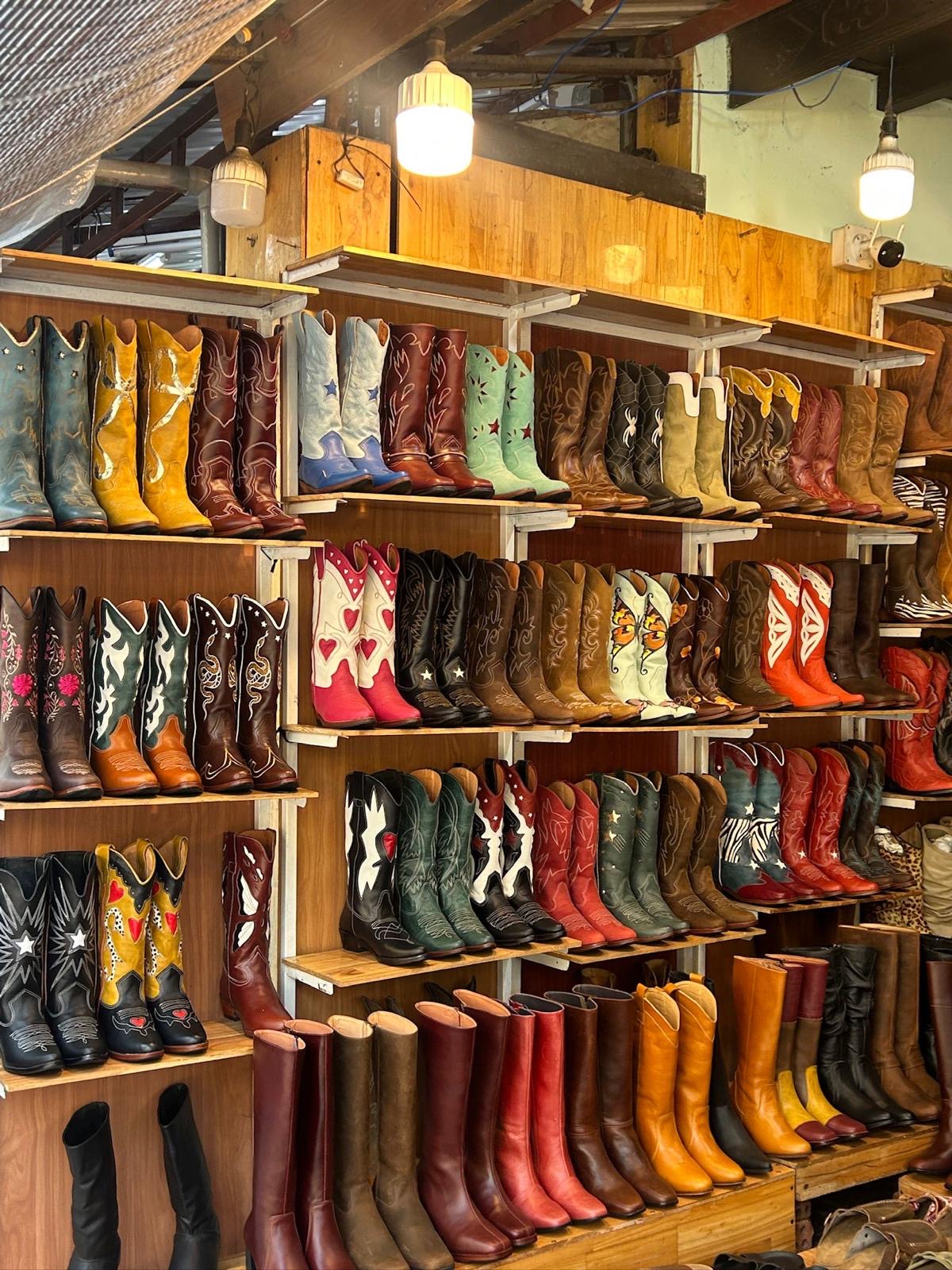
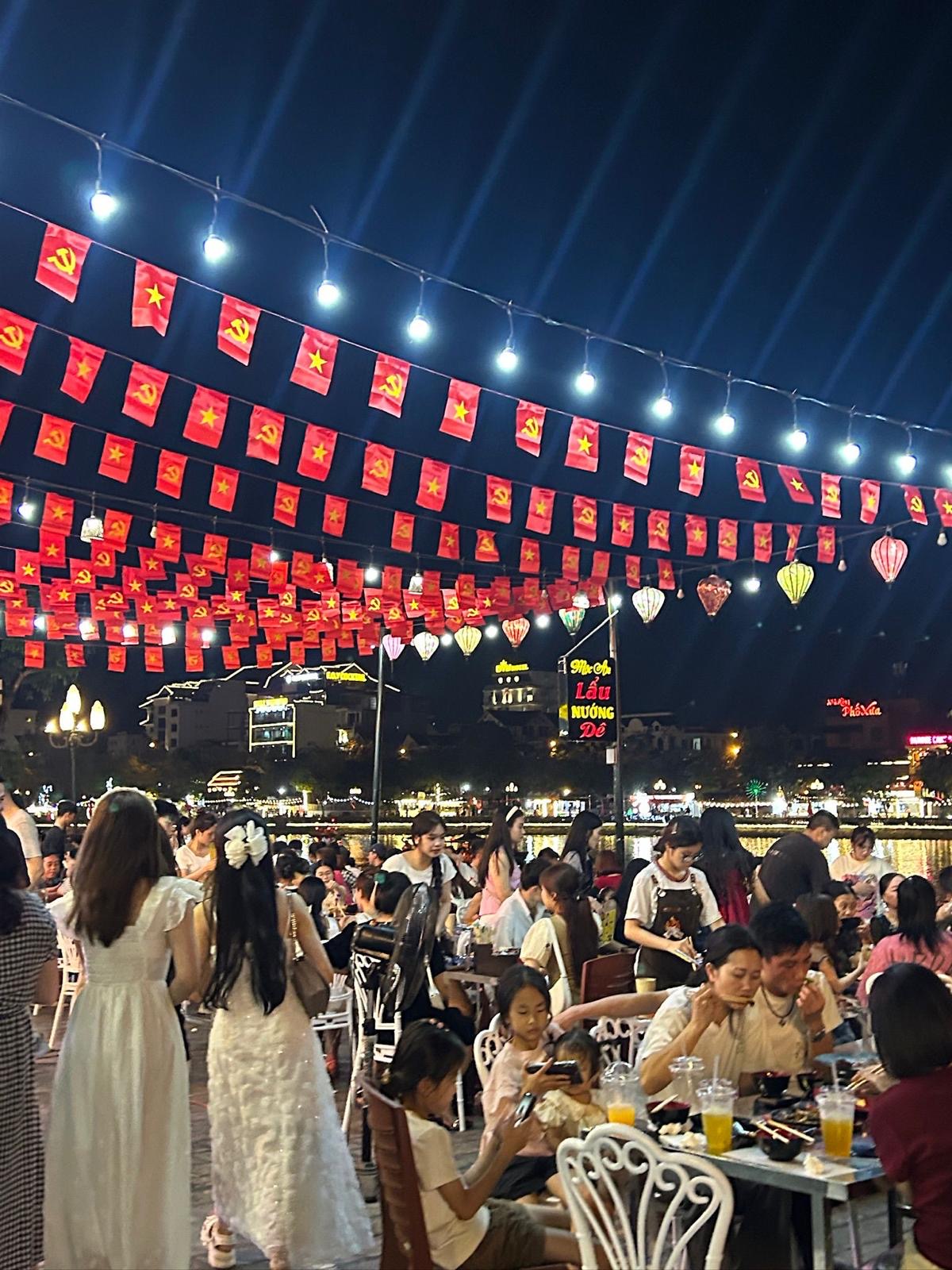
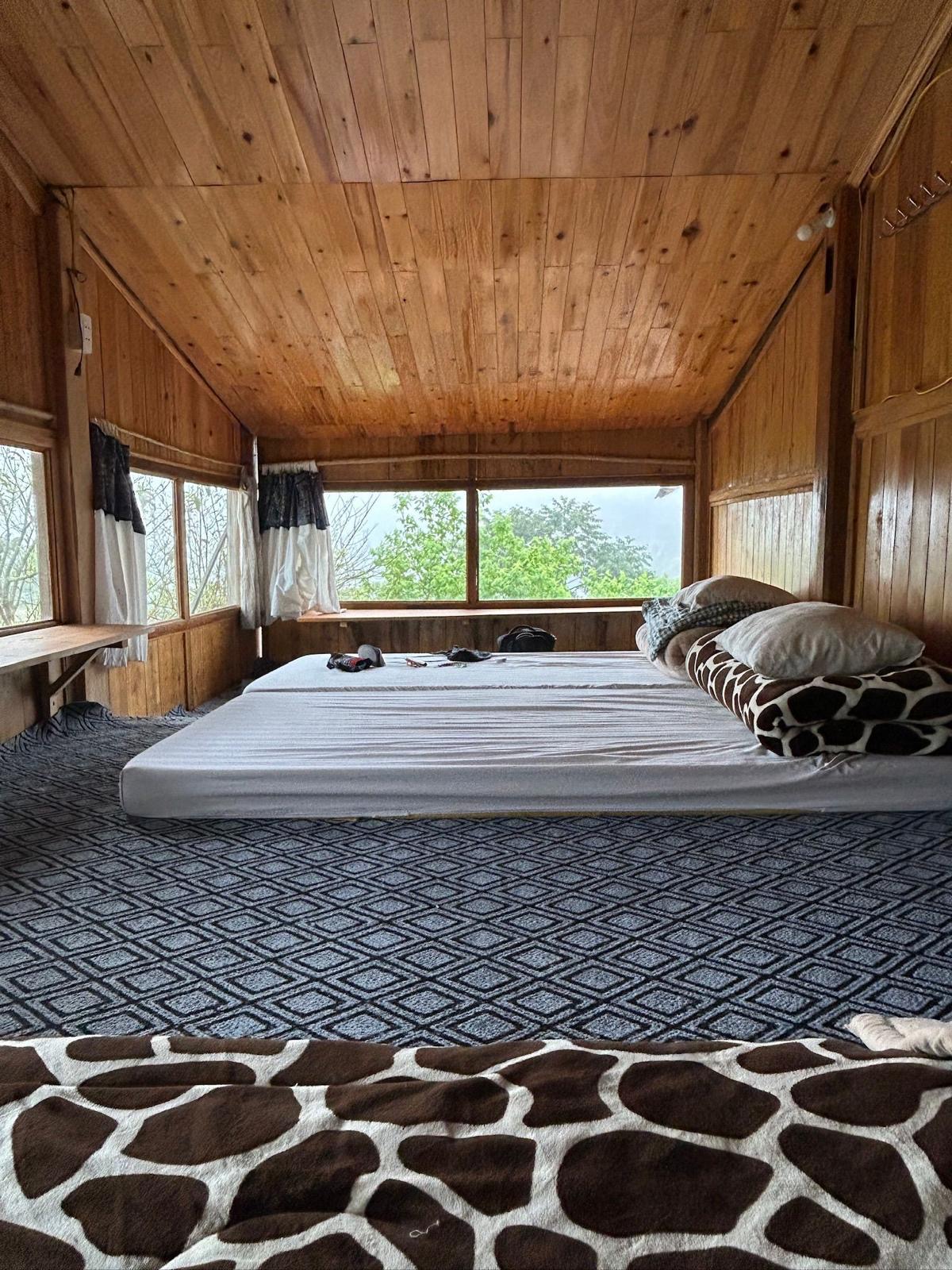
Day 2: Hanoi, Colonial history, war memory, and the food that ties it together
Do the heavy history in the morning while the city is cooler. Start at Hỏa Lò Prison, originally built by the French as Maison Centrale for Vietnamese political prisoners, later used during the American War. Hanoi has been shaped by external powers, French colonial rule, Japanese occupation, Cold War conflict, and yet the city’s identity stayed stubbornly Vietnamese.
Afterwards, reset with food. Go for bún chả at Hương Liên, the Obama Bourdain spot. Order bún chả + nem and do it properly: dip the grilled pork into the bowl, bundle herbs and noodles, alternate bites. It is smoky, fresh, sweet, sharp.
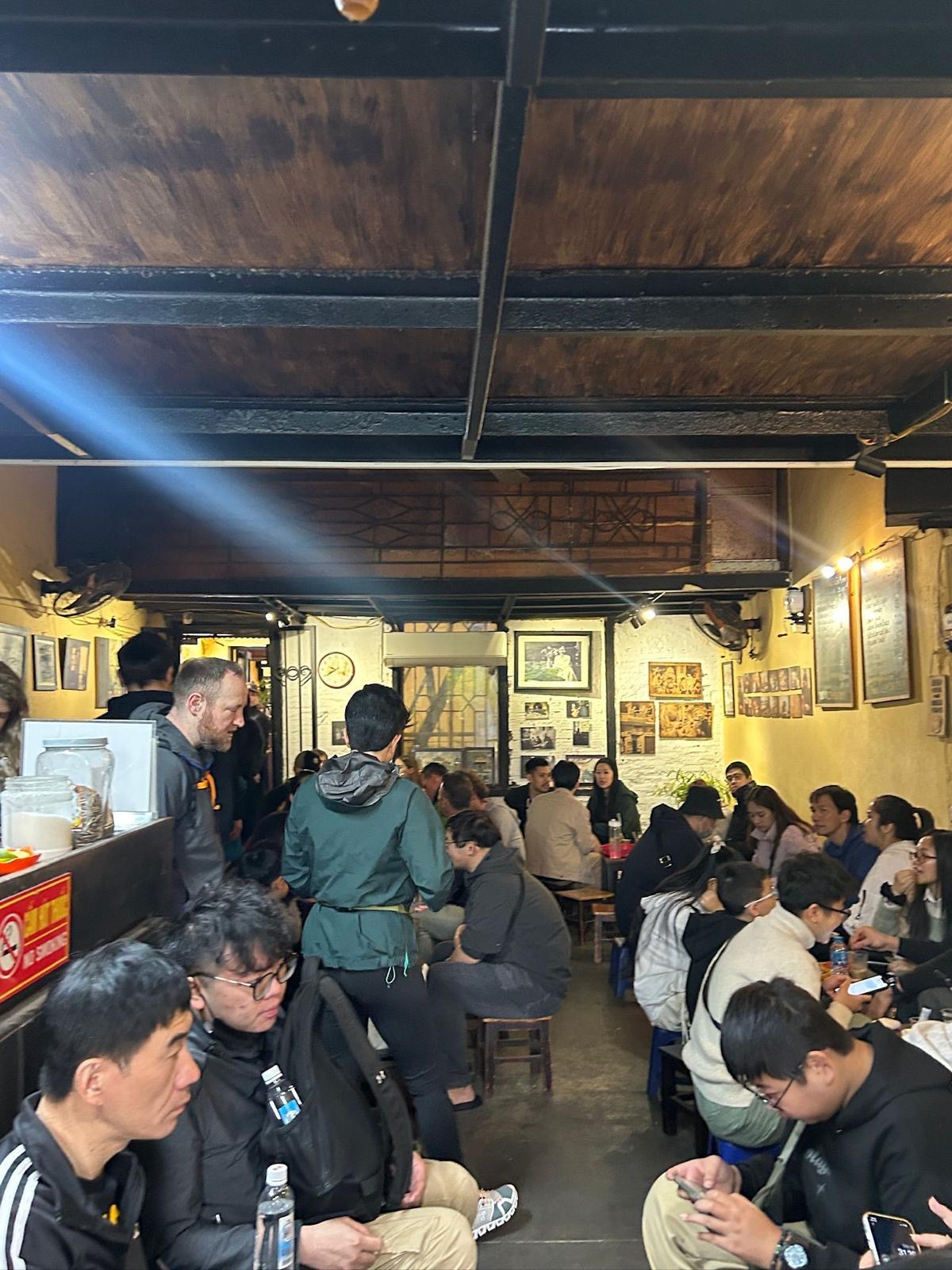
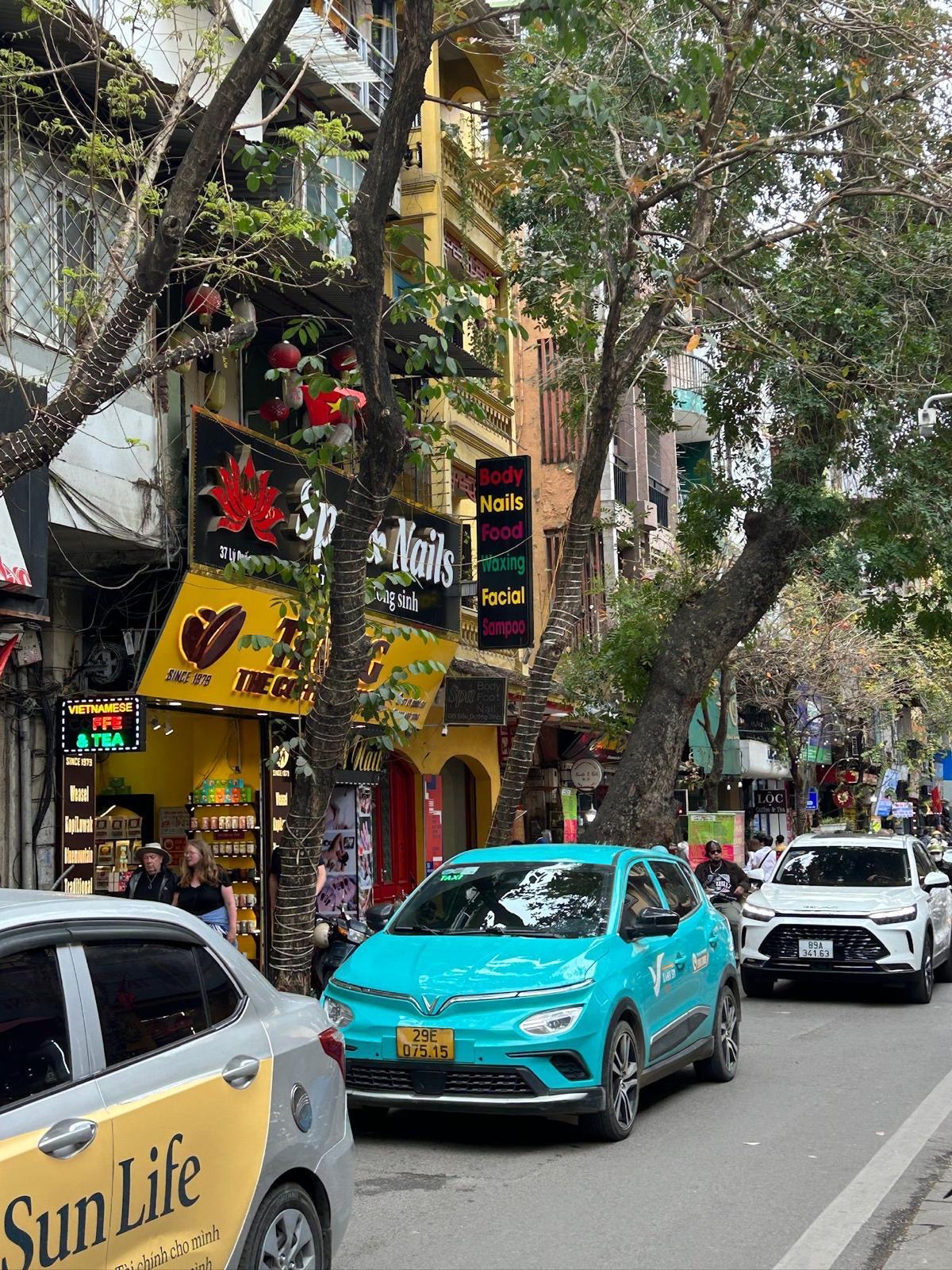
In the afternoon, go lighter. Visit St Joseph’s Cathedral for the French-era contrast, then café-hop through the Old Quarter. Order egg coffee at Café Giang.
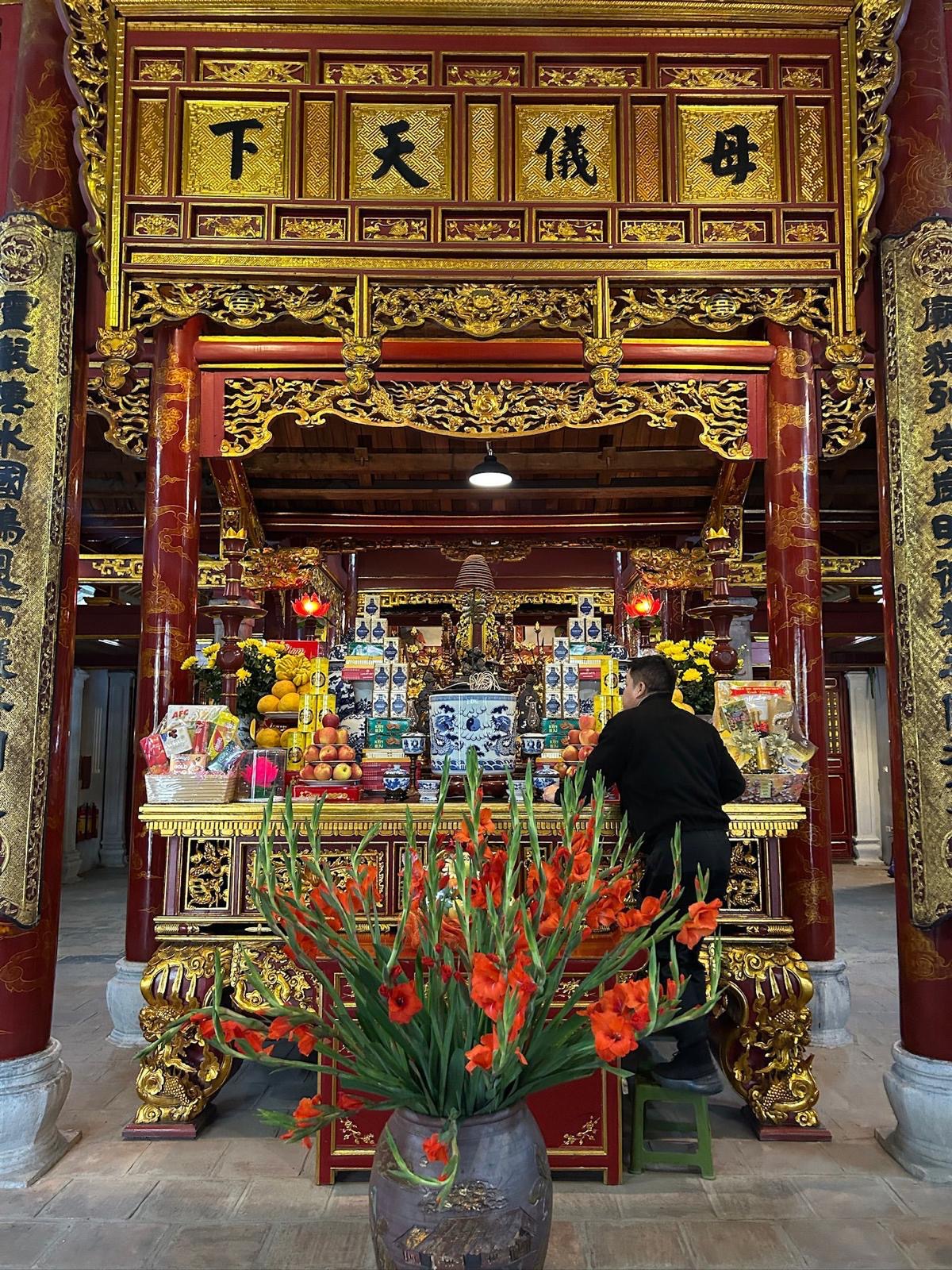
Evening: walk back toward the lake and stop at Ngọc Son Temple if you want something gentle and symbolic.
Night option: Dong Xuân Night Market is best Fri–Sun if your days line up.
Day 3: Hanoi, Train Street and the backstreets
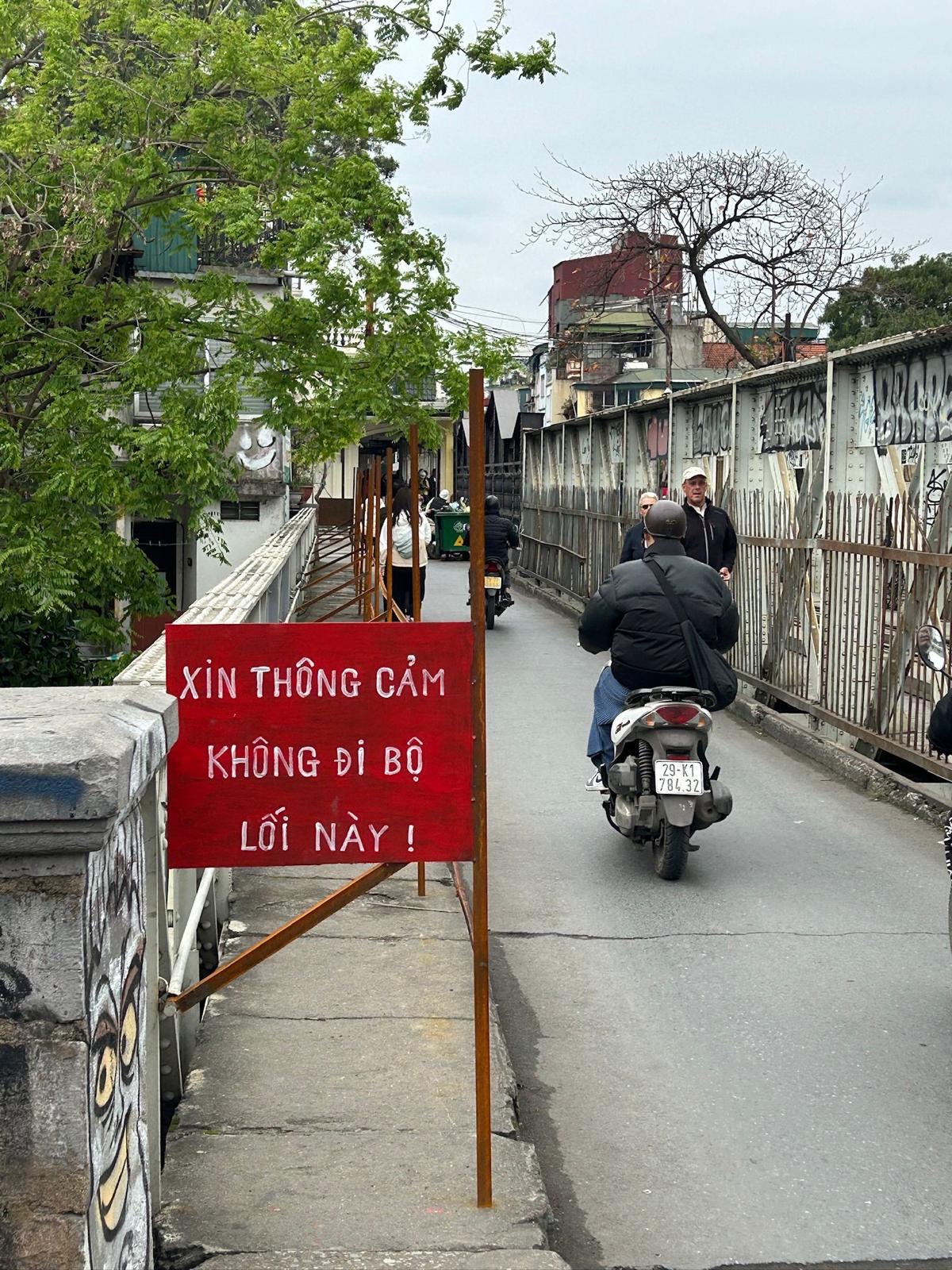
Go to Train Street the right way: pick Nam Vy Coffee in the south section, arrive 30 minutes before a scheduled train. The staff will guide you on timing and where to sit. Do not freelance it. This is one of those places where the rules matter.
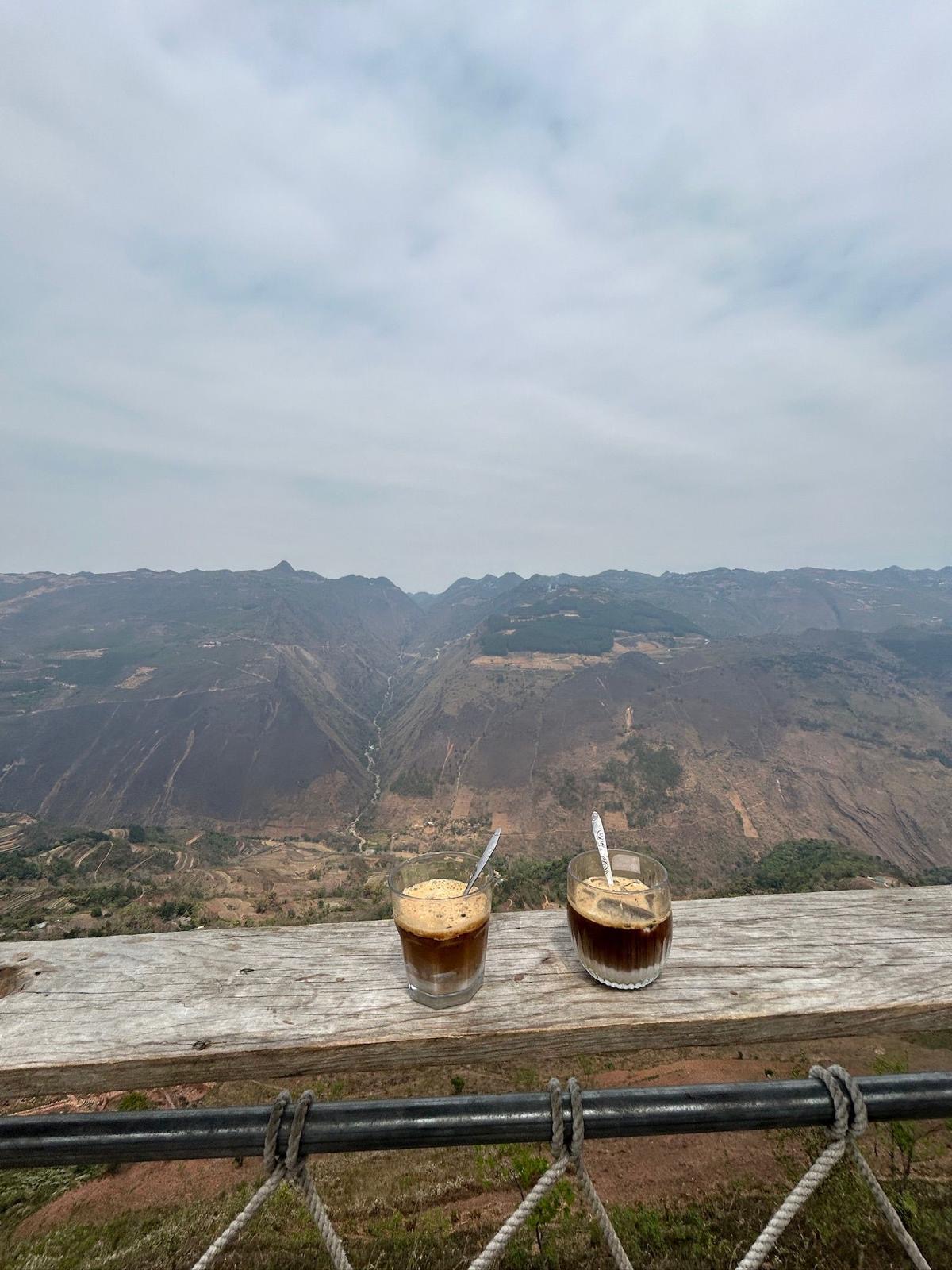
Midday, hide from heat with cafés. Try coconut coffee at Cộng Cà Phê or The Note Café, then pick something more niche like yoghurt coffee or a pandan sticky-rice coffee if you spot it.
If you need something practical, hit outdoor gear shops on 83 Hàng Gà. This is your chance to top up rain layers or cheap accessories before the mountains.
Day 4: Hanoi slow day
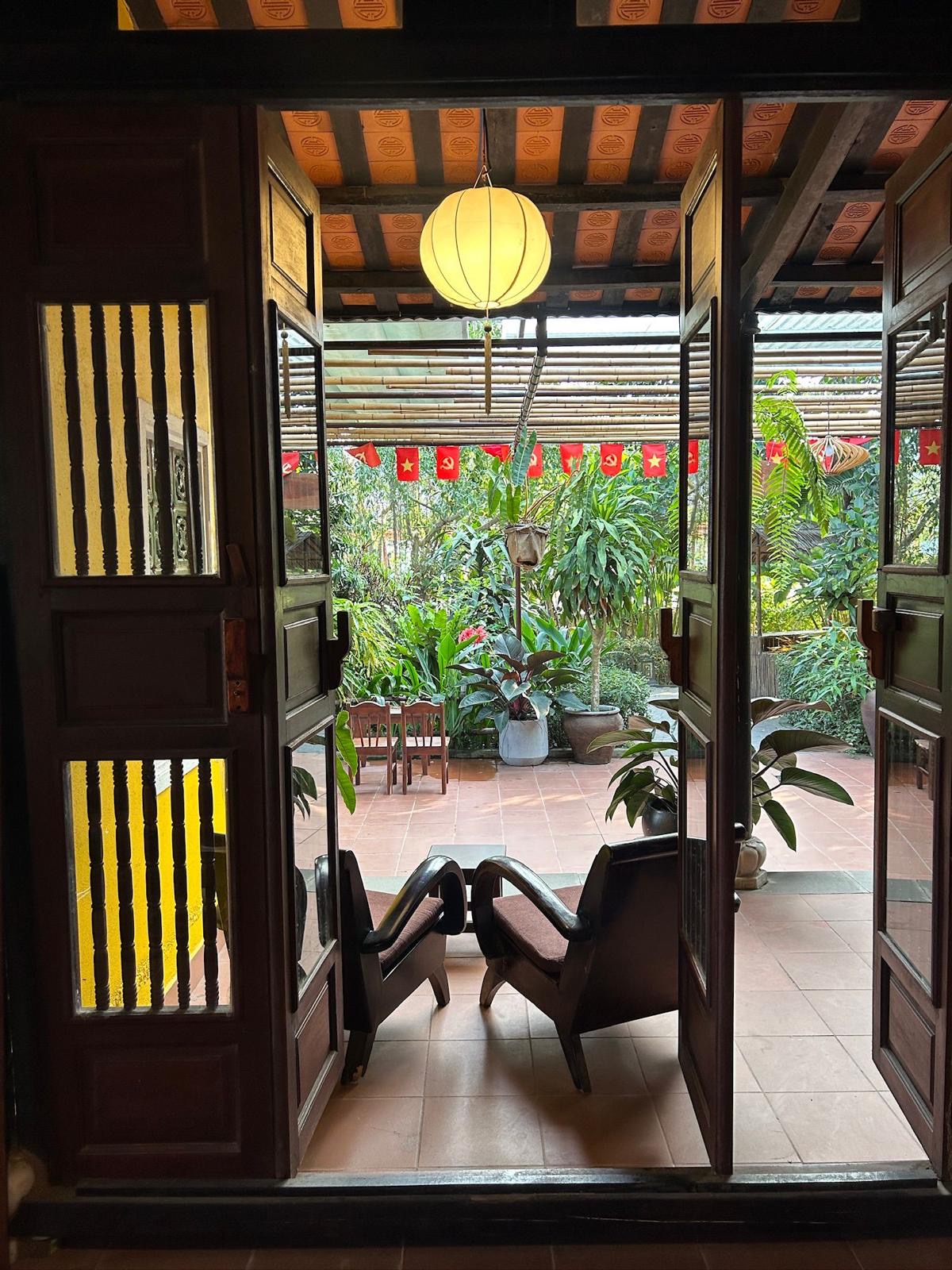
Use today to slow down and walk without purpose through the Old Quarter’s guild streets, then loop the lake again. Pop into tiny courtyards and second-floor cafés.
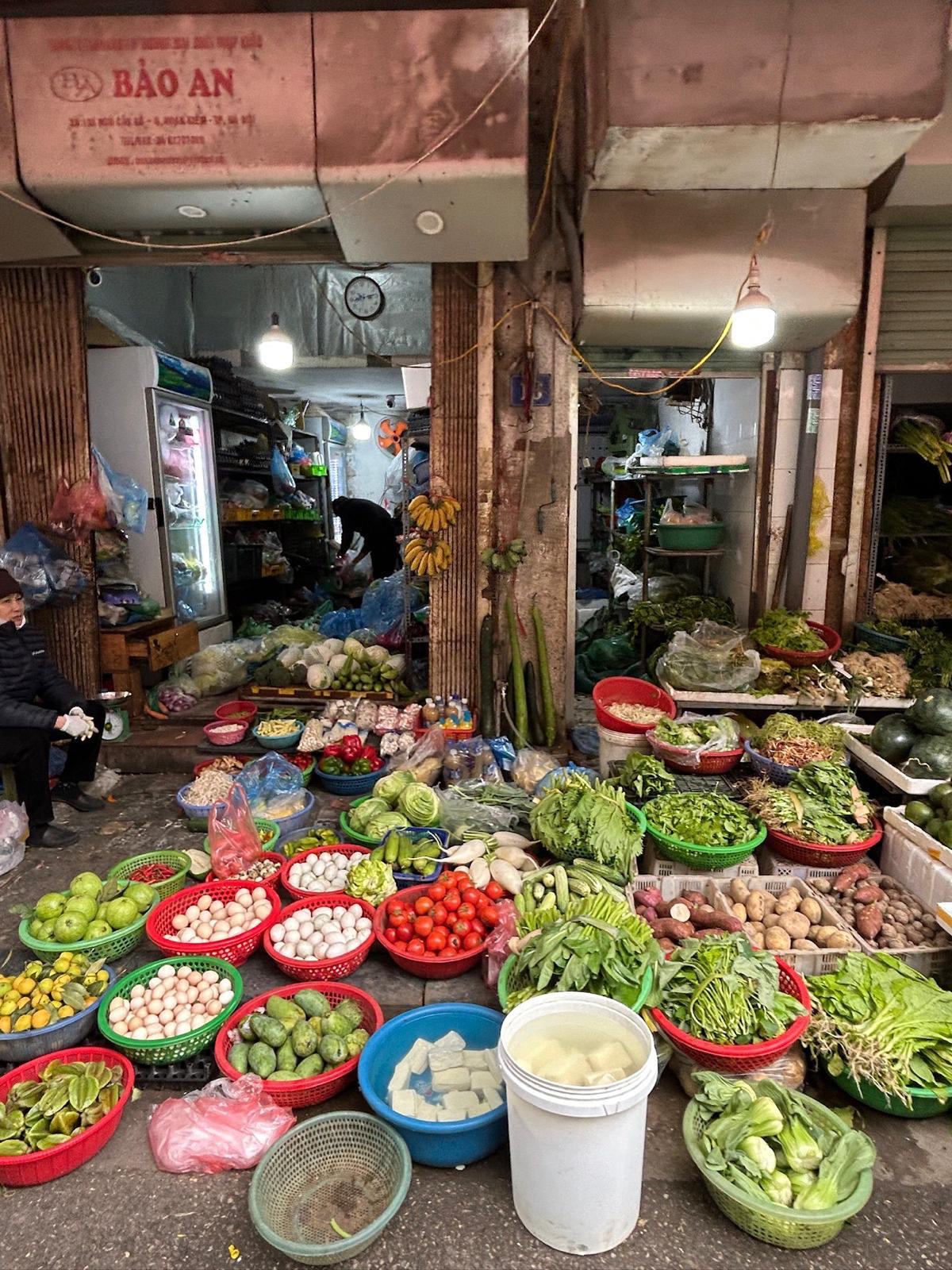
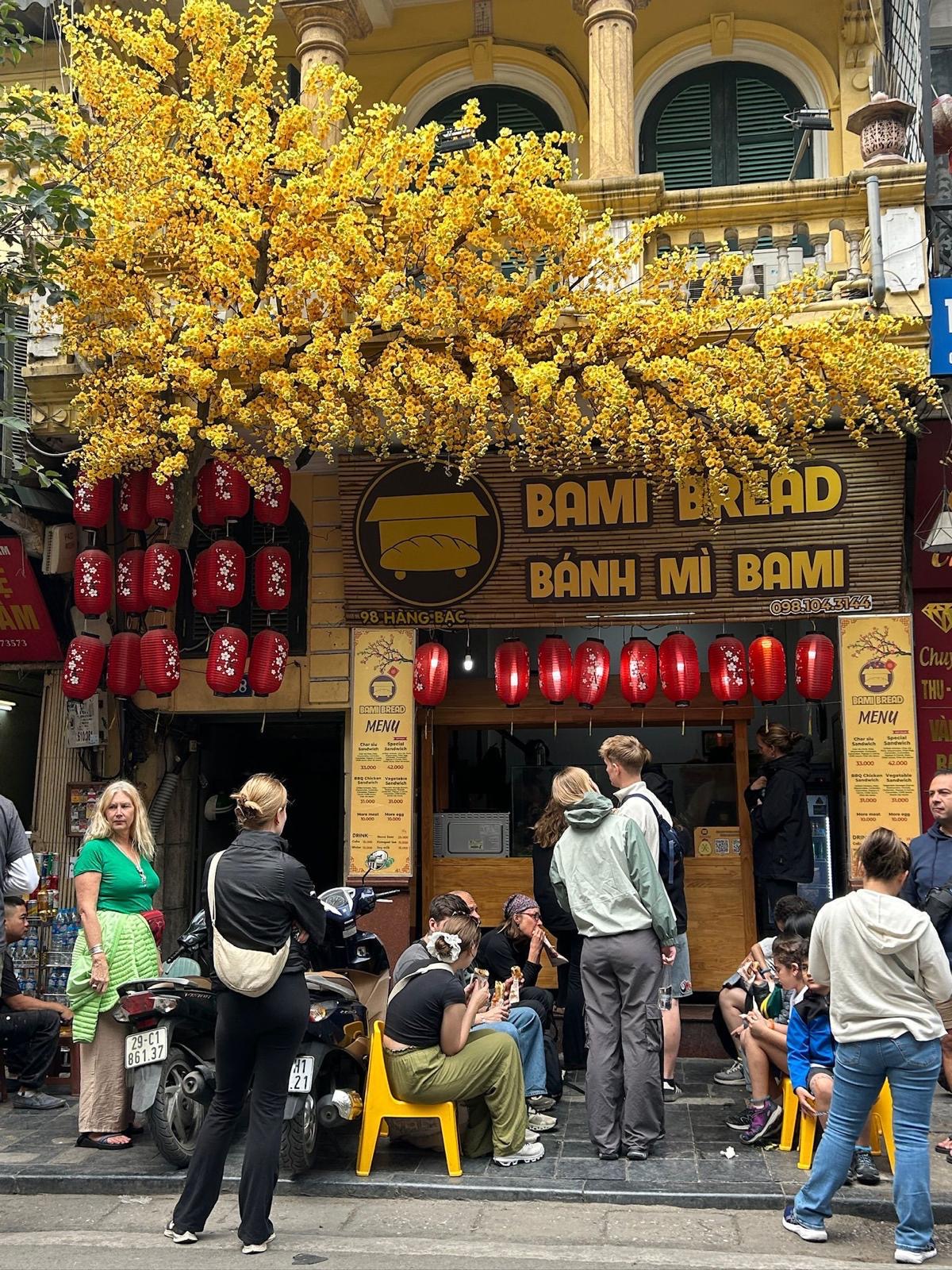
Turn this day into a food crawl of Bánh mì and Bánh cuốn Bà Xuân, order steamed rice rolls and ask for the egg-yolk topping.
Evening: Beer Street is loud and touristy, but in a group it can still be fun. The key is to treat it like a one-hour pit stop, not a whole night.
Day 5: Transfer to Sa Pa and descend into the valley
You leave Hanoi’s dense streets and climb into cooler air. Sa Pa’s town can feel busy and touristed, but the real beauty begins when you drop into the valley and sleep in a homestay. Check into Ta Van Chô Pai Homestay for quieter nights and a more grounded landscape feel.
Day 6: Terraces, villages, and the Vietnam that is older than the state
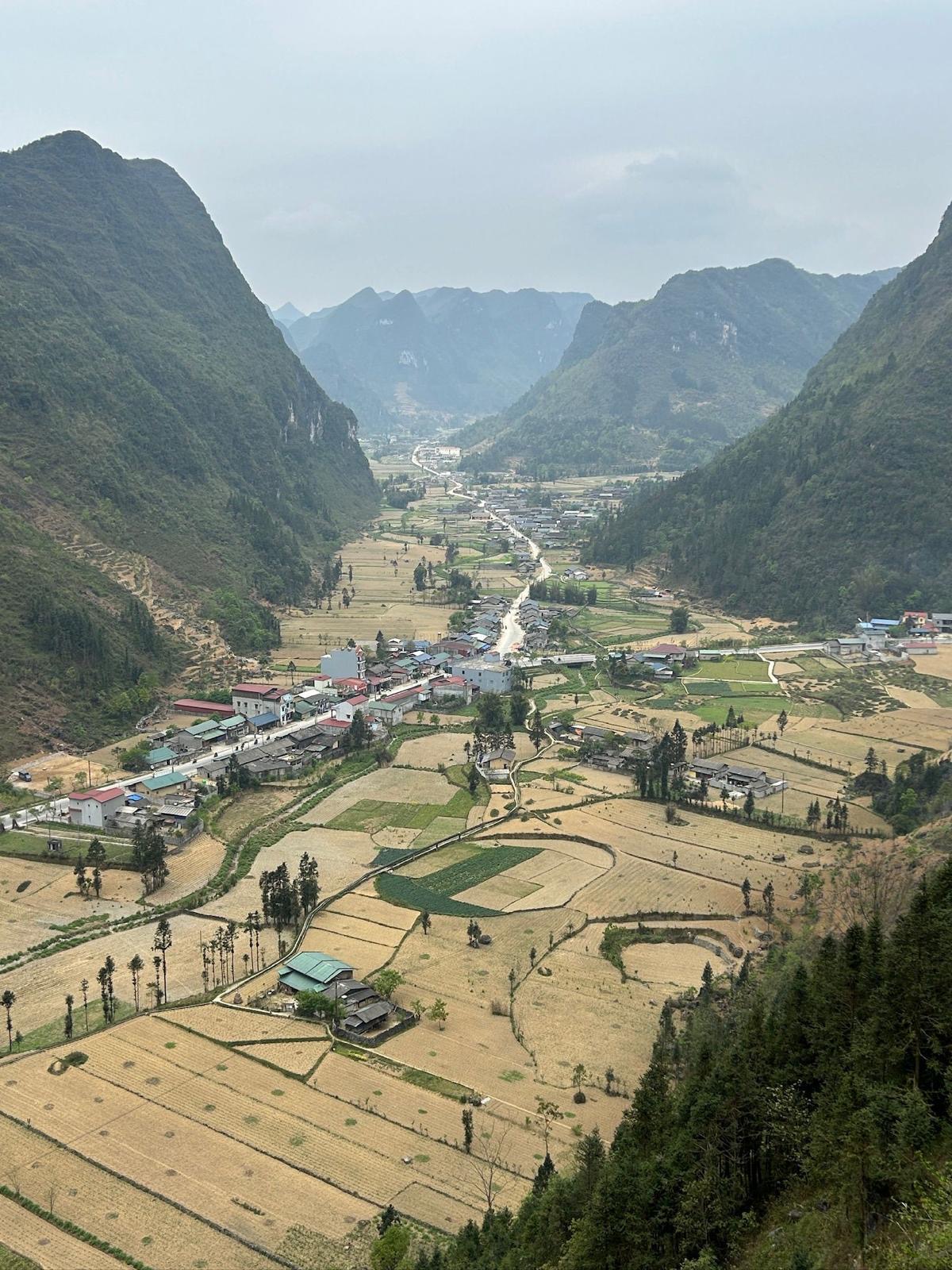
Today is for a valley hike through terraced rice fields. Arrange locally with H’Mông or Dao guides. It is not just about navigation, they give you context: how the terraces are built and maintained, what the crop cycles mean, how the landscape is lived in rather than visited.
A classic route is Ta Van → Lao Chai → Y Linh Ho. You will stop often because the views demand it.
Day 7: Fansipan, summit theatre and cloud pagodas
Fansipan is Vietnam’s highest peak at 3,143 m. You have two legitimate choices: Cable car for a spectacular, cloud-level experience with pagodas and summit views. This is the best option if weather is unclear or you want to preserve energy for Hà Giang later. Alternatively, do the full hike if you are fit, weather is stable, and you want the earned summit feeling.
Days 8–10: Hà Giang Loop, The Border Road
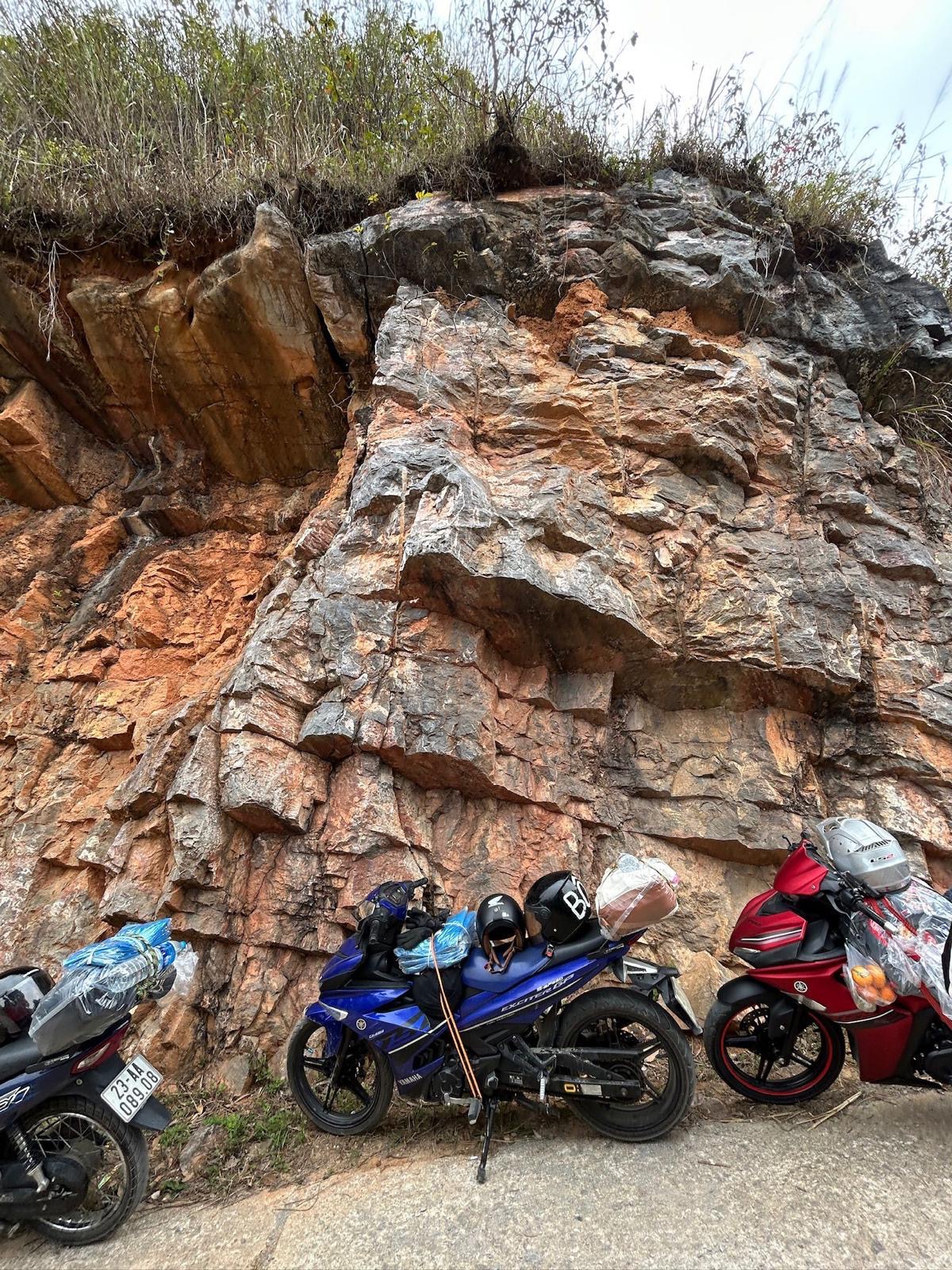
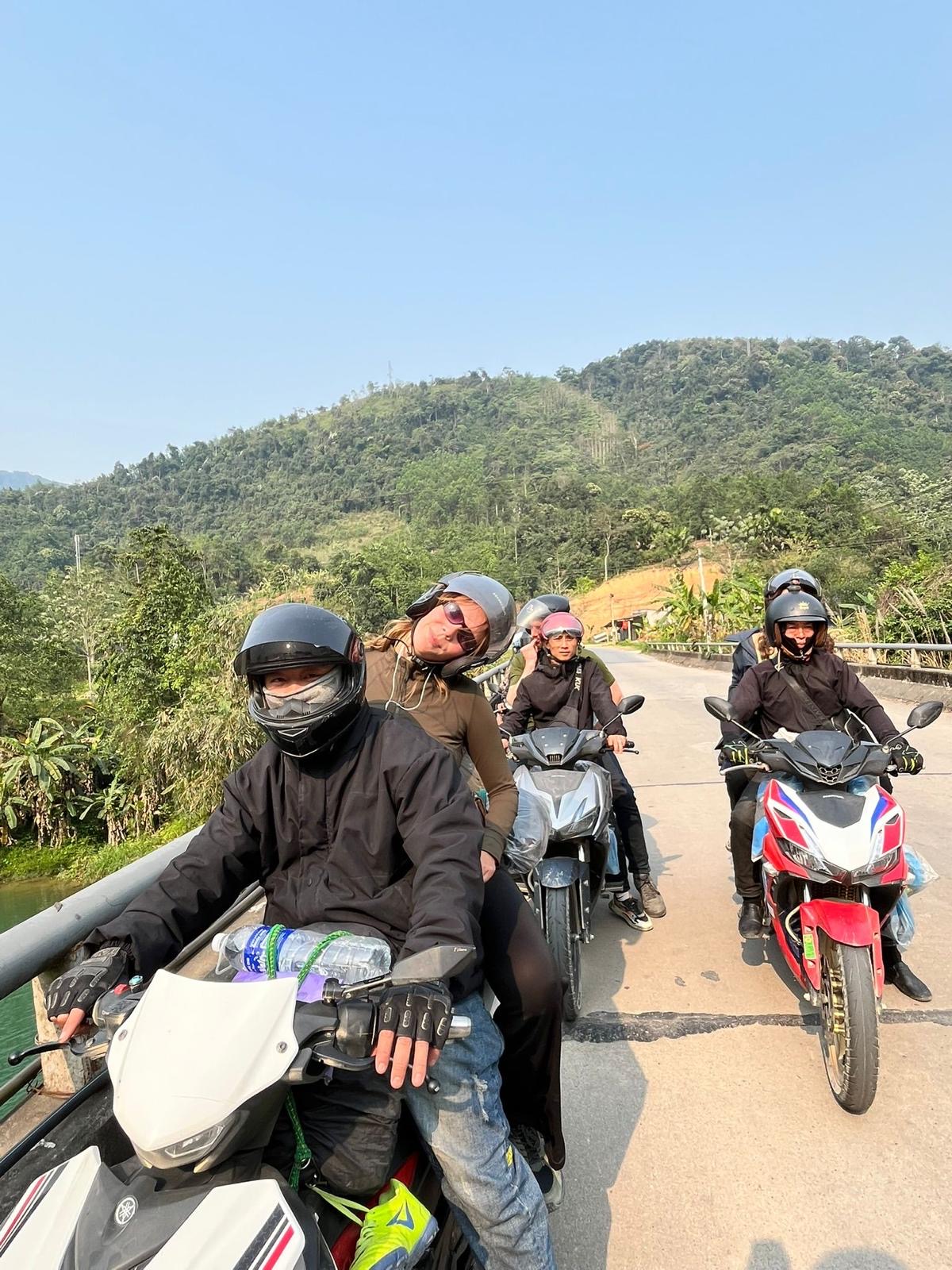
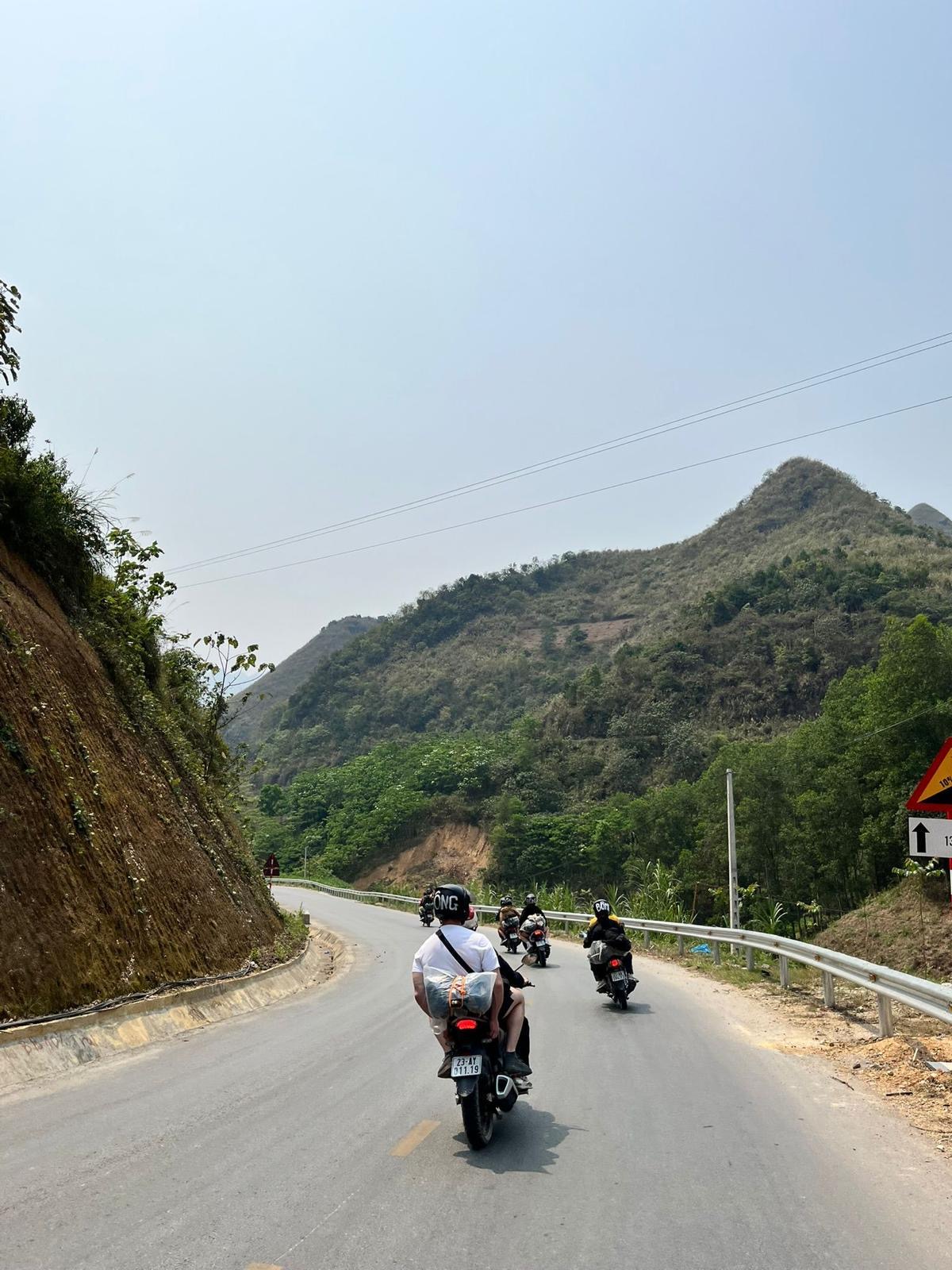
This is a shift from scenic to epic. Hà Giang is the start point for Vietnam’s most dramatic road journey, a highland loop near the Chinese border carved through karst mountains. Leave big bags behind at your Hanoi hostel if possible, you want light gear. Pre-organise this with a loop operator, they are all similar in price and offering and the social aspect of the loop makes it 10 times more fun (think evening Karaoke).
Choose your riding style honestly: easy-rider is recommended unless you are experienced. The loop is not the place to discover your limits. Weather swings fast and visibility can drop.
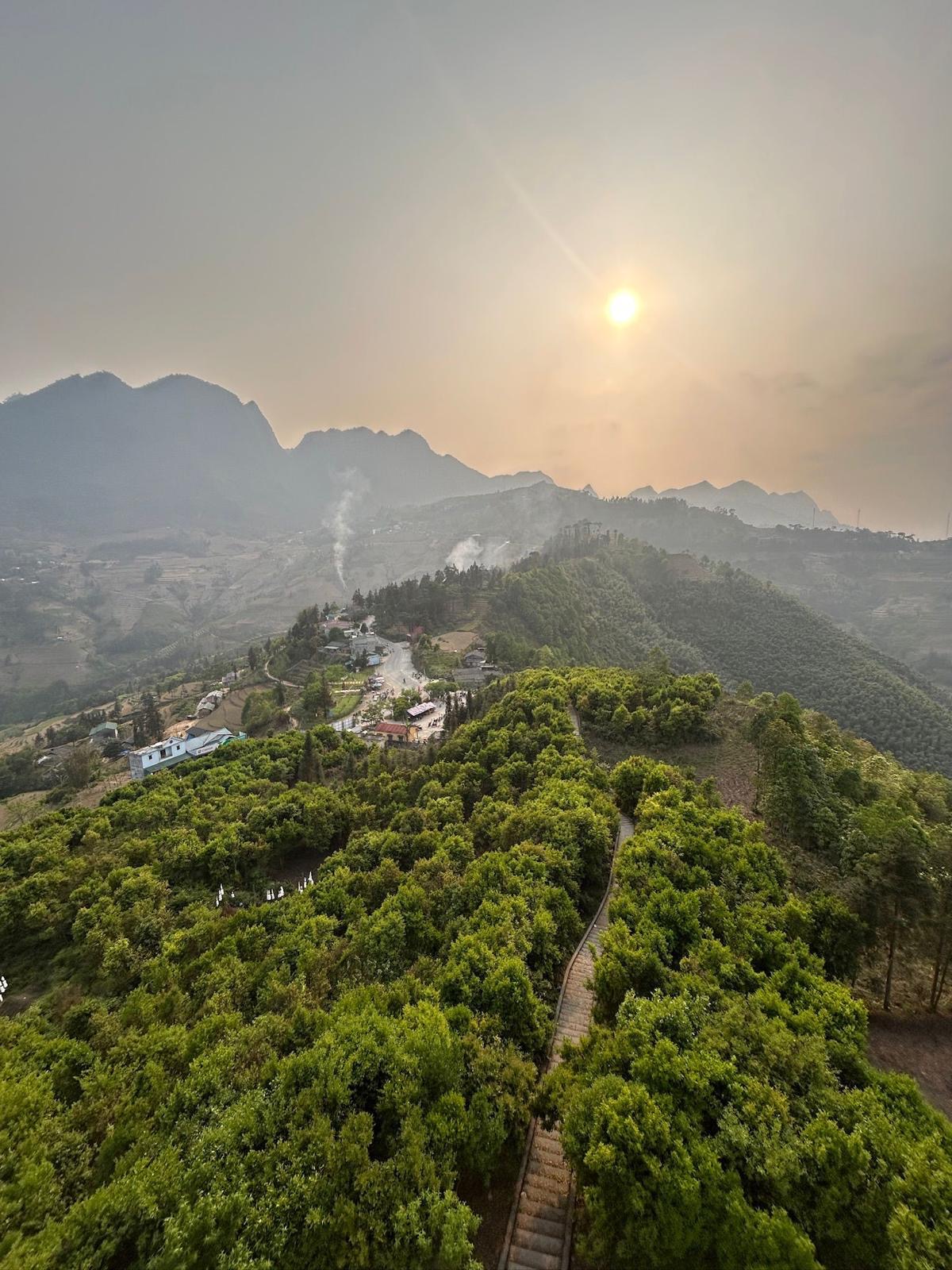
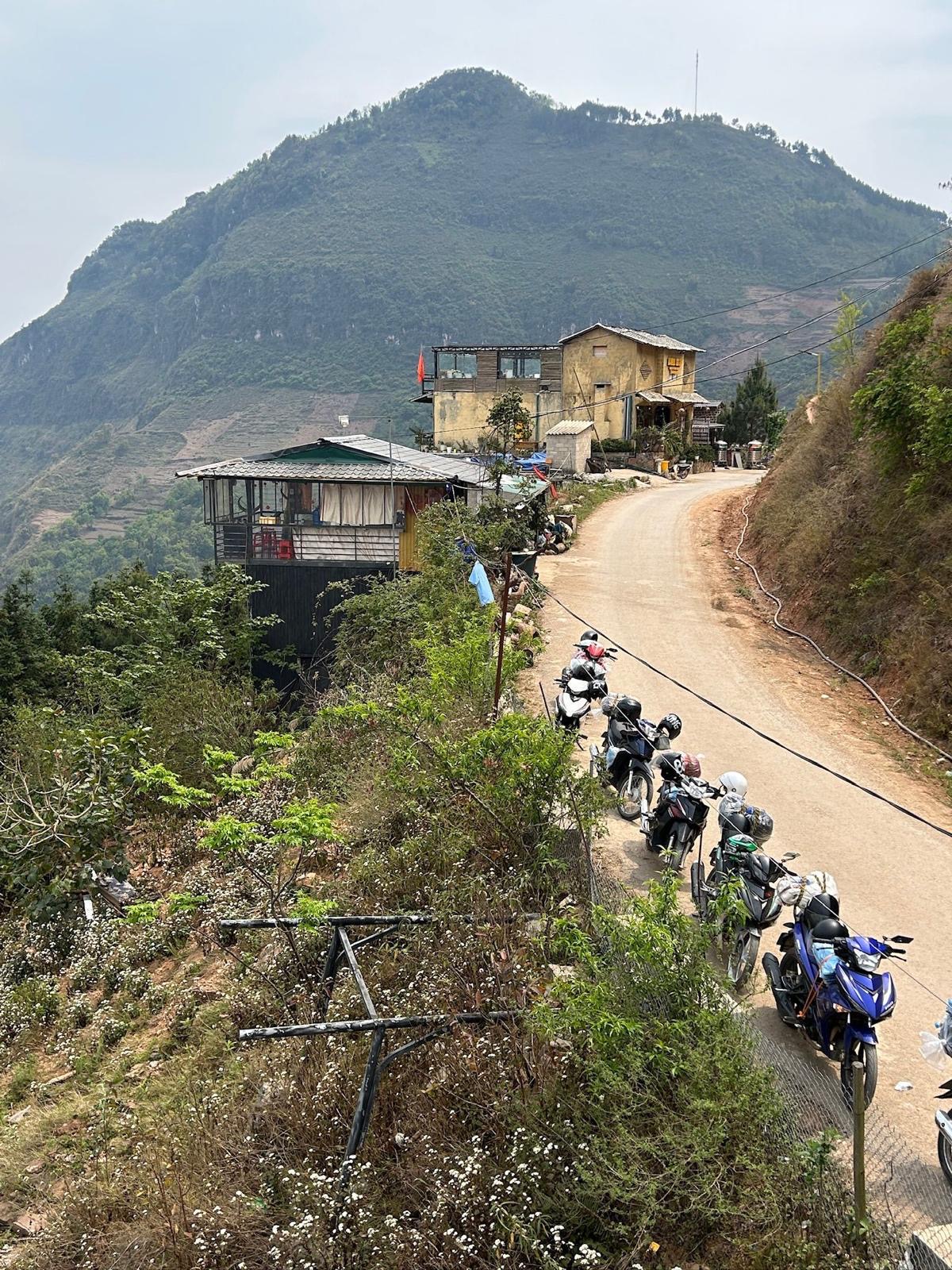
The first day is the slow reveal. You climb out of valleys into limestone towers, the road tightening into switchbacks, then opening again into wide highland space. Stop at Tham Ma Pass for the first big panorama.
Overnight in Dong Van, a frontier town where evening streets feel sleepy and cold compared to the lowlands.
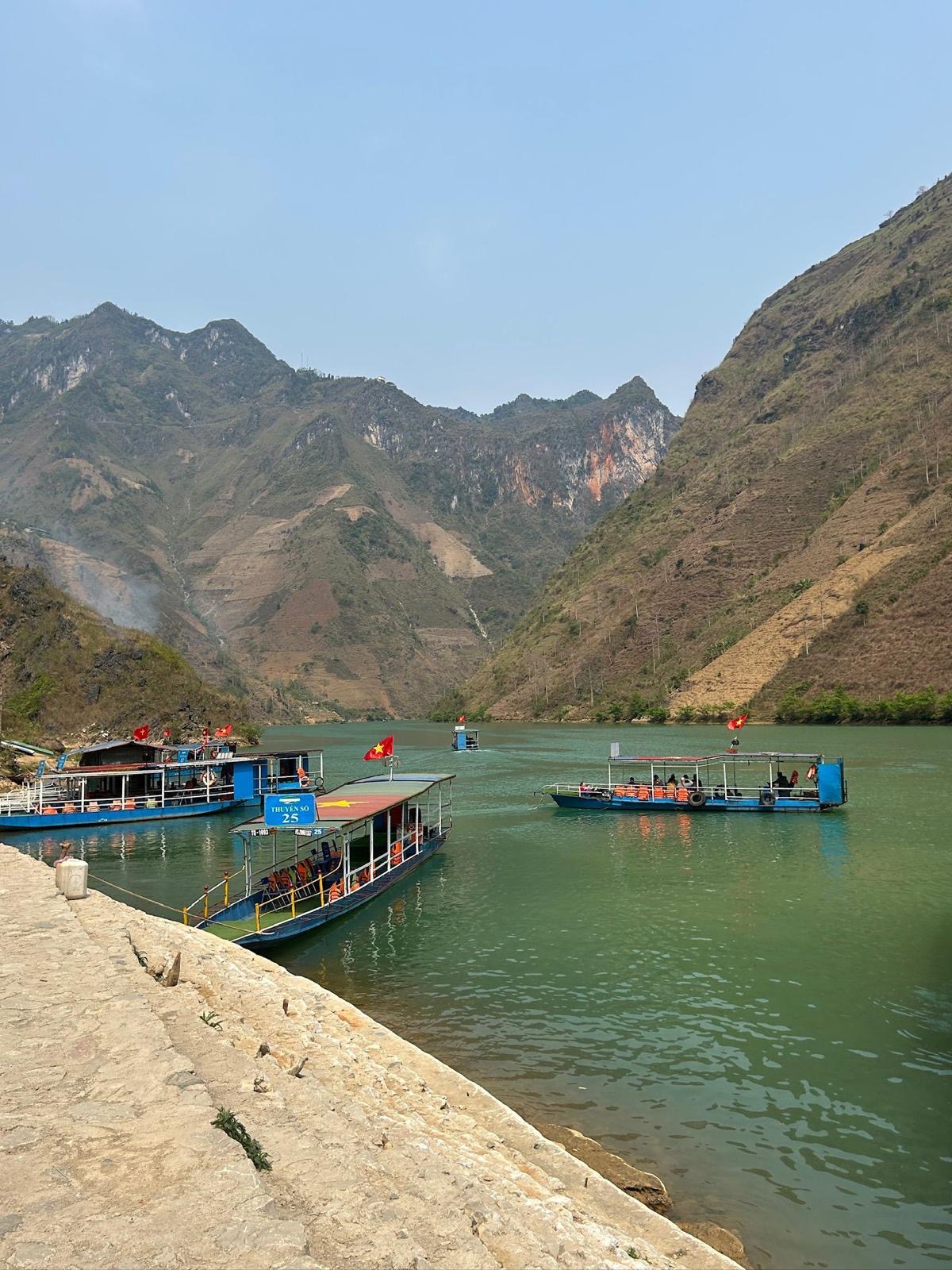
Day 2 is a showstopper. Mã Pí Lèng Pass is an unforgettable road. It is carved into a cliff and drops to the river far below. If you can, do the short boat ride on the Nho Que River. From the water, the cliffs feel vertical, and you understand the scale. Depending on your loop operatinger, overnight either in Mèo Vạc or back in Dong Van before returning via Heaven’s Gate to Hà Giang. This is the 3 day version but 4 days are recommended if you have the time, not just to explore the area further but also to spend more time with you new travel buddies!
Days 11–13: Cát Bà and Lan Ha Bay
After the highlands, the sea feels like a new country. Travel to Cát Bà Island and check into Secret Garden Hostel. Use the afternoon to decompress: seafood, sea air, and a walk along the waterfront.
Cát Bà is your gateway to the karst seascapes of Lan Ha and Ha Long, limestone islands that rise like teeth from calm water.
Book the 2D/1N Lan Ha to Ha Long cruise, Lan Ha is quieter than the main Ha Long routes. Midrange options like Lavender Cruises tend to give good value: cabins, meals, and a solid itinerary. Day is simple: boat through karst towers, kayak into lagoons, swim where the water is calm. Let the scenery do the work. Other activities involve visiting caves and small islets.
Optional: spend one night in Ha Long City if you want the short hill viewpoint hike over the bay. It is quick but punchy and gives you a final wide-angle memory before you move inland again.
Days 14–16: Ninh Bình
Bus to Ninh Bình or Tam Coc, check into Banana Tree Hostel. The vibe is rural and calm. Here, the karst is not in the sea but rising out of rice paddies and river valleys. Rent a bicycle. This region is best at a gentle pace.
Do a Tràng An boat tour, buy tickets on site, it runs 2–3 hours through caves and karst corridors. This is cinematic Vietnam: quiet water, echoing cave ceilings, and green walls closing around the boat. Also go to the Múa Caves viewpoint, around 486 steps. Go early or late for shade. The top ridge feels like a dragon spine, with wide views over the river and rice fields.
Visit Hoa Lu Ancient Capital, temples of the Dinh and Lê dynasties, when this region held power in the 10th century before the political centre shifted north. It is not grand like imperial China, but it is deeply rooted, the kind of place that reminds you Vietnam’s history is long and layered.
Optional: Bái Dính Pagoda for scale and spectacle. It is modern and huge, and the point is the sheer size of devotion made physical. Cycle past lily lakes and stop at Bích Dộng Pagoda if you want something quieter and more atmospheric.
Day 17: Hanoi to Dà Nang
Transfer back to Hanoi in the morning and take the short flight to Dà Nang. Check in, then go straight for My Khê Beach at sunset.
Days 18–20: Dà Nang, Pagodas and Beaches
Go to Linh Ứng Pagoda on Sơn Trà. The Lady Buddha statue looks over the bay like a guardian. This is Vietnam’s spiritual architecture at a grand, coastal scale. Go earlier in the day for clearer views and calmer crowds.
Visit Marble Mountains, a cluster of limestone hills with caves and pagodas cut into rock. You climb through cool shade into viewpoints above the city. It is a good day to bring water and take it slowly, the heat can be heavy.
Choose a beach base: My Khê or Non Nuoc. Spend time in low-key bars. If you want social energy without chaos, places like ROM Casa can be friendly even if you are not staying.
Days 21–24: Hoi An, Lanterns, Tailors and Cooking Pots
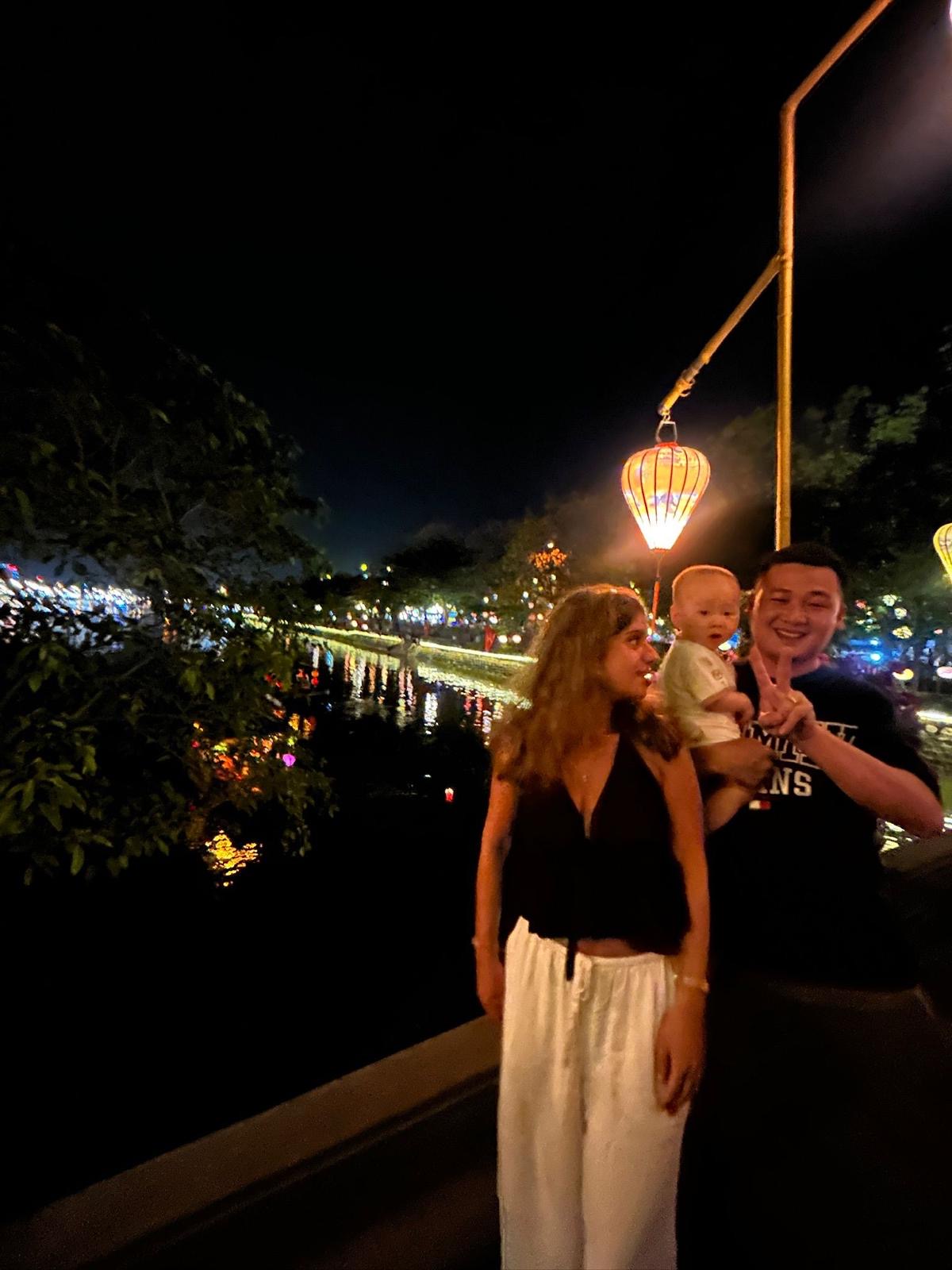
A short taxi ride south brings you into Hoi An, and the atmosphere changes instantly. The Ancient Town is a preserved trading port shaped by Chinese assembly halls, Japanese influence, and Vietnamese merchant culture, all washed into the same warm yellow palette. Check into Cheerful Hoi An Hostel and take your first evening walk through lantern-lit streets. Yes, it is touristy. It is also genuinely beautiful.
Hoi An is famous for tailors because historically it was a textile trading hub. The tailoring culture today is modern hustle built on that old merchant foundation. Choose a tailor early, like 41 Tailor, Bao An, or Milan Tailor for linen and allow 24–48 hours and at least one fitting. Bring reference photos and be precise about fabric and fit. If you want a classic Hoi An moment, do the lantern boat at sunset. It is undeniably pretty, even if it is slightly staged. If your dates align with the Full Moon festival, the town becomes more atmospheric and less electric-lit, which is when it feels closest to its older self. Do an eco cooking class, something like Mimi’s includes a market visit, boat transfer, and cooking regional dishes like cao lầu and white rose dumplings. This is not just for recipes. It teaches you the flavour architecture: herbs, broth, freshness, balance.
Great beach options include An Bàng for laid-back vibes or Silk Beach Club, and for sunset drinks Market Bar during happy hour is the place to be.
Day 25: Fly back to Hanoi
Early flight from Dà Nang to Hanoi, check into Calista Trendy Hotel. You are back where you started, but you understand the city differently now. Do a final coffee crawl, buy small souvenirs like lacquer or textiles, and eat one last bowl of something hot.
Day 26: Departure
Taxi to the airport. Vietnam ends the way it begins: movement, noise, warmth, and a sense that you barely scratched the surface.
Optional Southern Extension (5–7 days)
If you want more coast and city before flying out:
- Nha Trang (1 night): long sandy beach; sunset from Hòn Ching rocks; quick seafood dinner.
- Mui Né (2 nights): red/white dunes at sunrise, kitesurf vibe; coastal food courts.
- Ho Chi Minh City (2 nights): Book Street (Nguyen Van Bình), Central Post Office & Notre-Dame, War Remnants Museum, shopping (Lsoul/Len/Gola)
- Phú Quoc (1–2 nights): clear water, boat trips; then fly back to Hanoi for your international departure.
.png)