image of popular travel destinations

Albania

A south-to-north road trip through one of Europe's most underrated countries: Ionian beach clubs and speedboat coastlines, two UNESCO Ottoman towns, mountain hiking in the Accursed Alps, and a capital city that has quietly become one of the Balkans' most energetic places to eat and drink.

Europe's last great bargain. Not for long.

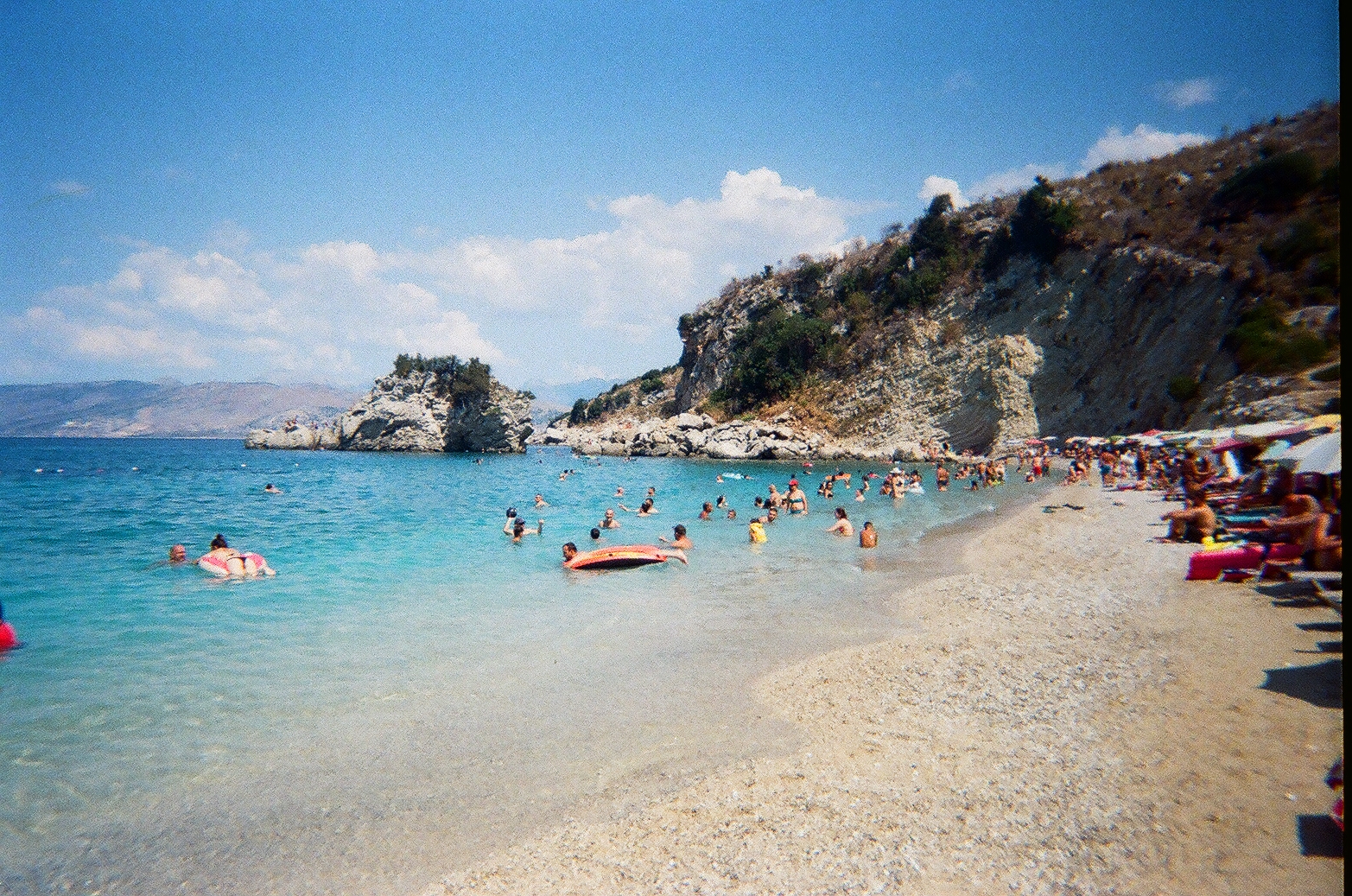
Albania arrived late to international tourism and is making up for it fast. The Albanian Riviera, a stretch of Ionian coastline between Sarandë and Vlorë, now draws beach-seekers from across Europe with water that rivals the Greek islands across the channel and prices that are a fraction of them. The UNESCO hilltop towns of Gjirokastër and Berat have been drawing slower travellers for over a decade, their Ottoman castle architecture and stone lanes genuinely unchanged in character since the 18th century. In the north, the Accursed Mountains hold some of the most dramatic hiking in southeastern Europe: the Theth to Valbona trail cuts between two national parks over a high alpine pass, via Komani Lake, which alone justifies the logistics of getting there.

And then there is Tirana: a city that was, within living memory, one of the most sealed and controlled capitals in the world, where private cars were banned, colour was treated as subversion, and contact with foreigners was a criminal offence. The pastel-painted apartment blocks, the Bunk'Art Cold War bunker museums, and the café culture that has established itself in the former Party elite neighbourhood of Blloku are all direct products of that history. The city is cheap, lively, and improving fast.

This route works best with a rental car. Albania's public transport is cheap and functional in the cities but limited for the coastal and highland sections that make the country distinctive. The south is the headline; the north is the revelation; Tirana is the bookend that makes sense of both.

Highlights

image of vibrant dining space (for a mexican restaurant)

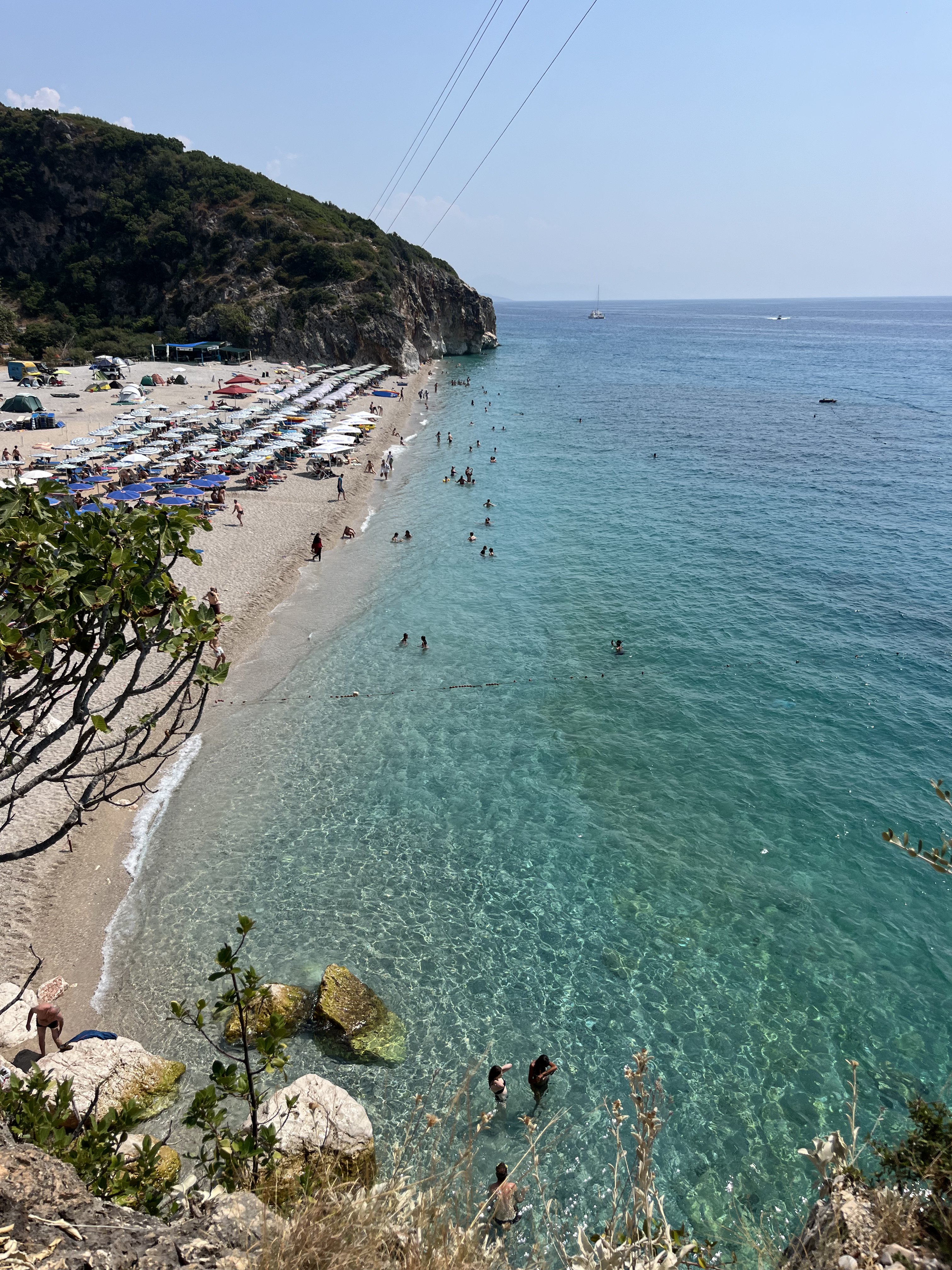
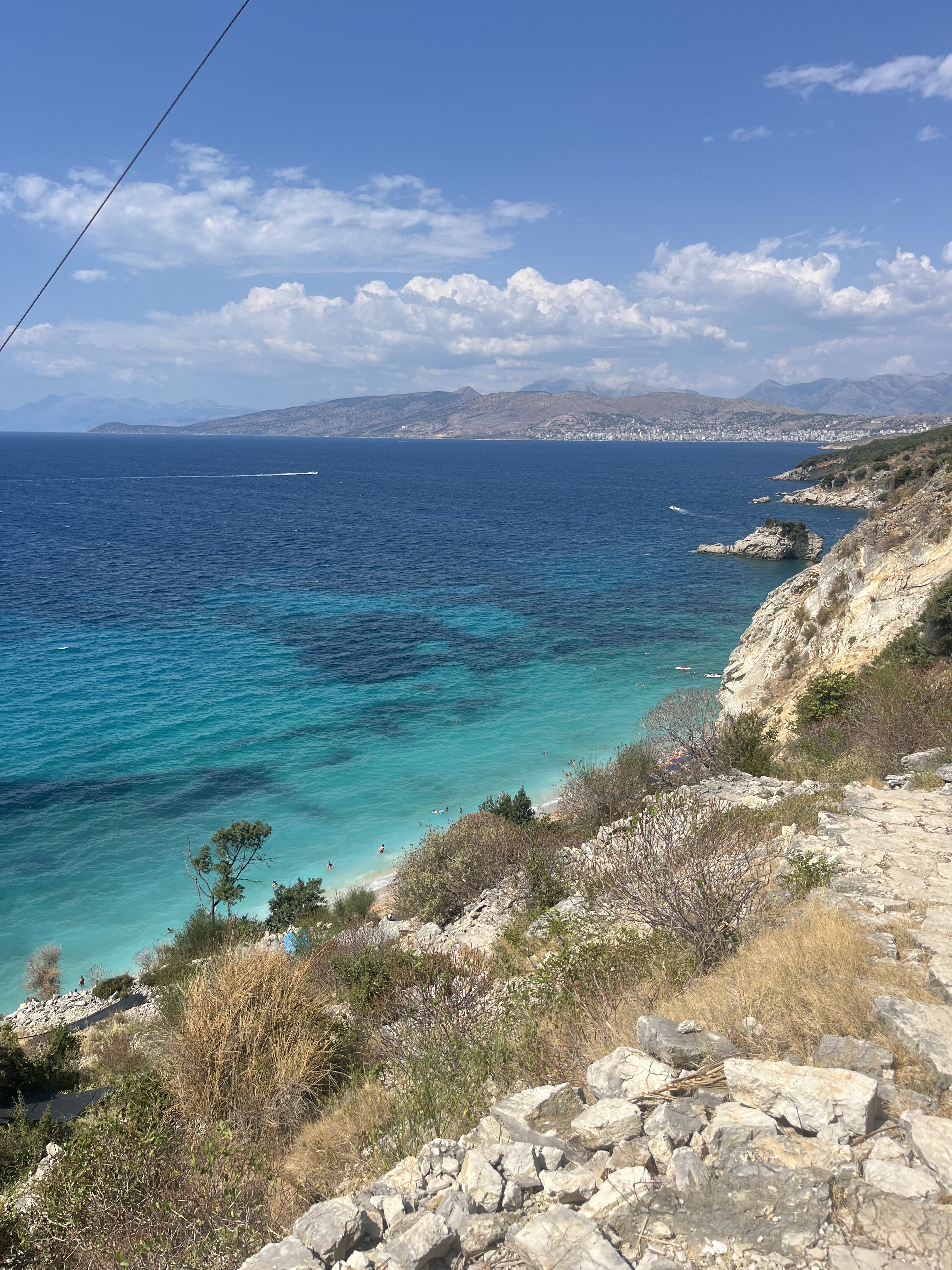
Gjipe Beach

Reached only by a hiking trail from a hillside parking area, is the best of the accessible beaches on this coast, with a huge canyon behind it and crystal clear waters.

image of a guided tour group

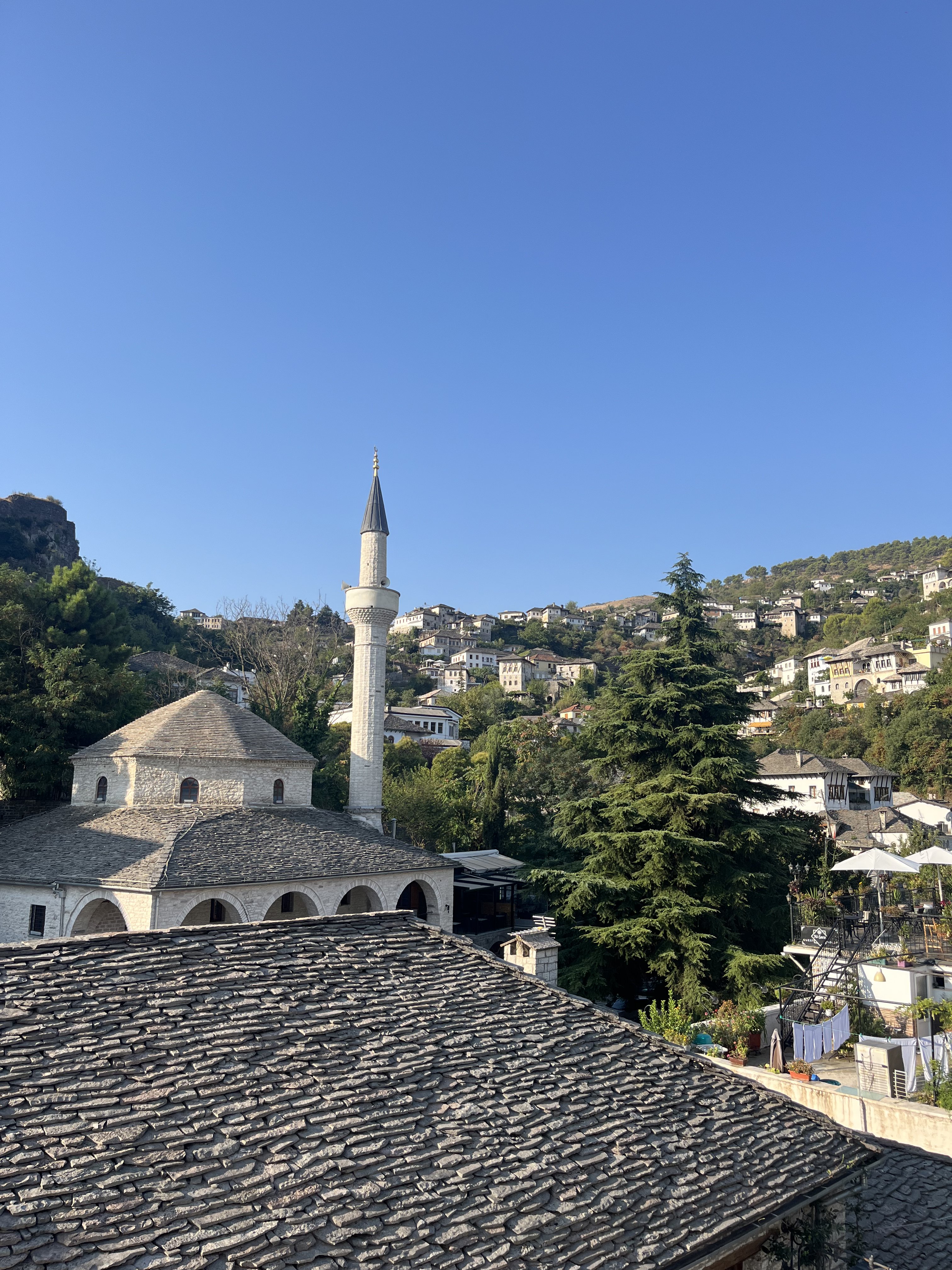
Gjirokastër

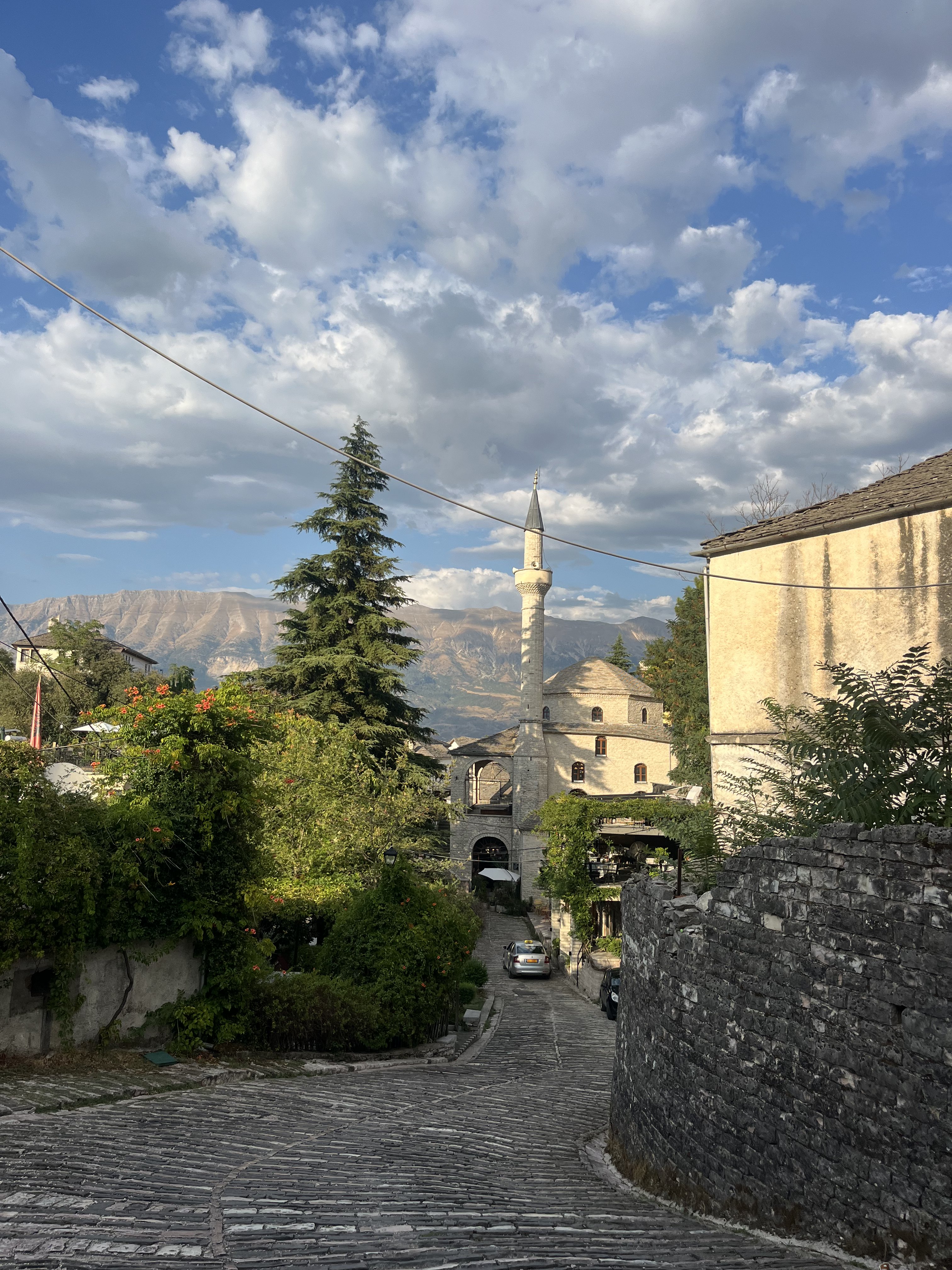
One of the Balkans' most intact Ottoman towns, UNESCO listed, built around a castle on a hill that demands to be climbed at the hour before sunset. Stone towers on a steep ridge above the Drinos valley, a castle that feels genuinely ancient and not curated.
image of a local tour guide (for a travel agency)

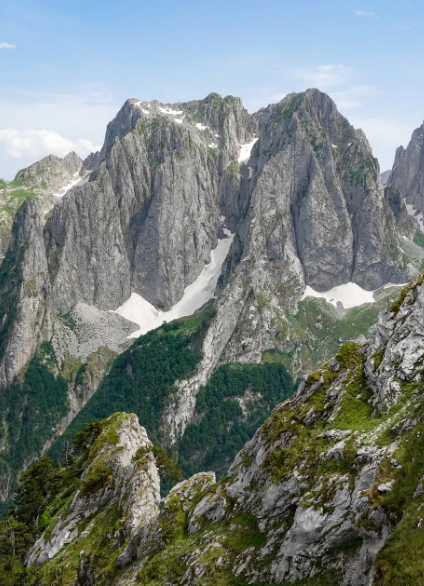
The Accursed Mountains

The Albanian Alps in the far north go by two names: the official Alpet Shqiptare and the much more evocative Bjeshkët e Namuna, the Accursed Mountains. The 14.7-kilometre trail between the villages of Theth and Valbona crosses the Valbona Pass at around 1,800 metres through limestone ridges, beech forest and mountain streams. It takes seven to ten hours at a steady pace.
image of vibrant dining space (for a mexican restaurant)

Gjipe Beach

Reached only by a hiking trail from a hillside parking area, is the best of the accessible beaches on this coast, with a huge canyon behind it and crystal clear waters.

image of a guided tour group

Gjirokastër

One of the Balkans' most intact Ottoman towns, UNESCO listed, built around a castle on a hill that demands to be climbed at the hour before sunset. Stone towers on a steep ridge above the Drinos valley, a castle that feels genuinely ancient and not curated.
image of a local tour guide (for a travel agency)

The Accursed Mountains

The Albanian Alps in the far north go by two names: the official Alpet Shqiptare and the much more evocative Bjeshkët e Namuna, the Accursed Mountains. The 14.7-kilometre trail between the villages of Theth and Valbona crosses the Valbona Pass at around 1,800 metres through limestone ridges, beech forest and mountain streams. It takes seven to ten hours at a steady pace.

Journey itinerary

Itinerary overview
Detailed breakdown follows

Day 1: Arrive via Corfu / fast ferry to Sarandë, settle in and first evening on the coast

Days 2 to 3: Ksamil and the Riviera coast / beach clubs, speedboat to hidden coves and the Three Islands

Day 4: Gjirokastër / castle at sunset, Ottoman houses and dinner at Kujtimi

Day 5: Drive to Berat / castle climb, Mangalem old town, wine tasting at Çobo Winery and Halveti Tekke

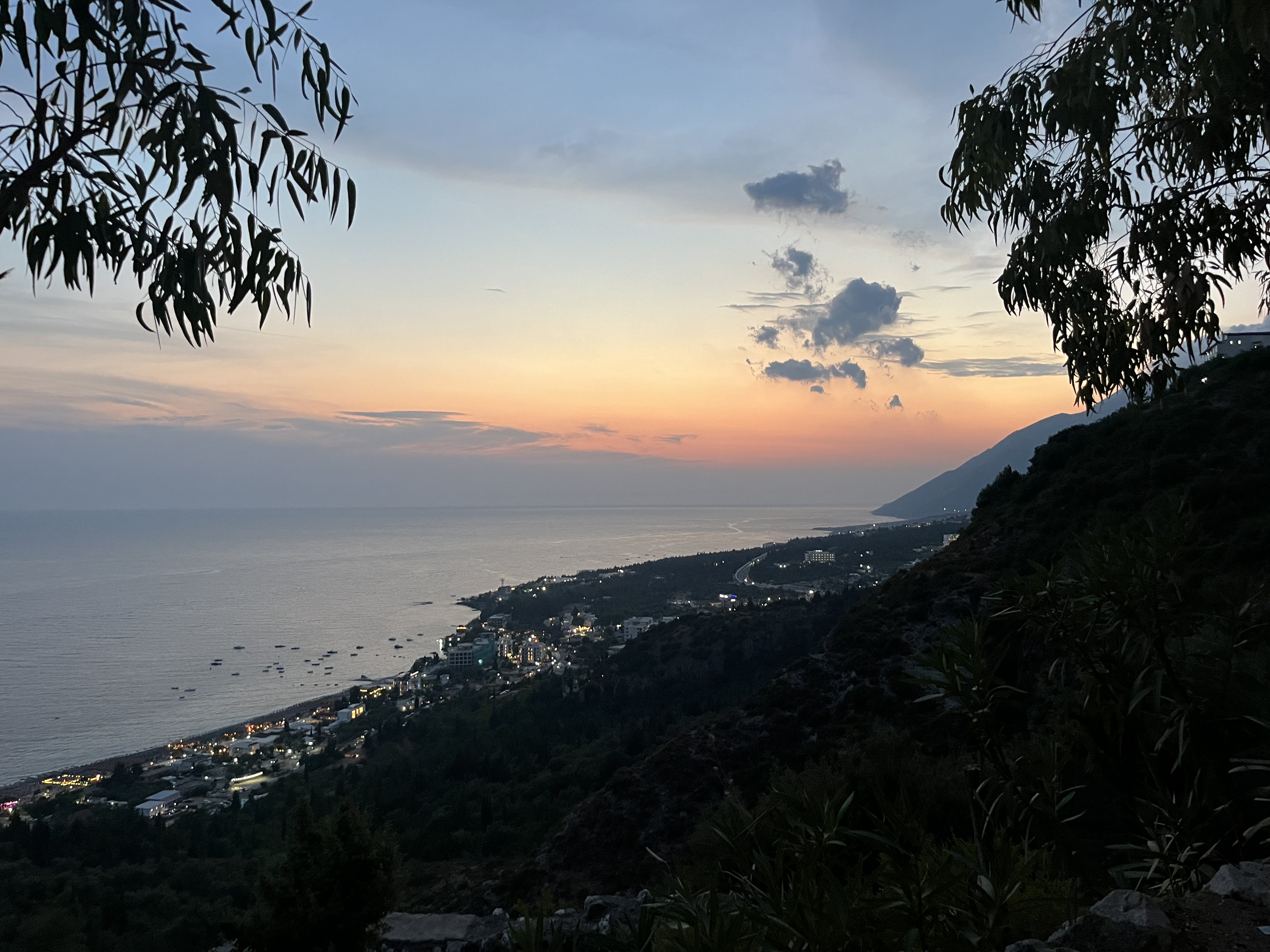
Day 6: Dhërmi and the Riviera coast / Gjipe Beach hike, Pigeon's Cave by water, beach clubs and Salinas at sunset

Day 7: Drive north to Tirana / settle in, Blloku neighbourhood and first dinner

Day 8: Tirana / Skanderbeg Square, Bunk'Art, Dajti cable car and evening in the capital

Day 9: Drive to Shkodër / Rozafa Fortress, city exploration and logistics for the mountains

Days 10 to 12: Accursed Mountains / Komani Lake ferry, Valbona, Theth to Valbona hike and return to Shkodër

Day 13: Return south or fly home from Tirana

Day-by-day itinerary
Day 1: Arrive via Corfu, fast ferry to Sarandë

If visiting South Albania, the correct arrival route is via Corfu. Fly to Corfu International Airport (CFU) and take the fast ferry from Corfu Town's old port to Sarandë. The crossing takes approximately 40 minutes on the fast ferry. The slow alternative takes around two hours and is not worth it. Book the fast ferry in advance, particularly in peak summer months when capacity is limited. Finikas Lines and Ionian Cruises both operate this route; check current operators and timetables at ferryhopper.com.

Sarandë itself is a functional port town rather than a destination. It has expanded rapidly and the waterfront promenade has a pleasant evening atmosphere, but the town does not have the character of the beaches nearby. Most travellers use it as a transit point and head immediately to Ksamil, 12 km south, which has better beach access.

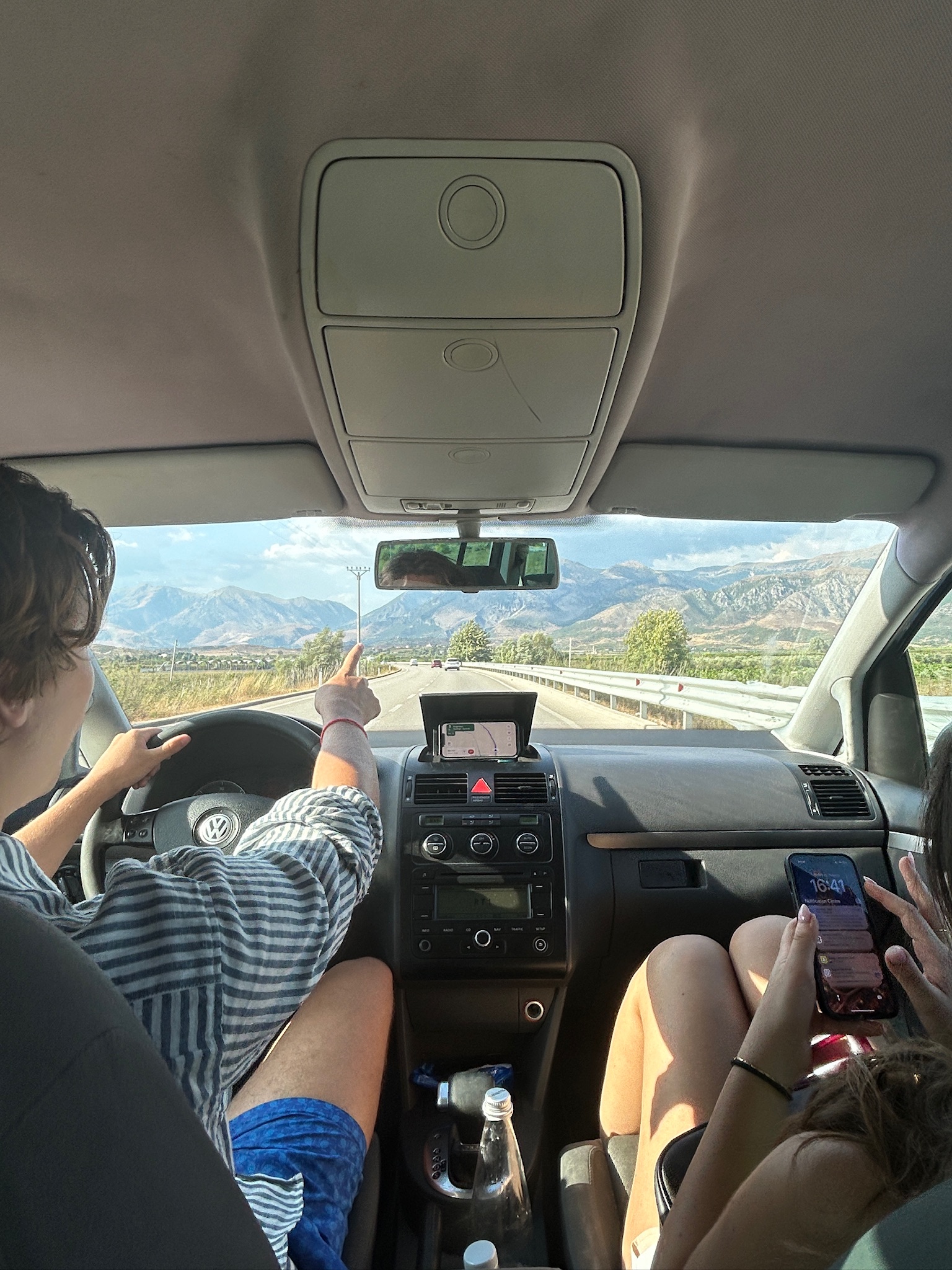
Car rental: Pick up a rental car either in Sarandë on arrival or from the ferry port. A car is essential for the full route, particularly for the coastal sections between Ksamil and Dhërmi where the best beaches are accessible only by car and the road conditions require confidence at the wheel. Albanian roads have improved significantly, particularly since the Llogara Tunnel opened in 2025, but driving style is assertive and rural mountain roads require care. Do not drive rural roads after dark.

Day 1: Arrive via Corfu, fast ferry to Sarandë

If visiting South Albania, the correct arrival route is via Corfu. Fly to Corfu International Airport (CFU) and take the fast ferry from Corfu Town's old port to Sarandë. The crossing takes approximately 40 minutes on the fast ferry. The slow alternative takes around two hours and is not worth it. Book the fast ferry in advance, particularly in peak summer months when capacity is limited. Finikas Lines and Ionian Cruises both operate this route; check current operators and timetables at ferryhopper.com.

Sarandë itself is a functional port town rather than a destination. It has expanded rapidly and the waterfront promenade has a pleasant evening atmosphere, but the town does not have the character of the beaches nearby. Most travellers use it as a transit point and head immediately to Ksamil, 12 km south, which has better beach access.

Car rental: Pick up a rental car either in Sarandë on arrival or from the ferry port. A car is essential for the full route, particularly for the coastal sections between Ksamil and Dhërmi where the best beaches are accessible only by car and the road conditions require confidence at the wheel. Albanian roads have improved significantly, particularly since the Llogara Tunnel opened in 2025, but driving style is assertive and rural mountain roads require care. Do not drive rural roads after dark.

Button Text
Days 2 to 3: Ksamil and the Riviera coast

Ksamil is 12 km south of Sarandë on the edge of the Butrint Lagoon. The town has expanded rapidly on the back of Albanian Riviera tourism and now has a well-developed beach club scene alongside a noticeably tacky tourist strip. The town itself is not the reason to be here; the beaches and the coastline are.

Best beach clubs in Ksamil: Pema e Thatë and Arameras

Speedboat hire: The best Ksamil experience. Rent a speedboat for the day and explore the stretch of coast between Ksamil and Sarandë by water. This gives access to beaches that cannot be reached by road and to coves and swimming spots along the limestone coastline that the beach clubs cannot offer. The Three Islands off Ksamil's northern shore are accessible by jet ski or speedboat and the water in the channels between them is the clearest of the immediate area. Arrange through your accommodation or directly with boat operators on the beach.

Between Ksamil and Sarandë by car: Some of the nicest beaches on the Riviera are on the stretch of coast between the two towns, accessible by car but not by the main road. Shpella e Pëllumbave (Pigeon Cave beach), Plazhi i Pasqyrave (Mirror Beach) and Pulebardha (White Pigeon Beach). These require a short drive and sometimes a short hike from a roadside parking spot.

Butrint National Archaeological Park: A UNESCO World Heritage Site 4 km south of Ksamil containing a remarkably complete ancient Greek and Roman city: theatre, baptistery, Byzantine basilica, Venetian tower and medieval castle, all within a short walking circuit. Overlooked by most beach tourists who pass within minutes of it, Butrint rewards those who go. Allow two hours.

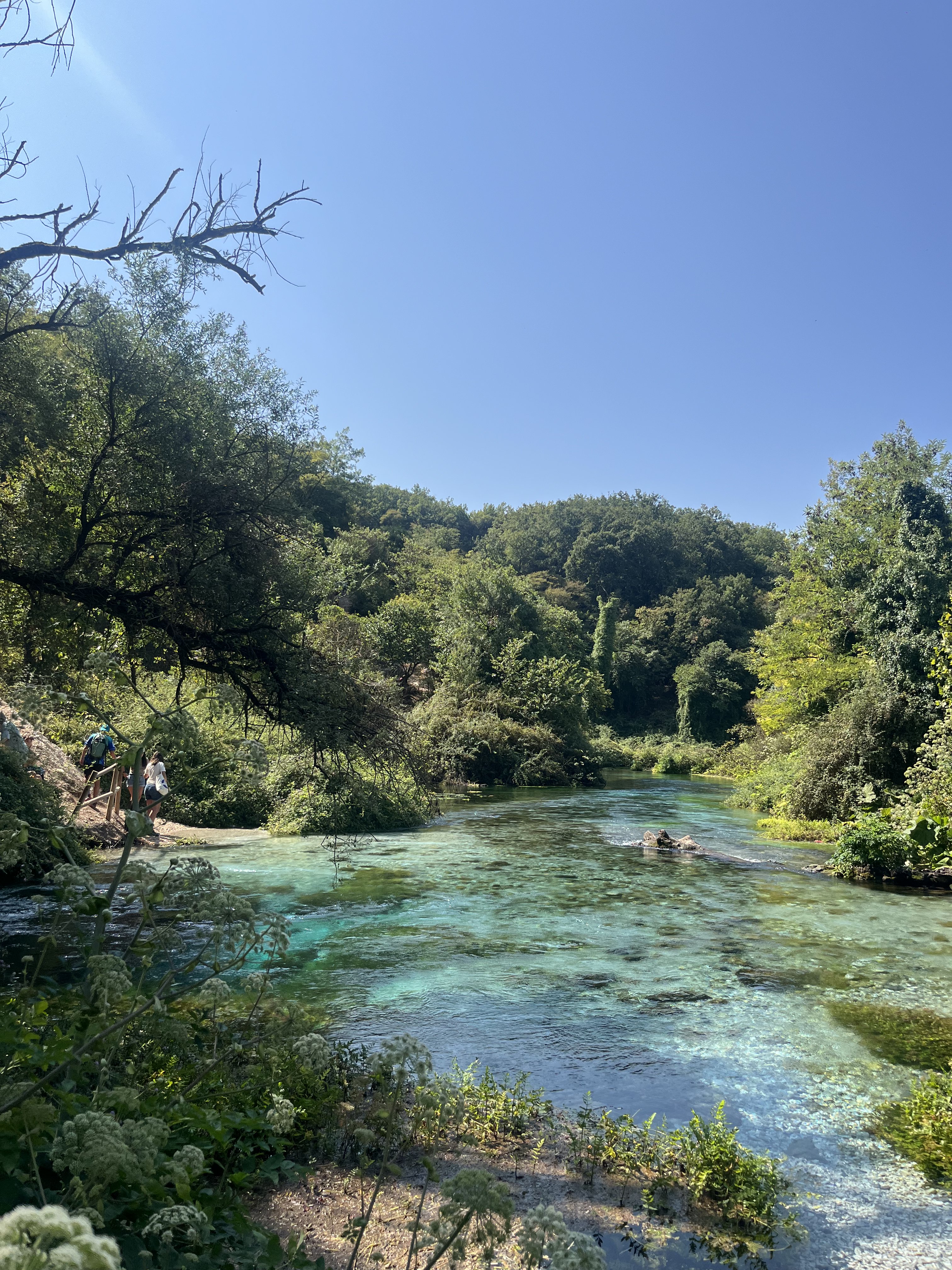
The Blue Eye (Syri i Kaltër): An inland natural spring approximately 25 km from Sarandë where intensely blue water rises from an unknown depth through a circular pool in the forest. Swimming is no longer permitted and the access path is now a cemented road rather than a forest trail, reducing the atmosphere significantly. It remains visually striking but is no longer the essential stop it once was. Worth seeing if driving past; not worth a dedicated detour.

Safety note: Female travellers in Ksamil and the surrounding area have reported significant harassment including being shouted at and approached by men in cars. Travel in pairs where possible, be firm in ignoring approaches, and avoid isolated beach sections at night.

Day 4: Gjirokastër

Drive from Ksamil north through Sarandë and then inland on the SH75 toward Gjirokastër, approximately 70 km and one and a half to two hours. The road climbs from the coastal lowland into the Drinos valley and the town appears suddenly above you: a stone citadel and a cascade of Ottoman towers on a steep ridge above the valley floor.

Gjirokastër is a UNESCO World Heritage Site listed in 2005. Its characteristic stone tower houses, some rising to eight storeys, are concentrated in the upper town above the bazaar quarter and are largely intact from the 18th and 19th centuries. The town was the birthplace of both Enver Hoxha, the communist dictator who ruled Albania from 1944 to 1985, and Ismail Kadare, Albania's most celebrated novelist; the fact that both men came from the same small Ottoman town is one of Albanian cultural history's more arresting coincidences.

The castle at sunset: The main event. Gjirokastër Castle sits at the top of the ridge above the old town and contains an arms museum, a captured American spy plane from the Cold War era, and panoramic views over the Drinos valley and the surrounding mountains. Hike up through the old town in the late afternoon, arriving at the castle grounds approximately 45 minutes before sunset. Walk the perimeter of the castle walls, explore the interior, and stay for the light going out over the mountains. The walk back down through the stone lanes in the dusk is one of the better short experiences in the country.

Kujtimi: authentic, high-quality Albanian food with a local vibe. The definitive Gjirokastër dinner. Book ahead.

The Barrels: very nice food spot just outside the city.

Ottoman houses: Multiple konak (Ottoman manor houses) in the upper town are open to visitors; the Zekate House is the most accessible and architecturally impressive, a double-towered 1811 mansion with the full internal layout of a prosperous Ottoman household intact.

Stay at Hotel SS Kekezi: good breakfast, great views, well-reviewed for the combination of comfort and position.

Day 5: Berat

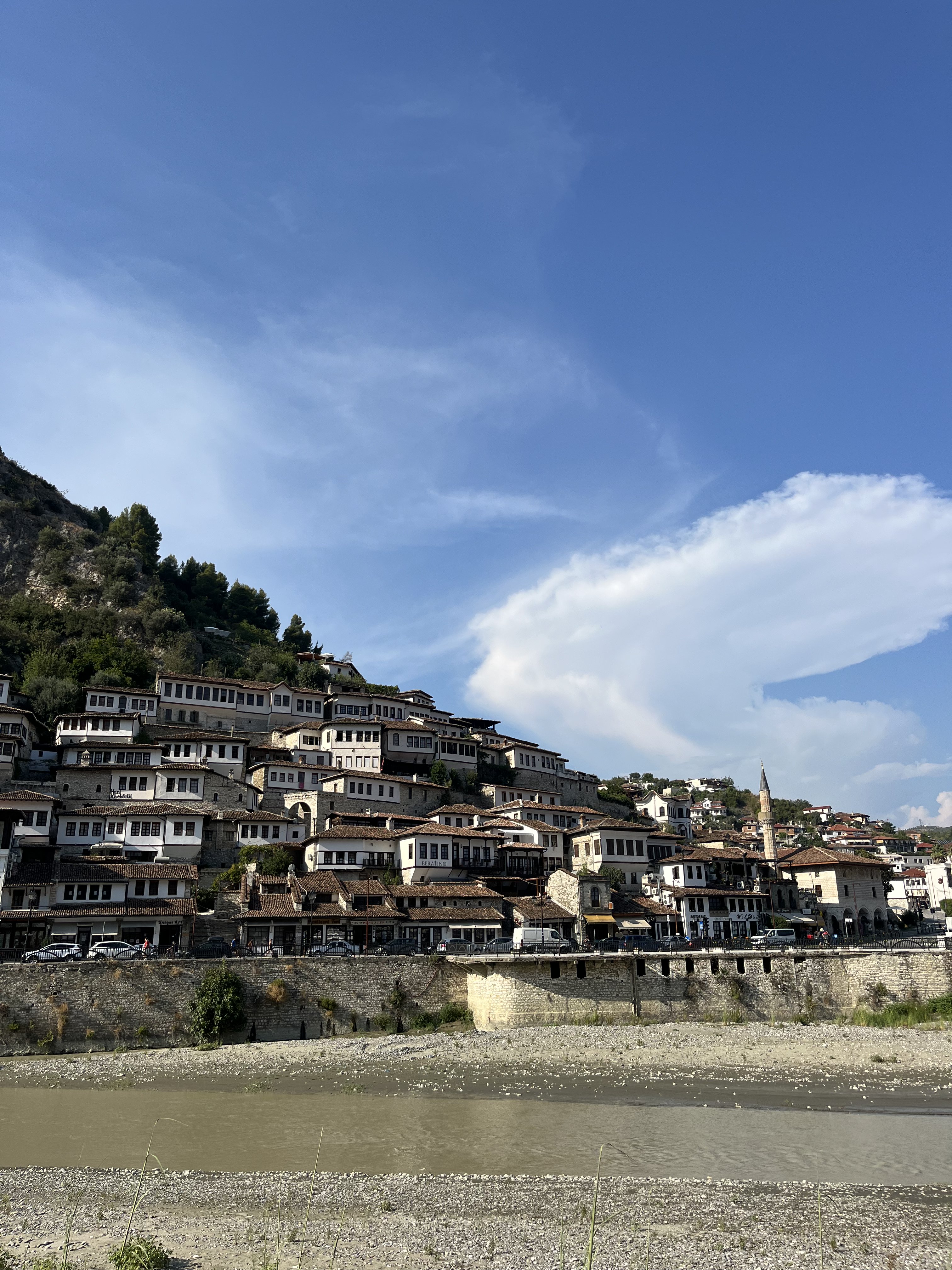
Drive from Gjirokastër north to Berat, approximately 90 km and two hours on the SH4. Berat is larger than Gjirokastër and in some ways more immediately spectacular: the white Ottoman houses stacked on the hillside below the castle, their rows of windows giving the town its nickname as the City of a Thousand Windows, are more numerous and more densely concentrated than anything in the south.

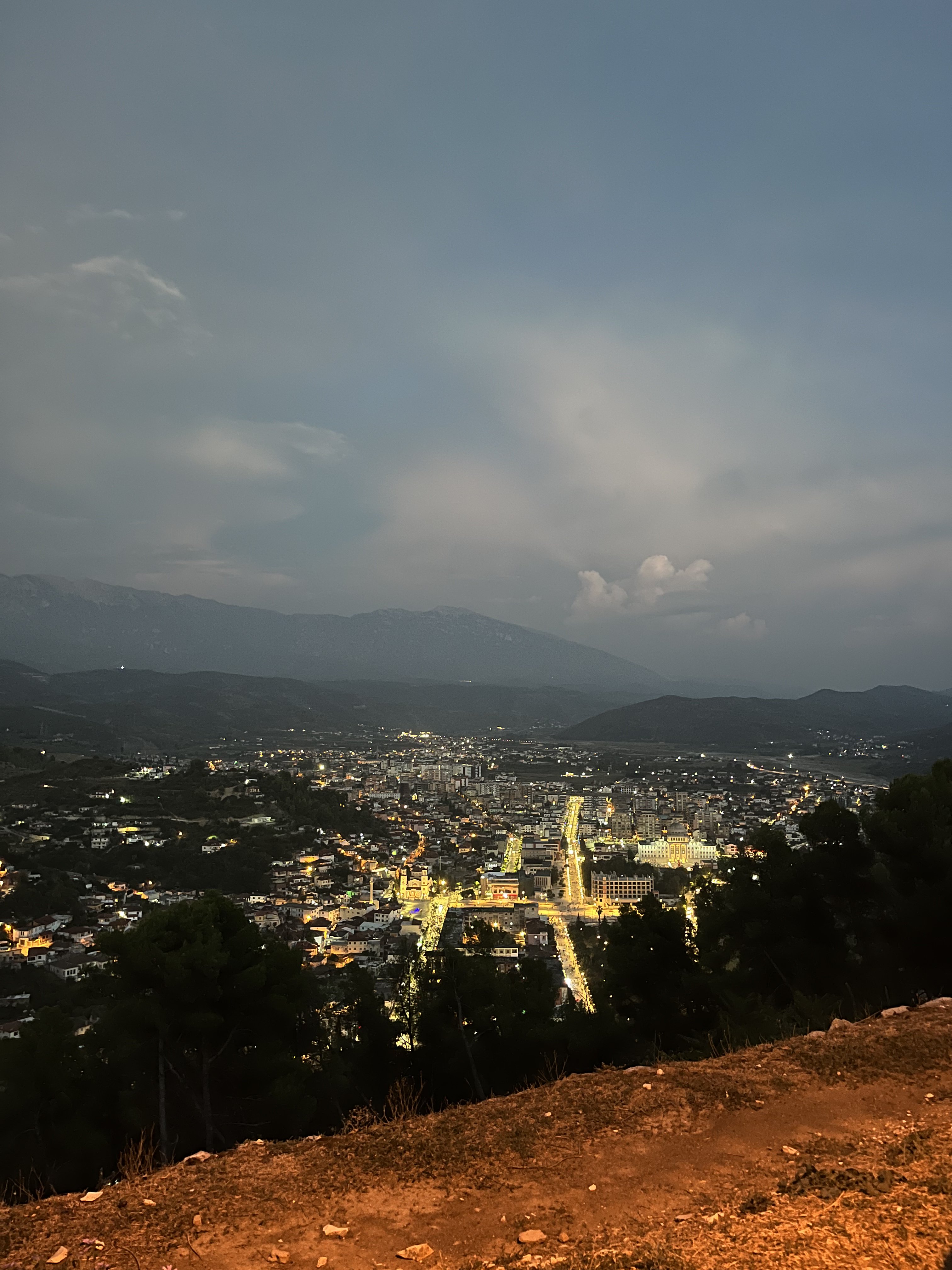
The castle at sunset: Same instruction as Gjirokastër, same logic. The climb from the lower town to Berat Castle is steeper and longer than Gjirokastër but worth it. The castle area contains a living neighbourhood of houses alongside Byzantine churches, some still in use. The Church of the Dormition of St Mary, the Church of the Holy Trinity and St Michael's Church (perched on a rock on the outer cliff face, reachable by a short precarious path) are all within the castle perimeter. Allow two hours.

Mangalem old town: The quarter below the castle on the western slope is the most concentrated example of late Ottoman domestic architecture in Albania: wooden-balconied houses on narrow lanes above the Osumi River, many converted to small guesthouses and restaurants. Walk it slowly in the morning before the heat builds.

Halveti Tekke: A Bektashi dervish lodge in the Gorica quarter across the river, active and open to respectful visitors. The Bektashi order has deep roots in Albanian spiritual life; understanding its presence in Berat adds significant context to the town's religious history. Remove shoes at the entrance.

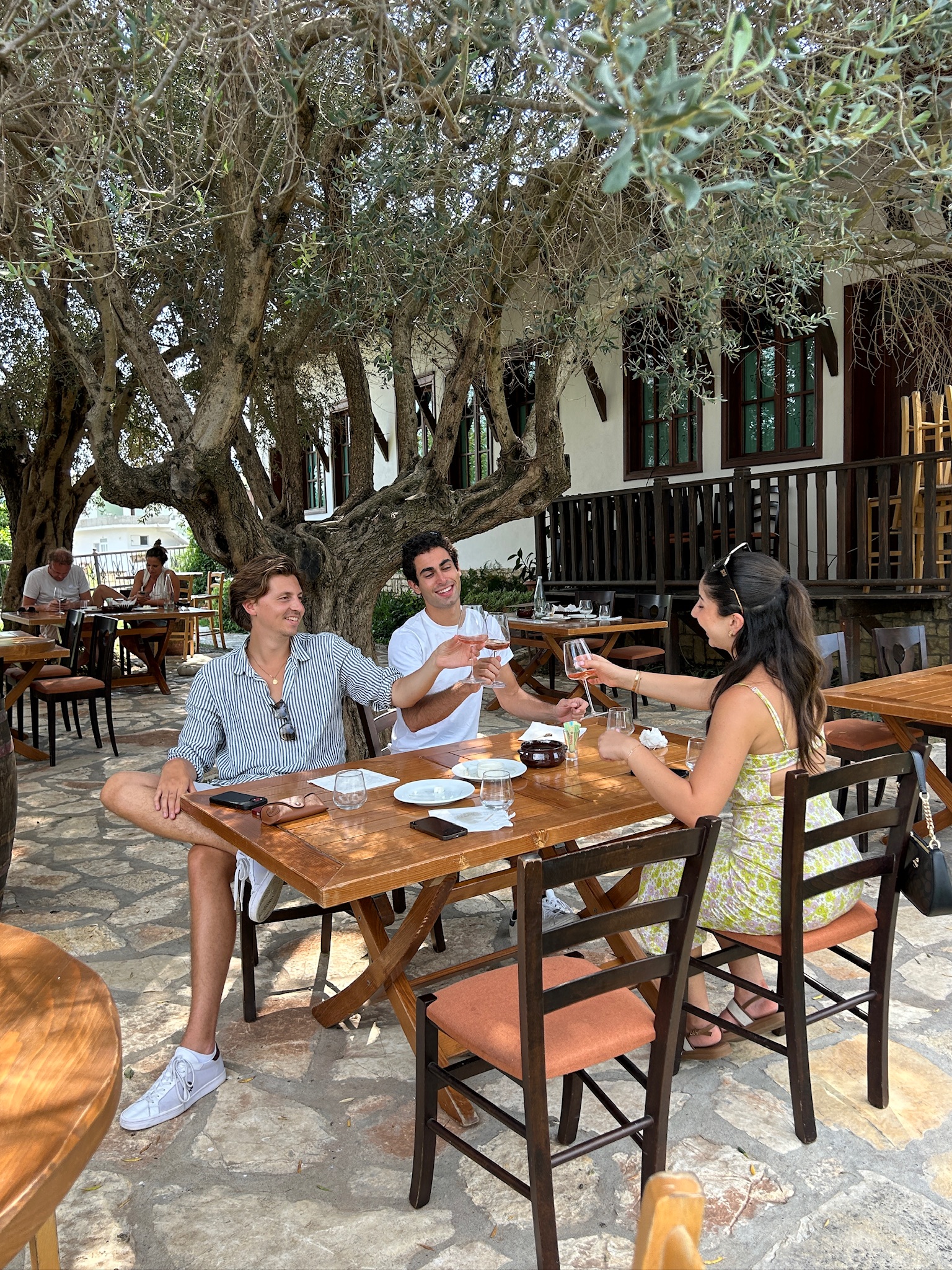
Çobo Winery:  a family winery just outside the city. This is the correct characterisation of what Albanian wine tourism looks like at its most authentic: not a commercial operation but a family production where the tasting is personal and the wine is genuinely good. Worth seeking out rather than skipping.

Te Zalua: sunset drink spot overlooking the town. The correct late afternoon stop before dinner.

Homemade Food Lili: a must-go if there's space: a local home-style food experience, worth booking specifically. This is the kind of place that does not have a sign or a menu in the conventional sense; it is someone's house and the food is Albanian home cooking at its most direct. Book in advance.

Stay at Muzaka Boutique Hotel.

Day 6: Dhërmi and the northern Riviera

Drive from Berat back to the coast and south toward Dhërmi, approximately three hours. The Llogara Tunnel, completed in 2025, has transformed this journey by removing the slow and spectacular climb over the Llogara Pass; if you have time, take the old pass road anyway for the views before descending through the tunnel.

Dhërmi town sits up in the hills above the coast. The restaurants and beach infrastructure are down by the water and the two sections are not naturally connected on foot; driving or taking a taxi between them is standard. Do not confuse the hilltop town with the beach area below.

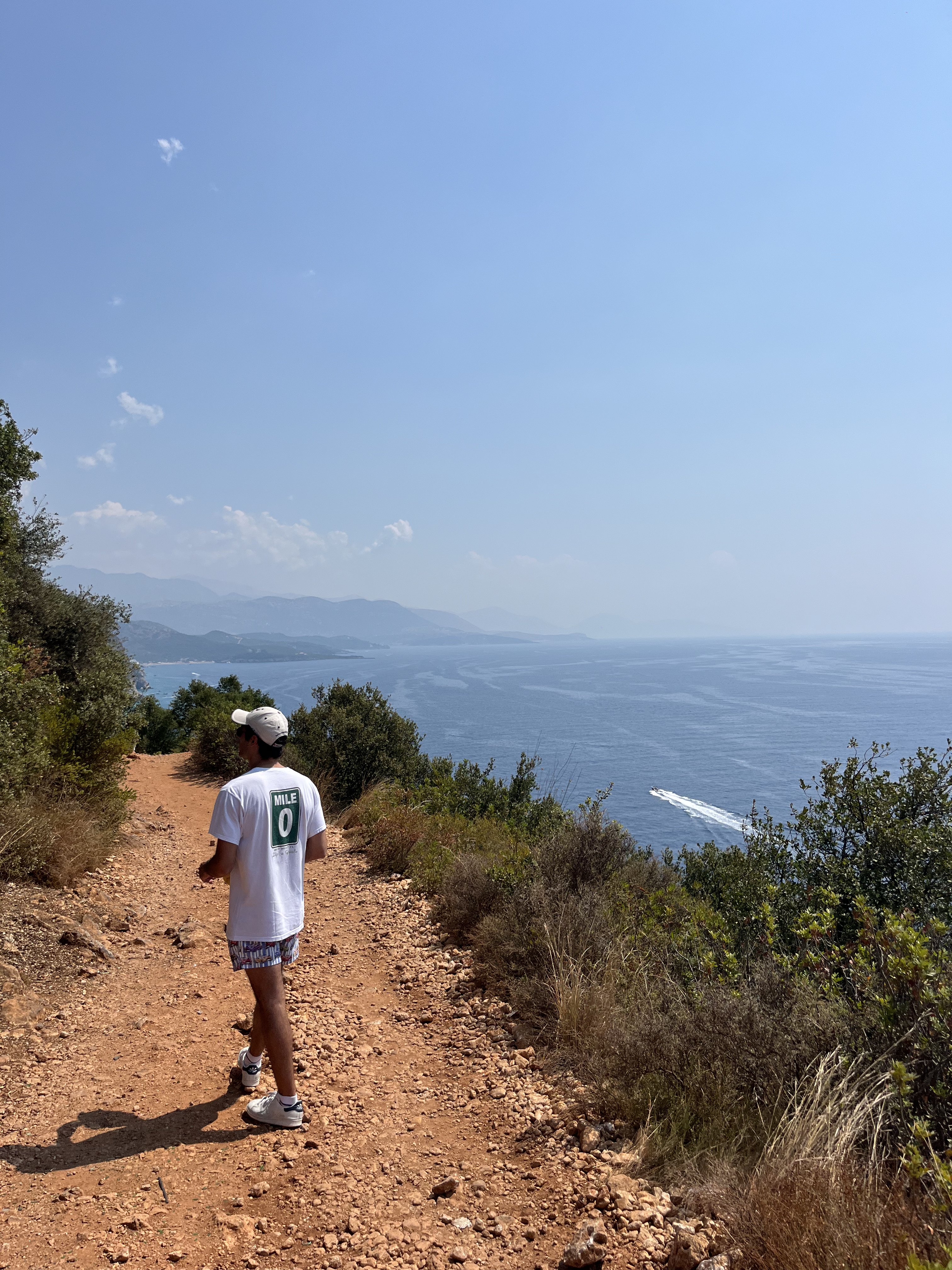
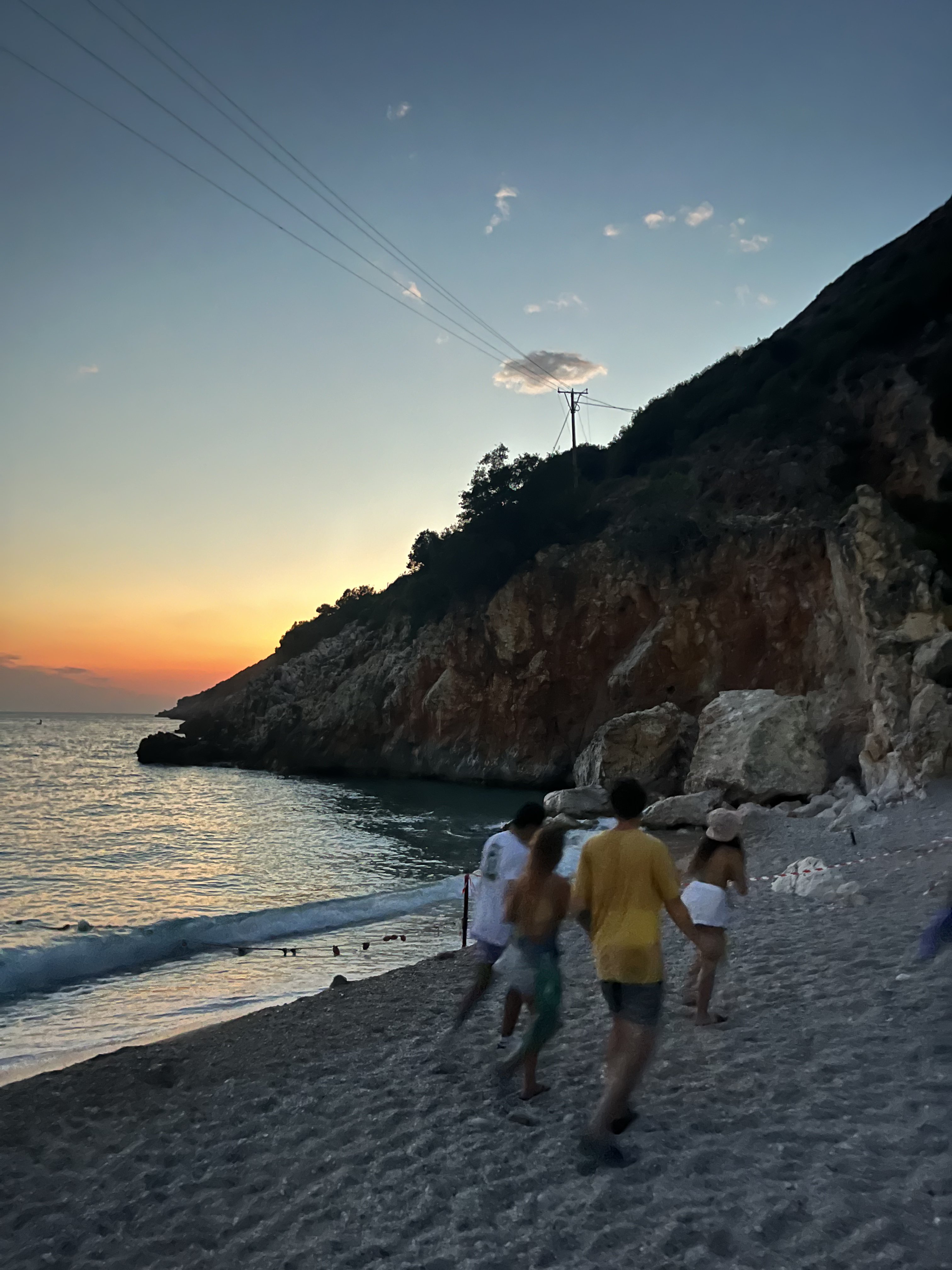
Gjipe Beach: best beach recommendation and the most important stop on this section of the coast. Park at the roadside parking area and hike down to the beach, approximately 20 to 30 minutes each way on a rocky path that requires reasonable footwear. The beach is a secluded bay with limestone cliffs, clear water, cliff jumping options and equipment hire for kayaks and paddleboards to explore the nearby coves. It is the best combination of setting and activity on the Albanian Riviera.

Pigeon's Cave (Shpella e Pëllumbave): Accessible only by water, reached by kayak or boat from Gjipe or the beaches nearby. The cave is carved into the cliff face and navigable by small boat on calm days.

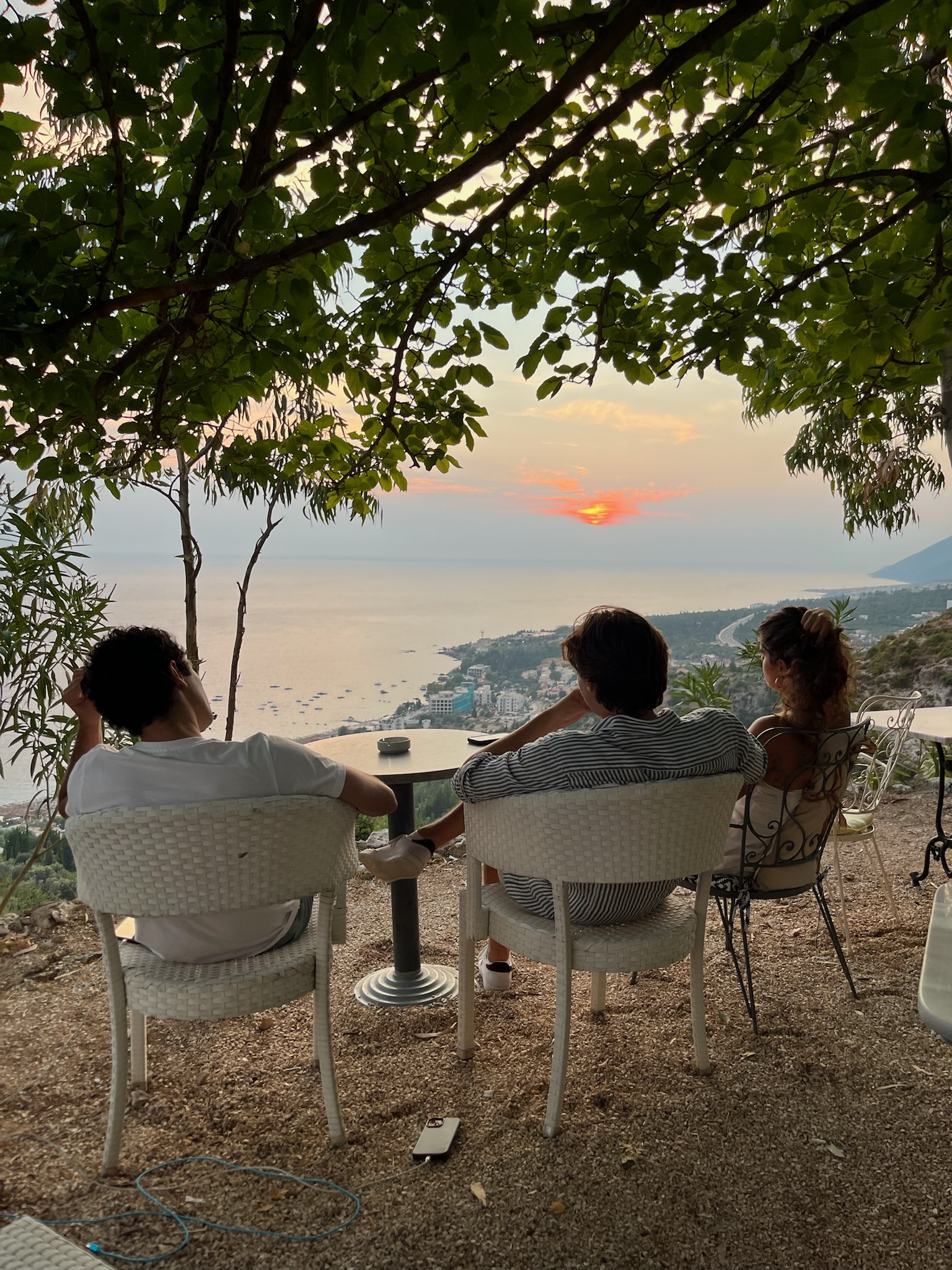
Beach clubs at Dhërmi: Havana and Salinas are both options. Salinas is the preferred choice for an evening drink: beanbag-on-sand atmosphere, good for watching the light go over the Ionian. Generic beach clubs abound in this area; these are rather unremarkable; the wild beaches and Gjipe are the reason to be here.

Dinner: Luciano and Fishop at Alvera are dinner recommendations in the Dhërmi beach area.

Other coastal stops worth knowing: Himarë, 10 km north, is a more developed town with good beaches and a stronger restaurant scene than Dhërmi. Filikuri Beach north of Himarë is quieter and harder to access. Porto Palermo Castle, a small Ottoman fortress on a peninsula near Himarë, is worth stopping at on the drive south if returning to Sarandë for the Corfu ferry.

Day 7: Drive north to Tirana

Drive from Dhërmi north through Vlorë and onto the SH4 toward Tirana, approximately three to four hours depending on traffic approaching the capital. Tirana was once one of Europe's most closed cities; today it has transformed into one of the Balkans' most energetic, optimistic and genuinely fun cities to explore. The pastel-painted apartment blocks are a direct product of the post-communist mayor Edi Rama who commissioned artists to paint the city's grey Soviet-era housing stock in the early 2000s; the transformation is now part of the city's identity.

Base yourself in the Blloku neighbourhood, the former Party elite district where the communist leadership lived in privilege while the population was subject to some of the most extreme isolation policies in the world. Blloku has the best nightlife; Tirana's café culture means you can sit for hours with a macchiato and nobody will rush you.

Day 8: Tirana

Skanderbeg Square: The vast central square, rebuilt and extended between 2016 and 2017, is the organisational centre of the city. The equestrian statue of Gjergj Kastrioti Skanderbeg, the 15th-century Albanian national hero who resisted Ottoman expansion, sits at the centre. The Et'hem Bey Mosque at the northern edge of the square dates from 1821 and was one of the few religious sites to survive the communist period intact; it was forcibly closed in 1967 when Albania declared itself the world's first atheist state and reopened only in 1991.

Bunk'Art: Two locations, both worth visiting. Bunk'Art 2 and the House of Leaves museum both do a great job of explaining Albania's Cold War past. Bunk'Art 1 is in a former nuclear bunker northeast of the centre, a massive facility built for the communist leadership to survive a nuclear attack that was never needed; it now contains an extraordinary exhibition on Albanian political history from independence to the communist era. Entry is 800 ALL (approximately EUR 8) for adults. The House of Leaves, in the centre of the city, covers the surveillance apparatus of the Sigurimi secret police in the former secret police headquarters. Both are genuinely significant and not to be skipped.

Dajti cable car (Dajti Express): Mount Dajti rises to 1,613 metres directly above the city's eastern edge, and the gondola cable car, the longest in the Balkans at 4.2 km, makes the ascent in around 15 minutes. The summit has walking trails through oak and beech forest and views over the entire Tirana basin on a clear day. The cable car operates daily from 9 am to 9 pm; return tickets cost approximately 1,400 ALL for adults.

Pazari i Ri: The New Bazaar, a covered market in the city centre rebuilt in 2016, is the best place for fresh produce, local cheese, olives and street food. The surrounding streets have independent cafés and restaurants. Pazari i Ri is ideal for people-watching and cheap eats.

Ride apps: Uber and Bolt do not work in Albania. Use Speed Taxi, Clust or VrapOn for ride-hailing within Tirana.

Day 9: Drive to Shkodër

Shkodër is approximately two hours north of Tirana on the SH1. The city sits on the edge of Lake Shkodër (shared with Montenegro), the largest lake in the Balkans, with the Rozafa Fortress on a rocky promontory above the river confluence and the Accursed Mountains visible to the northeast on a clear day.

Rozafa Fortress: The fortress offers a beautiful view of the city. The hilltop castle has been fortified since at least the 4th century BC and the current structure dates from the Venetian and Ottoman periods. The legend of Rozafa, a woman walled alive into the foundations so her breast remained free to nurse her son, is one of the most significant in Albanian oral tradition and is told at the site.

Shkodër is the gateway to the Albanian Alps. Use the afternoon for the city, set up logistics for the mountain section the following morning (your guesthouse or hostel arranges the Komani Lake ferry and Valbona transport), and store any large luggage you do not want to carry hiking.

Days 10 to 12: The Accursed Mountains

Shkodër, a 2-hour drive from Tirana, is the gateway to the Albanian Alps. The mountain circuit from Shkodër involves: bus to the Komani Lake ferry pier (departs 6:20 am, two hours on a potholed road), Komani Lake ferry (emerald water enclosed by steep green canyon walls, one of the most spectacular ferry crossings in Europe, approximately two hours), minibus from Fierze to Valbona. The whole journey takes four to five hours but the Komani Lake ferry is stunning, the perfect reprieve after a day of chaotic cross-country shuffling.

Since 2026, you can book the minivan and ferry between Shkodër and Valbona, and the Theth to Shkodër minivan all on 12Go, which is a significant improvement for planning.

Day 10: Travel from Shkodër to Valbona, explore Valbona valley, overnight at a guesthouse. Guesthouse Mehmeti is consistently recommended.

Day 11: The Theth to Valbona hike. The hike itself takes between seven and ten hours and requires a moderate level of fitness comfortable with some steep inclines. The 14.7-km trail crosses the Valbona Pass at approximately 1,800 metres, through limestone ridges, beech forest and mountain streams. Bring a minimum three-litre water supply as natural sources are limited and facilities on the trail are not reliably open. Hiking season runs May to October; do not attempt outside these months. Overnight in Theth.

Day 12: Explore Theth, including the 19th-century church, Grunas Waterfall and Theth's Blue Eye (a natural pool in the river, different from the Sarandë Blue Eye). Return to Shkodër by minibus.

Day 13: Return to Tirana and fly home

Drive or take a bus from Shkodër to Tirana (two hours) and fly home from Nënë Tereza International Airport (TIA), 26 km northwest of the city. International connections operate to most major European hubs.

In pictures

No items found.

Traveller suggestions

Accomodation

Food & Drink

Ksamil

Mid-tier : Guvat (best restaurant in Ksamil, Korali), Basilico Restaurant, WG Restaurant Ksamil, Lime Restaurant & Cocktail Bar Ksamil

Budget : Ftelea Fish Taverna (good fish, not fancy), The Smoke House (casual grilled meat), Bon Appetit Restaurant

Gjirokastër

Mid-tier : Kujtimi (authentic Albanian food with a local vibes), The Barrels (nice food spot just outside the city), Bar Restaurant Kujtimi (Old Bazaar choice for traditional southern Albanian food), Tradicional Urat

Budget : Taverna Tradicionale Kardhashi, Tradicional Odaja (small, atmospheric and inexpensive)

Berat

Mid-tier : Homemade Food Lili (tiny family-run backyard restaurant), Te Zalua (sunset drinks overlooking the town), Konak (beautiful setting in the castle), Antigoni, Eni Traditional Food Berat, Te Zalua (best kept for sunset drinks / a light meal)

Budget : Eni Traditional Food (very good value)

Dhërmi

Mid-tier : Luciano (classic beachfront seafood, best around sunset), Fishop at Alvera, Salinas (beanbag-on-sand evening drinks), Vela e Bardhe Restaurant (excellent beachfront setting, seafood and beach-club atmosphere), Aloni Restaurant (strong seafood option)

Tirana

Mid-tier :  Oda - Traditional Albanian Restaurant, Mullixhiu (more sophisticated modern Albanian cooking), Era Vila (good traditional/Balkan option in Blloku), Artigiano (Italian, very popular and good value), Salt Restaurant (more contemporary option)

Budget : Pazari i Ri market stalls for cheap fresh food, byrek (flaky pastry with spinach or cheese) from any bakery, macchiato from any café in Blloku for approximately €1

The essential Albanian dishes to eat throughout this route: tavë kosi (baked lamb with yogurt and eggs, the national dish), fërgesë (peppers, tomatoes and cottage cheese in a clay pot, specific to Tirana), byrek (flaky pastry, found everywhere), grilled lamb and goat throughout the highlands, and rakia (fruit brandy, offered everywhere, accept it).

Shkodër

Mid-tier : @Barbs Restaurant By Baku (good modern option in the pedestrian centre), Arti'Zanave (excellent Albanian food), Restorant Elita (more polished Italian/international), Taverna Shkodrane (excellent seafood/Mediterranean)

Budget : Fisi Restaurant - Traditional Food (very good-value Albanian/Kosovar food), Puri (cheap traditional food), Genti Bahcallek (excellent inexpensive breakfast/local food)

Theth & Valbona

Mountain restaurants : Gjeçaj Restaurant - Alpine Cuisine (traditional mountain cooking and beautiful setting), GURRA FAMILY RESTAURANT (traditional food, very highly rated), Restaurant Jezerca (good alternative)

Eat dinner at their guesthouse — that is part of the Theth experience rather than something to avoid.

Reminders & Cautions

Getting to South Albania: The correct route is via Corfu. Fly to Corfu International Airport (CFU) and take the fast ferry to Sarandë (approximately 40 minutes). The slow ferry takes around two hours and is not worth it. Book the fast ferry in advance at ferryhopper.com, particularly in peak summer.

Rental car: Non-negotiable for the full route. Albanian public transport covers cities adequately but the coastal sections, the inland towns and the approach roads to the best beaches require a car. Albanian driving is assertive; drivers change lanes without signalling and horns are used as communication rather than aggression. Maintain your lane, drive predictably and let impatient drivers pass. Do not drive rural roads after dark.

Llogara Tunnel: The new Llogara Tunnel, completed in 2025, has transformed access to the Riviera by replacing the slow climb over the Llogara Pass. The old pass road is still driveable and worth taking for the views if you have time; the tunnel is the practical route.

Ride apps in Tirana: Uber and Bolt do not work in Albania. Use Speed Taxi, Clust or VrapOn for ride-hailing.

Komani Lake and mountains transport: Since 2026, you can book the minivan and ferry from Shkodër to Valbona and the Theth to Shkodër minivan on 12Go. Your Shkodër guesthouse or hostel will also arrange this. Leave large luggage in Shkodër; most hostels offer storage.

Albanian Alps hiking season: May to October only. Northern Albania has pronounced seasons; heavy snowfall makes the Valbona Pass impassable outside the hiking season. July and August are the most popular months; September and October offer autumn colours and fewer people.

Safety for female travellers: There are reports of significant street harassment in Ksamil and the south, including men following women and attempting to get them into cars. This is a real issue that should be communicated clearly. Travel in groups where possible, be firm in ignoring approaches, and avoid isolated areas after dark. The harassment is concentrated in the more touristy beach areas; Gjirokastër, Berat and the north are generally more straightforward.

Currency: Albanian Lek. Credit cards work in cities; carry cash in small towns and villages. ATMs are available in Tirana, Sarandë and Shkodër. Cash is essential for beach clubs, mountain guesthouses and any market or roadside transaction. Exchange rates are better at ATMs than at exchange desks.

Language: Albanian (Shqip) is the national language. English is widely spoken in Tirana and the main tourist areas; less so in rural villages and mountain guesthouses. Basic Albanian courtesy phrases are appreciated. Italian is understood throughout the south due to decades of Italian television being the only foreign signal receivable during the communist isolation period.

image of vibrant dining space (for a mexican restaurant)

Gjipe Beach

Reached only by a hiking trail from a hillside parking area, is the best of the accessible beaches on this coast, with a huge canyon behind it and crystal clear waters.

image of a guided tour group

Gjirokastër

One of the Balkans' most intact Ottoman towns, UNESCO listed, built around a castle on a hill that demands to be climbed at the hour before sunset. Stone towers on a steep ridge above the Drinos valley, a castle that feels genuinely ancient and not curated.
image of a local tour guide (for a travel agency)

The Accursed Mountains

The Albanian Alps in the far north go by two names: the official Alpet Shqiptare and the much more evocative Bjeshkët e Namuna, the Accursed Mountains. The 14.7-kilometre trail between the villages of Theth and Valbona crosses the Valbona Pass at around 1,800 metres through limestone ridges, beech forest and mountain streams. It takes seven to ten hours at a steady pace.

Reminders from Collective travellers

Getting to South Albania: The correct route is via Corfu. Fly to Corfu International Airport (CFU) and take the fast ferry to Sarandë (approximately 40 minutes). The slow ferry takes around two hours and is not worth it. Book the fast ferry in advance at ferryhopper.com, particularly in peak summer.

Rental car: Non-negotiable for the full route. Albanian public transport covers cities adequately but the coastal sections, the inland towns and the approach roads to the best beaches require a car. Albanian driving is assertive; drivers change lanes without signalling and horns are used as communication rather than aggression. Maintain your lane, drive predictably and let impatient drivers pass. Do not drive rural roads after dark.

Llogara Tunnel: The new Llogara Tunnel, completed in 2025, has transformed access to the Riviera by replacing the slow climb over the Llogara Pass. The old pass road is still driveable and worth taking for the views if you have time; the tunnel is the practical route.

Ride apps in Tirana: Uber and Bolt do not work in Albania. Use Speed Taxi, Clust or VrapOn for ride-hailing.

Komani Lake and mountains transport: Since 2026, you can book the minivan and ferry from Shkodër to Valbona and the Theth to Shkodër minivan on 12Go. Your Shkodër guesthouse or hostel will also arrange this. Leave large luggage in Shkodër; most hostels offer storage.

Albanian Alps hiking season: May to October only. Northern Albania has pronounced seasons; heavy snowfall makes the Valbona Pass impassable outside the hiking season. July and August are the most popular months; September and October offer autumn colours and fewer people.

Safety for female travellers: There are reports of significant street harassment in Ksamil and the south, including men following women and attempting to get them into cars. This is a real issue that should be communicated clearly. Travel in groups where possible, be firm in ignoring approaches, and avoid isolated areas after dark. The harassment is concentrated in the more touristy beach areas; Gjirokastër, Berat and the north are generally more straightforward.

Currency: Albanian Lek. Credit cards work in cities; carry cash in small towns and villages. ATMs are available in Tirana, Sarandë and Shkodër. Cash is essential for beach clubs, mountain guesthouses and any market or roadside transaction. Exchange rates are better at ATMs than at exchange desks.

Language: Albanian (Shqip) is the national language. English is widely spoken in Tirana and the main tourist areas; less so in rural villages and mountain guesthouses. Basic Albanian courtesy phrases are appreciated. Italian is understood throughout the south due to decades of Italian television being the only foreign signal receivable during the communist isolation period.

Reminders from Collective travellers

Getting to South Albania: The correct route is via Corfu. Fly to Corfu International Airport (CFU) and take the fast ferry to Sarandë (approximately 40 minutes). The slow ferry takes around two hours and is not worth it. Book the fast ferry in advance at ferryhopper.com, particularly in peak summer.

Rental car: Non-negotiable for the full route. Albanian public transport covers cities adequately but the coastal sections, the inland towns and the approach roads to the best beaches require a car. Albanian driving is assertive; drivers change lanes without signalling and horns are used as communication rather than aggression. Maintain your lane, drive predictably and let impatient drivers pass. Do not drive rural roads after dark.

Llogara Tunnel: The new Llogara Tunnel, completed in 2025, has transformed access to the Riviera by replacing the slow climb over the Llogara Pass. The old pass road is still driveable and worth taking for the views if you have time; the tunnel is the practical route.

Ride apps in Tirana: Uber and Bolt do not work in Albania. Use Speed Taxi, Clust or VrapOn for ride-hailing.

Komani Lake and mountains transport: Since 2026, you can book the minivan and ferry from Shkodër to Valbona and the Theth to Shkodër minivan on 12Go. Your Shkodër guesthouse or hostel will also arrange this. Leave large luggage in Shkodër; most hostels offer storage.

Albanian Alps hiking season: May to October only. Northern Albania has pronounced seasons; heavy snowfall makes the Valbona Pass impassable outside the hiking season. July and August are the most popular months; September and October offer autumn colours and fewer people.

Safety for female travellers: There are reports of significant street harassment in Ksamil and the south, including men following women and attempting to get them into cars. This is a real issue that should be communicated clearly. Travel in groups where possible, be firm in ignoring approaches, and avoid isolated areas after dark. The harassment is concentrated in the more touristy beach areas; Gjirokastër, Berat and the north are generally more straightforward.

Currency: Albanian Lek. Credit cards work in cities; carry cash in small towns and villages. ATMs are available in Tirana, Sarandë and Shkodër. Cash is essential for beach clubs, mountain guesthouses and any market or roadside transaction. Exchange rates are better at ATMs than at exchange desks.

Language: Albanian (Shqip) is the national language. English is widely spoken in Tirana and the main tourist areas; less so in rural villages and mountain guesthouses. Basic Albanian courtesy phrases are appreciated. Italian is understood throughout the south due to decades of Italian television being the only foreign signal receivable during the communist isolation period.

Reminders from Collective travellers

Getting to South Albania: The correct route is via Corfu. Fly to Corfu International Airport (CFU) and take the fast ferry to Sarandë (approximately 40 minutes). The slow ferry takes around two hours and is not worth it. Book the fast ferry in advance at ferryhopper.com, particularly in peak summer.

Rental car: Non-negotiable for the full route. Albanian public transport covers cities adequately but the coastal sections, the inland towns and the approach roads to the best beaches require a car. Albanian driving is assertive; drivers change lanes without signalling and horns are used as communication rather than aggression. Maintain your lane, drive predictably and let impatient drivers pass. Do not drive rural roads after dark.

Llogara Tunnel: The new Llogara Tunnel, completed in 2025, has transformed access to the Riviera by replacing the slow climb over the Llogara Pass. The old pass road is still driveable and worth taking for the views if you have time; the tunnel is the practical route.

Ride apps in Tirana: Uber and Bolt do not work in Albania. Use Speed Taxi, Clust or VrapOn for ride-hailing.

Komani Lake and mountains transport: Since 2026, you can book the minivan and ferry from Shkodër to Valbona and the Theth to Shkodër minivan on 12Go. Your Shkodër guesthouse or hostel will also arrange this. Leave large luggage in Shkodër; most hostels offer storage.

Albanian Alps hiking season: May to October only. Northern Albania has pronounced seasons; heavy snowfall makes the Valbona Pass impassable outside the hiking season. July and August are the most popular months; September and October offer autumn colours and fewer people.

Safety for female travellers: There are reports of significant street harassment in Ksamil and the south, including men following women and attempting to get them into cars. This is a real issue that should be communicated clearly. Travel in groups where possible, be firm in ignoring approaches, and avoid isolated areas after dark. The harassment is concentrated in the more touristy beach areas; Gjirokastër, Berat and the north are generally more straightforward.

Currency: Albanian Lek. Credit cards work in cities; carry cash in small towns and villages. ATMs are available in Tirana, Sarandë and Shkodër. Cash is essential for beach clubs, mountain guesthouses and any market or roadside transaction. Exchange rates are better at ATMs than at exchange desks.

Language: Albanian (Shqip) is the national language. English is widely spoken in Tirana and the main tourist areas; less so in rural villages and mountain guesthouses. Basic Albanian courtesy phrases are appreciated. Italian is understood throughout the south due to decades of Italian television being the only foreign signal receivable during the communist isolation period.

Journey adjustments

If you have less time, do South Albania only as a 7-day trip.

The Corfu ferry, Ksamil, Gjirokastër, Berat and Dhërmi form a complete circuit in seven days without needing Tirana or the north. Return from the south by driving back to Sarandë for the Corfu ferry or by flying from Tirana after driving north. This is the most concentrated version of the route and suits travellers whose primary interests are beaches and Ottoman cultural heritage.

If you want to add Porto Palermo Castle, stop on the drive between Dhërmi and Sarandë.

Porto Palermo Castle, an early 19th-century Ottoman fort on a small peninsula near Himarë, is directly on the road south. It requires no planning beyond stopping the car; the castle is accessible on foot from the roadside. The site was also used as a submarine base during the communist period and is one of the stranger Cold War heritage sites on the southern coast.

If you want to add Himarë, spend a night between Dhërmi and the drive north.

Himarë, 10 km north of Dhërmi, has a better restaurant scene and more developed infrastructure than Dhërmi while retaining a working-town character. The beach below the castle is good and the overall atmosphere is more relaxed than Ksamil. One night here creates a more gradual transition between the wild beaches and the drive toward Tirana.

If you want a deeper mountain experience, add two more days in Theth.

One day in Theth covers the main sites and allows the canyon and waterfall walks. Two more days gives time for the Qafa e Pejës trail through the communist bunkers on the ridge, a longer walk up toward the peaks above the valley and the genuinely slow pace that mountain village life in the Albanian Alps offers at its best.

If you want to add Kosovo, exit via the northern border.

The road from Shkodër north through the mountains crosses into Kosovo at Qafa e Morinës. Prizren, the most beautiful town in Kosovo, is two hours from the border: Ottoman mosques, a castle and one of the most intact old towns in the Balkans. Pristina, Kosovo's capital, is a further 80 km. Exiting this route into Kosovo rather than returning to Tirana works well for travellers doing a broader Balkan circuit.

Collective travellers' testimonials

Juana- Amman, Jordan

"Gjipe beach day was my favourite of the holiday. We hired paddleboards and explored the coves and caves down the coast. It was such a beautiful place. And for it to still be off the beaten path is amazing."

Michaela - Rio de Janeiro, Brazil

"I loved Butrint in Southern Albania. For those who like adding culture to beach holidays, this is a must."

Mehranguiz - Tehran, Iran

"Tirana is so under-rated! What a fun social vibe the city has!"