.png)





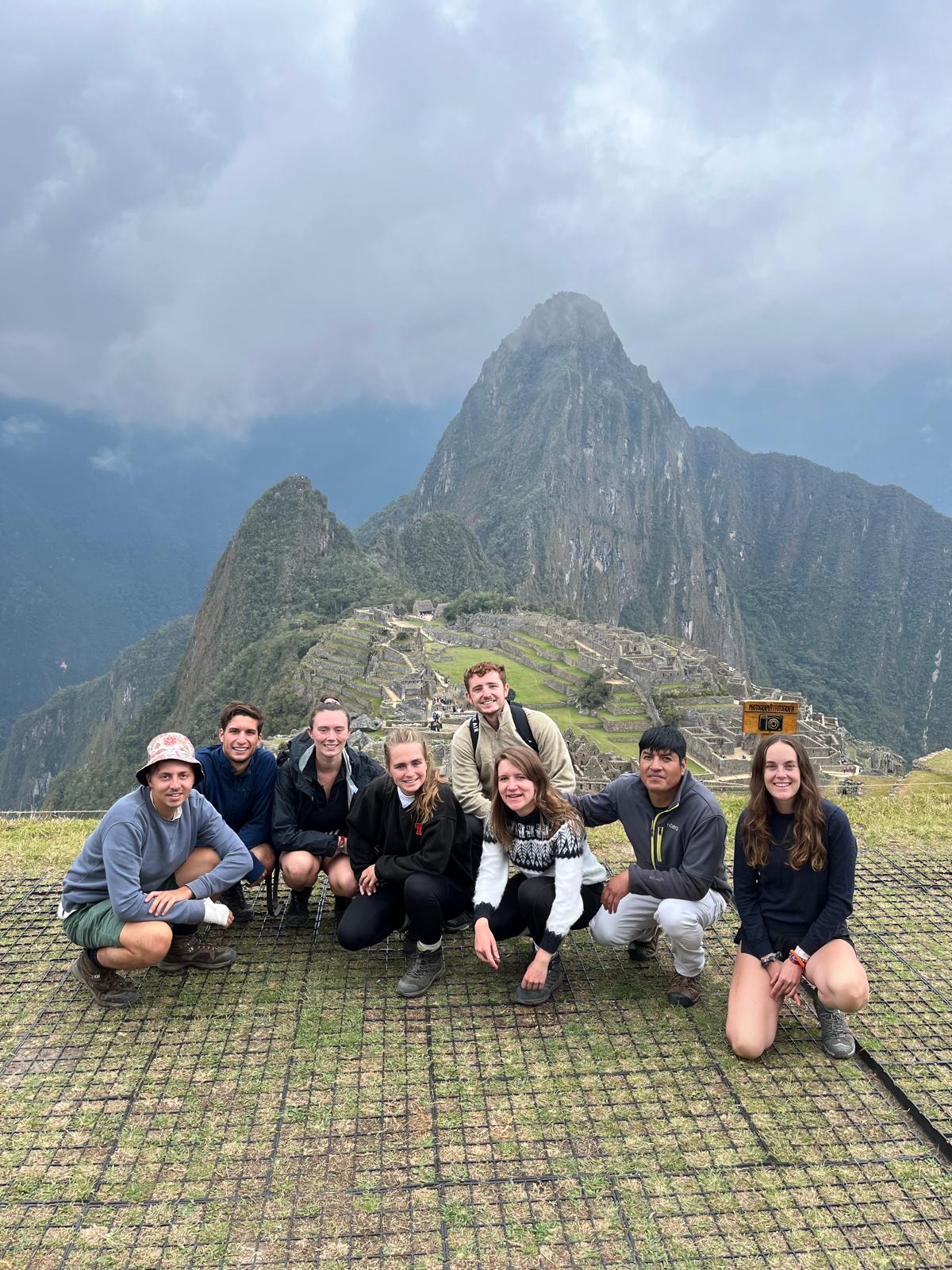
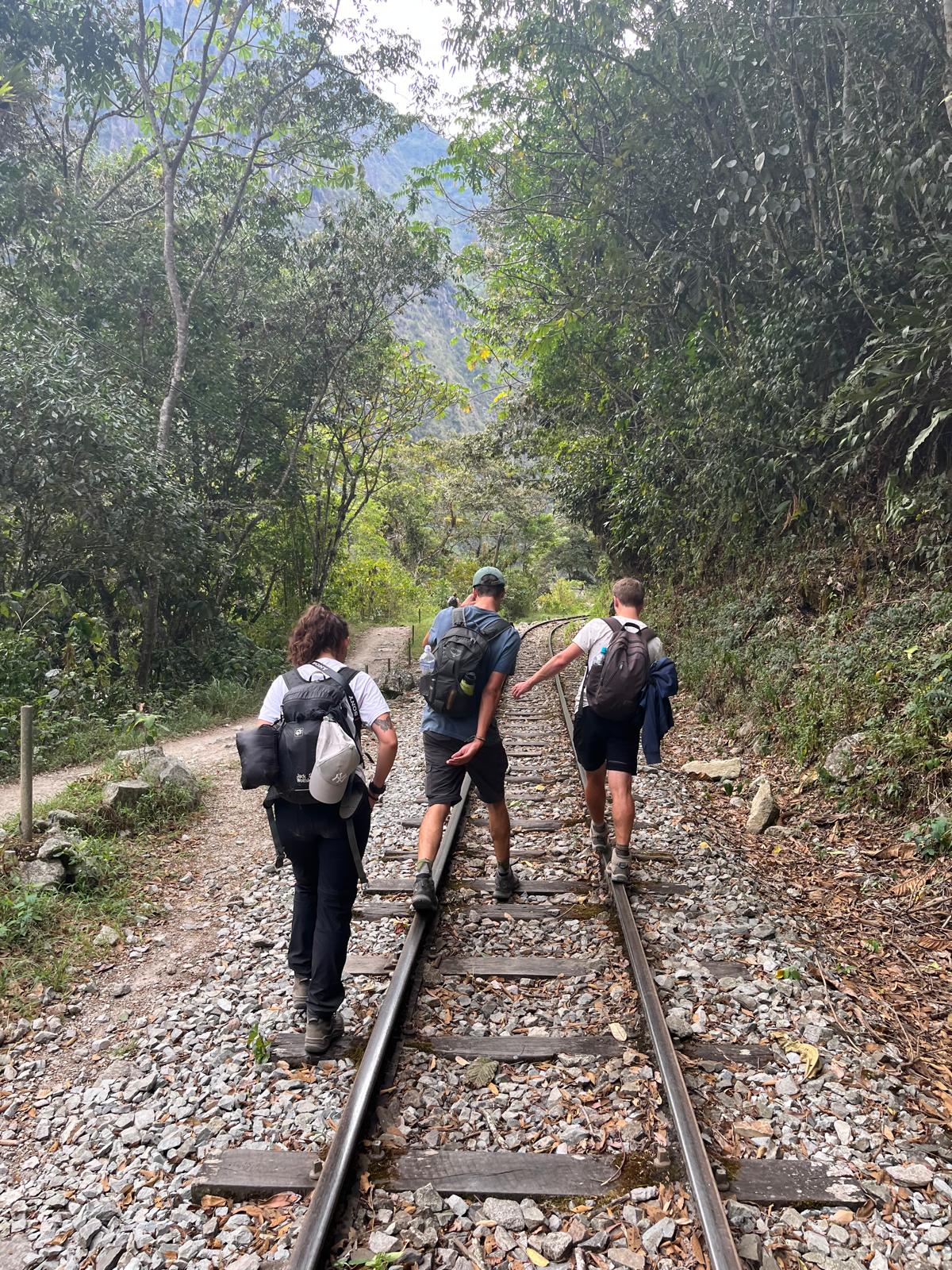
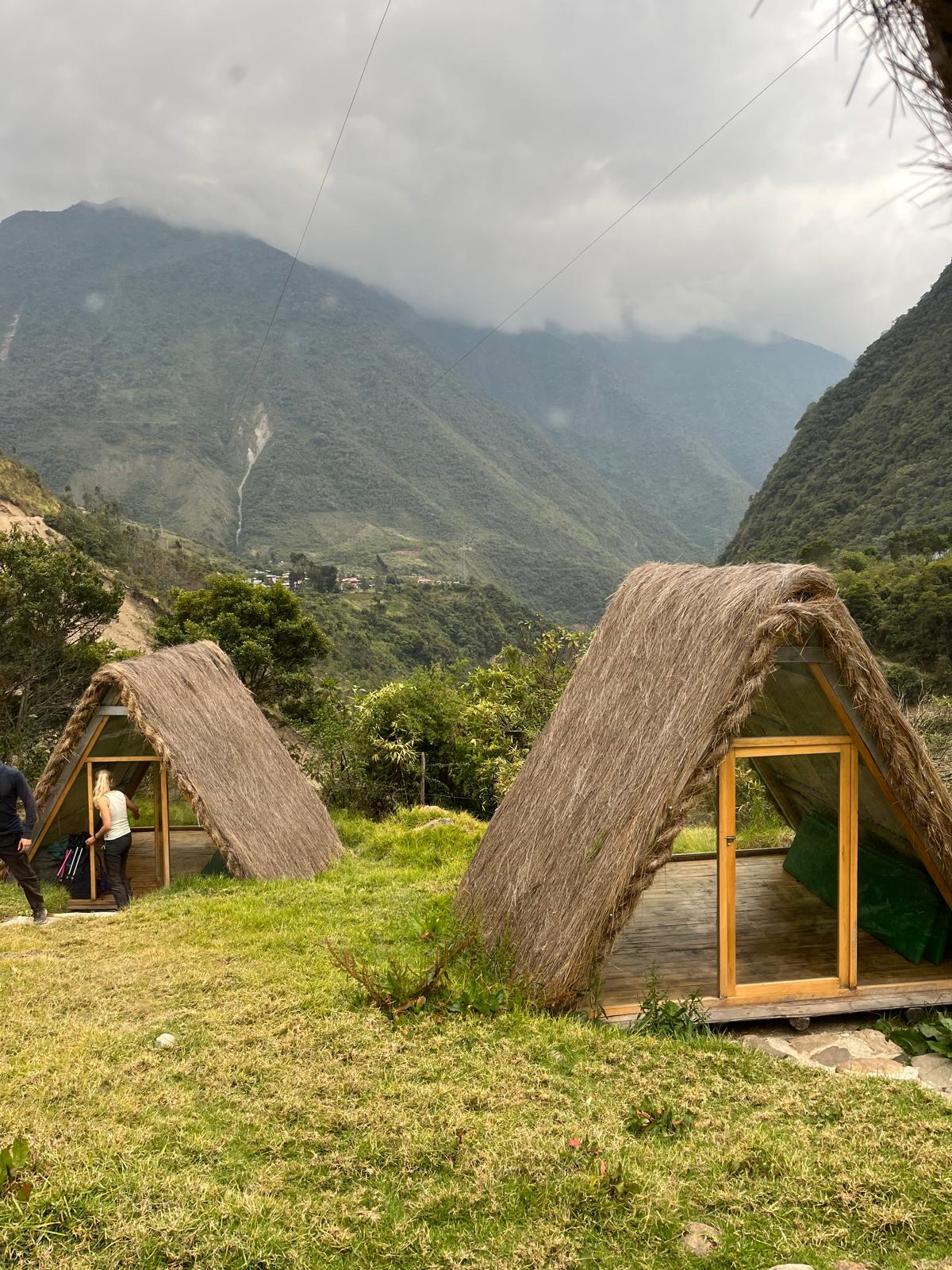
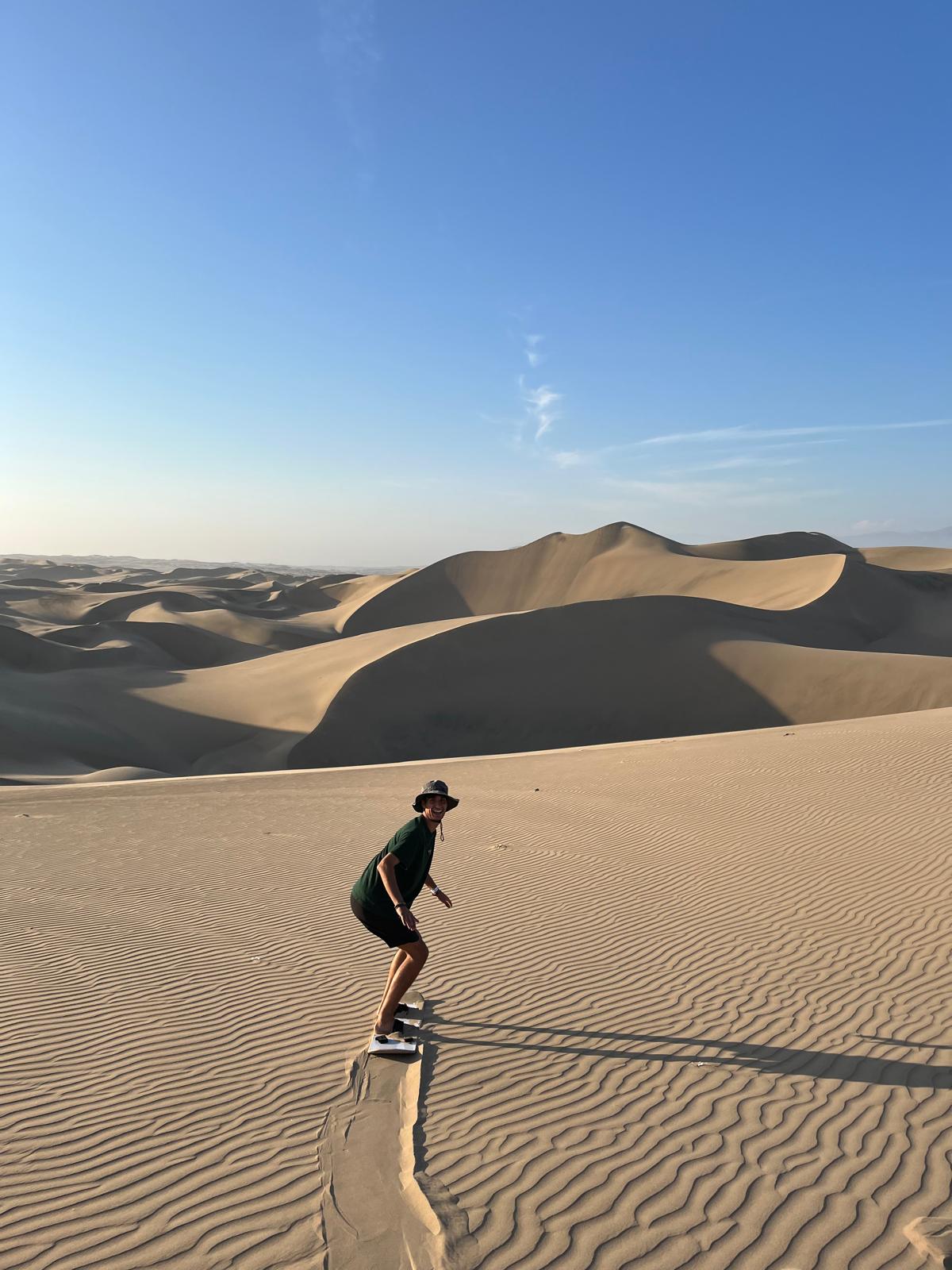

Reminders from Collective travellers
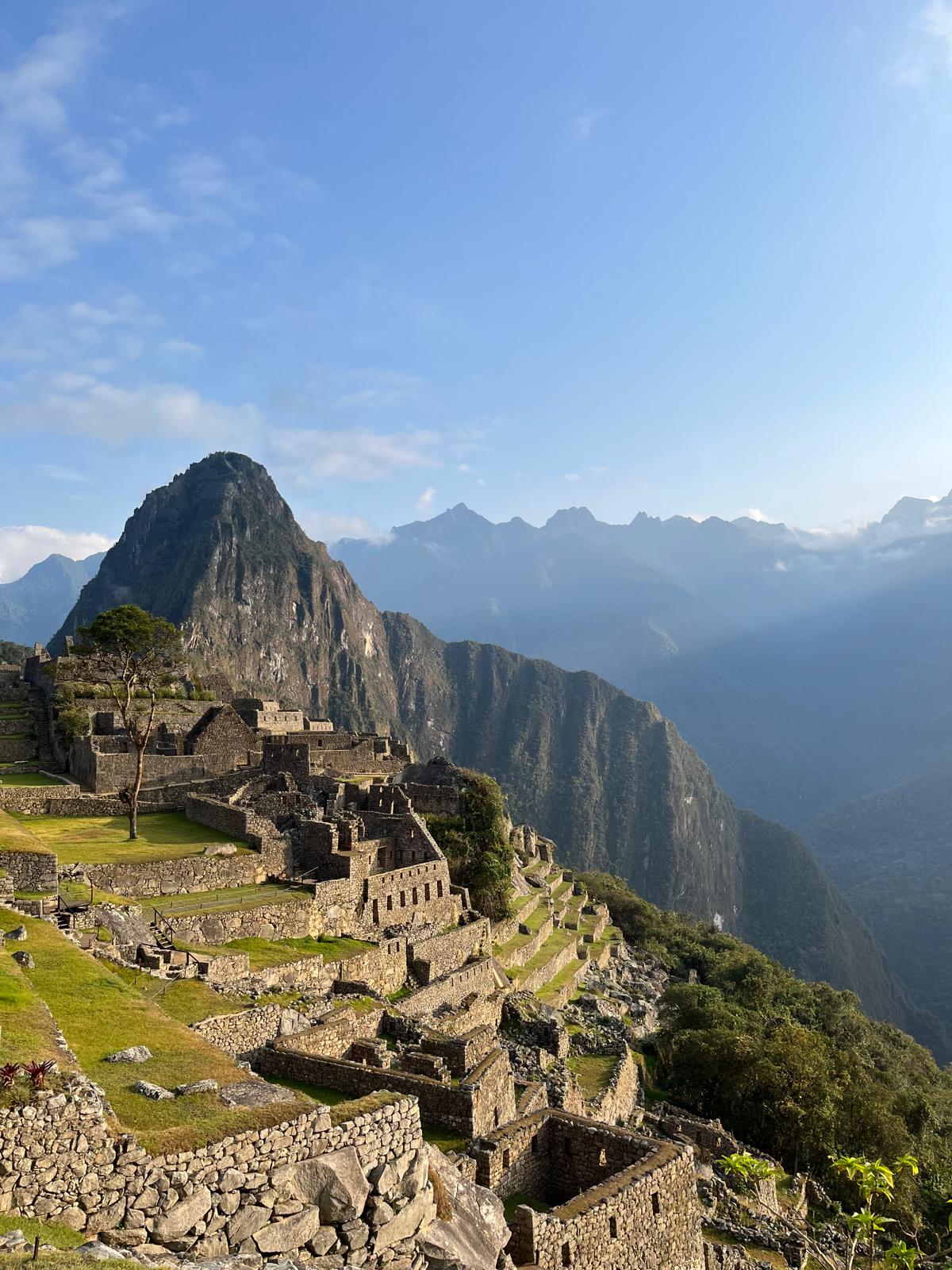
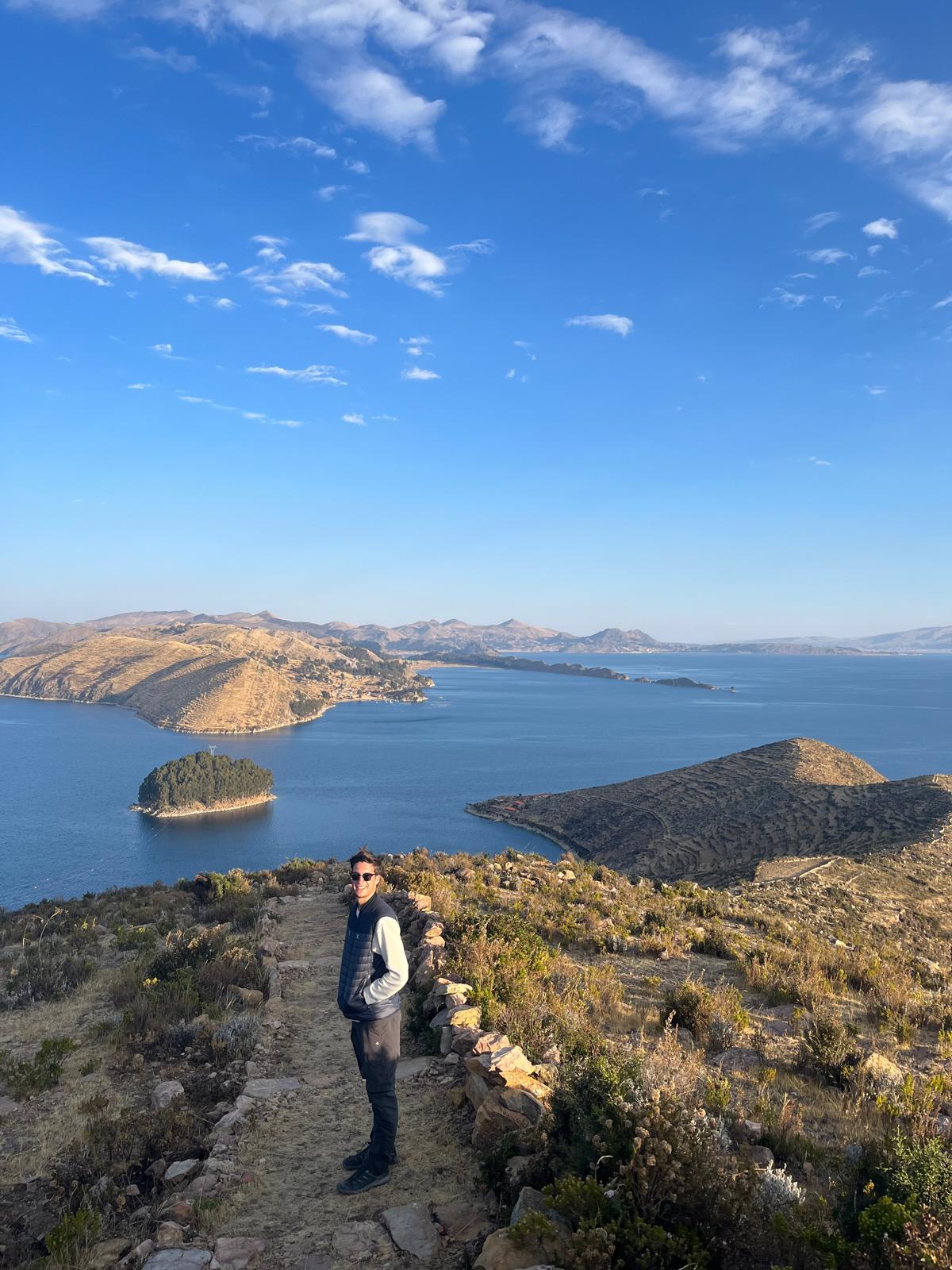
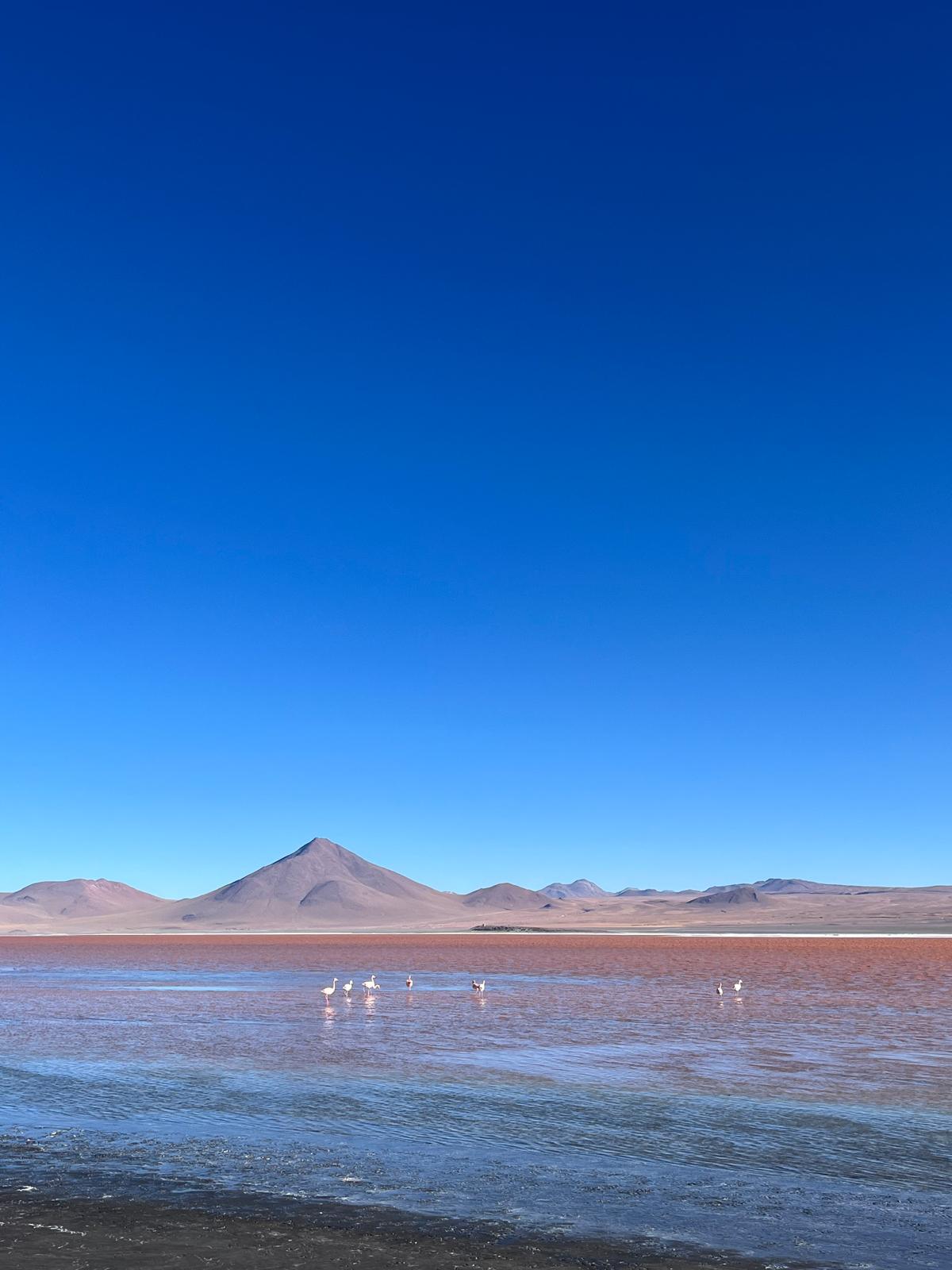
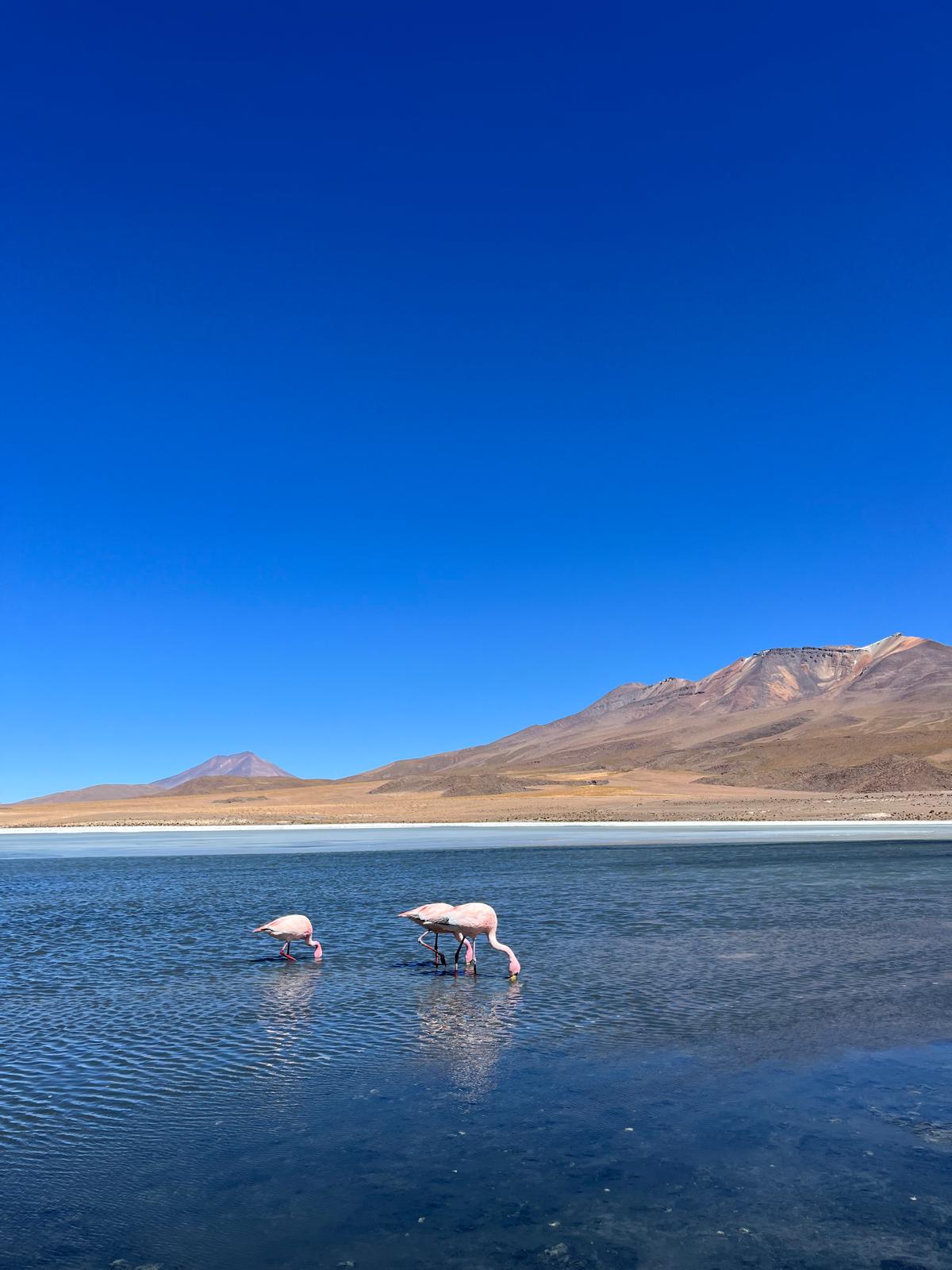
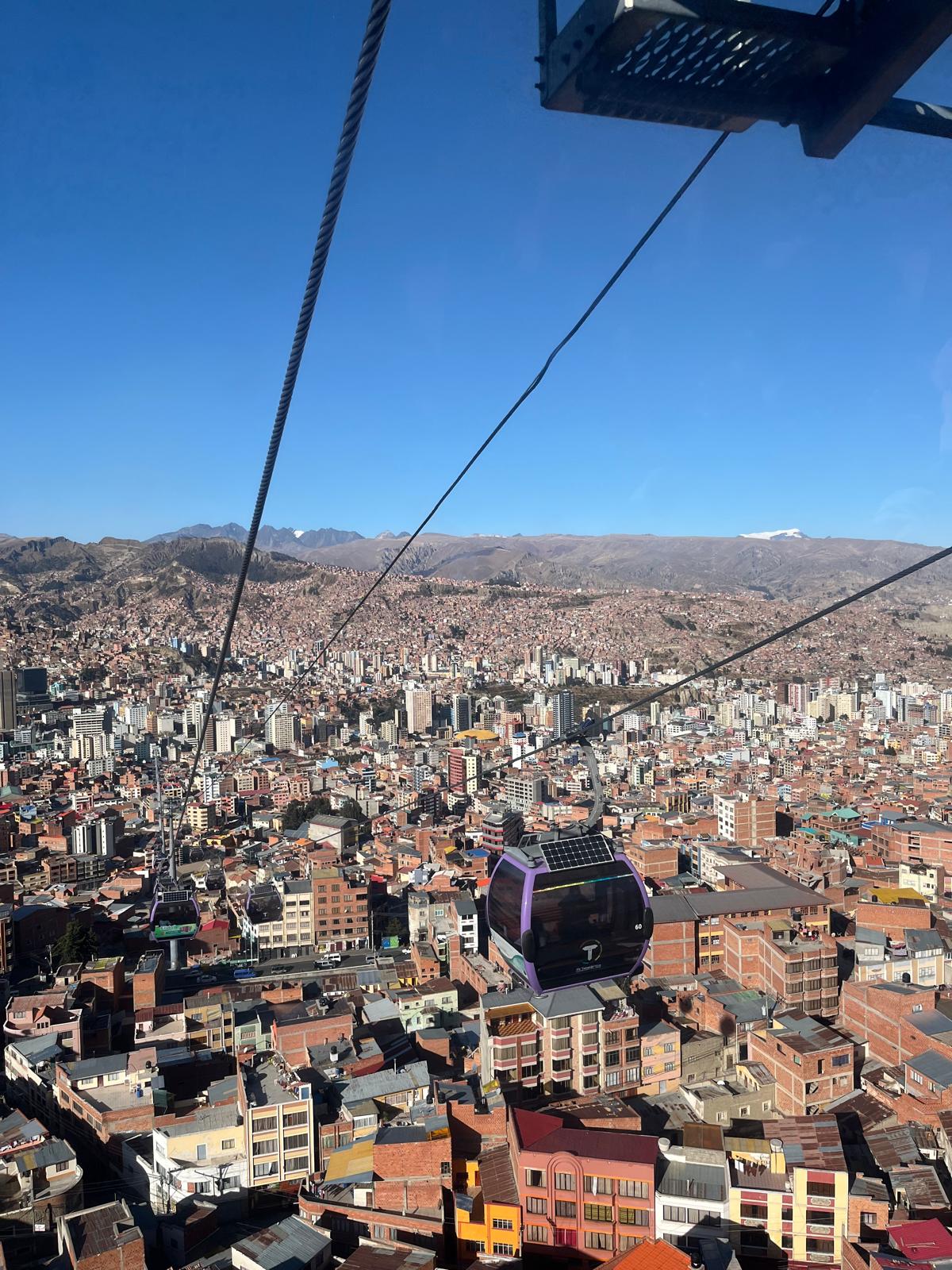
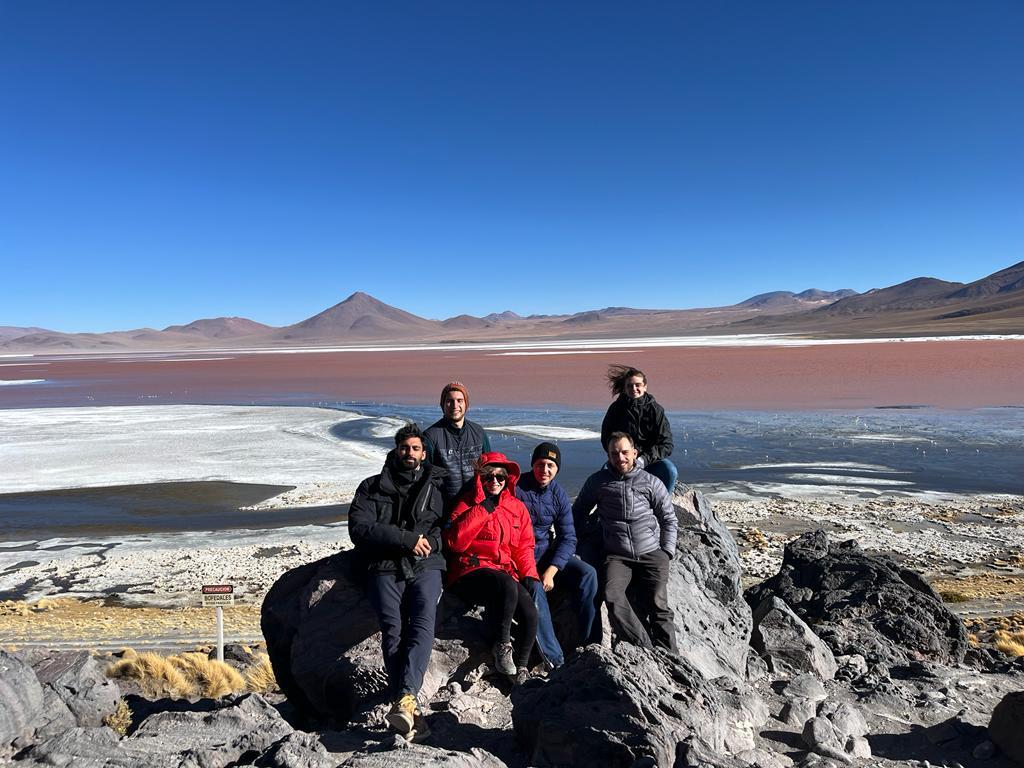
Altitude: This route goes hard on altitude, and that is the single biggest logistical issue to respect. La Paz sits around 3,650 m and Cusco around 3,350 m, both of which put abrupt arrivals in the high-risk category for acute mountain sickness. Local remedies like coca tea can feel comforting, but they are not a substitute for pacing and acclimatisation.
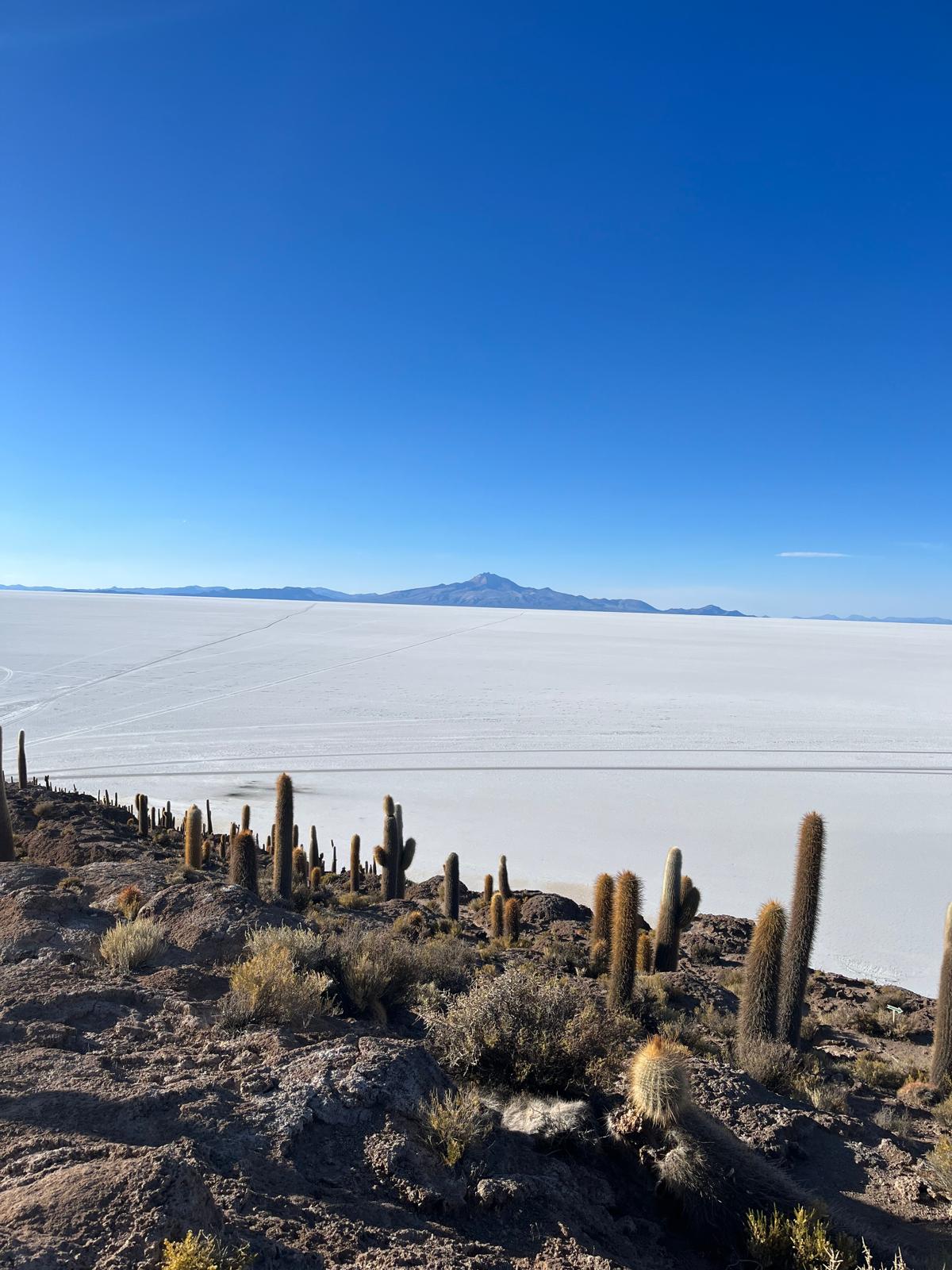
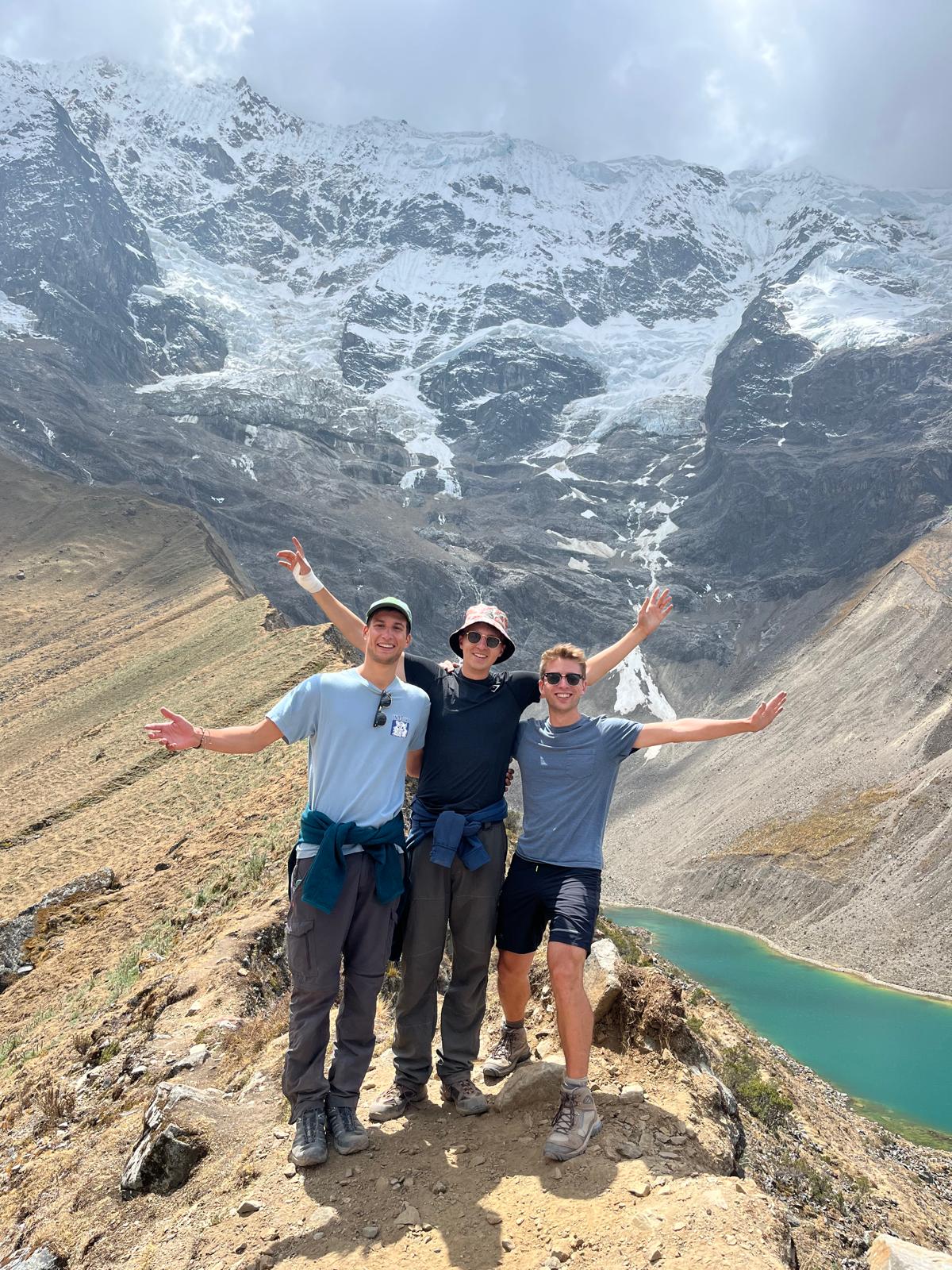
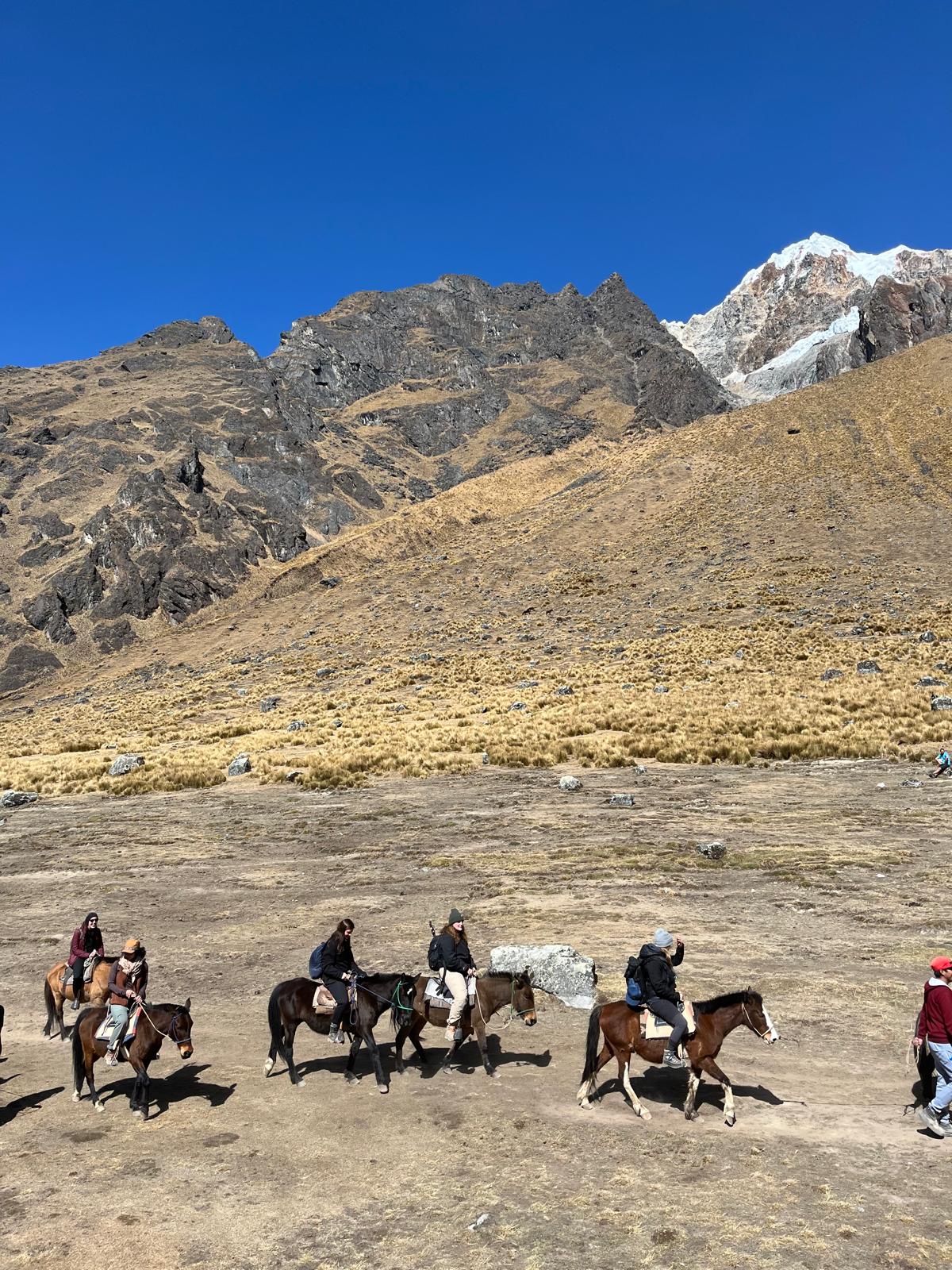
Route design and acclimatisation: the itinerary gives you time in La Paz before Uyuni, then returns you there before moving on. That matters, because the Uyuni circuit pushes you into very high, cold environments and thin air. The same logic applies later in Peru: trying to “smash through” Cusco and straight into hard trekking with no buffer is the easiest way to make the whole middle of the trip feel harder than it needs to.
Rest: The route needs at least one genuine low-output day, not just a “travel day that happens to involve sitting down.” The most sensible places are La Paz after Uyuni and Cusco after Salkantay / Machu Picchu. Those are the points where fatigue compounds, and where a rest day actually improves the rest of the itinerary rather than just slowing it down.
Transport: On the overnight bus legs, pay up for the best operator and class you can sensibly afford. The comfort difference matters, but so does the operational seriousness. In Bolivia, theft can occur on night buses when passengers are asleep, so keep your passport, cash, and cards on your body rather than in the overhead rack or under the bus. For this route, I would strongly bias toward operators that clearly advertise better fleet standards, and I would not book the absolute cheapest option just because the journey is “only one night.”
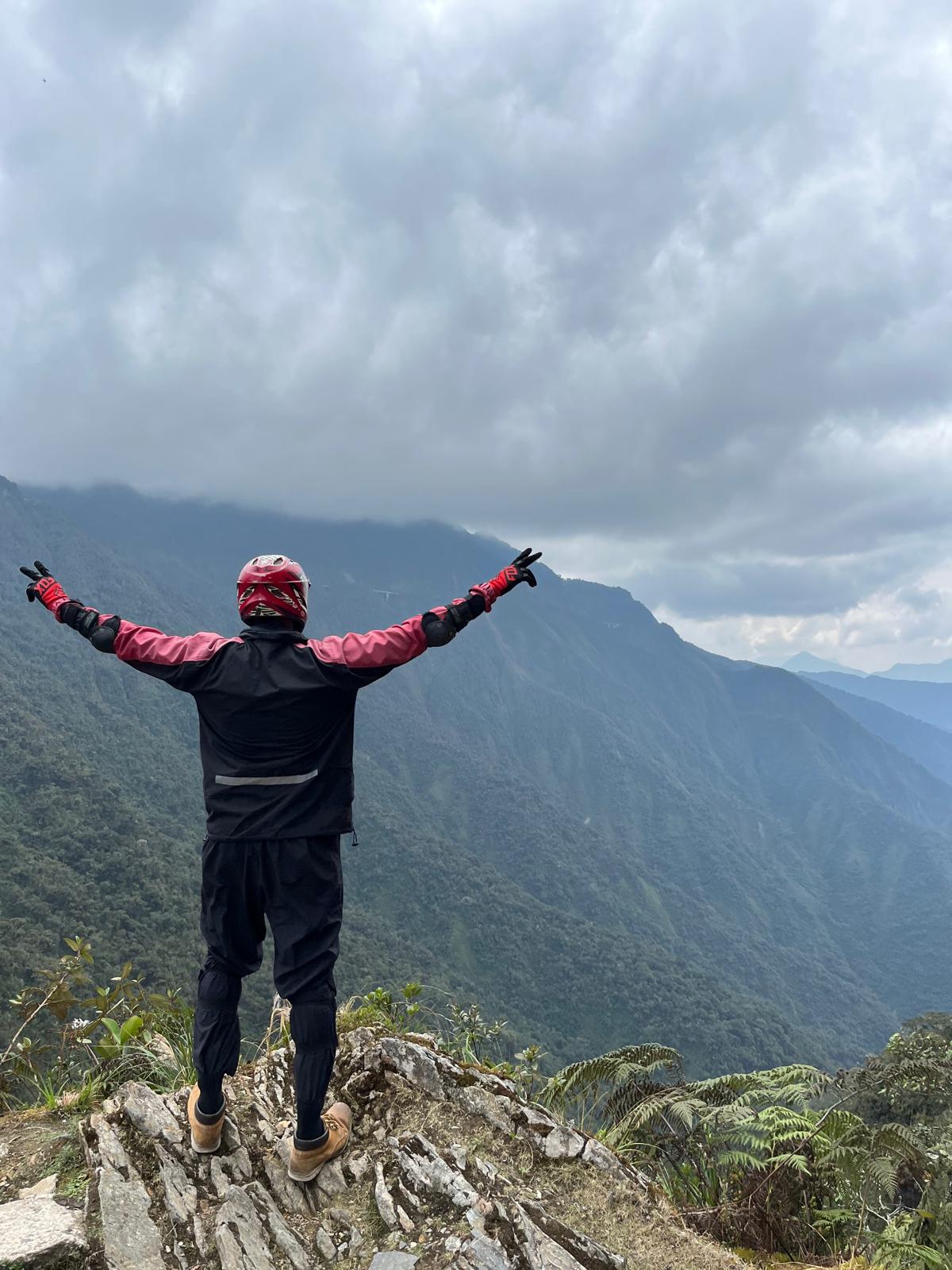
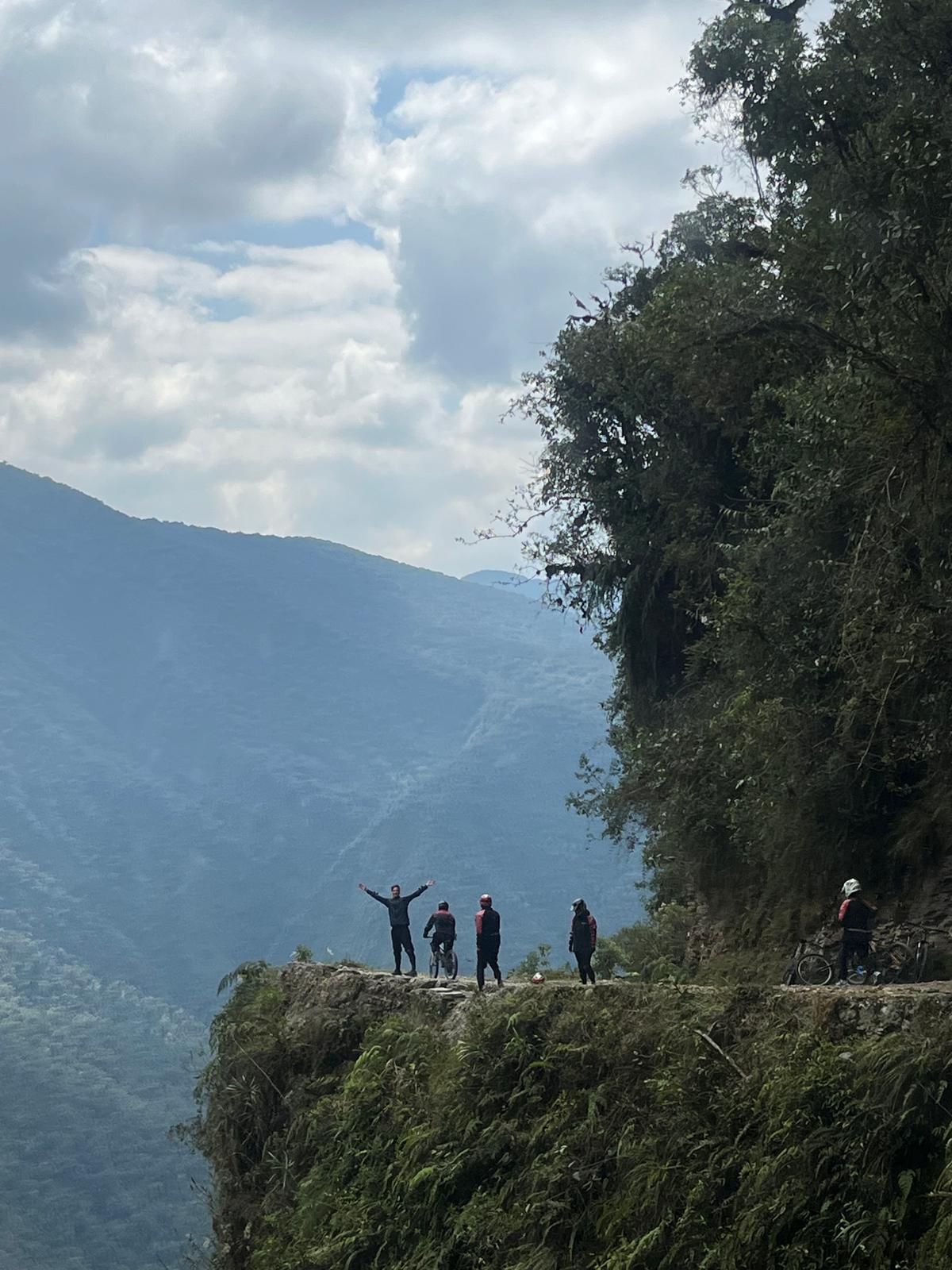
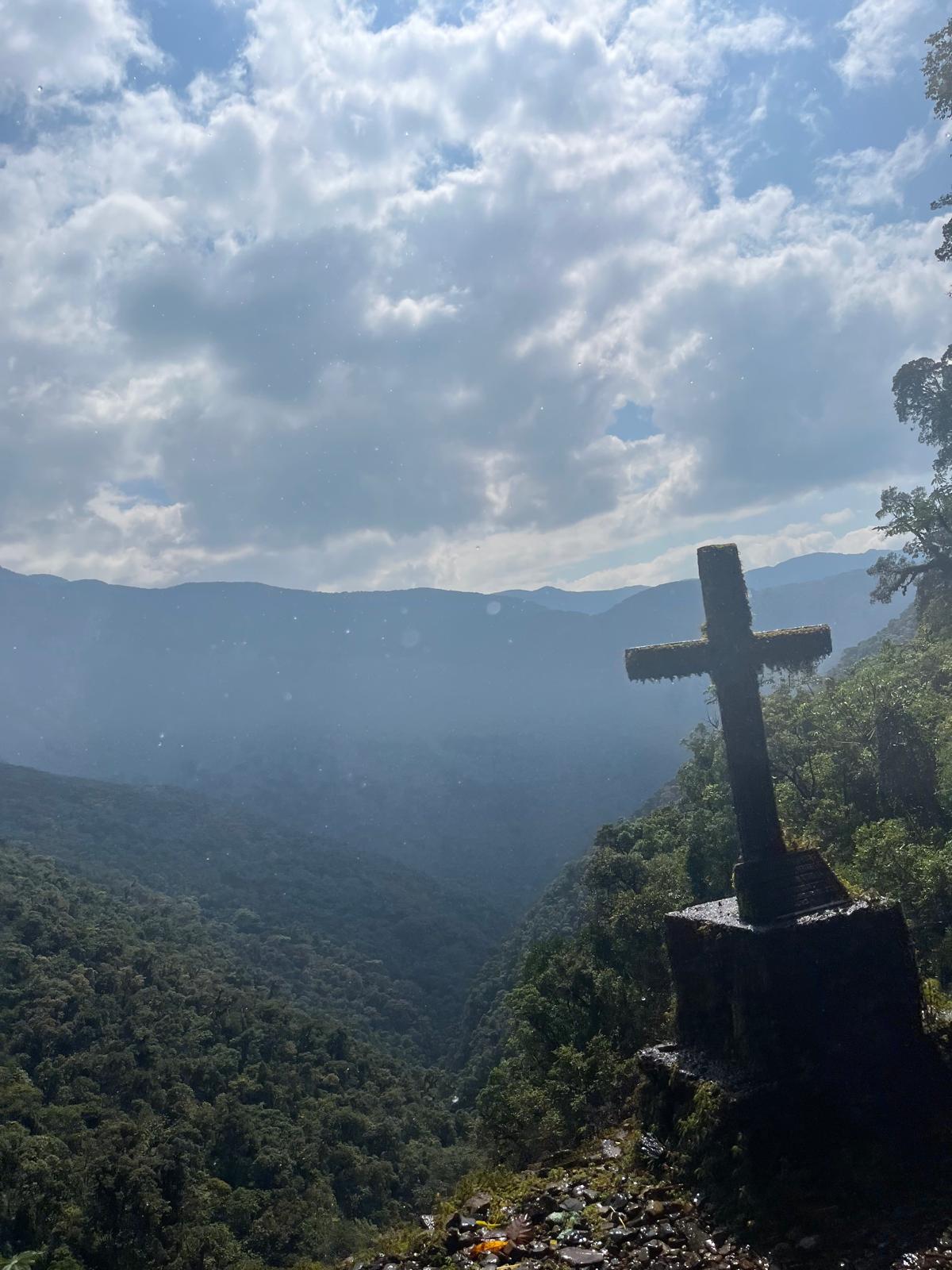
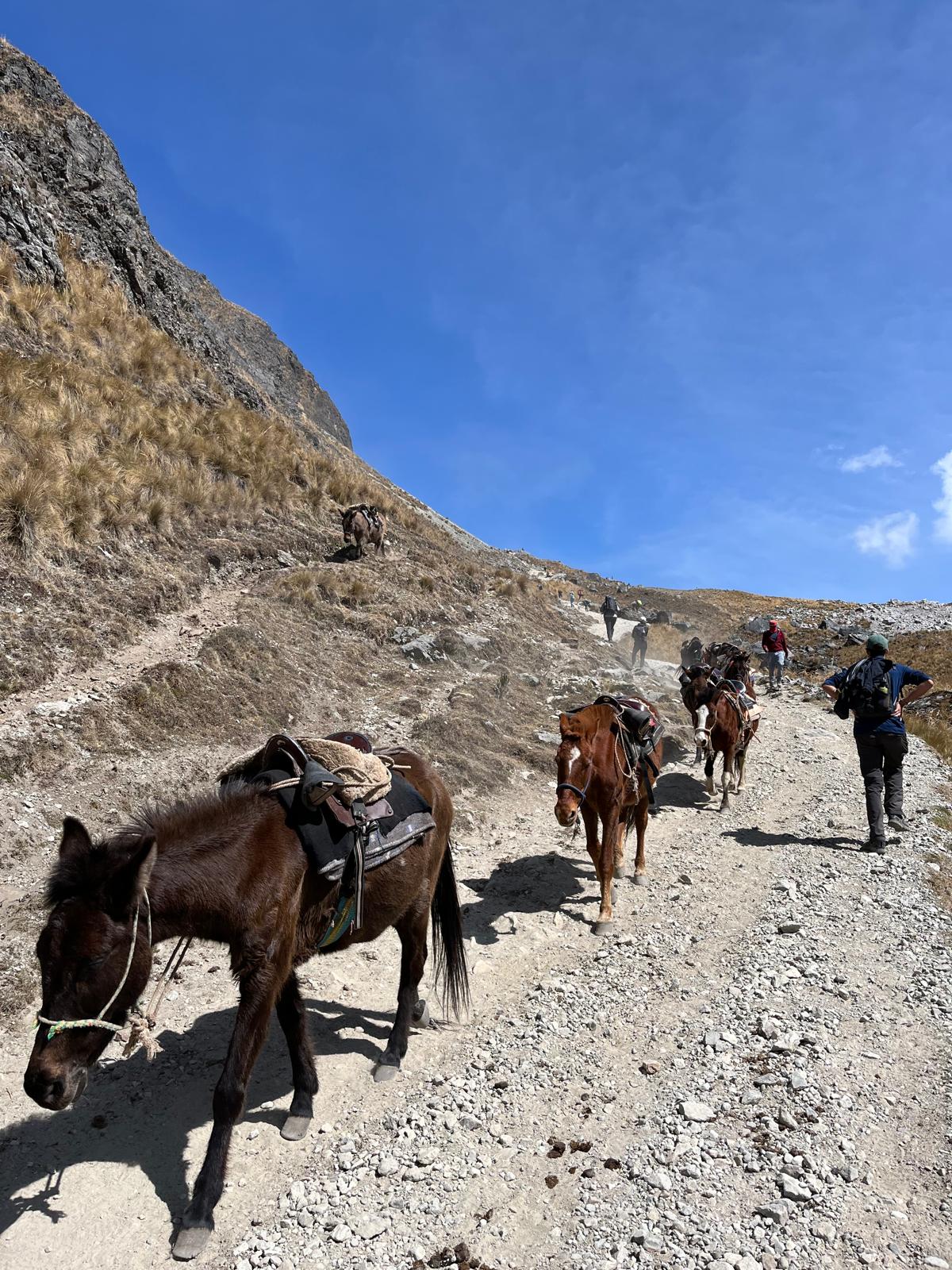
Insurance: Because this route includes Death Road cycling, high-altitude trekking, and remote sections, your insurance needs to cover the actual activities, not just the countries. That is especially worth checking before Salkantay and Death Road, where “normal travel insurance” wording can be weaker than people assume.
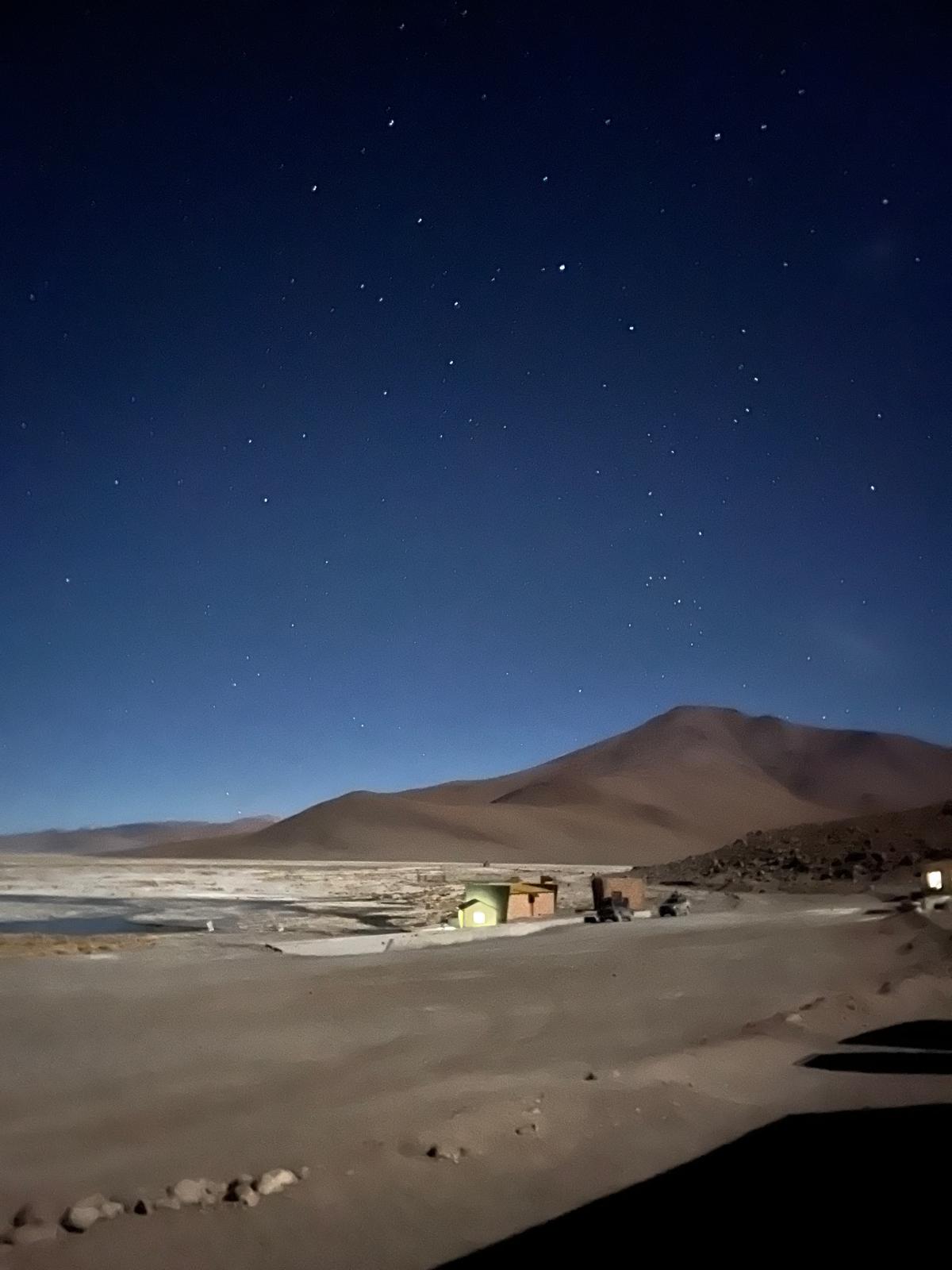
Packing: The route crosses hot daytime sun, freezing altiplano nights, dusty bus stations, and wet / muddy trekking sections. The pieces that matter most are not glamorous: good layers, lip balm, sunscreen, sunglasses, a warm jacket for Uyuni nights, and a proper daypack.

