image of popular travel destinations

Brazil

A cross-country Brazilian journey from the cultural depth of São Paulo to the green isolation of Ilha Grande, the historic streets of Rio de Janeiro, and the surf coast of Bahia.

From megacities to rainforest islands and Afro-Brazilian surf coastlines.

This Brazil route starts in São Paulo, the cultural and economic heart of the nation, where art, music and nightlife set the tone. It then slows down through coastal Santos and the jungle-backed village of Paraty Mirim, before opening into the car-free wilderness of Ilha GrandThis Brazil route starts in São Paulo, the cultural and economic engine of the country, where world-class electronic music, serious art museums and one of the most creative restaurant scenes in Latin America set the tone for what follows. It then slows through coastal Santos, the jungle-backed village of Paraty Mirim and the car-free rainforest island of Ilha Grande before dropping into Rio de Janeiro for iconic landscapes, layered history and nightlife that runs until the families arrive on the beach at dawn.

From Rio the route goes south before going north. Florianópolis, a city-island in Santa Catarina with over forty beaches, a strong surf culture and an oyster-farming coastline, provides a few days of southern Brazilian beach life at a pace Rio never allows. From there the route swings west to Foz do Iguaçu, where 275 waterfalls spanning nearly three kilometres sit on the triple border of Brazil, Argentina and Paraguay. Seeing both sides, the Brazilian panoramic rim and the Argentine immersive trails with their boat ride under the falls, takes two days and is one of the most genuinely overwhelming natural experiences in South America.

The final leg flies north into Bahia, where the country changes register completely. Itacaré sits where Atlantic rainforest meets the ocean, its culture shaped by African heritage in a way the south of Brazil does not prepare you for. Surf, mangrove boat trips, jungle waterfall hikes and samba nights on the beach close out a route that covers more of Brazil's geography and variety than almost any other single itinerary of the same length.

e. From there, the journey drops into Rio de Janeiro for iconic landscapes, layered history, and nightlife that runs until sunrise. Finally, the trip flies north into Bahia to Itacaré, where rainforest rivers meet surf beaches and Afro-Brazilian culture reshapes the rhythm of daily life.It is a route built not around ticking landmarks but around shifting atmospheres. Megacity chaos, forgotten coastal villages, protected rainforest islands, and tropical surf town energy all sit inside one continuous story of Brazilian geography and culture.

Highlights

image of vibrant dining space (for a mexican restaurant)

Ilha Grande’s Car-Free Rainforest Coast

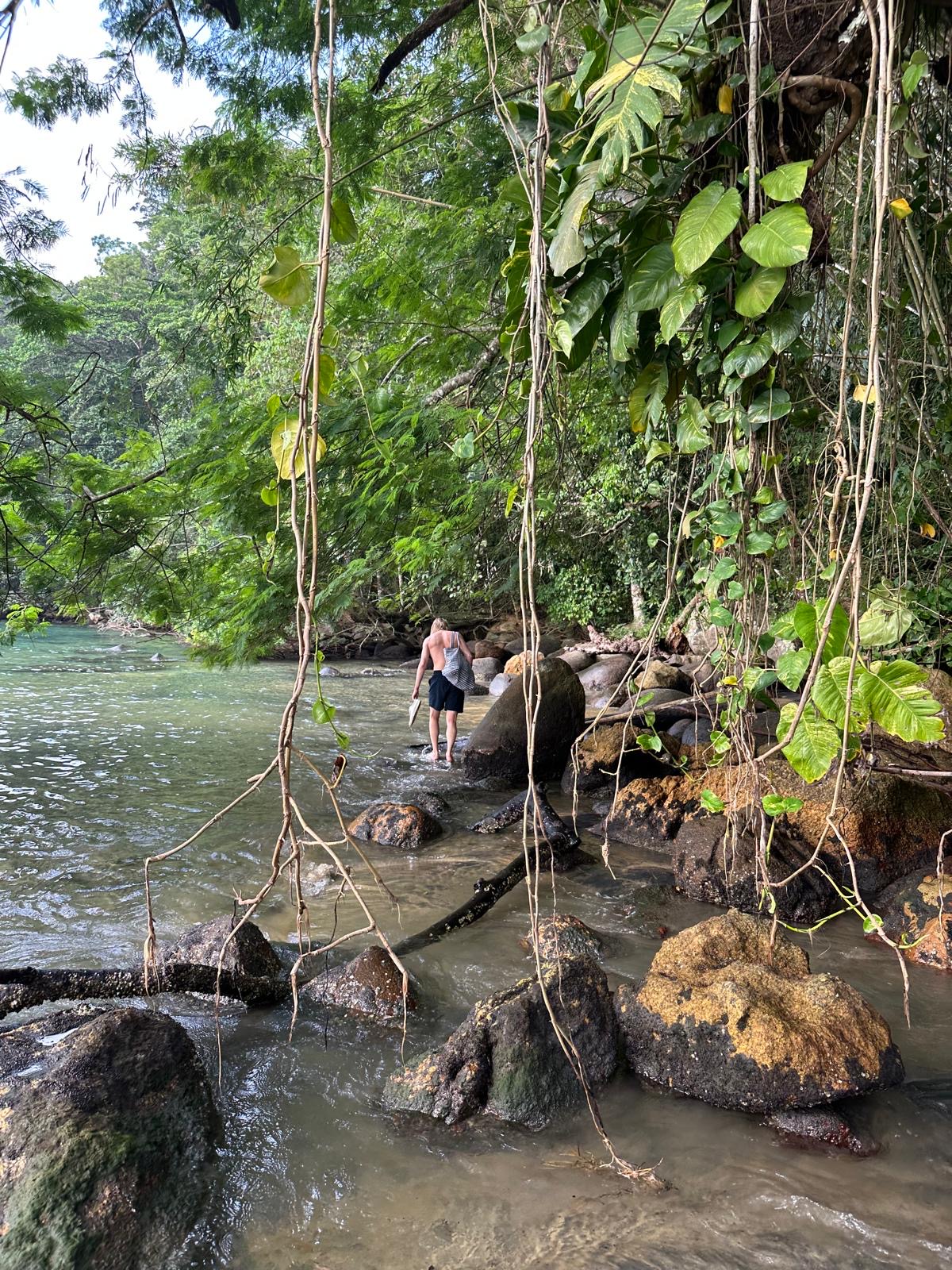
A protected Atlantic rainforest island with no cars, where waterfalls spill into jungle trails and turquoise cove beaches are reached only by foot or boat.

image of a guided tour group

Rio beach culture

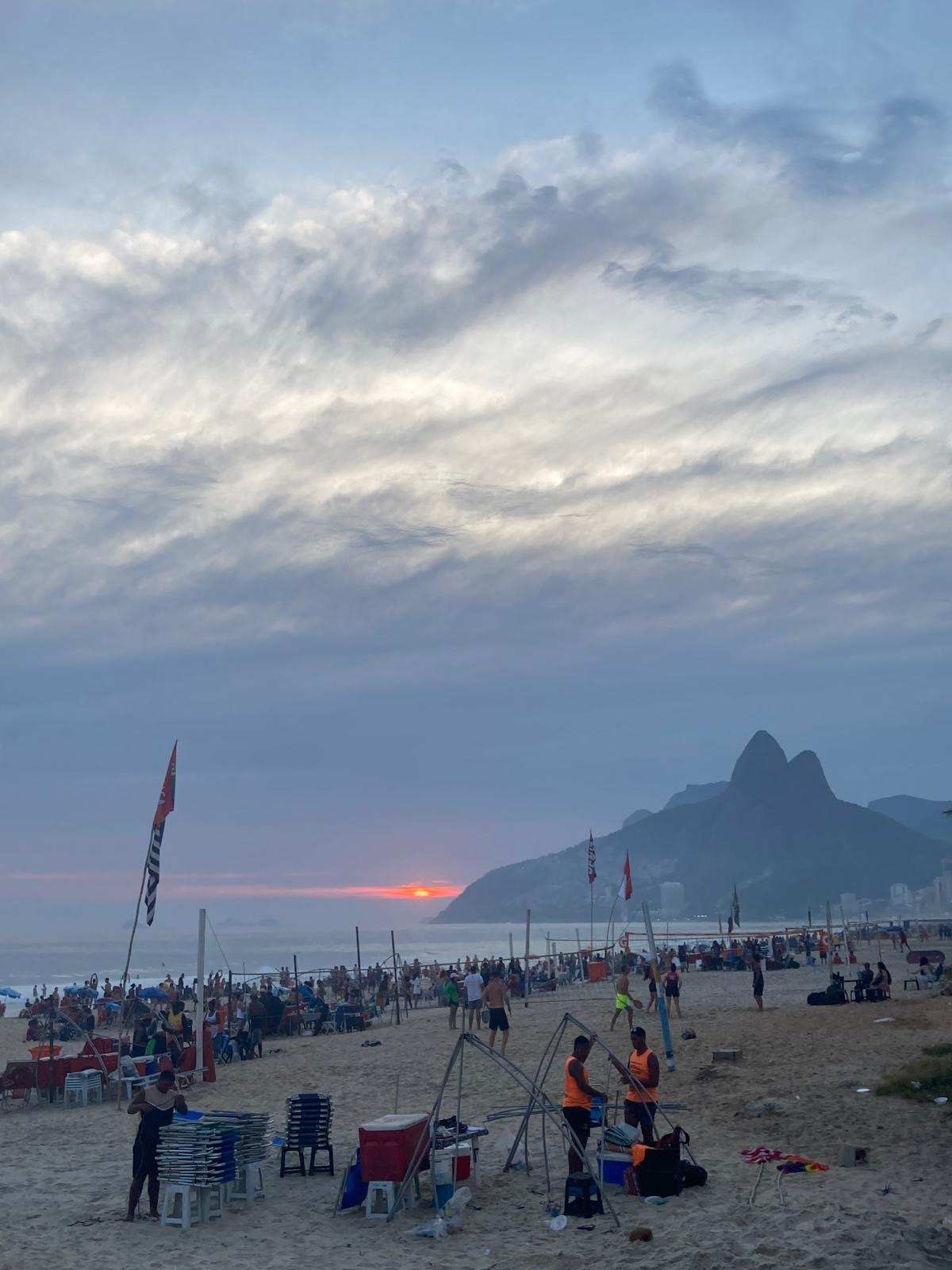
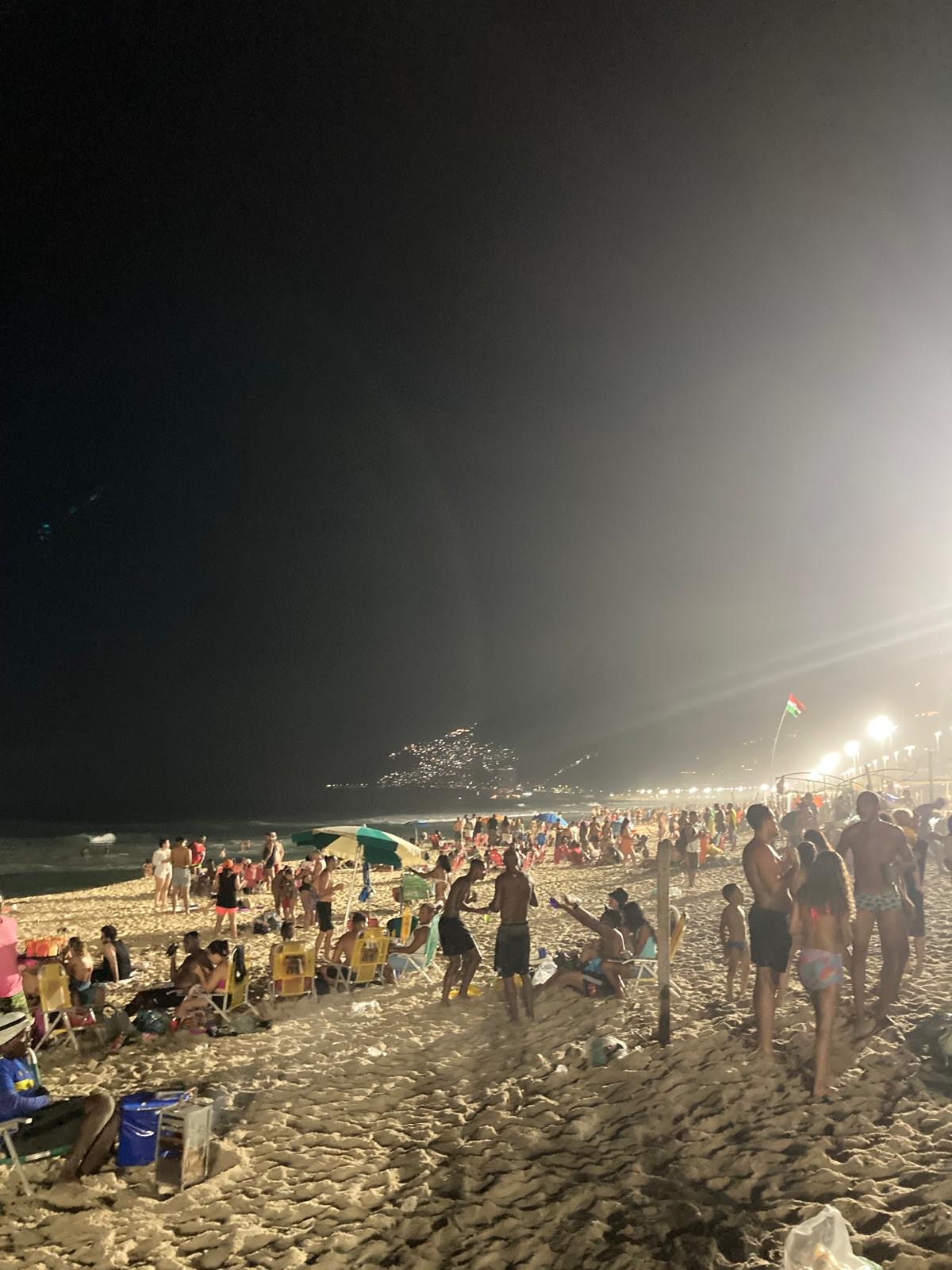
Families arrive on the beach at four in the morning. Volleyball starts as the night ends. The city does not perform for visitors; it simply runs at a frequency that is unlike anywhere else.
image of a local tour guide (for a travel agency)

The Saco do Mamanguá and Sugarloaf Hike

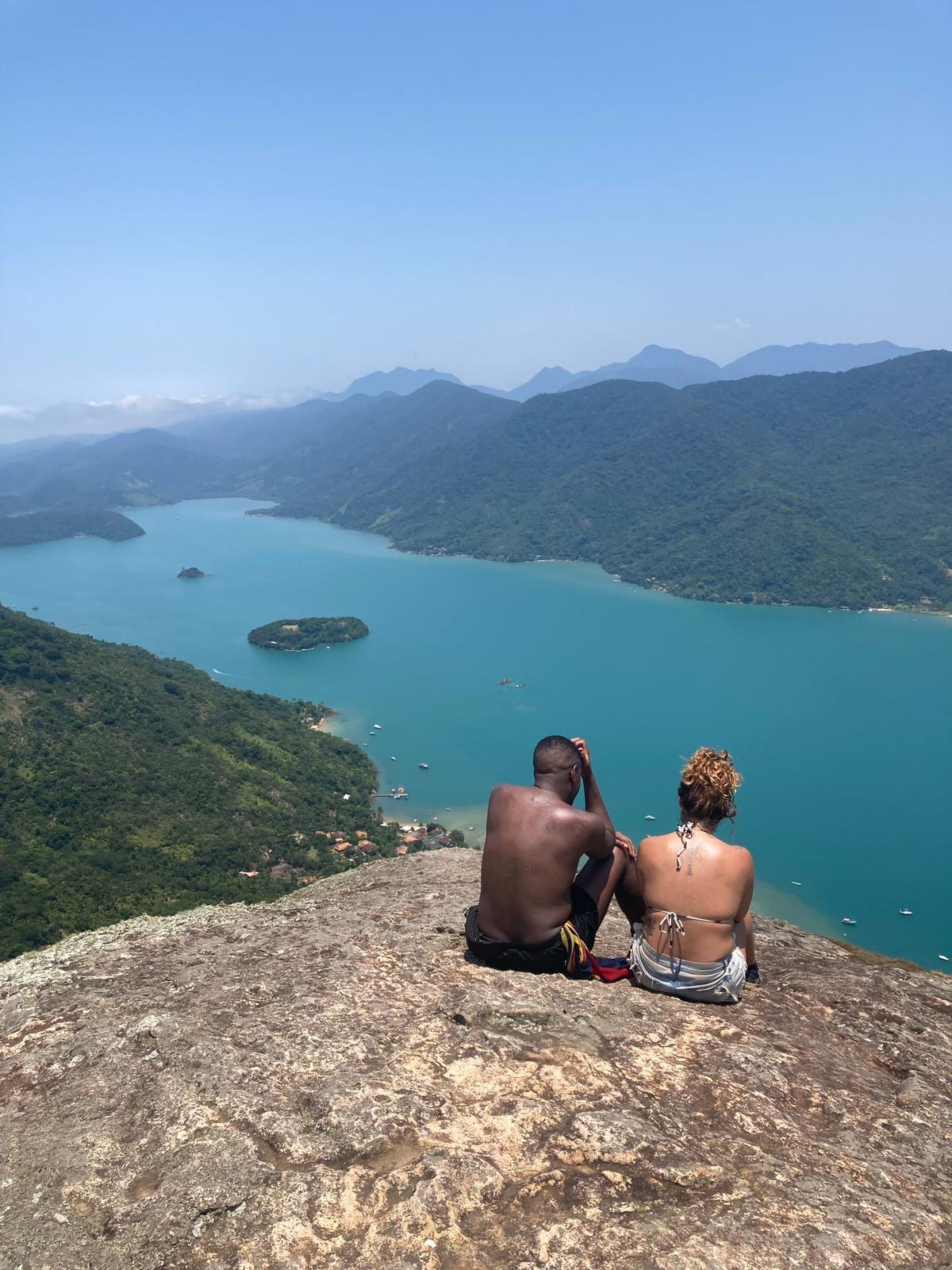
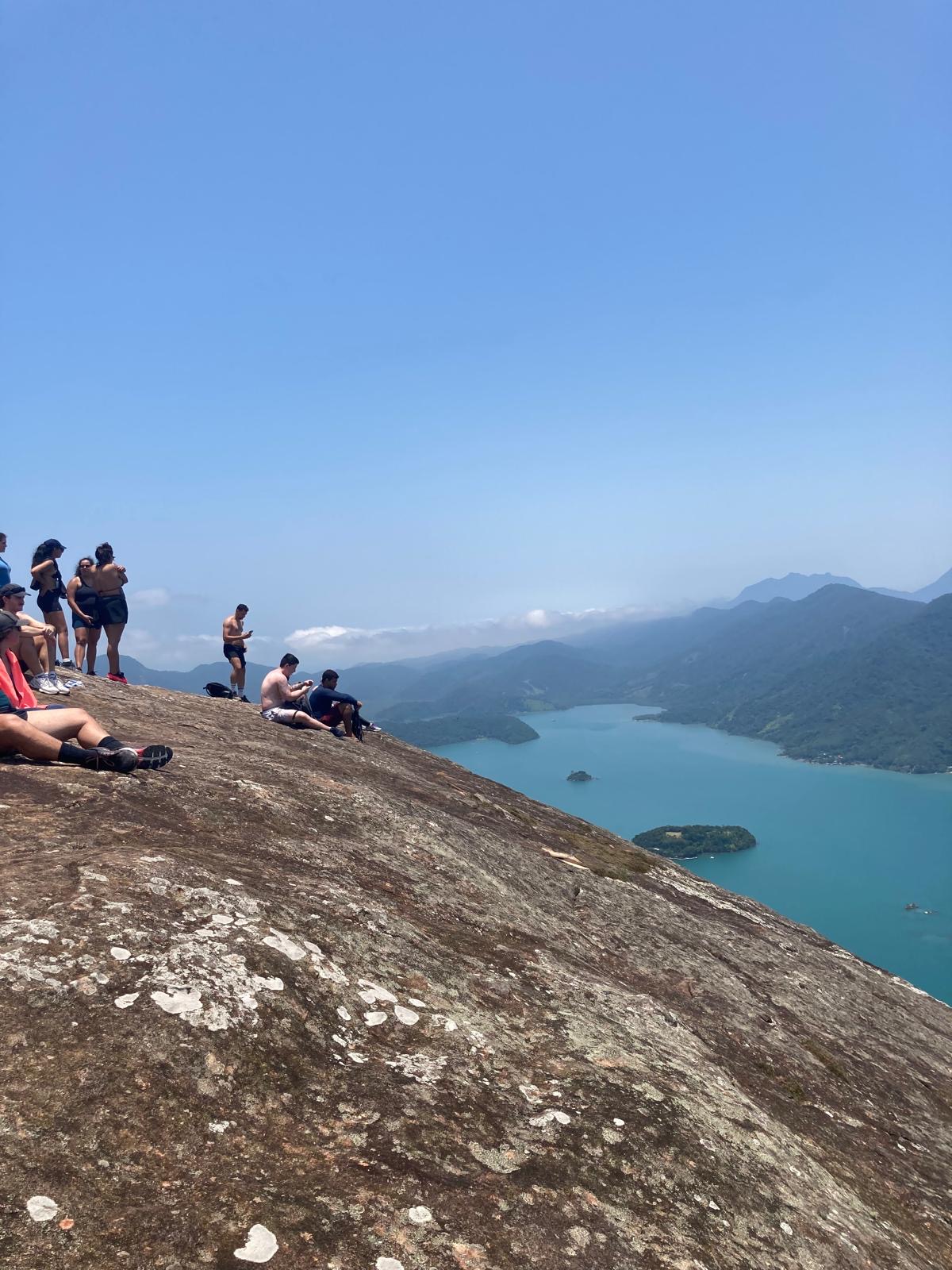
Brazil's only tropical fjord: an eight-kilometre inlet of emerald water cutting inland between steep Atlantic rainforest mountains on the Juatinga Peninsula south of Paraty. The ascent takes an hour and delivers a 360-degree panorama of the entire fjord below, the surrounding rainforest peaks, and the open Atlantic beyond.
image of vibrant dining space (for a mexican restaurant)

Ilha Grande’s Car-Free Rainforest Coast

A protected Atlantic rainforest island with no cars, where waterfalls spill into jungle trails and turquoise cove beaches are reached only by foot or boat.

image of a guided tour group

Rio beach culture

Families arrive on the beach at four in the morning. Volleyball starts as the night ends. The city does not perform for visitors; it simply runs at a frequency that is unlike anywhere else.
image of a local tour guide (for a travel agency)

The Saco do Mamanguá and Sugarloaf Hike

Brazil's only tropical fjord: an eight-kilometre inlet of emerald water cutting inland between steep Atlantic rainforest mountains on the Juatinga Peninsula south of Paraty. The ascent takes an hour and delivers a 360-degree panorama of the entire fjord below, the surrounding rainforest peaks, and the open Atlantic beyond.

Journey itinerary

Itinerary overview
Detailed breakdown follows

Days 1 to 3: São Paulo / Pinheiros, Avenida Paulista, MASP, Ibirapuera Park and the electronic music scene

Days 4 to 5: Santos / Monte Serrat cable car, old port and coastal reset

Days 6 to 7: Paraty Mirim / Remo Hostel, island trips, bioluminescent plankton and hidden beaches

Day 8: Paraty old town / colonial streets, waterfall hike and boat to nearby beaches

Days 9 to 11: Ilha Grande / Blue Lagoon, Pico do Papagaio hike and turtle snorkelling

Days 12 to 15: Rio de Janeiro / Christ the Redeemer, Sugarloaf, Tijuca, samba night and beach at dawn

Days 16 to 18: Florianópolis / Lagoa da Conceição, Praia Mole, Joaquina surf and Lagoinha do Leste hike

Days 19 to 20: Foz do Iguaçu / Argentine side with boat tour, Brazilian side panoramic walk and bird sanctuary

Days 21 to 24: Itacaré, Bahia / Art Jungle Eco Lodge, surf, mangrove boat, Cachoeira do Cleandro and samba parties

Day 25: Fly home via São Paulo

Day-by-day itinerary
Days 1 to 3: São Paulo

São Paulo's Guarulhos International Airport (GRU) is 25 km from the centre. The Guarucoop taxi service from the official rank at arrivals is the most reliable option; agree the destination before getting in. Uber works well and is usually cheaper. The journey into Pinheiros takes 40 to 60 minutes depending on traffic, and São Paulo traffic is extraordinary; never land and immediately try to get somewhere in a hurry.

Base yourself in Pinheiros. It is the right neighbourhood for this trip: walkable, residential in character, dense with independent cafés, vinyl record shops, natural wine bars, galleries and late-night restaurants. It sits immediately west of the Paulista axis and is significantly more liveable than the tourist-facing areas around the cathedral or the centre. The streets between Rua dos Pinheiros, Rua Cardeal Arcoverde and Rua Mourato Coelho give you the concentration of what makes the neighbourhood work.

Day 1: arrive, walk the neighbourhood, eat close to where you are staying, sleep. The city's scale is genuinely disorienting on arrival; resist the urge to immediately see everything and let the first evening just be a dinner and a beer in Pinheiros.

Day 2: Start at Avenida Paulista, the six-lane ceremonial spine of the city, lined with corporate towers, street artists, cultural centres and food vendors. The Museu de Arte de São Paulo (MASP), suspended above the street on two red concrete pillars, holds one of the finest European art collections in Latin America, with works by Raphael, Rembrandt, Van Gogh, Manet and Picasso alongside major Brazilian artists. Entry is free on Tuesday evenings. Immediately below MASP, the Trianon Park provides a small patch of Atlantic rainforest preserved inside the city; sit in it for 20 minutes and feel the temperature drop. Walk west along Paulista toward the cultural centre at the Casa das Rosas.

Ibirapuera Park in the afternoon: 158 hectares of lakes, pavilions and garden designed by Oscar Niemeyer and Roberto Burle Marx, opened in 1954. The Museu Afro Brasil and the Museu de Arte Moderna are both inside the park. The path that runs around the lake is where São Paulo jogs, skates, argues and has coffee simultaneously. Stay until the early evening.

For dinner: Botanikafé in Jardins for a composed, plant-forward meal in a beautiful space, or stay in Pinheiros where the density of good independent restaurants is higher per block than almost any neighbourhood in South America.

Day 3: São Paulo's electronic music and nightlife scene is globally respected. The city has more than a hundred weekly club nights and the quality of DJs passing through is consistent. Resident Advisor lists São Paulo events; check the week before you arrive and book ahead for anything at Heavy House. The best nights run from midnight to noon, and the city's relationship with time is genuinely different from European nightlife culture; showing up at 11 pm is early. This can be combined with a second cultural day (Vila Madalena for street art and galleries; the Pinacoteca for the best Brazilian art museum in the city, housed in a stunning red brick building near the Luz train station) or used as a recovery day depending on how Day 2's evening went.

Also: Skye bar at the Hotel Unique in Jardins is a rooftop pool bar in a striking curved building. Sunset drinks here before heading to dinner are one of the city's better evenings. Book ahead.

Days 1 to 3: São Paulo

São Paulo's Guarulhos International Airport (GRU) is 25 km from the centre. The Guarucoop taxi service from the official rank at arrivals is the most reliable option; agree the destination before getting in. Uber works well and is usually cheaper. The journey into Pinheiros takes 40 to 60 minutes depending on traffic, and São Paulo traffic is extraordinary; never land and immediately try to get somewhere in a hurry.

Base yourself in Pinheiros. It is the right neighbourhood for this trip: walkable, residential in character, dense with independent cafés, vinyl record shops, natural wine bars, galleries and late-night restaurants. It sits immediately west of the Paulista axis and is significantly more liveable than the tourist-facing areas around the cathedral or the centre. The streets between Rua dos Pinheiros, Rua Cardeal Arcoverde and Rua Mourato Coelho give you the concentration of what makes the neighbourhood work.

Day 1: arrive, walk the neighbourhood, eat close to where you are staying, sleep. The city's scale is genuinely disorienting on arrival; resist the urge to immediately see everything and let the first evening just be a dinner and a beer in Pinheiros.

Day 2: Start at Avenida Paulista, the six-lane ceremonial spine of the city, lined with corporate towers, street artists, cultural centres and food vendors. The Museu de Arte de São Paulo (MASP), suspended above the street on two red concrete pillars, holds one of the finest European art collections in Latin America, with works by Raphael, Rembrandt, Van Gogh, Manet and Picasso alongside major Brazilian artists. Entry is free on Tuesday evenings. Immediately below MASP, the Trianon Park provides a small patch of Atlantic rainforest preserved inside the city; sit in it for 20 minutes and feel the temperature drop. Walk west along Paulista toward the cultural centre at the Casa das Rosas.

Ibirapuera Park in the afternoon: 158 hectares of lakes, pavilions and garden designed by Oscar Niemeyer and Roberto Burle Marx, opened in 1954. The Museu Afro Brasil and the Museu de Arte Moderna are both inside the park. The path that runs around the lake is where São Paulo jogs, skates, argues and has coffee simultaneously. Stay until the early evening.

For dinner: Botanikafé in Jardins for a composed, plant-forward meal in a beautiful space, or stay in Pinheiros where the density of good independent restaurants is higher per block than almost any neighbourhood in South America.

Day 3: São Paulo's electronic music and nightlife scene is globally respected. The city has more than a hundred weekly club nights and the quality of DJs passing through is consistent. Resident Advisor lists São Paulo events; check the week before you arrive and book ahead for anything at Heavy House. The best nights run from midnight to noon, and the city's relationship with time is genuinely different from European nightlife culture; showing up at 11 pm is early. This can be combined with a second cultural day (Vila Madalena for street art and galleries; the Pinacoteca for the best Brazilian art museum in the city, housed in a stunning red brick building near the Luz train station) or used as a recovery day depending on how Day 2's evening went.

Also: Skye bar at the Hotel Unique in Jardins is a rooftop pool bar in a striking curved building. Sunset drinks here before heading to dinner are one of the city's better evenings. Book ahead.

Button Text
Days 4 to 5: Santos

Santos is 70 km from São Paulo on the Via Anchieta or Rodovia dos Imigrantes, two hours by car or bus. The bus departs regularly from Tietê terminal; a seat costs around R$40 to R$50. Santos is calm, flat, beach-facing and used primarily by paulistanos as a weekend escape. It has an unhurried quality that São Paulo completely lacks; the contrast after two or three days of megacity intensity is the whole point.

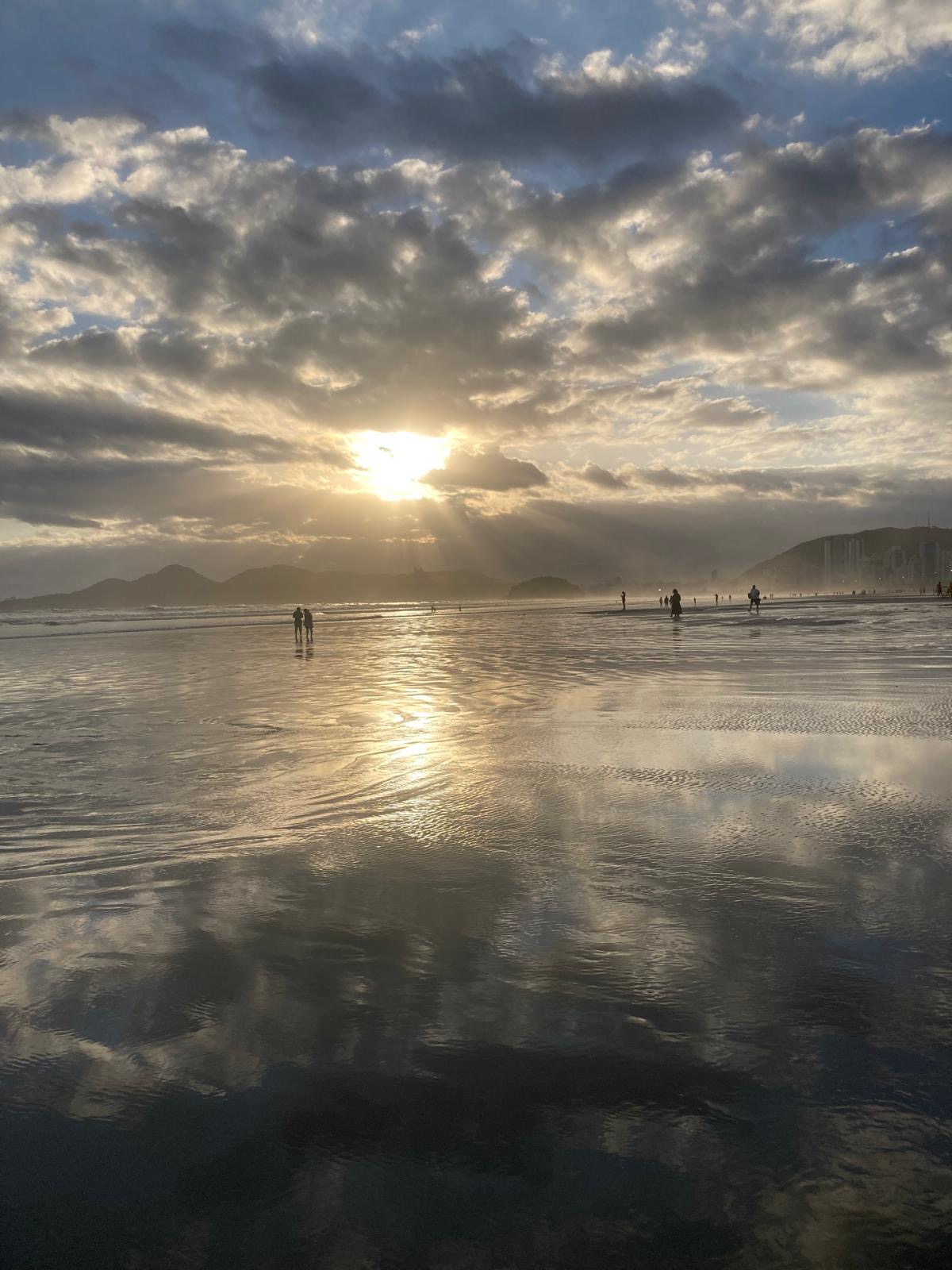
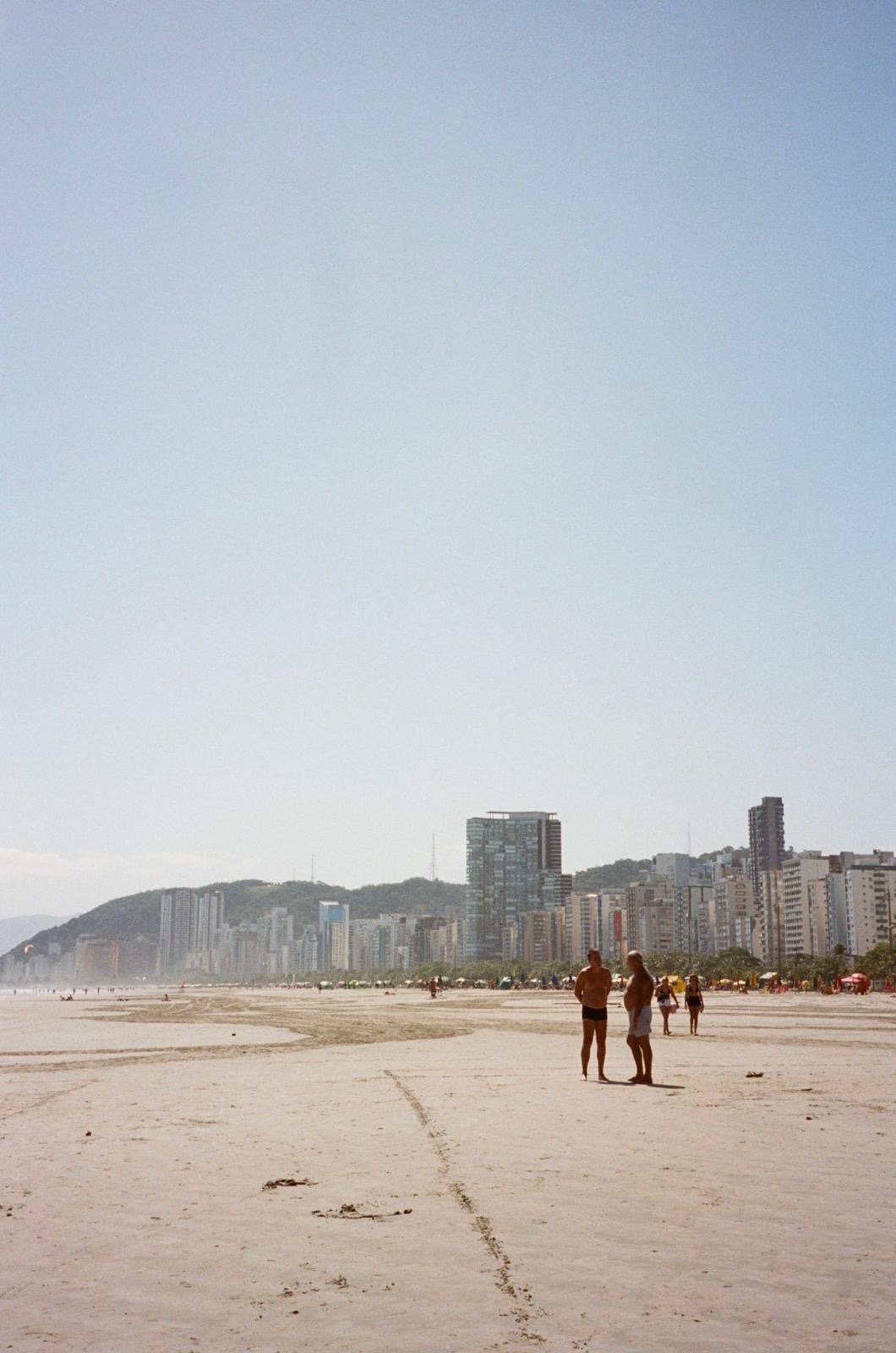
The beaches run 7.5 km along the Atlantic, backed by the well-maintained Orla gardens, one of the largest beachside garden systems in the world. They are wide, clean and far less crowded than anything you will see in Rio. Walk the full length of the Orla at sunset.

Monte Serrat: the hill at the western end of the old port district rises 147 metres above the city. The funicular (bondinho) runs from the base of the hill in the Valongo neighbourhood up to the summit sanctuary of Nossa Senhora do Monte Serrat; the view from the top takes in the entire bay, the Santos port complex (the largest in Latin America by container volume) and, on clear days, the Serra do Mar mountains behind. Garni Lab at the base of the hill is a small café and workshop in the hollowed-out old warehouse district worth stopping at. The surrounding Valongo and Paquetá streets constitute the oldest port quarter in Brazil; the buildings are 19th-century commercial architecture in various states of restoration, and the scale of the former coffee trade that passed through this port is visible in the warehouse facades.

Days 6 to 7: Paraty Mirim

Paraty Mirim is not Paraty; it is a smaller, quieter village 17 km south of Paraty town, accessible by boat or by a dirt road that becomes genuinely rough in rain. The drive from Santos along the Costa Verde (SP-055 and BR-101) takes three to four hours through Atlantic rainforest and dramatic coastal scenery. This is one of the more beautiful drives in Brazil.

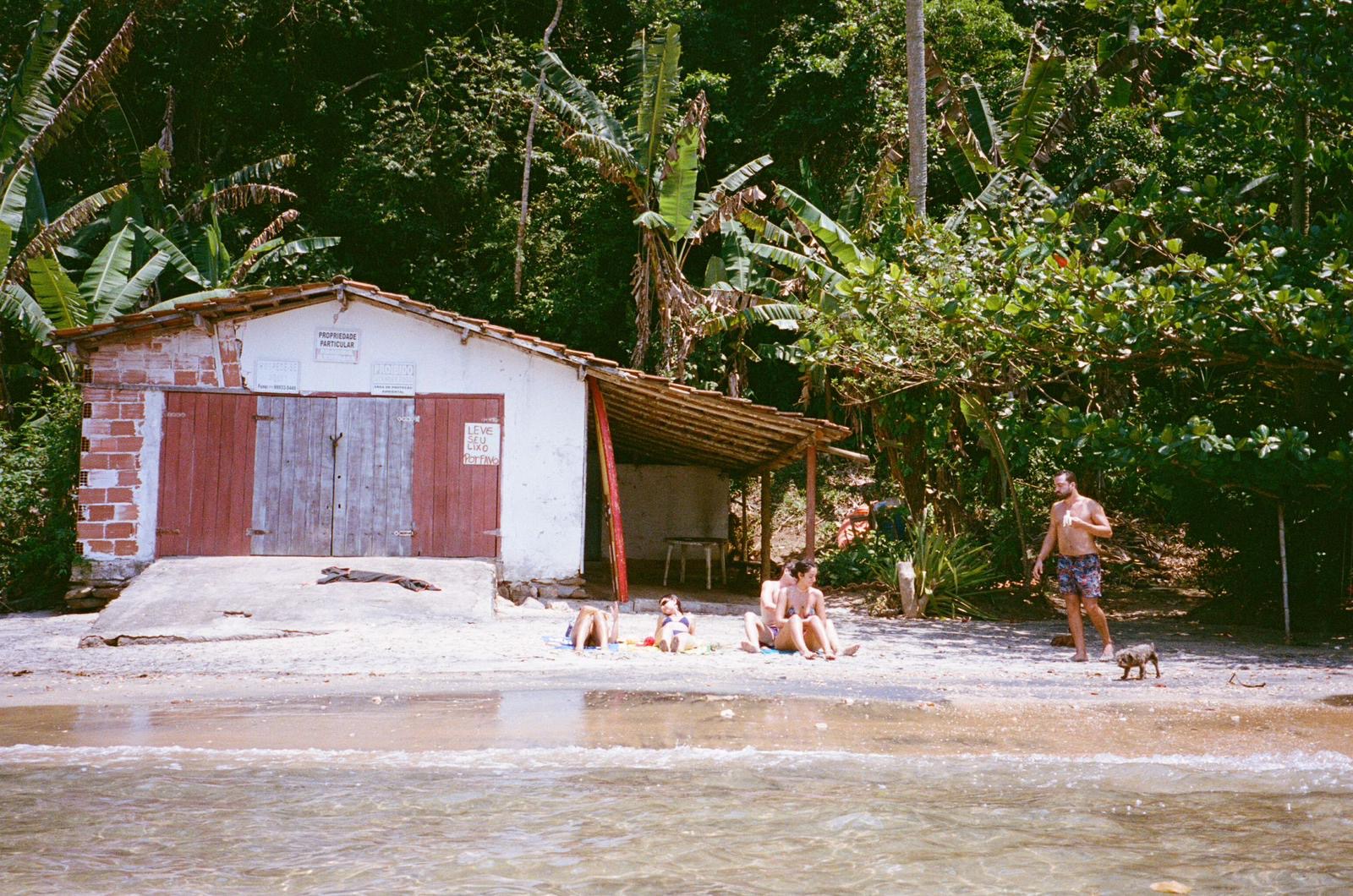
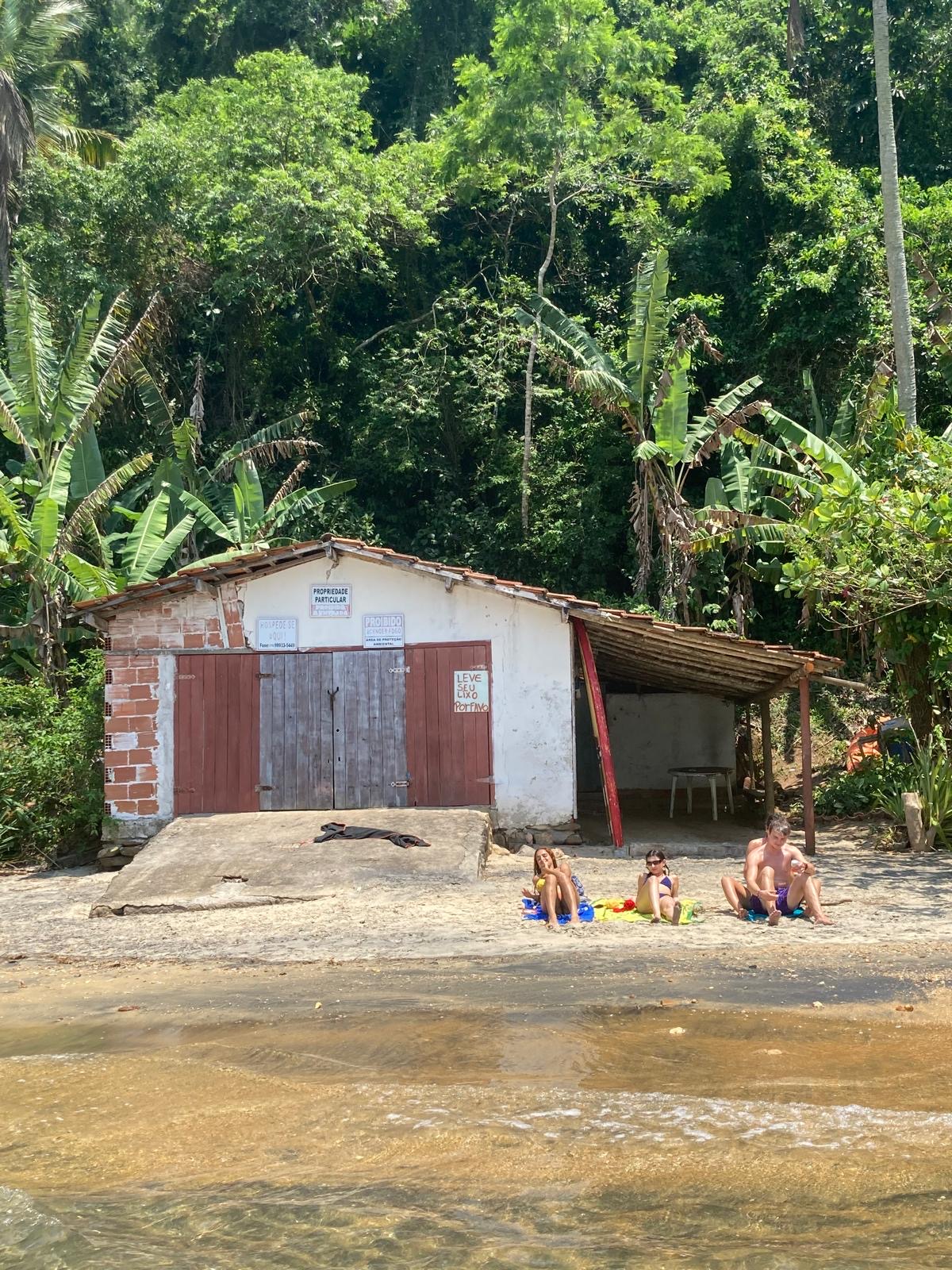
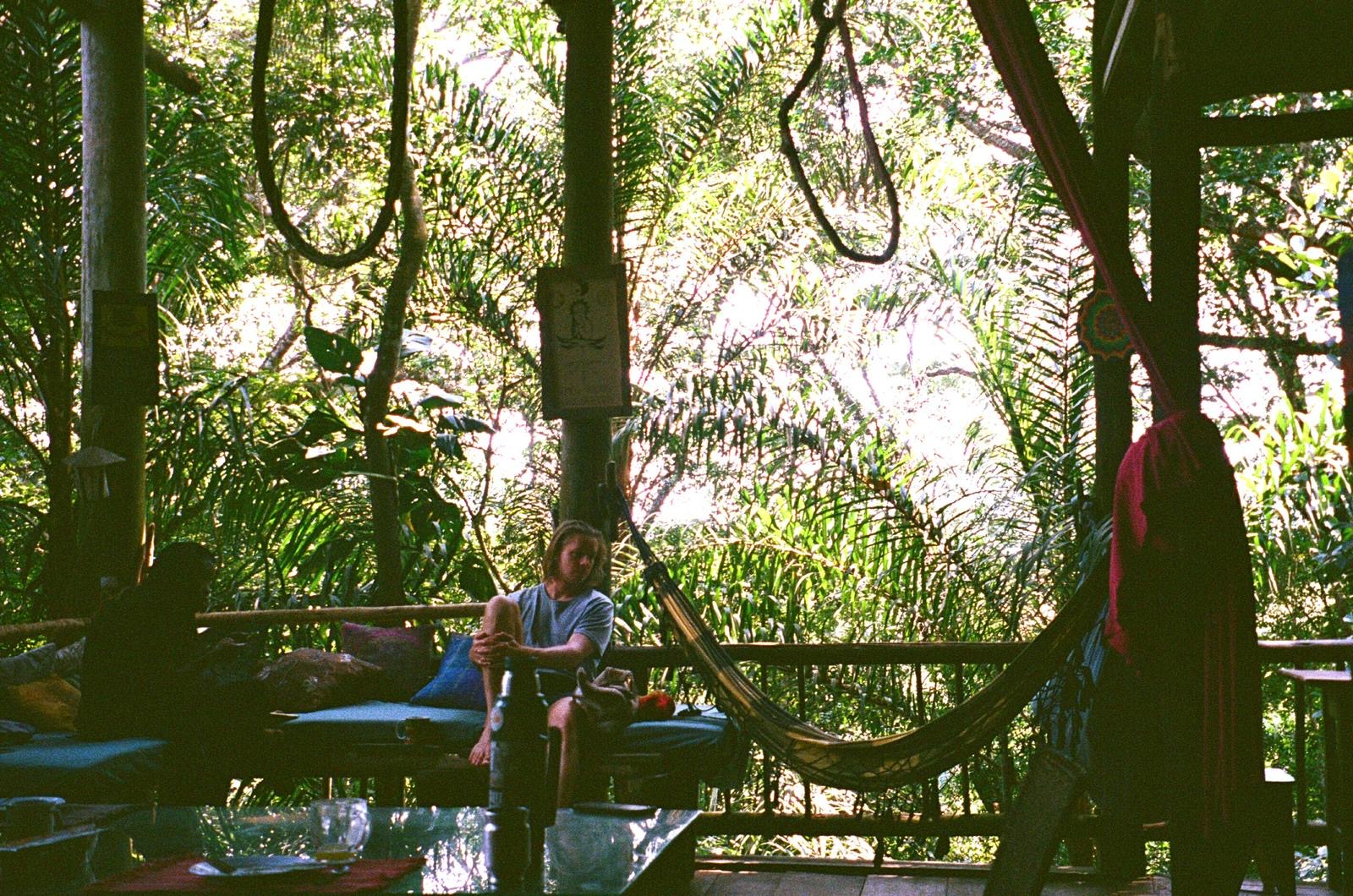
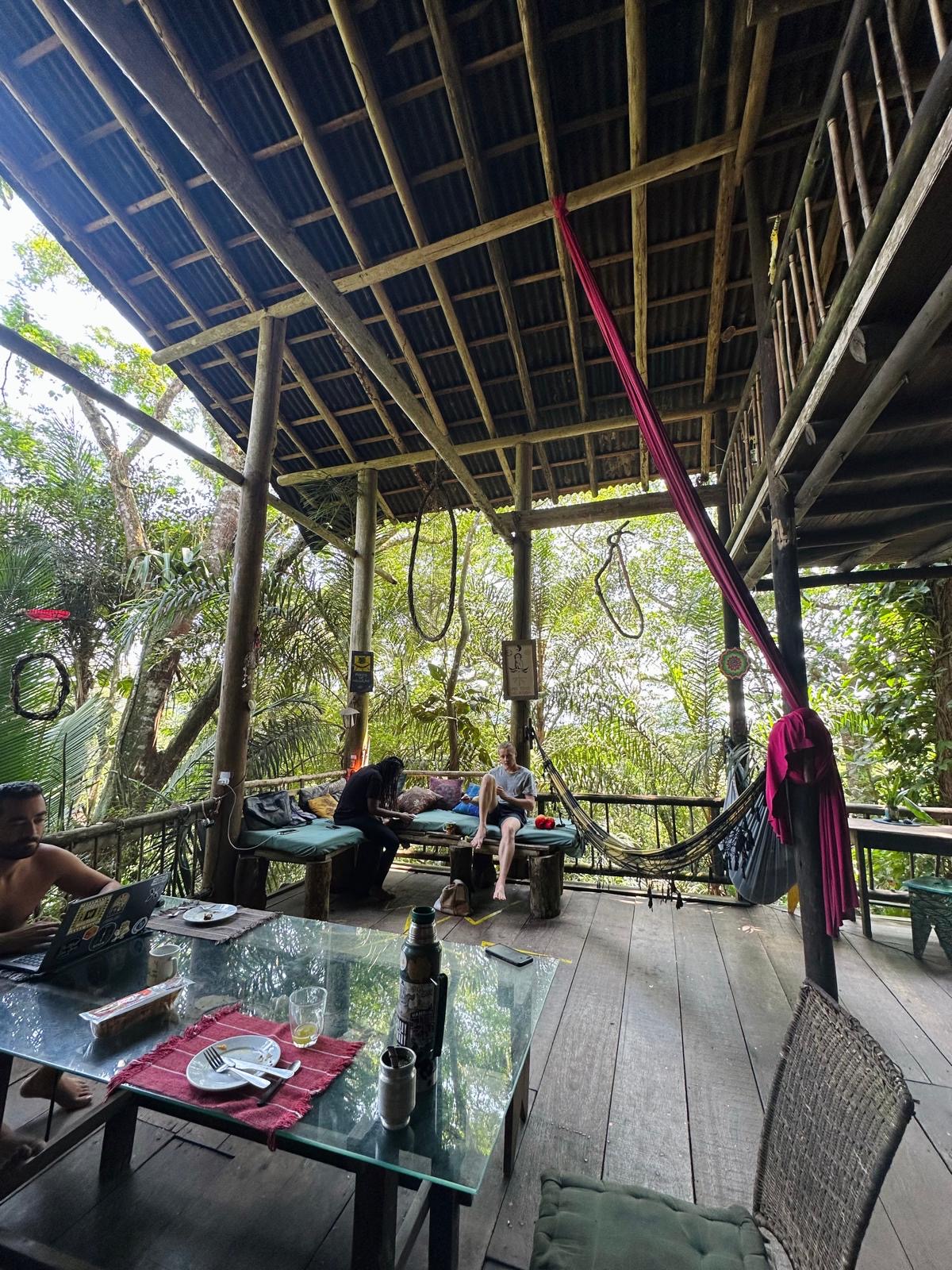
Stay at Remo Hostel. The property is built into a tree on a hill above the village, with almost no solid walls between the sleeping areas and the forest. Hammocks replace chairs in most communal areas. Monkeys use the roof as a transit route. The community is small, social and entirely self-organising; Meals are eaten in the tiny shacks along the main dirt road: tapioca crepes, pastels (fried or baked pastry filled with cheese, meat or heart of palm), fresh coconut water and juice.

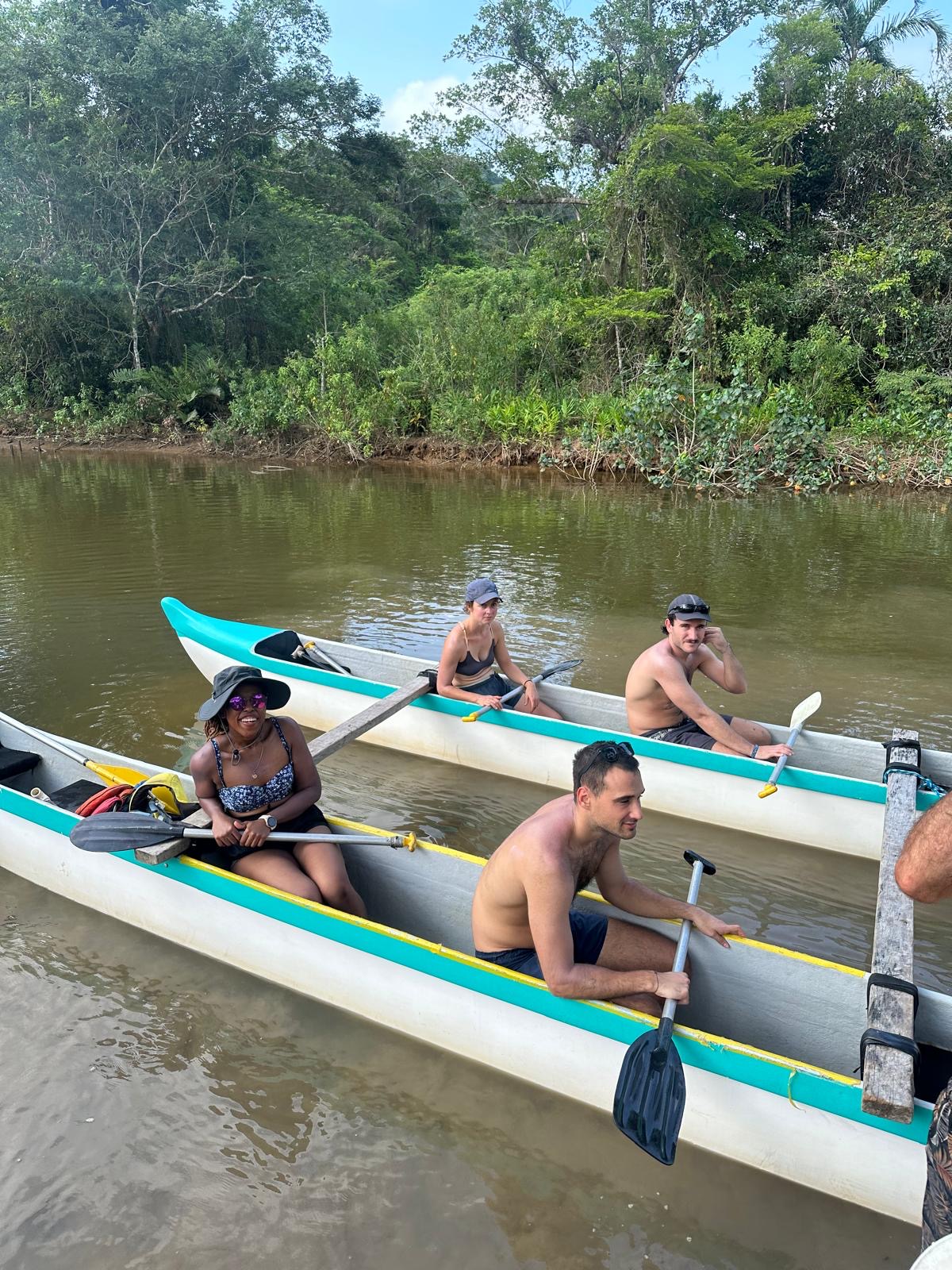
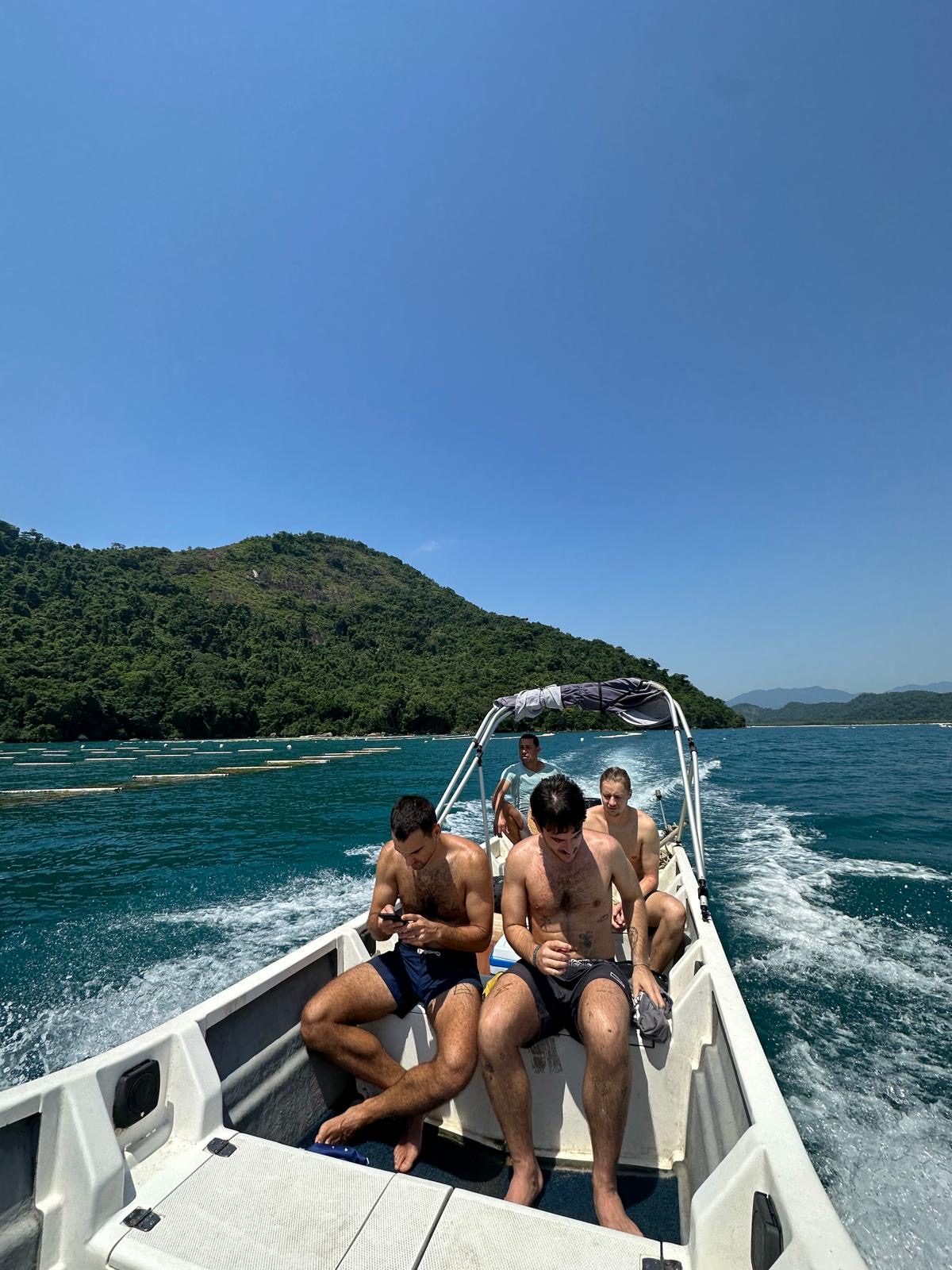
Activities are arranged through locals and fellow guests: day trips to nearby islands for hiking, kayaking through mangrove channels and finding hidden beaches; and night trips to swim with bioluminescent plankton in the bay. The latter is one of those experiences that sounds like an exaggeration until you are in the water and the dinoflagellates light up with every movement your body makes. Go on a moonless night for the most intense effect. Hike the Saco do Mamanguá as a full day activity, completed with a lunch on a beach below the sugarloaf mountain after.

Day 8: Paraty town, old colonial centre

Paraty (the town) is 17 km north of Paraty Mirim, a colonial port founded in the 17th century when it was the main departure point for gold from the Minas Gerais mines bound for Portugal. The entire historic centre is a UNESCO World Heritage Site: white-painted buildings with blue, green or yellow window frames, cobblestone streets deliberately rough to keep horses from slipping, and a layout that floods gently at high tide so the streets self-clean. A walking tour with a local guide takes around two hours and provides genuine historical depth; the tourism office on the main square organises these. Worth it. You can also hire a boat for the day from Paraty to go explore the nearby islands, supported by a driver who can show you the best coves and swimming spots.

The main waterfall nearby, Poço do Tarzan, is a short hike from town through Atlantic forest, swimming permitted. Banana da Terra and Sabor da Terra are both well-regarded sit-down restaurant options for a dinner that feels like a treat after days of roadside shacks (both were mentioned as favourites in the source material). Recanto Caiçara requires a boat to reach and is the most atmospheric meal on the whole Paraty section. Dom João is another reliable option for a simple Brazilian dinner.

Days 9 to 11: Ilha Grande

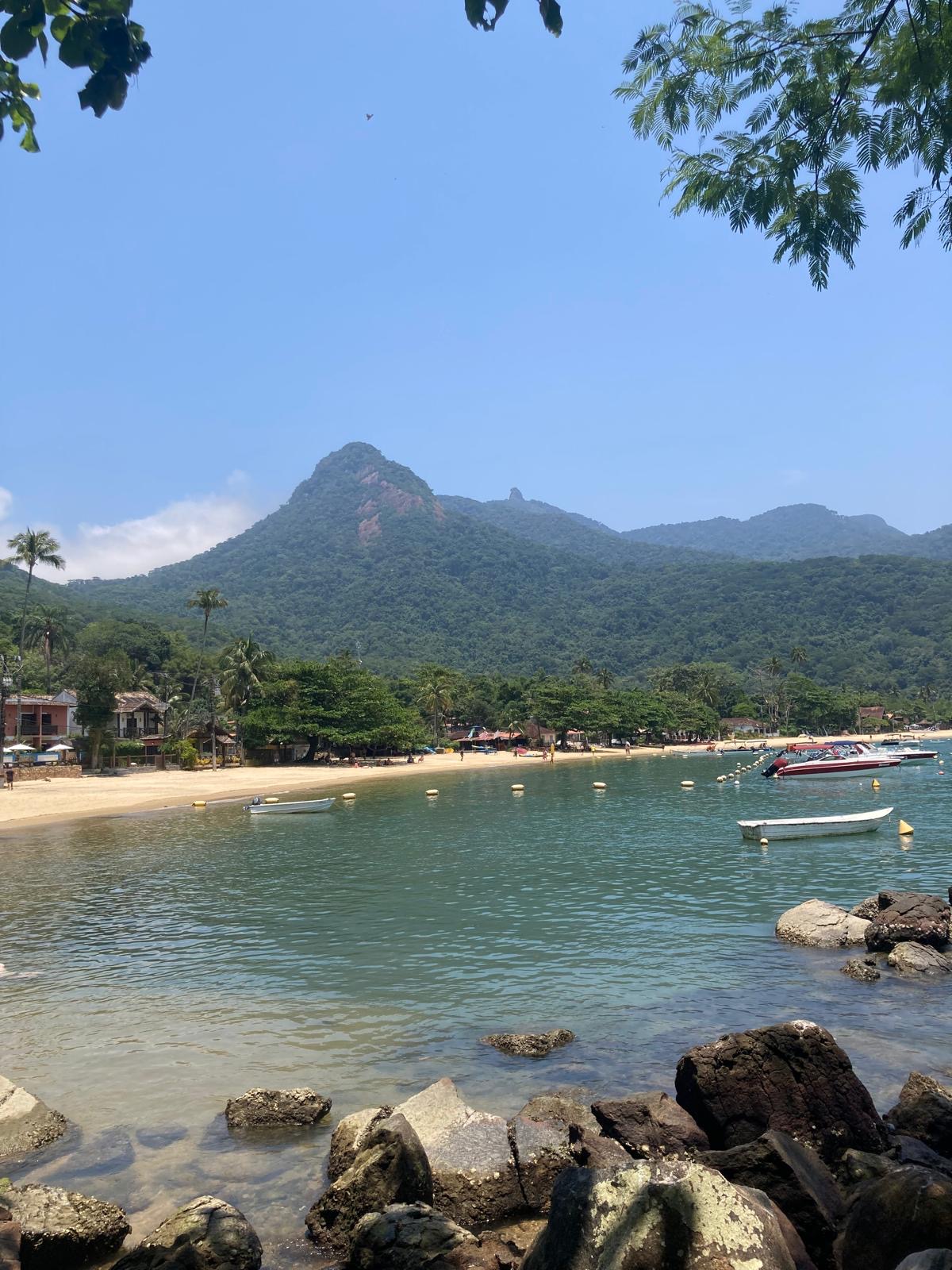
Take a boat north from Paraty to Vila do Abraão, the main settlement on Ilha Grande. Ferries run from both Paraty and from Angra dos Reis; the journey takes between 60 and 90 minutes depending on which port you leave from. The island is visible as you approach: rainforest on every headland, no roads, no vehicles. The island's car-free status was enforced not as an environmental policy but as a consequence of history: Ilha Grande was used as a quarantine island, a prison and a leper colony successively over several centuries; its isolation was the point, and when the prison closed in 1994 the isolation had preserved its Atlantic rainforest almost entirely intact.

Base yourself in or near Vila do Abraão. The settlement has the island's only concentration of restaurants, accommodation and boat connections; staying within walking distance means you can come and go to the beaches without logistical overhead. Pack light; everything on this island is carried by foot or boat.

Blue Lagoon (Lagoa Azul): Join a boat tour from the village pier. The lagoon sits in a sheltered bay on the northwest coast with water so shallow and clear that the colour appears lit from below; parrotfish, sea turtles and various reef fish are standard sightings. Most tours include several beach stops; the sea turtle snorkelling is the highlight. Half-day tours cost around R$60 to R$80 per person.

Pico do Papagaio: The island's highest point at 982 metres. The trail from Abraão takes three to four hours each way through dense Atlantic rainforest; the summit emerges above the canopy with views across the full island, the channel to the mainland and the surrounding sea. Take a guide; the trail requires navigation and the higher sections involve some scrambling. Start before 7 am to avoid the worst of the heat.

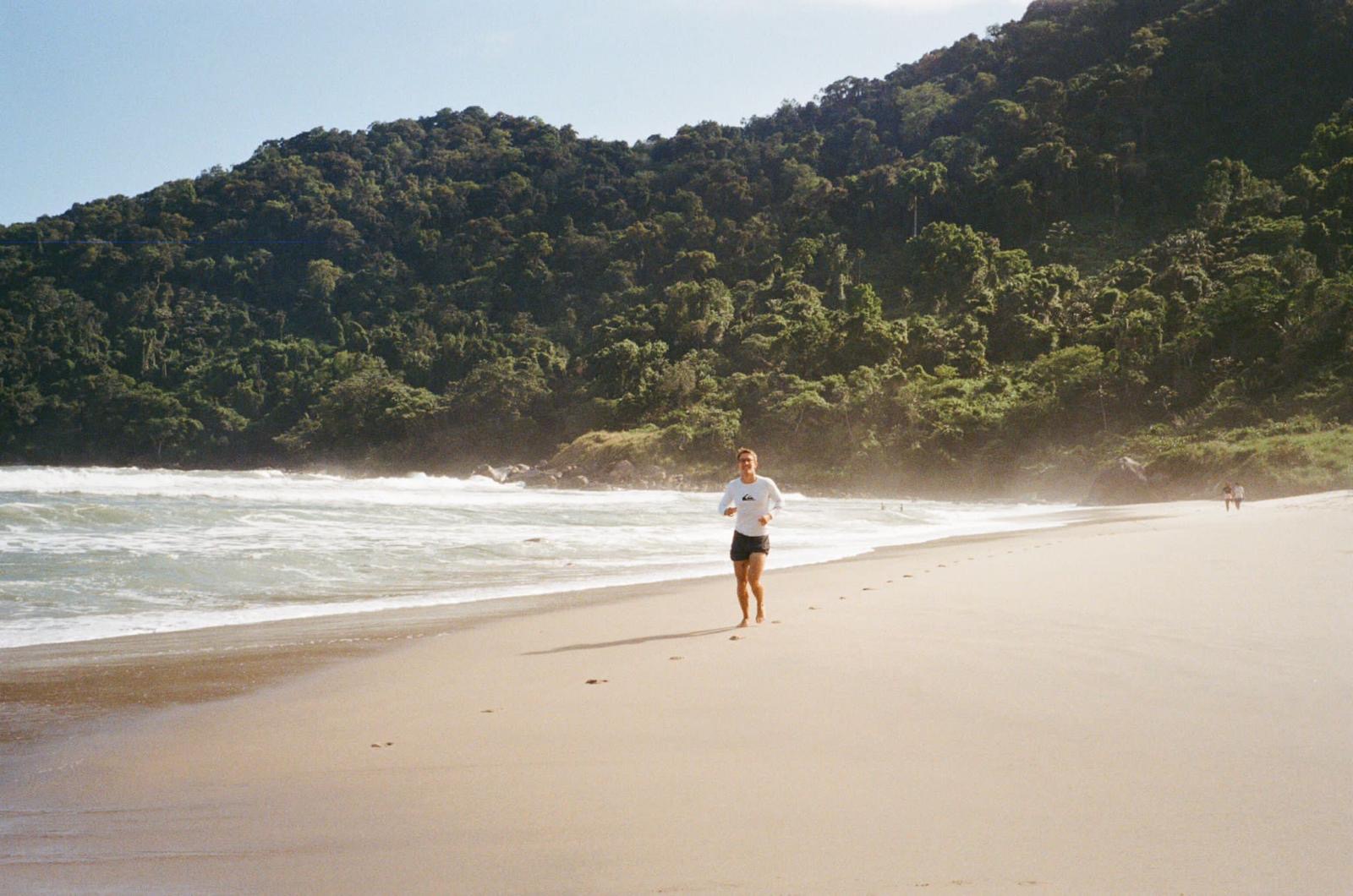
Lopes Mendes: The island's most celebrated beach, 5 km from Abraão by boat or 90 minutes on foot through forest. The beach is 3 km of white sand with no infrastructure; just the Atlantic rolling in from the east and the forest behind it. One of the most complete beach experiences in Brazil.

Days 12 to 15: Rio de Janeiro

Return from Ilha Grande to the mainland by boat (Angra dos Reis or Mangaratiba), then bus or transfer into Rio. Base yourself in Ipanema; it is the right balance of beach, restaurants, safety and residential feel. Leblon, immediately west, is the premium extension of the same neighbourhood. Avoid basing in central Rio or near the port for this itinerary; Ipanema and Copacabana are where the energy lives.

Christ the Redeemer: The rack railway (Trem do Corcovado) departs from Cosme Velho, about 15 minutes by taxi from Ipanema. Buy tickets online at tremdocorcovado.com.br in advance; walk-up availability is limited, particularly at sunrise. The train takes 20 minutes through Tijuca forest. Clear days produce the famous panorama; overcast days put you inside the cloud layer at the statue's feet, which is its own kind of experience. The statue is 30 metres tall and was completed in 1931; the engineering required to reach the summit with a structure of that scale, using materials brought up by rack railway in pieces, is as impressive as the result.

Sugarloaf Mountain (Pão de Açúcar): Two successive cable cars from Praia Vermelha, the first to Morro da Urca at 220 metres, the second to the summit at 396 metres. Time this for sunset: the last cable car down runs about 30 minutes after the final ascent, and the descent in darkness with the city lights below is worth engineering. Allow 90 minutes total for the journey up, summit time and descent.

Selaron Steps: A mosaic staircase in the Lapa neighbourhood, 215 steps covered in over 2,000 tiles collected from more than 60 countries by Chilean artist Jorge Selarón over 23 years until his death in 2013. Walk up and then continue into Santa Teresa, the hillside neighbourhood immediately above Lapa where the colonial houses have been largely taken over by artists. Aprazível and Terreze, both in Santa Teresa near Lapa, are two of Rio's best restaurants for a dinner with views over the city.

Tijuca National Park: The world's largest urban rainforest, 3,200 hectares within the city limits. The Cascatinha Taunay waterfall is the easiest entry point; the Pico da Tijuca trail (1,021 metres) is the full-day version with panoramic views from the summit. Guided visits are bookable through the park; independent access is possible but a guide improves both safety and wildlife sightings.

Samba night: The city's samba scene is not a performance for tourists; it is how people socialise. Rio Scenarium in Lapa (three floors of antiques and bric-a-brac, live samba, a heaving dancefloor) is the most famous option. Pedra do Sal in the port zone has free outdoor samba on Monday and Friday nights, locals and visitors together on the cobblestones. Bosque bar for club nights later in the evening.

Beach at 4 am: The most Rio-specific thing on the whole trip. After a night out, do not go home; go to Copacabana or Ipanema beach and wait. From around 3:30 am to 5 am, families arrive with cool boxes, footballs and folding chairs. Volleyball games start. Food vendors set up. The city resets itself in public, in the dark, on the sand. This is not a performance and it does not require you to be drunk to appreciate it; it is simply how Rio works.

Cooking class: Cook in Rio (+55 21 92043-5408) offers sessions making moqueca, pão de queijo, farofa, tapioca pancakes and brigadeiros. Contact to check availability and what is being cooked on your dates. Half-day. A good way to understand what you are eating before the rest of the trip.

Days 16 to 18: Florianópolis

Fly from Rio to Florianópolis (FLN); the flight is around one and a half hours. Florianópolis is a city-island in the state of Santa Catarina, connected to the mainland by bridge, with over 40 beaches distributed around its coastline. It is significantly safer than Rio, has a strong surf culture, a well-regarded food scene focused on local seafood and oysters, and a nightlife scene centred around Lagoa da Conceição.

Base yourself in Lagoa da Conceição, the lagoon neighbourhood in the centre of the island. It has the best combination of beach access, restaurants, nightlife and transport connections to the island's other beaches. The lagoon itself is surrounded by sand dunes and flanked by bars and restaurants; kitesurfing and paddleboarding operate from the lagoon shore.

Praia Mole and Praia Joaquina: The two main surf beaches on the east coast, side by side and accessible from Lagoa by bus or taxi in 20 minutes. Praia Mole has the most famous beach scene in Floripa: organised beach clubs on one end and wilder, more local character on the other. Joaquina is the surf competition beach, hosting international contests, with large dunes accessible for sandboarding immediately behind.

Lagoinha do Leste: Widely considered the most beautiful beach on the island, accessible only by hiking through Atlantic forest (approximately 3 hours round trip from the Pântano do Sul trailhead) or by boat from the south. No road access, no infrastructure, a wide bay of clear water ringed by hillside forest. The effort is the point; go early and bring everything you need.

Ilha do Campeche: A small protected island reached by boat from Armação beach (30 minutes). Snorkelling is excellent; the island has an archaeological site with pre-Columbian petroglyphs on the rock faces above the waterline. Access is controlled and limited to 900 visitors per day. Book a spot through licensed boat operators at Armação beach.

Ribeirão da Ilha: The fishing village on the south coast of the island is where the famous Florianópolis oyster farms operate. Local restaurants here serve fresh oysters at prices significantly lower than anywhere in Rio or São Paulo. Rancho Açoriano is the most consistently well-reviewed option. The drive to Ribeirão is 30 to 40 minutes from Lagoa; worth it for lunch before a Lagoinha do Leste hike.

Days 19 to 20: Foz do Iguaçu

Fly from Florianópolis to Foz do Iguaçu (IGU). The falls sit on the border between Brazil, Argentina and Paraguay; the two viewing experiences (Brazilian and Argentine sides) are completely different and both are necessary.

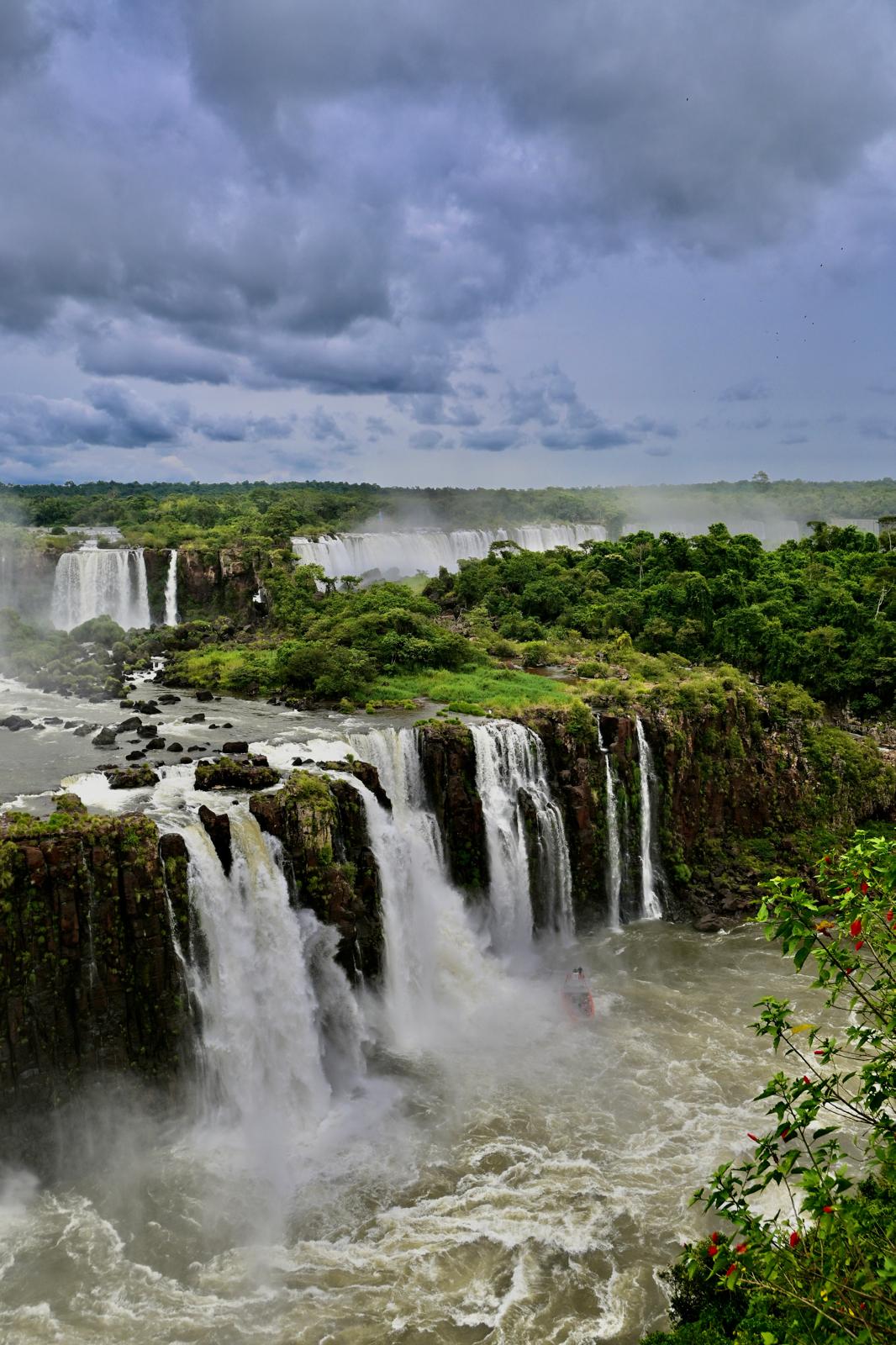
Brazilian side: The panoramic experience. Boardwalks follow the canyon rim for about 1.2 km, giving a continuous wide-angle view of the entire 275-fall system. The scale becomes clear here in a way that photographs cannot convey: the falls span nearly three kilometres and the sound carries for two kilometres in every direction. The Grande do Diabo (Devil's Throat) walkway puts you above the largest single fall, getting wet from spray. Allow two to three hours including the bird sanctuary (see below). No guide needed on the Brazilian side.

Argentine side: The immersive experience. A full day. The trail system runs for several kilometres through forest with platforms suspended above and beside individual falls. The Garganta del Diablo (Devil's Throat) walkway here is different from the Brazilian equivalent: it leads to a platform at the very rim of the largest fall, 80 metres wide and 82 metres high, with water crashing into the canyon 30 metres below your feet and spray rising 150 metres above. The boat tour (Gran Aventura) drives you through the lower canyon and then goes under the falls; you will be completely drenched. Waterproof your camera and accept the wetness. A guide adds structure and wildlife context; book through your accommodation or the Argentine Park ticketing office. Cross the border in the morning and aim to be done by 5 pm; the Argentine side needs a full day to do properly.

The source material notes that if you are done with the Brazilian side by 11 am, you can cross to the Argentine side and do both in one long day. This is logistically possible but exhausting; two days is the more enjoyable version.

Bird sanctuary (Parque das Aves): Located directly outside the Brazilian park entrance. One hour visit minimum; highly recommended. The sanctuary holds over 150 species of birds native to the Atlantic Forest region: toucans, parrots, macaws, owls, and enormous hyacinth macaws that perch on visitor arms. Also large butterflies and some reptiles. Entry is separate from the waterfall park. Worth scheduling before or after the Brazilian side panoramic walk.

Days 21 to 24: Itacaré, Bahia

Fly from Foz do Iguaçu to Itacaré. There is no direct flight; the routing goes via São Paulo (GRU) to Ilhéus (IOS), the nearest airport to Itacaré (55 km north by road, roughly one hour). Total travel time is four to five hours including connections. The cultural shift on landing in Bahia is immediate: the air is heavier, the Portuguese is faster and with a different cadence, and the African-Brazilian cultural influence that defines the entire north of the country is present in the music, the food and the religious practice in a way that the south does not prepare you for.

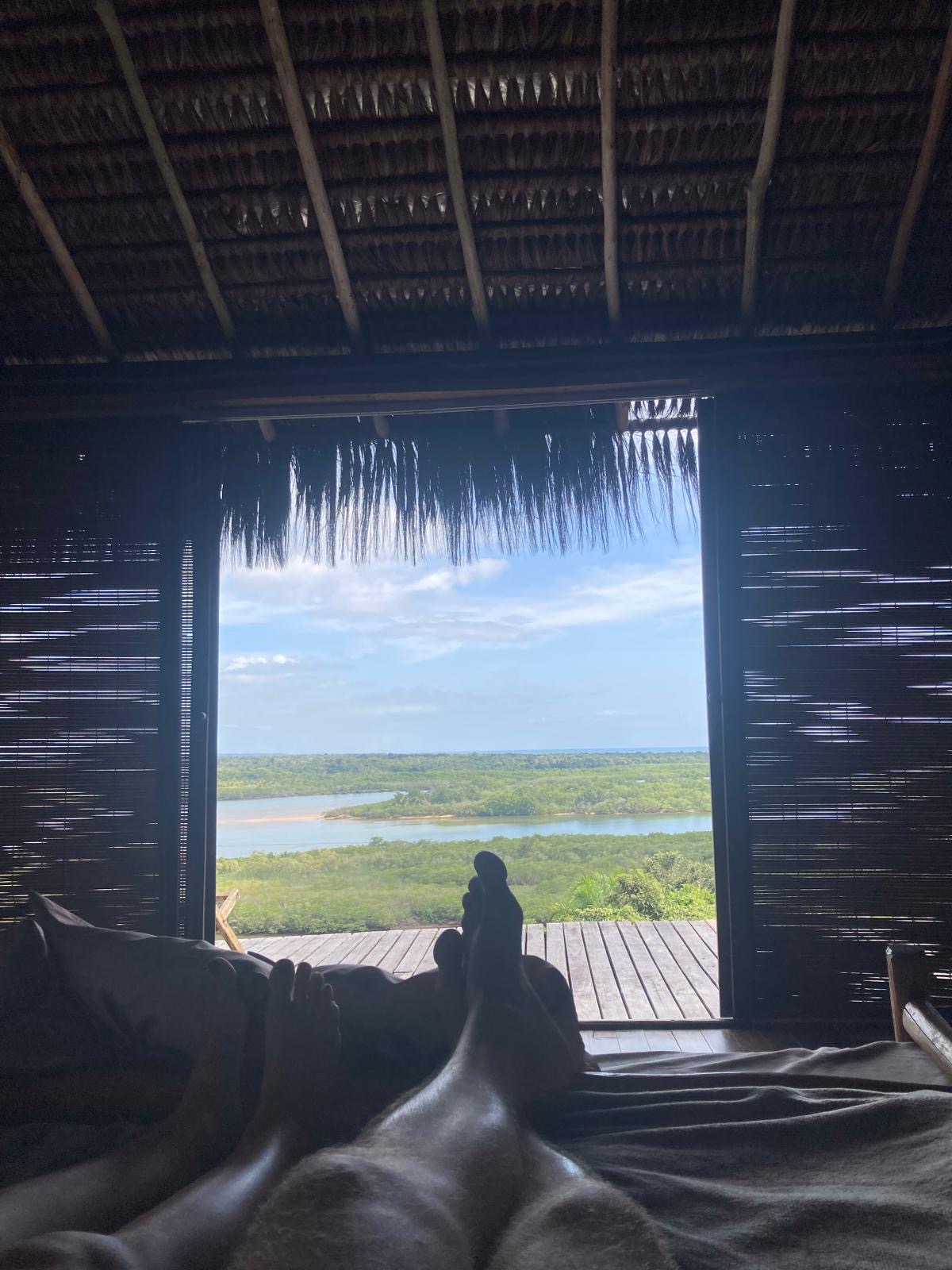
Stay at Art Jungle Eco Lodge: a series of individual huts set on a hillside above the Contas River valley, surrounded by dense Atlantic forest. Each hut overlooks the forest canopy; the river is audible below. Personal breakfast is prepared and served in the hut each morning. This is one of the more unusual and beautiful places to stay in Brazil.

Surf: Tiririca Beach is the main town break, in front of the main strip of restaurants and bars. Ribeira beach is more powerful and suits intermediate surfers. Both have rental and lesson operators on the beach. Itacaré was largely undiscovered until the road connecting it to Ilhéus was paved in the 1990s; the surf culture that developed in that period of relative isolation is still the town's character. Beginners can learn comfortably on the smaller days at Tiririca.

Cachoeira do Cleandro: A waterfall reached by a jungle trail of about two hours return from Itacaré. The path goes through Atlantic forest with bird and monkey activity throughout; the waterfall itself drops into a deep pool suitable for swimming. Local guides are available and recommended for the best wildlife sightings.

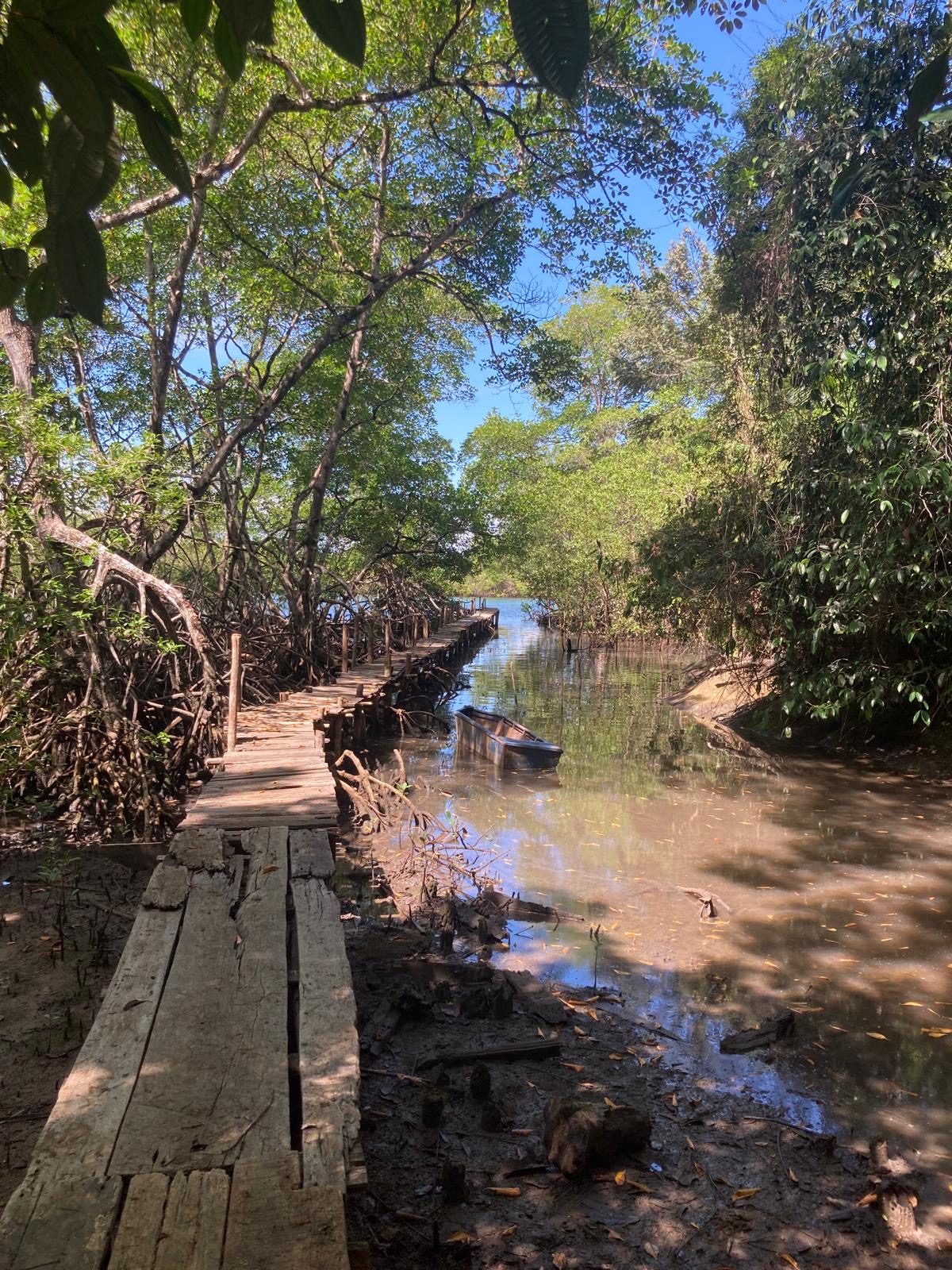
Mangrove boat trips: The Contas River estuary below Art Jungle Eco Lodge supports a mature mangrove ecosystem; boat tours run through the channels where kingfishers, herons and occasionally otters are visible. The light on the mangroves in the early morning is extraordinary and some tours depart at dawn specifically for photography.

Samba and Axé: Itacaré's evening scene runs on Afro-Brazilian music. Axé, the Bahian pop-funk genre born from the African spiritual traditions of Candomblé and Capoeira, plays from every bar on the main strip. Impromptu gatherings on the beach at night happen regularly and require no planning; just follow the sound.

Day 25: Fly home via São Paulo

Ilhéus to São Paulo Guarulhos (GRU), then connect to your international departure. Allow at least three hours for the connection in São Paulo; the airport is large and international check-in queues can be long. If time allows between flights, the Skye bar at Hotel Unique in Jardins for a final caipirinha is worth a taxi ride from the airport.

In pictures

No items found.

Traveller suggestions

Accomodation

São Paulo

Premium : Emiliano (Jardins, design-forward, rooftop pool, one of the best hotels in the city), Hotel Unique (Jardins, the curved copper hull building with Skye bar on the roof)

Mid-tier : Pinheiros Hub Hotel (boutique, central to the Pinheiros neighbourhood, well-reviewed for design and location), Hotel Fasano (Jardins, the classic São Paulo luxury hotel, less flashy than Emiliano but more established)

Budget : Selina Pinheiros (Pinheiros, coworking hostel, social, well-located), Vila das Bananeiras (hostel in a house with garden, Pinheiros, among the most consistently reviewed budget options in the neighbourhood)

Santos

Mid-tier : Mendes Plaza Hotel (beachfront, the standard choice for a Santos stay), Hotel Avenida Palace (central, reliable, straightforward)

Paraty Mirim

Remo Hostel is the only recommendation. It is the reason to come here. Book in advance; it is small and word of mouth fills it.

Paraty (town)

Premium : Pousada Literaria (the most beautiful guesthouse in Paraty, literary-themed, courtyard, excellent breakfast, not cheap)

Mid-tier : Hotel Carpe Diem (reliable, comfortable, well-located for the old town)

Ilha Grande

Mid-tier : Sagu Mini Resort (boutique, pool, good reviews for service and setting relative to Abraão), Sankay (guesthouse, right on the water, one of the better mid-range options)

Budget : Che Lagarto Hostel Ilha Grande (the main social hostel, reliable chain, well-positioned in Abraão), Holistic Hostel (quieter, small, good for solo travellers wanting a less party-oriented option)

Rio de Janeiro

Premium : Sheraton Grand Rio (Leblon/Vidigal, resort feel, private quiet beach, genuinely excellent drip coffee), Fasano Rio (Ipanema, the most design-forward hotel in the city, rooftop pool, the choice of those who care about architecture and service equally), JW Marriott or Fairmont (Copacabana, classic options on the famous beachfront)

Mid-tier : Ipanema Inn (simple, clean, well-located in Ipanema, consistently good value), Santa Teresa Hotel MGallery (boutique, colonial building in Santa Teresa, rooftop pool, the most atmospheric mid-range option in the city)

Budget : Selina Copacabana (rooftop bar with Copacabana views, coworking, social), El Misti Hostel Ipanema (the most consistently reviewed backpacker hostel in Rio, Ipanema location)

Airbnb note: For Airbnb, stay in Leblon, Ipanema, Gávea or Santa Teresa. These are safe, interesting and well-connected. Avoid Copacabana Airbnbs unless you are certain about the specific building and street.

Florianópolis

Mid-tier : Pousada Quinta das Videiras (Lagoa da Conceição, boutique, charming), Solar Beach Hotel (beachfront, couples-focused, good if you want ocean views)

Budget : Submarino Hostel (highly rated, run by local siblings with genuine knowledge of the island, recommended particularly for solo travellers), Sea Wolf Surf Hostel (surf-focused, Lagoa da Conceição, breakfast excellent, beachside), Tucano House (Lagoa da Conceição, relaxed and welcoming, locally run)

Base in Lagoa da Conceição regardless of accommodation type; it is the best-positioned neighbourhood for everything on the island.

Foz do Iguaçu

Budget : Hotel Saint George (clean, reliable, nothing special but functional for a two-night base), Rafain Palace Hotel (slightly more comfortable mid-range option, pool)

Itacaré

Art Jungle Eco Lodge is the primary recommendation for this stop; individual forest huts above the river valley, personal breakfast, genuinely beautiful. Book direct. The experience here is unlike the rest of the trip.

Budget alternative : Pousadas along the main town strip are available for significantly less; useful if Art Jungle is fully booked.

Food & Drink

São Paulo

Premium : D.O.M. (two Michelin stars, Alex Atala's flagship; pre-colonial Amazonian ingredients through contemporary technique; tasting menu, book weeks ahead), Evvai (two Michelin stars, Jardins; Italian-Brazilian tasting menu, one of the most accomplished kitchens in the country), Tuju (two Michelin stars, World's 50 Best; hyper-seasonal Brazilian, one of three restaurants in the country with this distinction; hard to book), A Figueira Rubaiyat (Michelin recommended, Jardins; grilled meats under a century-old fig tree growing through the restaurant), KAÁ (Itaim Bibi; French-Italian with Amazonian vertical gardens and retractable roof, award-winning setting), Skye (Itaim Bibi; rooftop of Hotel Unique, pool-edge terrace, upscale Brazilian-international)

Mid-tier : A Casa do Porco (República; Michelin Green Star and Latin America's 50 Best regular; pork-only menu from chef Jefferson Rueda who raises his own pigs; tasting menu costs around R$200, the Porco Sanzé slow-roasted six hours is the signature; walk-ins occasionally possible), Maní (Pinheiros; Michelin star, creative Brazilian-Mediterranean focused on fermentation and seasonal produce, the most beloved neighbourhood fine-dining restaurant in the city), Corrutela (Vila Madalena; Michelin star, organic zero-waste Brazilian with Nordic bistro technique), Botanikafé Jardins (plant-forward, beautiful space, creative without tasting menu pressure)

Budget and casual : Bar Estadão (República; open since the 1960s, mortadella sandwich is non-negotiable, São Paulo institution), Mercado Municipal Paulistano (covered market near Luz station; mortadella sandwich from upstairs stalls and pastel de bacalhau, go in the morning), O Bar da Dona Onça (República; casual A Casa do Porco spin-off, updated paulistano classics at accessible prices), Merenda da Cidade (República; affordable lunches based on staff meals at A Casa do Porco, exceptional value), Hot Pork (República; takeaway hatch from the same group, slow-roasted pork sandwich with pickled onion)

The Pinheiros neighbourhood between Rua dos Pinheiros and Rua Mourato Coelho has the highest density of independent cafés, natural wine bars and small-plates spots in the city. Walk it on a weekday evening and the right place will find you.

Santos

Mid-tier : Garni Lab (craft coffee and food in a restored Valongo warehouse, the best stop in the port district), local fish restaurants near the Mercado Municipal do Peixe for grilled fresh catch at lunch, Cantina Ponto e Vírgula (long-running Italian near the beach, reliable and local)

Budget : Mercado Municipal do Peixe (the fish market near the port, simple fried fish plates directly from the vendors, the most honest meal in Santos)

Paraty

Premium : Banana da Terra (creative Brazilian, one of the most acclaimed restaurants in the town; the fish moqueca and the banana dishes using local varieties are the standouts; book ahead)

Mid-tier : Sabor da Terra (traditional Paraty cooking, well-priced, generous portions), Dom João (reliable Brazilian dinner, good peixe na brasa)

By boat : Recanto Caiçara (accessible only by boat from the town dock, extremely atmospheric, fresh seafood cooked simply; the journey is part of it)

Cafes : DAQUI Café and Empório (good coffee, small plates, brunch and lunch)

Ilha Grande

Mid-tier : Dom Mário (hidden at the end of a lane in Abraão, consistently the most reviewed restaurant on the island; fresh fish with passionfruit and coconut sauces, the moqueca is very good; book for groups), Il Scoglio (Italian, hidden down an alley away from the main strip, best mussels on the island and the steak with green peppercorn sauce is outstanding), Lua e Mar (beachfront, fresh seafood, the best atmosphere for a sunset dinner)

Budget : Café do Mar (feet-in-the-sand barbecue on the beach, meat and fish options, good piña colada; the most social evening option in Abraão), casquinha de siri (crab in the shell with seasoning) from street vendors along the promenade; this is the essential Ilha Grande snack

Rio de Janeiro

Premium : Aprazível (Santa Teresa; garden terrace, panoramic city views, modern Brazilian; one of the most beautiful restaurant settings in Rio), Terreze (Santa Teresa; rooftop, stunning views, upscale), Rubaiyat (Leblon; best grilled beef in Rio, sourced from the owner's cattle ranch), Ferro e Farinha (Leblon; wood-fired pizza and natural wine, consistently excellent), Oro (Leblon; two Michelin stars, seasonal Brazilian tasting menu)

Mid-tier : Escama / Escaminha (Ipanema; cool, Asian-inflected, great bar), Elena (Ipanema; European-Brazilian fusion), Arp Bar (Ipanema; breakfast through dinner, stylish, consistently good across the whole day), Cais do Oriente (city centre; moqueca, order the vegetarian version with plantain which is the standout), Babbo Osteria (Leblon; Italian, reliable for a crowd-pleaser dinner), Chez Claude (Leblon; French-Brazilian, classic bistro feel), Mr Lam (Leblon; Chinese-Brazilian fusion), Nosso (Jardim Botânico; neighbourhood favourite, local crowd, genuinely good value), 348 Corrientes (Ipanema; Argentine-influenced, good steak), Malta Beef Club (premium beef, serious carnivore option), Giuseppe Grill (reliable parrilla), Pavão Azul (Copacabana; chope Brahma on tap and the condensed-milk-vodka-coconut drink, the essential casual Rio experience), Assador (all-you-can-eat churrascaria, the right choice for a large hungry group)

Budget : Polis Sucos (juices and sandwiches, the city's best-loved chain for a quick healthy lunch, multiple Ipanema and Copacabana locations), Natural e Sabor (açaí, the real thing), Bibi Sucos (juices, reliable), Braseiro da Gavea (traditional Brazilian grill, local crowd, Gávea neighbourhood), Bar Urca (waterfront drinks and fried snacks in the Urca neighbourhood, Sunday afternoon ritual), Lanchonete Friolandia (steak and pineapple sandwich near Copacabana, an institution), La Carioca Cevicheria (Peruvian-style ceviche, excellent value)

Sushi : Gurume, Haru Sushi, Sichou, Ko Ba Izakaya, San Izakaya

Bars : Quartinho Bar, Belmonte Bar, Boa Praça Bar, Brewteco (craft beer), Alba Bar (Italian restaurant and ticketed club), Bosque Bar (club nights), Maguje, Casa Camorese, Selina Copacabana (rooftop drinks and dinner with Copacabana view)

Florianópolis

Premium : Rosso (Santo Antônio de Lisboa fishing village; octopus from the Azores, garoupa fritters and regional Santa Catarina seafood; one of the best meals on the island, reserve ahead), Bistrot Isadora Duncan (Lagoa da Conceição; French-inspired, sophisticated wine list), Rancho Açoriano (Ribeirão da Ilha; oysters from local farms and premium seafood with ocean views; the definitive Floripa seafood meal)

Mid-tier : Restaurante Oliveira (Lagoa da Conceição; authentic seafood and freshwater fish, lagoon views, consistently well-reviewed for quality and price), Pier 54 (near the Hercílio Luz Bridge; seafood and steaks since 1999, bay views), Costa da Lagoa restaurants (accessible only by boat from the lagoon shore; a string of family restaurants serving grilled fish along the uninhabited bank of the lagoon; the boat journey is part of the experience)

Budget : Mercado Público (central market, food stalls and small restaurants, good starting point for local produce and quick meals), fresh oyster stalls in Ribeirão da Ilha (some of the cheapest oysters in Brazil, straight from the local farms), pastelarias throughout Lagoa da Conceição for quick snacks

Foz do Iguaçu

Mid-tier : Restaurante La Rueda 1975 (Argentine side, Puerto Iguazú; the recommended parrilla, bife de chorizo is the order), local churrascarias on the Brazilian side for a final South American barbecue before flying north

Itacaré

Mid-tier : Tia Deth (consistently the most reviewed restaurant in Itacaré; traditional Bahian cooking including moqueca, xinxim de galinha and rice and beans made properly; the chicken falls off the bone; the most honest introduction to Bahian food in the town), Bar do Sargo (moqueca misto of fish and prawn that comes up repeatedly as the best in town, good caipirinhas, relaxed atmosphere), Barracuda (seafood risotto with shrimp, lobster and octopus, directly on the beach at Praia da Concha, great views), La Pasta (surprisingly good Italian by Italian standards, thin crust pizza and fresh pasta, useful for a change of pace)

Budget : Tapioca and organic açaí stalls along the main strip (acarajé and tapioca are the essential Bahian street foods; find them at the market stalls near the town centre), kilo restaurants (pay-by-weight buffet, the standard Brazilian cheap lunch format, wide variety of dishes including regional Bahian options)

The essential Bahian dishes to eat in Itacaré: moqueca (fish or prawn stew with dendê palm oil and coconut milk, served in a clay pot), acarajé (fried black-eyed pea fritter filled with dried shrimp and vatapá), xinxim de galinha (chicken with dried shrimp, peanuts and palm oil), bobó de camarão (prawn in a cassava and palm oil cream). None of these are available anywhere else in the world in quite the same form.

Reminders & Cautions

Domestic flights: Brazil is large. The distances between stops make some legs only viable by air. The key domestic flights on this route are Rio to Florianópolis (1.5 hours), Florianópolis to Foz do Iguaçu (2 hours), and Foz do Iguaçu to Itacaré via São Paulo (4 to 5 hours with connection). LATAM and Gol are the main operators; Azul is good for some regional routes. Book at least two to three weeks ahead; popular routes in peak season (December to February) sell out and prices rise sharply close to departure. The cheapest fares require flexibility on timing; avoid last-minute booking on any of the air legs.

Car rental: A car is useful between São Paulo and Santos (Day 4), and along the Costa Verde from Santos to Paraty Mirim (Days 5 to 6). From Paraty onward the route is boat-and-bus based until Florianópolis, where having a car significantly expands beach access. Consider renting in São Paulo for the first section, returning in Paraty, then renting again in Florianópolis for two to three days. International Driving Permit is required alongside your national licence.

Safety: Rio de Janeiro requires real practical attention. Keep phones inside your bag on the beach (phone snatching is the most common crime against tourists, including directly from hands on Copacabana and Ipanema). Use Uber rather than hailing street taxis, particularly at night. Stay in Ipanema, Leblon, Gávea or Botafogo rather than the city centre or port areas. The rest of this itinerary (São Paulo in Pinheiros, Santos, Paraty, Ilha Grande, Florianópolis, Itacaré) is straightforward and low-risk by comparison. Foz do Iguaçu is safe in the tourist zones.

Money: Brazilian Real (BRL). Cards are widely accepted in São Paulo, Rio and Florianópolis; cash is essential in Paraty Mirim (the roadside shacks do not have card machines), Ilha Grande (limited card acceptance), smaller restaurants in Itacaré and any market or informal vendor throughout the route. Withdraw in cities before heading to smaller places. Pix (Brazil's instant payment system) is almost universally accepted in Brazil and often cheaper for the vendor than card; if you have a Brazilian bank account or can set up a Wise account with BRL, Pix is the most efficient payment method.

Season: December to March is Brazilian summer; hot, humid, busy and expensive, particularly in Rio and Florianópolis. Carnaval (late February or early March depending on the year) transforms Rio completely. April to June and September to November are the best windows: good weather, fewer crowds and lower prices. July and August are cooler in the south (Florianópolis gets cold enough to require a layer at night) but warm and dry in Bahia. Itacaré's surf is most consistent from May to September.

Language: Portuguese is spoken everywhere; English is understood in upscale hotels and tourist operations in São Paulo and Rio but not reliably elsewhere. Spanish is more useful than English in smaller cities and towns. Learning ten basic phrases in Portuguese before the trip (obrigado/a, com licença, tudo bem, quanto custa, uma água por favor) dramatically improves daily interactions.

Transport between stops:

  • São Paulo to Santos: bus from Tietê terminal or private car (~2 hours)
  • Santos to Paraty Mirim: private car or bus to Paraty then local transfer (~3 to 4 hours)
  • Paraty Mirim to Ilha Grande: local boat from Paraty or Angra dos Reis (~60 to 90 minutes)
  • Ilha Grande to Rio: boat to Angra dos Reis or Mangaratiba, then bus to Rio (~3 to 4 hours total)
  • Rio to Florianópolis: fly (~1.5 hours)
  • Florianópolis to Foz do Iguaçu: fly (~2 hours)
  • Foz to Itacaré: fly via São Paulo to Ilhéus, then road (~5 hours total)

Argentine border crossing at Foz: The border crossing between Foz do Iguaçu (Brazil) and Puerto Iguazú (Argentina) is straightforward but requires passport stamping on both sides. Most travellers cross by the local bus or taxi; agree the price before getting in. Queue times at the border vary; allow 30 to 60 minutes for the crossing. Your passport must be valid for the Argentine entry. Brazilians can cross without a visa; most Western nationalities do not need an Argentine visa for tourist visits. The Argentine peso is the local currency on the Argentine side but US dollars are accepted widely.

Foz practical timing: The source material notes that if you finish the Brazilian side of the falls by 11 am, you can cross to Argentina and do both sides in a single very long day. This is possible but exhausting; two days gives each side proper time and energy.

Bioluminescent plankton in Paraty Mirim: The intensity varies by night and by season; the effect is most dramatic in warm, calm water on moonless nights. Your hosts at Remo will know current conditions. This cannot be booked in advance in any formal sense; it is organised locally through the community.

image of vibrant dining space (for a mexican restaurant)

Ilha Grande’s Car-Free Rainforest Coast

A protected Atlantic rainforest island with no cars, where waterfalls spill into jungle trails and turquoise cove beaches are reached only by foot or boat.

image of a guided tour group

Rio beach culture

Families arrive on the beach at four in the morning. Volleyball starts as the night ends. The city does not perform for visitors; it simply runs at a frequency that is unlike anywhere else.
image of a local tour guide (for a travel agency)

The Saco do Mamanguá and Sugarloaf Hike

Brazil's only tropical fjord: an eight-kilometre inlet of emerald water cutting inland between steep Atlantic rainforest mountains on the Juatinga Peninsula south of Paraty. The ascent takes an hour and delivers a 360-degree panorama of the entire fjord below, the surrounding rainforest peaks, and the open Atlantic beyond.

Reminders from Collective travellers

Domestic flights: Brazil is large. The distances between stops make some legs only viable by air. The key domestic flights on this route are Rio to Florianópolis (1.5 hours), Florianópolis to Foz do Iguaçu (2 hours), and Foz do Iguaçu to Itacaré via São Paulo (4 to 5 hours with connection). LATAM and Gol are the main operators; Azul is good for some regional routes. Book at least two to three weeks ahead; popular routes in peak season (December to February) sell out and prices rise sharply close to departure. The cheapest fares require flexibility on timing; avoid last-minute booking on any of the air legs.

Car rental: A car is useful between São Paulo and Santos (Day 4), and along the Costa Verde from Santos to Paraty Mirim (Days 5 to 6). From Paraty onward the route is boat-and-bus based until Florianópolis, where having a car significantly expands beach access. Consider renting in São Paulo for the first section, returning in Paraty, then renting again in Florianópolis for two to three days. International Driving Permit is required alongside your national licence.

Safety: Rio de Janeiro requires real practical attention. Keep phones inside your bag on the beach (phone snatching is the most common crime against tourists, including directly from hands on Copacabana and Ipanema). Use Uber rather than hailing street taxis, particularly at night. Stay in Ipanema, Leblon, Gávea or Botafogo rather than the city centre or port areas. The rest of this itinerary (São Paulo in Pinheiros, Santos, Paraty, Ilha Grande, Florianópolis, Itacaré) is straightforward and low-risk by comparison. Foz do Iguaçu is safe in the tourist zones.

Money: Brazilian Real (BRL). Cards are widely accepted in São Paulo, Rio and Florianópolis; cash is essential in Paraty Mirim (the roadside shacks do not have card machines), Ilha Grande (limited card acceptance), smaller restaurants in Itacaré and any market or informal vendor throughout the route. Withdraw in cities before heading to smaller places. Pix (Brazil's instant payment system) is almost universally accepted in Brazil and often cheaper for the vendor than card; if you have a Brazilian bank account or can set up a Wise account with BRL, Pix is the most efficient payment method.

Season: December to March is Brazilian summer; hot, humid, busy and expensive, particularly in Rio and Florianópolis. Carnaval (late February or early March depending on the year) transforms Rio completely. April to June and September to November are the best windows: good weather, fewer crowds and lower prices. July and August are cooler in the south (Florianópolis gets cold enough to require a layer at night) but warm and dry in Bahia. Itacaré's surf is most consistent from May to September.

Language: Portuguese is spoken everywhere; English is understood in upscale hotels and tourist operations in São Paulo and Rio but not reliably elsewhere. Spanish is more useful than English in smaller cities and towns. Learning ten basic phrases in Portuguese before the trip (obrigado/a, com licença, tudo bem, quanto custa, uma água por favor) dramatically improves daily interactions.

Transport between stops:

  • São Paulo to Santos: bus from Tietê terminal or private car (~2 hours)
  • Santos to Paraty Mirim: private car or bus to Paraty then local transfer (~3 to 4 hours)
  • Paraty Mirim to Ilha Grande: local boat from Paraty or Angra dos Reis (~60 to 90 minutes)
  • Ilha Grande to Rio: boat to Angra dos Reis or Mangaratiba, then bus to Rio (~3 to 4 hours total)
  • Rio to Florianópolis: fly (~1.5 hours)
  • Florianópolis to Foz do Iguaçu: fly (~2 hours)
  • Foz to Itacaré: fly via São Paulo to Ilhéus, then road (~5 hours total)

Argentine border crossing at Foz: The border crossing between Foz do Iguaçu (Brazil) and Puerto Iguazú (Argentina) is straightforward but requires passport stamping on both sides. Most travellers cross by the local bus or taxi; agree the price before getting in. Queue times at the border vary; allow 30 to 60 minutes for the crossing. Your passport must be valid for the Argentine entry. Brazilians can cross without a visa; most Western nationalities do not need an Argentine visa for tourist visits. The Argentine peso is the local currency on the Argentine side but US dollars are accepted widely.

Foz practical timing: The source material notes that if you finish the Brazilian side of the falls by 11 am, you can cross to Argentina and do both sides in a single very long day. This is possible but exhausting; two days gives each side proper time and energy.

Bioluminescent plankton in Paraty Mirim: The intensity varies by night and by season; the effect is most dramatic in warm, calm water on moonless nights. Your hosts at Remo will know current conditions. This cannot be booked in advance in any formal sense; it is organised locally through the community.

Reminders from Collective travellers

Domestic flights: Brazil is large. The distances between stops make some legs only viable by air. The key domestic flights on this route are Rio to Florianópolis (1.5 hours), Florianópolis to Foz do Iguaçu (2 hours), and Foz do Iguaçu to Itacaré via São Paulo (4 to 5 hours with connection). LATAM and Gol are the main operators; Azul is good for some regional routes. Book at least two to three weeks ahead; popular routes in peak season (December to February) sell out and prices rise sharply close to departure. The cheapest fares require flexibility on timing; avoid last-minute booking on any of the air legs.

Car rental: A car is useful between São Paulo and Santos (Day 4), and along the Costa Verde from Santos to Paraty Mirim (Days 5 to 6). From Paraty onward the route is boat-and-bus based until Florianópolis, where having a car significantly expands beach access. Consider renting in São Paulo for the first section, returning in Paraty, then renting again in Florianópolis for two to three days. International Driving Permit is required alongside your national licence.

Safety: Rio de Janeiro requires real practical attention. Keep phones inside your bag on the beach (phone snatching is the most common crime against tourists, including directly from hands on Copacabana and Ipanema). Use Uber rather than hailing street taxis, particularly at night. Stay in Ipanema, Leblon, Gávea or Botafogo rather than the city centre or port areas. The rest of this itinerary (São Paulo in Pinheiros, Santos, Paraty, Ilha Grande, Florianópolis, Itacaré) is straightforward and low-risk by comparison. Foz do Iguaçu is safe in the tourist zones.

Money: Brazilian Real (BRL). Cards are widely accepted in São Paulo, Rio and Florianópolis; cash is essential in Paraty Mirim (the roadside shacks do not have card machines), Ilha Grande (limited card acceptance), smaller restaurants in Itacaré and any market or informal vendor throughout the route. Withdraw in cities before heading to smaller places. Pix (Brazil's instant payment system) is almost universally accepted in Brazil and often cheaper for the vendor than card; if you have a Brazilian bank account or can set up a Wise account with BRL, Pix is the most efficient payment method.

Season: December to March is Brazilian summer; hot, humid, busy and expensive, particularly in Rio and Florianópolis. Carnaval (late February or early March depending on the year) transforms Rio completely. April to June and September to November are the best windows: good weather, fewer crowds and lower prices. July and August are cooler in the south (Florianópolis gets cold enough to require a layer at night) but warm and dry in Bahia. Itacaré's surf is most consistent from May to September.

Language: Portuguese is spoken everywhere; English is understood in upscale hotels and tourist operations in São Paulo and Rio but not reliably elsewhere. Spanish is more useful than English in smaller cities and towns. Learning ten basic phrases in Portuguese before the trip (obrigado/a, com licença, tudo bem, quanto custa, uma água por favor) dramatically improves daily interactions.

Transport between stops:

  • São Paulo to Santos: bus from Tietê terminal or private car (~2 hours)
  • Santos to Paraty Mirim: private car or bus to Paraty then local transfer (~3 to 4 hours)
  • Paraty Mirim to Ilha Grande: local boat from Paraty or Angra dos Reis (~60 to 90 minutes)
  • Ilha Grande to Rio: boat to Angra dos Reis or Mangaratiba, then bus to Rio (~3 to 4 hours total)
  • Rio to Florianópolis: fly (~1.5 hours)
  • Florianópolis to Foz do Iguaçu: fly (~2 hours)
  • Foz to Itacaré: fly via São Paulo to Ilhéus, then road (~5 hours total)

Argentine border crossing at Foz: The border crossing between Foz do Iguaçu (Brazil) and Puerto Iguazú (Argentina) is straightforward but requires passport stamping on both sides. Most travellers cross by the local bus or taxi; agree the price before getting in. Queue times at the border vary; allow 30 to 60 minutes for the crossing. Your passport must be valid for the Argentine entry. Brazilians can cross without a visa; most Western nationalities do not need an Argentine visa for tourist visits. The Argentine peso is the local currency on the Argentine side but US dollars are accepted widely.

Foz practical timing: The source material notes that if you finish the Brazilian side of the falls by 11 am, you can cross to Argentina and do both sides in a single very long day. This is possible but exhausting; two days gives each side proper time and energy.

Bioluminescent plankton in Paraty Mirim: The intensity varies by night and by season; the effect is most dramatic in warm, calm water on moonless nights. Your hosts at Remo will know current conditions. This cannot be booked in advance in any formal sense; it is organised locally through the community.

Reminders from Collective travellers

Domestic flights: Brazil is large. The distances between stops make some legs only viable by air. The key domestic flights on this route are Rio to Florianópolis (1.5 hours), Florianópolis to Foz do Iguaçu (2 hours), and Foz do Iguaçu to Itacaré via São Paulo (4 to 5 hours with connection). LATAM and Gol are the main operators; Azul is good for some regional routes. Book at least two to three weeks ahead; popular routes in peak season (December to February) sell out and prices rise sharply close to departure. The cheapest fares require flexibility on timing; avoid last-minute booking on any of the air legs.

Car rental: A car is useful between São Paulo and Santos (Day 4), and along the Costa Verde from Santos to Paraty Mirim (Days 5 to 6). From Paraty onward the route is boat-and-bus based until Florianópolis, where having a car significantly expands beach access. Consider renting in São Paulo for the first section, returning in Paraty, then renting again in Florianópolis for two to three days. International Driving Permit is required alongside your national licence.

Safety: Rio de Janeiro requires real practical attention. Keep phones inside your bag on the beach (phone snatching is the most common crime against tourists, including directly from hands on Copacabana and Ipanema). Use Uber rather than hailing street taxis, particularly at night. Stay in Ipanema, Leblon, Gávea or Botafogo rather than the city centre or port areas. The rest of this itinerary (São Paulo in Pinheiros, Santos, Paraty, Ilha Grande, Florianópolis, Itacaré) is straightforward and low-risk by comparison. Foz do Iguaçu is safe in the tourist zones.

Money: Brazilian Real (BRL). Cards are widely accepted in São Paulo, Rio and Florianópolis; cash is essential in Paraty Mirim (the roadside shacks do not have card machines), Ilha Grande (limited card acceptance), smaller restaurants in Itacaré and any market or informal vendor throughout the route. Withdraw in cities before heading to smaller places. Pix (Brazil's instant payment system) is almost universally accepted in Brazil and often cheaper for the vendor than card; if you have a Brazilian bank account or can set up a Wise account with BRL, Pix is the most efficient payment method.

Season: December to March is Brazilian summer; hot, humid, busy and expensive, particularly in Rio and Florianópolis. Carnaval (late February or early March depending on the year) transforms Rio completely. April to June and September to November are the best windows: good weather, fewer crowds and lower prices. July and August are cooler in the south (Florianópolis gets cold enough to require a layer at night) but warm and dry in Bahia. Itacaré's surf is most consistent from May to September.

Language: Portuguese is spoken everywhere; English is understood in upscale hotels and tourist operations in São Paulo and Rio but not reliably elsewhere. Spanish is more useful than English in smaller cities and towns. Learning ten basic phrases in Portuguese before the trip (obrigado/a, com licença, tudo bem, quanto custa, uma água por favor) dramatically improves daily interactions.

Transport between stops:

  • São Paulo to Santos: bus from Tietê terminal or private car (~2 hours)
  • Santos to Paraty Mirim: private car or bus to Paraty then local transfer (~3 to 4 hours)
  • Paraty Mirim to Ilha Grande: local boat from Paraty or Angra dos Reis (~60 to 90 minutes)
  • Ilha Grande to Rio: boat to Angra dos Reis or Mangaratiba, then bus to Rio (~3 to 4 hours total)
  • Rio to Florianópolis: fly (~1.5 hours)
  • Florianópolis to Foz do Iguaçu: fly (~2 hours)
  • Foz to Itacaré: fly via São Paulo to Ilhéus, then road (~5 hours total)

Argentine border crossing at Foz: The border crossing between Foz do Iguaçu (Brazil) and Puerto Iguazú (Argentina) is straightforward but requires passport stamping on both sides. Most travellers cross by the local bus or taxi; agree the price before getting in. Queue times at the border vary; allow 30 to 60 minutes for the crossing. Your passport must be valid for the Argentine entry. Brazilians can cross without a visa; most Western nationalities do not need an Argentine visa for tourist visits. The Argentine peso is the local currency on the Argentine side but US dollars are accepted widely.

Foz practical timing: The source material notes that if you finish the Brazilian side of the falls by 11 am, you can cross to Argentina and do both sides in a single very long day. This is possible but exhausting; two days gives each side proper time and energy.

Bioluminescent plankton in Paraty Mirim: The intensity varies by night and by season; the effect is most dramatic in warm, calm water on moonless nights. Your hosts at Remo will know current conditions. This cannot be booked in advance in any formal sense; it is organised locally through the community.

Journey adjustments

If you have less time, the cleanest cuts are Santos and Florianópolis.

Santos is a possible skip; it works best for travellers who either know people there or specifically want the São Paulo coast contrast. Removing it saves two days and does not damage the rest of the route. Florianópolis adds three days of beach and surf culture that are excellent but not irreplaceable given how much coast the rest of this itinerary already covers. Cutting both saves five days and brings the trip to around three weeks.

If you want to slow down, extend Paraty Mirim.

One additional night at Remo Hostel pays dividends; the second day is when the rhythm settles, the local connections deepen and the spontaneous activities (a night swim with the plankton you missed, a boat trip to a specific island a local recommended) become possible. This is the stop most travellers wish they had spent longer in.

If you want a more adventurous version, add the Chapada Diamantina between Itacaré and your flight home.

The Chapada Diamantina is a high plateau of waterfalls, cave systems and hiking routes in the Bahian interior, roughly five hours from Itacaré by road via Ilhéus. The town of Lençóis is the base; trails to the Fumaça waterfall (one of the highest in Brazil), the Gruta Azul (a flooded cave with extraordinary blue light) and the Morro do Pai Inácio viewpoint fill three or four days. This adds a highland contrast to the coastal nature of the rest of the trip and is one of the most underrated hiking destinations in South America.

If you want a longer Bahia section, fly directly from Foz to Salvador.

Salvador is the cultural capital of Afro-Brazilian Brazil, the city where Candomblé, capoeira, axé music and Bahian food all have their deepest roots. Flying from Foz to Salvador and spending three or four nights there before heading to Itacaré would significantly deepen the Bahia section. The Pelourinho (UNESCO-listed colonial centre) is the starting point; the capoeira schools, the Bonfim church and the city's spectacular Carnaval (if your timing aligns) fill the rest.

If you want to extend the Florianópolis section, rent a car and circuit the island.

Four to five days with a car lets you reach the south coast (Pântano do Sul, Armação and the Lagoinha do Leste trailhead without relying on boats), the north coast (Jurerê Internacional for the beach club scene), the east (Praia dos Ingleses and the sand dunes), and the historic fishing villages on the west coast (Santo Antônio de Lisboa, where Rosso restaurant justifies the drive alone). Florianópolis is large enough to feel meaningfully different in each corner; three days only scratches the surface.

If you want to end in Argentina, fly on to Buenos Aires after Foz.

From Puerto Iguazú on the Argentine side, direct flights operate to Buenos Aires (EZE) on several airlines. Adding two or three nights in Buenos Aires at the end of the trip is logistically clean; you have already crossed the border, and Buenos Aires is one of the great cities of South America for food, nightlife and urban culture. This adds days but makes the routing more efficient than flying back to São Paulo.

Collective travellers' testimonials

Saniya - Mumbai, India

"Paraty Mirim felt like falling off the edge of the world. No schedules, no rules, just jungle and ocean life - I could've stayed far longer than we did. The lifestyle was great."

Henri - Helsinki, Finland

"Ilha Grande was the highlight for me. Hiking into rainforest then swimming with turtles in the same hour felt unreal."

Santi - Cape Town, South Africa

"I loved Rio, the friendliness of the people on the beaches especially"