image of popular travel destinations

Cameroon

Six days through the volcanic highlands of western Cameroon: royal palace visits, contemporary art spaces, crater lakes, forest waterfalls and the train back from Douala through the heart of the country.

Six days immersed in heritage, volcanic landscapes, and living traditions.

In western Cameroon, on the volcanic highlands overlooking the coastal plains, lies one of the most culturally fascinating regions of Central Africa: the homeland of the Bamileke kingdoms. This region is characterised by a remarkable diversity of traditional kingdoms, commonly referred to as chiefdoms, each with its own history, political organisation, customs, and artistic heritage.

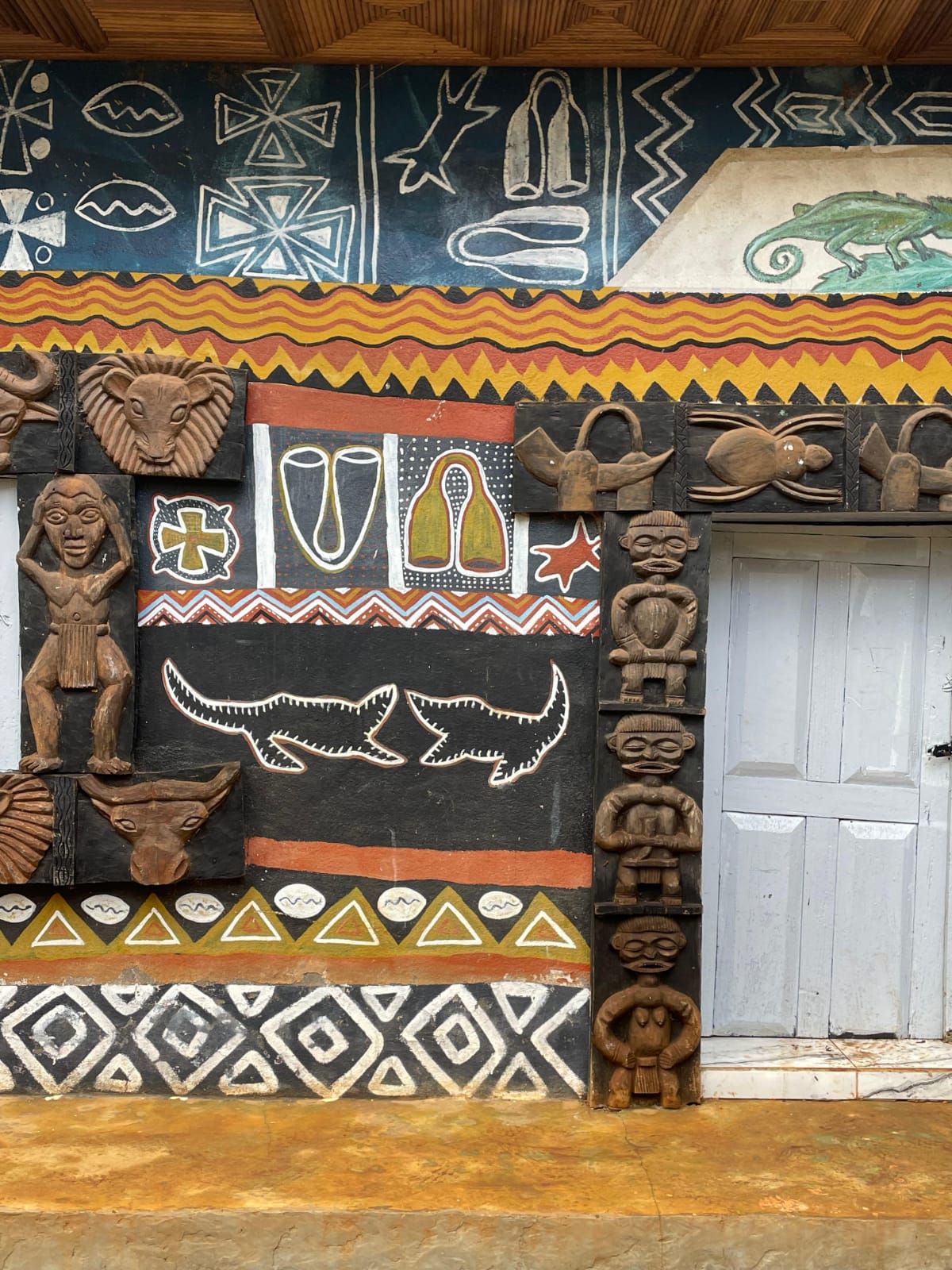
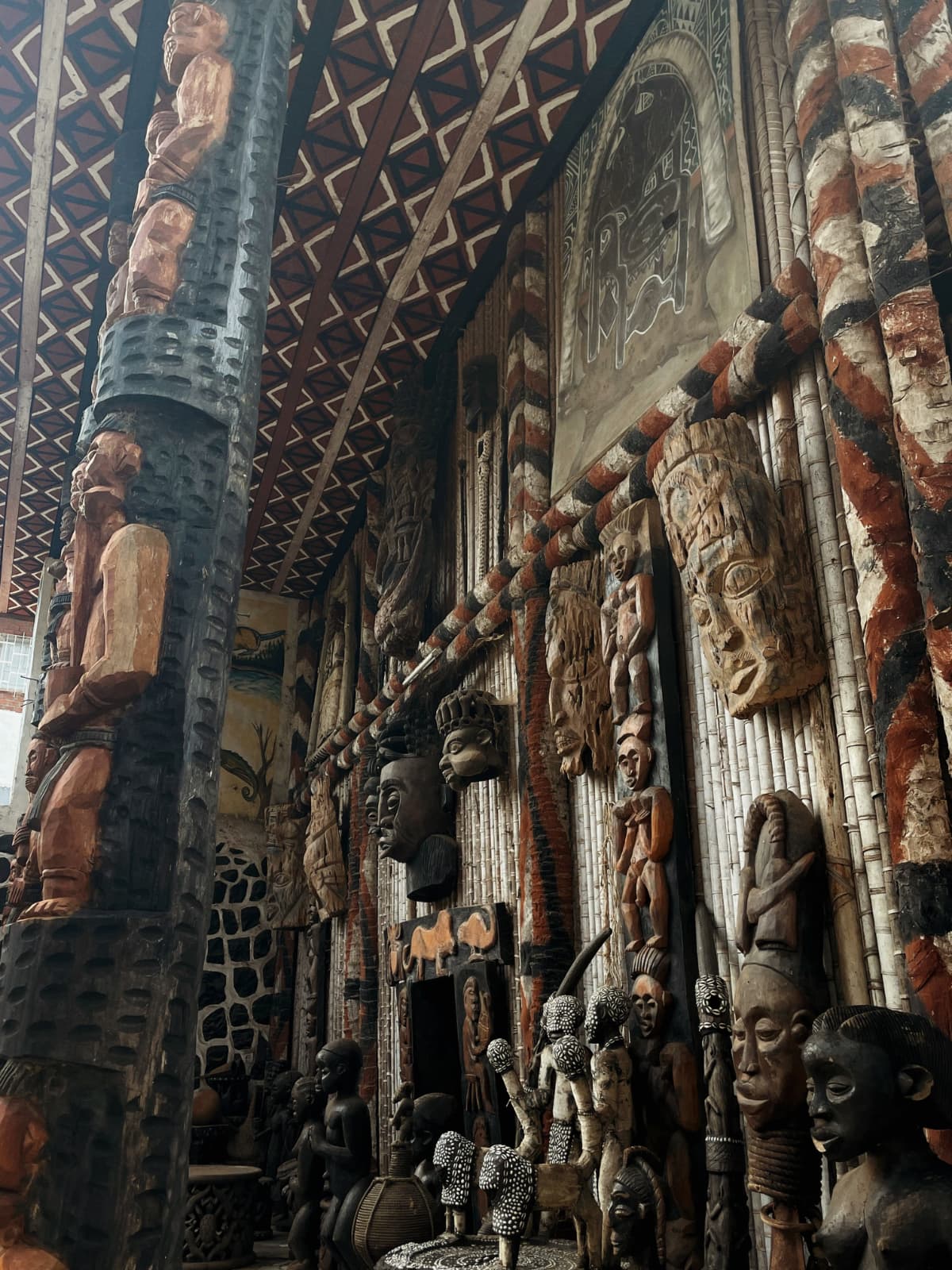
Each chiefdom possesses a distinctive architectural and symbolic heritage. The royal compound generally includes the chief's palace, reception halls, residences or meeting places for the notables, sacred sites, ancestral spaces, and ceremonial structures. These places are not merely architectural landmarks: they embody the history and identity of the community. Royal objects such as carved wooden statues, masks, stools, staffs, drums, and other ceremonial artefacts are used during important rituals and occasions, conveying stories about the ancestors, royal lineage, power, and cultural continuity.

This six-day route begins in Yaoundé, moves west to the Bamileke highlands through the Route des Chefferies, visits two of the region's most important royal compounds at Batoufam and Bandjoun, climbs to crater lakes and volcanic summits, descends through the Métché Waterfalls and the highland city of Dschang, and ends in Douala before a train journey back through the forest or a coastal extension toward Kribi. It is a route that asks for patience with unpredictable roads, curiosity about unfamiliar traditions, and the willingness to travel with a local guide. In return it offers access to a living cultural world that most visitors to Africa never encounter.

Cameroon is often described as Africa in miniature. This itinerary is a demonstration of why.

Highlights

image of vibrant dining space (for a mexican restaurant)

The Bamileke Royal Palaces

The chiefdoms of Bandjoun and Batoufam offer visitors a journey into a history that stretches back several centuries. Behind their imposing carved wooden gates lie royal compounds in which every building and space has a specific function: the chief's residence, the council chamber, areas dedicated to the preservation of sacred objects, and ceremonial spaces used during important traditional events. The artefacts displayed within these compounds, including masks, royal thrones, beads, sculptures, ceremonial staffs, and ritual instruments, bear witness to the exceptional artistic craftsmanship and symbolic richness of the peoples of western Cameroon. Beyond their aesthetic value, these objects preserve stories of royal power, ancestral traditions, spiritual beliefs, and collective identity.

image of a guided tour group

Bandjoun Station: Tradition and Contemporary Art

A few kilometres from the traditional Bandjoun chiefdom lies Bandjoun Station, an artistic and cultural project founded by Cameroonian artist Barthélémy Toguo. The site brings together a contemporary art gallery, artist-residency spaces, a library, and agricultural and environmental initiatives. The result is a dialogue between local cultural heritage and contemporary international artistic practice that feels neither contrived nor touristic. Western Cameroon is not solely defined by its historical heritage; it is also a dynamic centre of contemporary African artistic expression, and Bandjoun Station is its most coherent manifestation.
image of a local tour guide (for a travel agency)

The Volcanic Landscapes of the Western Highlands

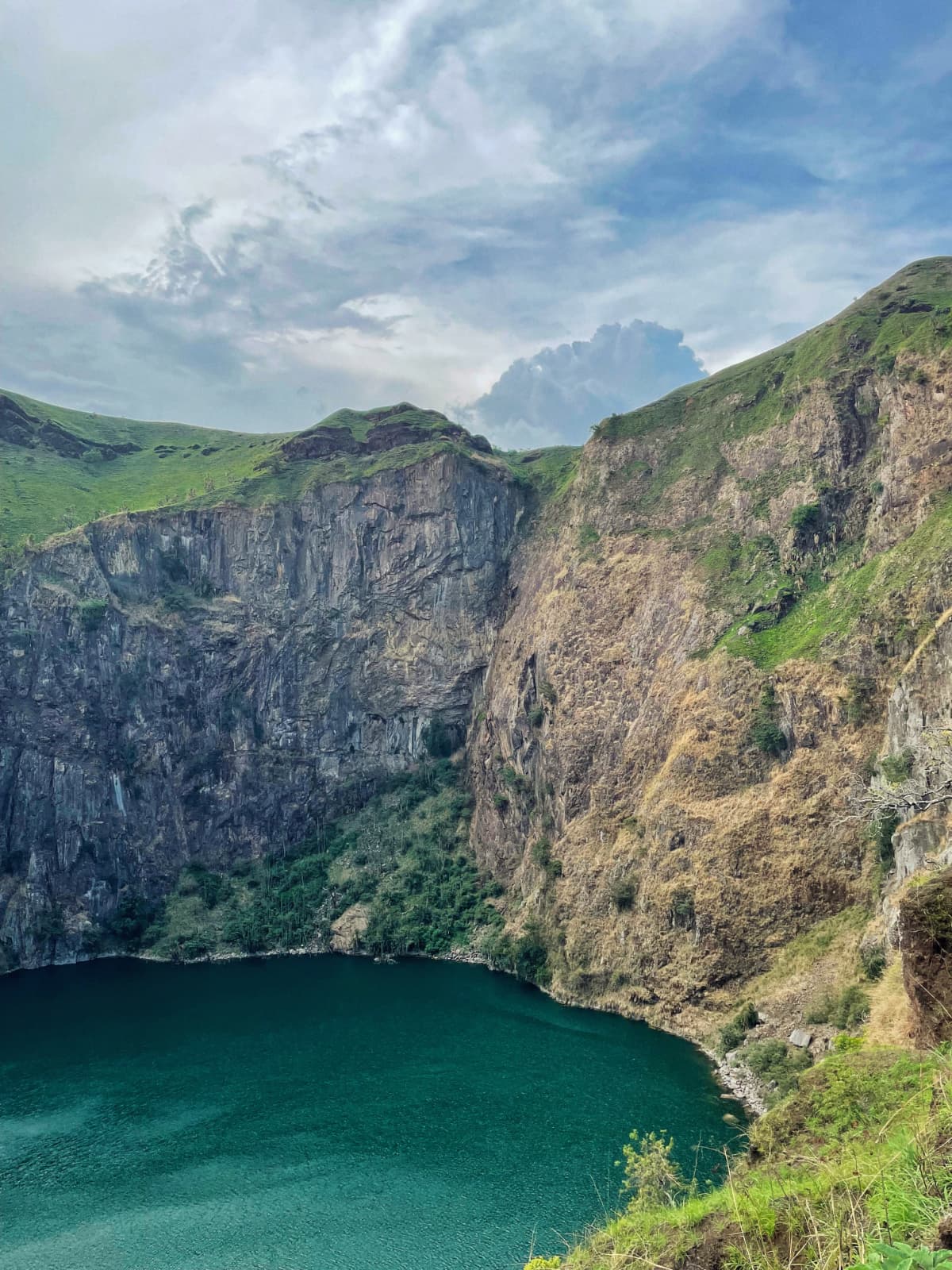
Western Cameroon forms part of the Cameroon Volcanic Line, a major geological formation extending across the region. Its dramatic landscapes, characterised by crater lakes, isolated mountains, fertile volcanic soils and high-altitude plateaus, bear witness to a long and complex history of volcanic activity. Lake Baleng, a crater lake at 1,377 metres surrounded by lush vegetation and associated with a traditional sanctuary, offers boat excursions across water that cannot be entirely separated from local cultural memory. Mount Mbapit, rising to approximately 1,988 metres, contains its own crater lake surrounded by steep walls and carries a mystical reputation in local tradition. The ascent provides increasingly impressive views over the agricultural landscapes below: cultivated fields, villages, volcanic ridges and distant highlands unfolding as you climb.
image of vibrant dining space (for a mexican restaurant)

The Bamileke Royal Palaces

The chiefdoms of Bandjoun and Batoufam offer visitors a journey into a history that stretches back several centuries. Behind their imposing carved wooden gates lie royal compounds in which every building and space has a specific function: the chief's residence, the council chamber, areas dedicated to the preservation of sacred objects, and ceremonial spaces used during important traditional events. The artefacts displayed within these compounds, including masks, royal thrones, beads, sculptures, ceremonial staffs, and ritual instruments, bear witness to the exceptional artistic craftsmanship and symbolic richness of the peoples of western Cameroon. Beyond their aesthetic value, these objects preserve stories of royal power, ancestral traditions, spiritual beliefs, and collective identity.

image of a guided tour group

Bandjoun Station: Tradition and Contemporary Art

A few kilometres from the traditional Bandjoun chiefdom lies Bandjoun Station, an artistic and cultural project founded by Cameroonian artist Barthélémy Toguo. The site brings together a contemporary art gallery, artist-residency spaces, a library, and agricultural and environmental initiatives. The result is a dialogue between local cultural heritage and contemporary international artistic practice that feels neither contrived nor touristic. Western Cameroon is not solely defined by its historical heritage; it is also a dynamic centre of contemporary African artistic expression, and Bandjoun Station is its most coherent manifestation.
image of a local tour guide (for a travel agency)

The Volcanic Landscapes of the Western Highlands

Western Cameroon forms part of the Cameroon Volcanic Line, a major geological formation extending across the region. Its dramatic landscapes, characterised by crater lakes, isolated mountains, fertile volcanic soils and high-altitude plateaus, bear witness to a long and complex history of volcanic activity. Lake Baleng, a crater lake at 1,377 metres surrounded by lush vegetation and associated with a traditional sanctuary, offers boat excursions across water that cannot be entirely separated from local cultural memory. Mount Mbapit, rising to approximately 1,988 metres, contains its own crater lake surrounded by steep walls and carries a mystical reputation in local tradition. The ascent provides increasingly impressive views over the agricultural landscapes below: cultivated fields, villages, volcanic ridges and distant highlands unfolding as you climb.

Journey itinerary

Itinerary overview
Detailed breakdown follows

Day 1: Arrive Yaoundé / Club Noah, National Museum of Cameroon and first immersion in the capital

Day 2: Drive west toward Bafoussam / Route des Chefferies introduction, Gacha Foundation and overnight at Villa Boutanga

Day 3: Batoufam and Bandjoun / royal palace visits, Bandjoun Station contemporary art complex and overnight in Bafoussam

Day 4: Lake Baleng and Mount Mbapit / crater lake walk, volcanic summit hike and return to Bafoussam

Day 5: Métché Waterfalls, Dschang and Ekom-Nkam / colonial-era site of memory, highland city and the Tarzan waterfall before arriving in Douala

Day 6: Train to Yaoundé or extension to Kribi / the coastal option including the Lobé Waterfalls where the river meets the Atlantic

Day-by-day itinerary
Day 1: Arrival in Yaoundé

Yaoundé's Nsimalen International Airport (NSI) is 22 km from the city centre. The journey into the city takes 30 to 45 minutes by taxi; agree the fare before departure. Yaoundé, the political capital of Cameroon, is built across a series of lush, undulating hills covered in tropical vegetation. The city offers an immediate introduction to the country's remarkable geographical and cultural diversity.

Depending on your arrival time, a stop at Club Noah can provide an original introduction to the capital. Founded by Cameroonian tennis champion Yannick Noah, the venue combines sports facilities, dining, and leisure. Tennis enthusiasts can make use of the courts and may even have the opportunity to meet the former champion.

Before leaving for western Cameroon, a visit to the National Museum of Cameroon provides essential historical and cultural background. The museum offers an overview of the country's extraordinary cultural diversity, from its numerous ethnic groups and languages to its distinct traditions, artistic practices, and historical heritage. Allow two to three hours.

Practical advice for the whole trip:

Bring cash. It is advisable to carry sufficient cash for the journey and to withdraw money locally when necessary. BGFI Bank is one possible option for accessing cash, although travellers should check current withdrawal fees and card compatibility before relying on a particular bank or ATM.

Do not plan this journey entirely on your own. For a trip through western Cameroon, particularly outside major urban centres, it is strongly recommended to travel with a local guide and a reliable vehicle for the entire journey. Alternatively, travelling with a Cameroonian friend or a long-term expatriate familiar with the region can make the experience considerably easier and safer. Local knowledge is particularly valuable when navigating rural roads, visiting traditional chiefdoms, arranging access to cultural sites, and understanding local customs.

Day 1: Arrival in Yaoundé

Yaoundé's Nsimalen International Airport (NSI) is 22 km from the city centre. The journey into the city takes 30 to 45 minutes by taxi; agree the fare before departure. Yaoundé, the political capital of Cameroon, is built across a series of lush, undulating hills covered in tropical vegetation. The city offers an immediate introduction to the country's remarkable geographical and cultural diversity.

Depending on your arrival time, a stop at Club Noah can provide an original introduction to the capital. Founded by Cameroonian tennis champion Yannick Noah, the venue combines sports facilities, dining, and leisure. Tennis enthusiasts can make use of the courts and may even have the opportunity to meet the former champion.

Before leaving for western Cameroon, a visit to the National Museum of Cameroon provides essential historical and cultural background. The museum offers an overview of the country's extraordinary cultural diversity, from its numerous ethnic groups and languages to its distinct traditions, artistic practices, and historical heritage. Allow two to three hours.

Practical advice for the whole trip:

Bring cash. It is advisable to carry sufficient cash for the journey and to withdraw money locally when necessary. BGFI Bank is one possible option for accessing cash, although travellers should check current withdrawal fees and card compatibility before relying on a particular bank or ATM.

Do not plan this journey entirely on your own. For a trip through western Cameroon, particularly outside major urban centres, it is strongly recommended to travel with a local guide and a reliable vehicle for the entire journey. Alternatively, travelling with a Cameroonian friend or a long-term expatriate familiar with the region can make the experience considerably easier and safer. Local knowledge is particularly valuable when navigating rural roads, visiting traditional chiefdoms, arranging access to cultural sites, and understanding local customs.

Button Text
Day 2: Heading West — the Route des Chefferies and Villa Boutanga

An early departure from Yaoundé takes you towards western Cameroon. The road linking Yaoundé to Bafoussam gradually leads from forested landscapes into the mountainous terrain of the western highlands. Road infrastructure along the route has benefited from several improvement programmes, making parts of the journey more comfortable, though road conditions remain variable.

Before setting off, make sure that the vehicle is fully equipped and compliant with local regulations. Check that all required documents and safety equipment are present, including warning triangles, a fire extinguisher, a spare tyre, and the necessary vehicle papers. Police and gendarmerie checkpoints are common along intercity routes.

The journey enters the world of the Route des Chefferies, a cultural tourism initiative dedicated to showcasing the heritage of the Bamileke kingdoms. The route brings together approximately thirty sites including traditional chiefdoms, museums, cultural landscapes, sacred places, and sites of historical memory.

The afternoon is dedicated to the Gacha Foundation, an unusual institution combining art, cultural heritage, education, and local development. Established around the Gacha family's collection of African art, the foundation also works to preserve and transmit traditional craftsmanship, particularly in textiles, ceramics, and other artisanal disciplines.

In Bamileke societies, art was never merely decorative. Royal and ceremonial objects could embody the history of a dynasty, reinforce collective identity, legitimise political authority, and convey spiritual or political messages. A carved sculpture, beaded object, mask, throne, or ceremonial staff could therefore carry a meaning far beyond its material and aesthetic value.

Check in at Villa Boutanga, an accommodation appreciated for its peaceful surroundings and architecture inspired by the local environment, set at 1,500 metres in the hills outside Bangangté.

Day 3: Batoufam and Bandjoun — at the Heart of the Bamileke Kingdoms

This day focuses on two of the most emblematic chiefdoms in western Cameroon: Batoufam and Bandjoun.

Batoufam Chiefdom: One of the region's historically significant traditional kingdoms, organised around the authority of the Fo, the traditional ruler and custodian of the community's history, ancestral traditions, and cultural heritage. The architecture of a Bamileke chiefdom is never purely aesthetic: each building and space has a specific social, political, ceremonial, or symbolic function. The royal compound serves as a centre of authority where important decisions are made, royal symbols are preserved, and certain ceremonies and traditional gatherings take place.

For visitors seeking a particularly immersive experience, it may be possible to stay overnight in a traditional hut within the inner royal compound. Such an experience should be arranged in advance and undertaken with respect for the rules and privacy of the royal household.

Bandjoun: One of the most prestigious and culturally significant Bamileke chiefdoms, particularly renowned for its sophisticated woodcarving, elaborate beadwork, masks, sculptures, royal objects, and ceremonial artefacts. Its artistic heritage has attracted international attention, and objects from its collections have been exhibited in major international institutions including the Musée du quai Branly in Paris.

Bandjoun Station: A few kilometres from the traditional chiefdom, the site brings together a contemporary art gallery, artist-residency spaces, a library, and agricultural and environmental initiatives. Bandjoun Station creates a dialogue between local cultural heritage and contemporary international artistic practices.

Travel tips: allow at least half a day for Bandjoun and its surroundings. A local cultural guide can greatly enrich the experience by explaining the symbolism of the architecture, objects, ceremonies, and royal institutions. Always ask for permission before taking photographs, particularly inside royal compounds and ceremonial or sacred spaces. Follow the instructions given by the palace authorities and your guide, as certain areas may be restricted to visitors.

Overnight at Résidence Saré in Bafoussam, or an equivalent accommodation depending on availability.

Day 4: Lake Baleng and Mount Mbapit — Volcanoes, Landscapes and Living Traditions

This day reveals another dimension of western Cameroon: its spectacular volcanic landscapes. The region forms part of the Cameroon Volcanic Line, a major geological belt extending from the Gulf of Guinea through Mount Cameroon and the western highlands.

Lake Baleng: A crater lake at an altitude of approximately 1,377 metres, surrounded by lush vegetation on the outskirts of Bafoussam. The site is associated with a traditional sanctuary and has a significant place in local cultural memory. Local traditions associate the lake with ancestral beliefs and historical narratives. A walk around the lake, or a boat excursion when available and conditions permit, offers an opportunity to appreciate both its volcanic setting and its cultural importance.

Visitors should follow the instructions of local residents, guides, and traditional authorities and remain within areas considered appropriate for visitors. It is advisable to introduce yourself to the local chiefdom and, where customary, make a respectful contribution or donation before exploring the site.

Mount Mbapit: An ancient volcanic massif rising to approximately 1,988 metres above sea level, containing a crater lake surrounded by steep walls reaching roughly 200 metres in places. Local traditions have given the lake a mystical reputation, adding a cultural dimension to the geological landscape.

The ascent provides increasingly impressive views over the agricultural landscapes of western Cameroon: cultivated fields, villages, plantations, volcanic ridges, and distant highlands gradually unfold below. The hike is best undertaken with a local guide, particularly for visitors unfamiliar with the terrain. Depending on road and trail conditions, part of the approach may be made by motorcycle taxi before continuing on foot.

For experienced hikers, the excursion can be extended into a longer ridge hike of approximately four hours, depending on the chosen route, weather conditions, and pace. The altitude and rapidly changing weather should be taken seriously, particularly during the rainy season.

Indicative budget: Mount Mbapit excursion approximately 10,000 XAF per person depending on the guide and services included. Other local activities commonly around 2,000 to 3,000 XAF, though prices should be confirmed locally before the activity.

Return to Bafoussam for the night.

Day 5: Métché Waterfalls, Dschang and Ekom-Nkam — Memory, Nature and Cinema

This day combines waterfalls, volcanic highlands, agricultural countryside, and historic towns. It also introduces a darker dimension of the region's history.

The Métché Waterfalls: Located in the western highlands near Bafoussam, the Métché Waterfalls are formed by the Métché River as it plunges over a rocky, basaltic landscape. The waterfall is surrounded by lush vegetation and remains both a natural attraction and a site of cultural significance.

The importance of Métché, however, extends far beyond its physical beauty. During the period of the anti-colonial struggle and the years surrounding Cameroon's independence, the site became associated with the violent repression of nationalist movements, particularly supporters of the Union des Populations du Cameroun (UPC). Historical research documents accounts of prisoners being thrown over the falls, making Métché one of the most powerful and painful sites of memory associated with the colonial and decolonisation wars in Cameroon. For many local communities, it is a place of mourning, remembrance, and traditional ritual. Contemporary accounts describe offerings and ceremonies connected with the memory of the dead.

Approach the site with respect and discretion. A local guide is strongly recommended, not only to explain the historical background but also to distinguish between documented history, oral traditions, and local interpretations.

Dschang: An attractive highland city at an average altitude of around 1,400 metres, with a noticeably cooler mountain climate. Dschang has long been associated with education, agriculture, and cultural life. Its strong student presence gives it a younger and more dynamic atmosphere than many other towns in the region.

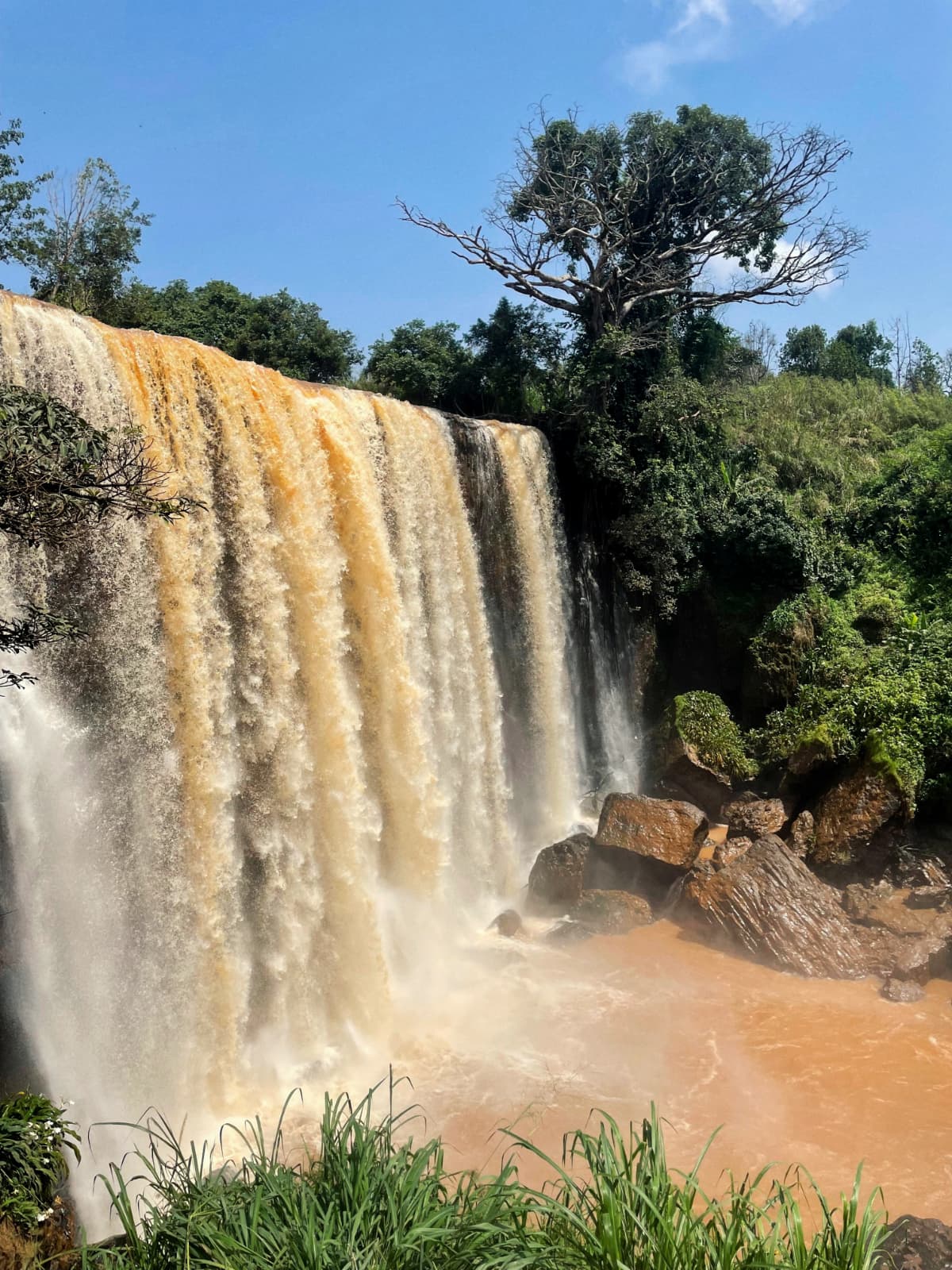
Ekom-Nkam Waterfalls: Approximately 80 metres high and formed by the Nkam River, which marks the boundary between the Western and Littoral regions. The surrounding landscape is dominated by dense, lush vegetation, creating an impressive transition between the highlands and the wetter lowland environment. Ekom-Nkam gained international visibility after becoming one of the filming locations for Greystoke: The Legend of Tarzan, Lord of the Apes (1984), starring Christopher Lambert.

Trails can become muddy and slippery after heavy rain. Wear proper walking shoes. Confirm access conditions locally before setting out, particularly during periods of heavy rainfall.

At the end of the day, continue towards Douala. The final section of the journey can be tiring, particularly where road conditions deteriorate, so allow plenty of time and avoid driving after dark whenever possible.

Overnight in Douala.

Day 6: Return to Yaoundé by Train or Extension to Kribi

Option 1: The Douala to Yaoundé Train

The railway connecting Douala and Yaoundé crosses a significant part of southern Cameroon and offers a very different perspective from travelling by road. As the train moves inland, passengers can observe forests, villages, agricultural areas, hills, and changing landscapes that are often difficult to appreciate from the road. The train also offers a more intimate encounter with everyday life: sharing a carriage with Cameroonian passengers, observing the movement of traders and travellers at stations, and watching rural communities along the railway can provide a fascinating insight into the social and geographical diversity of the country.

Railway services in Cameroon can be affected by delays, operational changes, or disruptions, so it is important to check the current timetable and service conditions before planning the connection. For travellers who value experience over speed, the Douala to Yaoundé train can be an interesting final chapter to the journey.

Option 2: Extension to Kribi

For those who would rather continue exploring Cameroon, the journey can be extended southwards towards Kribi, a coastal resort town overlooking the Atlantic Ocean.

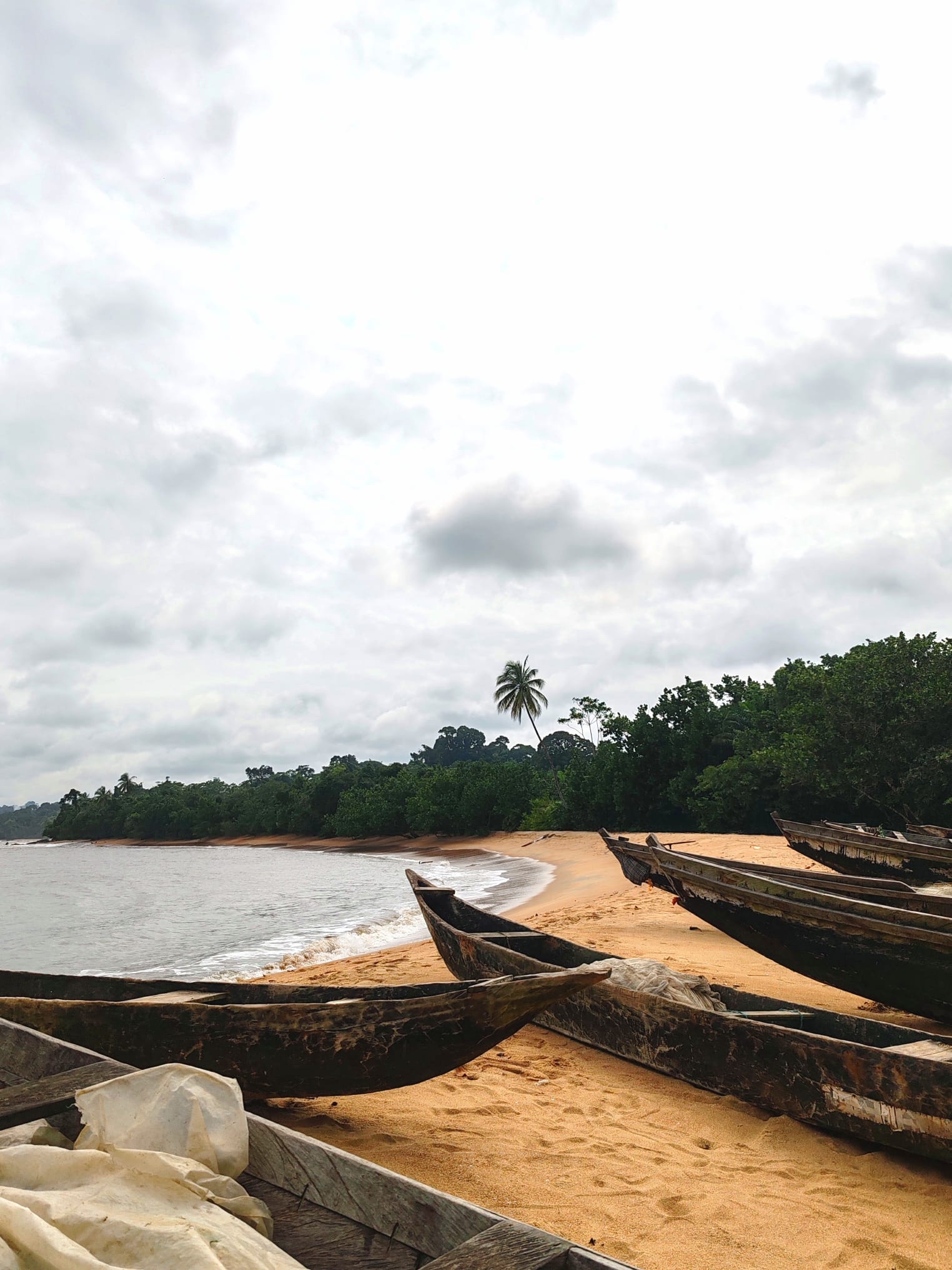
The Lobé Waterfalls: One of Kribi's most remarkable natural attractions is the Lobé Waterfalls, where the Lobé River plunges directly into the Atlantic Ocean. This unusual geographical feature makes the site particularly distinctive and has become one of the emblematic landscapes of Cameroon's southern coast. Visitors can combine the excursion with a meal of freshly prepared seafood in one of the small restaurants and local establishments near the coast. Eating grilled fish or prawns while looking out over the Atlantic provides a relaxed contrast to the cultural and historical intensity of the previous days.

Depending on the time of day, visitors may observe fishermen unloading their catch and selling fresh fish directly on the shore, offering a glimpse into the everyday economy of Cameroon's coastal communities.

In pictures

No items found.

Traveller suggestions

Accomodation

Yaoundé

Premium : Hilton Yaoundé, Hotel Pullman Yaoundé

Mid-tier : La Falaise Hotel, Hotel Le Kremlin Yaoundé

Budget : Local guesthouses in the Bastos and Mvog-Ada neighbourhoods; Yaoundé has a wide range of affordable options through Booking.com

Bangangté area

Villa Boutanga; architecturally original, meals from the garden, part of the Fondation Gacha NGO. 14 rooms; take the lighthouse rooms for the clearest views. Standard rooms at 26,000 XAF, junior suite 38,000 XAF, master suite 58,000 XAF, breakfast included. Book directly at +237 6 95 856 095.

Bafoussam

Premium : Tagidor Garden Resort and Spa

Mid-tier : Résidence Saré, Hotel Zingana, Manoir des Princesses Bafoussam

Budget : Talotel, Mbatkam Palace

Douala

Mid-tier : ONOMO Hotel Douala, Douala Design Hotel

Budget : Foyer du Marin

Kribi

Mid-tier : Les Gîtes de Kribi (beach proximity), Tara Plage (beachfront, pool), Atlantic Hotel

Budget : San Marco Kribi

Food & Drink

Yaoundé

Premium : Club Noah, sports facilities, dining and leisure, the most distinctive first-night experience in the capital), La Forêt Dense (Bastos, regional Cameroonian favourites in a fine dining setting)

Mid-tier : Socrat Restaurant (Bastos, Lebanese and Mediterranean), La Terrasse (Place de l'Indépendance, traditional Cameroonian, live music on certain nights), La Maison Blanche (fish stalls at the entrance, honest Cameroonian cooking, a local favourite)

Budget : Cercle Vert (local chain, grilled chicken, fufu with eru sauce), Tchop et Yamo (Cameroon's first Cameroonian fast food concept, affordable and quick), Calafatas Bakery (Rue Nachtigal, pastries and baked goods, go before noon)

Bangangté, Bafoussam and the western highlands

Villa Boutanga (meals from the garden at 1,500 metres, simple and genuine, the best food on the route). Résidence Saré (reliable sit-down dinner in Bafoussam)

Douala

Premium : La Saint-Germain (Bonapriso, French and African cuisine), La Villa des Fées (French and Mediterranean, beautiful setting)

Mid-tier : Le Paquebot (Atlantic seafood, ocean view), Le Grilladin (French and Cameroonian), Piccola Venezia (Italian)

Budget : Le Dernier Comptoir Colonial (seafood, stilted building, characterful), local ndolé restaurants in Akwa and Bonanjo for the cheapest Cameroonian plates before the train

Kribi

Mid-tier : Pieds dans l'Eau (seafood with ocean views, the most atmospheric setting near the beach), Le Débarcadère (fresh seafood, ocean views), Roots (near the Lobé Waterfalls)

Budget : A La Cola de Kribi (authentic Cameroonian coastal cooking by the sea)

Yaoundé (night 1)

Premium : Hilton Yaoundé (the most reliable international standard, pool, central), Hotel Pullman Yaoundé (business-oriented, pool, consistent)

Mid-tier : La Falaise Hotel (Bastos, Cameroonian and French cuisine on site, quieter than downtown), Hotel Le Kremlin Yaoundé (central, reliable, well-reviewed for the price)

Budget : Local guesthouses in Bastos and Mvog-Ada on Booking.com

Bangangté area (night 2)

Villa Boutanga (7 km from Bangangté at 1,500 metres, part of Fondation Gacha NGO, architecturally original, 14 rooms, meals from the garden, take the lighthouse rooms for the clearest views; standard 26,000 XAF, junior suite 38,000 XAF, master suite 58,000 XAF, breakfast included; book directly at +237 6 95 856 095)

Bafoussam (nights 3 and 4)

Premium : Tagidor Garden Resort and Spa (the most upscale option in the area, pool, spa, garden)

Mid-tier : Résidence Saré (practical for the chiefdom circuit), Hotel Zingana (rooftop bar and restaurant, the most reviewed mid-range option, cold Castel at sunset after the chiefdoms), Manoir des Princesses Bafoussam (clean, reliable, well-reviewed)

Budget : Talotel (functional, reliable cheap option), Mbatkam Palace (consistently appearing in Bafoussam listings at budget prices)

Douala (night 5)

Mid-tier : ONOMO Hotel Douala (modern, Bonanjo, the more polished end-of-journey option), Douala Design Hotel (boutique, well-reviewed)

Budget : Foyer du Marin (swimming pool, private rooms, the most relaxed option for ending the trip)

Kribi (extension, optional)

Mid-tier : Les Gîtes de Kribi (beach proximity, the most consistently reviewed mid-range choice), Tara Plage (beachfront, pool), Atlantic Hotel Kribi (ocean views, reliable)

Budget : San Marco Kribi (reliable, well-reviewed for cleanliness and value), local guesthouses near the Lobé Waterfalls for the cheapest coastal option

Reminders & Cautions

Guide and vehicle: This route should not be planned entirely independently. For travel through western Cameroon, particularly outside major urban centres, a local guide and a reliable private vehicle are strongly recommended for the entire highland section. Local knowledge is particularly valuable when navigating rural roads, visiting traditional chiefdoms, arranging access to cultural sites, and understanding local customs. Travelling with a Cameroonian contact or a long-term expatriate familiar with the region significantly improves both the experience and the logistics.

Vehicle preparation: Before setting off from Yaoundé, ensure the vehicle is fully equipped and compliant with local regulations. This includes warning triangles, a fire extinguisher, a spare tyre, a first aid kit, and all necessary vehicle documents. Police and gendarmerie checkpoints are regular on intercity routes; having all papers readily accessible avoids delays.

Roads: The road from Yaoundé to Bafoussam has improved significantly in recent years but conditions remain variable, particularly on smaller roads approaching the chiefdoms, crater lakes and waterfalls. Rain makes some routes significantly more difficult; plan accordingly and always check current conditions locally before setting out.

Avoiding driving after dark: Road safety conditions in Cameroon make night driving inadvisable, particularly on rural routes. Plan each day to arrive at the overnight destination before dark. The Day 5 journey from Bafoussam to Douala via Métché, Dschang and Ekom-Nkam is long; start early.

Money: Cameroon uses the Central African CFA Franc (XAF). Cash is essential throughout the route; card acceptance is limited outside the major urban hotels. BGFI Bank is one possible option for ATM withdrawals; check current withdrawal fees and card compatibility before the trip. Withdraw sufficient XAF in Yaoundé before heading west, as options become more limited in the highlands. Small denominations are useful for guide fees, chiefdom entry contributions, and market purchases.

Cultural etiquette at chiefdoms: Always ask for permission before taking photographs, particularly inside royal compounds and ceremonial or sacred spaces. Follow the instructions of palace authorities and your guide. Certain areas are restricted to visitors. When visiting sacred natural sites including Lake Baleng, introduce yourself to the local chiefdom representative and make a respectful contribution or donation where customary. Approaching these sites as a guest rather than a tourist significantly improves the experience.

Motorcycle taxis (motos): In rural areas, particularly for the approach to Mount Mbapit and some of the more remote chiefdom sites, motorcycle taxis are often the only option. Agree the price clearly before departure and wear the helmet if offered.

Health: Yellow fever vaccination is mandatory for entry to Cameroon. Malaria prophylaxis is strongly recommended; dengue risk also exists. Carry DEET insect repellent, particularly in Douala and at lower altitudes. The highland areas are significantly cooler; temperatures at Villa Boutanga (1,500 metres) drop considerably at night even in the dry season. Bring a warm layer for evenings in the highlands.

Season: The dry season (November to March) offers the most reliable conditions for road travel, hiking and cultural visits throughout western Cameroon. The rainy season (April to October) brings lush green landscapes but makes unpaved roads significantly more challenging, particularly approaching Mount Mbapit and the waterfall sites. The Ekom-Nkam trails become slippery and some approach roads can become impassable after heavy rain. The wet season also brings lower travel costs and fewer visitors.

Security: The broader security situation in Cameroon requires attention. The Anglophone regions of the Northwest and Southwest are affected by an ongoing armed conflict between separatist groups and government forces; this route does not enter those areas. The western highlands covered by this itinerary are generally accessible to travellers, but the situation can change. Monitor current FCDO and US State Department advisories before and during the trip. Travel with a local guide who has current knowledge of conditions on the ground. Do not venture into isolated areas without consulting trusted local contacts.

The Douala to Yaoundé train: Check current timetables and operational conditions before planning the Day 6 return. Railway services can be affected by delays and disruptions. The train is a worthwhile experience but requires flexibility; if schedules are

image of vibrant dining space (for a mexican restaurant)

The Bamileke Royal Palaces

The chiefdoms of Bandjoun and Batoufam offer visitors a journey into a history that stretches back several centuries. Behind their imposing carved wooden gates lie royal compounds in which every building and space has a specific function: the chief's residence, the council chamber, areas dedicated to the preservation of sacred objects, and ceremonial spaces used during important traditional events. The artefacts displayed within these compounds, including masks, royal thrones, beads, sculptures, ceremonial staffs, and ritual instruments, bear witness to the exceptional artistic craftsmanship and symbolic richness of the peoples of western Cameroon. Beyond their aesthetic value, these objects preserve stories of royal power, ancestral traditions, spiritual beliefs, and collective identity.

image of a guided tour group

Bandjoun Station: Tradition and Contemporary Art

A few kilometres from the traditional Bandjoun chiefdom lies Bandjoun Station, an artistic and cultural project founded by Cameroonian artist Barthélémy Toguo. The site brings together a contemporary art gallery, artist-residency spaces, a library, and agricultural and environmental initiatives. The result is a dialogue between local cultural heritage and contemporary international artistic practice that feels neither contrived nor touristic. Western Cameroon is not solely defined by its historical heritage; it is also a dynamic centre of contemporary African artistic expression, and Bandjoun Station is its most coherent manifestation.
image of a local tour guide (for a travel agency)

The Volcanic Landscapes of the Western Highlands

Western Cameroon forms part of the Cameroon Volcanic Line, a major geological formation extending across the region. Its dramatic landscapes, characterised by crater lakes, isolated mountains, fertile volcanic soils and high-altitude plateaus, bear witness to a long and complex history of volcanic activity. Lake Baleng, a crater lake at 1,377 metres surrounded by lush vegetation and associated with a traditional sanctuary, offers boat excursions across water that cannot be entirely separated from local cultural memory. Mount Mbapit, rising to approximately 1,988 metres, contains its own crater lake surrounded by steep walls and carries a mystical reputation in local tradition. The ascent provides increasingly impressive views over the agricultural landscapes below: cultivated fields, villages, volcanic ridges and distant highlands unfolding as you climb.

Reminders from Collective travellers

Guide and vehicle: This route should not be planned entirely independently. For travel through western Cameroon, particularly outside major urban centres, a local guide and a reliable private vehicle are strongly recommended for the entire highland section. Local knowledge is particularly valuable when navigating rural roads, visiting traditional chiefdoms, arranging access to cultural sites, and understanding local customs. Travelling with a Cameroonian contact or a long-term expatriate familiar with the region significantly improves both the experience and the logistics.

Vehicle preparation: Before setting off from Yaoundé, ensure the vehicle is fully equipped and compliant with local regulations. This includes warning triangles, a fire extinguisher, a spare tyre, a first aid kit, and all necessary vehicle documents. Police and gendarmerie checkpoints are regular on intercity routes; having all papers readily accessible avoids delays.

Roads: The road from Yaoundé to Bafoussam has improved significantly in recent years but conditions remain variable, particularly on smaller roads approaching the chiefdoms, crater lakes and waterfalls. Rain makes some routes significantly more difficult; plan accordingly and always check current conditions locally before setting out.

Avoiding driving after dark: Road safety conditions in Cameroon make night driving inadvisable, particularly on rural routes. Plan each day to arrive at the overnight destination before dark. The Day 5 journey from Bafoussam to Douala via Métché, Dschang and Ekom-Nkam is long; start early.

Money: Cameroon uses the Central African CFA Franc (XAF). Cash is essential throughout the route; card acceptance is limited outside the major urban hotels. BGFI Bank is one possible option for ATM withdrawals; check current withdrawal fees and card compatibility before the trip. Withdraw sufficient XAF in Yaoundé before heading west, as options become more limited in the highlands. Small denominations are useful for guide fees, chiefdom entry contributions, and market purchases.

Cultural etiquette at chiefdoms: Always ask for permission before taking photographs, particularly inside royal compounds and ceremonial or sacred spaces. Follow the instructions of palace authorities and your guide. Certain areas are restricted to visitors. When visiting sacred natural sites including Lake Baleng, introduce yourself to the local chiefdom representative and make a respectful contribution or donation where customary. Approaching these sites as a guest rather than a tourist significantly improves the experience.

Motorcycle taxis (motos): In rural areas, particularly for the approach to Mount Mbapit and some of the more remote chiefdom sites, motorcycle taxis are often the only option. Agree the price clearly before departure and wear the helmet if offered.

Health: Yellow fever vaccination is mandatory for entry to Cameroon. Malaria prophylaxis is strongly recommended; dengue risk also exists. Carry DEET insect repellent, particularly in Douala and at lower altitudes. The highland areas are significantly cooler; temperatures at Villa Boutanga (1,500 metres) drop considerably at night even in the dry season. Bring a warm layer for evenings in the highlands.

Season: The dry season (November to March) offers the most reliable conditions for road travel, hiking and cultural visits throughout western Cameroon. The rainy season (April to October) brings lush green landscapes but makes unpaved roads significantly more challenging, particularly approaching Mount Mbapit and the waterfall sites. The Ekom-Nkam trails become slippery and some approach roads can become impassable after heavy rain. The wet season also brings lower travel costs and fewer visitors.

Security: The broader security situation in Cameroon requires attention. The Anglophone regions of the Northwest and Southwest are affected by an ongoing armed conflict between separatist groups and government forces; this route does not enter those areas. The western highlands covered by this itinerary are generally accessible to travellers, but the situation can change. Monitor current FCDO and US State Department advisories before and during the trip. Travel with a local guide who has current knowledge of conditions on the ground. Do not venture into isolated areas without consulting trusted local contacts.

The Douala to Yaoundé train: Check current timetables and operational conditions before planning the Day 6 return. Railway services can be affected by delays and disruptions. The train is a worthwhile experience but requires flexibility; if schedules are

Reminders from Collective travellers

Guide and vehicle: This route should not be planned entirely independently. For travel through western Cameroon, particularly outside major urban centres, a local guide and a reliable private vehicle are strongly recommended for the entire highland section. Local knowledge is particularly valuable when navigating rural roads, visiting traditional chiefdoms, arranging access to cultural sites, and understanding local customs. Travelling with a Cameroonian contact or a long-term expatriate familiar with the region significantly improves both the experience and the logistics.

Vehicle preparation: Before setting off from Yaoundé, ensure the vehicle is fully equipped and compliant with local regulations. This includes warning triangles, a fire extinguisher, a spare tyre, a first aid kit, and all necessary vehicle documents. Police and gendarmerie checkpoints are regular on intercity routes; having all papers readily accessible avoids delays.

Roads: The road from Yaoundé to Bafoussam has improved significantly in recent years but conditions remain variable, particularly on smaller roads approaching the chiefdoms, crater lakes and waterfalls. Rain makes some routes significantly more difficult; plan accordingly and always check current conditions locally before setting out.

Avoiding driving after dark: Road safety conditions in Cameroon make night driving inadvisable, particularly on rural routes. Plan each day to arrive at the overnight destination before dark. The Day 5 journey from Bafoussam to Douala via Métché, Dschang and Ekom-Nkam is long; start early.

Money: Cameroon uses the Central African CFA Franc (XAF). Cash is essential throughout the route; card acceptance is limited outside the major urban hotels. BGFI Bank is one possible option for ATM withdrawals; check current withdrawal fees and card compatibility before the trip. Withdraw sufficient XAF in Yaoundé before heading west, as options become more limited in the highlands. Small denominations are useful for guide fees, chiefdom entry contributions, and market purchases.

Cultural etiquette at chiefdoms: Always ask for permission before taking photographs, particularly inside royal compounds and ceremonial or sacred spaces. Follow the instructions of palace authorities and your guide. Certain areas are restricted to visitors. When visiting sacred natural sites including Lake Baleng, introduce yourself to the local chiefdom representative and make a respectful contribution or donation where customary. Approaching these sites as a guest rather than a tourist significantly improves the experience.

Motorcycle taxis (motos): In rural areas, particularly for the approach to Mount Mbapit and some of the more remote chiefdom sites, motorcycle taxis are often the only option. Agree the price clearly before departure and wear the helmet if offered.

Health: Yellow fever vaccination is mandatory for entry to Cameroon. Malaria prophylaxis is strongly recommended; dengue risk also exists. Carry DEET insect repellent, particularly in Douala and at lower altitudes. The highland areas are significantly cooler; temperatures at Villa Boutanga (1,500 metres) drop considerably at night even in the dry season. Bring a warm layer for evenings in the highlands.

Season: The dry season (November to March) offers the most reliable conditions for road travel, hiking and cultural visits throughout western Cameroon. The rainy season (April to October) brings lush green landscapes but makes unpaved roads significantly more challenging, particularly approaching Mount Mbapit and the waterfall sites. The Ekom-Nkam trails become slippery and some approach roads can become impassable after heavy rain. The wet season also brings lower travel costs and fewer visitors.

Security: The broader security situation in Cameroon requires attention. The Anglophone regions of the Northwest and Southwest are affected by an ongoing armed conflict between separatist groups and government forces; this route does not enter those areas. The western highlands covered by this itinerary are generally accessible to travellers, but the situation can change. Monitor current FCDO and US State Department advisories before and during the trip. Travel with a local guide who has current knowledge of conditions on the ground. Do not venture into isolated areas without consulting trusted local contacts.

The Douala to Yaoundé train: Check current timetables and operational conditions before planning the Day 6 return. Railway services can be affected by delays and disruptions. The train is a worthwhile experience but requires flexibility; if schedules are

Reminders from Collective travellers

Guide and vehicle: This route should not be planned entirely independently. For travel through western Cameroon, particularly outside major urban centres, a local guide and a reliable private vehicle are strongly recommended for the entire highland section. Local knowledge is particularly valuable when navigating rural roads, visiting traditional chiefdoms, arranging access to cultural sites, and understanding local customs. Travelling with a Cameroonian contact or a long-term expatriate familiar with the region significantly improves both the experience and the logistics.

Vehicle preparation: Before setting off from Yaoundé, ensure the vehicle is fully equipped and compliant with local regulations. This includes warning triangles, a fire extinguisher, a spare tyre, a first aid kit, and all necessary vehicle documents. Police and gendarmerie checkpoints are regular on intercity routes; having all papers readily accessible avoids delays.

Roads: The road from Yaoundé to Bafoussam has improved significantly in recent years but conditions remain variable, particularly on smaller roads approaching the chiefdoms, crater lakes and waterfalls. Rain makes some routes significantly more difficult; plan accordingly and always check current conditions locally before setting out.

Avoiding driving after dark: Road safety conditions in Cameroon make night driving inadvisable, particularly on rural routes. Plan each day to arrive at the overnight destination before dark. The Day 5 journey from Bafoussam to Douala via Métché, Dschang and Ekom-Nkam is long; start early.

Money: Cameroon uses the Central African CFA Franc (XAF). Cash is essential throughout the route; card acceptance is limited outside the major urban hotels. BGFI Bank is one possible option for ATM withdrawals; check current withdrawal fees and card compatibility before the trip. Withdraw sufficient XAF in Yaoundé before heading west, as options become more limited in the highlands. Small denominations are useful for guide fees, chiefdom entry contributions, and market purchases.

Cultural etiquette at chiefdoms: Always ask for permission before taking photographs, particularly inside royal compounds and ceremonial or sacred spaces. Follow the instructions of palace authorities and your guide. Certain areas are restricted to visitors. When visiting sacred natural sites including Lake Baleng, introduce yourself to the local chiefdom representative and make a respectful contribution or donation where customary. Approaching these sites as a guest rather than a tourist significantly improves the experience.

Motorcycle taxis (motos): In rural areas, particularly for the approach to Mount Mbapit and some of the more remote chiefdom sites, motorcycle taxis are often the only option. Agree the price clearly before departure and wear the helmet if offered.

Health: Yellow fever vaccination is mandatory for entry to Cameroon. Malaria prophylaxis is strongly recommended; dengue risk also exists. Carry DEET insect repellent, particularly in Douala and at lower altitudes. The highland areas are significantly cooler; temperatures at Villa Boutanga (1,500 metres) drop considerably at night even in the dry season. Bring a warm layer for evenings in the highlands.

Season: The dry season (November to March) offers the most reliable conditions for road travel, hiking and cultural visits throughout western Cameroon. The rainy season (April to October) brings lush green landscapes but makes unpaved roads significantly more challenging, particularly approaching Mount Mbapit and the waterfall sites. The Ekom-Nkam trails become slippery and some approach roads can become impassable after heavy rain. The wet season also brings lower travel costs and fewer visitors.

Security: The broader security situation in Cameroon requires attention. The Anglophone regions of the Northwest and Southwest are affected by an ongoing armed conflict between separatist groups and government forces; this route does not enter those areas. The western highlands covered by this itinerary are generally accessible to travellers, but the situation can change. Monitor current FCDO and US State Department advisories before and during the trip. Travel with a local guide who has current knowledge of conditions on the ground. Do not venture into isolated areas without consulting trusted local contacts.

The Douala to Yaoundé train: Check current timetables and operational conditions before planning the Day 6 return. Railway services can be affected by delays and disruptions. The train is a worthwhile experience but requires flexibility; if schedules are

Journey adjustments

If you have less time, focus on Bandjoun and one volcanic site.

The three-night western highlands section (Bangangté, Bafoussam, Day 4 volcanic circuit) can be compressed to two nights by combining the Gacha Foundation and the Bandjoun visits into a single long day and skipping either Lake Baleng or Mount Mbapit. Bandjoun and Bandjoun Station together are the single most concentrated cultural experience on the route; if anything is non-negotiable, it is this day.

If you want to add Foumban, insert it between Bafoussam and Douala.

Foumban, the royal capital of the Bamoun Kingdom, is one of the most significant historical sites in western Cameroon: the Sultan's Palace, the Bamoun Museum and the galleries of traditional art in the surrounding streets give access to a completely different royal tradition from the Bamileke chiefdoms. The Bamoun Kingdom maintained written records in a script developed by Sultan Njoya in the late 19th century, one of the only original writing systems developed in sub-Saharan Africa. Adding one or two nights in Foumban before the descent to Douala makes the route a broader survey of western Cameroon's royal traditions. It adds one day.

If you want to extend the coastal section, add two nights in Kribi.

One night in Kribi on the Day 6 extension is a brief taste; two nights allows a full day on the coast, a morning at the Lobé Waterfalls, an afternoon beach, a fishing village visit and the time to eat properly. Kribi's beaches are among the best on the Central African coast: the combination of Atlantic swell, tropical forest backing the shore and fresh seafood is genuinely excellent. A second night turns the extension into a proper coastal chapter.

If you want to experience a traditional ceremony, plan around a chiefdom calendar event.

The Bamileke chiefdoms hold traditional ceremonies throughout the year: enthronment celebrations, agricultural festivals, ancestor commemorations and seasonal rituals. Visiting during one of these events transforms the experience from an architectural and historical visit into a living cultural encounter. Dates are not fixed in advance on any public calendar; ask your local guide or contact the chiefdom directly to establish whether any event coincides with your visit. Attending a traditional gathering requires the explicit permission of the chiefdom authority and appropriate conduct throughout.

If you want to start from Douala rather than Yaoundé, reverse the route.

Flying into Douala International Airport (DLA) and beginning the journey immediately in the highlands before ending with the train or coastal extension in Douala saves the initial Yaoundé day and removes the need for an additional internal flight or road connection. The National Museum of Cameroon visit can be deferred to a Yaoundé stop on the return if flying out from there. This version suits travellers with direct flights into Douala and limited overall time.

Collective travellers' testimonials

Luca - Lyon, France

"I had visited West African countries before but I had never encountered anything quite like the Bandjoun chiefdom. The carved doors, the objects inside the royal compound, the way the guide explained what each thing meant and why it was placed where it was. It was not a museum. It was a living system of meaning that has been running for centuries."

Abu - Lagos, Nigeria

"Standing at the rim of Mount Mbapit looking out over the highlands and I thought it was one of the most beautiful things I have seen in Africa."

Nicholas - Nairobi, Kenya

"Bandjoun Station was the surprise of the whole trip. A contemporary art space of that quality, in that setting, with that level of seriousness about the relationship between traditional culture and modern artistic practice."