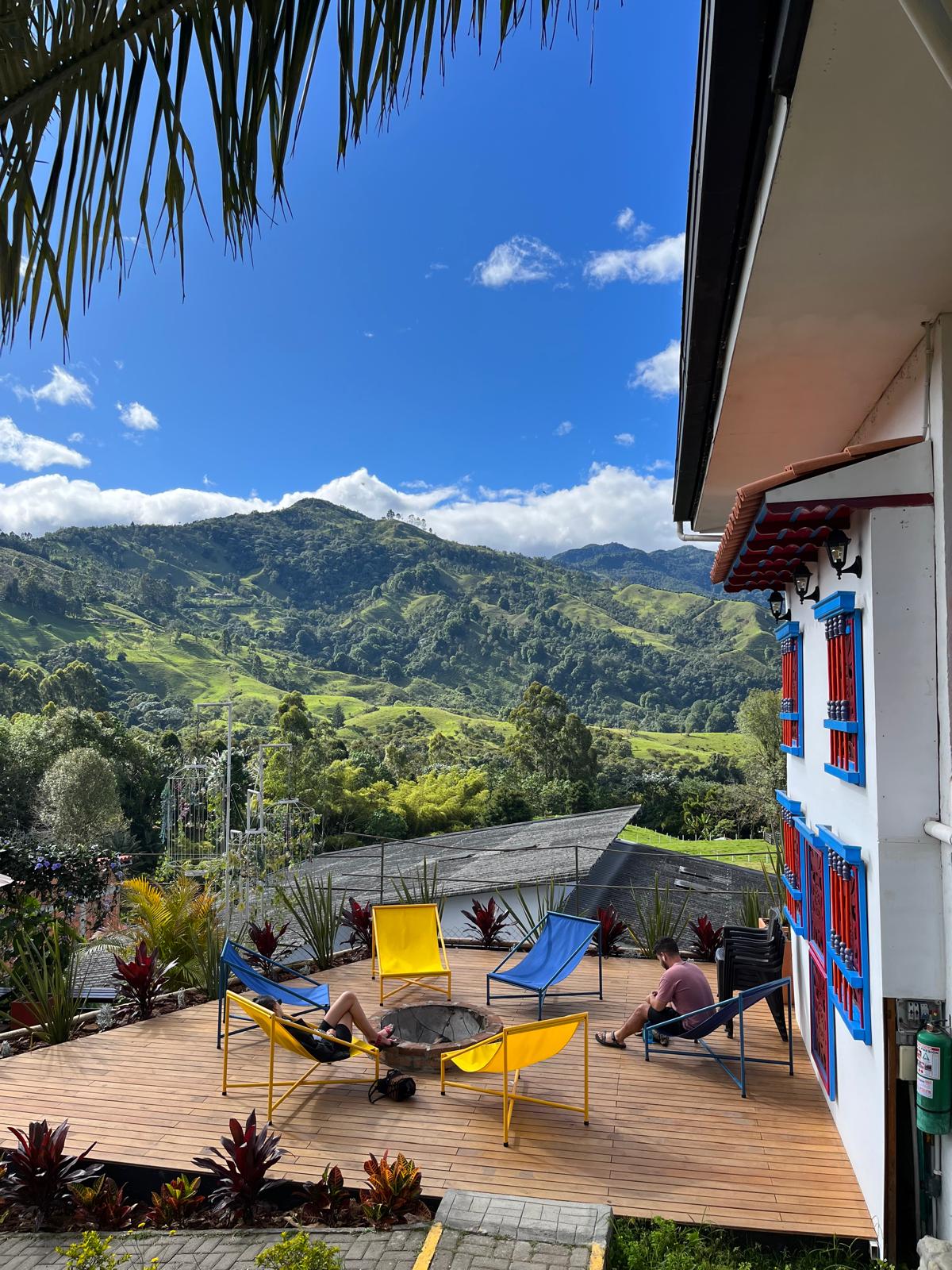
Days 3–4: Minca, Waterfalls & Coffee Hills
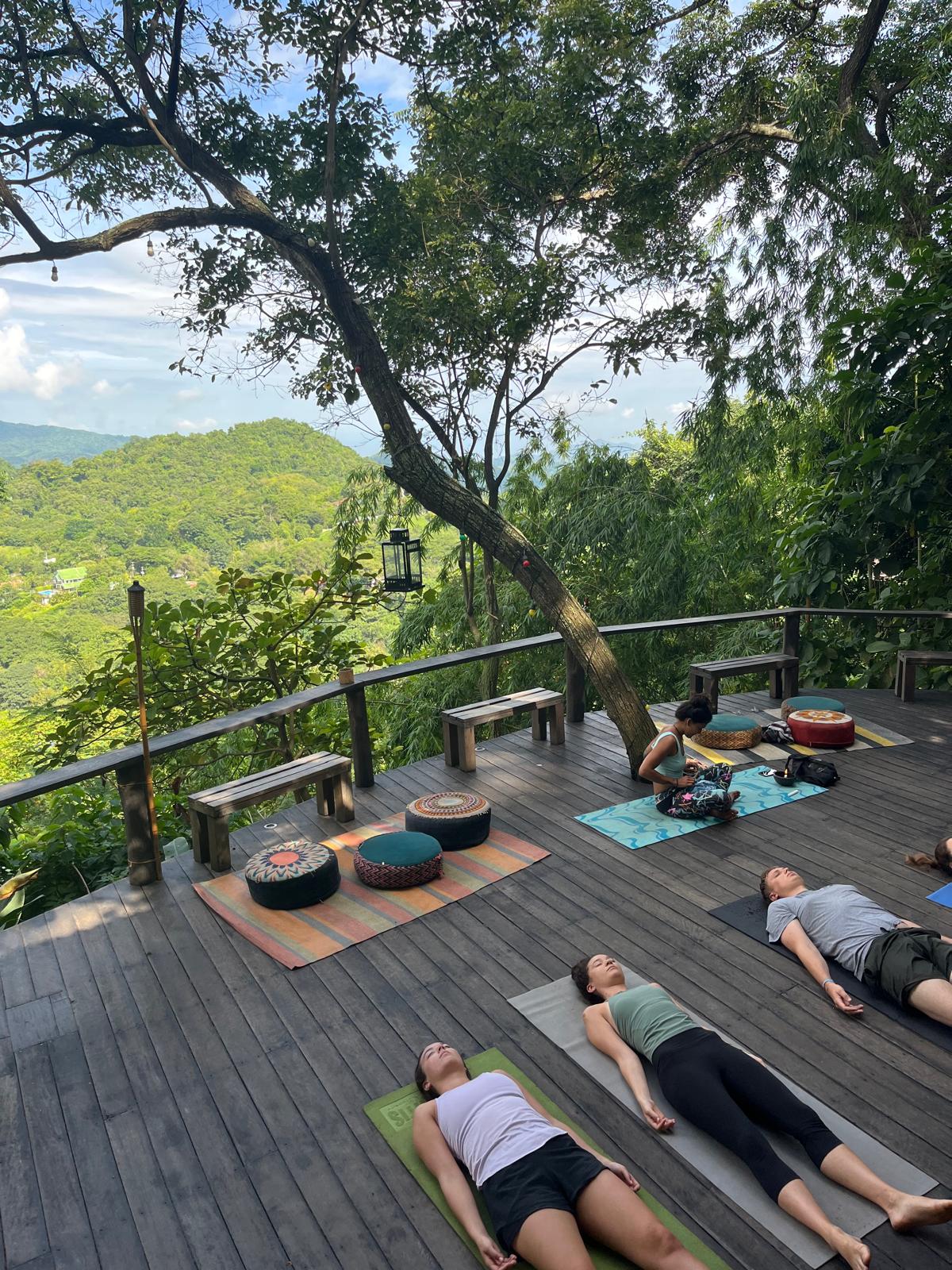
Fly to Santa Marta, then take a taxi to Minca, a cool little town in the Sierra Nevada foothills. Stay at Casa Loma, perched on the hill above town, in thatched rough jungle hut with views over the rainforest and the sea in the distance. Bring repellent, as mosquitoes thrive here.
Spend the day walking to Pozo Azul waterfalls, swim, and follow the trails through shaded cocoa and banana groves. The hostel offers yoga classes with sunset views. Skip coffee tours if you’re continuing to Salento, better plantations await later. Use the evening to rest; Minca runs on early mornings and candlelight dinners with live music, not nightlife.
Days 5–6: Tayrona National Park, Jungle to Sea
From Minca, head back down to Santa Marta's Mercado Publoca where colectivos take you along the North shore. Get off at The Journey Hostel, right outside Tayrona National Park Entrance. Make sure to take out cash in Santa Marta, as none of the North Coast has ATMs!
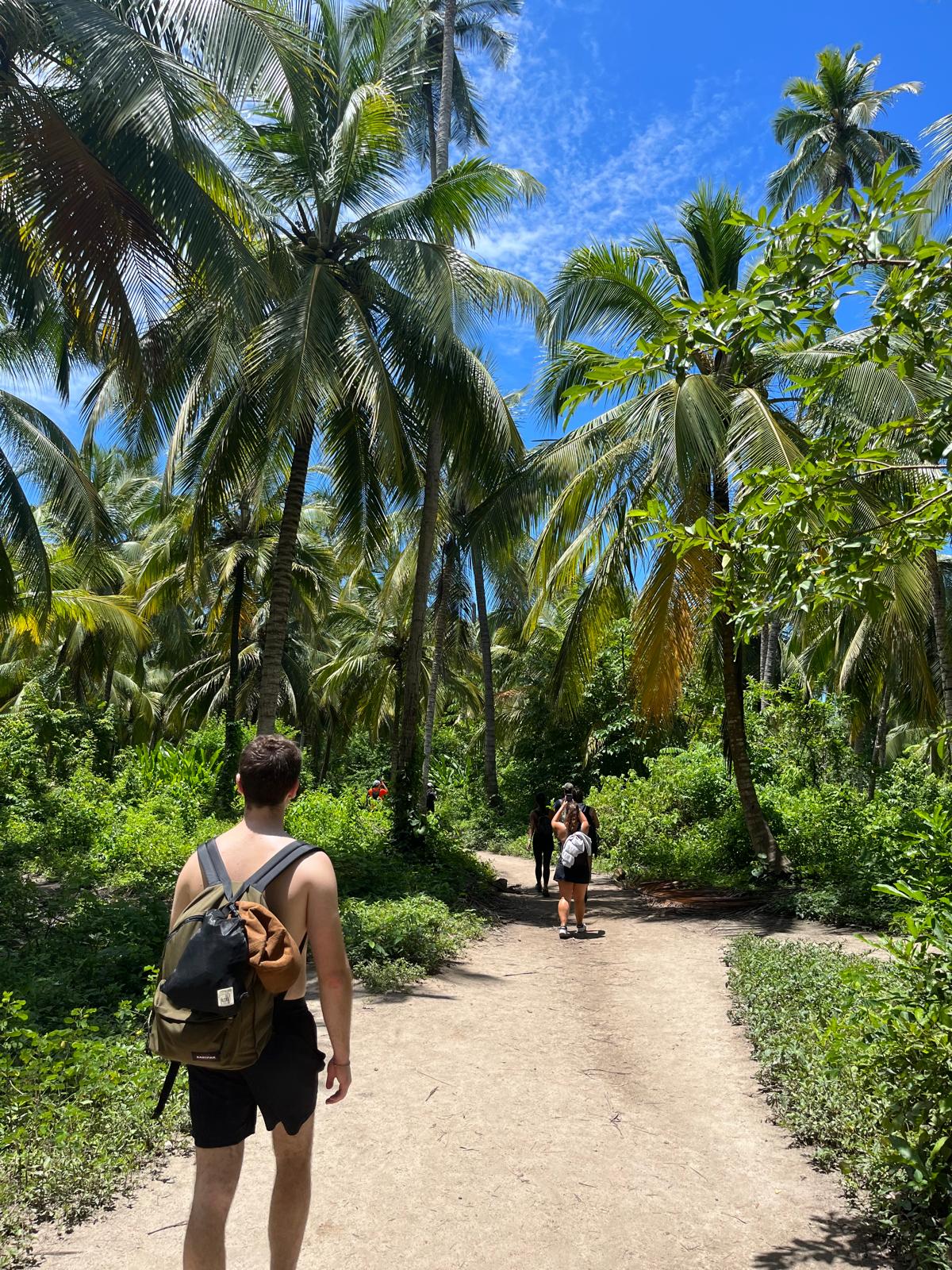
Leave your main bag at The Journey Hostel (they’ll store it safely), and enter the park early the next morning with cash (enough to cover food and accommodation for the duration of the park visit) and ID. You’ll pay a small insurance fee and walk 3–4 hours through jungle trails alive with monkeys and lizards until the sea appears.
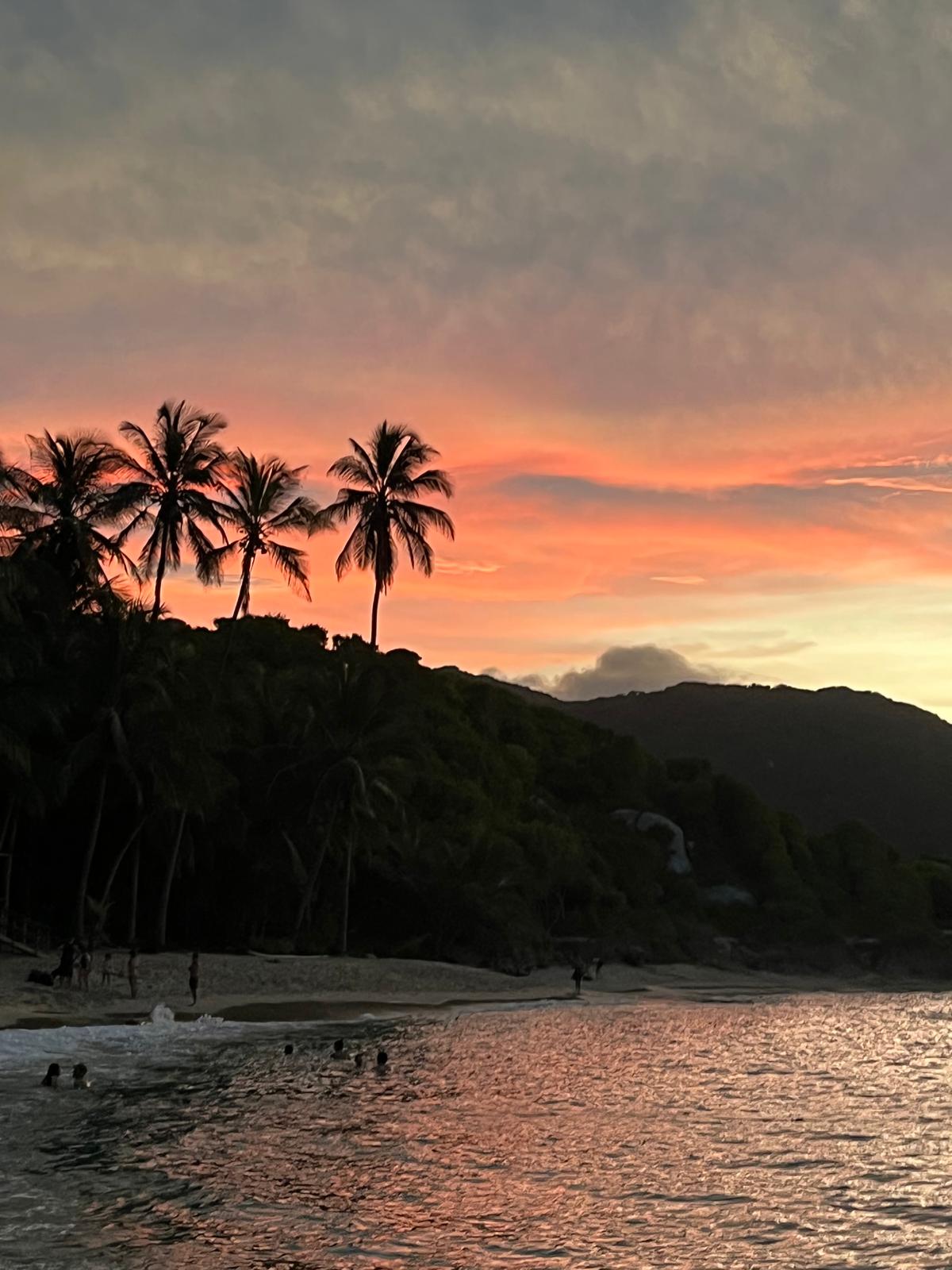
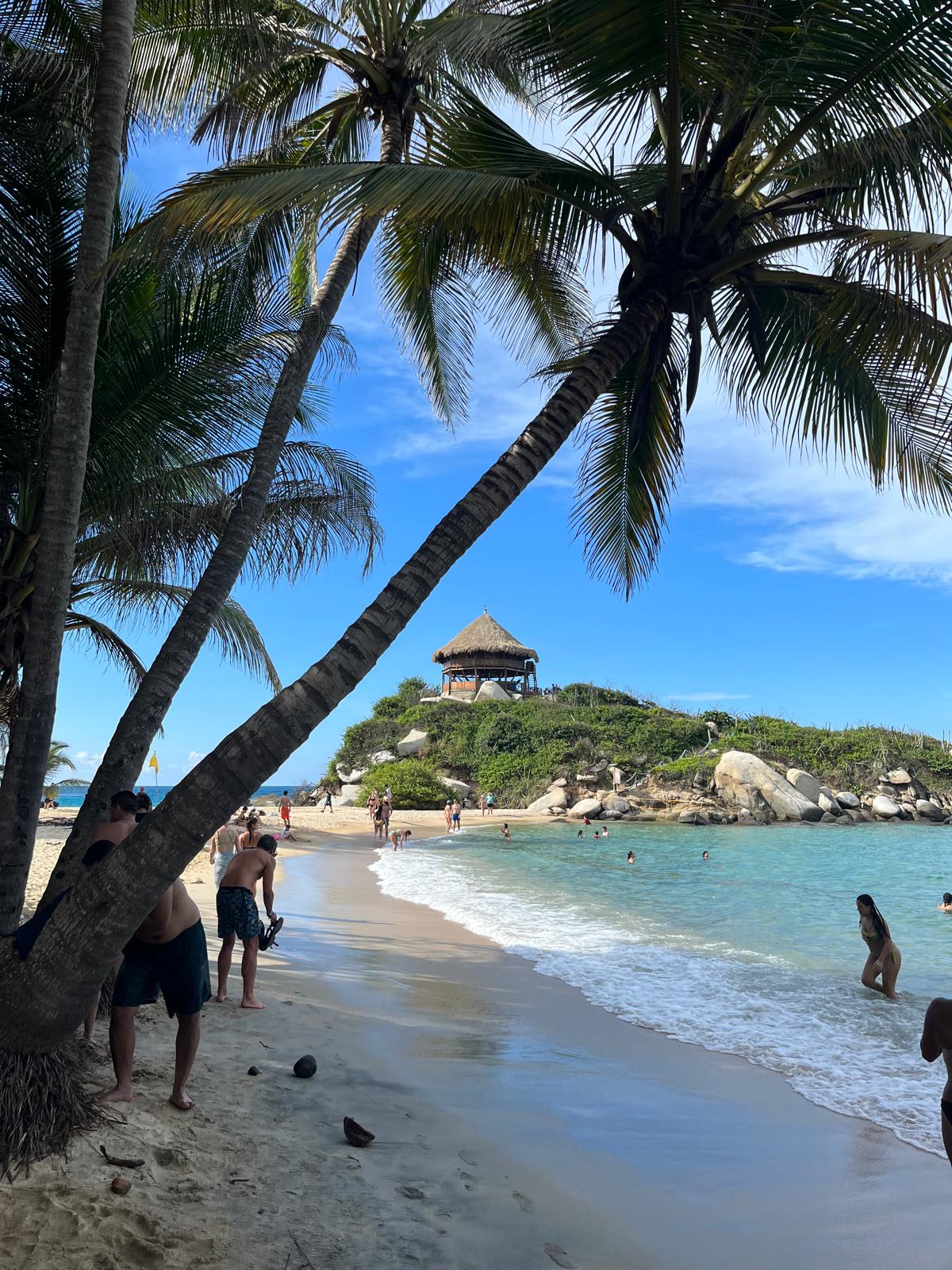
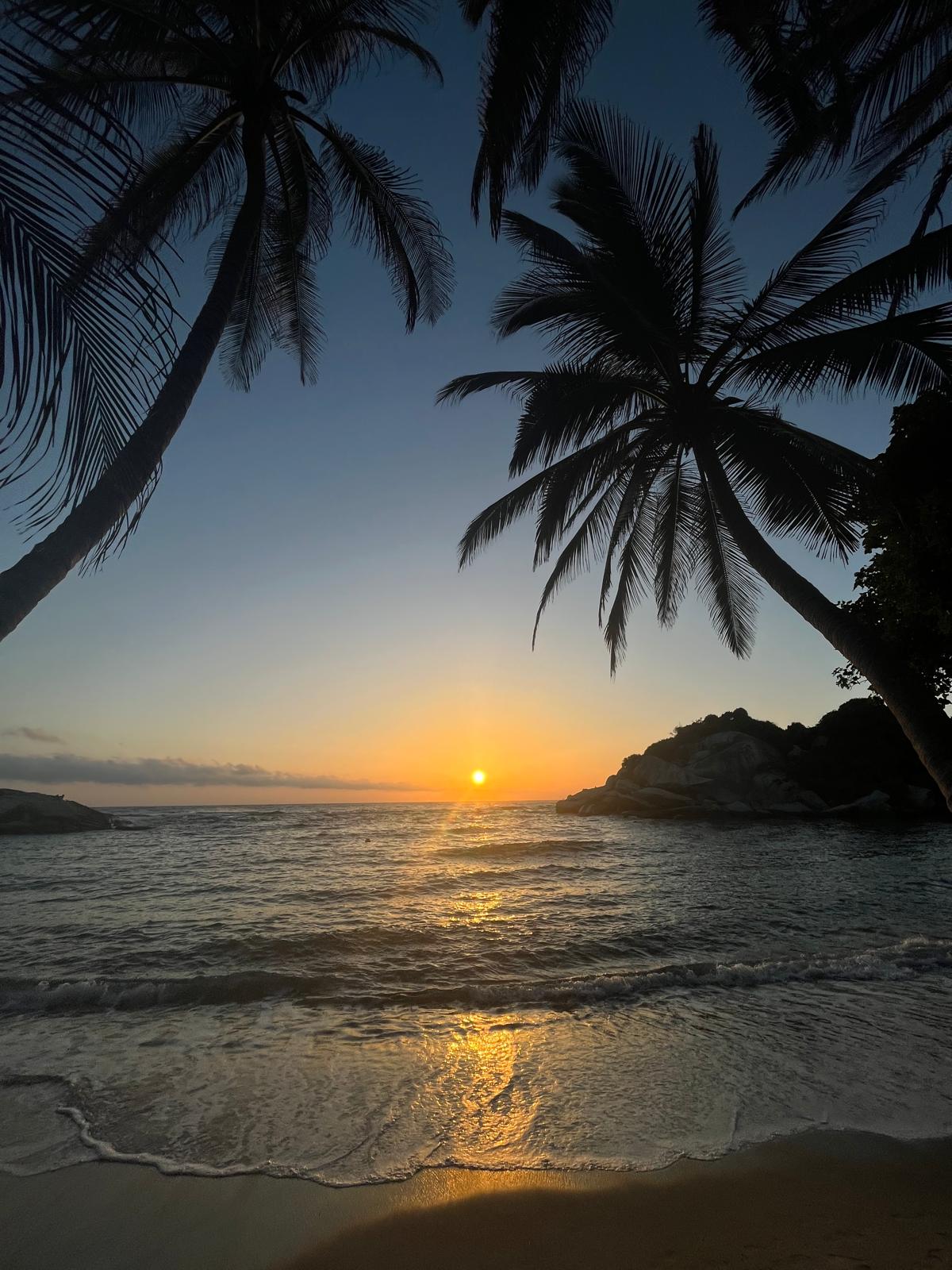
Camp overnight at Cabo San Juan or Arrecifes beach, either in a tent or hammock (pre-set up for you, book at the park gate before enetering). Bring a mosquito net if you can. The beach is one of Colombia’s best: golden sand, turquoise waves, beach on two sides with a viewpoint headland, and forest right behind you.
Hike out the following morning, pick up your big bag and grab a bus or taxi further along the coast.
Days 7–9: El Río Hostel & Costeño Beach, River & Rhythm
Next stop: El Río Hostel, built right on the riverbank and consistently ranked one of Colombia’s best hostels. It’s part eco-retreat, part social hub. Spend the day tubing down the river with other backpackers, joining in family-style dinners, and dancing barefoot at night on the river bank to hostel DJs.
After a few days, move along the coast to Costeño Beach Hostel, right on the sand, with morning surf and sunset bonfires.
If you have extra days, detour to Palomino, a small surf town further east, still underdeveloped, boheminan, and atmospheric. If you have even more time, the nearby La Guajira Desert bordering Venezuela offers multi-day jeep tours across the desert dunes.
Days 10–13: Cartagena, Walled City & Caribbean Light
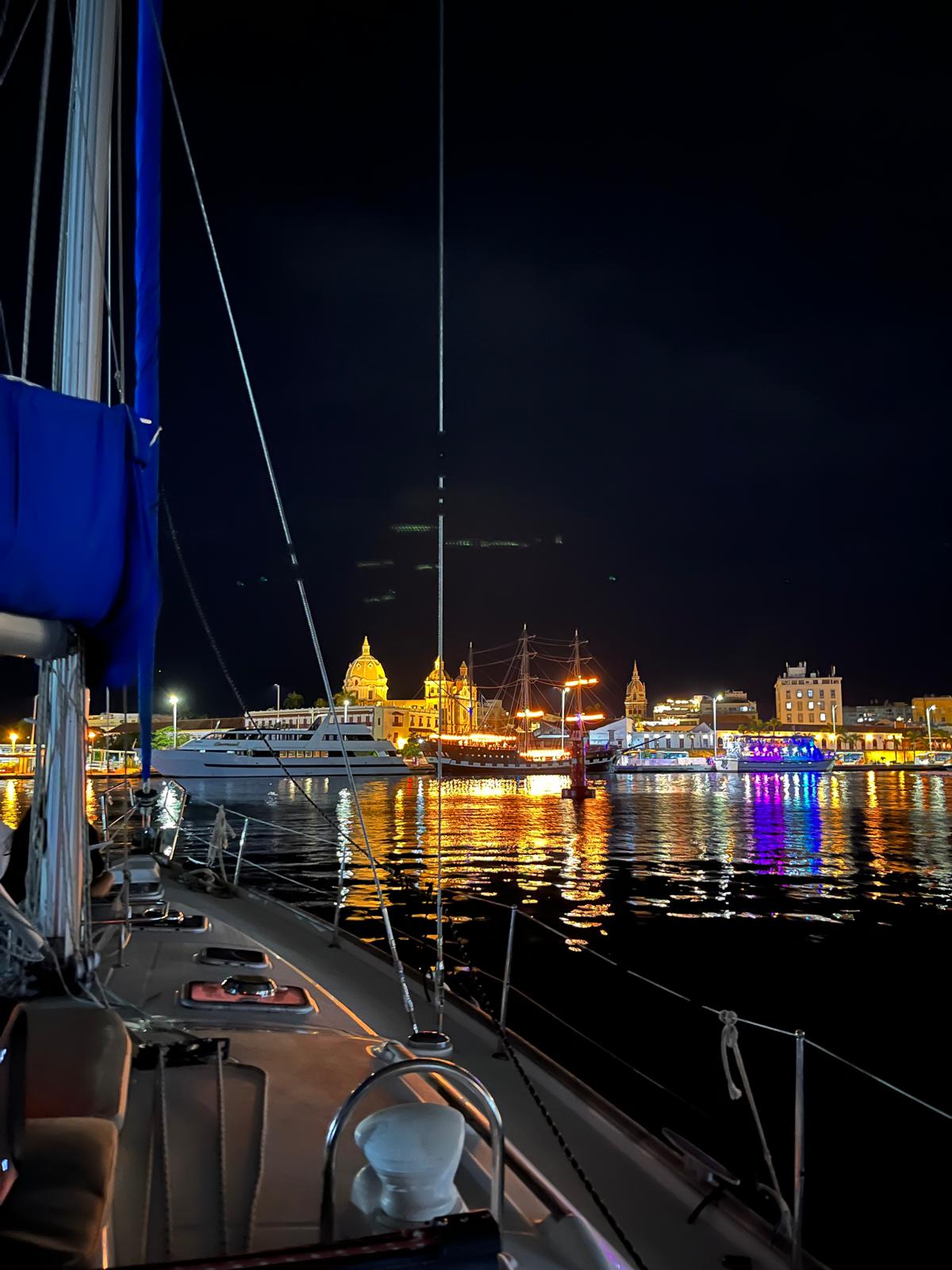
Return to Santa Marta's bus terminal by colectivo (~1h), and take an onwards Berlinas Company bus to Cartagena (~5h), Colombia’s coastal gem. Stay at República Hostel for a sociable base within the walled city.
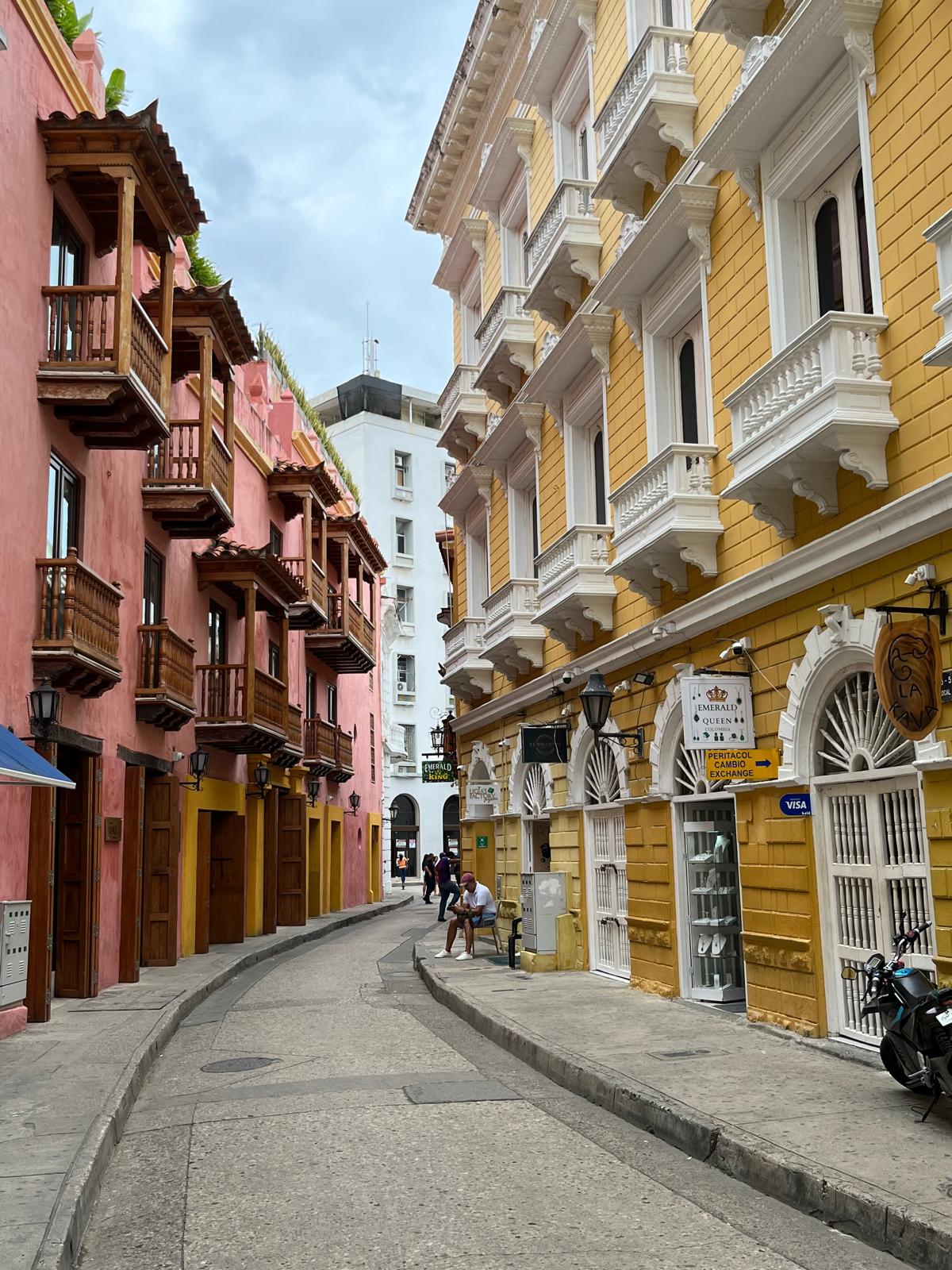
Explore the historic quarter, pastel walls, bougainvillaea balconies and plazas alive with salsa. Visit Castillo San Felipe for history, then cool off with frozen yoghurt at the corner stands.
Try La Cevichería for fresh fish and lime, and catch sunset cocktails on a hotel rooftop (Movich and Sophia are favourites).
Nightlife runs from Casa Cruxada (for DJs) to salsa clubs and open-air bars in Getsemani. Cartagena feel quite touristy, but the open-air bars in Getsemani are a proper local experience - you sit on the streets and salsa dancing with music is the vibe.
Additional options include an overnight trip to Islas del Rosario, staying overnight at Hostel Secreto on Isla Grande where you kayak, visit mangroves and experience bio-lumimescent plankton at night.
Days 14–18: Medellín, The City of Eternal Spring
Fly to Medellín, where everything feels different, the climate, the energy, the optimism. Stay at Los Patios Hostel in El Poblado, a green, walkable district full of bars, cafés, and coworking spaces.
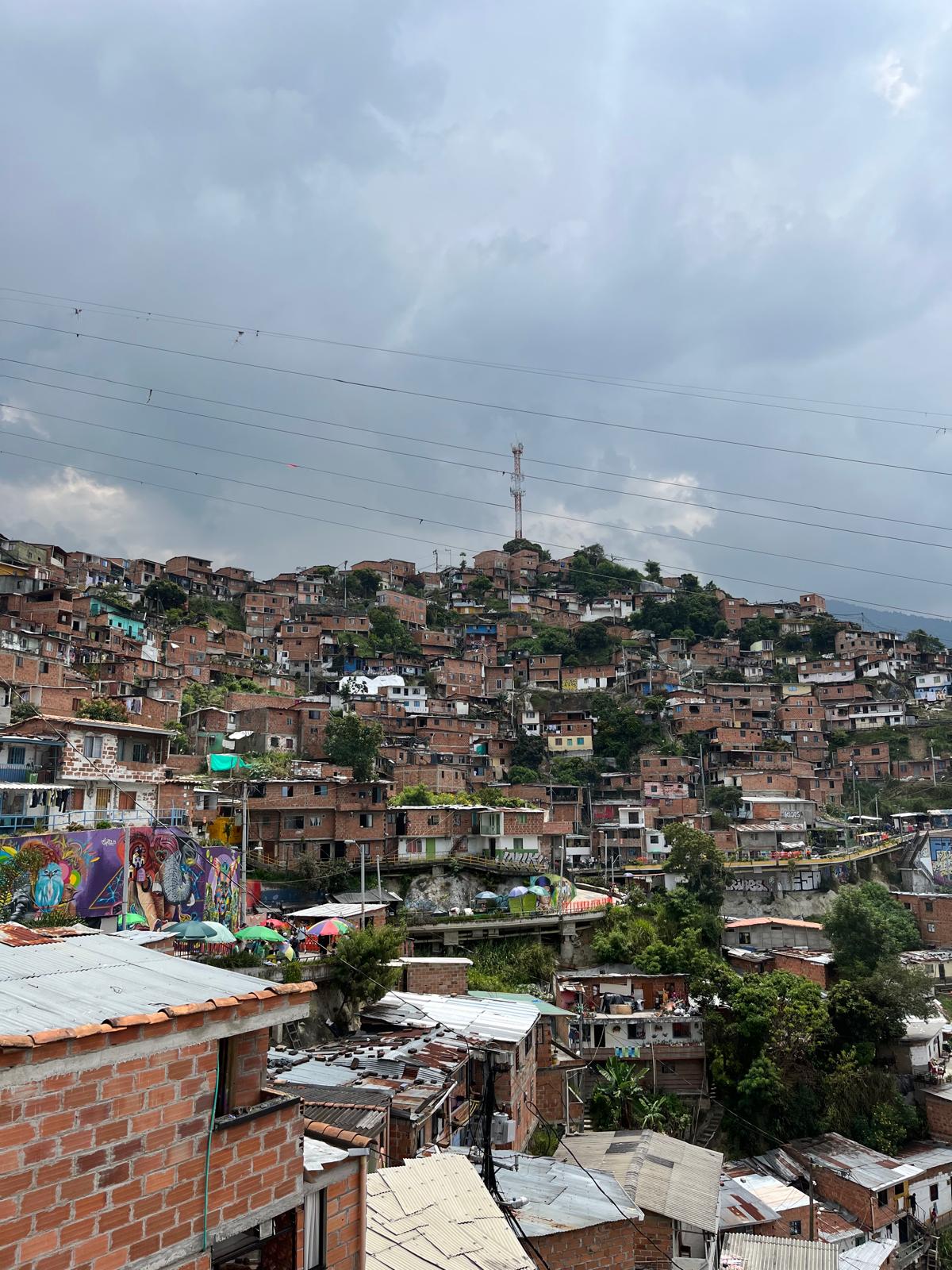
Take a free walking tour to understand how Medellín transformed from Escobar-era fear to innovation hub. Then visit Comuna 13 with Zippy Tours to see graffiti, escalators, and locals explaining their neighbourhood’s rebirth (don’t mention Pablo).
Evenings: join the hostel bar crawl, or eat at Hato Viejo for traditional Antioquian fare (bandeja paisa, empanadas, sweet guava paste).
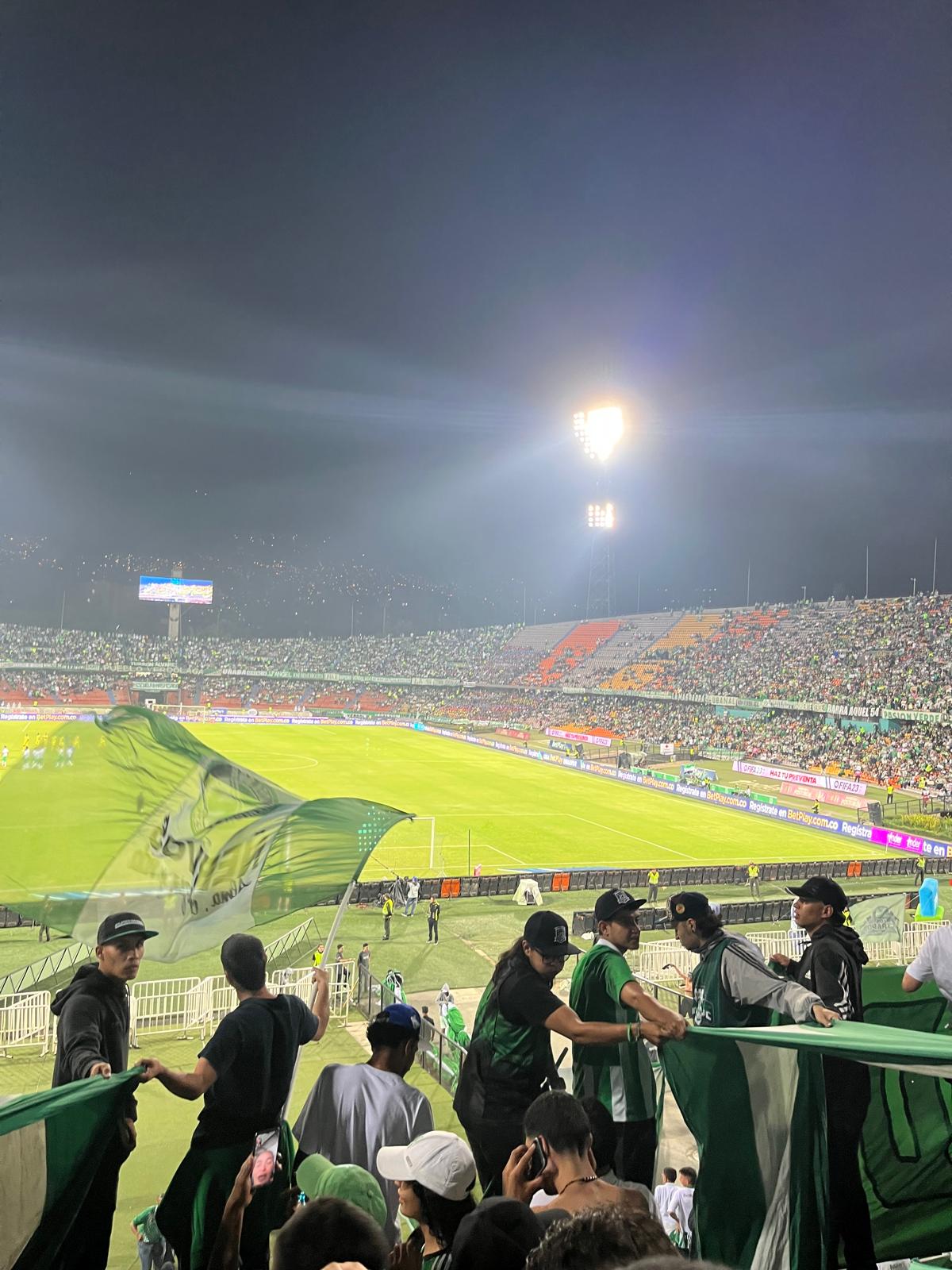
For sport and spectacle, go to a Atlético Nacional football match, wear green, sing loud. The metro system (the pride of Medellín) connects everything efficiently.
Days 19–20: Guatapé, Lakes & La Piedra
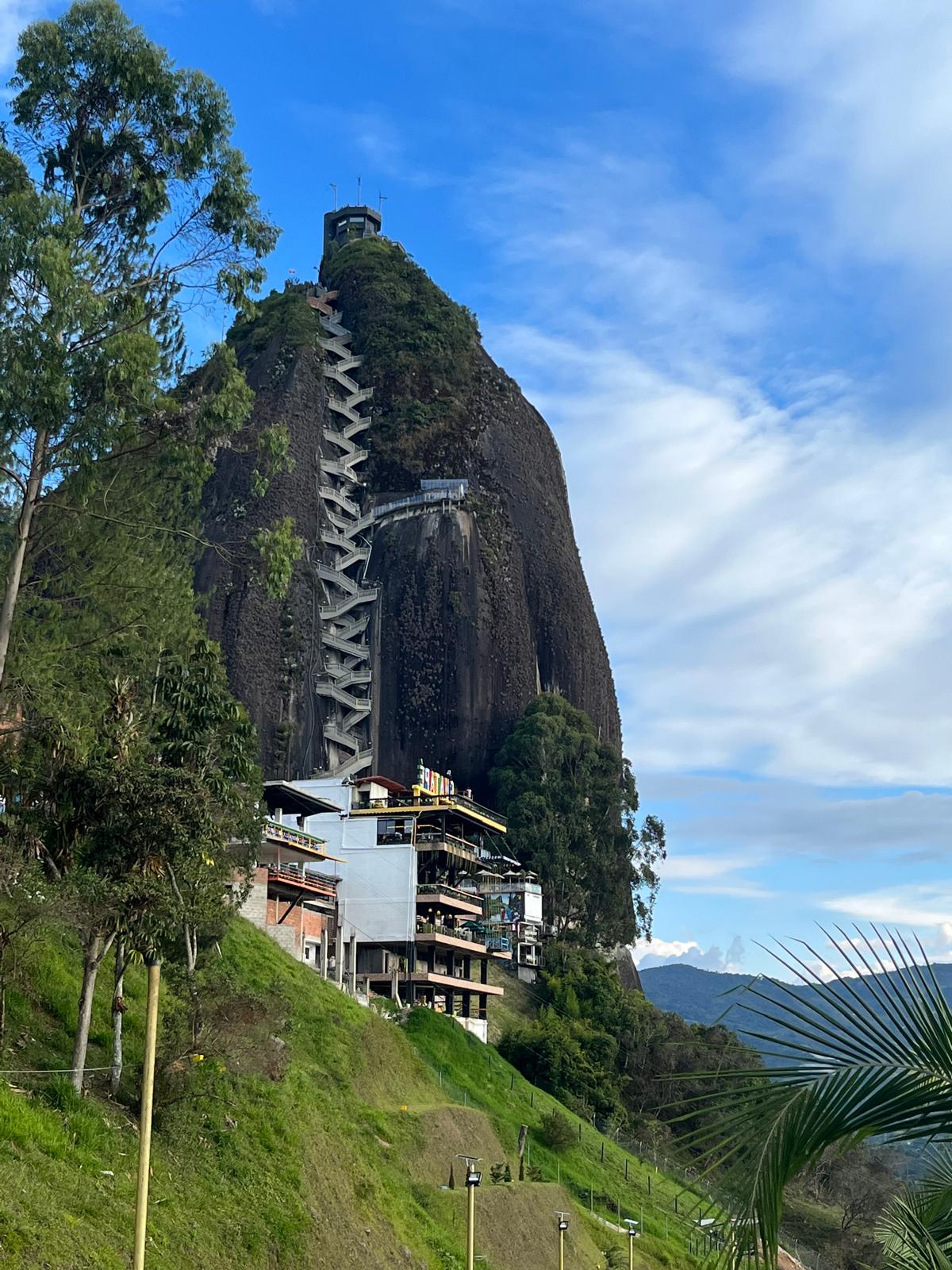
Two hours east of Medellín, Guatapé is a technicolour lakeside town famous for its murals and El Peñón de Guatapé, the granite monolith with 700 steps to the top.
Rent a jetski or boat, wander pastel alleys, and stay one night. Hike for the view from the summit of El Peñón at sunset - highly worth it.
Days 21–25: Salento Coffee & Cocora Valleys
Fly from Medellin to Pereira or Armenia, then taxi to Salento, Colombia’s coffee capital. Stay at Viajero Hostel, surrounded by mountains.
Spend your days touring coffee fincas (Don Elias or El Ocaso are top choices) where you’ll learn every step from bean to cup. Coffee tours leave from Salento's main square.
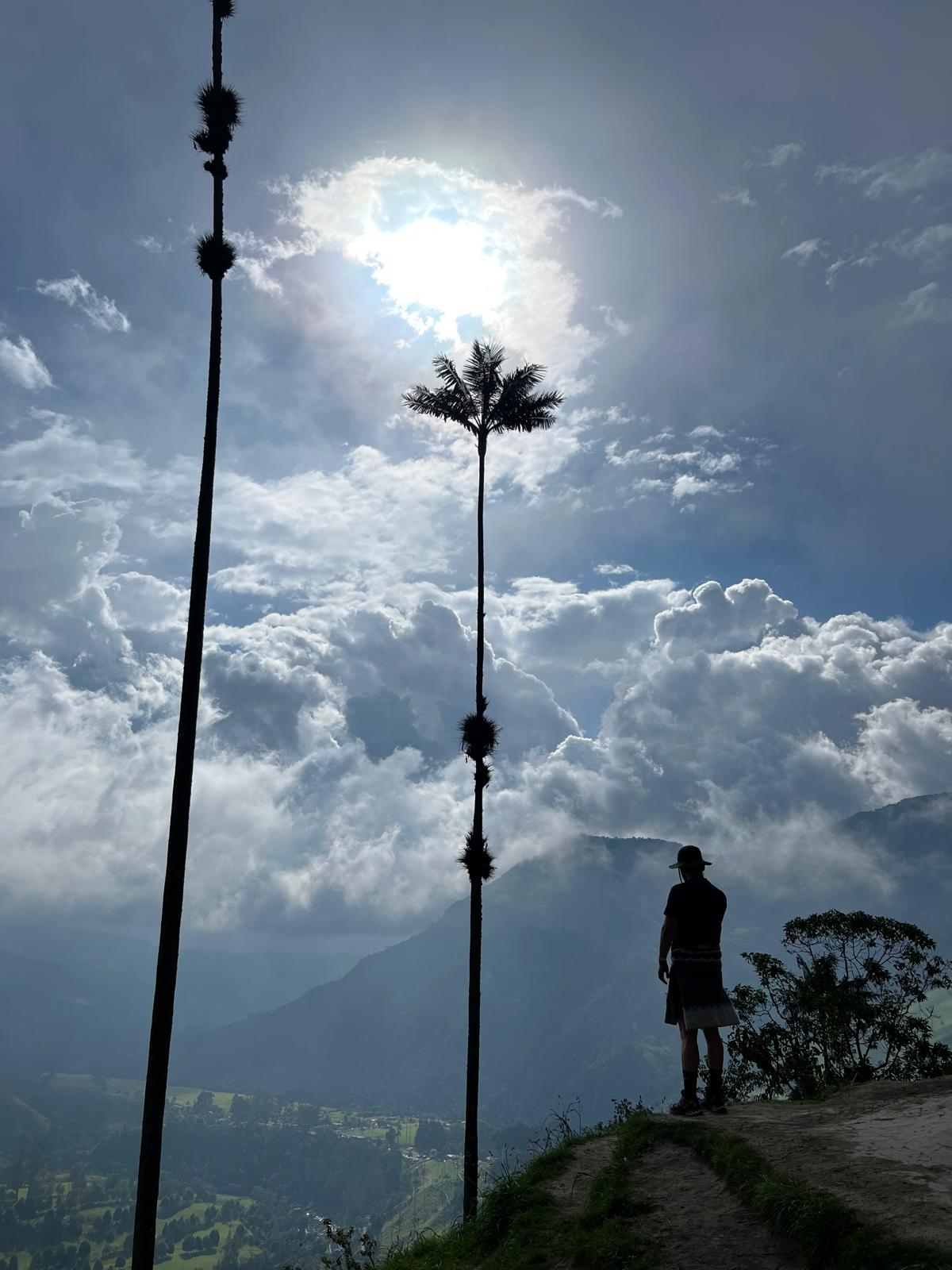
Hike the Cocora Valley (4-6 hours), where 60-metre wax palms sway over cloud forests (jeeps depart from the main square of Salento to the start of the hike).
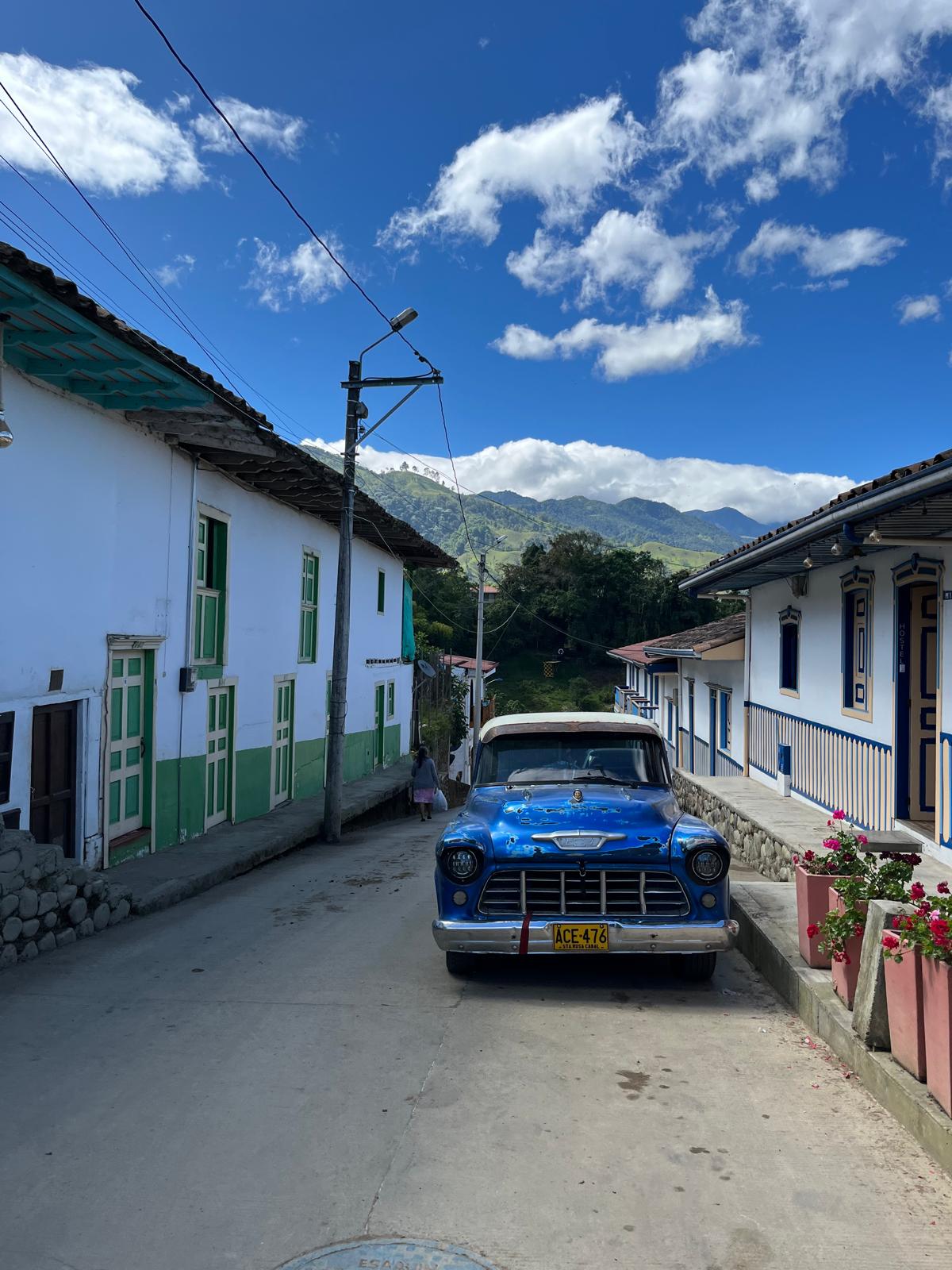
Wander Salento’s colourful main street, shop for woven bags and jewellery, and end evenings with hot chocolate and cheese (yes, together, it’s a local custom) and a game of Tejo, Colombia's explosive national sport involving throwing heavy metal discs (tejos) at a clay target with gunpowder-filled paper triangles inside (find these all over the city).
Days 26–28: Bogotá, Return & Fly Out
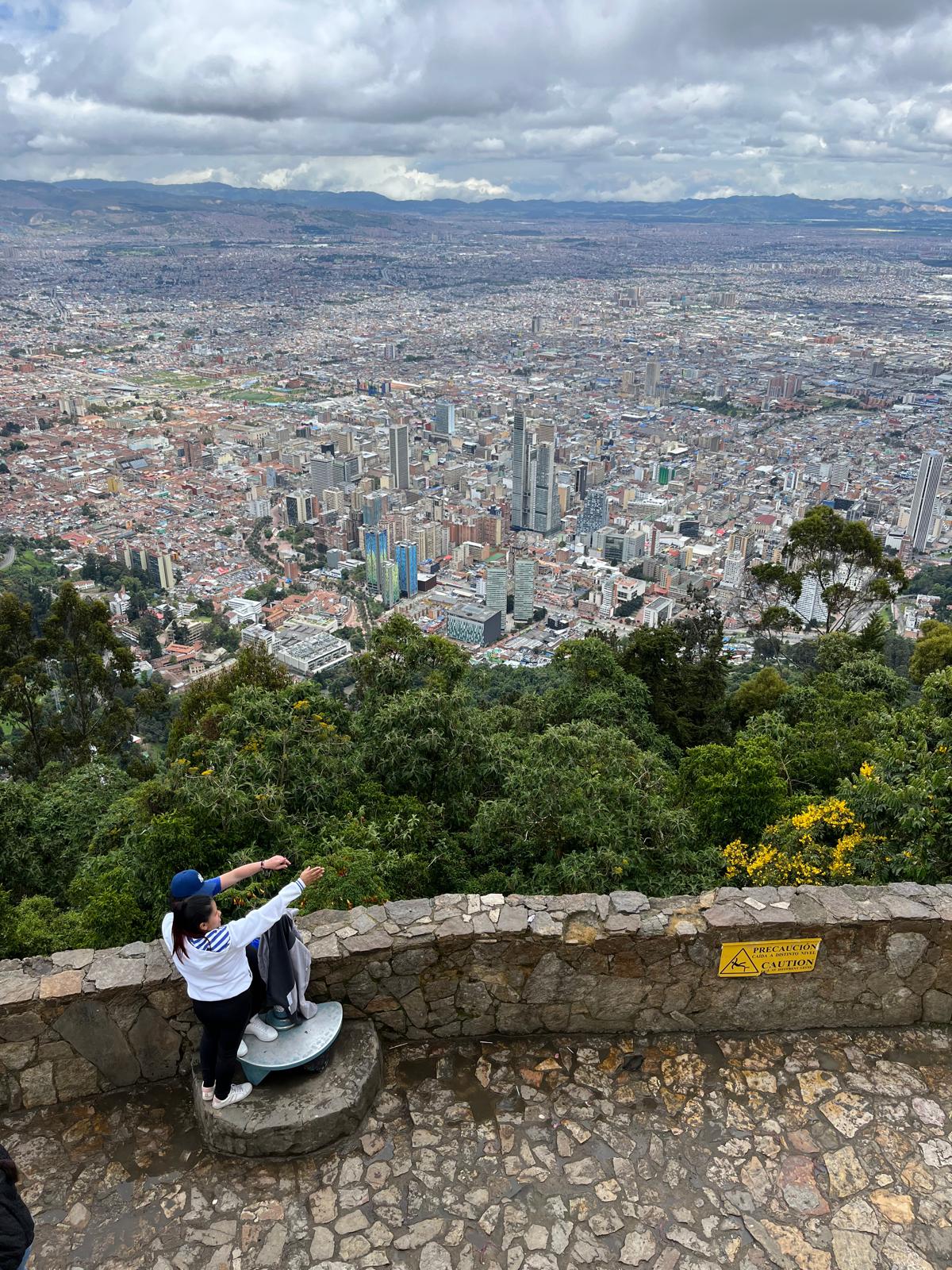
Fly back to Bogotá before flying on.
.png)