Day 3: Fly to the Galápagos, Santa Cruz arrival
Domestic flights to the Galápagos depart from Quito's Mariscal Sucre Airport to Baltra Island (GPS), the main Galápagos gateway. The flight takes approximately two hours. Both LATAM and Avianca operate the route, usually via Guayaquil; check your routing carefully as some flights require a brief touchdown in Guayaquil which adds transit time. Flights depart early morning; if staying in the Old Town allow 90 minutes to the airport.
Galápagos entry fees and requirements: Before arriving you must have purchased a Transit Control Card (Tarjeta de Control de Tránsito, or TCT) online at siiws.gobiernogalapagos.gob.ec. As of 2025 this costs $20 and is checked at both the mainland airport and on arrival. The national park entrance fee of $200 for non-resident foreign adults is paid on arrival at Baltra, in cash or by card; this is the most significant single expense of the Galápagos section of the trip. Keep the paper receipt for the duration of your stay; you will be asked to show it.
From Baltra Airport: take the free shuttle bus to the dock (five minutes), then the public ferry across the Itabaca Channel to Santa Cruz island ($1, runs continuously), then a bus or taxi to Puerto Ayora, the main town on the south coast (45 minutes, approximately $25 by taxi or $5 by public bus). Puerto Ayora is your Santa Cruz base for Days 3 and 4.
The Charles Darwin Research Station is a short walk from the main dock at Puerto Ayora. Arrive in the late afternoon. The station is free to enter and the tortoise breeding centre shows several subspecies of Galápagos giant tortoises at close range, including Española subspecies tortoises whose wild population was reduced to 14 individuals before captive breeding restored them to over 2,000. The station also has a small museum covering Darwin's visit in 1835 and the subsequent history of conservation on the islands. Allow 90 minutes.
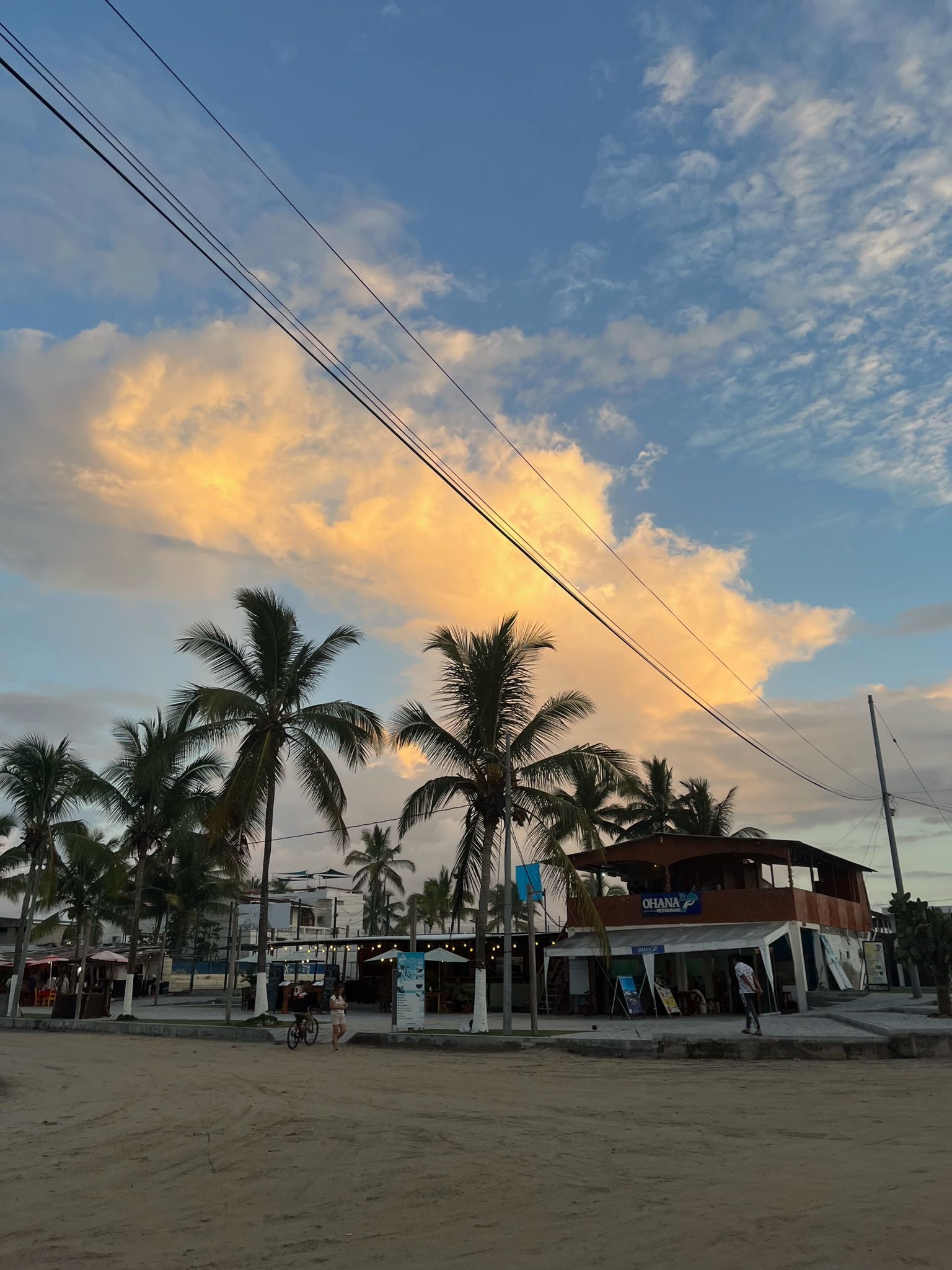
Dinner in Puerto Ayora: the main dock area has seafood restaurants serving fresh ceviche, lobster in season (September to December) and grilled fish. Prices are noticeably higher than mainland Ecuador; this applies to everything on the islands.
Day 4: Santa Cruz, Tortuga Bay and highlands
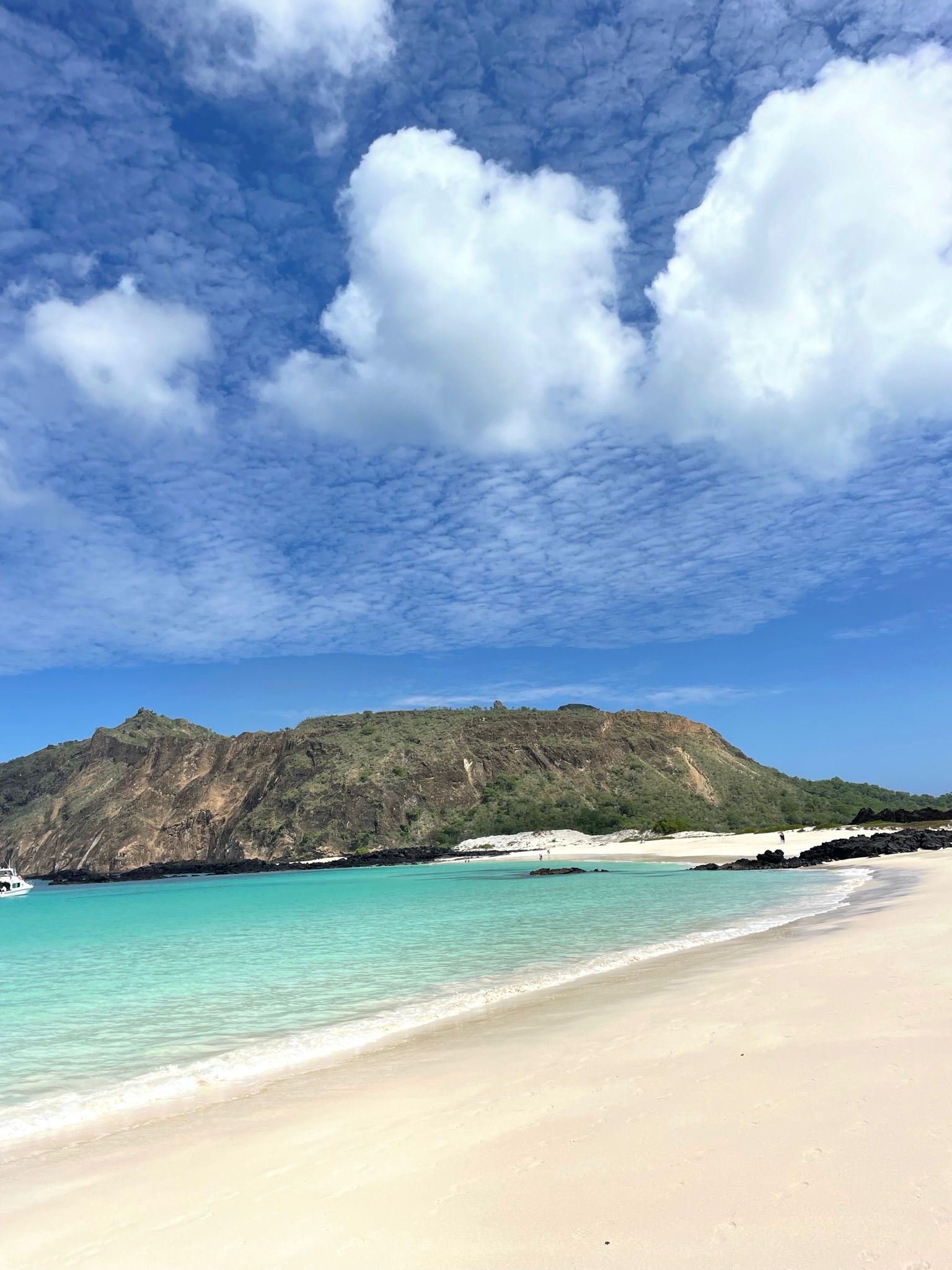
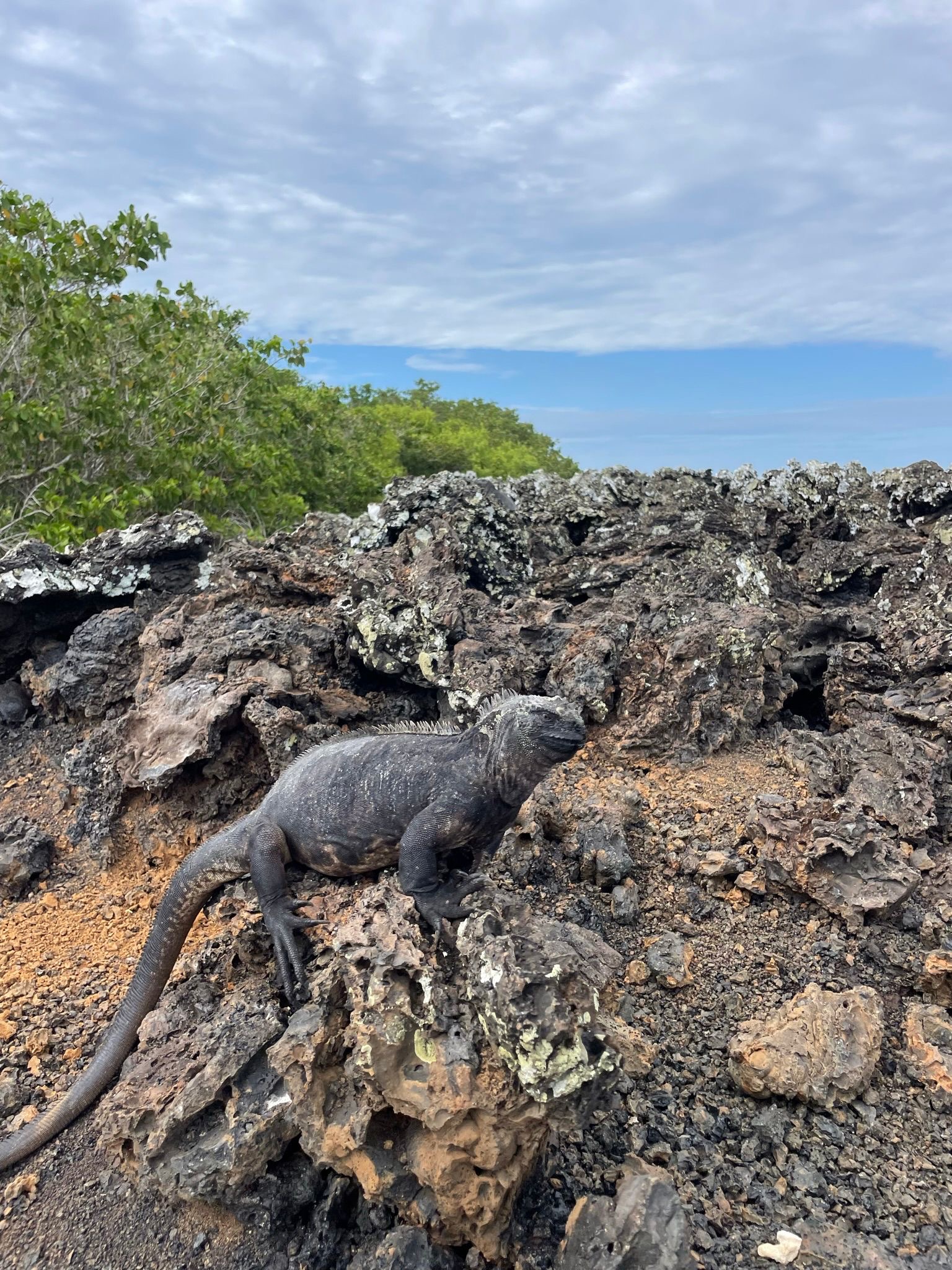
Tortuga Bay is a 2.5 km walk from the western end of Puerto Ayora on a paved path through dry scrub forest. The beach is 2 km of white coral sand backed by mangroves, one of the most beautiful beaches in the Galápagos and an important marine iguana nesting site. The marine iguanas here, the world's only sea-going lizards, bask in groups on the black volcanic rocks between feeding dives; they are entirely uninterested in human presence and will let you stand within half a metre without reacting. The calm lagoon at the western end of Tortuga Bay has sea turtles resting in the shallows from October to February. No food or facilities at the beach; bring water and sunscreen.
The Santa Cruz highlands are reached by taxi from Puerto Ayora (approximately 30 minutes, $20 round trip with waiting time). Wild Galápagos giant tortoises roam freely across the agricultural land here and are regularly encountered on the road and in the fields; these are genuinely wild animals, not penned, and the experience of a 200 kg tortoise crossing your path on a dirt track in light drizzle at altitude is one of the stranger and more extraordinary moments of the islands. The lava tunnels at El Mirador are also in the highlands; formed when the outer crust of a lava flow cooled and solidified while the molten rock inside drained away, leaving hollow tubes, the largest is 4 metres wide and several hundred metres long.
Book a guided snorkel tour for the afternoon if conditions allow. Santa Cruz's best snorkelling sites, including the area around Punta Estrada and the Academy Bay marine reserve, are accessible from Puerto Ayora dock. Operators sell half-day tours from approximately $60 to $80 per person.
Day 5: Ferry to San Cristóbal
The inter-island speedboat ferry from Santa Cruz (Puerto Ayora dock) to San Cristóbal (Puerto Baquerizo Moreno) departs at 7 am daily and takes approximately two hours. The crossing can be rough; motion sickness tablets are worth taking 30 minutes before boarding if you are susceptible. Tickets cost approximately $35 to $38 per person and can be booked through galapagostransfers.com or directly at the dock. Arrive at the dock 20 minutes before departure.
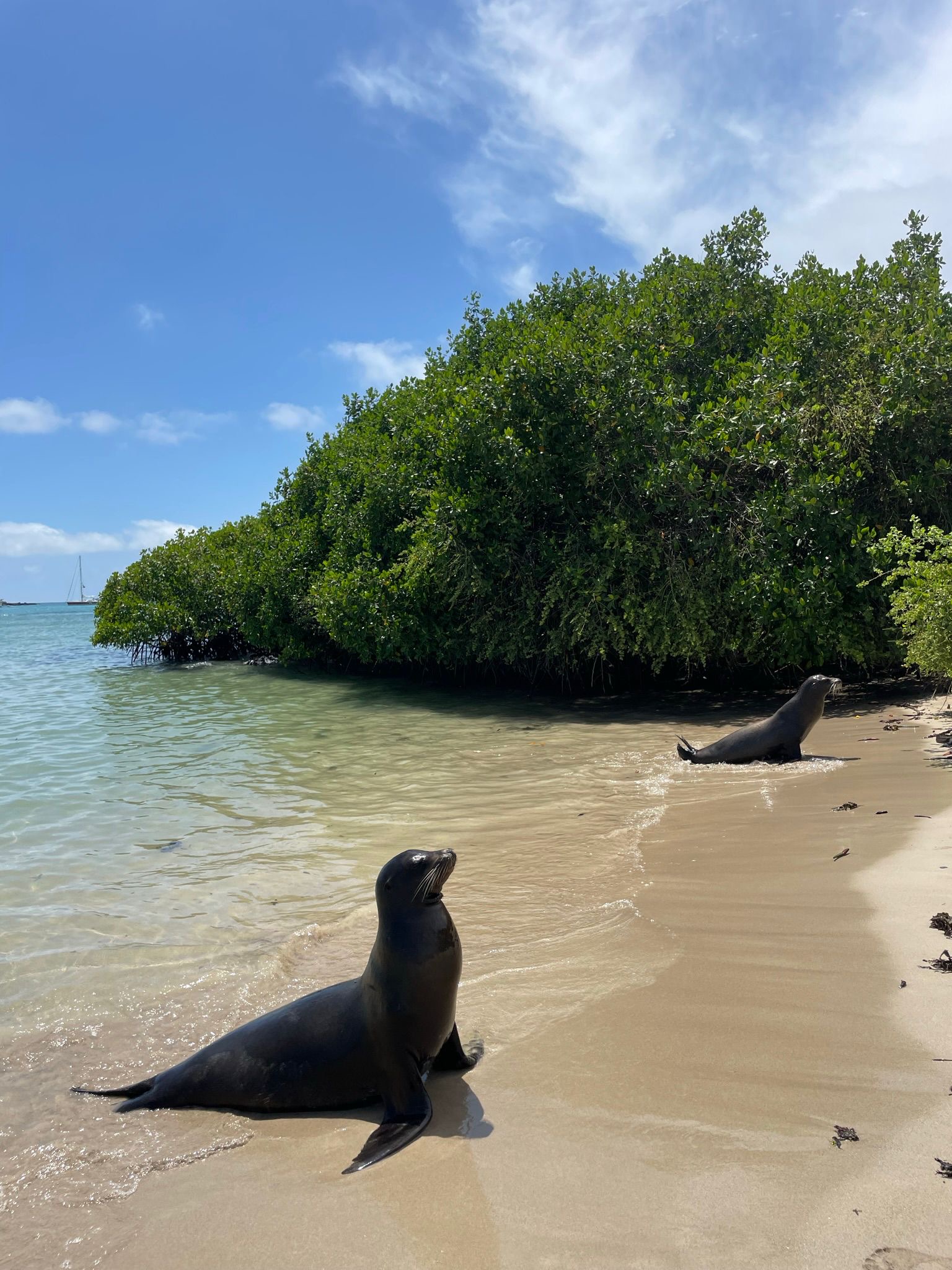
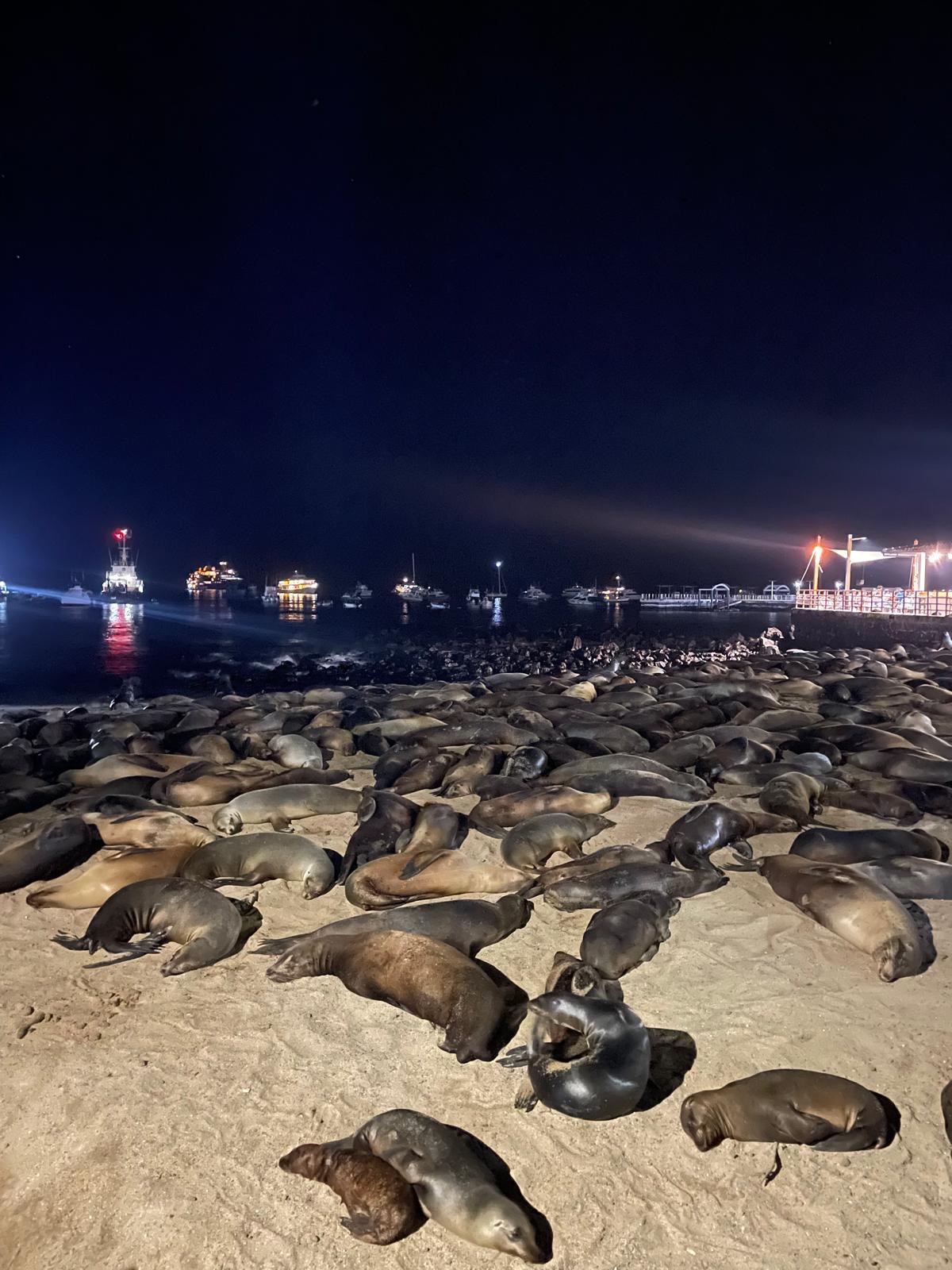
Puerto Baquerizo Moreno is the provincial capital of the Galápagos, smaller and less tourist-facing than Puerto Ayora. Sea lions claim the benches along the Malecón waterfront as their own and sleep there without concern for the humans who navigate around them. This is the characteristic Galápagos dynamic: wildlife has right of way and exercises it.
The San Cristóbal Interpretation Centre (free entry, two hours) is the best introduction to Galápagos natural and human history on any of the three islands: the geology, the evolution of the endemic species, the human settlement history including the penal colonies that preceded tourism, and the conservation challenges of the present. Walk there from the Malecón along the waterfront path past the sea lion colony at La Lobería beach.
In the afternoon, the walk up to Cerro Tijeretas (Frigatebird Hill) above the town gives views over the bay and the town, and the frigatebirds nest and soar above the lookout point throughout the year. The path continues down to a small sheltered cove excellent for swimming and snorkelling with sea turtles.
Day 6: Kicker Rock snorkel or scuba dive
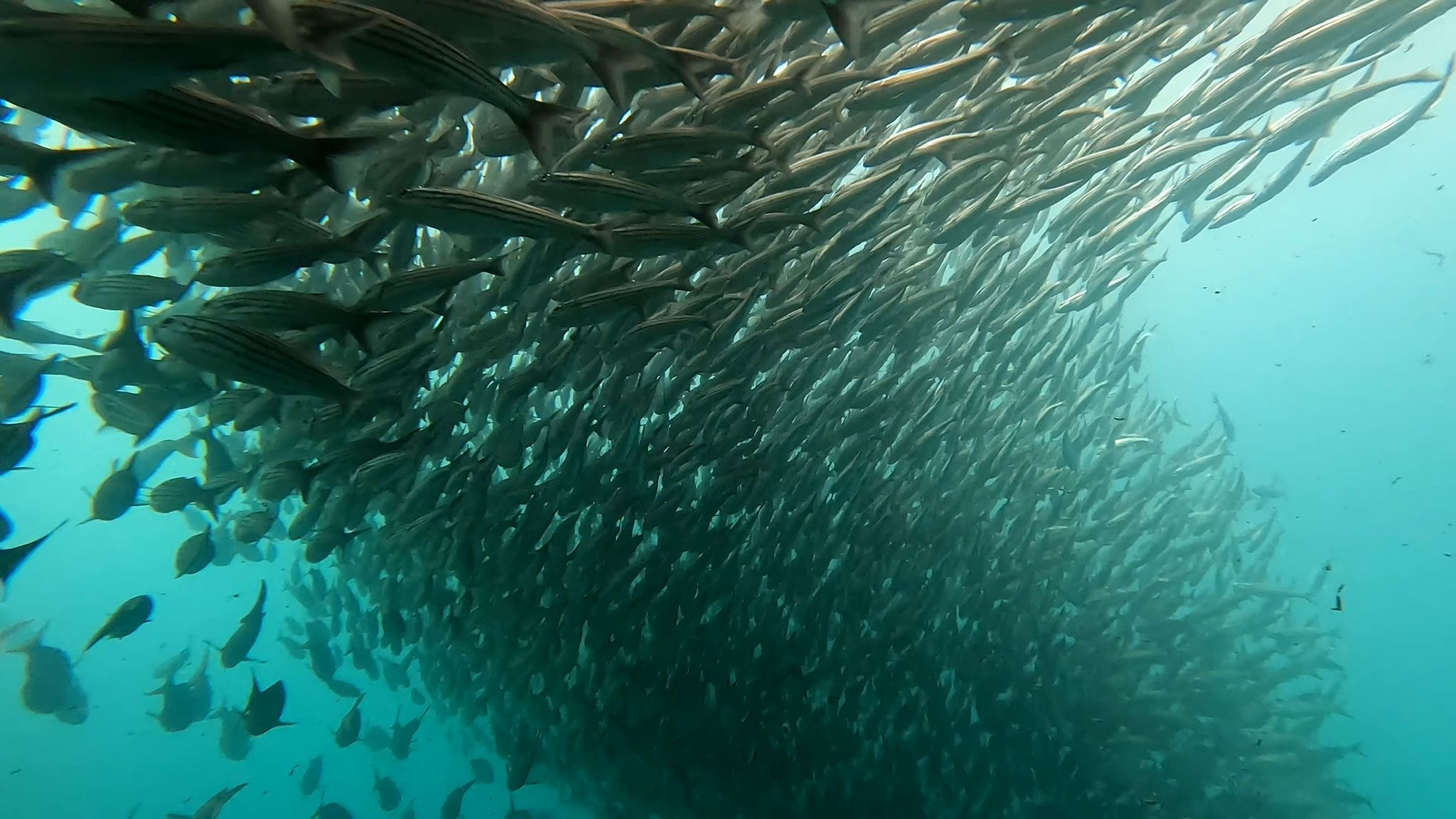
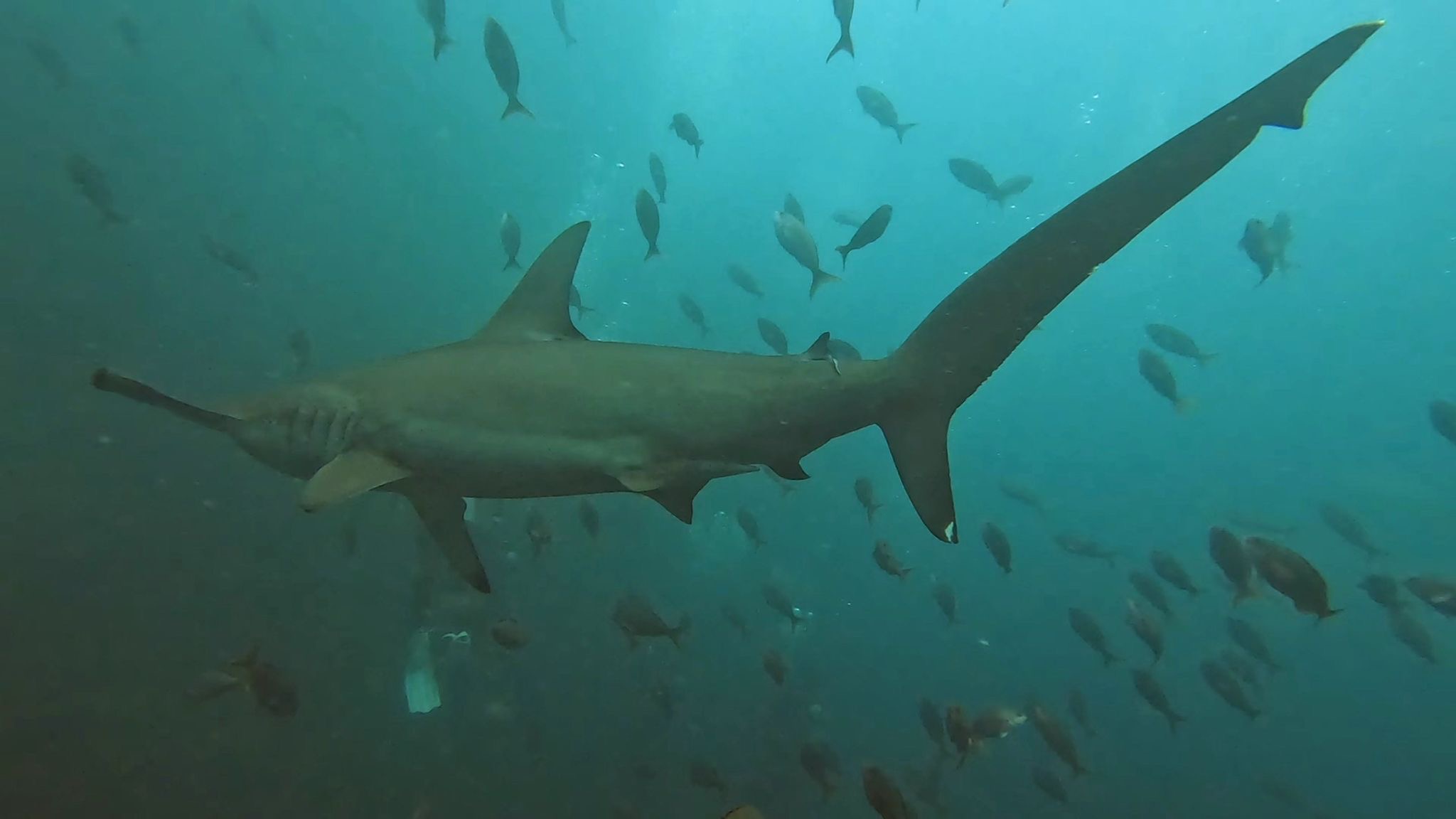
Kicker Rock (León Dormido) is the defining Galápagos experience for anyone in or on the water. The formation consists of two vertical tuff columns rising 150 metres from the sea surface with a narrow channel between them. Below the waterline: Galápagos sharks, hammerhead sharks, sea turtles, eagle rays, and vast schools of fish in the channel's current. The visibility on good days extends 20 to 30 metres.
Tours depart from Puerto Baquerizo Moreno at around 8 am and include the return boat journey, snorkelling gear, wetsuit and guide; approximately $70 to $100 per person. Several operators run this daily; ask at your hotel for the most reliable current option.
You do not need a PADI certification to dive at Kicker Rock; Discover Scuba Diving (DSD) courses are available and the experience of descending into the channel with the hammerheads circling above is one of the most intense things you can do on this trip. Book the dive or snorkel tour the day before through your accommodation.
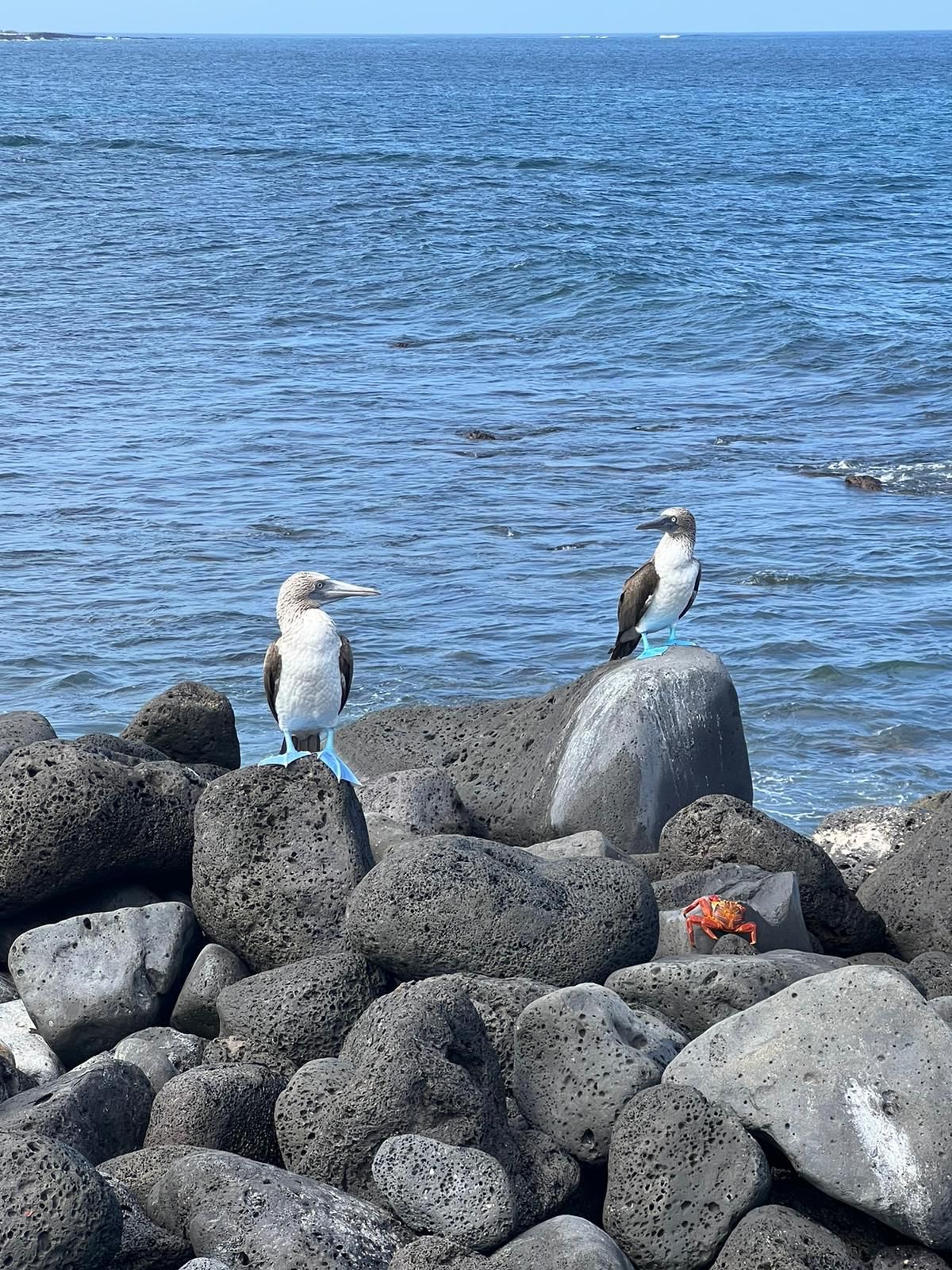
The afternoon in Puerto Baquerizo Moreno can be spent at Playa Mann (the main town beach, sea lions present) or at Playa Lobería further south, where the rocky coast holds marine iguanas, Sally Lightfoot crabs and the San Cristóbal subspecies of marine iguana, slightly different in colouring from the Santa Cruz population.
Day 7: Boat to Isabela, volcanoes and quiet beaches
The speedboat from San Cristóbal to Isabela does not run direct; all inter-island ferries connect through Santa Cruz. The route is therefore San Cristóbal to Santa Cruz (7 am departure, two hours), then Santa Cruz to Isabela (2 pm departure, two to two and a half hours). This is a full travel day with a wait in Puerto Ayora in between; plan lunch in town and use the morning departure to book the afternoon ferry in advance.
Isabela is the largest island in the archipelago at 4,588 square kilometres, formed from five coalescing shield volcanoes of which three remain active. Puerto Villamil, the only town, sits at the southeastern tip and has around 2,000 permanent residents. It is the quietest and most genuinely relaxed of the three islands: fewer tourists, cleaner beaches and a more unhurried atmosphere.
Walk the flamingo lagoon behind the beach on arrival afternoon: the hypersaline ponds behind the Isabela beachfront hold a resident flamingo population that feeds on the brine shrimp year-round. The beach at Puerto Villamil is long, flat and swimmable with sea turtles nesting from October to March.
Day 8: Sierra Negra volcano hike or Los Túneles snorkel
Choose one of these two depending on energy levels and interests; both require booking the night before.
Sierra Negra: The hike to the rim of Sierra Negra volcano starts approximately 18 km from Puerto Villamil and requires transport to the trailhead (included in most guided tours). Sierra Negra has the second largest volcanic caldera in the world at 9 km in diameter. The hike to the rim takes approximately 90 minutes each way on a well-marked path through cloud forest and then exposed volcanic terrain. The caldera, when cloud-free, is a vast dark bowl of hardened lava with fumaroles steaming at the far edge. The extension to Volcán Chico, a younger vent with spectacular lava formations, adds another hour and a half. Total day including transport: seven to eight hours. Tours cost approximately $35 to $50 per person plus the park fee; book through the Puerto Villamil tour desks.
Los Túneles: An underwater lava tunnel system in shallow clear water, accessible by boat from Puerto Villamil (approximately 45 minutes). The formations above and below water are extraordinary: overarching lava arches, collapsed tubes and caverns where Galápagos penguins, sea horses, white-tipped reef sharks and eagle rays are regularly encountered. This is consistently rated the best snorkelling in the Galápagos by operators and travellers. Tours run half-day and cost approximately $80 to $100 per person including transport and equipment. Sea conditions affect access; confirm with the operator the morning of the tour.
Day 9: Boat back to Santa Cruz, final island day
Return from Isabela to Santa Cruz on the morning boat (approximately 6 am departure, two to two and a half hours). Spend the final island afternoon at either Playa Las Bachas on the north coast of Santa Cruz (sea turtle nesting site, accessible by tour) or revisiting Puerto Ayora for last meals, shopping for local products (locally made chocolate, black coral jewellery) and a final evening on the waterfront.
Book your return flight from Baltra to Quito for the following morning; most flights depart early.
Day 10: Fly back to Quito, chocolate making and rest
The return flight from Baltra to Quito is two hours with a possible Guayaquil transit. Arrive in Quito by mid-morning.
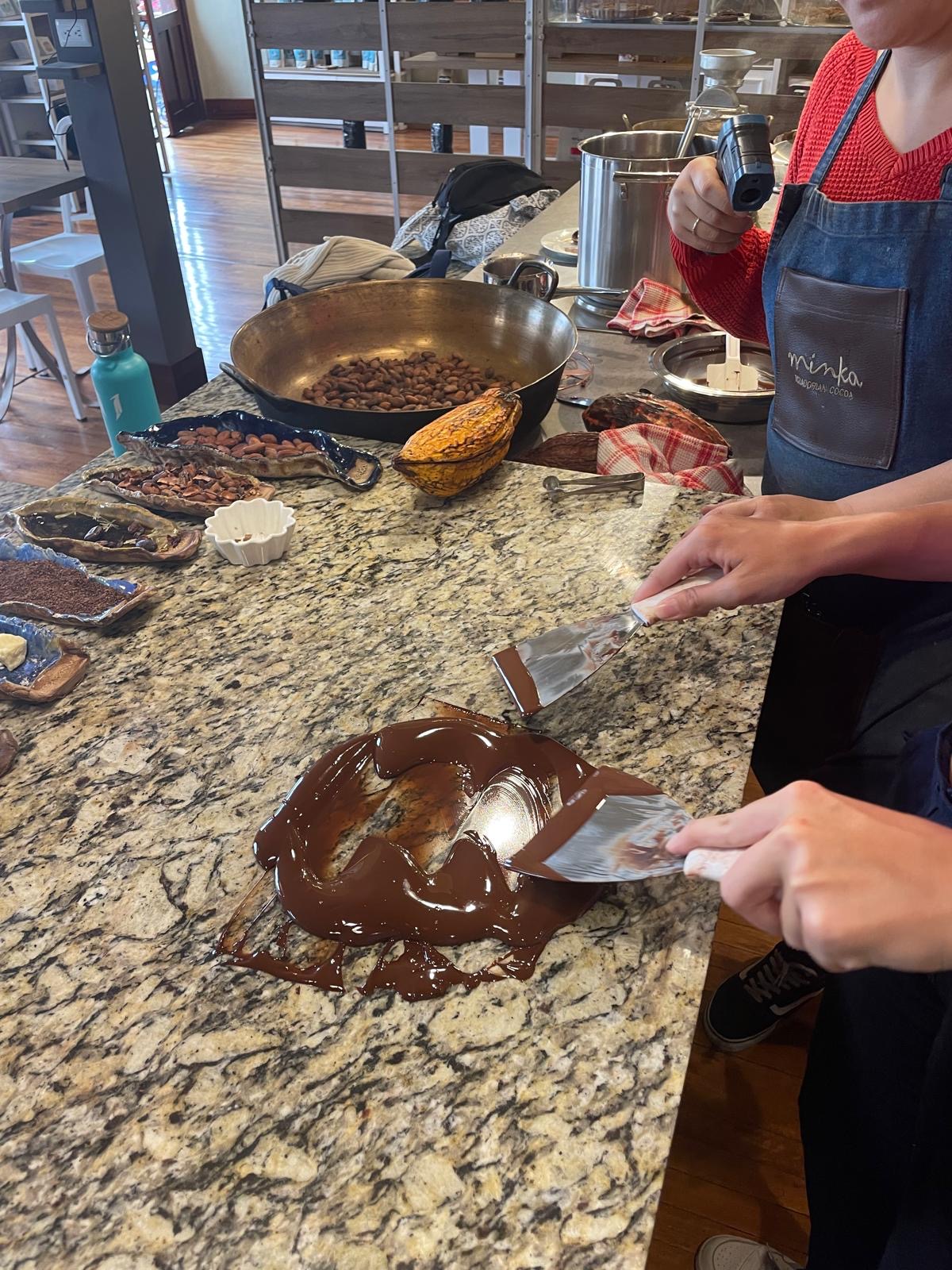
Minka Chocolate on Pinto Street in La Mariscal is where the chocolate-making experience takes place; a hands-on workshop running approximately two hours covering the full bean-to-bar process from roasting and winnowing to moulding. Cost approximately $35 to $45. Book in advance through their website.
Yumbos Cacao on Juan León Mera also offers chocolate tasting sessions for as little as $5; a more casual option if you want the experience without the full workshop. Hot chocolate at Minka Café afterwards is the natural finishing move.
The rest of the day is for decompression. The altitude readjustment from the Galápagos (sea level) back to Quito's 2,850 metres affects some travellers; take the afternoon at whatever pace feels right.
Day 11: Teleférico cable car, Otavalo or city walk
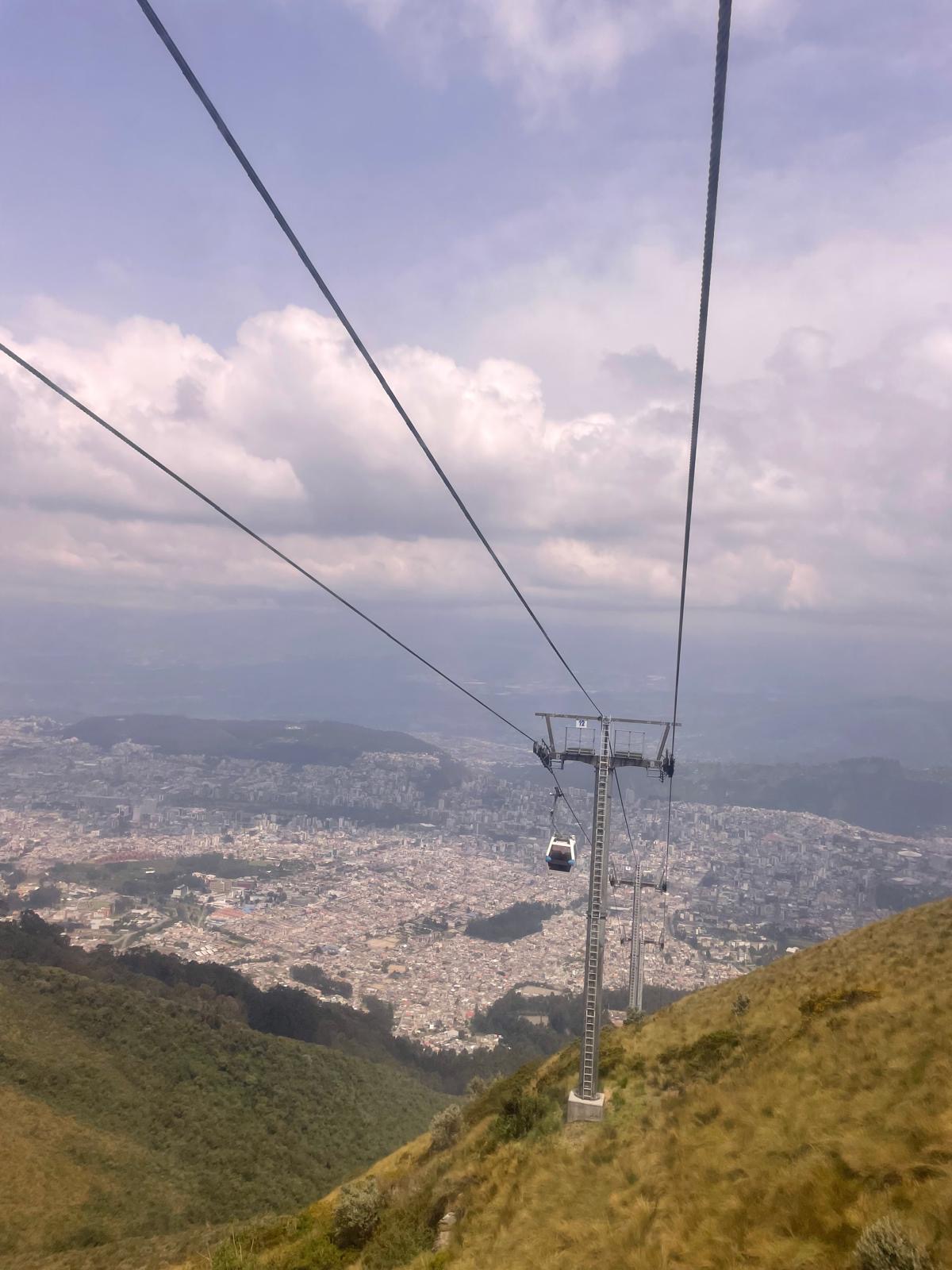
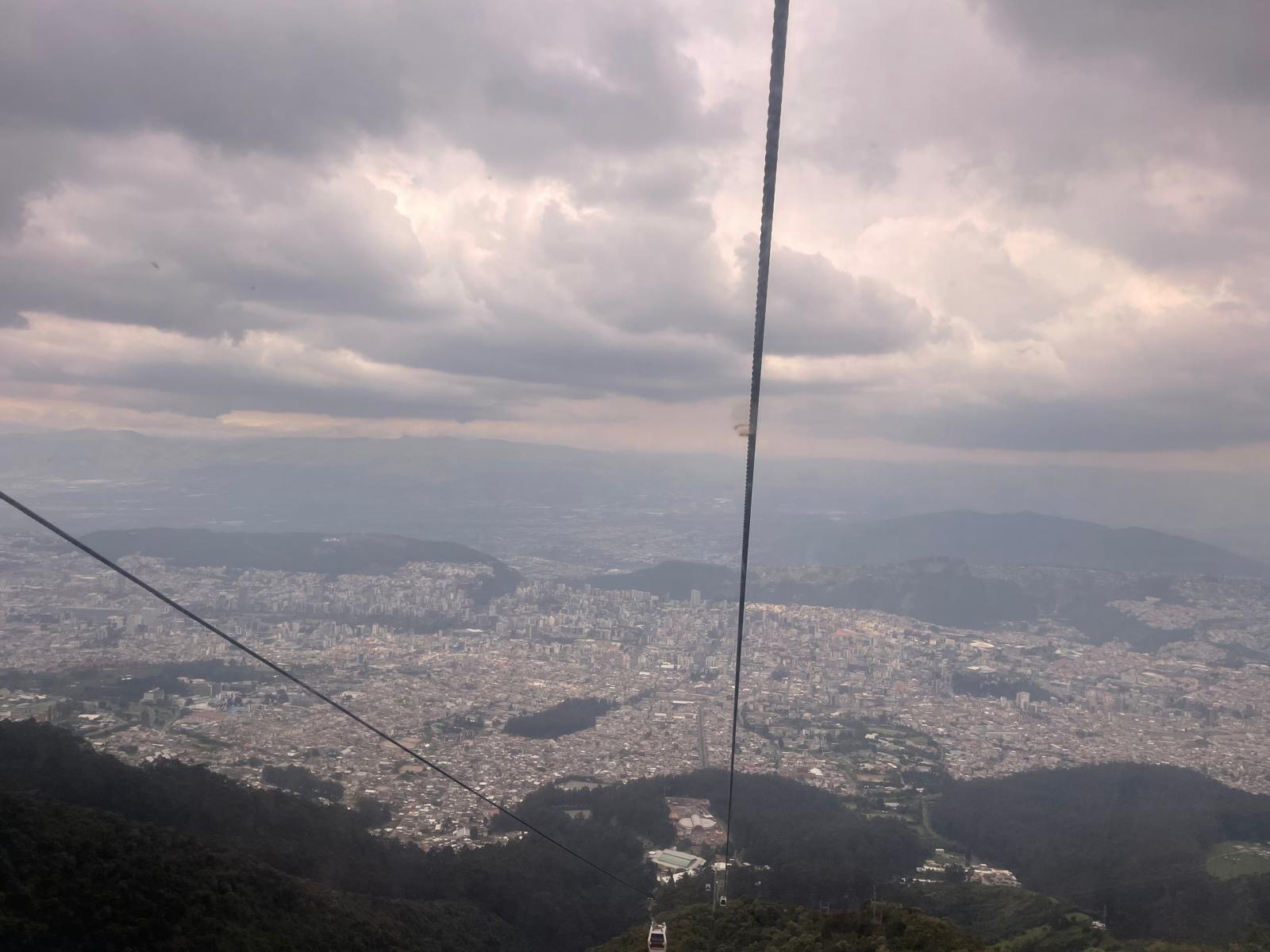
Teleférico: The cable car on Quito's western edge ascends from 2,950 metres at the lower station to 4,100 metres on the flanks of Volcán Pichincha in approximately 13 minutes. From the upper station, the city spreads east across the valley and the volcanic chain of the Andes is visible in both directions on a clear day. From here, hikers can continue on foot to the summit of Rucu Pichincha at 4,698 metres (three to four hours round trip, steep and cold, guided tours available). Do not attempt the summit without a guide and proper gear. Teleférico entry approximately $9.50 for foreign adults; the car runs from 9 am to 8 pm and is busiest on weekends.
Otavalo market: The indigenous market at Otavalo, 110 km north of Quito on the Pan-American Highway, is one of the largest traditional craft markets in South America. Saturday is the main market day; the Wednesday market is smaller but less crowded. Products include alpaca wool clothing, weavings, leather goods, woodcarvings and jewellery. The market runs all day from approximately 8 am to 3 pm. A private transfer from Quito takes about one and a half hours each way and costs roughly $50 to $80; alternatively, shared tourist shuttles run from most hostels in La Mariscal. The Secret Garden hostel has a good in-house travel agent for arranging this.
Day 12: Fly into the Amazon, canoe transfer to the lodge
Flying to the Amazon is the fastest option from Quito: TAME and Avianca operate the Quito to Coca (Francisco de Orellana Airport) route, approximately 35 minutes. Coca is the gateway city for the Yasuní National Park region, the deepest and most biodiverse Amazon access point from Quito. The alternative is the Cuyabeno Wildlife Reserve, reached by road from Quito to Lago Agrio (seven to eight hours by bus or five to six hours by private transfer) and then a two to three hour motorised canoe into the reserve.
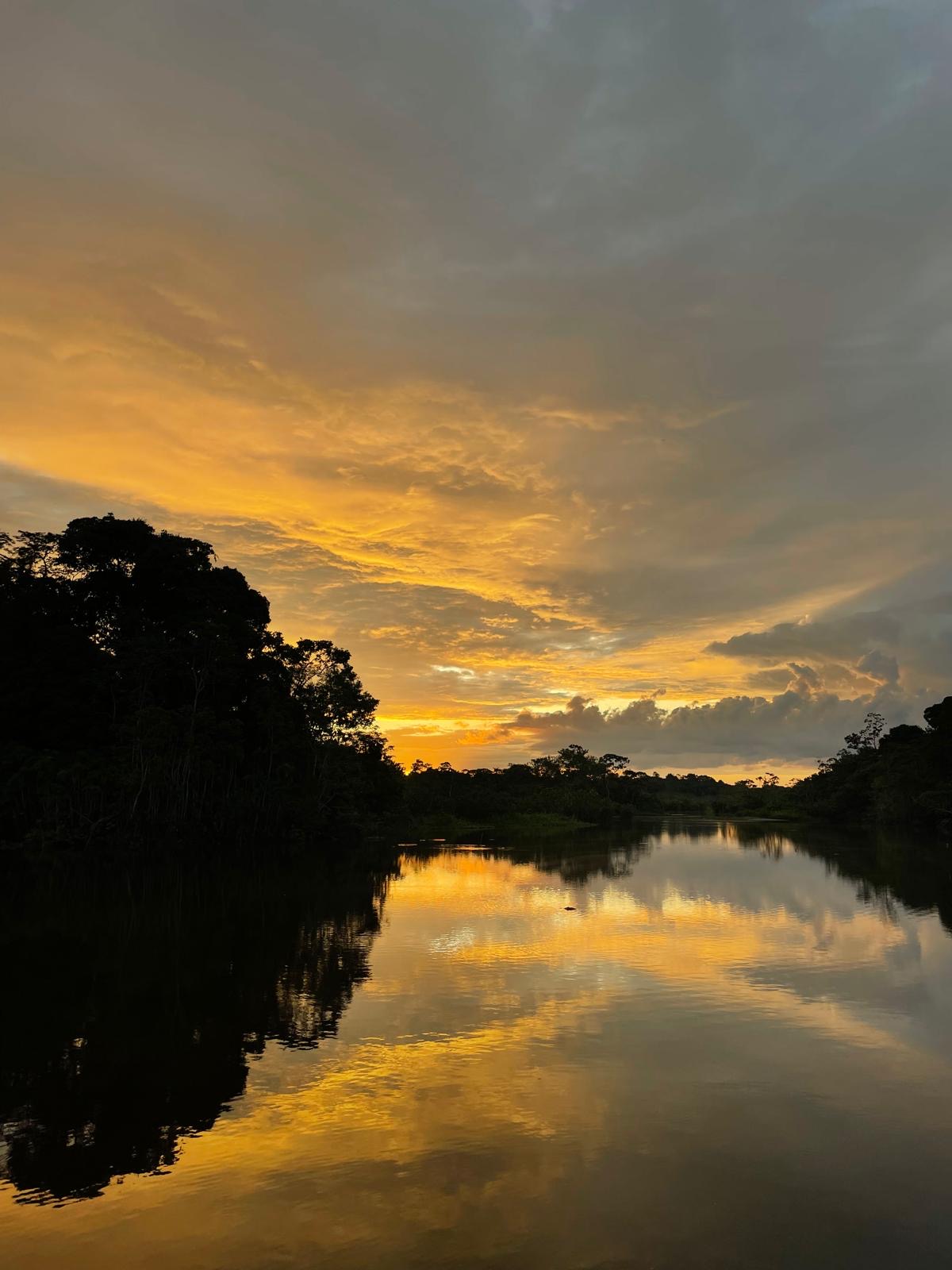
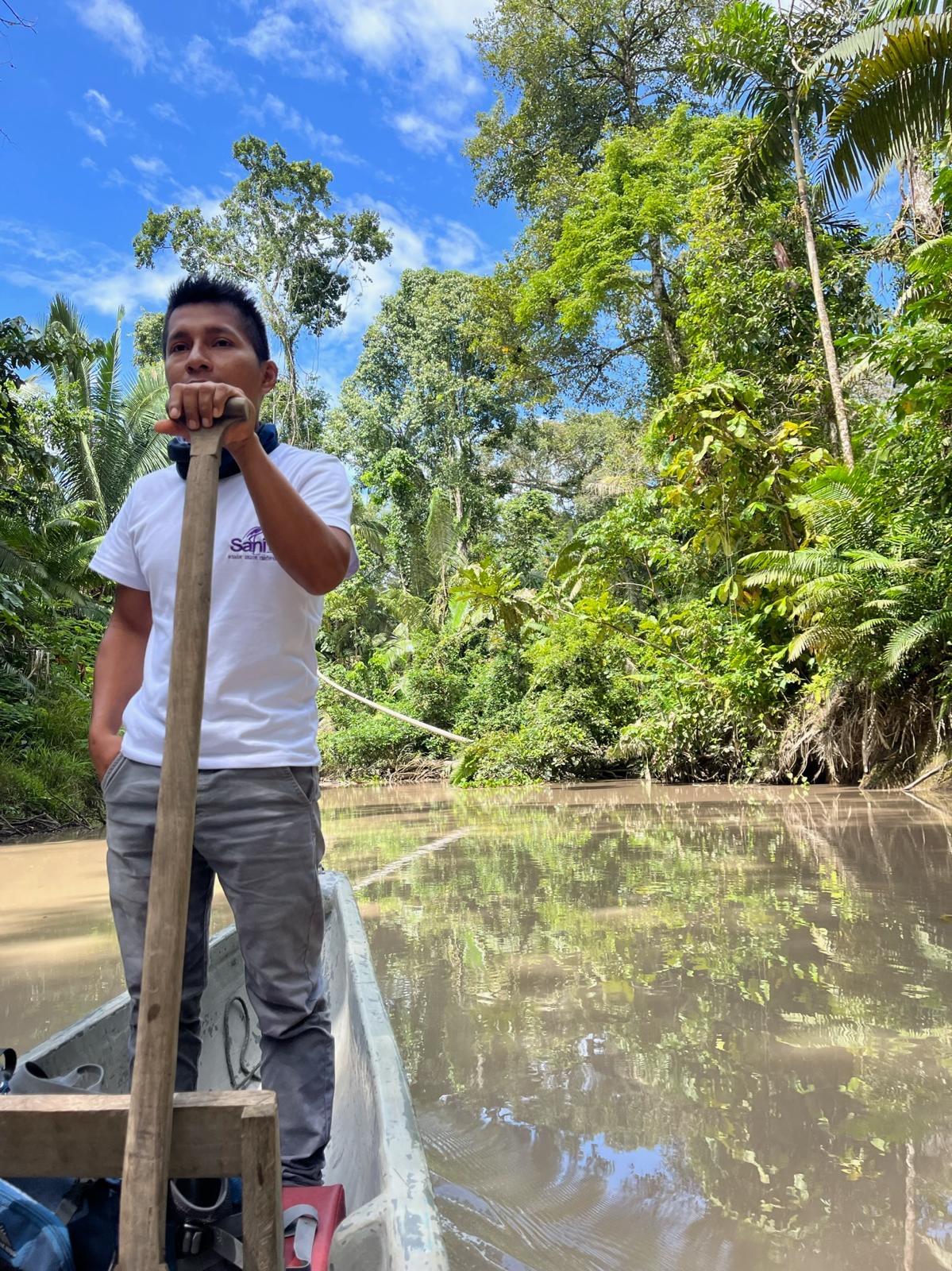
Cuyabeno is the more accessible option: the Cuyabeno Wildlife Reserve sits 320,000 hectares of flooded forest, blackwater lakes and riverine jungle in Ecuador's far northeast, bordering Colombia and Peru. The area's black water rivers get their colour from tannins leached from decomposing vegetation; the water is acidic and low in nutrients, which gives it extraordinary clarity and a distinctive mirror-like quality when still.
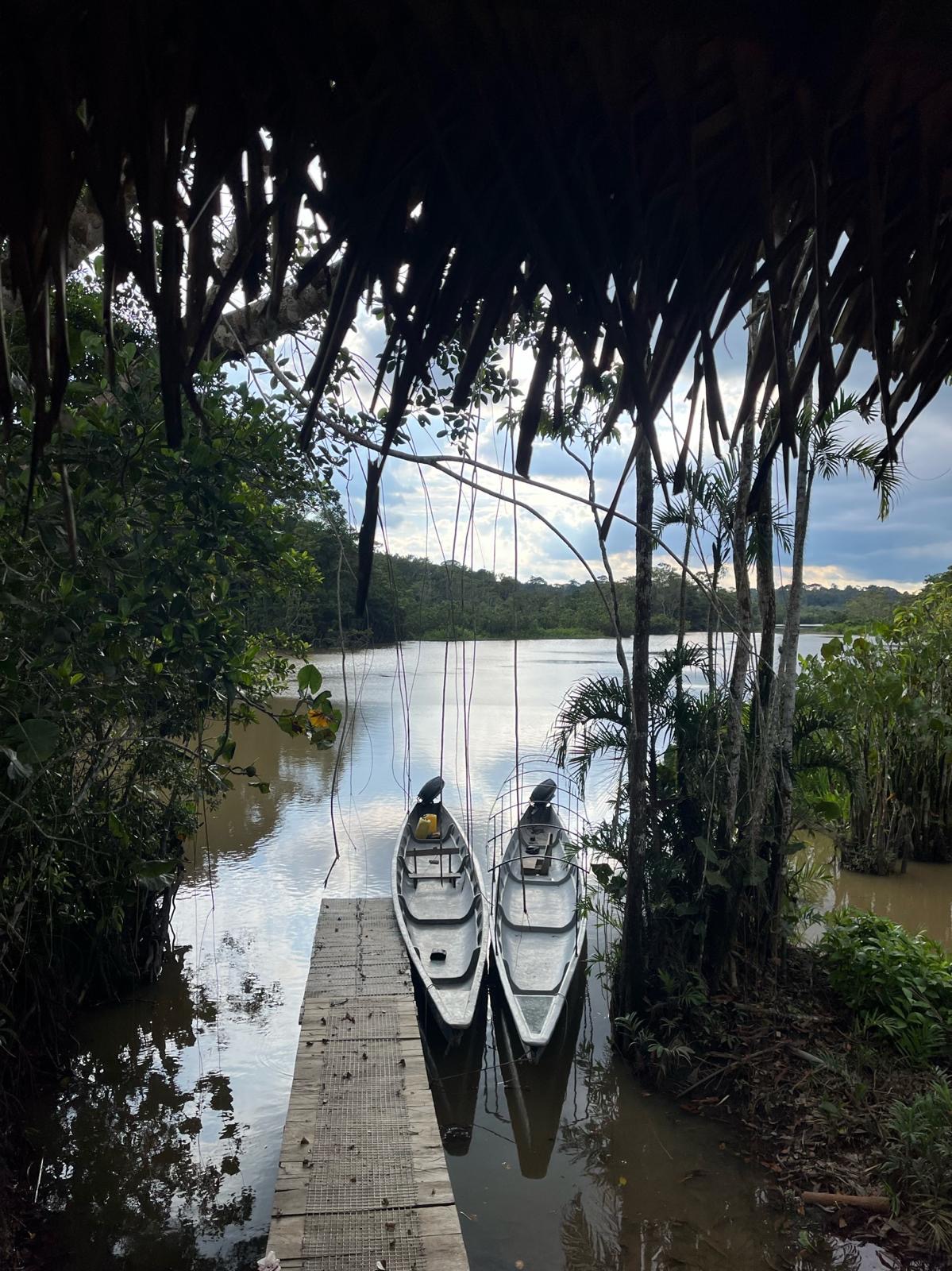
Your lodge arranges the full transfer: a bus from Lago Agrio (reached from Quito by their included transfer) to the Cuyabeno River bridge, then a motorised canoe descent of two to three hours down the Cuyabeno River to the lodge. The canoe journey is itself a wildlife experience: river dolphins, hoatzin birds and the first caiman sightings typically happen on this first descent.
Arrive at the lodge in the late afternoon, have a briefing from your guide, and take a sunset canoe from the dock before dinner.
Day 13: Canopy walks, oxbow lakes and night walk
A standard Cuyabeno day runs early morning (5:30 to 6 am bird walk), breakfast, mid-morning activity (canoe trip or forest hike), lunch, rest period through the hottest part of the day, late afternoon wildlife spotting, dinner, and a night walk or night canoe after dark. This rhythm is both the lodge's programme and the biological logic of the jungle; most animal activity is concentrated at dawn, dusk and after dark.
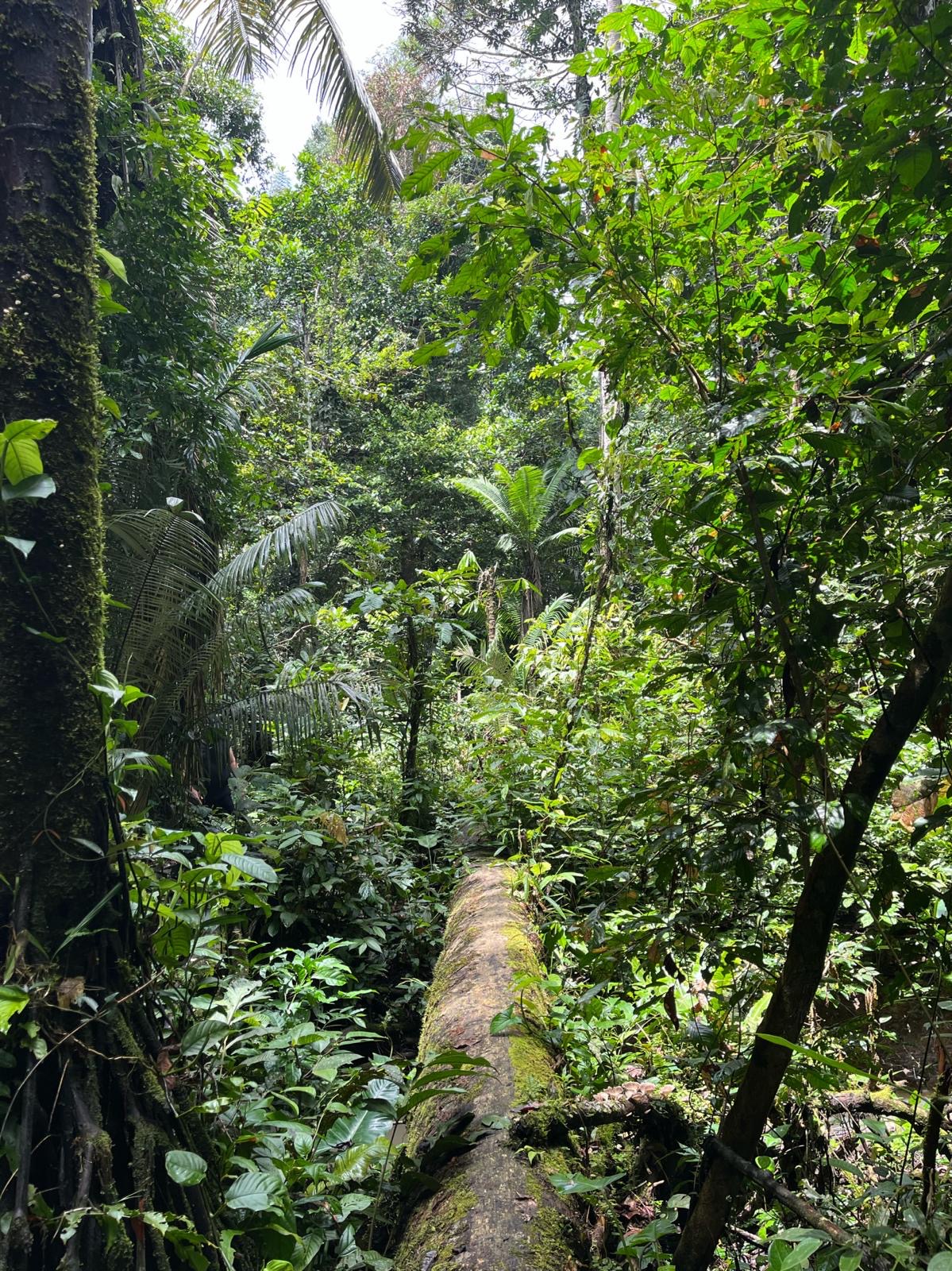
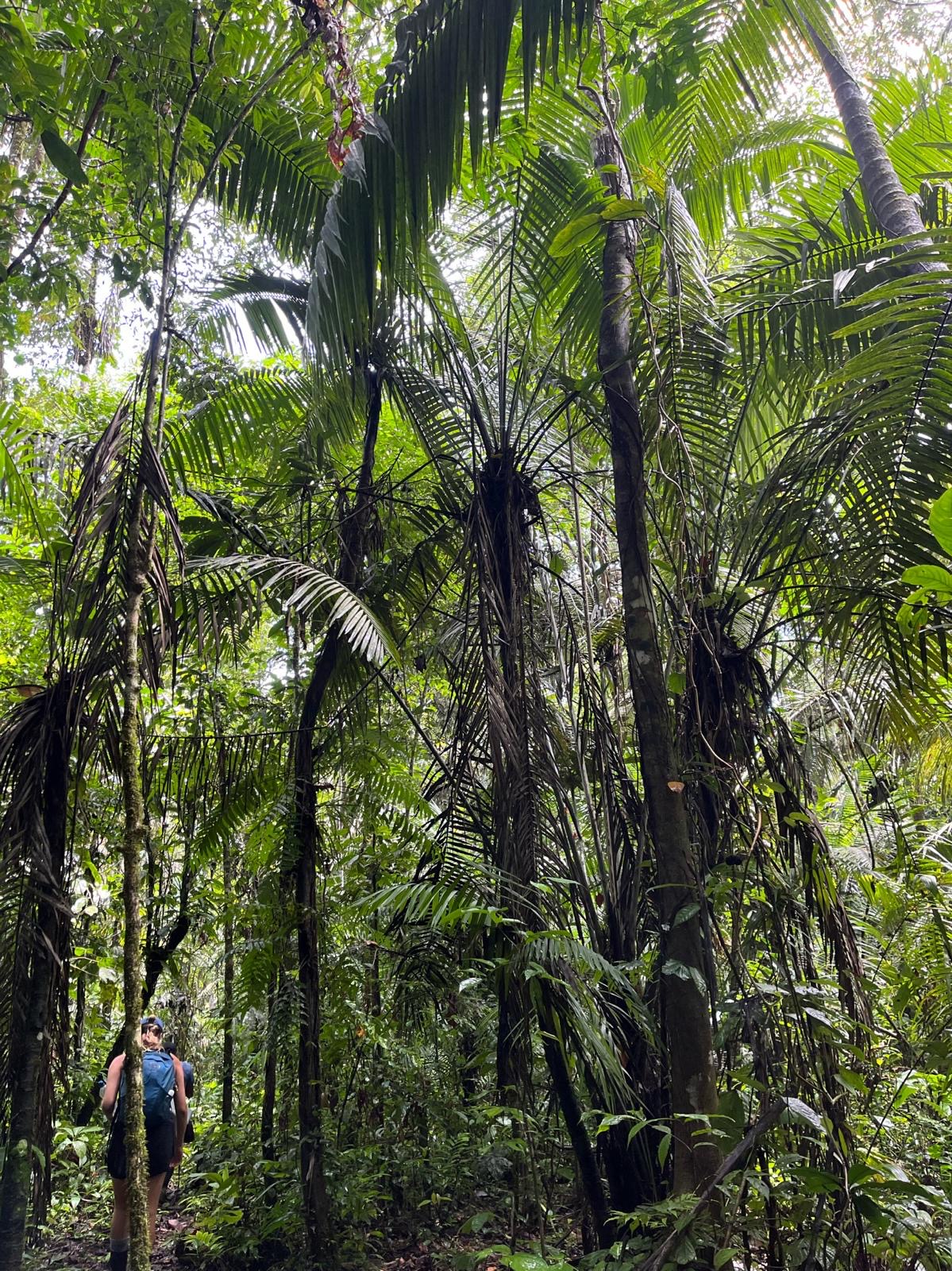
The morning walk through primary forest focuses on the canopy layer: the guide reads the jungle in the way a city guide reads a street, pointing out cecropia trees (food for sloths), heliconia flowers (food for hummingbirds), the tracks of peccaries, the roosting habits of different monkey species and the medicinal uses of specific plants. The information density is high; write things down if you want to retain any of it.
The oxbow lake excursion is done by canoe: paddling through flooded macrolobium forest where the treetops are at the same level as the boat and giant Victoria amazonica water lilies cover the open water. Species commonly encountered on this stretch include black-and-white hawk-eagles, three-toed sloths in the canopy, giant river otters hunting in the channels, and red howler monkeys announcing territory from the highest branches.
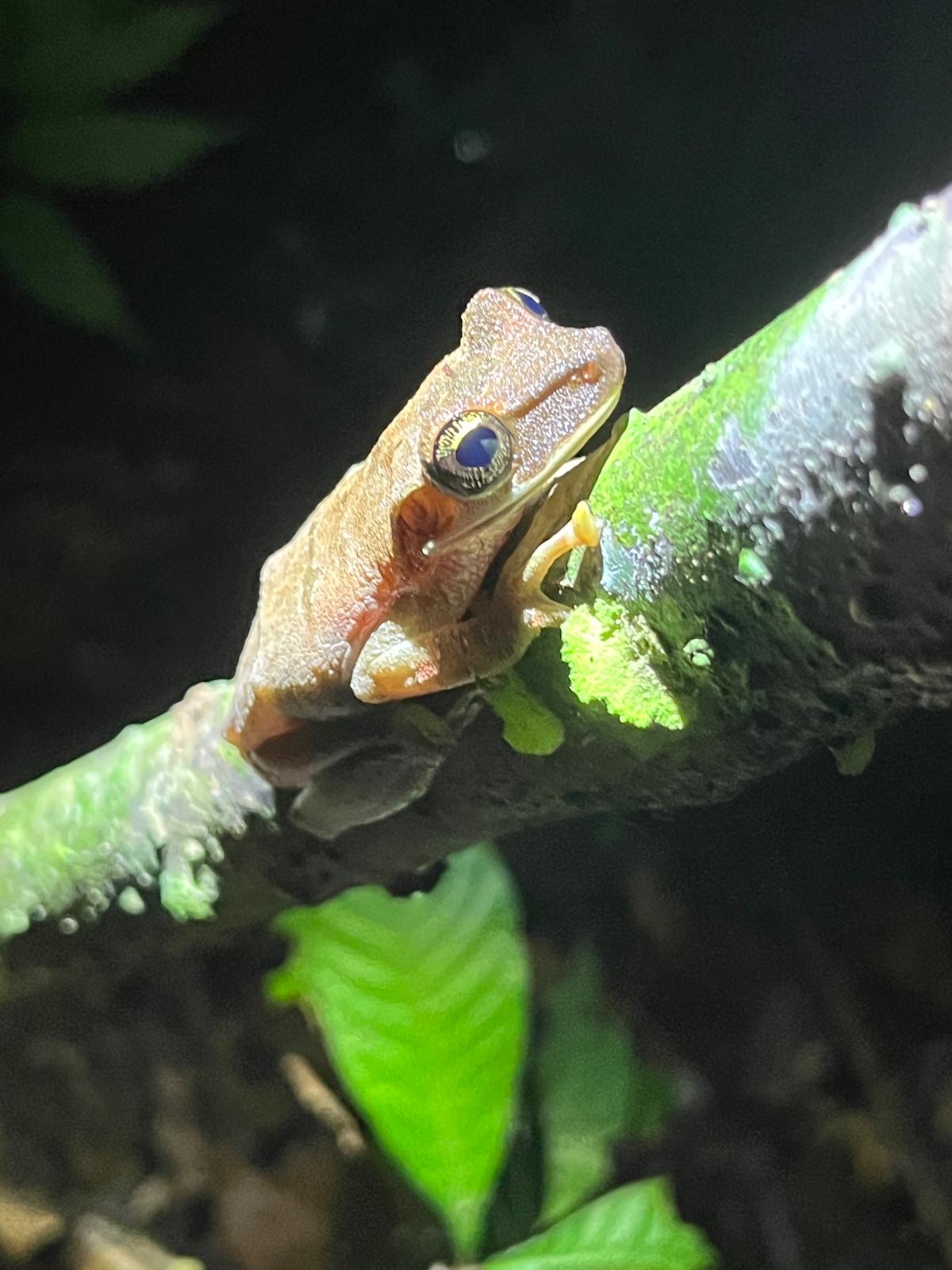
The night walk after dinner requires rubber boots (provided), a head torch and a willingness to walk slowly. Glowing eyes in the torch beam belong to caimans in the water, giant fishing spiders on the banks and an assortment of tree frogs in the understory. The guide's ability to find a two-centimetre leaf frog on a branch at night in active rainforest is genuinely extraordinary.
Day 14: Wildlife day and indigenous community visit
A full day structured around species-specific wildlife searching and a visit to one of the local indigenous communities.
The pink river dolphin (boto) inhabits the Cuyabeno blackwater system and is regularly encountered on morning canoe trips; its behaviour is different from marine dolphins, surfacing slowly and unpredictably. A wildlife morning focused on piranha fishing (using raw meat on a hand-line in the river channels; the fishing is quick and the piranhas are small, fast and genuinely sharp) typically precedes the community visit.
The Siona community, one of several indigenous groups within the Cuyabeno reserve, works with ethical ecotourism operators to host visitors. The visit covers traditional plant knowledge (the guide walks you through medicinal, food and craft plants in the community garden), a demonstration of blowgun preparation and use (the weapon, not a tourist prop; traditional hunting still happens), and an introduction to the cosmology and daily structure of Siona life. These visits vary in quality depending on the operator and the guide's relationship with the community; well-run lodges use this as genuine cultural exchange rather than performance. Ask your lodge about the nature of the community partnership before booking.
The afternoon canoe goes to the main Cuyabeno lagoon (Laguna Grande), a large blackwater lake at the centre of the reserve. At the right time of year (December to April, high water), the flooded forest extends across the lagoon edge and the diversity of birds visible from the water surface in one sitting can exceed fifty species.
Day 15: Final jungle morning, fly back to Quito
Lodges in Cuyabeno typically begin the departure day with an early final wildlife walk or canoe before breakfast, followed by the return canoe trip up the Cuyabeno River (two to three hours), a bus to Lago Agrio, and then either a domestic flight to Quito (40 minutes, operates daily) or a private transfer (six to seven hours).
The domestic flight option is significantly faster and preferable if available; book it as part of your lodge package or separately through LATAM or Avianca. The Lago Agrio to Quito road crosses the Andes and is a long and tiring alternative to the 40-minute flight.
Arrive in Quito in the early to mid-afternoon. The return from the Amazon is sensory: the altitude, the dryness, the city noise and the cold immediately register after four days at sea level in dense humidity. Take a long shower and eat a large meal.
Day 16: Casa del Alabado, La Floresta and last exploration
Casa del Alabado (if not visited on Day 2) is the morning. The afternoon walk through La Floresta, Quito's most interesting non-tourist neighbourhood, covers independent restaurants, design studios, bookshops and the kind of daily urban life that the tourist circuit misses entirely. La Floresta runs east of the Mariscal Sucre park; the ten blocks between Avenue 6 de Diciembre and the park edge are the most interesting. Mercado La Floresta has local food stalls and a good juice bar.
The TelefériQo lower station area has a market and craft stalls worth browsing for last-minute buying; more authentic than the airport equivalent and cheaper.
Day 17: Final rest day and last meals
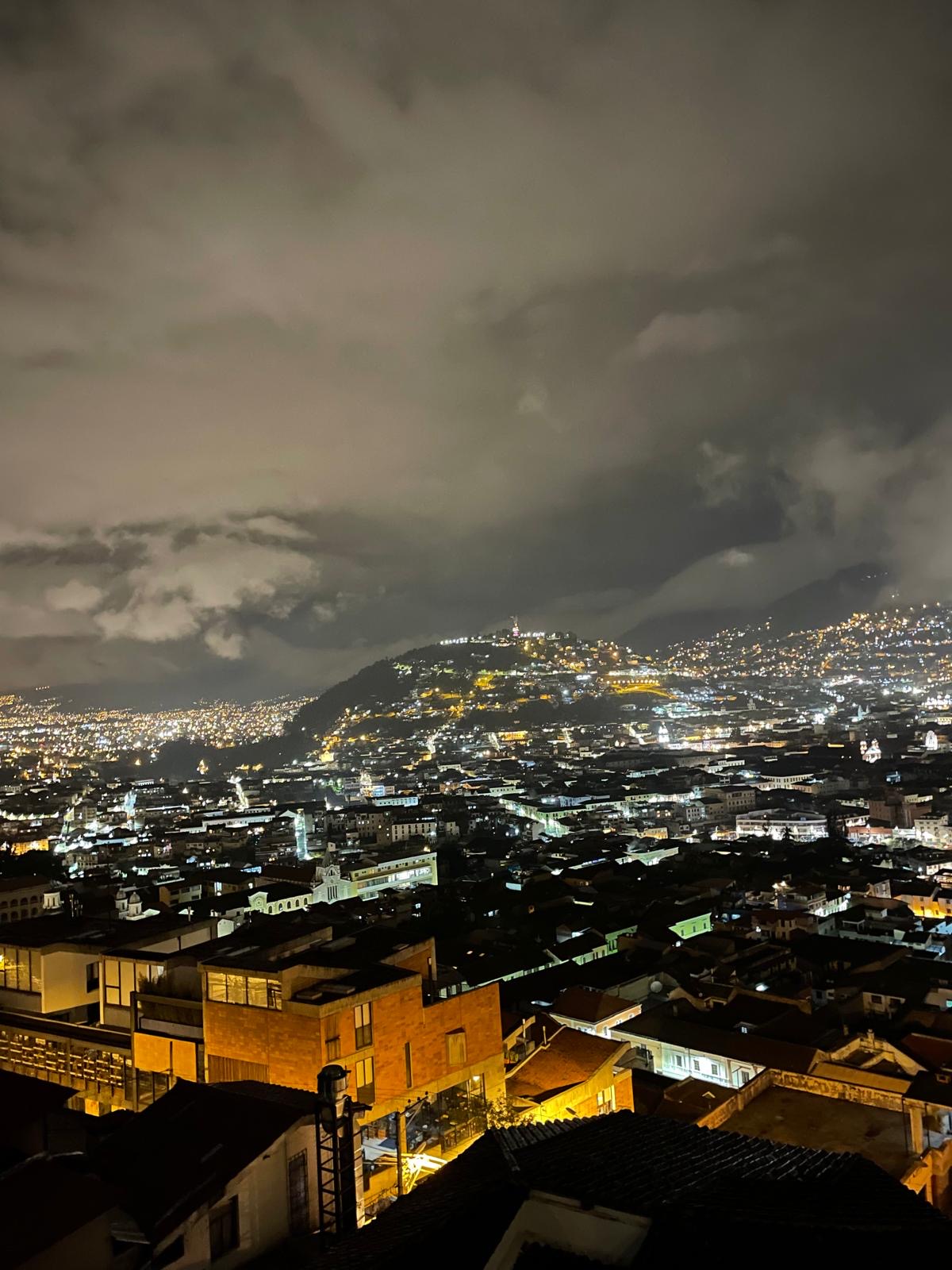
Use the morning for anything not yet done: the Museo Nacional del Ecuador (pre-Columbian gold collection, free), the viewpoint at El Panecillo (the hill with the winged Virgin above the Old Town, good views, take a taxi rather than walking due to petty theft on the path), or simply a long breakfast in La Mariscal followed by the city at your own pace.
Final meals to not miss: ceviche de camarón (shrimp ceviche, very different from Peruvian in that it is warm and sauce-heavy), seco de pollo (braised chicken in a beer and tomato sauce with yellow rice), and llapingachos (fried potato and cheese patties with peanut sauce). Casa Warmi on 9 de Octubre handles the full range.
Day 18: Departure
Mariscal Sucre Airport is 45 minutes from the city centre by taxi in normal traffic. International departures require being at the airport three hours before flight time for long-haul. Allow extra time for early morning flights; Quito traffic from the New Town to the airport before 7 am is usually manageable but unpredictable in the peak of school term.
.png)