Day 3: Fly to Aswan, afternoon sites
Morning flight from Cairo to Aswan (ASW), approximately 1 hour 10 minutes on EgyptAir. Multiple daily departures; book the earliest flight available to maximise the afternoon. Collect luggage, transfer to your hotel.
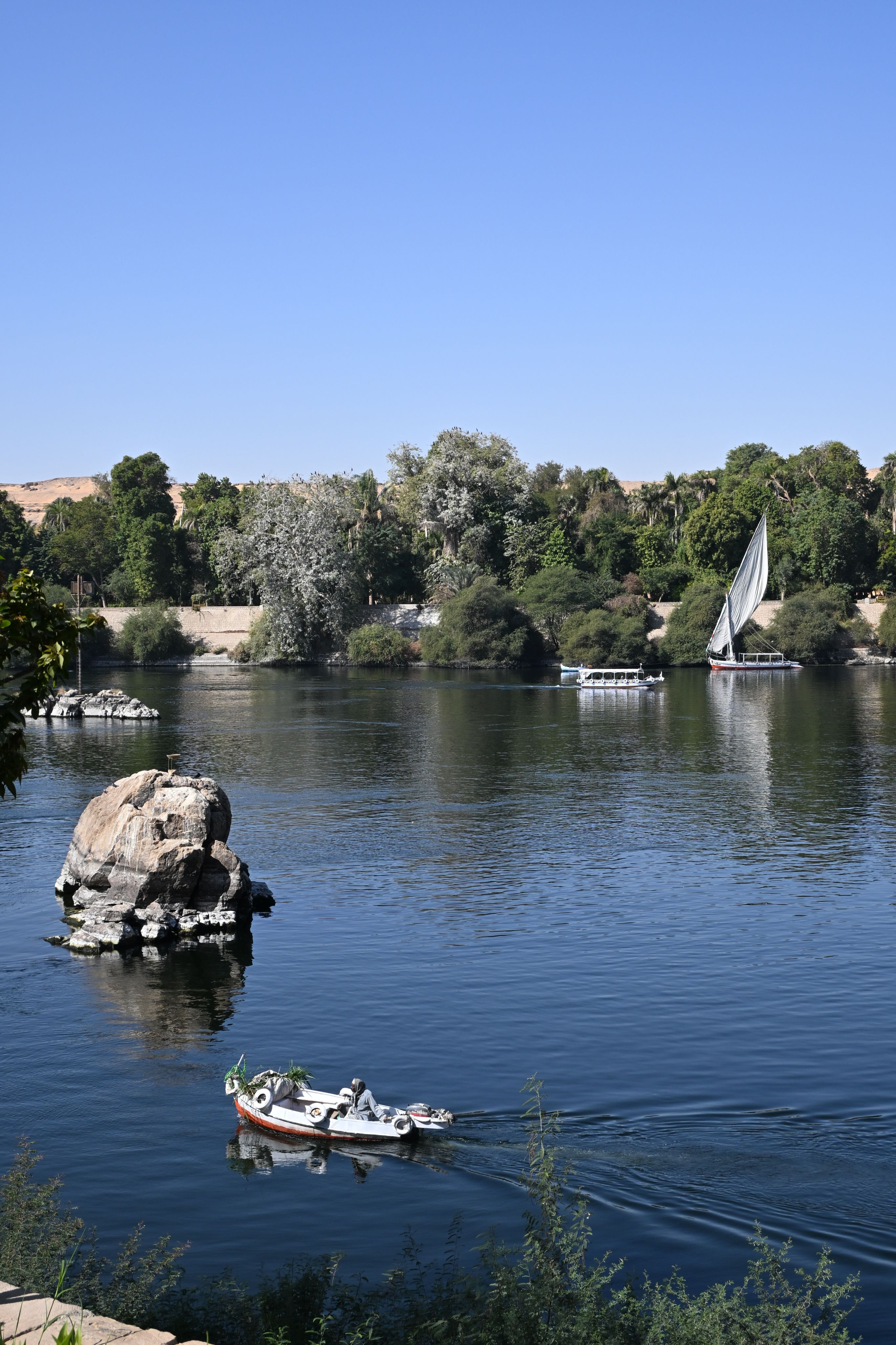
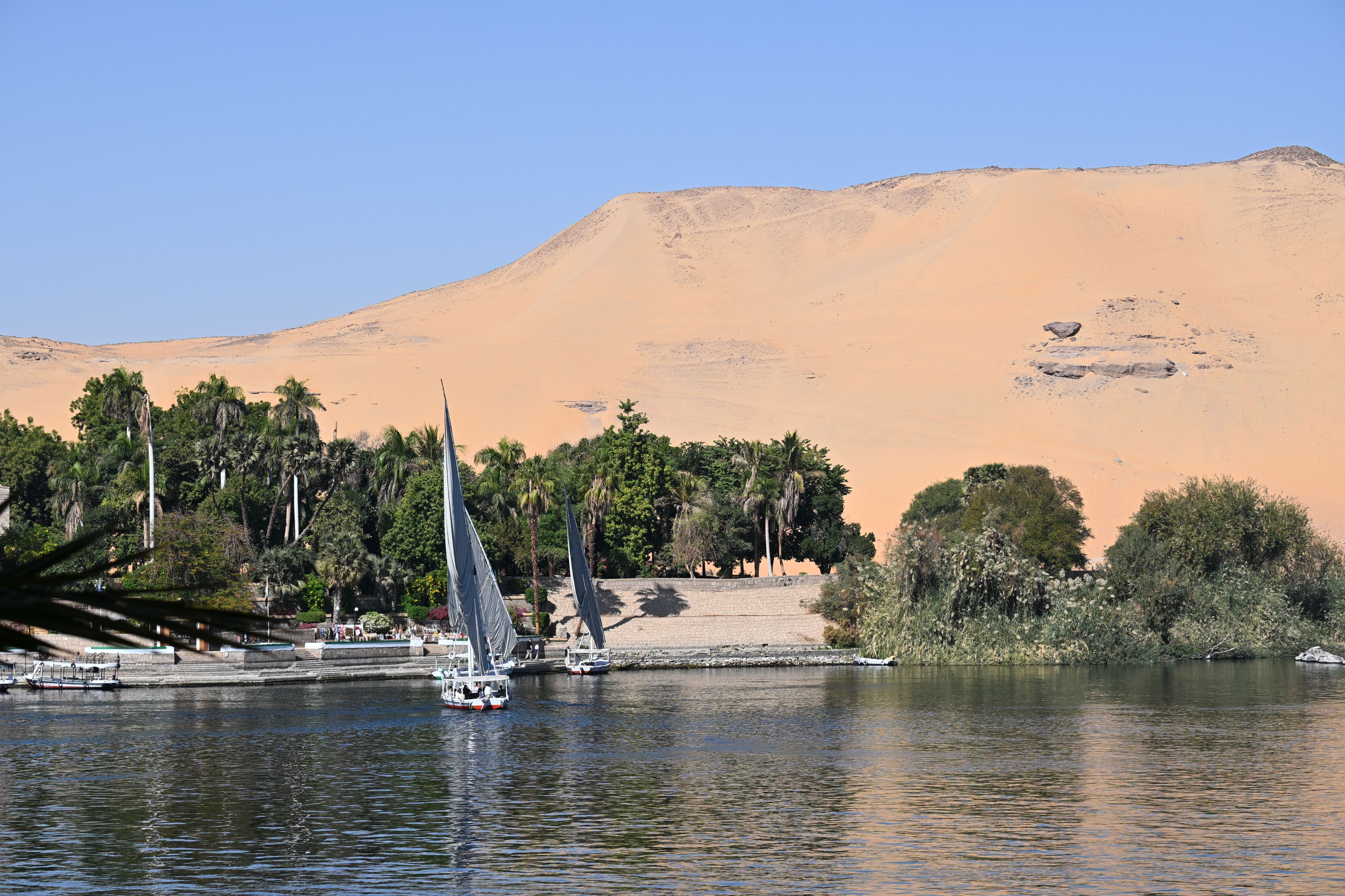
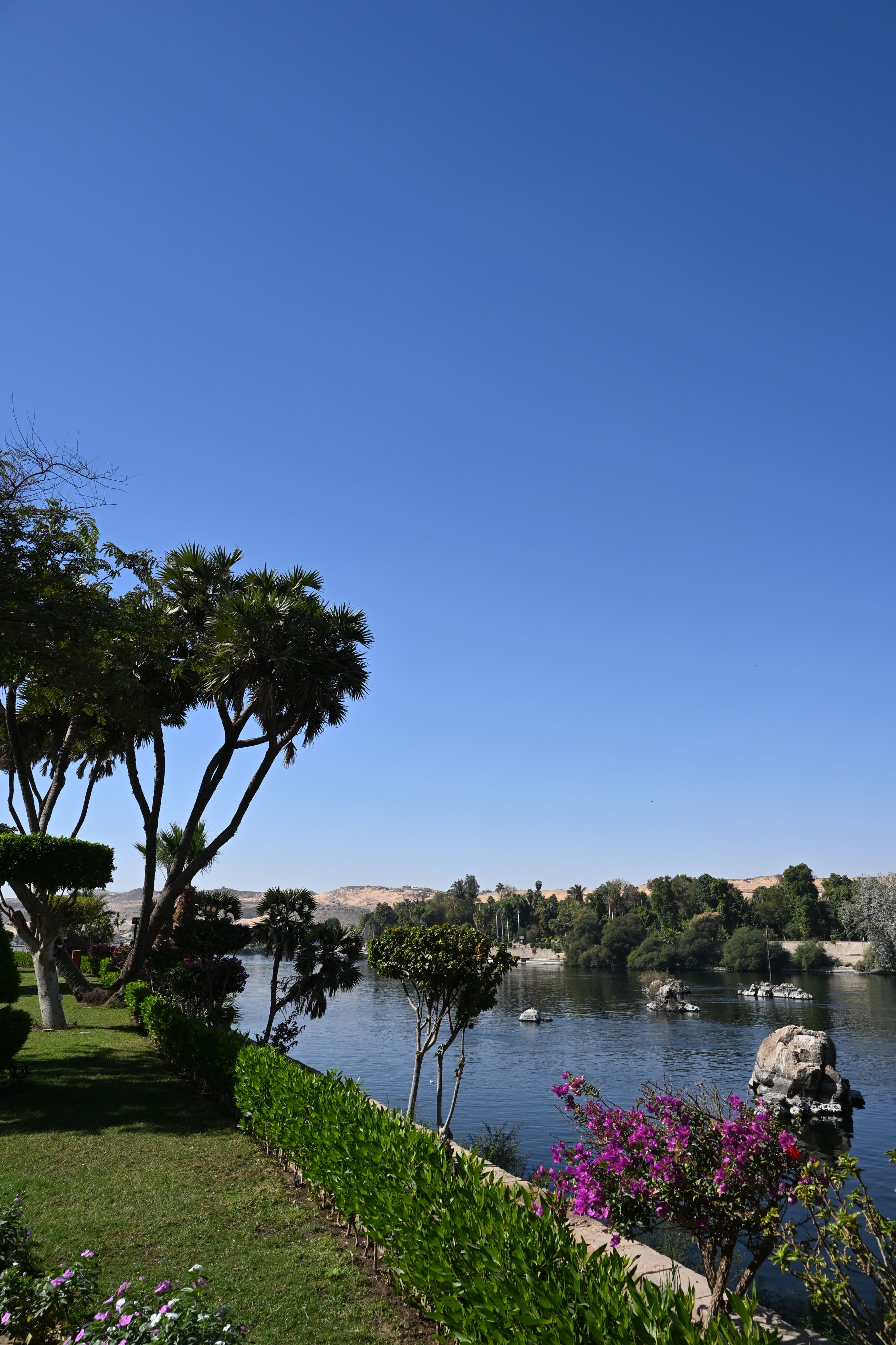
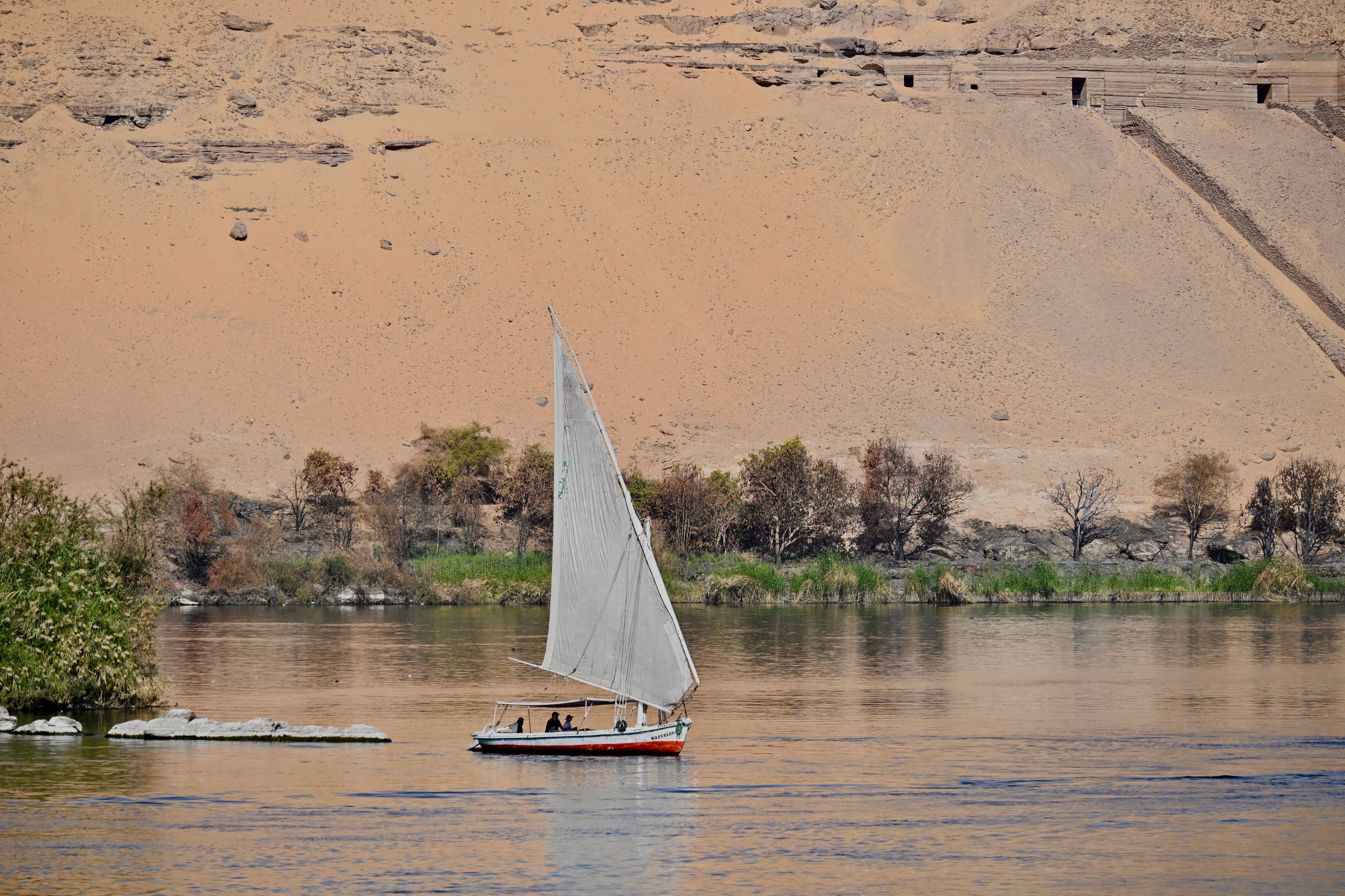
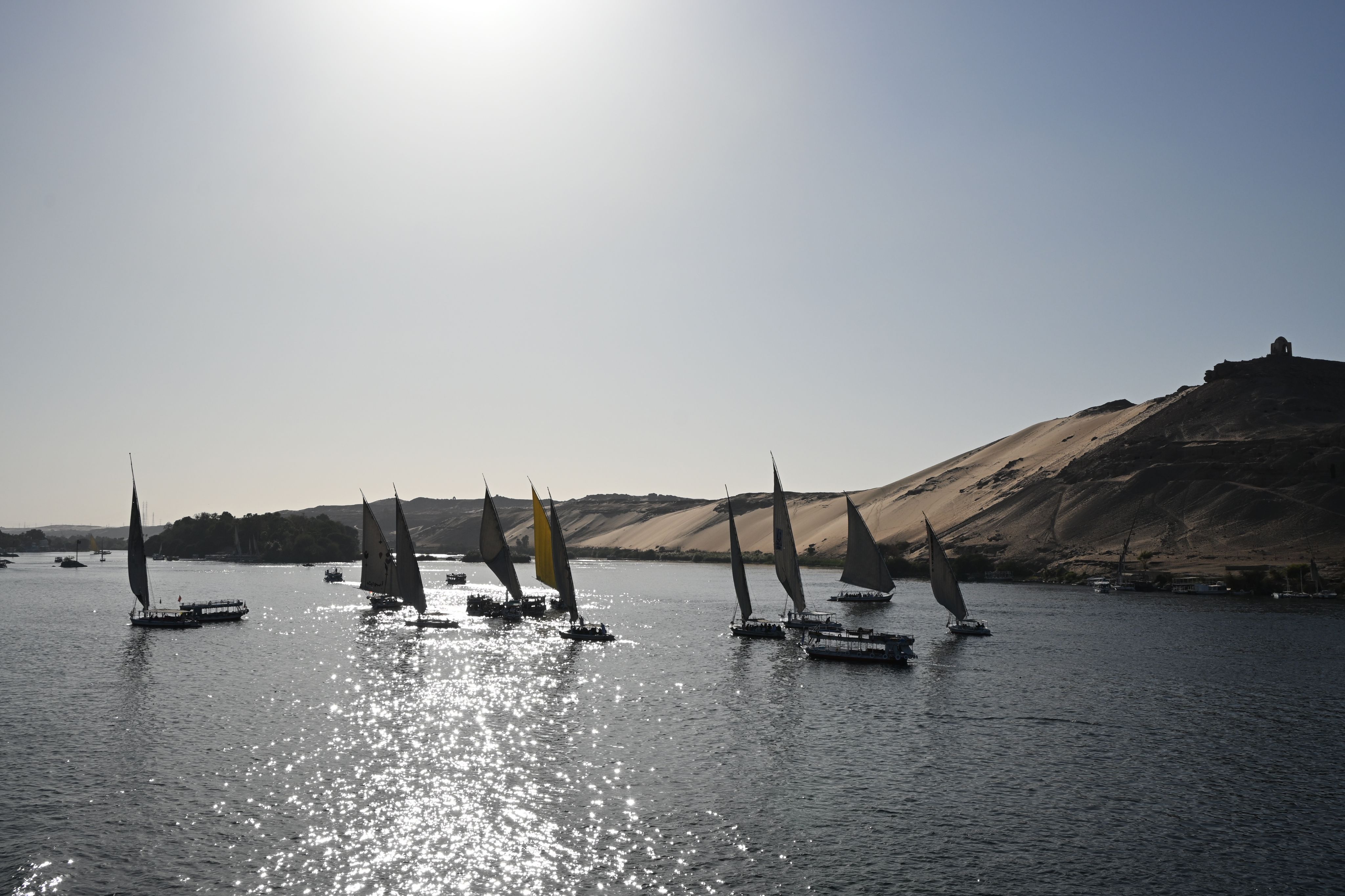
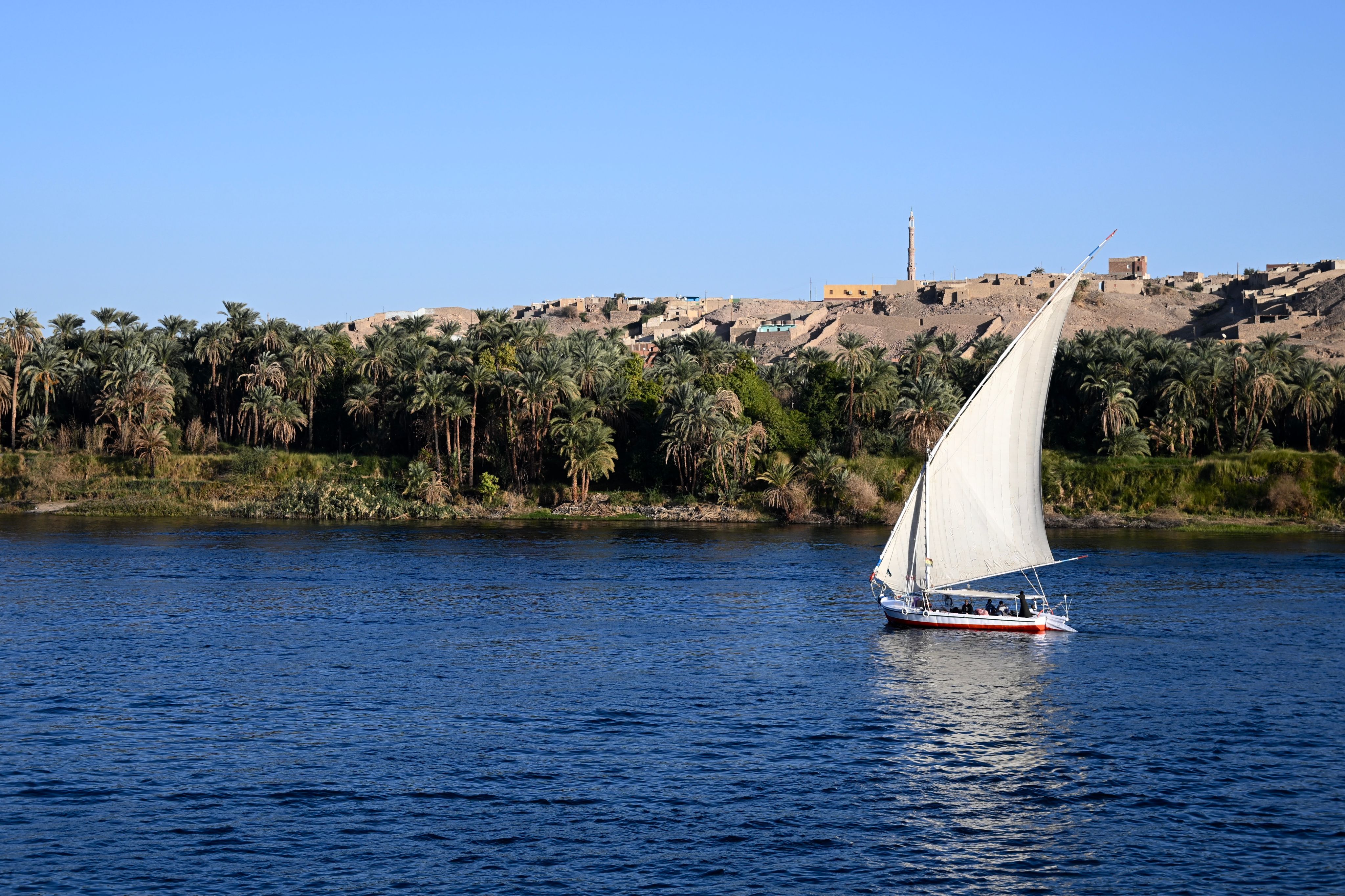
Aswan is a completely different register from Cairo: quieter, smaller, more Nubian in character, with the granite outcrops of the First Nile Cataract visible in the river and feluccas moving between the islands. The city sits at a natural boundary between Egypt proper and the ancient Nubian territory to the south; that distinction is visible in the food, the faces, the music and the architecture.
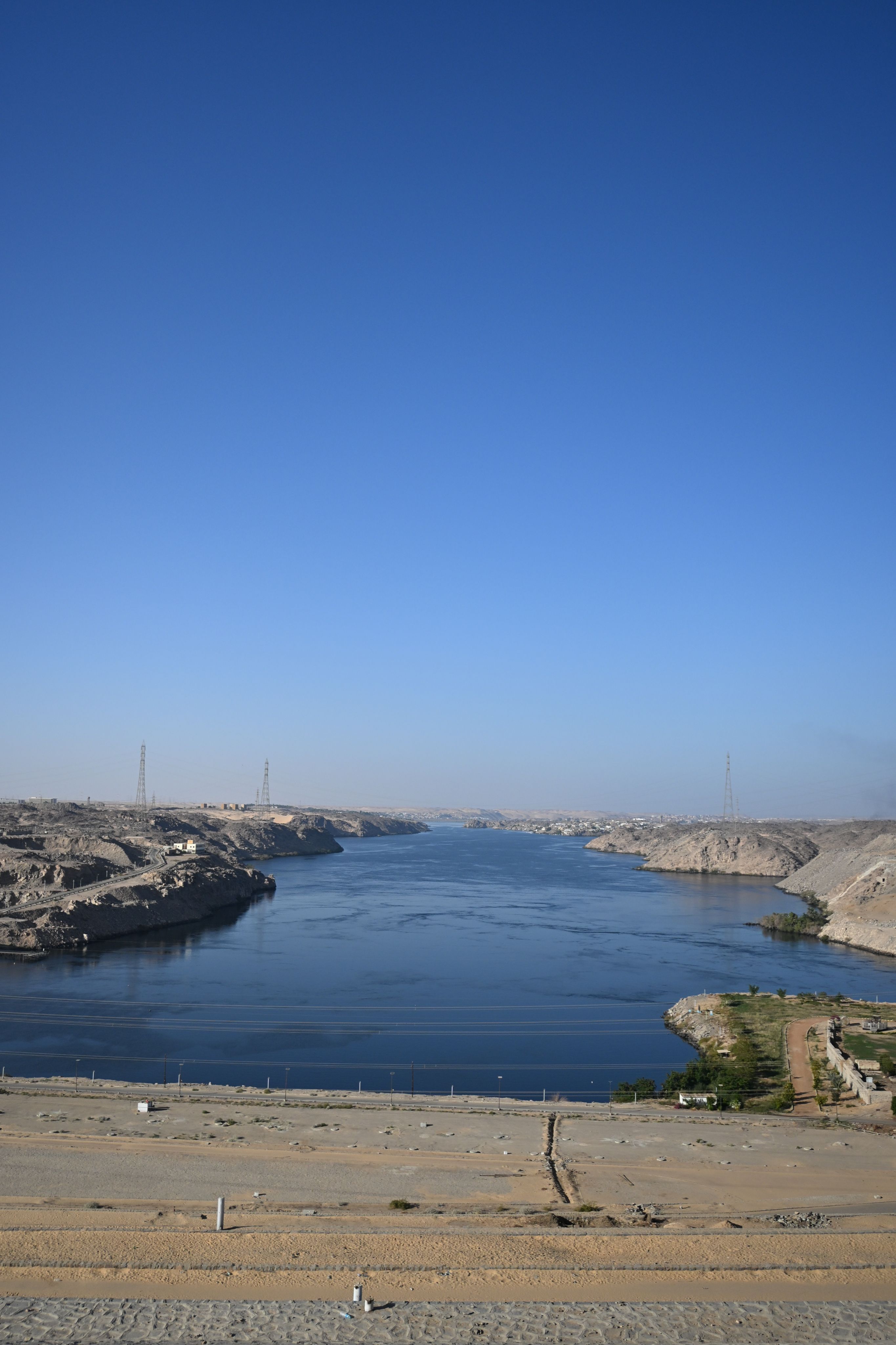
Aswan High Dam: The dam constructed between 1960 and 1971 with Soviet engineering assistance, creating Lake Nasser, the world's largest artificial reservoir at 5,250 square kilometres. The dam ended the annual Nile flood cycle that had regulated Egyptian agriculture for five millennia, a genuinely epochal change. The dam itself is visited from the western bank; the viewing platform gives the full scale of the structure and the lake behind it.
Unfinished Obelisk: In the granite quarries north of the town centre, an obelisk that would have been the largest ever cut was abandoned when a crack appeared in the stone. It lies in the quarry at 41.75 metres, still attached to the bedrock on one side. The quarry marks are still visible in the surrounding rock. It is the most direct window into the actual mechanics of Egyptian stone working available anywhere in Egypt.
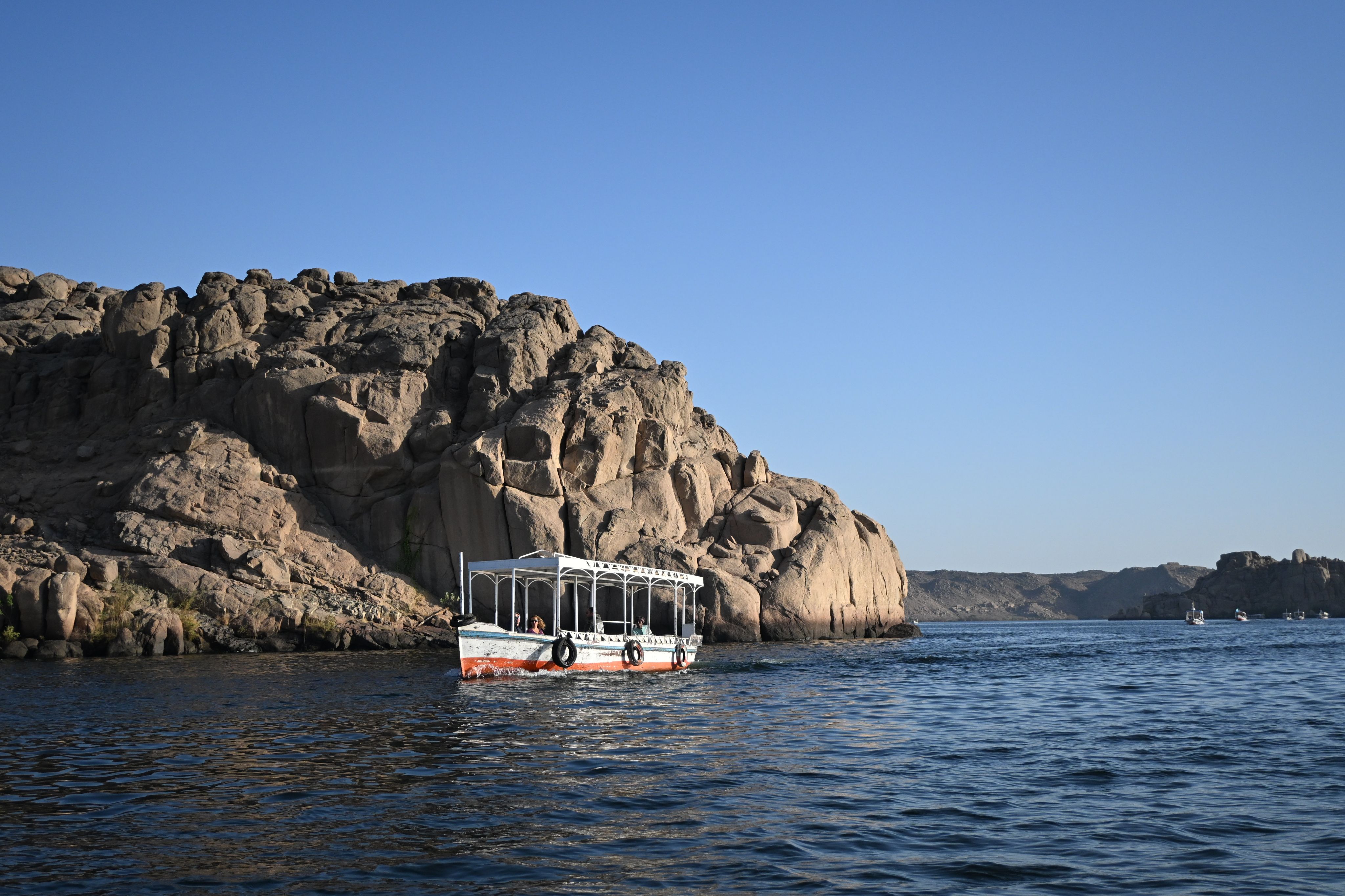
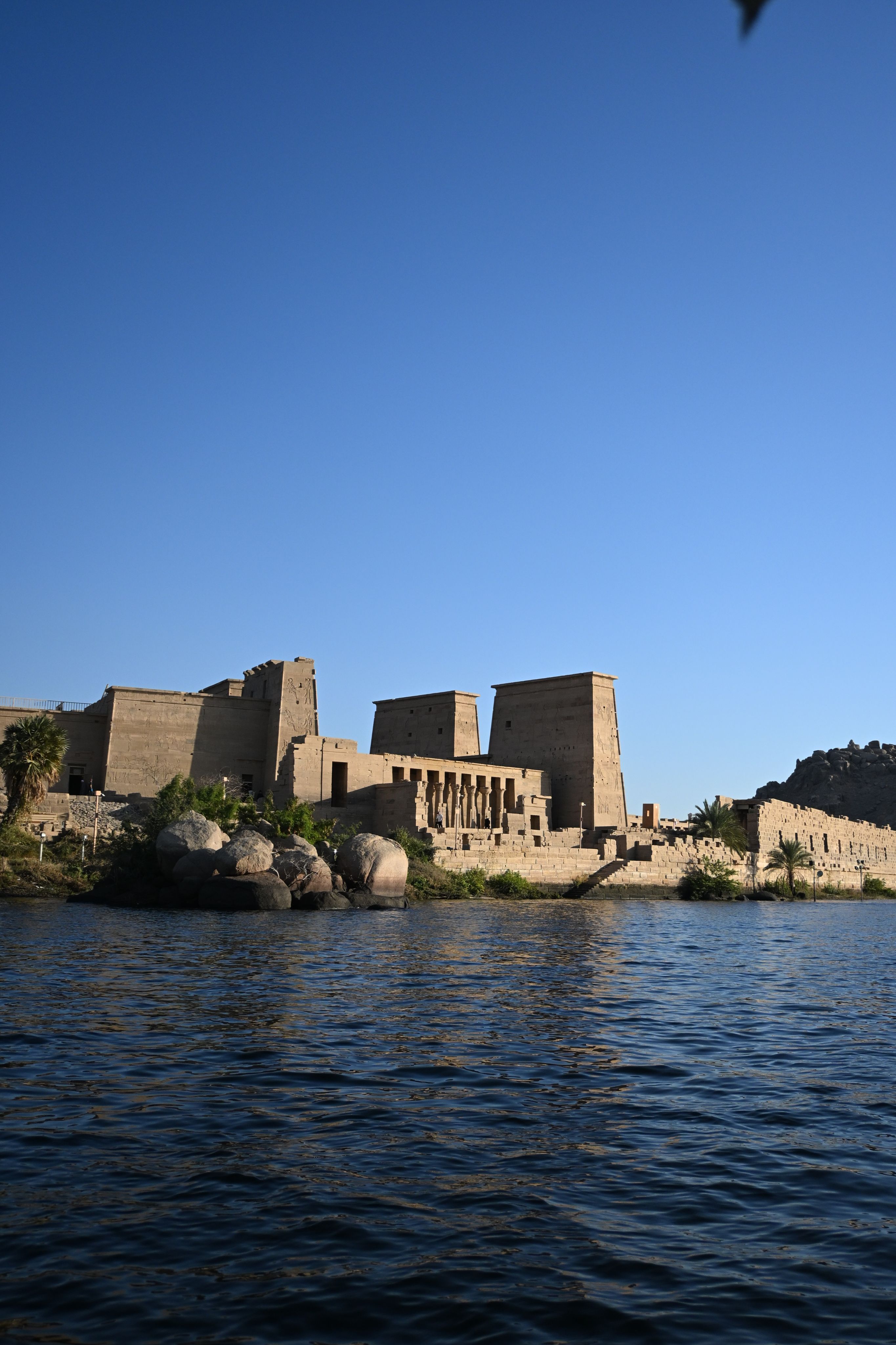
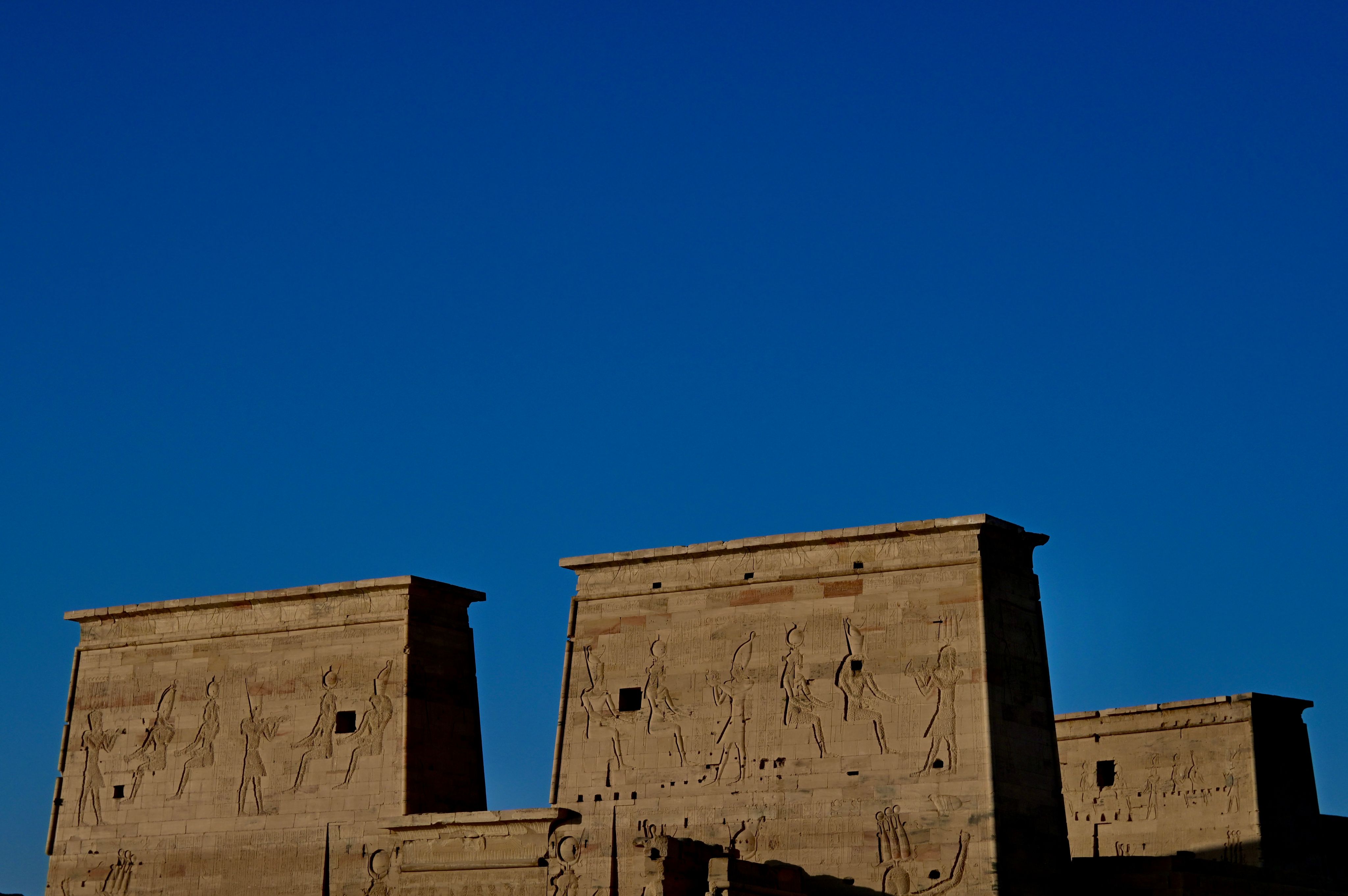
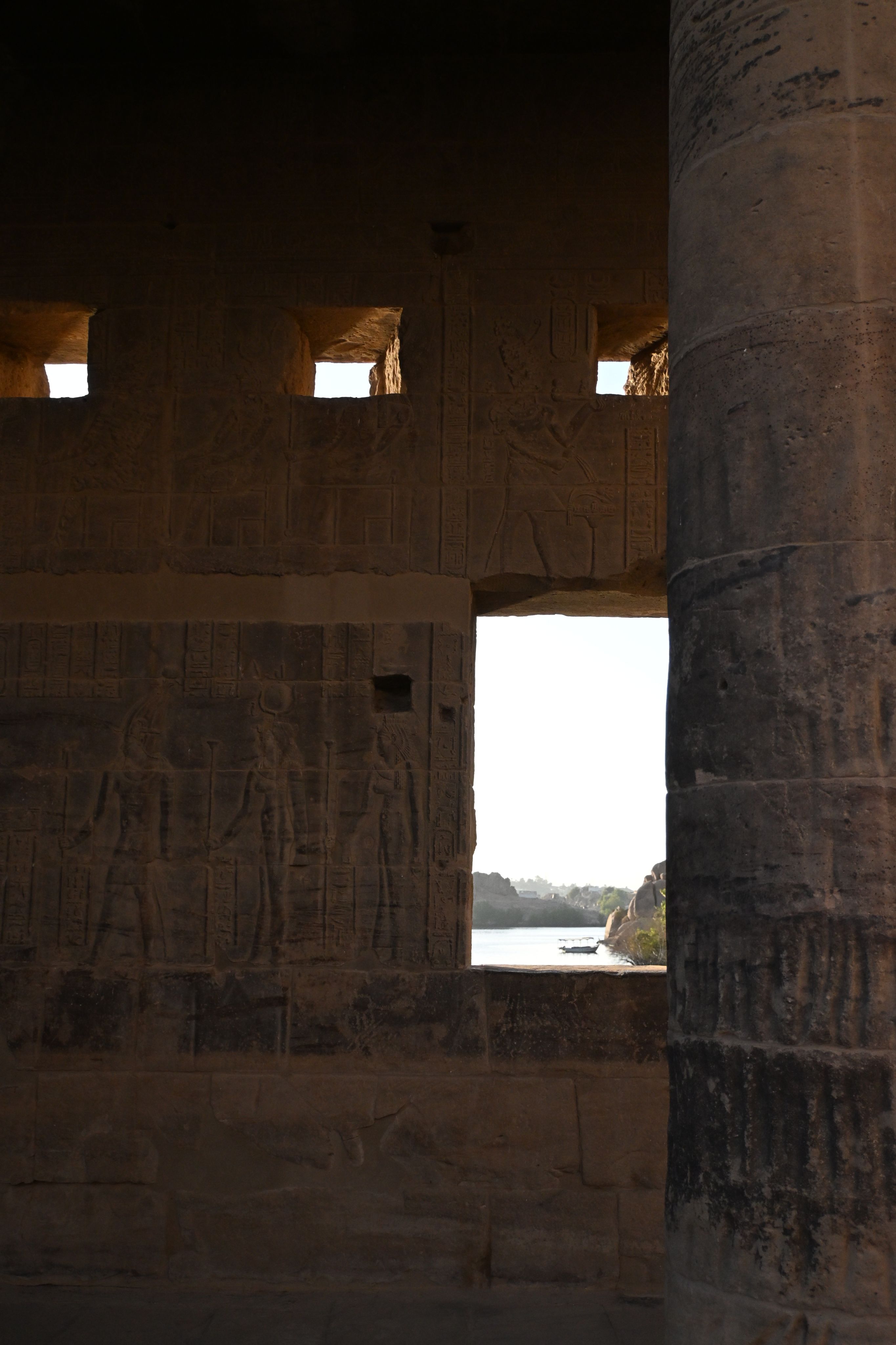
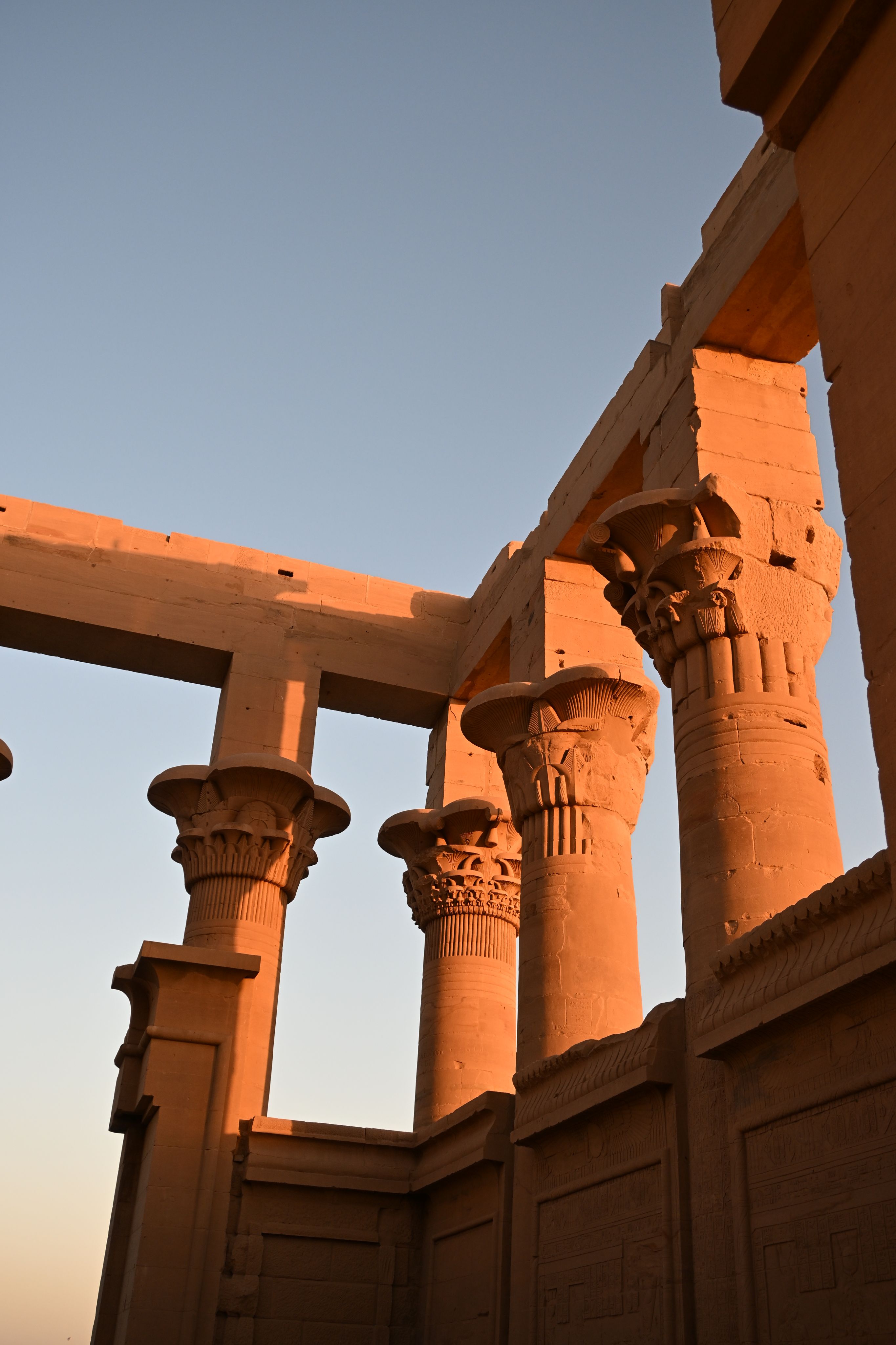
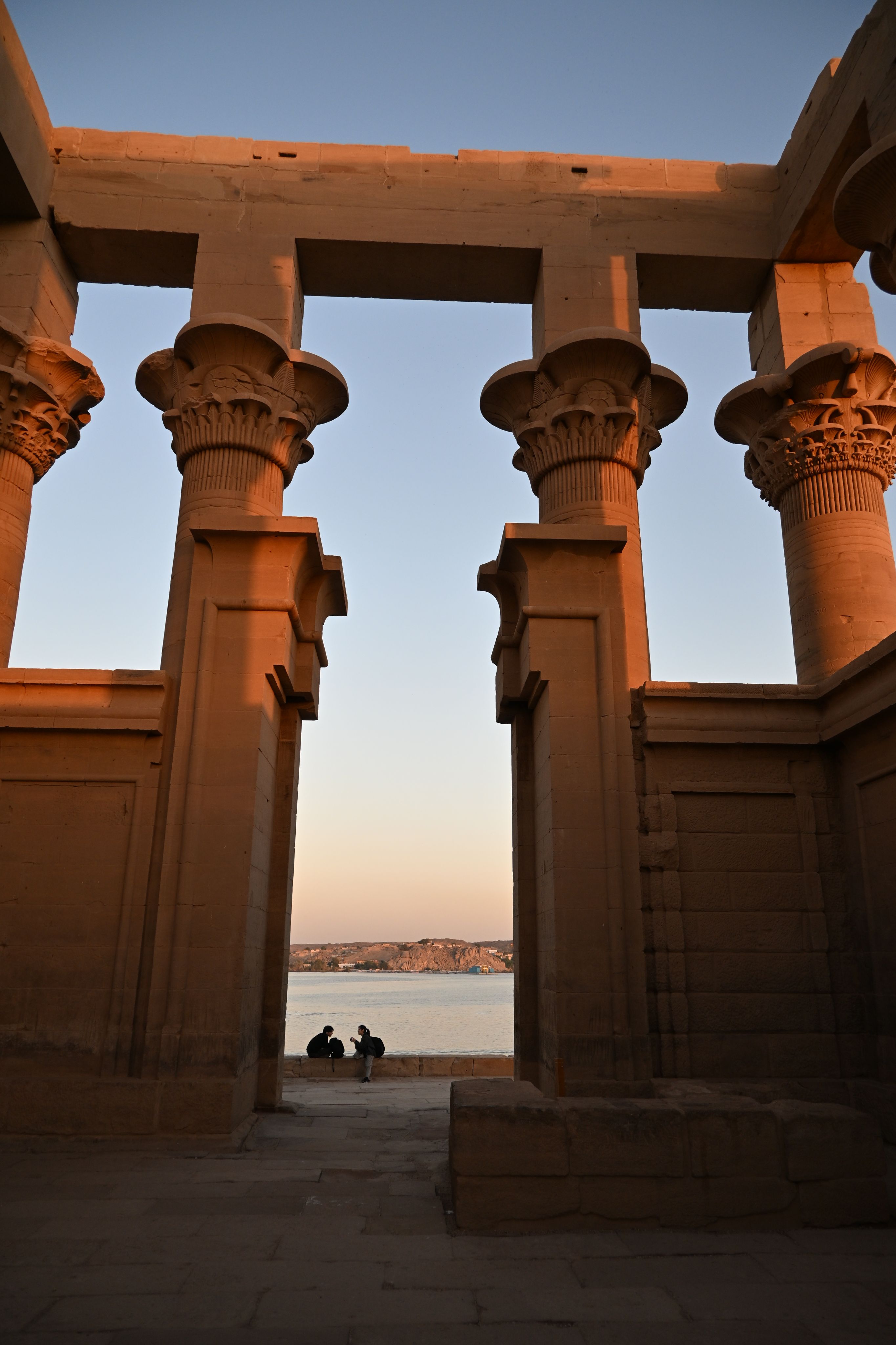
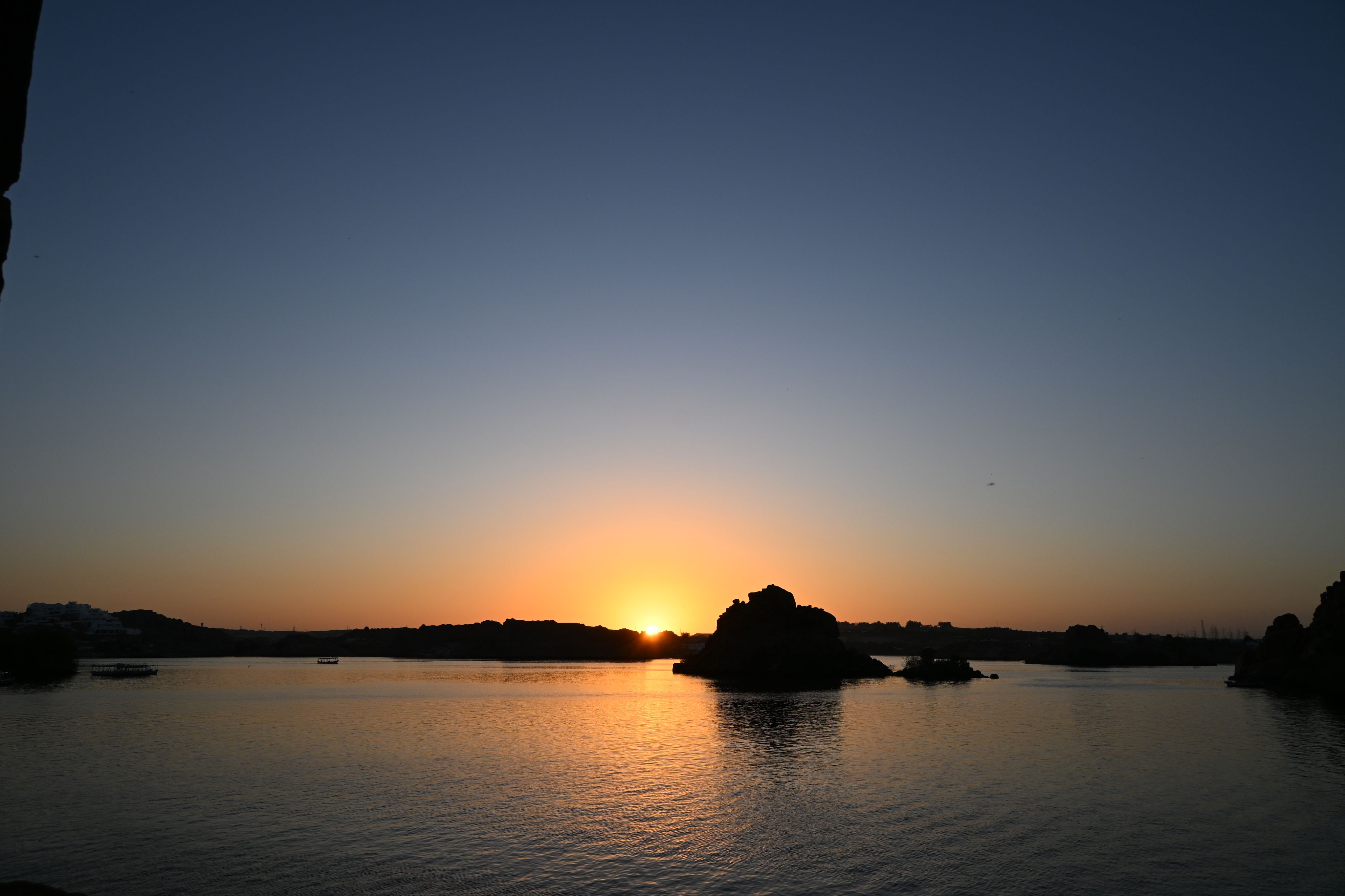
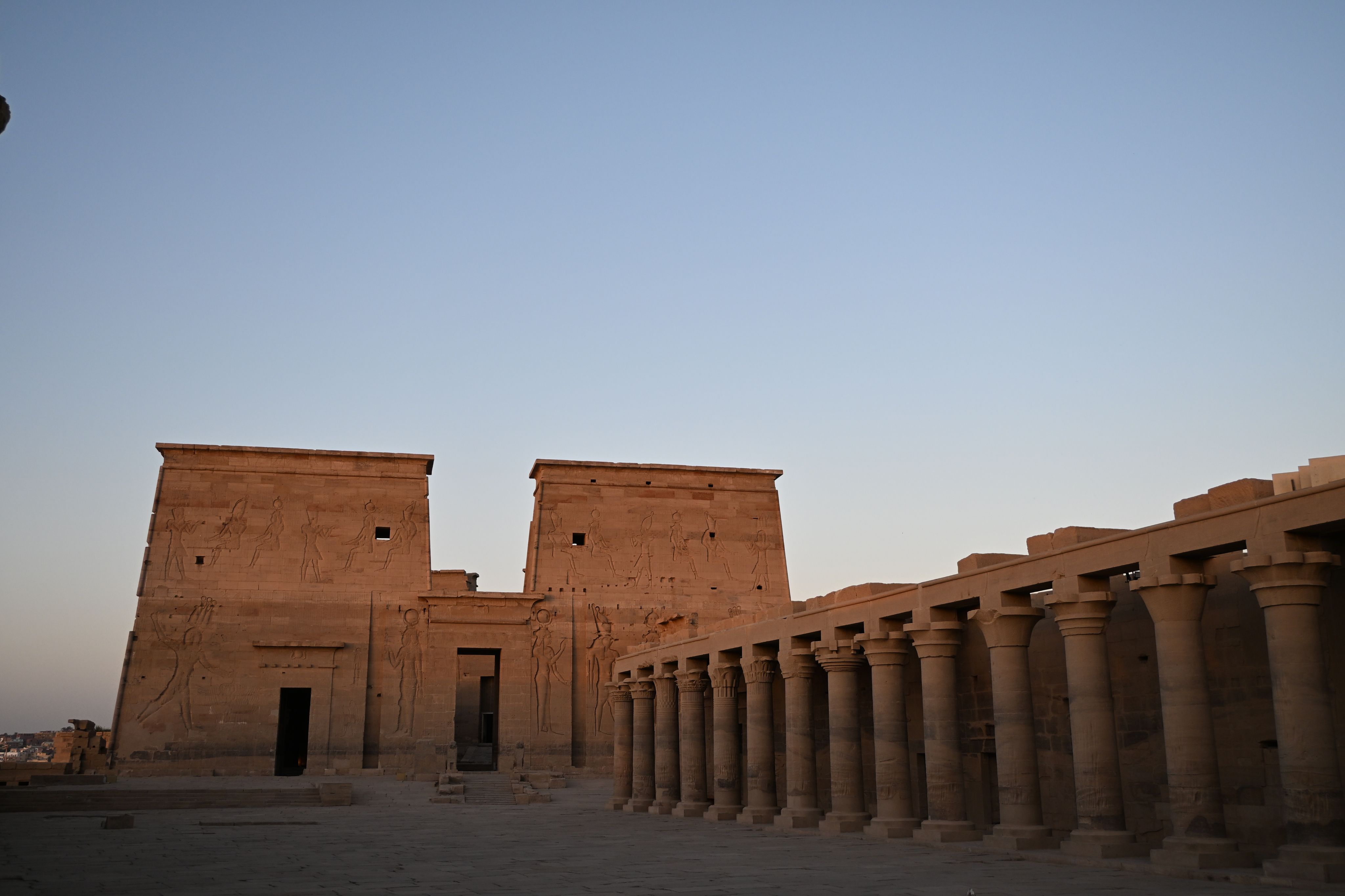
Philae Temple by boat at sunset: The Temple of Isis at Philae, dedicated to the goddess since the 4th century BC, was submerged when the first Aswan Dam was built in 1902 and then relocated to the nearby island of Agilkia when the High Dam flooded the original site in the 1970s. Take a motorboat from the Shellal Pier 8 km south of town; the crossing between granite rocks with the temple visible ahead is already a good experience. The temple itself, with its colonnaded forecourt and beautifully carved pylons, is at its most atmospheric in the late afternoon when the crowd thins and the light goes gold on the sandstone. The evening Sound and Light Show at Philae, running three times nightly, is an additional option.
Day 4: Abu Simbel at dawn, lunch at the Old Cataract, board cruise
Wake up at 3:30 am. The drive from Aswan to Abu Simbel is 280 km south through the Nubian Desert on the well-maintained desert road, taking approximately three hours. Most travellers join an organised convoy that departs Aswan at 4 am; individual arrangements with a private driver are also available. Arrive at the site as the sun comes up and before the heat peaks.
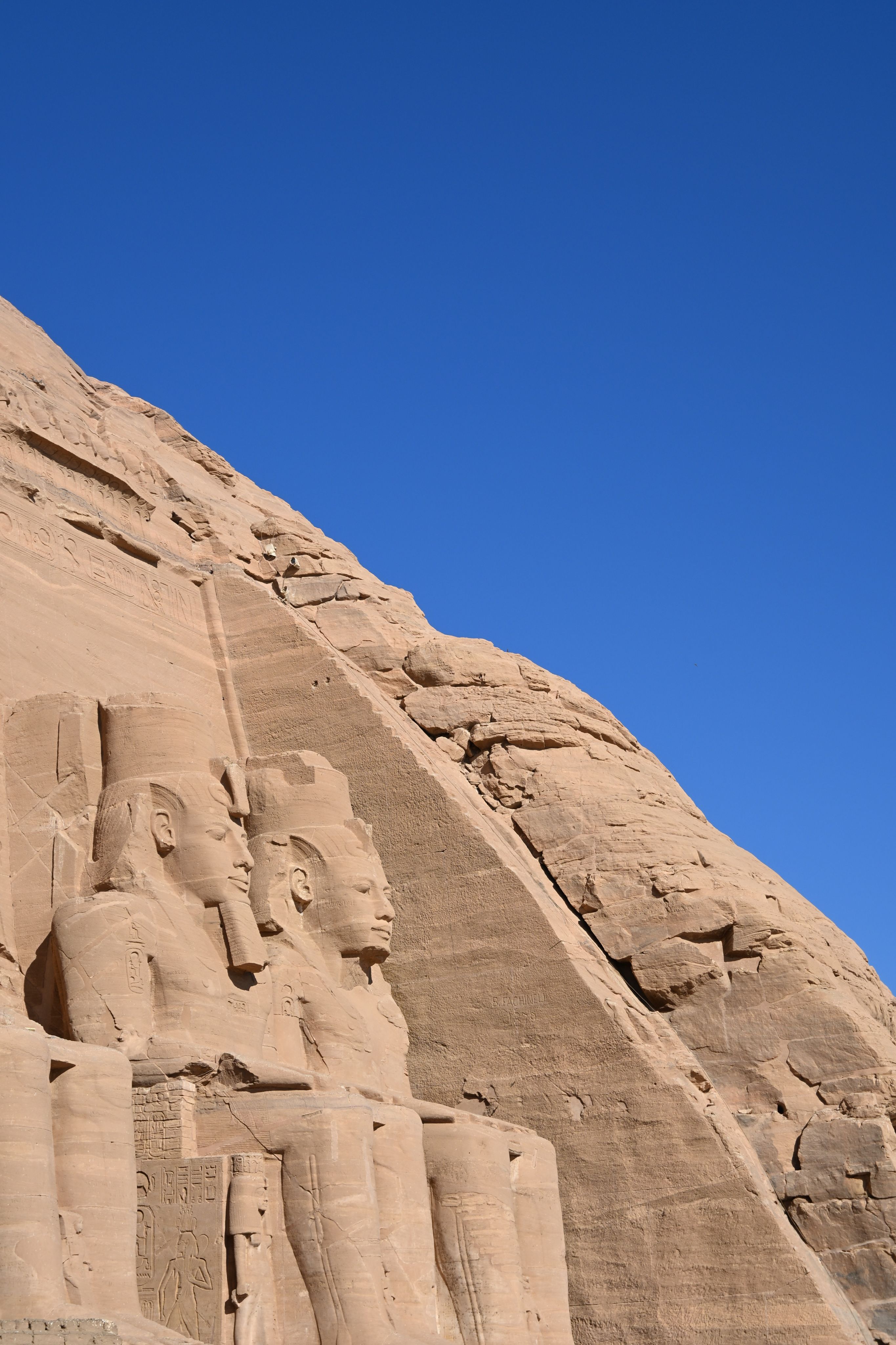
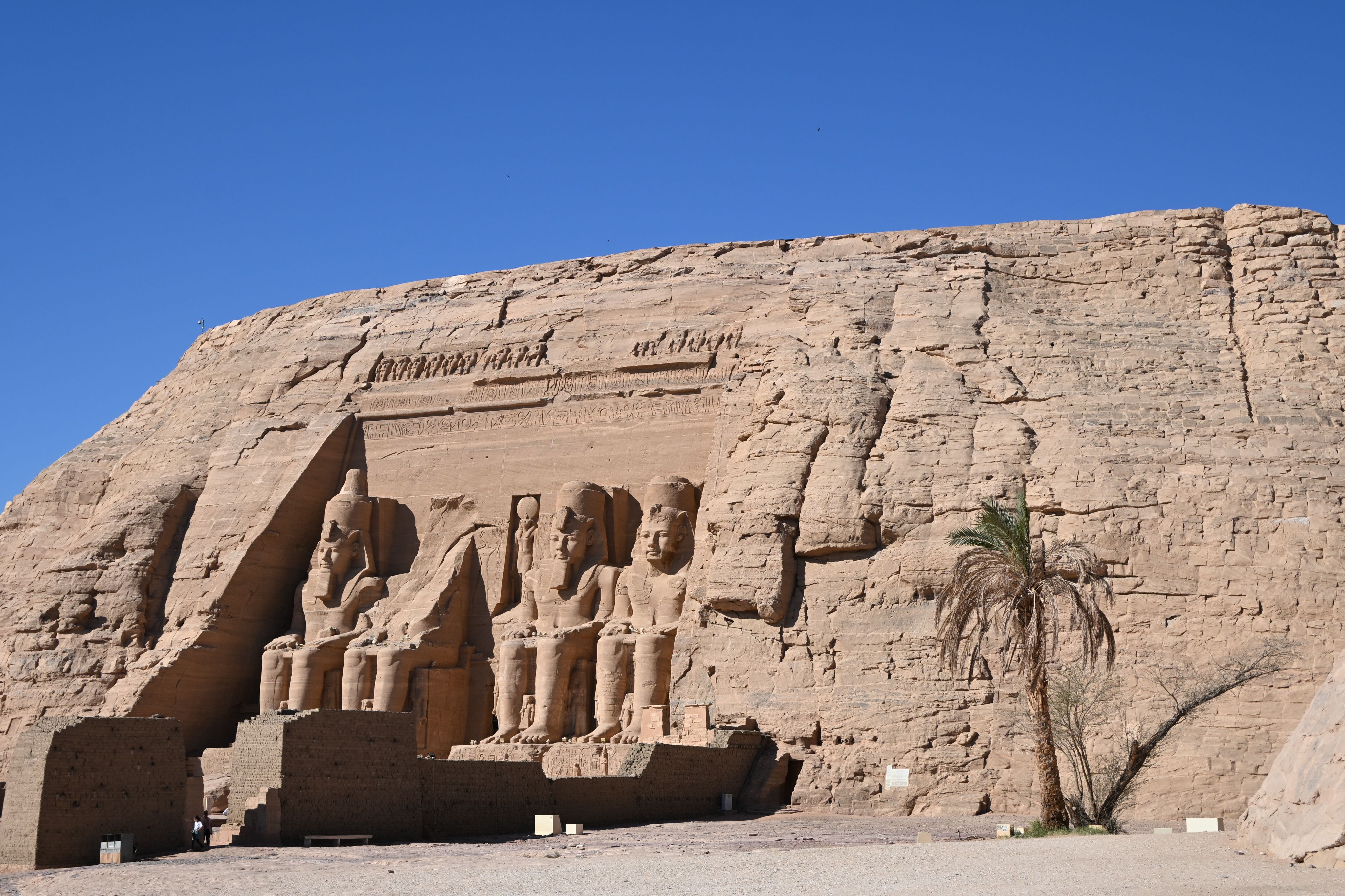
Abu Simbel: The Great Temple of Ramses II and the smaller Temple of Nefertari, his principal wife, were carved from the sandstone cliff face at Abu Simbel between approximately 1264 and 1244 BC. The four seated colossi at the Great Temple entrance are 20 metres tall; the interior runs 63 metres into the rock through three progressive chambers to the innermost sanctuary. The orientation of the temple was calculated so that the sun illuminates the four innermost figures on 22 February and 22 October each year: dates corresponding to Ramses's birthday and coronation. The UNESCO relocation in the 1960s maintained this alignment to within one day.
Spend two hours at the site and drive back to Aswan, arriving by midday.
Lunch at the Old Cataract Hotel: The Sofitel Legend Old Cataract, built in 1899 and the most legendary hotel in Upper Egypt, is where Agatha Christie stayed while writing Death on the Nile. The hotel's 1902 restaurant terrace overlooks the Nile and Elephantine Island from its granite bluff position. Lunch here is a deliberate piece of theatre; the setting earns its reputation. Book ahead.
Board the Nile cruise after lunch. Your cruise ship or dahabiya departs Aswan in the early to mid-afternoon, northbound toward Luxor.
Days 5 to 6: Nile cruise to Luxor
The journey from Aswan to Luxor by river covers 225 km over approximately two days, stopping at the temples along the western bank.
Two cruise formats
A standard cruise ship carries 60 to 200 passengers in air-conditioned cabins with restaurants, sun decks and organised excursions at each stop. The 5-star cruise format is the most common and the most comfortable, running the route in four nights from Aswan. Prices start from approximately $490 per person. This is the efficient, reliable format for first-time visitors who want the full temple circuit with maximum comfort.
A dahabiya is a traditional Egyptian wooden sailing boat carrying 8 to 16 passengers. It moves more slowly, sails when the wind allows and motors when it does not, and stops wherever the passengers and the guide agree is interesting rather than only at the standard cruise temples. The pace is closer to how 19th-century travellers experienced the river. Prices start from approximately $960 per person for four nights. The dahabiya format suits travellers who want the Nile experience itself to be the centrepiece rather than a vehicle for the temple visits. It is also significantly more intimate; you will know every other passenger by the end of the first day.
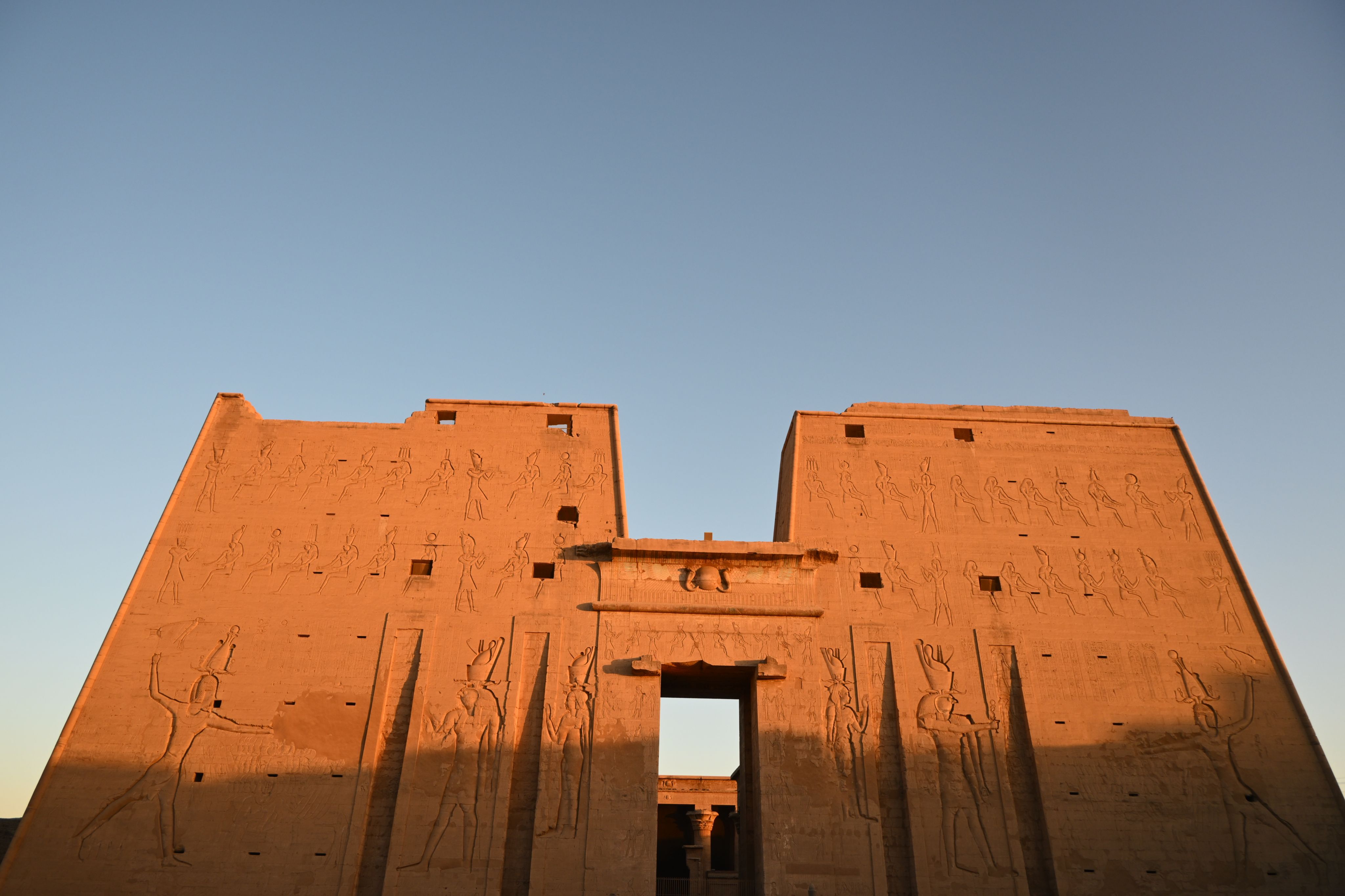
Edfu Temple (Day 5): The Temple of Horus at Edfu is the best-preserved temple in Egypt, completed in 57 BC under Ptolemy XII, and was protected by desert sand until the 19th century. The full hypostyle hall, the sanctuary and the colonnaded forecourt are intact; the carved reliefs covering every wall surface tell the story of Horus's conflict with Seth in complete narrative sequence around the building. The entrance pylons, 36 metres high, are among the most impressive surviving in Egypt. Reach the temple from the dock by horse-drawn caleche; the five-minute ride through the town is worth doing rather than taking a taxi.
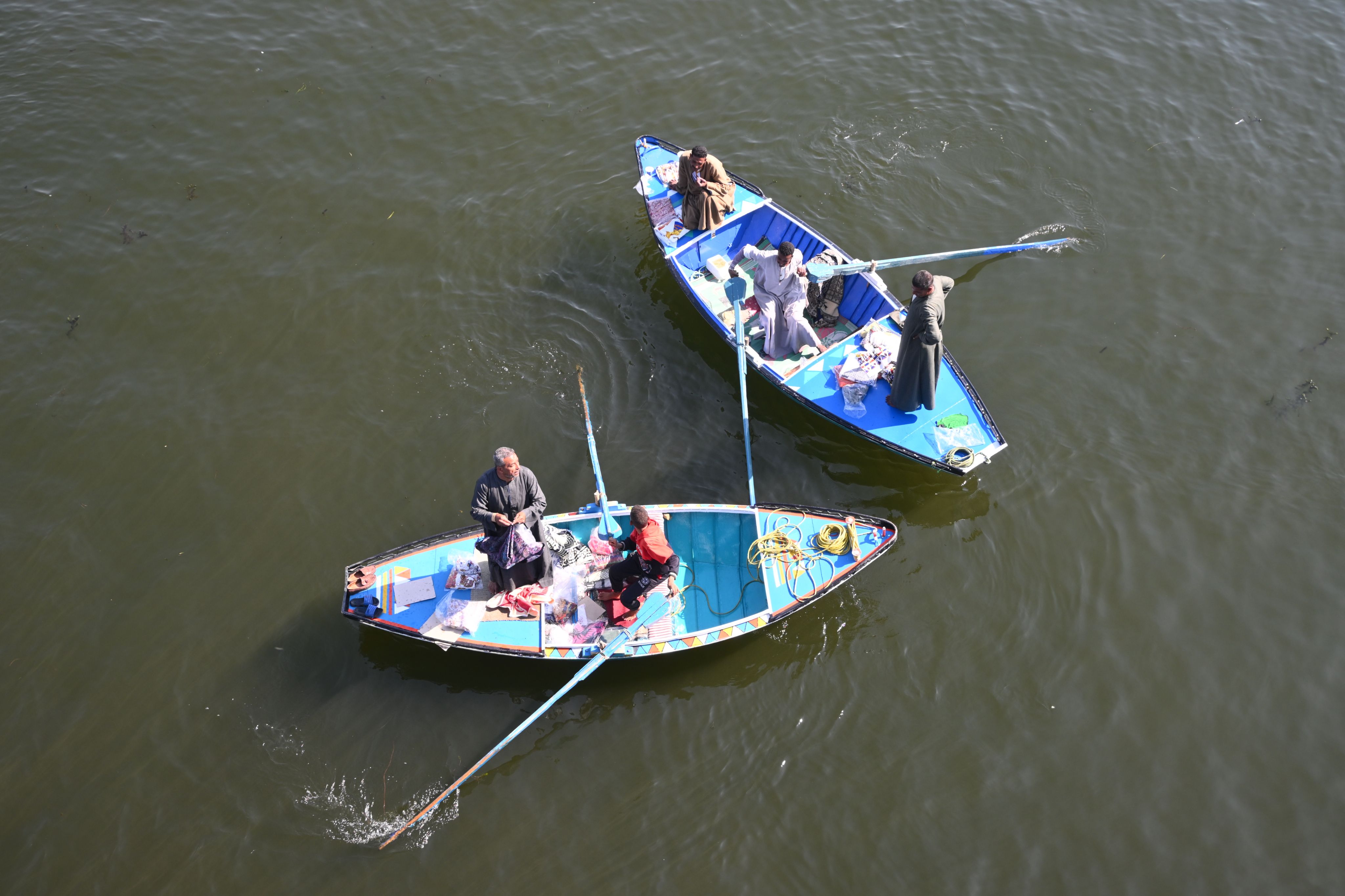
Esna Lock (Day 5 or 6): Between Edfu and Luxor, the river passes through the Esna Lock, a lock system that all cruise boats navigate. The lock passage takes 30 to 90 minutes depending on traffic; during this time, local merchants in small wooden boats pull alongside the cruise ships and throw ropes to attach their craft, then pass textiles, scarves, spices and galabiyyas through the windows and up over the railings in an impromptu floating market. Prices are negotiated by shouting between decks and money and goods travel by rope and bucket. This is neither organised tourism nor a performance; it is how the lock commerce has worked for decades and it is completely chaotic and genuinely entertaining.
Arrive Luxor evening (Day 6): On arrival, the evening is ideal for Karnak Temple if energy allows; see below. If the cruise arrives late or the group is tired, Karnak can be done on the morning of Day 7 before the Valley of the Kings.
Day 7: Karnak Temple and Luxor Temple
Karnak Temple: The Karnak complex is the largest religious building ever constructed, covering 200 hectares and built continuously from approximately 2055 BC to 395 AD under thirty different pharaohs. The Great Hypostyle Hall, built by Seti I and completed by Ramses II, contains 134 columns in 16 rows, the tallest reaching 23 metres. Standing inside the hall is one of the few architectural experiences that feels genuinely inhuman in scale. The sacred lake, the Avenue of Sphinxes and the obelisks of Hatshepsut and Thutmose I complete the circuit. Open 6 am to 5 pm; go early in the morning or in the late afternoon for the most bearable heat. The Sound and Light Show runs three times nightly in multiple languages and is the easiest way to see the complex illuminated after dark.
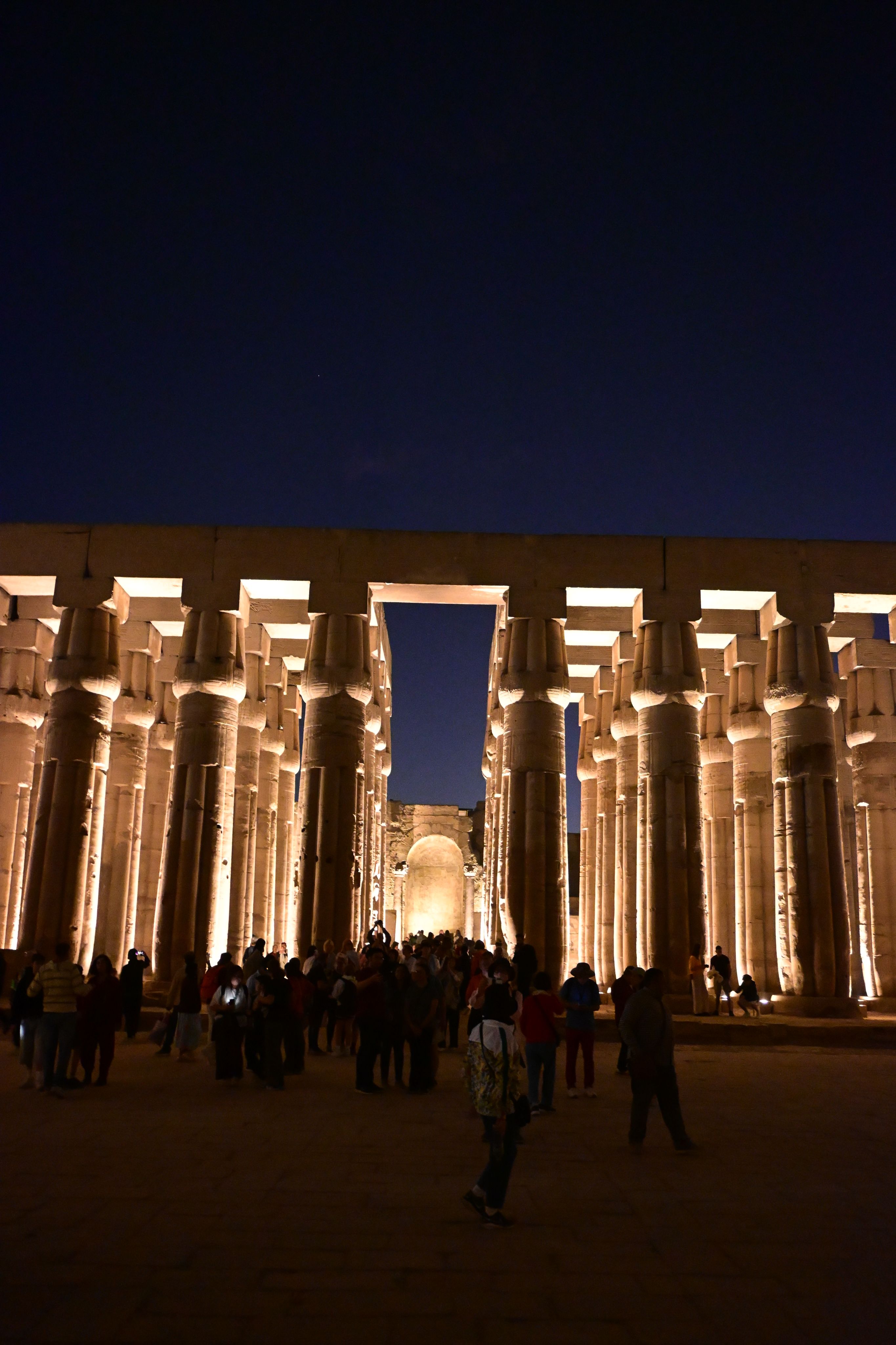
Luxor Temple: On the East Bank corniche in the centre of the modern city, Luxor Temple is the most immediately accessible of the Luxor sites: you can walk to it from most East Bank hotels. Built principally by Amenhotep III and Ramses II around 1400 to 1200 BC, the temple was buried under centuries of accumulated sediment until 19th-century excavations revealed it. The Abu el-Haggag Mosque, built on top of the sediment while the temple beneath it was still underground, remains in place above the courtyard: an active mosque sitting on top of a 3,000-year-old temple that only became visible around it after the mosque was already built. Open until 8 pm; the evening illumination is genuinely beautiful.
Day 8: West Bank, Valley of the Kings
Cross to the West Bank by ferry or through your cruise boat arrangements. The West Bank covers the royal and noble necropolis of ancient Thebes, the mortuary temples and the Valley of the Kings in the desert cliffs behind the floodplain.
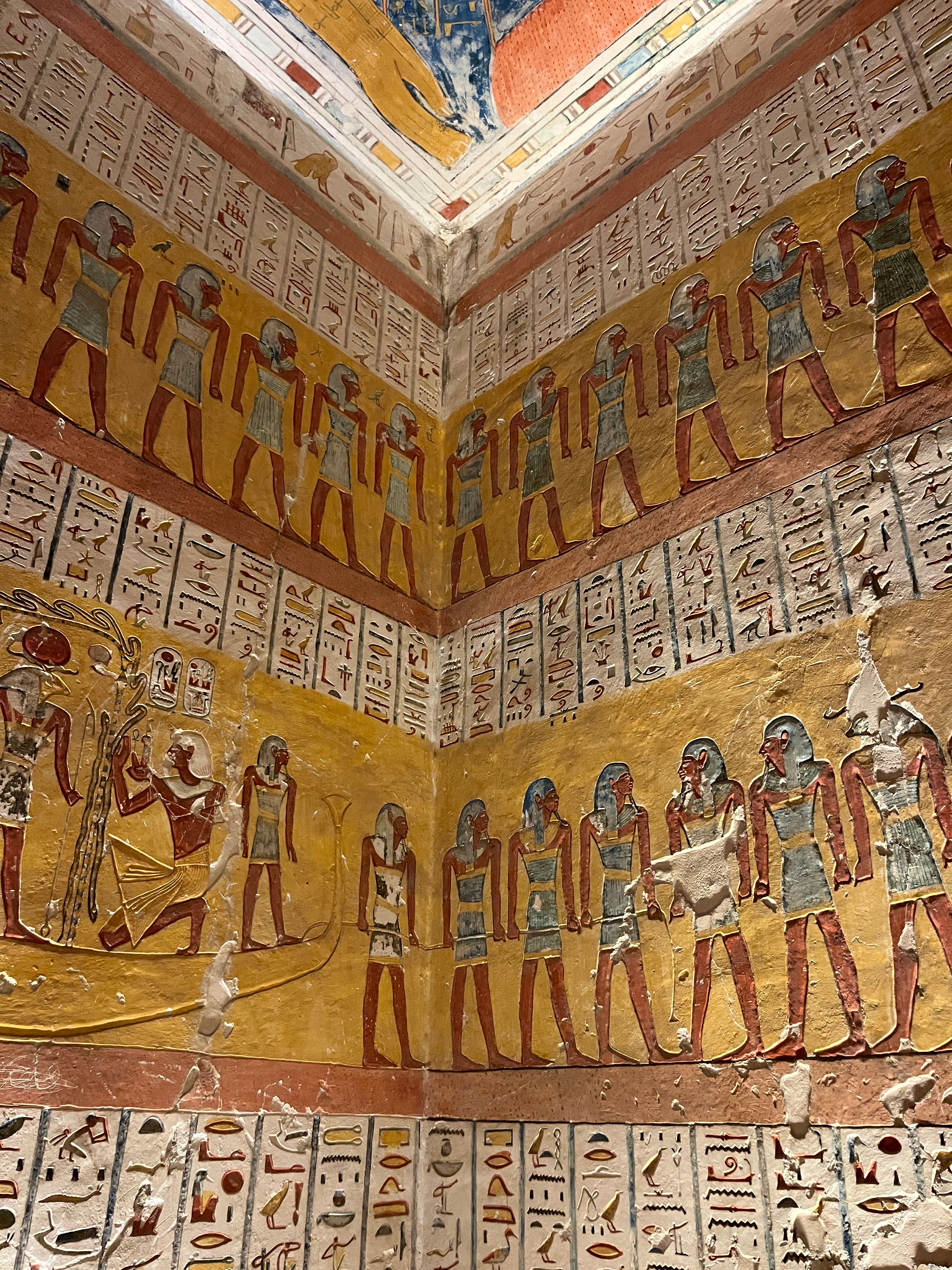
Valley of the Kings: The royal burial ground of the New Kingdom pharaohs, used from approximately 1550 to 1070 BC and containing 63 known tombs. The standard ticket covers access to three tombs from the main group. Additional separate tickets are required for specific tombs: Tutankhamun (the most famous, notable for its murals despite its small size relative to other pharaonic tombs), Seti I (the longest and deepest, with exceptional carved reliefs, requiring a premium ticket) and Ramses V/VI (excellent ceiling paintings, included in the standard selection). Arrive at the gate when it opens at 6 am; the valley heats rapidly and by 10 am the rock is radiating absorbed heat into the already warm air. The Tutankhamun tomb ticket requires a decision at the gate; the tomb itself is small relative to others but carries the weight of Howard Carter's discovery.
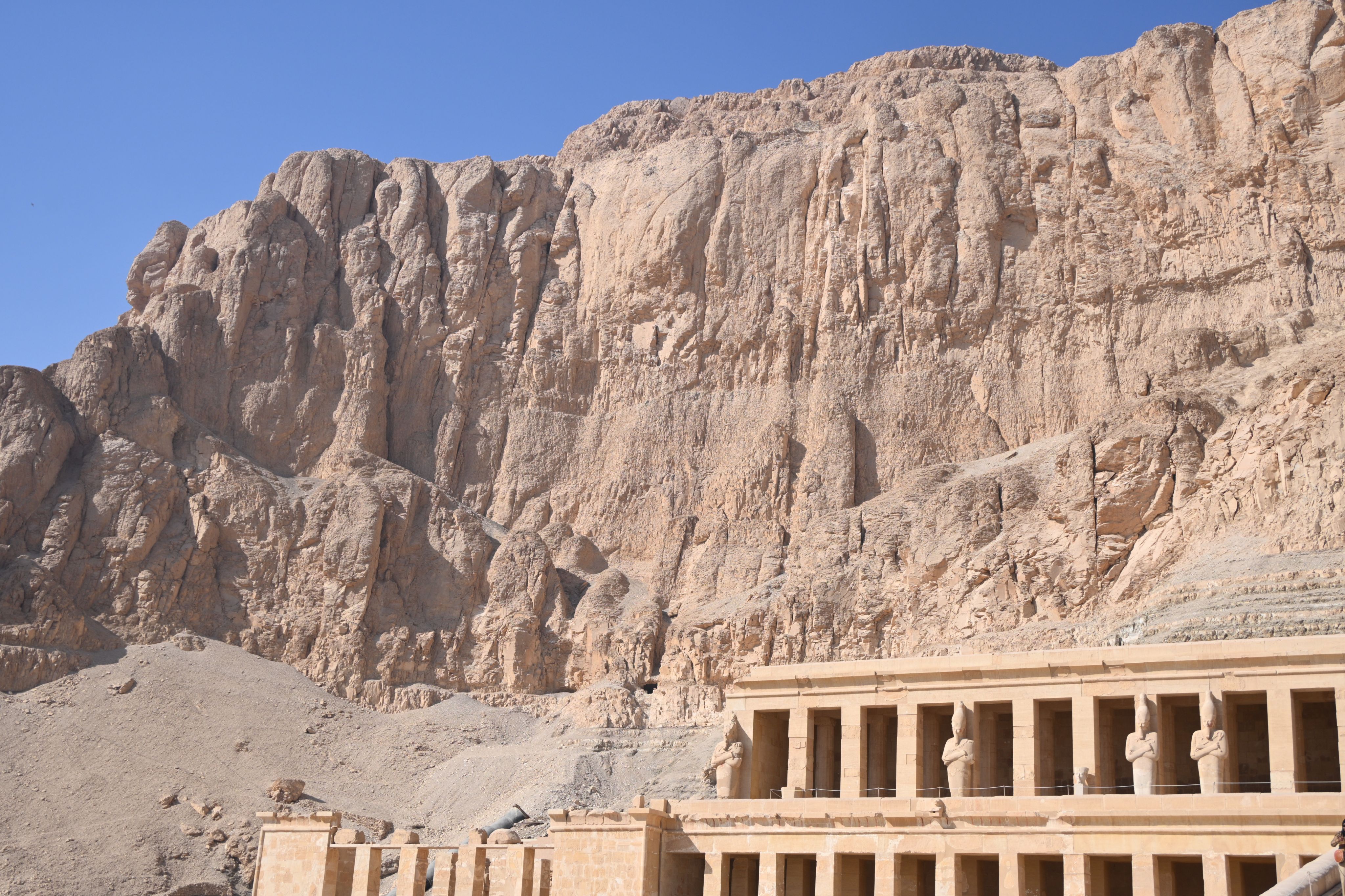
Temple of Hatshepsut (Deir el-Bahari): The mortuary temple of the female pharaoh who ruled as king for approximately twenty years in the 15th century BC is built into the natural amphitheatre of the Theban cliff face in three colonnaded terraces. The architecture is noticeably different from the other Luxor temples: restrained, horizontal, integrated into the landscape rather than imposing on it. The painted reliefs in the upper terrace, covering Hatshepsut's divine birth and her trade expedition to Punt, are among the finest surviving examples of New Kingdom painting.
Colossi of Memnon: Two 18-metre seated quartzite statues of Amenhotep III, now standing in open fields outside his mortuary temple (of which almost nothing remains). They were famous in antiquity for the sound they produced at dawn (caused by temperature-induced vibration in the stone), which was interpreted by Greek and Roman visitors as the voice of Memnon greeting his mother Aurora. A brief stop on the way back to the dock.
Days 9 to 10: Coastal extension
After Luxor, the itinerary opens into three distinct directions depending on what you want from the final two days. Each one is a genuinely different Egypt from the pharaonic temple circuit you have just completed.
Option 1: The Red Sea Coast (El Gouna, Hurghada or Marsa Alam)
Fly from Luxor to Hurghada (LXR to HRG, approximately 45 minutes, multiple daily flights). From Hurghada Airport, El Gouna is 25 km north: a purpose-built resort town of lagoons, canals and bridges that has avoided the package-tour density of central Hurghada and developed its own character. The wind is reliable, the diving is good, the restaurants are significantly better than the surrounding resort strip, and the pace after a week of temples is precisely what the body is asking for.
Kitesurfing and water sports: El Gouna's lagoon and the beaches north of town have reliable northeast trade winds year-round, with the strongest and most consistent conditions from October to May. Kitesurfing schools operate from multiple beach clubs; beginners courses take two to three days and use the lagoon's flat water. Stand-up paddleboarding, windsurfing and sailing are available from most beach clubs.
Diving: The offshore reef system at Hurghada has been heavily dived but still holds good marine life including large moray eels, lionfish, blue-spotted stingrays and schooling barracuda. The best dive sites are further offshore: Giftun Island, 20 minutes by boat, has one of the healthier reef sections in the region. For serious divers, Marsa Alam four hours south by road is the better choice: the reef at Elphinstone has pelagic encounters including oceanic whitetip sharks, and the Marsa Mubarak area has resident dugongs. Day trips from Hurghada to Marsa Alam are technically possible but better done with an overnight.
El Gouna eating and evenings: The town has a concentrated strip of waterfront restaurants and bars around the Tamr Henna square and the Abu Tig Marina. Moods, Papas Bar and the marina restaurants are the evening circuit. El Gouna's Oktoberfest runs annually in October and the town is notably more cosmopolitan than its Hurghada surroundings suggest.
Sharm el-Sheikh alternative: Fly from Luxor or Cairo to Sharm el-Sheikh (SSH) for the southernmost Sinai option. Sharm's diving at Ras Mohammed National Park is among the best in the world: visibility of 20 to 30 metres, hammerhead sharks at Shark and Yolanda Reef, and the SS Thistlegorm wreck (a World War II cargo ship sunk in 1941, now one of the world's most celebrated dive sites) accessible in a single day. The resort strip at Naama Bay is functional rather than characterful but comfortable.
Option 2: Alexandria
Fly from Cairo (fly from Luxor to Cairo first, approximately 70 minutes) to Alexandria's Borg El Arab Airport (HBE), or take the train from Ramses Station in Cairo: the Intercity express covers the 220 km in two to two and a half hours and arrives at Sidi Gaber or Alexandria Mahattat Masr in the centre of the city. The train is the more atmospheric option and drops you directly into Alexandria's urban fabric rather than at an airport 50 km from the city.
Alexandria is Egypt's second city and its Mediterranean character is genuinely distinct from anything in the Nile Valley: Hellenistic history, Greek and Roman ruins, a seafront corniche that stretches for 32 km, and a layered European and Levantine cultural inheritance that makes it feel more like a North African Marseilles than a pharaonic city.
Bibliotheca Alexandrina: The modern reinvention of the ancient Library of Alexandria, opened in 2002, is one of the most architecturally striking public buildings in Africa: a tilted disc of Aswan granite inscribed with scripts from every writing system in the world, partially submerged into a reflecting pool beside the Mediterranean. The library holds millions of volumes, a planetarium, four museums and multiple galleries. Allow two hours.
Roman Amphitheatre (Kom el-Dikka): The only Roman theatre in Egypt still in situ, a semicircular structure from the 2nd century AD with marble seating for 800. The surrounding Kom el-Dikka archaeological zone also contains Roman baths and a section of the ancient city's residential neighbourhood.
Citadel of Qaitbay: A 15th-century Mamluk fortification built on the exact site of the ancient Pharos of Alexandria, one of the Seven Wonders of the Ancient World. The citadel uses stone blocks from the original lighthouse in its construction; archaeologists have identified carved columns and blocks from the Pharos in the walls. The eastern harbour view from the battlements is the best in the city.
Cavafy Museum: The apartment of the Greek-Alexandrian poet Constantine Cavafy, preserved as a small museum. Cavafy spent most of his life in Alexandria and the city's cosmopolitan decline is the subject of his most celebrated work. Worth 30 minutes for anyone interested in Mediterranean literary history.
Food in Alexandria: The city's fish and seafood tradition is the best reason to eat here. The fish restaurants along the waterfront at Bahary (the old fishing harbour west of the corniche) serve whatever came in that morning grilled, fried or in a stew with cumin and lemon. Fish Basket Market and Qaddoura are both long-running institutions near the Western Harbour. The ful and ta'ameya standard is also notably good in Alexandria; local bakeries open from 6 am.
Where to stay in Alexandria: The Cecil Hotel on the Corniche (built 1929, used by British Intelligence during World War II, now a Sofitel, the most historically significant hotel in the city) or the Steigenberger Cecil Alexandria are both on the seafront with full corniche and harbour views. For a more residential feel, boutique apartments in the Raml Station and Roushdy neighbourhoods give access to the local Alexandria the tourist strip does not.
Option 3: Sinai Peninsula (Dahab and Mount Sinai)
Fly from Cairo to Sharm el-Sheikh (SSH) and take a shared minibus or private taxi north along the coast road to Dahab (90 minutes). Alternatively, fly directly from Cairo to Aqaba in Jordan and cross the border at Taba, which puts you directly into the southern Sinai.
Dahab is a former Bedouin fishing village on the Gulf of Aqaba that has been a budget diving and backpacker town since the 1980s. It is significantly more low-key than Sharm and the combination of good diving, reliable wind for kitesurfing and a relaxed seafront promenade makes it one of the better value coastal stops in the region.
Blue Hole: The most famous dive site in the Red Sea: a submarine sinkhole dropping 130 metres in the reef, with a saddle at 6 metres that connects to the open sea at 56 metres. The Blue Hole is one of the most lethal dive sites in the world (over 200 deaths documented) due to narcosis-affected divers attempting to pass through the arch at depth; stay within your certification depth, dive with a reputable local guide, and treat any sense of disorientation at depth as a signal to ascend. The snorkelling on the outer reef edge down to 6 metres is genuinely extraordinary without any of the risk.
Mount Sinai (Jebel Musa): The mountain identified by early Christian tradition as the site of Moses receiving the Ten Commandments rises to 2,285 metres above the desert of the southern Sinai. The standard route, the Steps of Repentance, climbs from the monastery of St Catherine (active since the 4th century, the world's oldest continuously operating Christian monastery) via 3,750 carved steps to the summit. The pre-dawn ascent takes two to three hours; the view at sunrise over the Sinai Peninsula, with the Gulfs of Suez and Aqaba visible in opposite directions on clear mornings, is one of those experiences that functions whether or not you hold any religious belief in its significance.
St Catherine's Monastery: At the base of the mountain, the monastery has been in continuous operation since the 6th century and houses the world's second-largest collection of early manuscripts and icons after the Vatican. The Burning Bush in the monastery garden, identified as the site of Moses's encounter with God, is still growing. The monastery is open to visitors (modest dress required) for limited hours in the morning; check current opening times as these change seasonally.
.png)