.png)

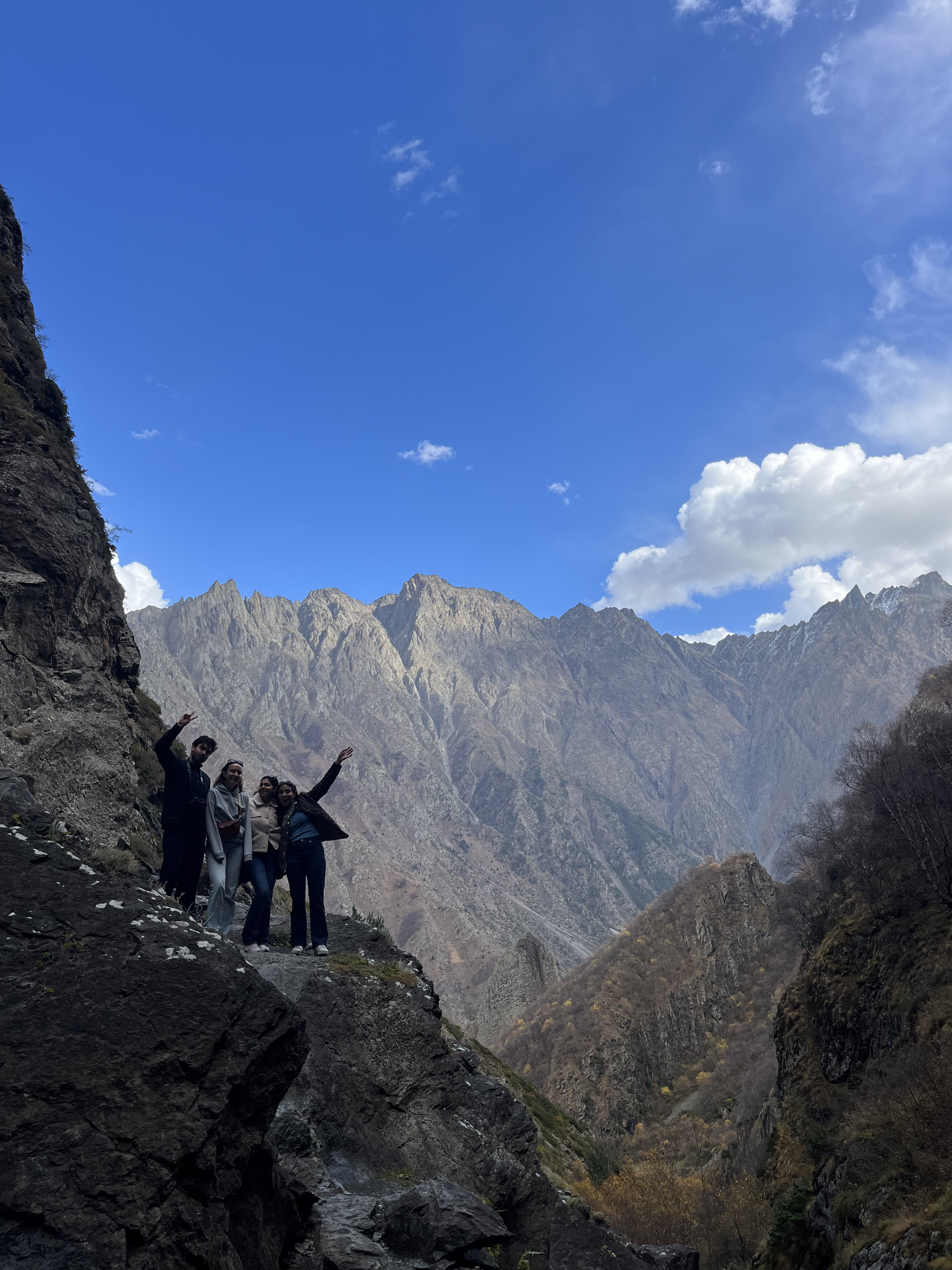
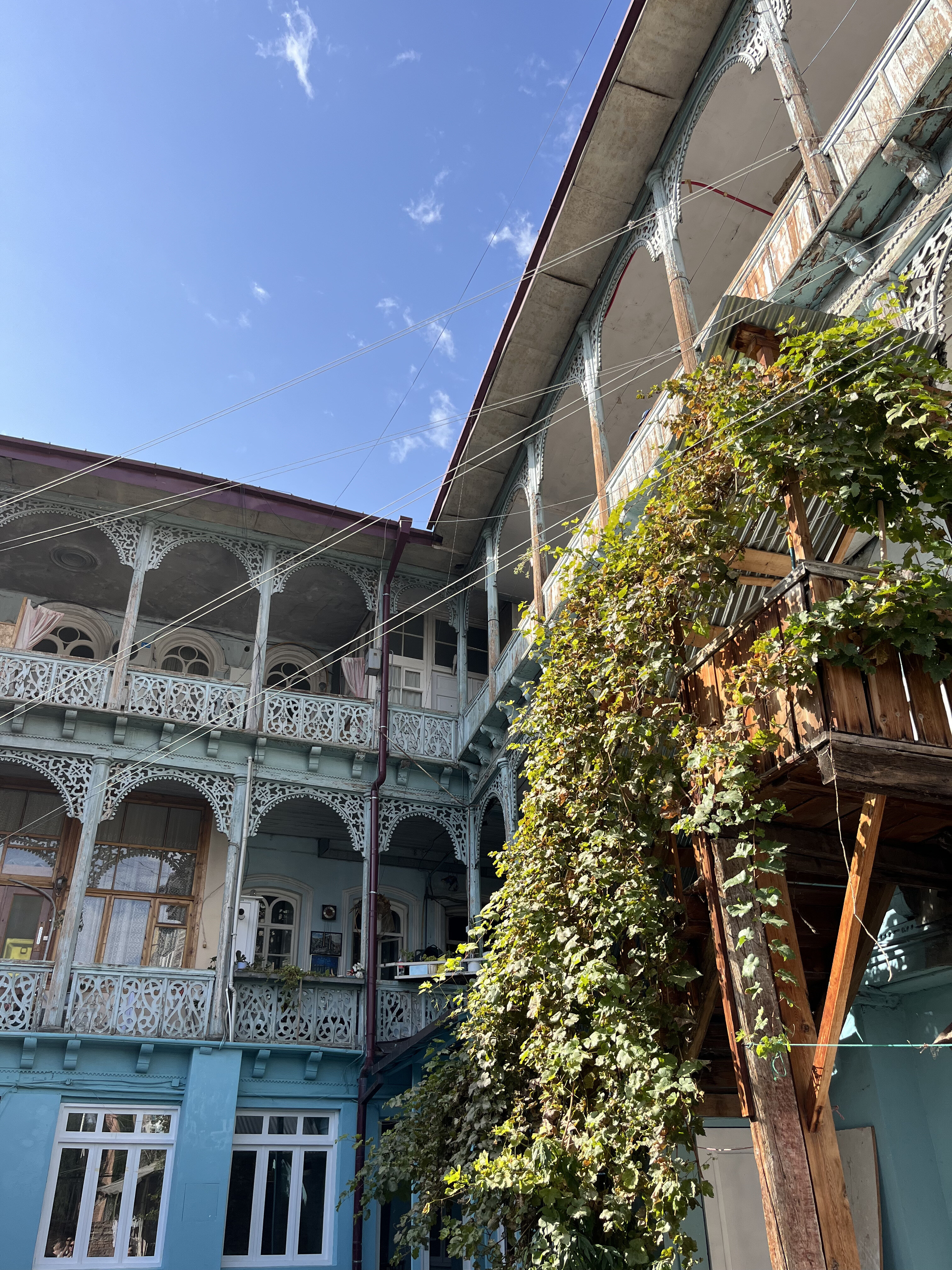
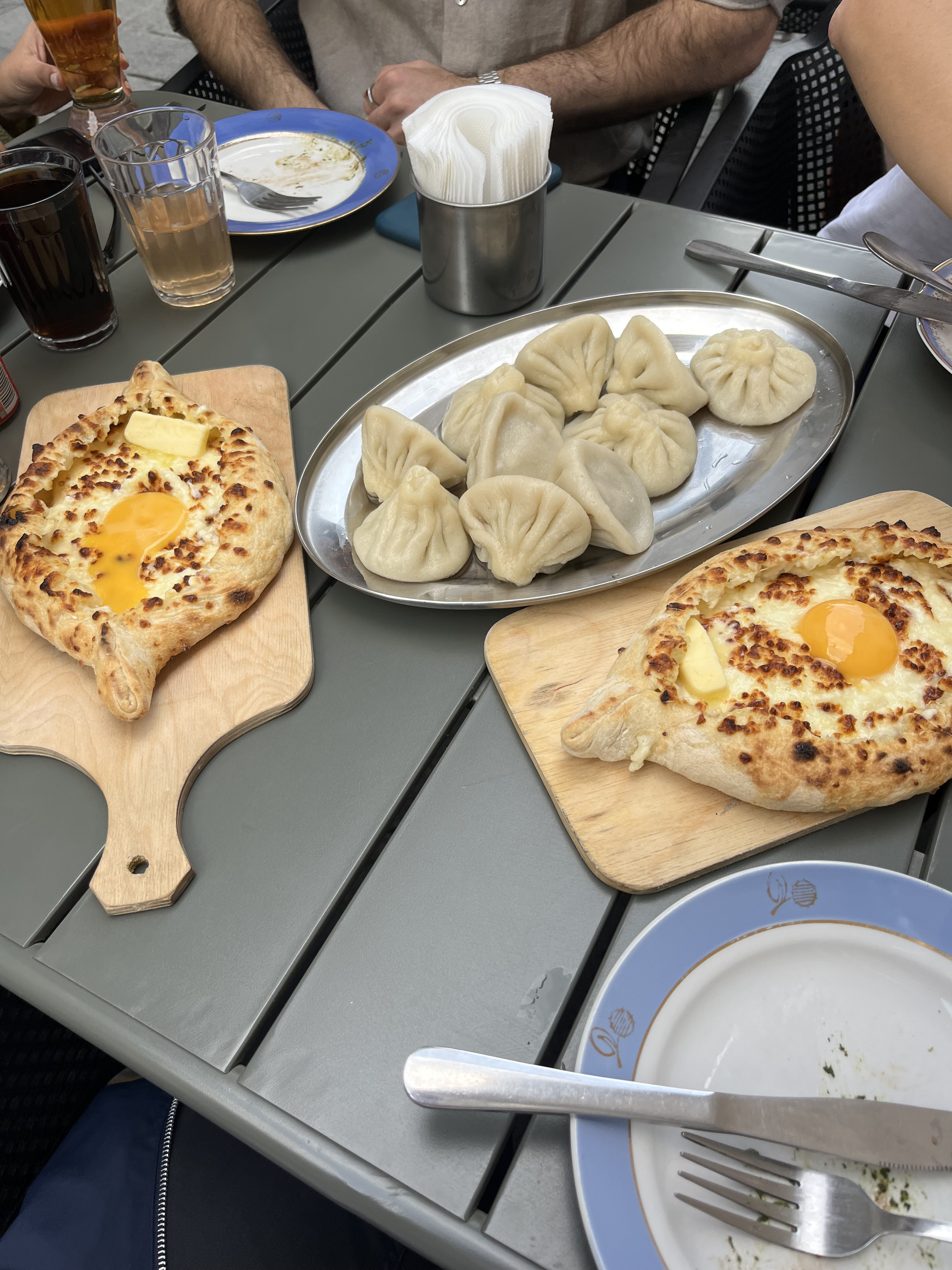

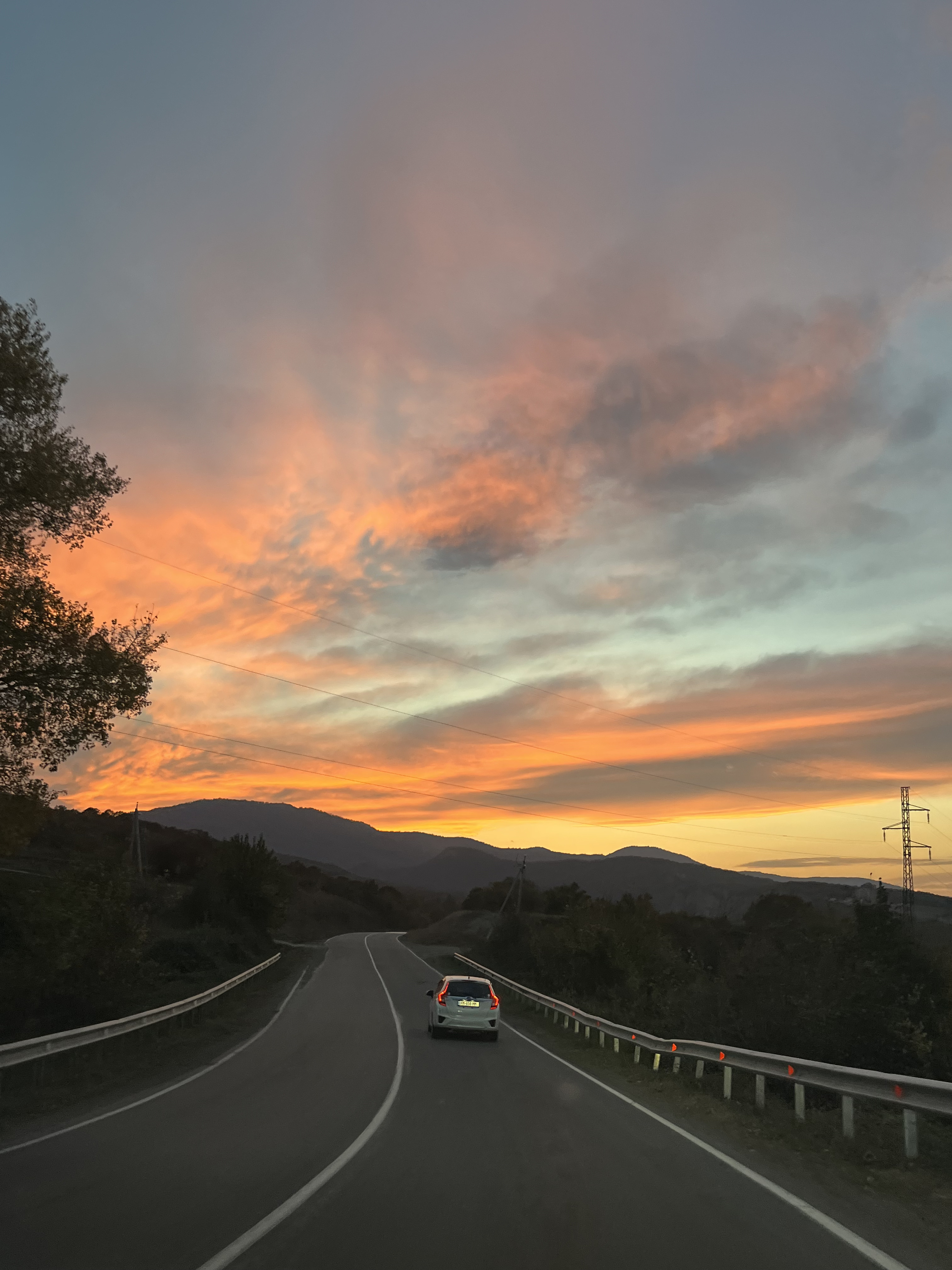
Reminders from Collective travellers
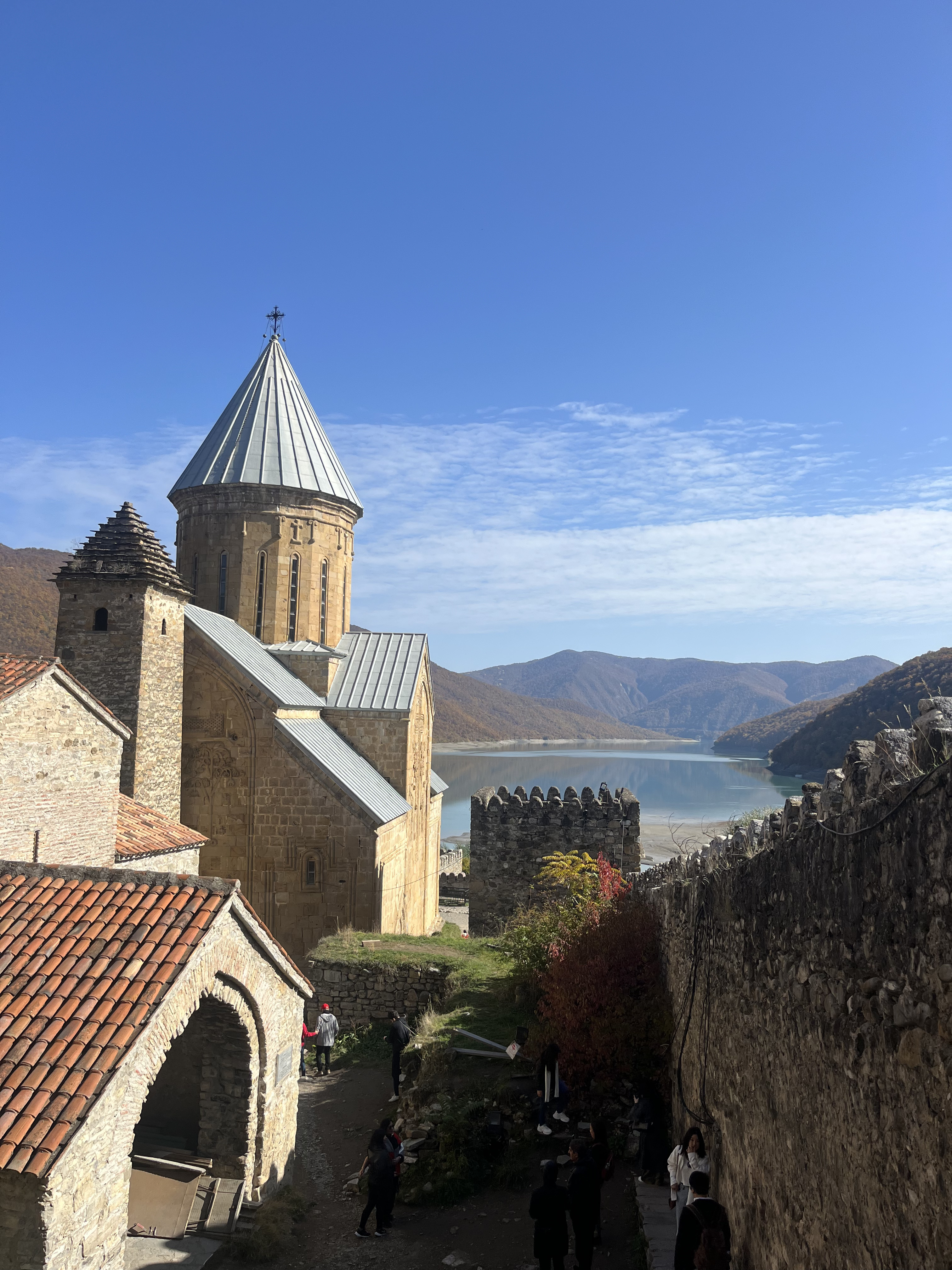
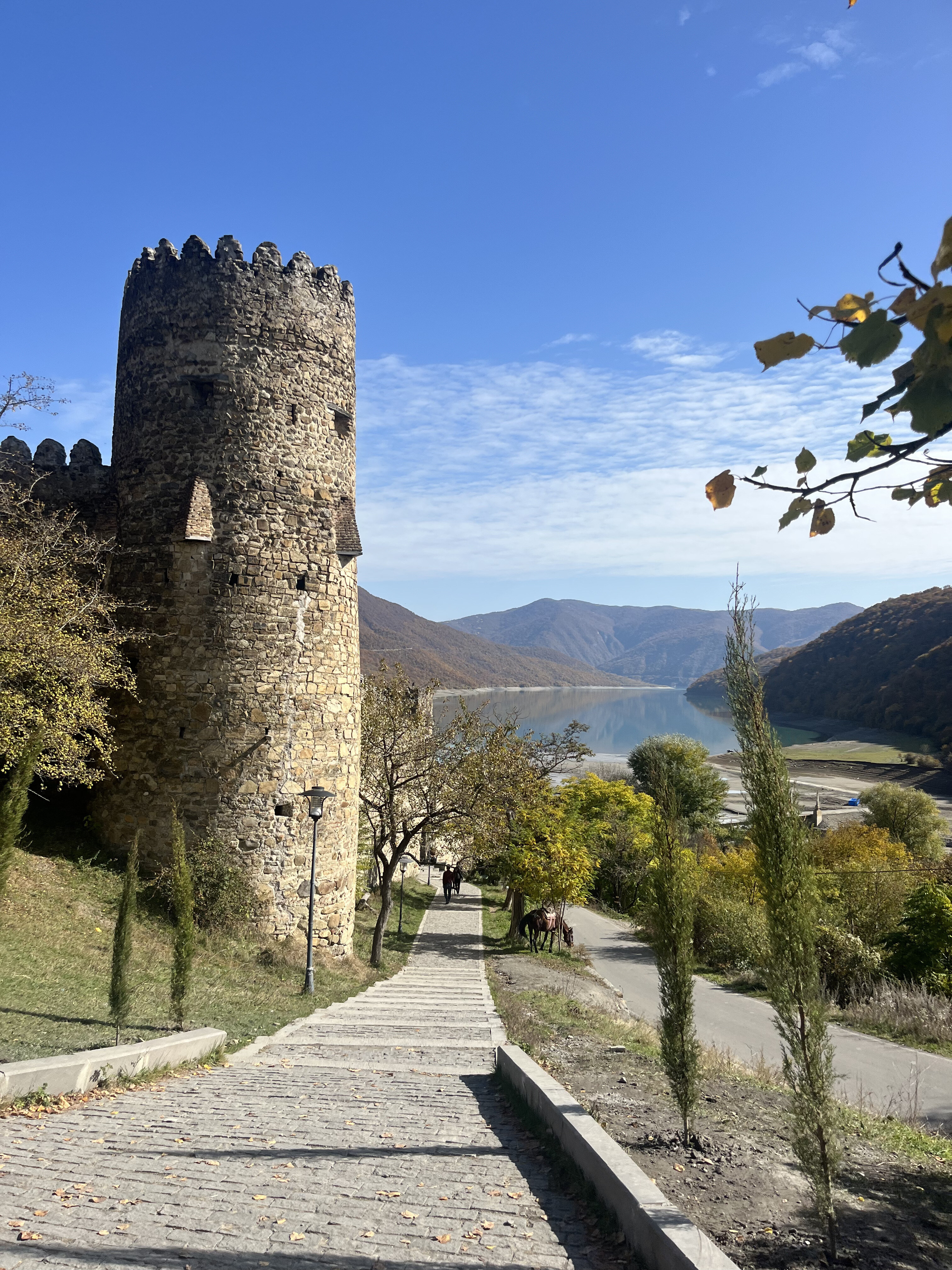
Transport: This route is best done by rental car or private driver, not because public transport is impossible, but because the value of the trip lies in the flexibility: roadside fortress stops on the Military Highway, winery visits in Kakheti, and the ability to move between monasteries, viewpoints, and lunch spots without building your day around marshrutka timings. If you self-drive, be sensible: outside city centres, roads can be poorly lit, driving can be erratic, and heavy rain, snow, landslides, and flooding can make high-altitude roads difficult or temporarily impassable, especially around the mountain sections. Avoid night driving in rural areas if you can.
Season: Late spring and early autumn are the strongest all-round windows for this itinerary, with the Georgian tourism board specifically highlighting spring (April to early June) and autumn (September to late November) as ideal for cultural and historical touring. For this exact route, September and October are especially attractive because Rtveli, the Kakheti grape harvest, starts in September, which makes the wine-country section feel much more alive and seasonal. Summer works well too, especially for Kazbegi, but it is busier; winter can be beautiful, though the mountain-road section becomes much less predictable.
Money: Cards are widely used in Tbilisi and major towns, and ATMs are easy to find there, but you should still carry cash for smaller family-run restaurants, roadside stalls, village guesthouses, tips, and occasional rural purchases in places like Kazbegi and Kakheti.
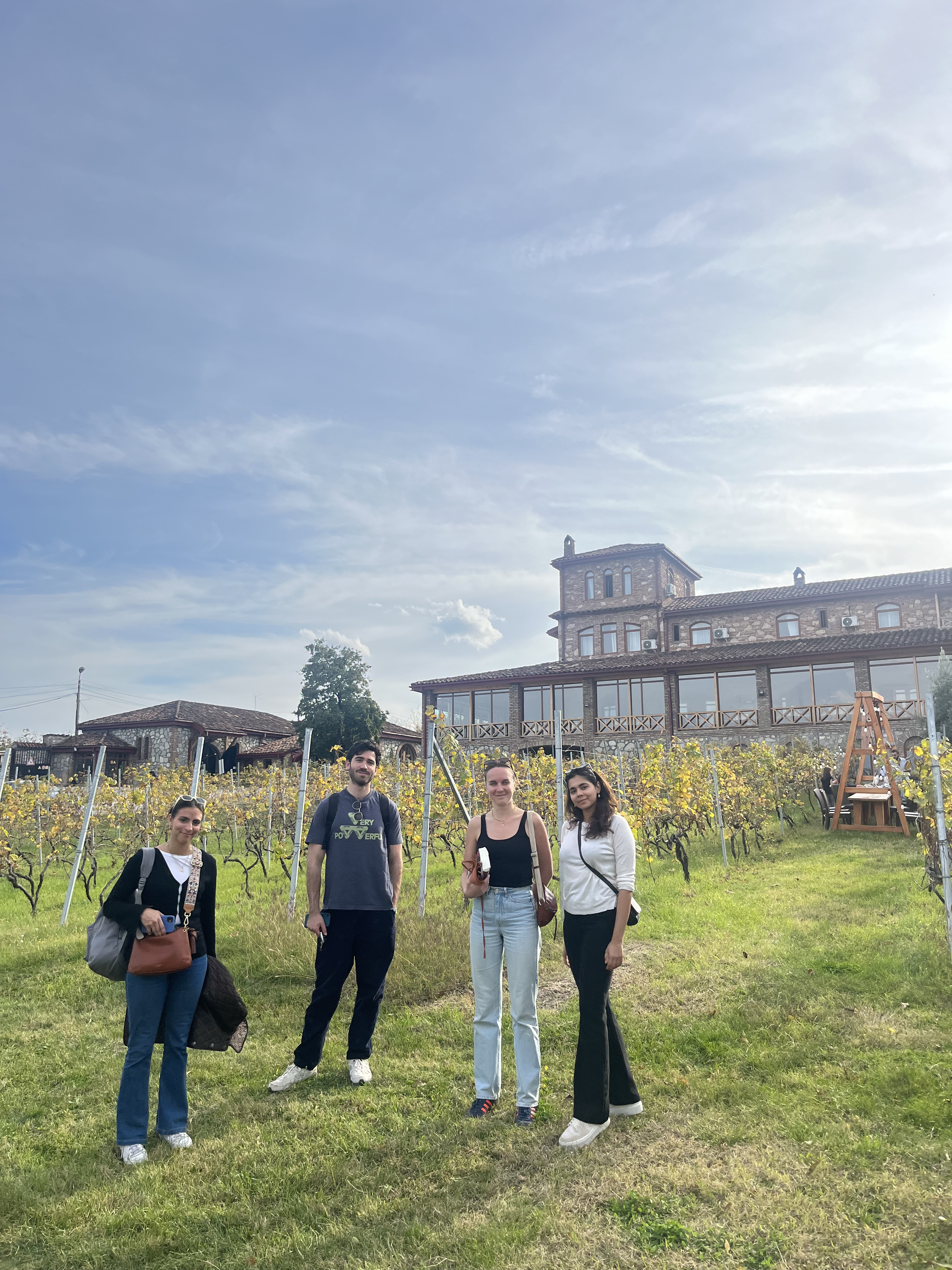
Driving & wine country: The Kakheti days are one of the clearest cases for using a driver rather than self-driving if you plan to do tastings properly. Georgia’s wine culture is central to the experience, and it is much more enjoyable if you are not rationing every glass or worrying about the drive back. This is especially true because Georgian driving standards can already feel assertive even before you add winding rural roads.
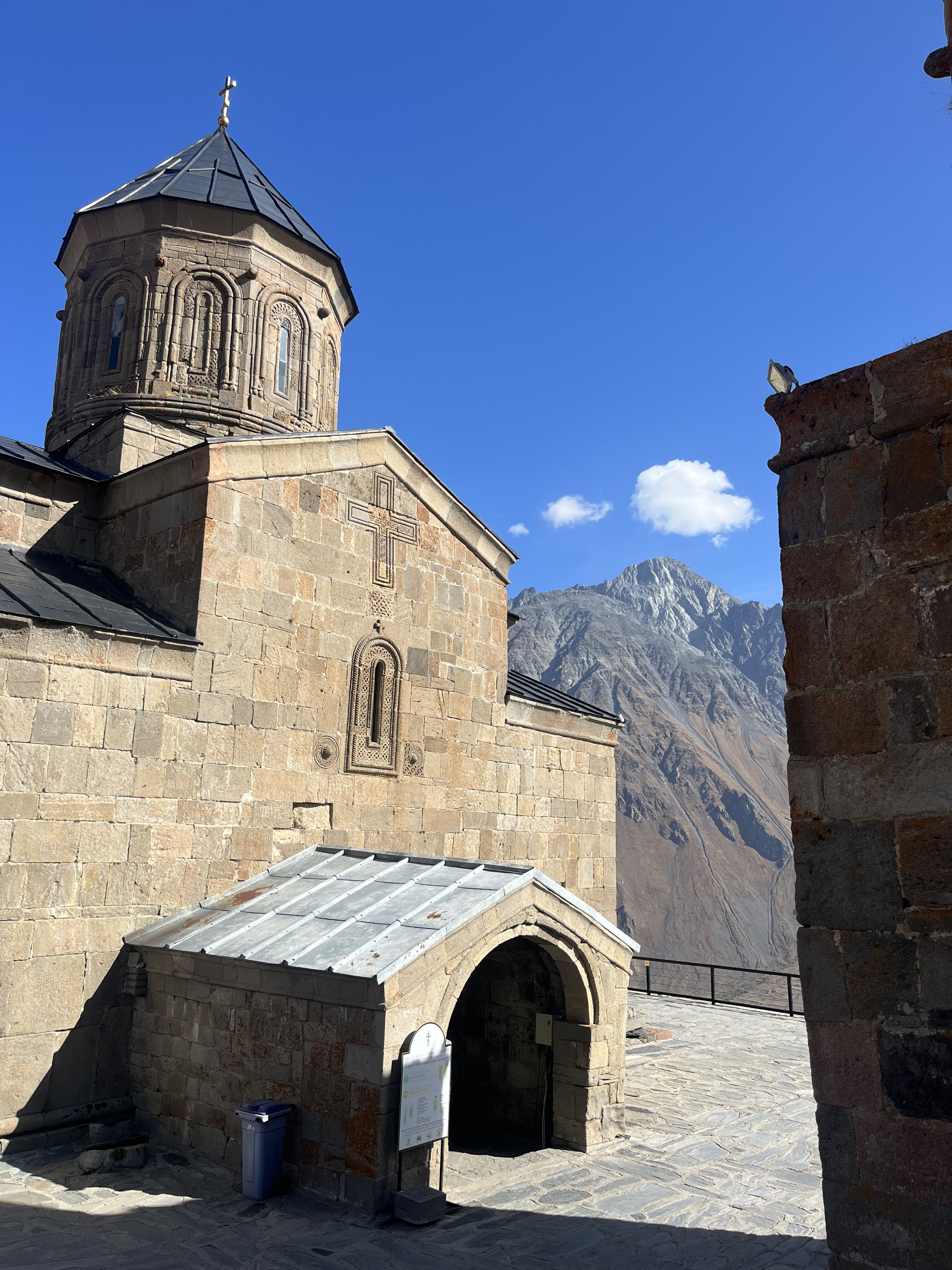
Church etiquette: Dress modestly for monasteries and churches. As a practical rule, keep shoulders and knees covered, and for places such as Gergeti Trinity Church, women may also be expected to cover their hair; scarves are often available to borrow on site. It is worth carrying a light scarf or layer in the car rather than getting caught out in shorts or hiking gear.
Sulphur baths: If the sulphur baths are a priority in Tbilisi, book a private room ahead, especially if you want a good evening slot or are travelling over a weekend. Private rooms are limited, and bathhouses vary in what they include, so check in advance whether towels, slippers, soap, or scrubs are part of the booking or extra.
Food & wine tips: Try khachapuri, mtsvadi, and churchkhela, but the fuller Georgia food list should also include khinkali (especially in the mountain route north of Tbilisi), lobio in clay pots, and badrijani nigvzit (aubergine with walnut paste). In Kakheti, do not treat wine tasting as a side activity: Georgia’s qvevri winemaking tradition is one of the country’s defining cultural threads, with an 8,000-year wine tradition and UNESCO recognition attached to the method. That is why amber wine matters here in a way it does not elsewhere.
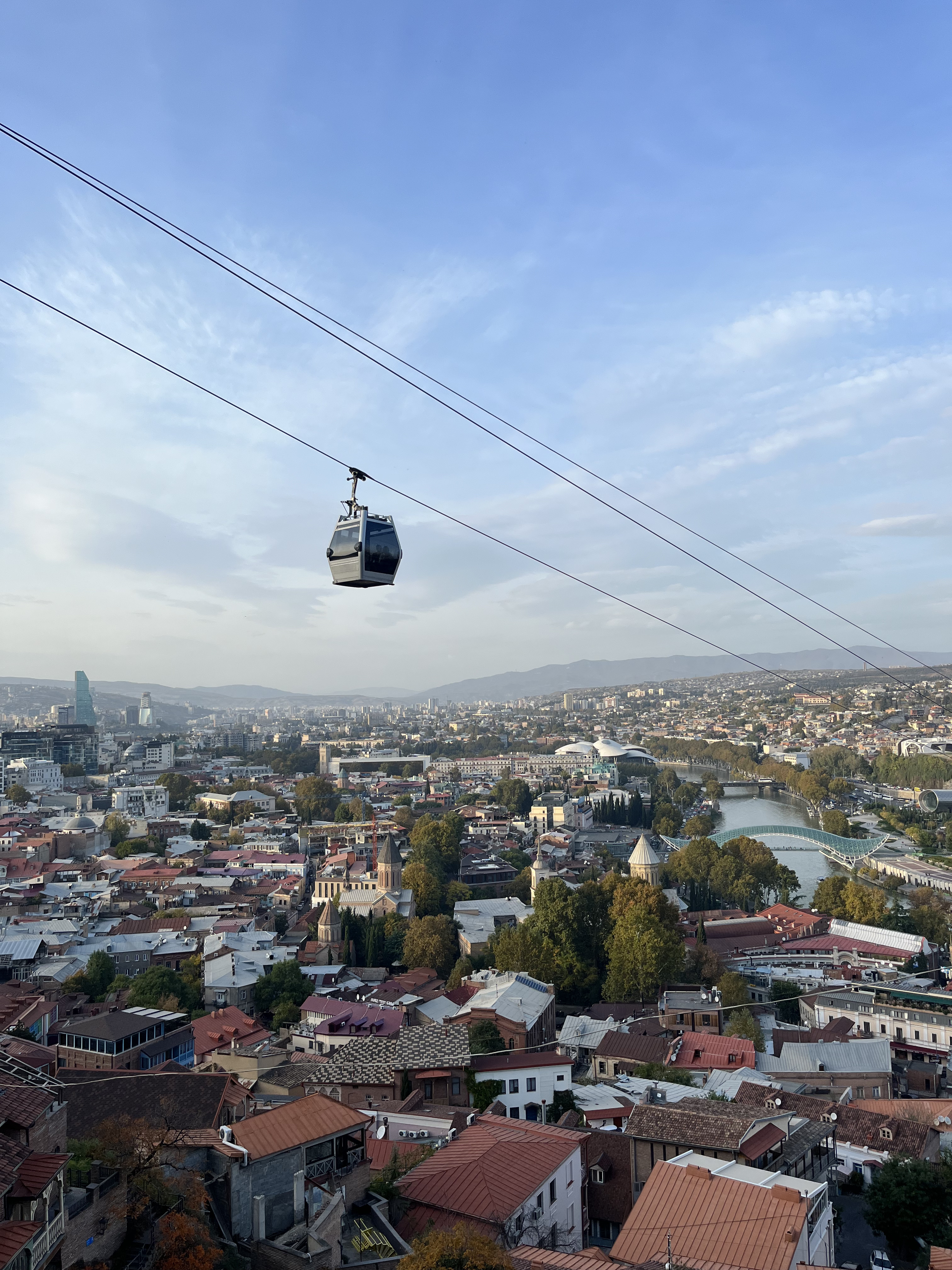
Route practicality: Tbilisi is easy to do on foot and by taxi, so the trip becomes smoother if you think of it in two halves: city days without much logistics, then a car-based mountain and wine-country section. That keeps the pace cleaner and stops the itinerary feeling more complicated than it actually is. This is more of a route-design judgment than a formal rule, but it tends to make the week feel more elegant.
Regional caution: Due to Russian occupied regions of Georgia, do not improvise adventurous detours toward the areas the UK FCDO advises against travelling to.

