image of popular travel destinations

Indonesia

A seventeen day journey through Indonesia that links surfy Canggu, East Java’s volcano and waterfall belt, temple and rice terrace days in Ubud, and a final island hop through Nusa Lembongan, Nusa Penida and Gili T.

From Java’s smoking craters to Bali’s rice terraces and island reefs.

This itinerary traces a rough horseshoe around southern Indonesia. You start in Canggu, which is Bali’s unofficial backpacker and surf hub, then jump over to East Java for a hard hitting sequence of waterfalls and volcanoes. Madakaripura and Tumpak Sewu feel like natural cathedrals, while Mount Bromo and Ijen serve up the classic Indonesian highland drama that most people only see in photos.

Once the big hikes are done, you pivot back into Bali’s greener heart around Ubud. Here the pace drops slightly. It becomes more about temples, rice terraces, yoga classes and long lunches, with the option of a sunrise climb on Mount Batur if you still have energy.

The trip ends out at sea, moving through Nusa Lembongan, Nusa Penida and Gili Trawangan, where days are mostly about viewpoints, scooter loops, snorkelling with turtles and sunset bars.The route is designed for independent travellers who are happy with early alarms, basic guesthouses and a bit of transport chaos in exchange for serious scenery and a sense of moving through the real Indonesia.

Highlights

image of vibrant dining space (for a mexican restaurant)

East Java Waterfall Canyons

Madakaripura and Tumpak Sewu are the kind of waterfalls that make every future waterfall feel small. One is a narrow slot canyon where water pours from every side; the other is a huge semicircle of cascades dropping into a jungle bowl. With local guides, you weave through rivers and roots rather than stand behind railings.

image of a guided tour group

Volcano Sunrises at Bromo & Ijen

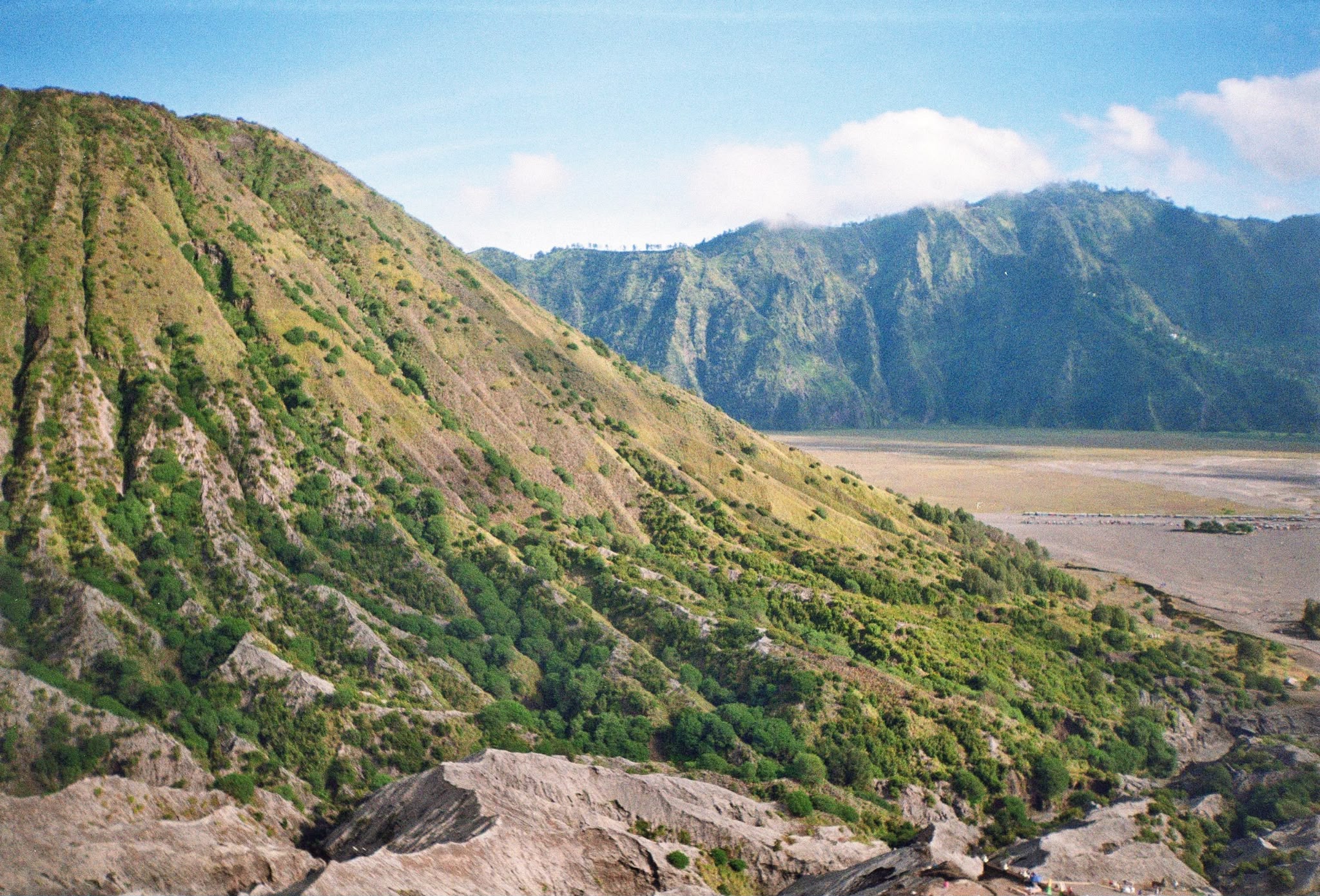
Mount Bromo feels like a miniature Mars. You climb to a viewpoint in the dark, watching the first light hit a line of volcanoes emerging from a sea of cloud. Ijen is different again. You hike at night through forest to reach the crater rim and look down on a turquoise lake at sunrise. These are early, cold, dusty mornings, but they are often the most memorable of the trip.
image of a local tour guide (for a travel agency)

Central Bali

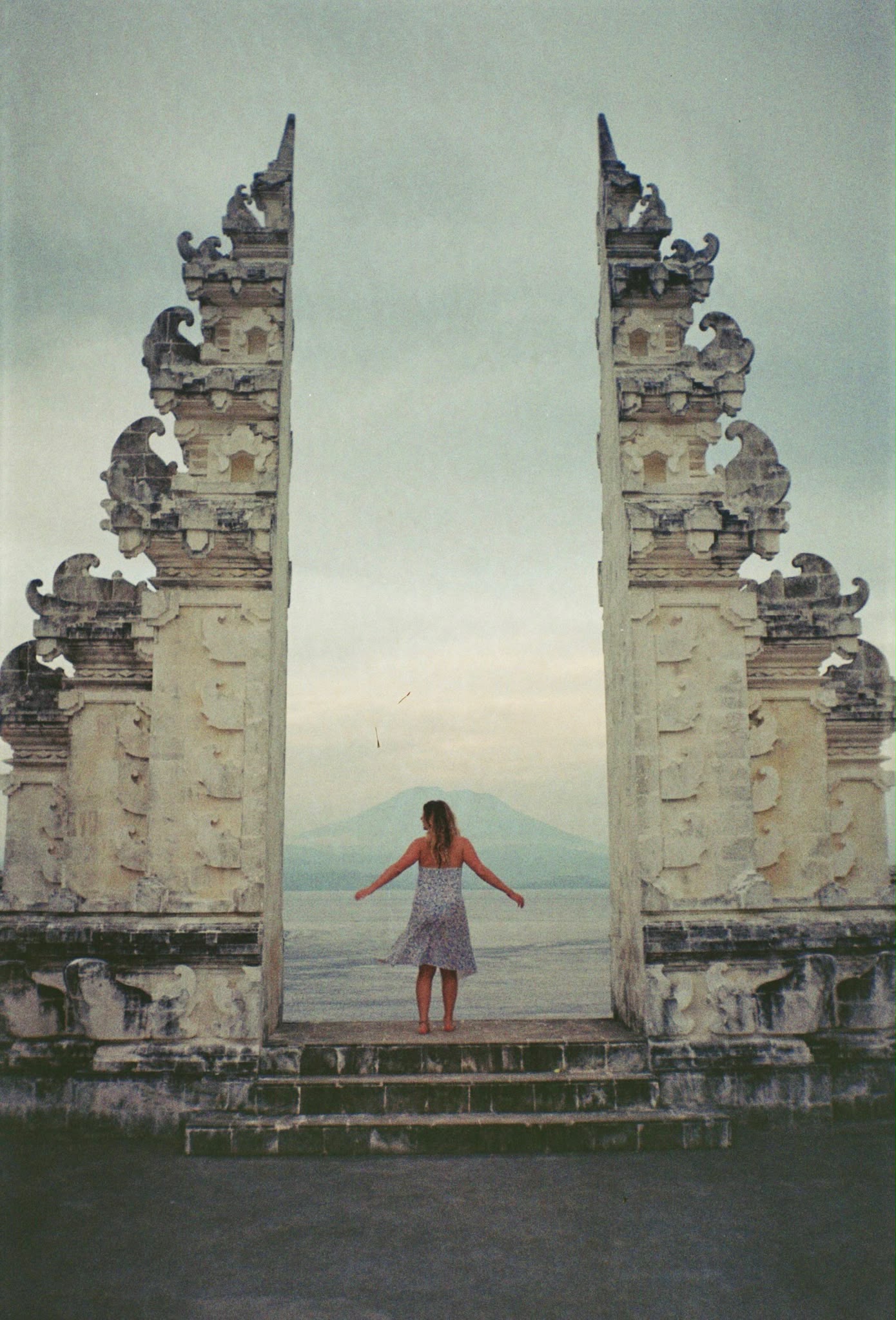
Central Bali ties everything together with temples, rice terraces and yoga studios. Sunrise coffee over tiered paddies and purification rituals in temples.
image of vibrant dining space (for a mexican restaurant)

East Java Waterfall Canyons

Madakaripura and Tumpak Sewu are the kind of waterfalls that make every future waterfall feel small. One is a narrow slot canyon where water pours from every side; the other is a huge semicircle of cascades dropping into a jungle bowl. With local guides, you weave through rivers and roots rather than stand behind railings.

image of a guided tour group

Volcano Sunrises at Bromo & Ijen

Mount Bromo feels like a miniature Mars. You climb to a viewpoint in the dark, watching the first light hit a line of volcanoes emerging from a sea of cloud. Ijen is different again. You hike at night through forest to reach the crater rim and look down on a turquoise lake at sunrise. These are early, cold, dusty mornings, but they are often the most memorable of the trip.
image of a local tour guide (for a travel agency)

Central Bali

Central Bali ties everything together with temples, rice terraces and yoga studios. Sunrise coffee over tiered paddies and purification rituals in temples.

Journey itinerary

Itinerary overview
Detailed breakdown follows

Days 1 to 2: Canggu, Bali / surf lessons, café culture, Tanah Lot sunset and Old Man's beach bar

Day 3: Fly to Surabaya / cross to Java, overnight in Surabaya or push to Malang

Day 4: Malang / coloured kampung murals, Shelter Hostel and introduction to East Java

Day 5: Madakaripura Waterfall / canyon walk through cascading walls of water, transfer toward Tumpak Sewu

Day 6: Tumpak Sewu Waterfall / rope descent to the jungle basin, transfer to Bromo area

Day 7: Mount Bromo sunrise / jeep to the viewpoint, sand sea crossing and crater rim walk

Day 8: Ijen Crater hike / pre-dawn ascent, turquoise crater lake at sunrise, ferry to Bali

Days 9 to 10: Ubud / rice terraces, coffee plantation, Monkey Forest, Mount Batur option and Yoga Barn

Day 11: Ferry to Nusa Lembongan / Dream Beach and first island afternoon

Day 12: Nusa Lembongan and Nusa Ceningan / scooter loop, yellow bridge, Devil's Tear and cliff cafés

Day 13: Nusa Penida arrival / check in and afternoon viewpoint reconnaissance

Day 14: Nusa Penida full day / Kelingking cliff, Diamond Beach, Atuh lookout and Crystal Bay swim

Day 15: Fast boat to Gili Trawangan / night market arrival and grilled fish

Day 16: Gili Trawangan / island loop by bike, Turtle Point snorkel and beach bars

Day 17: Final morning and return boat to Bali / Denpasar connection and departure

Day-by-day itinerary
Days 1 to 2: Canggu, Bali

Land at Ngurah Rai International Airport (DPS) in Denpasar. Grab or Gojek both work well from the airport to Canggu; the ride takes 30 to 45 minutes depending on traffic and costs approximately IDR 70,000 to 100,000. Compare prices across both apps before confirming; Gojek is often cheaper for shorter Bali rides.

Canggu is Bali's unofficial backpacker and surf hub: a loose strip of beach breaks, warung cafés, rice paddies gradually being replaced by villas, and a concentration of independent cafés, surf schools and hostels. It is not the Bali of temples and traditional culture; it is the Bali of good coffee, boards for hire and afternoons that drift into evenings. Use it as the launch point before the harder sections of the Java leg.

Surf: The main Canggu beach (Batu Bolong) has multiple beginner surf schools operating from the sand. Two-hour lessons including board and instructor cost approximately IDR 250,000 to 350,000. The break is beach break with a generally gentle inside section suitable for first-timers; the outside reef is for more experienced surfers. Echo Beach at the northern end of the Canggu coastal strip is more powerful and better for intermediates. If you surf already, Berawa and Pererenan also work depending on swell direction and tide.

Café culture: Canggu has the highest density of independent cafés per square metre of any beach town in Indonesia. Crate, Copenhagen, Sensorium and Fuji Sushi all have strong reputations for food quality. The neighbourhood rewards wandering; the lanes between the beach and the main road between Batu Bolong and Berawa have a café or rice field view around every corner. Most places open from 7 am and serve food all day.

Tanah Lot: The sea temple sits on an offshore rock 11 km south of central Canggu, roughly 30 minutes by scooter or taxi. It is one of Bali's most photographed silhouettes: a multi-tiered temple on a black rock with waves breaking around it as the sun drops into the Indian Ocean behind it. The area immediately around the temple is congested with hawkers and tourist infrastructure; arrive 30 minutes before sunset to find a viewing position before it fills. Entry approximately IDR 60,000.

Evenings: Old Man's at Batu Bolong beach is a beach bar with a well-established reputation as the central evening social spot in Canggu; cold Bintang, reasonable food and a consistent crowd on the sand. Sandbar nearby is a lower-key alternative. Canggu's party side runs through several bars along the main beach road; Luigi's is the most referenced, but the scene changes. Ask at your hostel for what is currently running.

Days 1 to 2: Canggu, Bali

Land at Ngurah Rai International Airport (DPS) in Denpasar. Grab or Gojek both work well from the airport to Canggu; the ride takes 30 to 45 minutes depending on traffic and costs approximately IDR 70,000 to 100,000. Compare prices across both apps before confirming; Gojek is often cheaper for shorter Bali rides.

Canggu is Bali's unofficial backpacker and surf hub: a loose strip of beach breaks, warung cafés, rice paddies gradually being replaced by villas, and a concentration of independent cafés, surf schools and hostels. It is not the Bali of temples and traditional culture; it is the Bali of good coffee, boards for hire and afternoons that drift into evenings. Use it as the launch point before the harder sections of the Java leg.

Surf: The main Canggu beach (Batu Bolong) has multiple beginner surf schools operating from the sand. Two-hour lessons including board and instructor cost approximately IDR 250,000 to 350,000. The break is beach break with a generally gentle inside section suitable for first-timers; the outside reef is for more experienced surfers. Echo Beach at the northern end of the Canggu coastal strip is more powerful and better for intermediates. If you surf already, Berawa and Pererenan also work depending on swell direction and tide.

Café culture: Canggu has the highest density of independent cafés per square metre of any beach town in Indonesia. Crate, Copenhagen, Sensorium and Fuji Sushi all have strong reputations for food quality. The neighbourhood rewards wandering; the lanes between the beach and the main road between Batu Bolong and Berawa have a café or rice field view around every corner. Most places open from 7 am and serve food all day.

Tanah Lot: The sea temple sits on an offshore rock 11 km south of central Canggu, roughly 30 minutes by scooter or taxi. It is one of Bali's most photographed silhouettes: a multi-tiered temple on a black rock with waves breaking around it as the sun drops into the Indian Ocean behind it. The area immediately around the temple is congested with hawkers and tourist infrastructure; arrive 30 minutes before sunset to find a viewing position before it fills. Entry approximately IDR 60,000.

Evenings: Old Man's at Batu Bolong beach is a beach bar with a well-established reputation as the central evening social spot in Canggu; cold Bintang, reasonable food and a consistent crowd on the sand. Sandbar nearby is a lower-key alternative. Canggu's party side runs through several bars along the main beach road; Luigi's is the most referenced, but the scene changes. Ask at your hostel for what is currently running.

Button Text
Day 3: Fly to Surabaya and cross to Java

Leave Canggu early for Denpasar airport. Domestic flights from Denpasar to Surabaya (Juanda International Airport, SUB) are frequent and affordable; Lion Air, Batik Air and Citilink all operate the route, typically under IDR 400,000 to 700,000 booked a week ahead. The flight takes approximately one hour. Book a morning departure to give the most margin for the onward journey.

From Surabaya you have two options: overnight in the city and move to Malang the following morning, or continue directly to Malang the same afternoon if your flight lands early enough. Malang is approximately two hours from Surabaya by bus (cheap, from the main bus station, around IDR 35,000) or by train on the Traveloka app (more comfortable, approximately IDR 50,000 to 100,000 depending on class). Most travellers choose to break the first day in Surabaya and reset; the Java leg is logistically demanding and arriving fresh to Malang in the morning is a better start.

Day 4: Malang and the coloured kampungs

Malang is East Java's second city: a Dutch colonial-era town at 445 metres above sea level with a noticeably cooler climate than the coast. Shelter Hostel is consistently well-reviewed for its homely feel and free breakfast.

The kampung wisata (tourist villages) are Malang's most unusual attraction: residential neighbourhoods whose walls, steps and alleys have been painted in bright colour blocks, murals and patterns by community art projects. Kampung Warna-Warni Jodipan, across the river from Kampung Tridi, is the most famous; the two are connected by a footbridge and the combination takes a couple of hours to walk. Entry for non-residents is nominal. These are real residential neighbourhoods rather than constructed sets; people are going about daily life around you. Early morning before the tour groups arrive is the right time.

The city's Dutch-era architecture around Tugu Square and the surrounding streets gives context for the colonial period in Java. The market at Pasar Besar is worth an hour for the spice stalls, fresh produce and the noise and density of a working Javanese market.

Day 5: Madakaripura Waterfall

Arrange a driver the night before; the journey from Malang to Madakaripura takes approximately three to three and a half hours. Many travellers use a local driver named Sony who offers a full-day circuit for a fixed price; ask at your hostel for the current contact and confirm the route and price before leaving. Agree everything clearly: destination, number of stops, waiting time and total cost.

Madakaripura is a narrow canyon waterfall system in the Bromo Tengger Semeru National Park foothills. From the car park you walk approximately 1.5 km through a narrowing gorge where the walls become progressively wetter as multiple waterfalls pour from the rock faces on all sides. The final section is fully enclosed: water falling from every direction as you wade through the stream at the base. You will get completely wet; this is not optional.

Sandals with good grip or light hiking shoes are essential; the rocks are slippery throughout. The canyon is deep and narrow enough that direct light only reaches the base for a short window each day. Arriving in the morning gives the best light conditions. A guide from the car park entrance area is available for approximately IDR 100,000 and is useful for the more submerged sections.

After Madakaripura, continue by road toward the Tumpak Sewu area. Dear Traveller Guesthouse near Tumpak Sewu works well as a base for the following morning.

Day 6: Tumpak Sewu Waterfall and transfer to Bromo

Tumpak Sewu (also called Coban Sewu) is one of the most dramatic waterfalls in Indonesia: a horseshoe-shaped curtain of water approximately 120 metres wide dropping into a jungle valley with a full 360-degree wall of vegetation around the basin. The upper viewpoint, reached within 10 minutes of arrival, gives the classic panoramic view looking down into the bowl.

The real experience is the descent. A local guide hired at the entrance is not optional here; the path down involves improvised ladders bolted into the rock face, rope handholds, stream crossings and some basic scrambling. The route changes with rainfall and conditions; a guide knows the current state of the path. The descent takes approximately 45 minutes and arrives at the base where multiple waterfalls converge. Standing on the rocks at the base looking up at the surrounding cliffs and water curtain is one of the most extraordinary natural settings in Java.

After the descent and a lunch stop at the entrance area, transfer toward the Bromo region. Homestays like Cahyo near Cemoro Lawang put you very close to the trailheads and can arrange the following morning's jeep. Alternatively, overnight in Probolinggo and transfer up to Bromo early the following morning; this is cheaper but adds early morning logistics.

Day 7: Mount Bromo sunrise

The alarm goes off between 2 and 3 am. Shared jeeps collect from the Cemoro Lawang homestays and drive up through the highland terrain to the Penanjakan viewpoint, the classic Bromo sunrise position. From here you watch the first light of dawn reveal what the cloud and darkness have been hiding: the vast Tengger Caldera with its sand sea floor and the cones of Bromo, Batok and Semeru rising through the mist. On clear mornings this is one of the most extraordinary landscapes in Southeast Asia.

Once the sun is up, jeeps descend to the sand sea. The walk across the sand to Bromo's crater takes approximately 30 minutes; the sulphur smell builds as you approach the crater rim. The rim itself gives a direct view into the smoking, churning crater. The scale of the broader caldera becomes clearest from here: you are inside a collapsed ancient volcano approximately 10 km across.

Skip the horses on the sand sea. The animals are not well treated and the walk is entirely manageable at a steady pace.

Return to the homestay for a late breakfast, then travel down to Probolinggo for the afternoon train to Banyuwangi. The train journey covers four to five hours through lowland East Java villages; book tickets on Traveloka. Overnight in Banyuwangi near the Ijen trailhead departure point; the hostel can arrange the following night's guide and transport.

Day 8: Ijen Crater and ferry to Bali

⚠️ Blue fire status (2026): The crater descent to view the blue fire at Kawah Ijen is currently closed to visitors due to ongoing sulfur pipe repairs and elevated volcanic gas levels inside the crater. The sunrise hike to the rim remains fully open and the turquoise crater lake view from the rim is spectacular regardless. Check current access status at the BBKSDA East Java official website before booking. The closure status changes; the descent may have reopened by the time you visit.

A minibus or jeep departs from Banyuwangi toward the Ijen trailhead at approximately 1 am to 2 am. Start between 2 and 3 am in the current configuration; this pace delivers you to the rim as the sky lightens rather than leaving you waiting in the cold for hours. A gas mask is mandatory regardless of whether the crater descent is open; the sulfur fumes reach the rim when wind direction shifts. Bring your own proper respirator with a multi-gas filter if possible; do not rely on a surgical mask or cloth covering, which offer no protection against volcanic gases. A health certificate confirming respiratory fitness is now required; these can be obtained from clinics in Banyuwangi or at the medical post at the Paltuding entrance gate.

The hike from the Paltuding trailhead to the crater rim is 3.5 km with approximately 600 metres of elevation gain. The path is wide and well-used; a guide hired at the trailhead is recommended but not strictly required if the crater descent is closed. The rim view: the turquoise lake below is one of the world's most acidic bodies of water, rich in dissolved sulphur and surrounded by the yellow mineral deposits from which the crater miners extract sulphur by hand daily. The contrast between the stillness of the lake and the scale of the volcanic activity underneath it is quietly overwhelming.

Ijen is closed to visitors on the first Friday of each month regardless of volcanic conditions. Avoid planning this day for a Friday.

After the hike, return for breakfast and shower, then take the Banyuwangi to Gilimanuk ferry (approximately 45 minutes, runs continuously). Many hostels in Banyuwangi sell combined ferry and bus packages through to Mengwi bus station near Ubud. A short taxi from Mengwi brings you into central Ubud by late afternoon.

Days 9 to 10: Ubud

Ubud sits at 450 metres in the foothills of central Bali, cooler than the coast and set in a landscape of rice terraces, river gorges and Hindu temples that shows a completely different face of the island from Canggu's beach energy. The town is small enough to walk across in 30 minutes; the surrounding countryside is most efficiently covered by scooter or hired driver.

Rice terraces: Tegallalang, 3 km north of central Ubud, is the most famous and most photographed: a cascade of terraced rice paddies on steep valley walls, bright green in planting season. It is busy, particularly on weekends, but still beautiful in the early morning before tour groups arrive. Walk further than the main entrance area; the terraces extend well beyond the commercial section where the swings and photo props are concentrated. Entry and pathway donations approximately IDR 20,000 to 50,000.

Coffee plantation: Several coffee farms on the approach to Tegallalang offer free tours of their production: kopi luwak (civet coffee), Balinese black coffee, ginger tea and multiple infusions for tasting. Kopi Puri and Oka Wati's farm are both well-reviewed options. The kopi luwak is controversial due to welfare concerns around civet farming; farms that can demonstrate genuinely wild-collected rather than caged production are preferable, and these do exist in the Ubud area. Ask directly before buying.

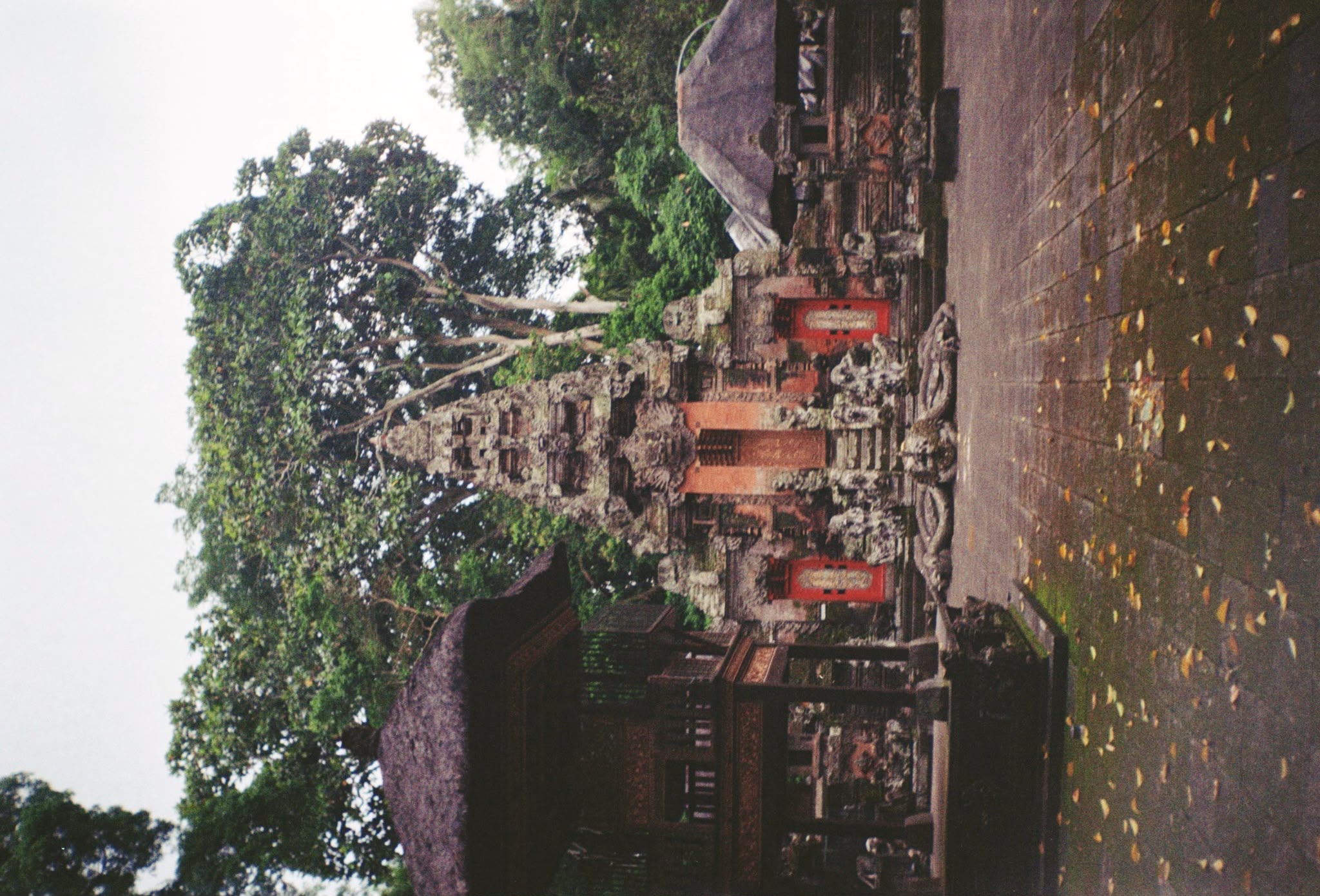
Monkey Forest: The Sacred Monkey Forest Sanctuary at the southern end of Jalan Monkey Forest holds approximately 700 long-tailed macaques in a 12.5-hectare forest around three temples. Entry approximately IDR 80,000. The monkeys are completely habituated to humans and will grab at anything accessible; keep bags closed and zipped, remove sunglasses and secure loose items. The forest itself, with its ancient temple architecture emerging from the roots and the sounds of the monkeys above, is genuinely atmospheric beyond the animal encounters.

Mount Batur (optional, Day 10): A 2 am pickup for the predawn hike to Batur's summit at 1,717 metres. The one and a half to two-hour ascent arrives at the rim for sunrise over the crater lake and the wider Kintamani caldera. It is a popular and well-organised trek with guides available through any Ubud hostel; cost approximately IDR 350,000 to 500,000 per person including guide and transport. The path is busy in peak season but the summit view in clear conditions is one of the better volcanic panoramas in Bali.

Yoga Barn and Alchemy: Yoga Barn runs multiple sessions daily in an open-sided studio overlooking the rice fields; drop-in classes from approximately IDR 120,000. Alchemy on Jalan Penestanan has a raw café and wellness treatments. Both are unabashedly wellness-focused and the combination of yoga, a bowl of something fresh, and the slowdown after several days of early alarms is the correct use of the second Ubud afternoon.

Day 11: Ferry to Nusa Lembongan

Shuttle buses from Ubud to Sanur beach take approximately 45 minutes. Speedboats from Sanur to Nusa Lembongan depart multiple times daily from around 8 am to 4 pm; the crossing takes 30 to 45 minutes and costs approximately IDR 200,000 to 300,000. The sea can be rough, particularly in the dry season when the swell picks up; seasickness tablets are worth taking if you are susceptible.

Nusa Lembongan is small: 8 square kilometres, no traffic lights, accommodation arranged around the coves of Jungutbatu bay and Dream Beach. After the Java volcanoes and the early mornings, the island's pace is deliberate decompression. Dream Beach on the western coast has a cliff-backed white sand beach with strong shore break; the adjacent café provides the correct late afternoon vantage point.

Day 12: Nusa Lembongan and Nusa Ceningan

Rent a scooter for the day (approximately IDR 60,000 to 80,000) or negotiate a fixed-price driver. The narrow yellow suspension bridge connecting Lembongan to neighbouring Nusa Ceningan is the most photographed junction between the two islands; cross it and continue on Ceningan's small ring road.

Devil's Tear on Ceningan's southern coast is a blowholes and wave impact area where the ocean surges into rock channels and shoots upward; arrive in the morning for the spray against the light. The cliff viewpoints along the southeastern coast give continuous views of the open ocean. Sandy Bay and the Blue Lagoon on Ceningan's calmer north side are suitable for snorkelling and swimming.

Back on Lembongan in the late afternoon: the cliff bars above the western coast (Sandy Bay Beach Club and Sunset Gecko) both give the best Lembongan sunset view with the ocean horizon clear to the southwest.

Day 13: Nusa Penida arrival

Local boats run between Lembongan and Nusa Penida approximately every 20 to 30 minutes from the main jetty; the crossing takes 15 minutes and costs approximately IDR 50,000. Fast boat transfers from Sanur directly to Penida are also available for those coming from Bali.

Nusa Penida is a different order of scale from Lembongan: 20 km long, 1,000-metre sea cliffs in places, roads that are genuinely rough, and distances that look short on a map but take far longer than expected to drive. The island's dramatic geography is the attraction; its infrastructure has improved significantly in recent years but requires realistic expectations about road quality.

Use the arrival afternoon to hire a scooter or arrange a driver for the following full day, get accommodation settled and do a short reconnaissance to a nearby viewpoint rather than trying to cover the main sites immediately. Nuansa Penida Hostel has good views and restaurant access; Ped Penida and the Toya Pakeh area around the ferry arrival point have the best concentration of guesthouses.

Day 14: Nusa Penida main circuit

Start before 7 am. The main Penida sites fill quickly after 9 am and the roads slow further as the day progresses.

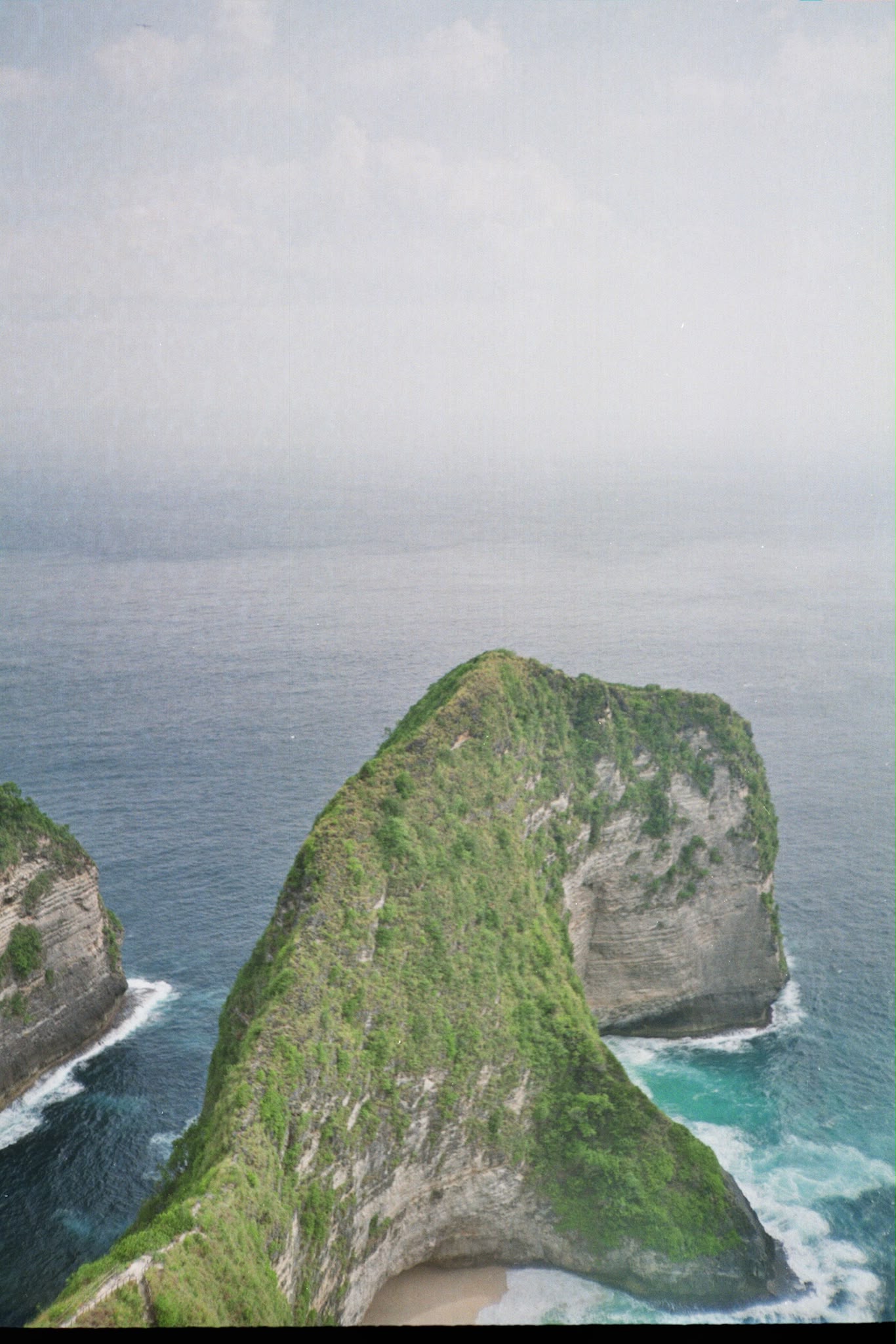
Kelingking Beach: The most photographed location in Bali and, by many accounts, in Indonesia. The coastal cliff curves into a shape from the main viewpoint above that is compared to a T-Rex head; below it, a white sand beach sits at the base of near-vertical rock. The main viewpoint is at the cliff edge approximately 100 metres above the sea. The path down to the beach exists but is extremely steep, exposed, and poorly maintained in places; only attempt it if you are confident in your fitness and balance, and allow 45 minutes each way at minimum. The view from the top is the experience; the descent is optional.

Diamond Beach: On the eastern coast, reached by a substantial staircase cut into the cliff face. The beach itself is a small arc of white sand between dramatic rock formations, accessible only via the stairs; the light in the morning from the east is the best time to photograph it. The viewpoint above Atuh Beach nearby gives the widest eastern coastal panorama.

Crystal Bay: On the western coast, a calm sheltered bay with good snorkelling conditions and a sandy beach. Sea turtles are regularly sighted. This is the most swimmable beach on the standard Penida circuit and works well as a final afternoon stop before the return.

Day 15: Fast boat to Gili Trawangan

Fast boats from Nusa Penida to Gili Trawangan operate through multiple operators; check schedules 24 to 48 hours in advance as routes and timing vary seasonally. The journey is approximately two to three hours depending on the operator and sea conditions. Expect a bumpy crossing; the stretch between Lombok and the Gilis can be rough.

Gili Trawangan is the largest and most social of the three Gili islands. No motorised vehicles; the island moves by bicycle and horse cart. The horse carts (cidomo) involve poor working conditions for the animals; walk or cycle instead.

The night market on the main strip opens from around 5 pm: grilled fish, satay, local pancakes and a mix of travellers and locals. It is the best casual eating on the island and the natural first evening stop.

Day 16: Gili Trawangan island loop and snorkelling

Rent a bicycle and circuit the island's perimeter path, approximately 11 km, taking an hour at an easy pace or significantly longer with stops. The west coast faces Bali and gives the sunset view across to Lombok's Rinjani volcano. Turtle Point on the northeast coast is where green sea turtles rest on the shallow reef; a mask and fins and a 20-metre swim from the shore gives consistent sightings in calm conditions.

Group snorkel tours (approximately IDR 150,000 to 200,000 per person, half-day, includes mask and fins) cover a wider circuit including the underwater statue garden in the channel between Gili T and Gili Meno, additional turtle sighting areas, and some of the better coral sections on the eastern side. Touristy but effective; the turtle sightings are reliable.

The island loop in the afternoon covers beach bars on the west coast for sunset. The vibe on the west-facing stretch in the final hour of light is the best version of Gili Trawangan.

Day 17: Final morning and return to Bali

A last snorkel at Turtle Point, a slow breakfast at Hello Capitano or Coffee and Thyme, or a final circuit of the island by bike.

The afternoon boat back to Bali lands at Padangbai or Serangan depending on the operator; check in advance which port your boat uses as they are on different sides of the Bali coast. From either port, Grab or Gojek connect to Denpasar airport. Build at least two hours between the boat landing time and any flight departure; boat delays are common.

In pictures

No items found.

Traveller suggestions

Accomodation

Canggu

Mid-tier : The Farm (the social mid-range hostel option, pool, central), Lushy Hostel (classic backpacker, lively atmosphere)

Budget : Nyaman Hostel (calm and social, well-reviewed for cleanliness and community feel), Finn's Backpackers (pool, central, reliable budget option)

Surabaya (transit)

Overnight in a simple homestay or budget hotel near the bus/train station. This is a transit night only.

Malang

Shelter Hostel (homely feel, free breakfast, the correct base for the Java volcano section)

Near Tumpak Sewu

Dear Traveller Guesthouse (well-positioned for the morning guide and onward Bromo transfer, the standard base)

Bromo area (Cemoro Lawang)

Budget : Cahyo Homestay (very close to the trailheads, jeep and guide arrangements on site, basic but functional), multiple family homestays along the Cemoro Lawang ridge (ask your Malang hostel for current best option; these change)

Banyuwangi (Ijen base)

Ijen Backpackers (the standard budget option, guide arrangements on site), simple guesthouses near the Ketapang ferry terminal for early departure convenience

Ubud

Premium : Komaneka at Bisma (clifftop, infinity pool, jungle views, the most atmospheric luxury option), Bambu Indah (eco-luxury, bamboo structures, river setting)

Mid-tier : Pillow Inn (the itinerary's named pick, reliable mid-range, central), Kuna Hostel (well-reviewed boutique hostel with private rooms, good social space)

Budget : The Cabin Hostel (clean, central, reliable budget dorms), Pondok Pundi Village Inn (quiet, garden setting, budget private rooms)

Nusa Lembongan

Mid-tier : Sandy Bay Beach Club Bungalows (clifftop, sunset views, pool), Hai Tide Beach Resort (beachfront, the most comfortable mid-range option)

Budget : Dream Beach Hostel (the named pick, close to Dream Beach, social), Mushroom Beach Bungalows (reliable budget option near the main ferry jetty)

Nusa Penida

Mid-tier : Adiwana Warnakali (clifftop pool, views, the most design-forward option on the island)

Budget : Nuansa Penida Hostel (views, on-site restaurant, the standard backpacker base), Penida Colada (newer hostel, well-reviewed for cleanliness and staff)

Gili Trawangan

Mid-tier : Gili Castle (central, pool, close to the main strip), My Mates Place (reliable mid-range, central position)

Budget : Mad Monkey Gili T (very social, party-focused, a walk from the centre), Woodstock Gili (quieter than Mad Monkey, garden setting, good value)

Food & Drink

Canggu

Premium : Santanera (Latin-inspired, bold South American flavours, rooftop), Skool Kitchen (open-flame grill, rooftop beach club, good for sunset)

Mid-tier : Crate (café and brunch, consistently popular), Copenhagen (café and breakfast, clean and reliable), Sensorium (creative café menu), Warung Sika (traditional Indonesian, local expat favourite, always full)

Budget : Local warungs on the backstreets for nasi goreng and mie goreng at IDR 25,000 to 40,000 (the cheapest and most authentic eating in Canggu), Old Man's beach bar (bar food on the sand)

The essential Indonesian dishes to eat throughout this route: nasi goreng (fried rice, the national staple), mie goreng (fried noodles), gado-gado (vegetable salad with peanut sauce), soto ayam (chicken turmeric soup), babi guling (Balinese suckling pig, Ubud specialty) and tempeh in every form.

Malang / Java (on the road)

Warungs and small restaurants in Malang, Probolinggo and Banyuwangi serve hearty, cheap Javanese food: bakso (meatball soup), nasi pecel (rice with peanut vegetable sauce), rawon (dark beef broth with black nut) and soto. Order at whatever looks freshest and busiest. There is no destination dining on the Java section; eat locally, eat cheaply, eat well.

Ubud

Premium : Locavore NXT (Indonesia's most acclaimed farm-to-table, tasting menu, book weeks ahead), Copper (borderless cuisine, rooftop jungle views, slow-cooked meats)

Mid-tier : Suka Espresso (café and all-day dining, reliable quality), L'Osteria (Italian, wood-fired, reliable for an evening change of pace), ORYn (atmospheric dinner, botanical cocktails, one of the newest well-reviewed kitchens in town)

Budget : Local warungs on Jalan Bisma and the backstreets for babi guling and nasi campur (mixed rice plate); Alchemy (raw café, plant-based, the wellness food option), night market near the main temple for cheap satay and grilled corn

Nusa Islands (Lembongan, Penida, Gili T)

Eating on the islands is about fresh grilled seafood and simplicity rather than destination restaurants. The night market on Gili Trawangan (grilled fish, local pancakes, IDR 30,000 to 60,000 per plate) is the best island eating on the whole route. On Penida and Lembongan, warung restaurants around the main arrival areas serve nasi goreng, fish and simple Indonesian plates; Hello Capitano on Gili T and Coffee and Thyme are both good for a slow morning.

Reminders & Cautions

Ride apps: Gojek and Grab both work throughout Bali. Gojek is often cheaper for shorter rides; compare both before confirming. Neither app works in the Gili Islands (no cars) or on Nusa Penida road trips where you need a fixed-price driver or scooter rental.

Domestic flights: Denpasar (DPS) to Surabaya (SUB) is the key domestic flight on this route. Lion Air, Batik Air and Citilink all operate it frequently; book a week or more ahead for prices under IDR 500,000. Book morning flights for the most margin.

Java transport: The Traveloka app covers train booking across Java; use it for the Probolinggo to Banyuwangi leg. Trains are more comfortable than buses for longer Java distances. Private drivers for the waterfall and volcano circuit are arranged through your Malang hostel; agree the full route, price, waiting time and what is included before departure.

Ijen health certificate: A health certificate confirming respiratory fitness is now required to hike Ijen. Available from clinics in Banyuwangi or at the medical post at the Paltuding entrance gate. Book with a reputable operator whose guides carry proper multi-gas filter respirators; avoid thin surgical masks which offer no protection against volcanic gases.

Ijen blue fire status (2026): The crater descent to view the blue fire is currently closed due to sulfur pipe repairs. The sunrise hike to the rim remains open. Check current status at the BBKSDA East Java official website before booking. The crater is also closed to all visitors on the first Friday of each month.

Banyuwangi to Bali ferry: The Ketapang to Gilimanuk ferry runs 24 hours, every 30 minutes, and takes approximately 45 minutes. Many Banyuwangi hostels sell combined ferry and bus packages through to Ubud or Canggu.

Nusa Island fast boats: Services between Sanur (Bali), Nusa Lembongan, Nusa Ceningan, Nusa Penida and the Gili Islands operate through multiple operators with varying schedules. Check schedules 24 to 48 hours in advance; routes and operators change seasonally. The Gili Bookings or Perama platforms are reliable for current schedules.

Scooter rental: IDR 60,000 to 100,000 per day across Bali and the islands. Essential for Nusa Lembongan, Nusa Penida and Gili Trawangan; very useful in Ubud. The roads on Nusa Penida are rough; if you are not confident on a scooter in poor conditions, hire a car and driver for the Penida full day (IDR 450,000 to 600,000).

Currency: Indonesian Rupiah (IDR). Cash is essential throughout Java and on the islands; ATMs are available in Canggu, Ubud, Gili Trawangan and the main Nusa Penida town but unreliable in remote areas. Withdraw sufficient cash in Ubud before heading to the islands. Credit cards accepted at mid-range and upmarket accommodation and restaurants in Canggu and Ubud but rarely elsewhere.

Season: The dry season (April to October) is the best window for the full route: reliable volcano visibility for Bromo and Ijen, calm seas for the island crossings and snorkelling, and manageable heat. November to March is the wet season: daily afternoon rain, the waterfalls (Madakaripura and Tumpak Sewu) are more powerful and dramatic, but sea crossings to the islands can be rough and fast boat cancellations increase. Bromo and Ijen are open year-round but visibility at the viewpoints is better in the dry season.

Dress code: Cover shoulders and knees at all Balinese Hindu temples. A sarong is required to enter most temple complexes; these are available to rent or borrow at most sites. Remove shoes before entering any shrine or temple building.

Volcanoes: Both Bromo and Ijen are active volcanoes. Monitor current volcanic activity advisories from the Indonesian Centre for Volcanology and Geological Hazard Mitigation (PVMBG) before and during the trip. Activity levels change and trail access can be temporarily suspended with limited notice.

image of vibrant dining space (for a mexican restaurant)

East Java Waterfall Canyons

Madakaripura and Tumpak Sewu are the kind of waterfalls that make every future waterfall feel small. One is a narrow slot canyon where water pours from every side; the other is a huge semicircle of cascades dropping into a jungle bowl. With local guides, you weave through rivers and roots rather than stand behind railings.

image of a guided tour group

Volcano Sunrises at Bromo & Ijen

Mount Bromo feels like a miniature Mars. You climb to a viewpoint in the dark, watching the first light hit a line of volcanoes emerging from a sea of cloud. Ijen is different again. You hike at night through forest to reach the crater rim and look down on a turquoise lake at sunrise. These are early, cold, dusty mornings, but they are often the most memorable of the trip.
image of a local tour guide (for a travel agency)

Central Bali

Central Bali ties everything together with temples, rice terraces and yoga studios. Sunrise coffee over tiered paddies and purification rituals in temples.

Reminders from Collective travellers

Ride apps: Gojek and Grab both work throughout Bali. Gojek is often cheaper for shorter rides; compare both before confirming. Neither app works in the Gili Islands (no cars) or on Nusa Penida road trips where you need a fixed-price driver or scooter rental.

Domestic flights: Denpasar (DPS) to Surabaya (SUB) is the key domestic flight on this route. Lion Air, Batik Air and Citilink all operate it frequently; book a week or more ahead for prices under IDR 500,000. Book morning flights for the most margin.

Java transport: The Traveloka app covers train booking across Java; use it for the Probolinggo to Banyuwangi leg. Trains are more comfortable than buses for longer Java distances. Private drivers for the waterfall and volcano circuit are arranged through your Malang hostel; agree the full route, price, waiting time and what is included before departure.

Ijen health certificate: A health certificate confirming respiratory fitness is now required to hike Ijen. Available from clinics in Banyuwangi or at the medical post at the Paltuding entrance gate. Book with a reputable operator whose guides carry proper multi-gas filter respirators; avoid thin surgical masks which offer no protection against volcanic gases.

Ijen blue fire status (2026): The crater descent to view the blue fire is currently closed due to sulfur pipe repairs. The sunrise hike to the rim remains open. Check current status at the BBKSDA East Java official website before booking. The crater is also closed to all visitors on the first Friday of each month.

Banyuwangi to Bali ferry: The Ketapang to Gilimanuk ferry runs 24 hours, every 30 minutes, and takes approximately 45 minutes. Many Banyuwangi hostels sell combined ferry and bus packages through to Ubud or Canggu.

Nusa Island fast boats: Services between Sanur (Bali), Nusa Lembongan, Nusa Ceningan, Nusa Penida and the Gili Islands operate through multiple operators with varying schedules. Check schedules 24 to 48 hours in advance; routes and operators change seasonally. The Gili Bookings or Perama platforms are reliable for current schedules.

Scooter rental: IDR 60,000 to 100,000 per day across Bali and the islands. Essential for Nusa Lembongan, Nusa Penida and Gili Trawangan; very useful in Ubud. The roads on Nusa Penida are rough; if you are not confident on a scooter in poor conditions, hire a car and driver for the Penida full day (IDR 450,000 to 600,000).

Currency: Indonesian Rupiah (IDR). Cash is essential throughout Java and on the islands; ATMs are available in Canggu, Ubud, Gili Trawangan and the main Nusa Penida town but unreliable in remote areas. Withdraw sufficient cash in Ubud before heading to the islands. Credit cards accepted at mid-range and upmarket accommodation and restaurants in Canggu and Ubud but rarely elsewhere.

Season: The dry season (April to October) is the best window for the full route: reliable volcano visibility for Bromo and Ijen, calm seas for the island crossings and snorkelling, and manageable heat. November to March is the wet season: daily afternoon rain, the waterfalls (Madakaripura and Tumpak Sewu) are more powerful and dramatic, but sea crossings to the islands can be rough and fast boat cancellations increase. Bromo and Ijen are open year-round but visibility at the viewpoints is better in the dry season.

Dress code: Cover shoulders and knees at all Balinese Hindu temples. A sarong is required to enter most temple complexes; these are available to rent or borrow at most sites. Remove shoes before entering any shrine or temple building.

Volcanoes: Both Bromo and Ijen are active volcanoes. Monitor current volcanic activity advisories from the Indonesian Centre for Volcanology and Geological Hazard Mitigation (PVMBG) before and during the trip. Activity levels change and trail access can be temporarily suspended with limited notice.

Reminders from Collective travellers

Ride apps: Gojek and Grab both work throughout Bali. Gojek is often cheaper for shorter rides; compare both before confirming. Neither app works in the Gili Islands (no cars) or on Nusa Penida road trips where you need a fixed-price driver or scooter rental.

Domestic flights: Denpasar (DPS) to Surabaya (SUB) is the key domestic flight on this route. Lion Air, Batik Air and Citilink all operate it frequently; book a week or more ahead for prices under IDR 500,000. Book morning flights for the most margin.

Java transport: The Traveloka app covers train booking across Java; use it for the Probolinggo to Banyuwangi leg. Trains are more comfortable than buses for longer Java distances. Private drivers for the waterfall and volcano circuit are arranged through your Malang hostel; agree the full route, price, waiting time and what is included before departure.

Ijen health certificate: A health certificate confirming respiratory fitness is now required to hike Ijen. Available from clinics in Banyuwangi or at the medical post at the Paltuding entrance gate. Book with a reputable operator whose guides carry proper multi-gas filter respirators; avoid thin surgical masks which offer no protection against volcanic gases.

Ijen blue fire status (2026): The crater descent to view the blue fire is currently closed due to sulfur pipe repairs. The sunrise hike to the rim remains open. Check current status at the BBKSDA East Java official website before booking. The crater is also closed to all visitors on the first Friday of each month.

Banyuwangi to Bali ferry: The Ketapang to Gilimanuk ferry runs 24 hours, every 30 minutes, and takes approximately 45 minutes. Many Banyuwangi hostels sell combined ferry and bus packages through to Ubud or Canggu.

Nusa Island fast boats: Services between Sanur (Bali), Nusa Lembongan, Nusa Ceningan, Nusa Penida and the Gili Islands operate through multiple operators with varying schedules. Check schedules 24 to 48 hours in advance; routes and operators change seasonally. The Gili Bookings or Perama platforms are reliable for current schedules.

Scooter rental: IDR 60,000 to 100,000 per day across Bali and the islands. Essential for Nusa Lembongan, Nusa Penida and Gili Trawangan; very useful in Ubud. The roads on Nusa Penida are rough; if you are not confident on a scooter in poor conditions, hire a car and driver for the Penida full day (IDR 450,000 to 600,000).

Currency: Indonesian Rupiah (IDR). Cash is essential throughout Java and on the islands; ATMs are available in Canggu, Ubud, Gili Trawangan and the main Nusa Penida town but unreliable in remote areas. Withdraw sufficient cash in Ubud before heading to the islands. Credit cards accepted at mid-range and upmarket accommodation and restaurants in Canggu and Ubud but rarely elsewhere.

Season: The dry season (April to October) is the best window for the full route: reliable volcano visibility for Bromo and Ijen, calm seas for the island crossings and snorkelling, and manageable heat. November to March is the wet season: daily afternoon rain, the waterfalls (Madakaripura and Tumpak Sewu) are more powerful and dramatic, but sea crossings to the islands can be rough and fast boat cancellations increase. Bromo and Ijen are open year-round but visibility at the viewpoints is better in the dry season.

Dress code: Cover shoulders and knees at all Balinese Hindu temples. A sarong is required to enter most temple complexes; these are available to rent or borrow at most sites. Remove shoes before entering any shrine or temple building.

Volcanoes: Both Bromo and Ijen are active volcanoes. Monitor current volcanic activity advisories from the Indonesian Centre for Volcanology and Geological Hazard Mitigation (PVMBG) before and during the trip. Activity levels change and trail access can be temporarily suspended with limited notice.

Reminders from Collective travellers

Ride apps: Gojek and Grab both work throughout Bali. Gojek is often cheaper for shorter rides; compare both before confirming. Neither app works in the Gili Islands (no cars) or on Nusa Penida road trips where you need a fixed-price driver or scooter rental.

Domestic flights: Denpasar (DPS) to Surabaya (SUB) is the key domestic flight on this route. Lion Air, Batik Air and Citilink all operate it frequently; book a week or more ahead for prices under IDR 500,000. Book morning flights for the most margin.

Java transport: The Traveloka app covers train booking across Java; use it for the Probolinggo to Banyuwangi leg. Trains are more comfortable than buses for longer Java distances. Private drivers for the waterfall and volcano circuit are arranged through your Malang hostel; agree the full route, price, waiting time and what is included before departure.

Ijen health certificate: A health certificate confirming respiratory fitness is now required to hike Ijen. Available from clinics in Banyuwangi or at the medical post at the Paltuding entrance gate. Book with a reputable operator whose guides carry proper multi-gas filter respirators; avoid thin surgical masks which offer no protection against volcanic gases.

Ijen blue fire status (2026): The crater descent to view the blue fire is currently closed due to sulfur pipe repairs. The sunrise hike to the rim remains open. Check current status at the BBKSDA East Java official website before booking. The crater is also closed to all visitors on the first Friday of each month.

Banyuwangi to Bali ferry: The Ketapang to Gilimanuk ferry runs 24 hours, every 30 minutes, and takes approximately 45 minutes. Many Banyuwangi hostels sell combined ferry and bus packages through to Ubud or Canggu.

Nusa Island fast boats: Services between Sanur (Bali), Nusa Lembongan, Nusa Ceningan, Nusa Penida and the Gili Islands operate through multiple operators with varying schedules. Check schedules 24 to 48 hours in advance; routes and operators change seasonally. The Gili Bookings or Perama platforms are reliable for current schedules.

Scooter rental: IDR 60,000 to 100,000 per day across Bali and the islands. Essential for Nusa Lembongan, Nusa Penida and Gili Trawangan; very useful in Ubud. The roads on Nusa Penida are rough; if you are not confident on a scooter in poor conditions, hire a car and driver for the Penida full day (IDR 450,000 to 600,000).

Currency: Indonesian Rupiah (IDR). Cash is essential throughout Java and on the islands; ATMs are available in Canggu, Ubud, Gili Trawangan and the main Nusa Penida town but unreliable in remote areas. Withdraw sufficient cash in Ubud before heading to the islands. Credit cards accepted at mid-range and upmarket accommodation and restaurants in Canggu and Ubud but rarely elsewhere.

Season: The dry season (April to October) is the best window for the full route: reliable volcano visibility for Bromo and Ijen, calm seas for the island crossings and snorkelling, and manageable heat. November to March is the wet season: daily afternoon rain, the waterfalls (Madakaripura and Tumpak Sewu) are more powerful and dramatic, but sea crossings to the islands can be rough and fast boat cancellations increase. Bromo and Ijen are open year-round but visibility at the viewpoints is better in the dry season.

Dress code: Cover shoulders and knees at all Balinese Hindu temples. A sarong is required to enter most temple complexes; these are available to rent or borrow at most sites. Remove shoes before entering any shrine or temple building.

Volcanoes: Both Bromo and Ijen are active volcanoes. Monitor current volcanic activity advisories from the Indonesian Centre for Volcanology and Geological Hazard Mitigation (PVMBG) before and during the trip. Activity levels change and trail access can be temporarily suspended with limited notice.

Journey adjustments

If you have less time, cut Malang and go directly to Bromo from Surabaya.

Madakaripura and Tumpak Sewu are the most logistically demanding elements of the Java section. Removing them saves two days and simplifies the Java leg to a straightforward Surabaya to Bromo to Ijen sequence. The trade-off is losing two of the most dramatically beautiful waterfalls in Southeast Asia. If the volcanoes are the primary reason for the Java section, this is a clean cut; if waterfalls and jungle are the draw, keep them.

If you want to slow down, add a night in Nusa Ceningan.

Nusa Ceningan is the smallest and quietest of the three connected islands, accessible from Lembongan by the yellow bridge. Adding a night here removes the Day 12 day-trip dynamic and turns the smaller island into a base rather than a stop. The sea kayaking around Ceningan's cliffs and the Blue Lagoon snorkelling is better appreciated at a slower pace.

If you want a more adventurous volcano extension, add Mount Rinjani from Gili T.

Lombok's Rinjani volcano (3,726 metres, the second highest in Indonesia) is visible from Gili Trawangan on clear days. A two to three-day Rinjani trek from Senggigi or Sembalun departs by fast boat from Gili T to Lombok and is one of the most serious and rewarding hiking experiences in the Indonesian archipelago. This requires a genuine multi-day trekking commitment with guide and camping equipment, adding three to four days before returning to Bali for the flight home.

If you want to replace Gili Trawangan with something quieter, try Gili Meno or Gili Air.

Gili Trawangan is the social choice; Gili Meno is the romantic and almost deserted alternative with better coral and fewer people, while Gili Air sits between the two in character. All three are accessible from the same fast boat routes; switching the final island stop changes the social dynamic significantly without changing the logistics.

If you want to add Yogyakarta and Borobudur, insert it between the Java volcanoes and Bali.

After Ijen, rather than taking the ferry to Bali, continue overland west to Yogyakarta (Jogja) by train. Borobudur, the 9th-century Buddhist temple complex 40 km from Jogja, is UNESCO listed and one of the largest Buddhist monuments on Earth. Prambanan, the adjacent Hindu temple complex, is equally significant. Two nights in Jogja covers both sites plus the city's batik workshops, kraton (royal palace) and street food scene. Fly from Jogja's Adisucipto Airport to Denpasar to continue the Bali section. This adds two to three days.

Collective travellers' testimonials

Francesca - Cecina, Italy

"This is a great trip for someone who wants to combine cultural sightseeing with intense exploration and relaxed beach days. You really do it all and feel like you get a true taste of all aspects of Indonesian life."

Saskia - London, UK

"Tumpak Sewu and Ijen were easily two of the most dramatic places I have ever seen. This was definetely the most unique locations we visited, much more memorable than Bali's beach clubs."

Emmanuele - Rome, Italy

"Gili Islands' calm and relaxed vibe was the best period of the trip - super chill place with some stunning empty beaches."