image of popular travel destinations

Jordan

A one-week road trip through Jordan’s heartlands, from the Roman ruins of Jerash and the rose-red cliffs of Petra to the vast silence of Wadi Rum and the still waters of the Dead Sea

Cross a country shaped by faith, empire, and desert winds, tracing the King’s Highway through cities, canyons, and sand

Jordan compresses 4,000 years of civilisation into landscapes that change every few hours. The journey begins in Amman, where Bronze Age ruins share a skyline with modern cafés, then heads north to Jerash, one of the world’s best-preserved Roman cities.

Travelling south, stop in Madaba, famed for its Byzantine mosaics, and descend 400 metres below sea level to float in the Dead Sea, where prophets once wandered and time feels suspended.

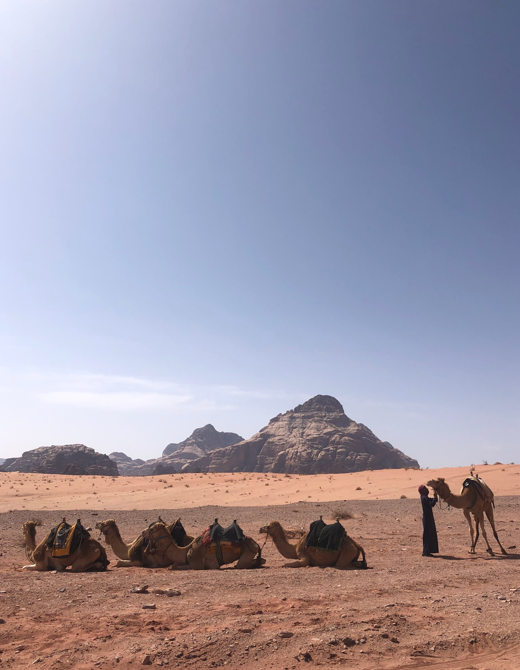
Continue along the ancient King’s Highway to Petra, the Nabatean masterpiece carved into rose-red rock, and end among the dunes of Wadi Rum, where Bedouin guides lead travellers across landscapes so still they feel lunar.

Highlights

image of vibrant dining space (for a mexican restaurant)

Petra

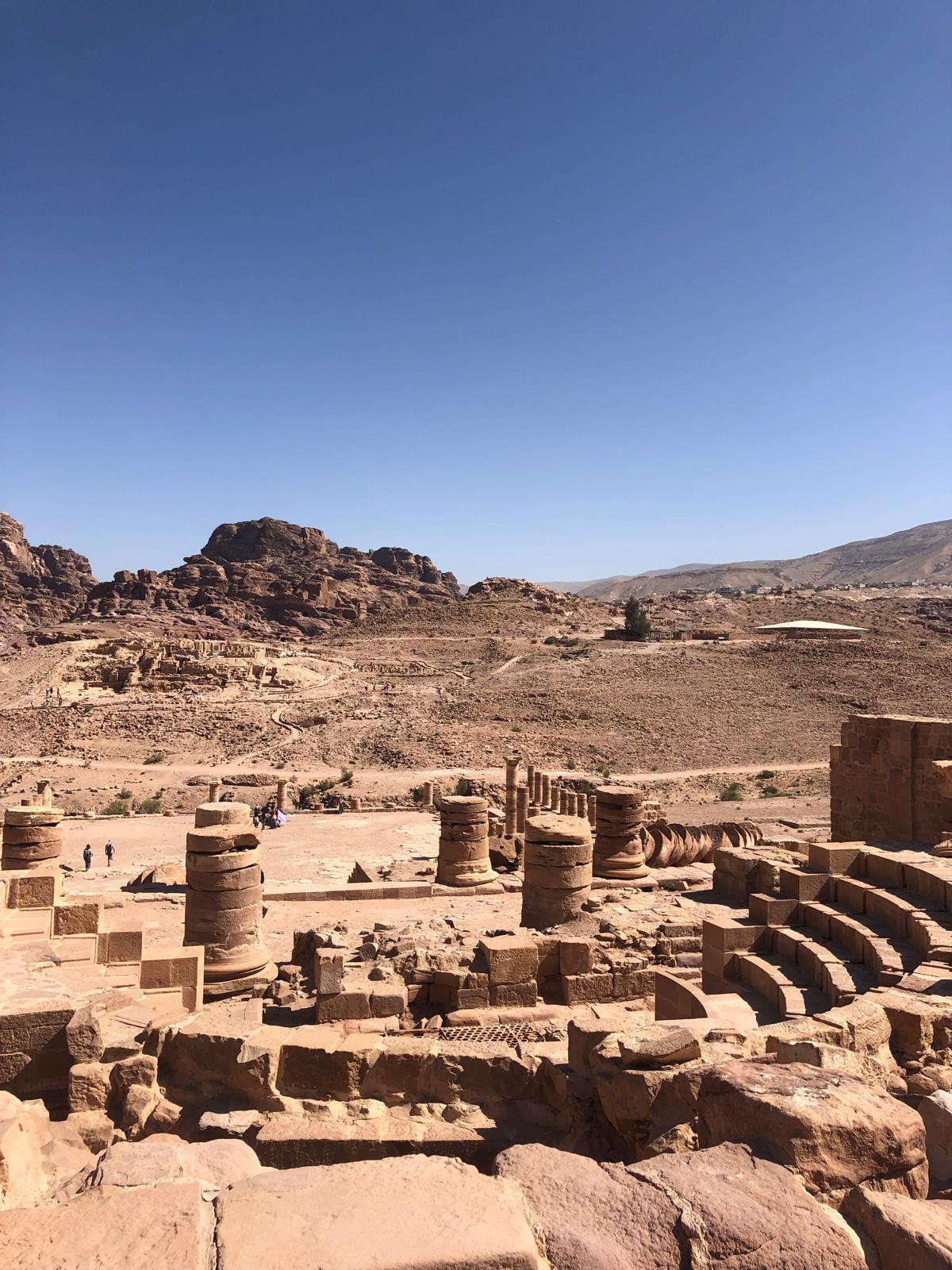
An ancient Nabatean capital carved from sandstone, hidden for centuries and still humbling to see in person. Hike throughout the complex to imagine life in this ancient civilization

image of a guided tour group

Wadi Rum

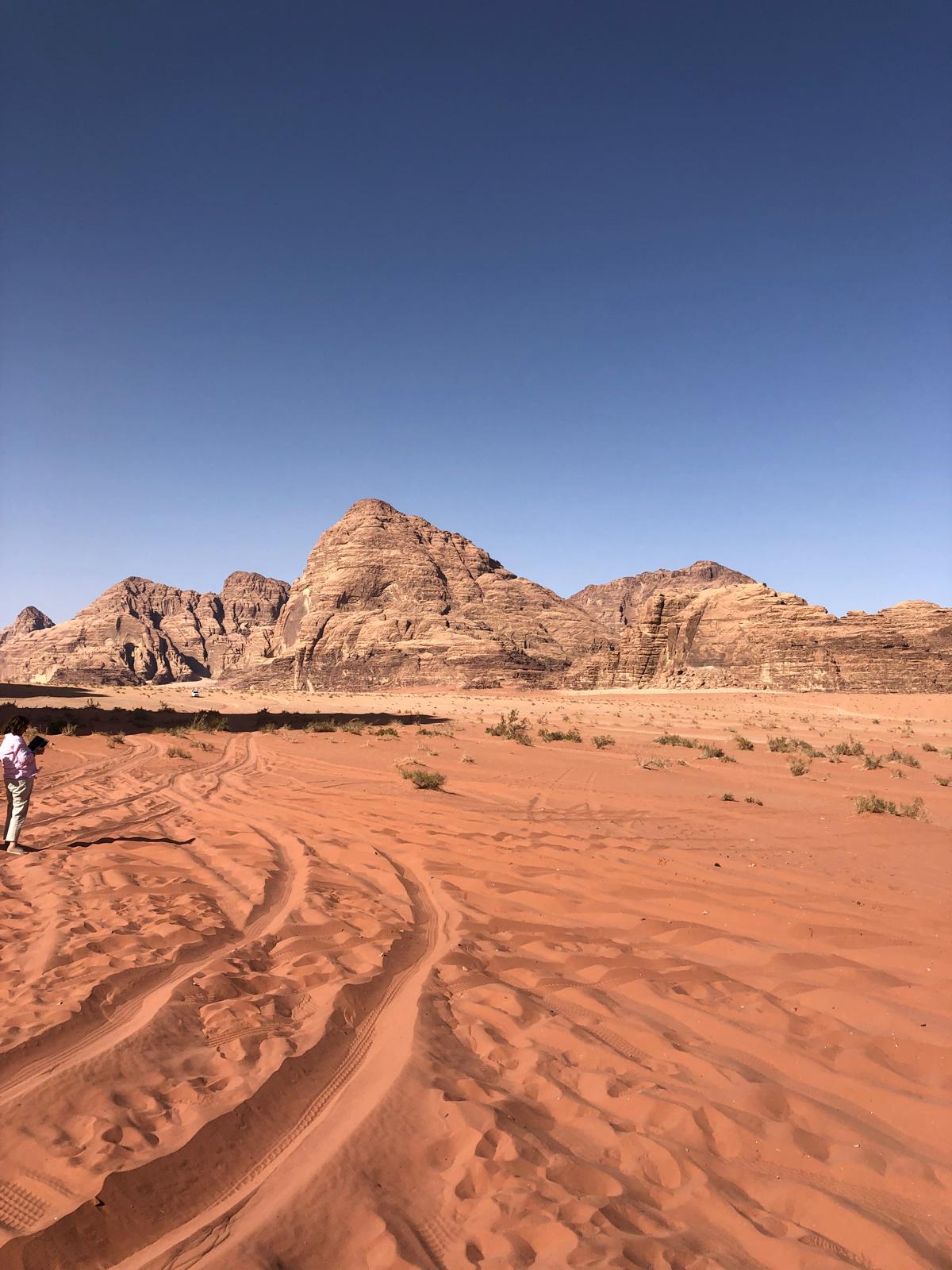
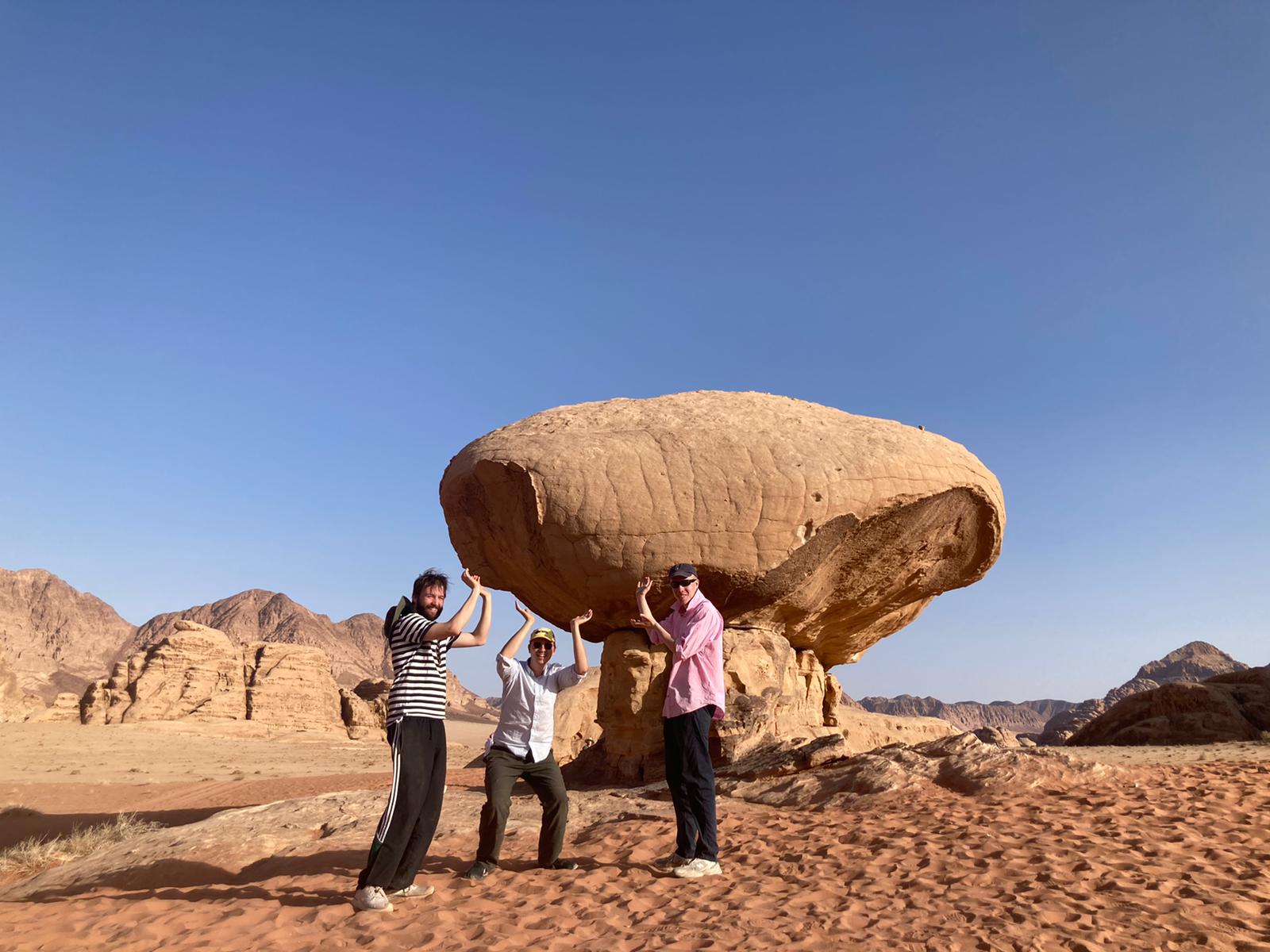
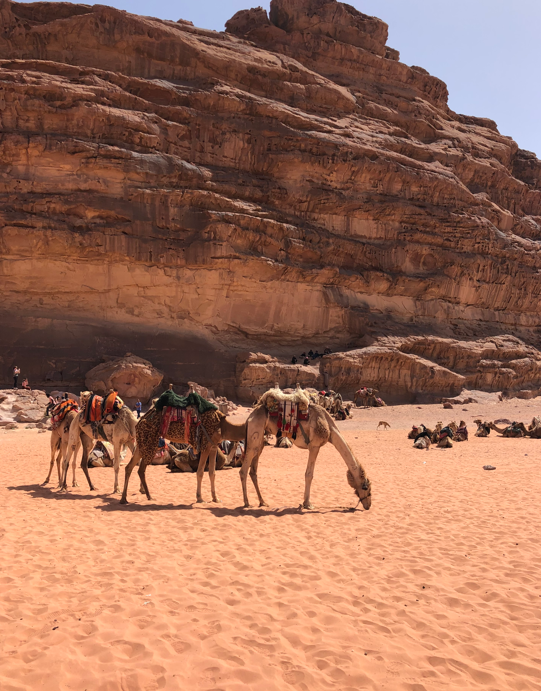
A desert of wind-sculpted rock and endless silence, where Bedouin hospitality meets Martian-like scenery and nighttime brings incredible stargazing, traditional meals (Zarb), and sleeping under the stars in desert camps.
image of a local tour guide (for a travel agency)

Dead Sea

Float in the densest water on Earth, 400m below sea level, surrounded by biblical landscapes, before covering yourself in therapeutic mud
image of vibrant dining space (for a mexican restaurant)

Petra

An ancient Nabatean capital carved from sandstone, hidden for centuries and still humbling to see in person. Hike throughout the complex to imagine life in this ancient civilization

image of a guided tour group

Wadi Rum

A desert of wind-sculpted rock and endless silence, where Bedouin hospitality meets Martian-like scenery and nighttime brings incredible stargazing, traditional meals (Zarb), and sleeping under the stars in desert camps.
image of a local tour guide (for a travel agency)

Dead Sea

Float in the densest water on Earth, 400m below sea level, surrounded by biblical landscapes, before covering yourself in therapeutic mud

Journey itinerary

Itinerary overview
Detailed breakdown follows

Day 1: Amman

Day 2: Jerash / Amman

Day 3: Madaba / Mount Nebo / Dead Sea

Day 4: King’s Highway / Karak / Wadi Musa (Petra)

Day 5: Petra

Day 6: Wadi Rum

Day 7: Wadi Rum / Shobak / Amman

Day-by-day itinerary
Day 1: Amman, City of Seven Hills

Arrive in Amman, the lively capital built on the ruins of ancient Philadelphia. Visit the Citadel, with Roman columns and an 8th-century Umayyad palace, then descend to the Roman Theatre, still used for performances today. Dinner at Hashem, a beloved falafel café that hasn’t changed in decades.

Day 1: Amman, City of Seven Hills

Arrive in Amman, the lively capital built on the ruins of ancient Philadelphia. Visit the Citadel, with Roman columns and an 8th-century Umayyad palace, then descend to the Roman Theatre, still used for performances today. Dinner at Hashem, a beloved falafel café that hasn’t changed in decades.

Day 2: Jerash, Rome in the Desert

Drive north to Jerash, once a major Roman city along the Decapolis. Walk its colonnaded Cardo, stand in the Oval Plaza, and climb to the Temple of Artemis, dedicated to the goddess of hunting and fertility. Return to Amman for knafehat Habibah Sweets, hot cheese pastry dripping with syrup, before an evening stroll through Rainbow Street.

Day 3: Madaba, Mount Nebo and the Dead Sea

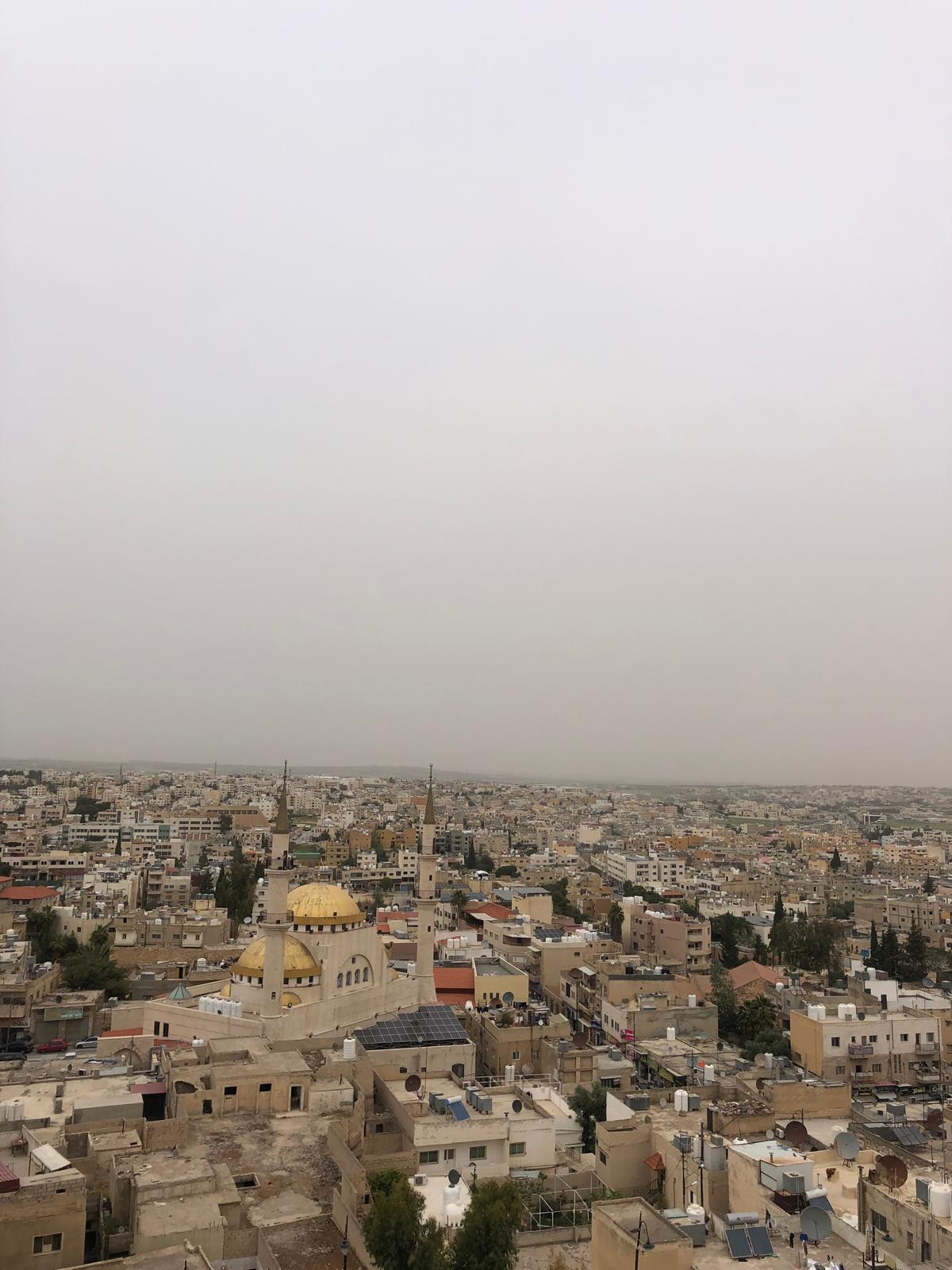
Leave Amman and head south to Madaba, one of Jordan’s oldest Christian towns, where church spires rise above low stone buildings and the town’s long religious history still feels close to the surface. Visit St George’s Church to see the famous 6th-century Mosaic Map of the Holy Land, an extraordinary surviving fragment of Byzantine cartography that once guided pilgrims through the region.

Continue on to Mount Nebo, the windswept ridge where Moses is said to have stood at the end of his journey, looking out across the Jordan Valley toward the Promised Land. On a clear day, the view stretches across a huge sweep of earth and haze, reaching toward Jericho and even Jerusalem in the distance. The summit has a quiet, reflective atmosphere, made all the more striking by the emptiness of the surrounding landscape.

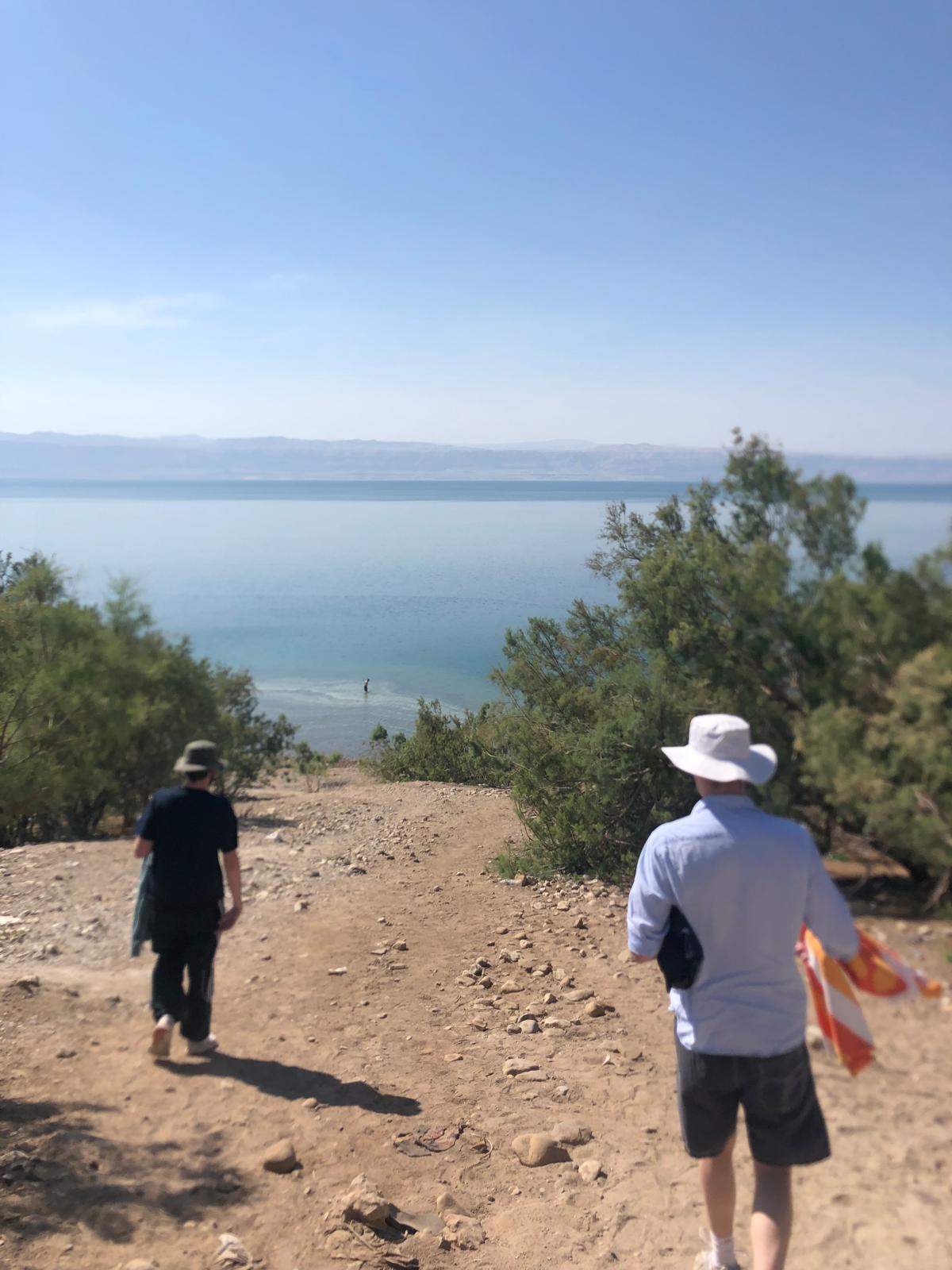
From here, descend dramatically toward the Dead Sea, the lowest point on Earth, where the air thickens, the cliffs fall away, and the world seems to flatten into salt, heat, and stillness. Spend the afternoon floating in its mineral-rich waters, coated in black mud and suspended in complete weightlessness as the sun drops over the hills. Stay overnight in a guesthouse or spa resort by the water, where the silence and strangeness of the landscape make for one of the most surreal nights of the trip.

Day 4: The King’s Highway to Petra

Today is one of the great road journey days in Jordan. Follow the King’s Highway south, an ancient route that has linked kingdoms, caravans, traders, and armies for thousands of years. This is not the fastest road to Petra, but it is by far the most atmospheric, winding through high plateaus, villages, deep valleys, and long stretches of open mountain scenery that make the journey itself feel like part of the destination.

Stop at Karak Castle, the vast 12th-century Crusader fortress that looms above the town like a block of carved stone. Its tunnels, ramparts, and vaulted chambers still carry the weight of centuries of conflict, and from its walls you get a sense of just how strategically important this route once was.

Continue south through dramatic switchbacks and changing desert light toward Wadi Musa, the modern town that sits at Petra’s entrance. As the road climbs and dips through the mountains, anticipation builds for what lies ahead. Arrive in the late afternoon or evening, settle in, and get an early night ready for a full day in Petra the next morning.

Day 5: Petra, the Lost City of Stone

Set out early for Petra, entering before the heat and crowds build. Walk through the Siq, the narrow sandstone gorge that forms the city’s theatrical entrance, its towering walls twisting and closing around you until the path suddenly opens onto the Treasury, Al-Khazneh, one of the most iconic façades in the Middle East. Even after seeing countless photos, the first glimpse of it in person still feels surreal.

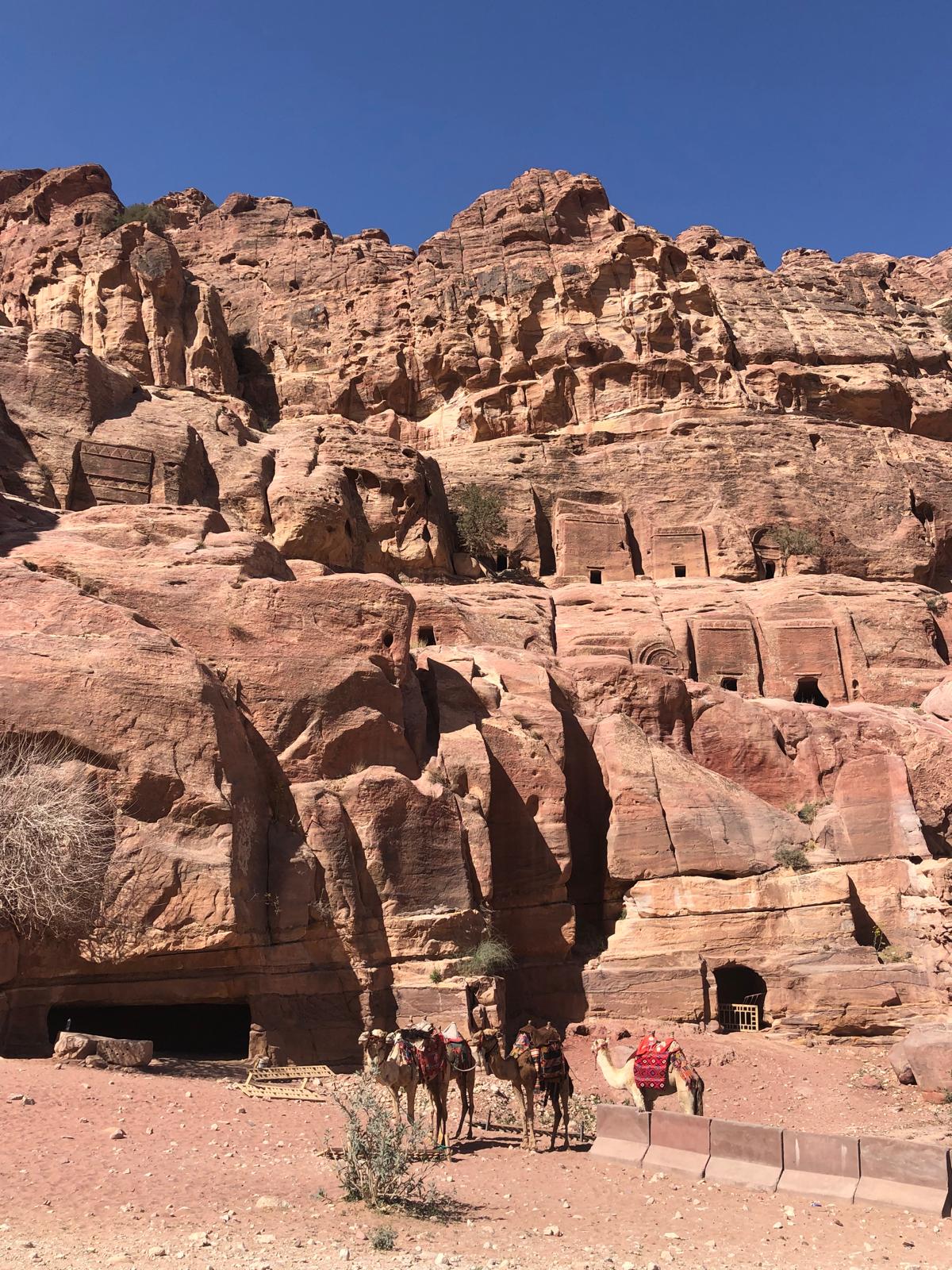
But Petra is far more than the Treasury alone. Spend the day moving deeper into the ancient Nabataean city, past carved tombs, weathered stairways, ceremonial spaces, and façades cut directly into the rose-red rock. Visit the Street of Facades, the Theatre, the Royal Tombs, and the Colonnaded Street, each section revealing a different layer of Petra’s former life as a wealthy desert trading hub. The scale of the site becomes clearer with every step.

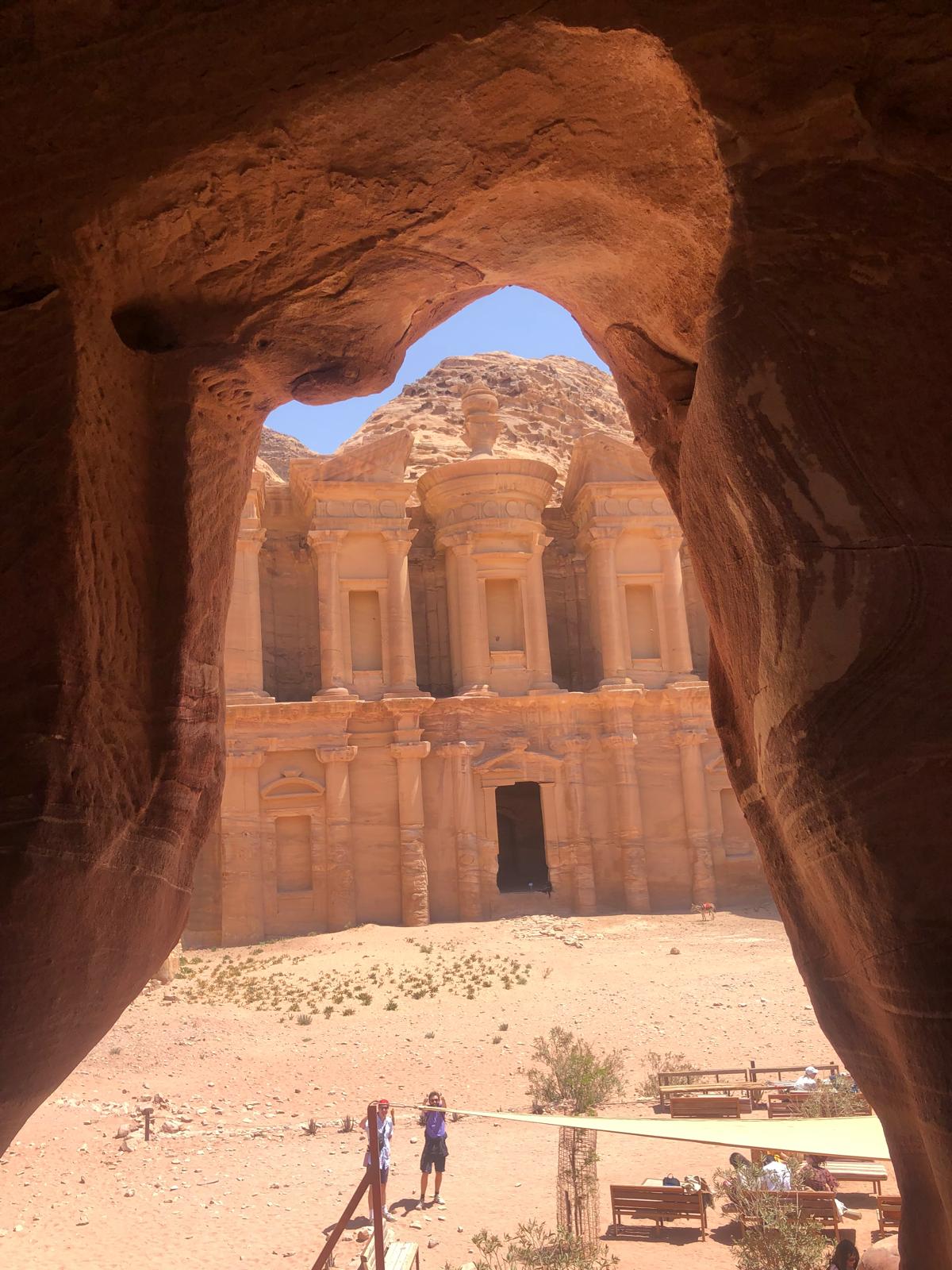
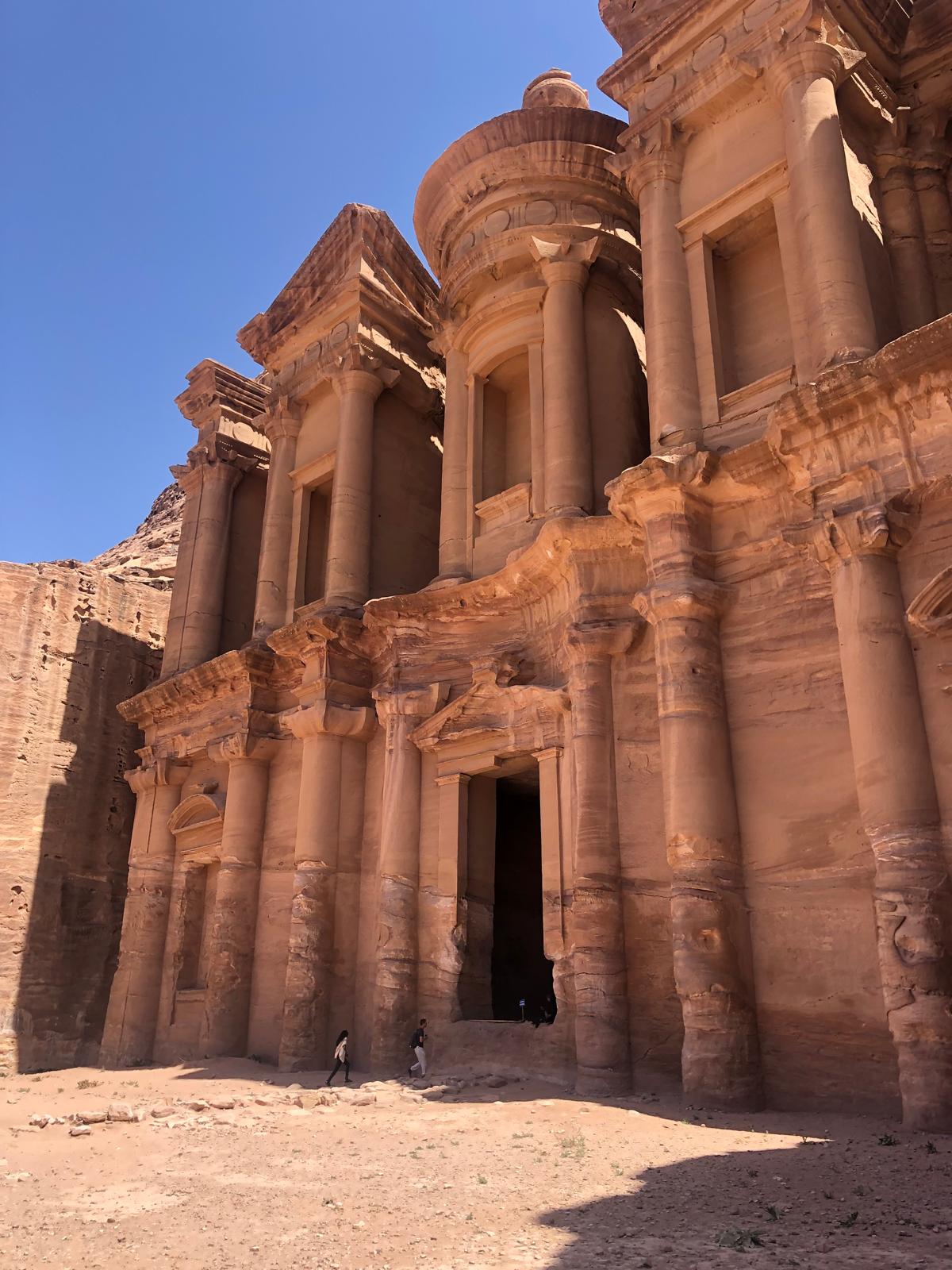
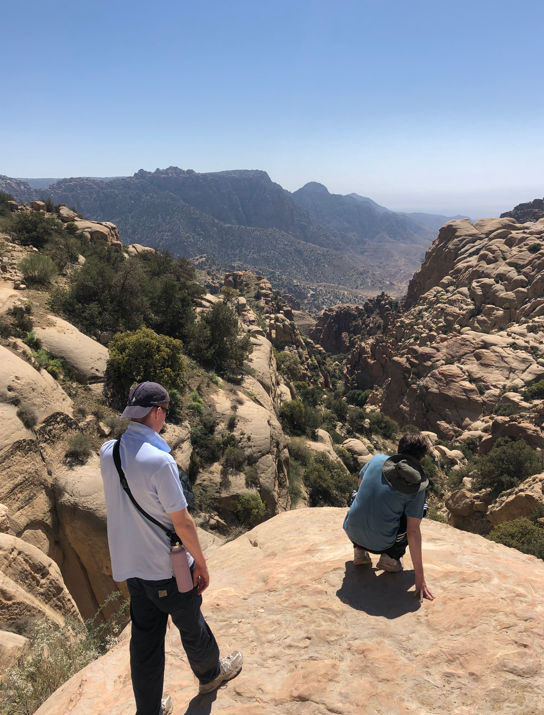
If you have the energy, climb up to the Monastery, Ad-Deir, a long uphill ascent rewarded by one of Petra’s most spectacular monuments and sweeping views over the surrounding mountains. Along the way, it becomes easier to appreciate the brilliance of the Nabataeans, who built a flourishing city here by mastering water collection, storage, and engineering in an unforgiving desert environment. Stay until late afternoon if you can. As the light softens, the stone deepens into shades of copper, pink, and gold, and Petra feels less like a ruin and more like something still quietly alive.

Day 6: Wadi Rum, Desert of Echoes

Leave Petra and drive south into Wadi Rum, a vast protected desert of sandstone massifs, granite outcrops, shifting dunes, and open valleys that feels completely different from Petra’s enclosed canyon world. This is one of Jordan’s most cinematic landscapes, but it is even more impressive in person than on screen: huge, silent, and almost lunar in scale.

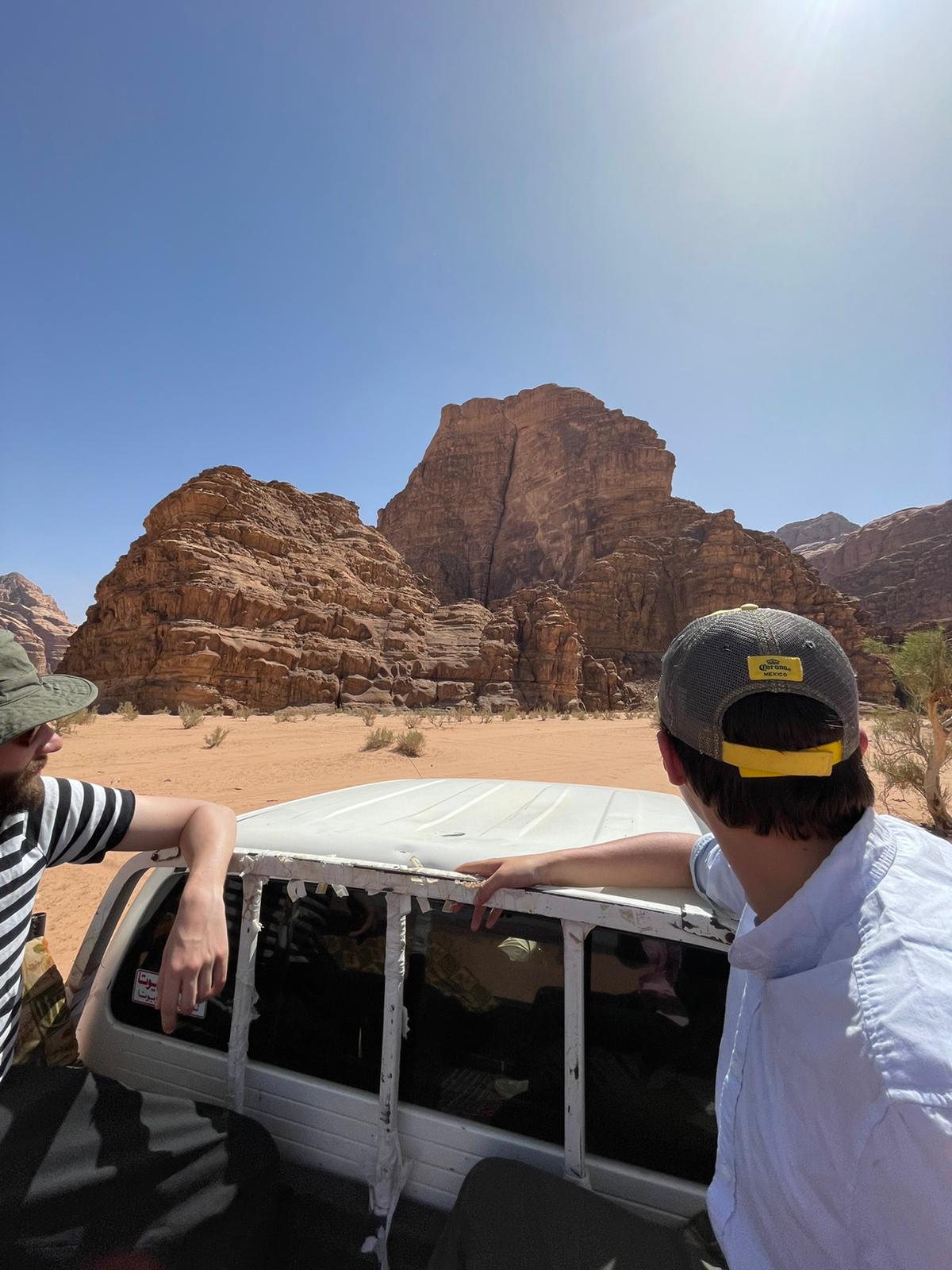
Meet Bedouin guides and head out by 4x4 across the desert, passing natural rock arches, narrow canyons, ancient petroglyphs, and red sand plains framed by towering cliffs. The landscape changes constantly as the light moves, with rocks shifting from orange to rust to deep crimson over the course of the day. There is a real sense of openness here, of distance and stillness, that makes time feel slower and simpler.

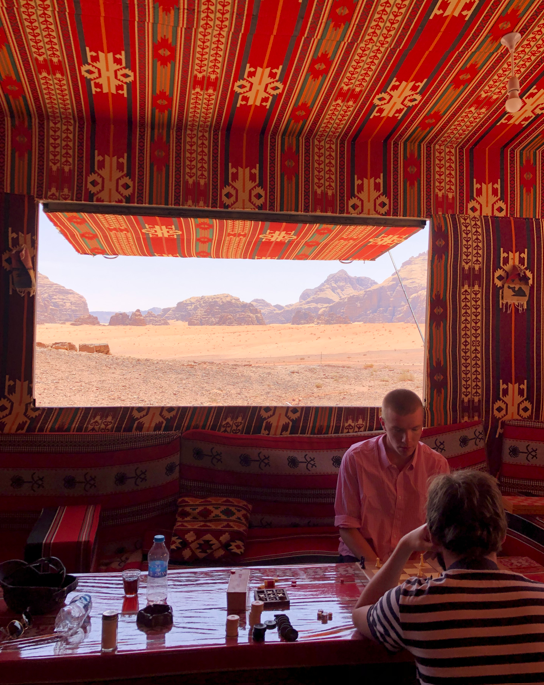
At sunset, climb a dune or low ridge for a panoramic view across the valley as the desert glows in layers of gold and red. Later, return to a Bedouin camp for dinner under the stars, where the evening settles into one of the simplest and best rhythms of the trip: grilled food, sweet tea, quiet conversation, and a sky so clear it barely feels real. We ended up extending our time in Wadi Rum because it was the perfect place to properly slow down, spending hours reading, playing backgammon, smoking shisha, and letting the desert do very little except work on your nervous system.

Day 7: Return to Amman

Wake early to the silence of the desert and the first light hitting the cliffs around camp. Dawn in Wadi Rum has a calm, almost suspended feeling, and it is worth taking a few moments to enjoy it before the drive back north.

On the return journey, stop at Shobak Castle, a lonely Crusader stronghold perched high above the surrounding hills. Less visited than Karak, it feels more remote and atmospheric, its ruined walls and underground passages still hinting at the strategic importance of these fortified routes across Jordan’s interior.

From here, continue back to Amman, arriving in the afternoon or early evening. End the trip with one final meal in the capital, perhaps a table of mezze, grilled meats, and mint tea, before departure. After the silence of the desert and the grandeur of Petra, Amman feels lively and familiar again — a fitting final stop before leaving Jordan behind.

Day 2: Jerash, Rome in the Desert

Drive north to Jerash, once a major Roman city along the Decapolis. Walk its colonnaded Cardo, stand in the Oval Plaza, and climb to the Temple of Artemis, dedicated to the goddess of hunting and fertility. Return to Amman for knafehat Habibah Sweets, hot cheese pastry dripping with syrup, before an evening stroll through Rainbow Street.

Day 3: Madaba, Mount Nebo and the Dead Sea

Leave Amman and head south to Madaba, one of Jordan’s oldest Christian towns, where church spires rise above low stone buildings and the town’s long religious history still feels close to the surface. Visit St George’s Church to see the famous 6th-century Mosaic Map of the Holy Land, an extraordinary surviving fragment of Byzantine cartography that once guided pilgrims through the region.

Continue on to Mount Nebo, the windswept ridge where Moses is said to have stood at the end of his journey, looking out across the Jordan Valley toward the Promised Land. On a clear day, the view stretches across a huge sweep of earth and haze, reaching toward Jericho and even Jerusalem in the distance. The summit has a quiet, reflective atmosphere, made all the more striking by the emptiness of the surrounding landscape.

From here, descend dramatically toward the Dead Sea, the lowest point on Earth, where the air thickens, the cliffs fall away, and the world seems to flatten into salt, heat, and stillness. Spend the afternoon floating in its mineral-rich waters, coated in black mud and suspended in complete weightlessness as the sun drops over the hills. Stay overnight in a guesthouse or spa resort by the water, where the silence and strangeness of the landscape make for one of the most surreal nights of the trip.

Day 4: The King’s Highway to Petra

Today is one of the great road journey days in Jordan. Follow the King’s Highway south, an ancient route that has linked kingdoms, caravans, traders, and armies for thousands of years. This is not the fastest road to Petra, but it is by far the most atmospheric, winding through high plateaus, villages, deep valleys, and long stretches of open mountain scenery that make the journey itself feel like part of the destination.

Stop at Karak Castle, the vast 12th-century Crusader fortress that looms above the town like a block of carved stone. Its tunnels, ramparts, and vaulted chambers still carry the weight of centuries of conflict, and from its walls you get a sense of just how strategically important this route once was.

Continue south through dramatic switchbacks and changing desert light toward Wadi Musa, the modern town that sits at Petra’s entrance. As the road climbs and dips through the mountains, anticipation builds for what lies ahead. Arrive in the late afternoon or evening, settle in, and get an early night ready for a full day in Petra the next morning.

Day 5: Petra, the Lost City of Stone

Set out early for Petra, entering before the heat and crowds build. Walk through the Siq, the narrow sandstone gorge that forms the city’s theatrical entrance, its towering walls twisting and closing around you until the path suddenly opens onto the Treasury, Al-Khazneh, one of the most iconic façades in the Middle East. Even after seeing countless photos, the first glimpse of it in person still feels surreal.

But Petra is far more than the Treasury alone. Spend the day moving deeper into the ancient Nabataean city, past carved tombs, weathered stairways, ceremonial spaces, and façades cut directly into the rose-red rock. Visit the Street of Facades, the Theatre, the Royal Tombs, and the Colonnaded Street, each section revealing a different layer of Petra’s former life as a wealthy desert trading hub. The scale of the site becomes clearer with every step.

If you have the energy, climb up to the Monastery, Ad-Deir, a long uphill ascent rewarded by one of Petra’s most spectacular monuments and sweeping views over the surrounding mountains. Along the way, it becomes easier to appreciate the brilliance of the Nabataeans, who built a flourishing city here by mastering water collection, storage, and engineering in an unforgiving desert environment. Stay until late afternoon if you can. As the light softens, the stone deepens into shades of copper, pink, and gold, and Petra feels less like a ruin and more like something still quietly alive.

Day 6: Wadi Rum, Desert of Echoes

Leave Petra and drive south into Wadi Rum, a vast protected desert of sandstone massifs, granite outcrops, shifting dunes, and open valleys that feels completely different from Petra’s enclosed canyon world. This is one of Jordan’s most cinematic landscapes, but it is even more impressive in person than on screen: huge, silent, and almost lunar in scale.

Meet Bedouin guides and head out by 4x4 across the desert, passing natural rock arches, narrow canyons, ancient petroglyphs, and red sand plains framed by towering cliffs. The landscape changes constantly as the light moves, with rocks shifting from orange to rust to deep crimson over the course of the day. There is a real sense of openness here, of distance and stillness, that makes time feel slower and simpler.

At sunset, climb a dune or low ridge for a panoramic view across the valley as the desert glows in layers of gold and red. Later, return to a Bedouin camp for dinner under the stars, where the evening settles into one of the simplest and best rhythms of the trip: grilled food, sweet tea, quiet conversation, and a sky so clear it barely feels real. We ended up extending our time in Wadi Rum because it was the perfect place to properly slow down, spending hours reading, playing backgammon, smoking shisha, and letting the desert do very little except work on your nervous system.

Day 7: Return to Amman

Wake early to the silence of the desert and the first light hitting the cliffs around camp. Dawn in Wadi Rum has a calm, almost suspended feeling, and it is worth taking a few moments to enjoy it before the drive back north.

On the return journey, stop at Shobak Castle, a lonely Crusader stronghold perched high above the surrounding hills. Less visited than Karak, it feels more remote and atmospheric, its ruined walls and underground passages still hinting at the strategic importance of these fortified routes across Jordan’s interior.

From here, continue back to Amman, arriving in the afternoon or early evening. End the trip with one final meal in the capital, perhaps a table of mezze, grilled meats, and mint tea, before departure. After the silence of the desert and the grandeur of Petra, Amman feels lively and familiar again — a fitting final stop before leaving Jordan behind.

In pictures

No items found.

Traveller suggestions

Accomodation

Amman

Premium

W Amman (~£180–235/night)

InterContinental Amman (~£140/night)

Mid-tier

Corp Amman Hotel (~£50–60/night)

Budget

Nomads Hotel (~£45/night)

Layaali Amman (~£20–25/night)

Amman Pasha Hotel (~£20/night)

Madaba

Mid-tier

Mosaic City Hotel (~£70–75/night)

Budget

Tell Madaba (~£27–40/night)

Mariam Hotel (~£27–50/night)

Dead Sea

Premium

Kempinski Hotel Ishtar Dead Sea (~£145–200+/night)

Mövenpick Resort & Spa Dead Sea (~£120–140/night)

Mid-tier

Dead Sea Marriott Resort & Spa (~£130/night)

Holiday Inn Resort Dead Sea (~£80–85/night)

Cheaper end

Dead Sea Spa Hotel (~£75–115/night)

Petra / Wadi Musa

Premium

Mövenpick Resort Petra (~£230/night)

Mid-tier

Petra Moon Hotel (~£55–60/night)

Town Season Hotel (~£45–50/night)

Budget

Nomads Hotel Petra (~£15–55/night, dorm/private depending setup)

Petra Friends House (~£20/night)

Wadi Rum

Premium

Memories Aicha Luxury Camp (~£150/night)

Wadi Rum UFO Luxotel (~£125–160/night)

Sun City Camp (~£110–200/night)

Mid-tier

Hasan Zawaideh Camp (~£50–55/night)

Budget

Wadi rum Rozana camp (~£13–20/night)

Wadi Rum Lovely Camp (~£20–25/night)

Food & Drink

Amman

Premium:

Sufra (great for dinner, lovely garden if weather is good); Fakhr al-Deen (classic upscale Jordanian); Levant (Middle Eastern/Armenian fusion); Romero (good Italian option)

Mid-tier:

Menara, Weibdeh (tea/orange juice, beautiful city views); Dali, Weibdeh (cute café/bar); Reem Shawarma, Jabal Amman (iconic shawarma, very casual)

Budget:

Hashem, Downtown (falafel, hummus, dips, very casual); Abu Mahjoub, Weibdeh (cheap falafel and wraps); Habibah, Downtown (famous knafeh; go upstairs to sit, try khashna or naama)

Madaba

Haret Jdoudna (traditional Jordanian, good stop for a relaxed sit-down meal)

Reminders & Cautions

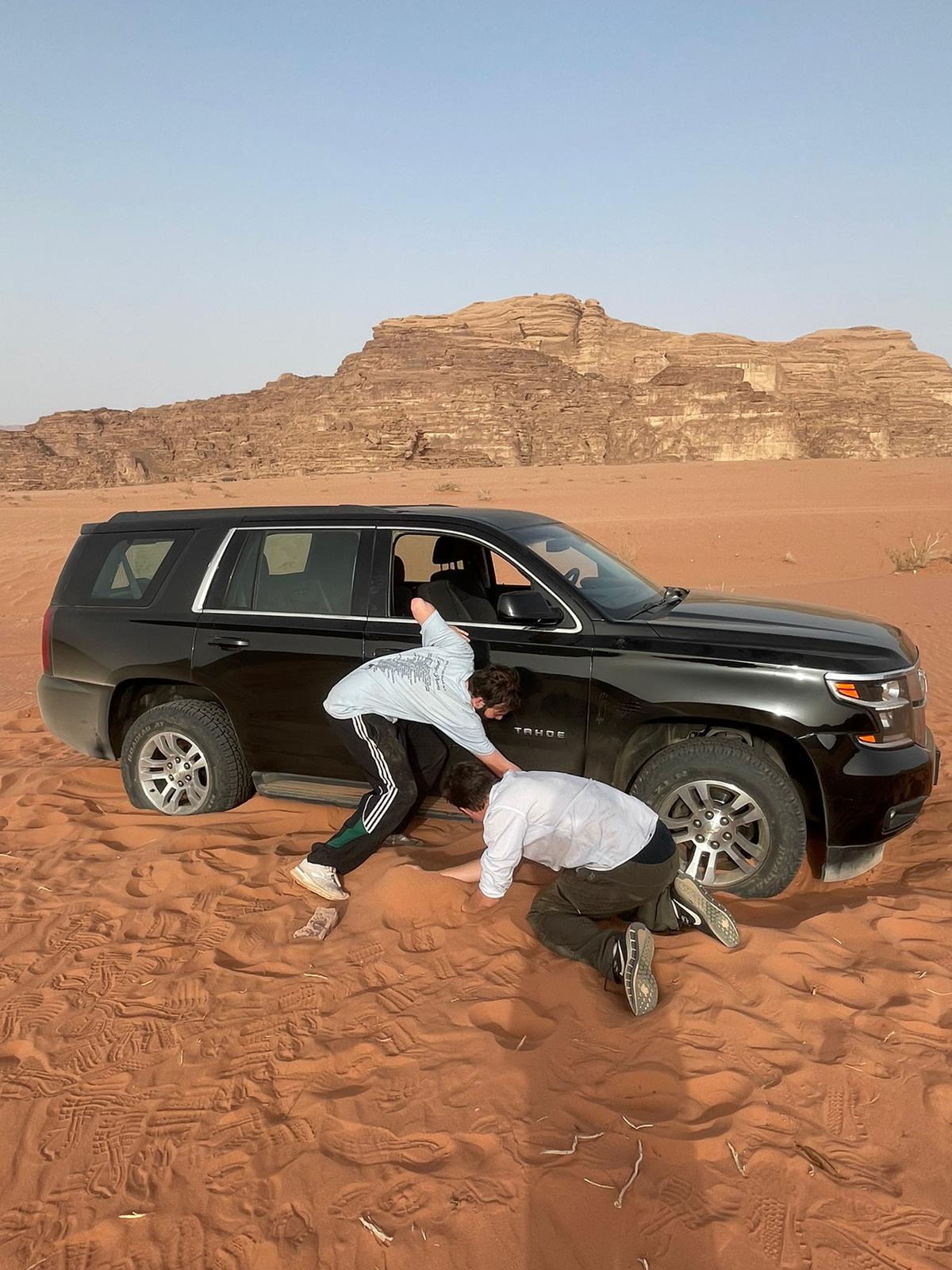
- Transport: This trip requires a rental car. With a 4x4 you can drive yourself into Wadi Rum desert, otherwise you get picked up by your camp at the entrance. For the rest of the itinerary 4x4 is not needed as the roads are all well-paved.

- Tickets: Get the Jordan Pass online, it covers Jordan tourist visa and many of the main attractions, including Petra. It saves you money versuses buying each attraction individually, even if you just want to do Petra.

- Weather: April–May and Sept–Oct are best for visiting. Temperatures in summer months exceed 40 degrees Celsius.

- Etiquette: Dress modestly; greet with “Salam alaykum".

- Food Tips: Mansaf (national dish), hummus with olive oil, and Bedouin zarb (meat cooked under sand) are must-tries

image of vibrant dining space (for a mexican restaurant)

Petra

An ancient Nabatean capital carved from sandstone, hidden for centuries and still humbling to see in person. Hike throughout the complex to imagine life in this ancient civilization

image of a guided tour group

Wadi Rum

A desert of wind-sculpted rock and endless silence, where Bedouin hospitality meets Martian-like scenery and nighttime brings incredible stargazing, traditional meals (Zarb), and sleeping under the stars in desert camps.
image of a local tour guide (for a travel agency)

Dead Sea

Float in the densest water on Earth, 400m below sea level, surrounded by biblical landscapes, before covering yourself in therapeutic mud

Reminders from Collective travellers

- Transport: This trip requires a rental car. With a 4x4 you can drive yourself into Wadi Rum desert, otherwise you get picked up by your camp at the entrance. For the rest of the itinerary 4x4 is not needed as the roads are all well-paved.

- Tickets: Get the Jordan Pass online, it covers Jordan tourist visa and many of the main attractions, including Petra. It saves you money versuses buying each attraction individually, even if you just want to do Petra.

- Weather: April–May and Sept–Oct are best for visiting. Temperatures in summer months exceed 40 degrees Celsius.

- Etiquette: Dress modestly; greet with “Salam alaykum".

- Food Tips: Mansaf (national dish), hummus with olive oil, and Bedouin zarb (meat cooked under sand) are must-tries

Reminders from Collective travellers

- Transport: This trip requires a rental car. With a 4x4 you can drive yourself into Wadi Rum desert, otherwise you get picked up by your camp at the entrance. For the rest of the itinerary 4x4 is not needed as the roads are all well-paved.

- Tickets: Get the Jordan Pass online, it covers Jordan tourist visa and many of the main attractions, including Petra. It saves you money versuses buying each attraction individually, even if you just want to do Petra.

- Weather: April–May and Sept–Oct are best for visiting. Temperatures in summer months exceed 40 degrees Celsius.

- Etiquette: Dress modestly; greet with “Salam alaykum".

- Food Tips: Mansaf (national dish), hummus with olive oil, and Bedouin zarb (meat cooked under sand) are must-tries

Reminders from Collective travellers

- Transport: This trip requires a rental car. With a 4x4 you can drive yourself into Wadi Rum desert, otherwise you get picked up by your camp at the entrance. For the rest of the itinerary 4x4 is not needed as the roads are all well-paved.

- Tickets: Get the Jordan Pass online, it covers Jordan tourist visa and many of the main attractions, including Petra. It saves you money versuses buying each attraction individually, even if you just want to do Petra.

- Weather: April–May and Sept–Oct are best for visiting. Temperatures in summer months exceed 40 degrees Celsius.

- Etiquette: Dress modestly; greet with “Salam alaykum".

- Food Tips: Mansaf (national dish), hummus with olive oil, and Bedouin zarb (meat cooked under sand) are must-tries

Journey adjustments

If you want a shorter 5–6 day version, the easiest cuts are Jerash and the Dead Sea overnight.

The spine I would preserve is Amman, Petra and Wadi Rum, because those are the most iconic and commercially compelling parts of the route. Jerash is excellent, but it is the easiest major stop to remove without weakening the overall shape of the trip too much, and the Dead Sea can be folded into a transit day rather than kept as its own overnight.

If you want to cut the driving complexity, swap the King’s Highway for the Desert Highway on the Petra leg.

Petra is usually around 3–3.5 hours from Amman via the Desert Highway, while the scenic King’s Highway is slower and more of a full road-trip day. That means a simpler version of the trip becomes a very clean Amman → Petra → Wadi Rum → Amman loop, with fewer moving parts and less chance of the middle of the itinerary feeling overstuffed.

If you want more hiking and less road-tripping, the best place to add time is Petra or Wadi Rum, not Amman.

Petra is large enough to justify a second day, and Jordan’s official eco-adventure positioning also leans heavily into trekking and outdoor travel, including the 650+ km Jordan Trail that runs through the country. In practice, the more active version of this itinerary is one with an extra Petra night or an extra Wadi Rum night, so the trip feels less like a highlights loop and more like a proper outdoors journey.

If you want a more restorative and commercially broad version, add a second Dead Sea or Wadi Rum night rather than more archaeology.

Those are the two places that slow the trip down most naturally: the Dead Sea gives you an easy resort reset, while Wadi Rum gives you the best desert atmosphere and overnight experience. That tends to make the route feel more balanced for a wider audience than stacking in more historical stops.

Collective travellers' testimonials

Sihame - Casablanca, Morocco

"I loved spending time in Jordan. As a Moroccan, the similarities were comforting whilst the cultural differences were a welcome surprise. Sharing tea with Bedouins in Wadi Rum was the highlight, where I got to learn about life in desert directly from the source."

Felix - Exeter, UK

"Petra was incredible, but the crowds diminish the impact, whilst Jerash actually blew me away, walking through a Roman city frozen in time, with almost no crowds."

Edoardo - Milan, Italy

"Driving down King’s Highway, with desert on both flanks, was a great endorphin boost. Coupled with entering the desert ourselves by gliding across dunes in our 4x4, the journey into Wadi Rum was exhilarating"