image of popular travel destinations

Kenya

From the Swahili island of Lamu to the elephant-filled plains of Amboseli, this is Kenya in full: a route combining Indian Ocean coastline, the Maasai Mara migration, highland hiking, volcanic lakes and the northern savannah in a single connected journey.

One country. Every landscape Africa has to offer.

Kenya is among the most geographically varied countries on the continent and among the most logistically accessible. In a single trip you can move from a UNESCO-listed Swahili island with no roads and no cars to the most famous wildlife reserve in the world, from a volcanic mountain summit above the clouds to a crater lake where hippos graze on the campsite lawn at midnight. The range is real and not contrived; Kenya's geography genuinely contains all of it within driving distance of a single hub.

This route uses Nairobi as its operational centre: a city that is underrated as a travel destination in its own right, with a serious food and nightlife scene, world-class wildlife encounters at the Giraffe Centre and Sheldrick Elephant Sanctuary within 20 minutes of the airport, and a network of day trips to volcanic craters, forest hikes and crater lakes within two hours in every direction. The coast section opens in Lamu, a medieval Swahili island where the old town has been continuously inhabited for 700 years and the only transport is by donkey, foot or dhow. Watamu follows: a more laid-back Italian-Kenyan coastal town with excellent diving, mangrove boat trips, and a beach scene that attracts repeat visitors year after year.

The safari circuit then takes over. The Maasai Mara is the centrepiece: three days and two nights of game drives in one of the most biodiverse ecosystems on Earth, timed if possible for the Great Migration between July and October when two million wildebeest and zebra cross the Mara River from Tanzania. Surrounding Nairobi, day and overnight trips cover the full highland range: the bamboo forest of the Aberdares, the volcanic crater of Mount Longonot, the Crescent Island walking safari at Lake Naivasha, and Hell's Gate National Park where you cycle among zebras and walk a geothermal gorge. For those wanting to go further, the route extends to a three-day Mount Kenya hike on the second-highest peak in Africa, two days of elephant and Kilimanjaro photography at Amboseli, and a Samburu and Ol Pejeta circuit through the arid north for the endemic Samburu special five and the last northern white rhinos on Earth.

Highlights

image of vibrant dining space (for a mexican restaurant)

The Masaai Mara

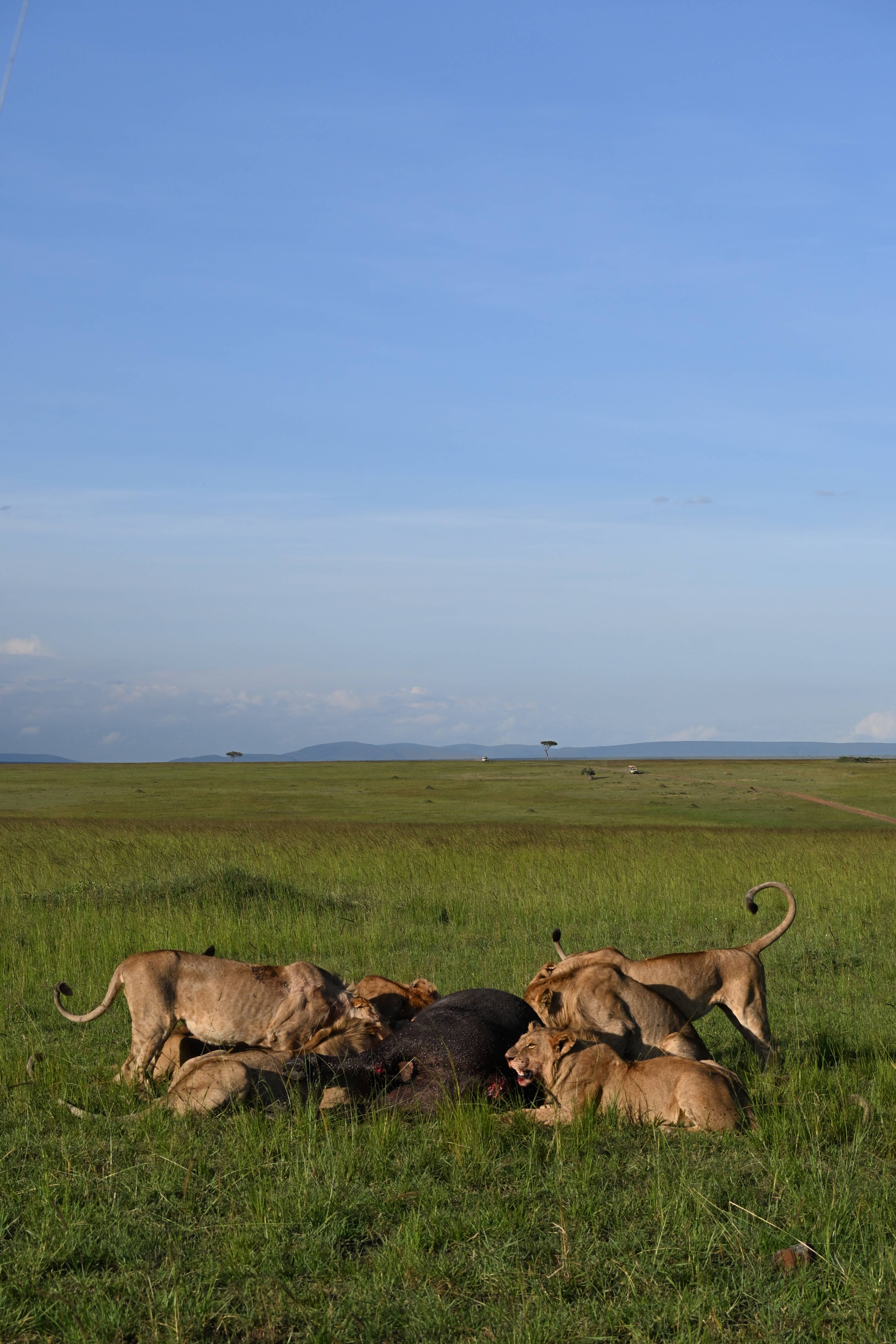
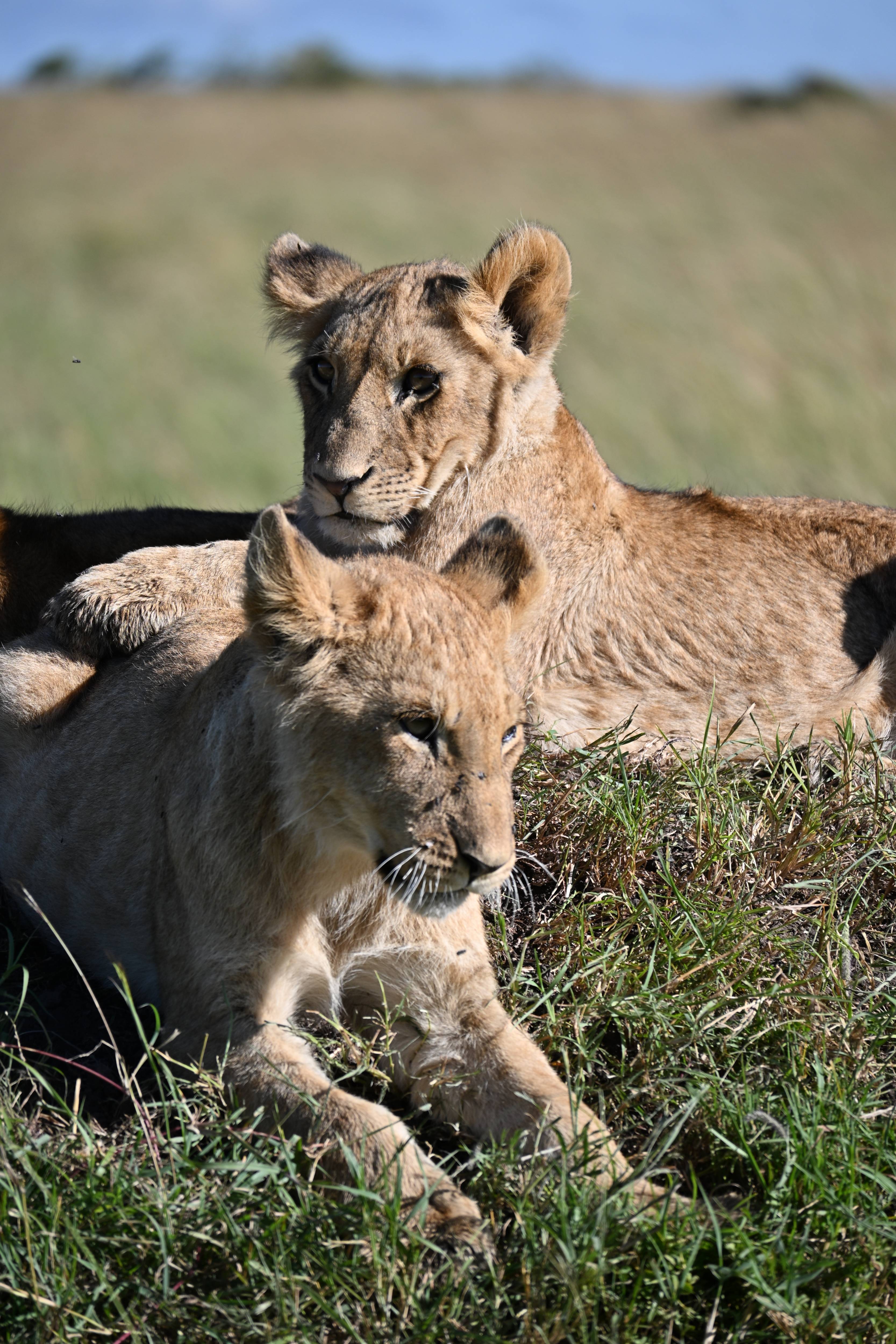
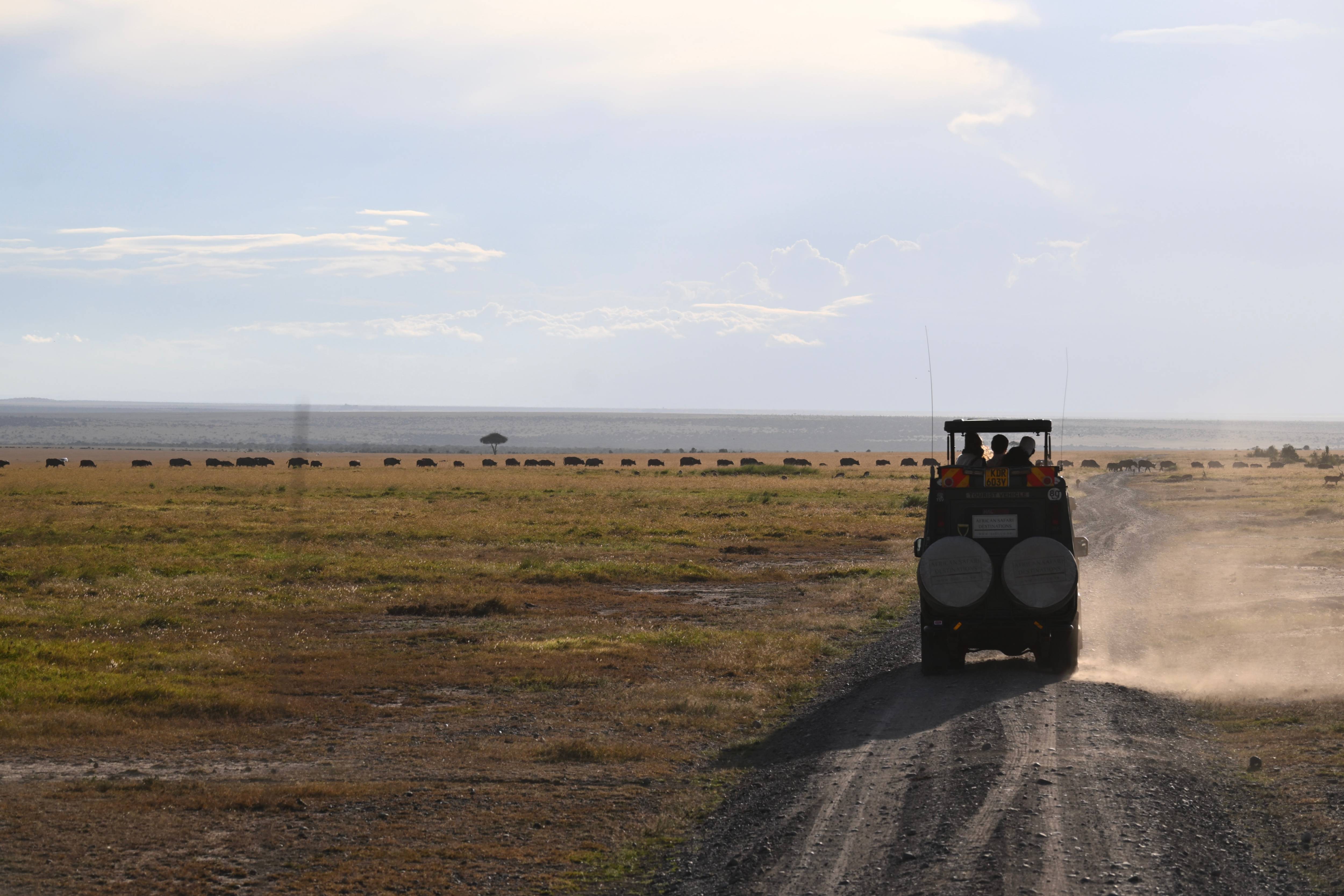
The sheer density of wildlife on the open savannah, the concentration of big cats, and the sight of herds of wildebeest stretching to the horizon during the July to October Great Migration are experiences that the wildlife television industry has documented extensively without managing to fully convey the scale.

image of a guided tour group

Lamu Old Town

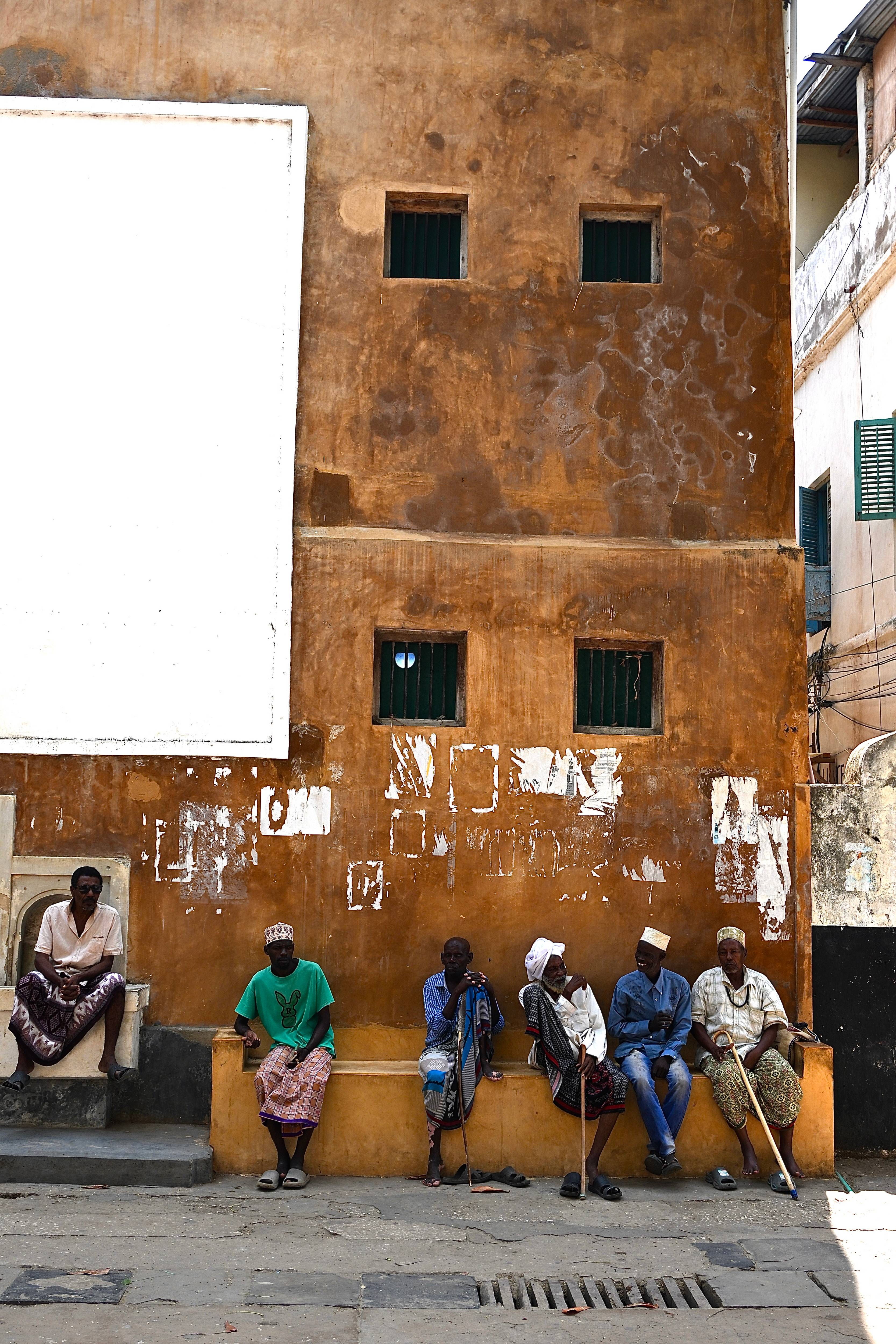
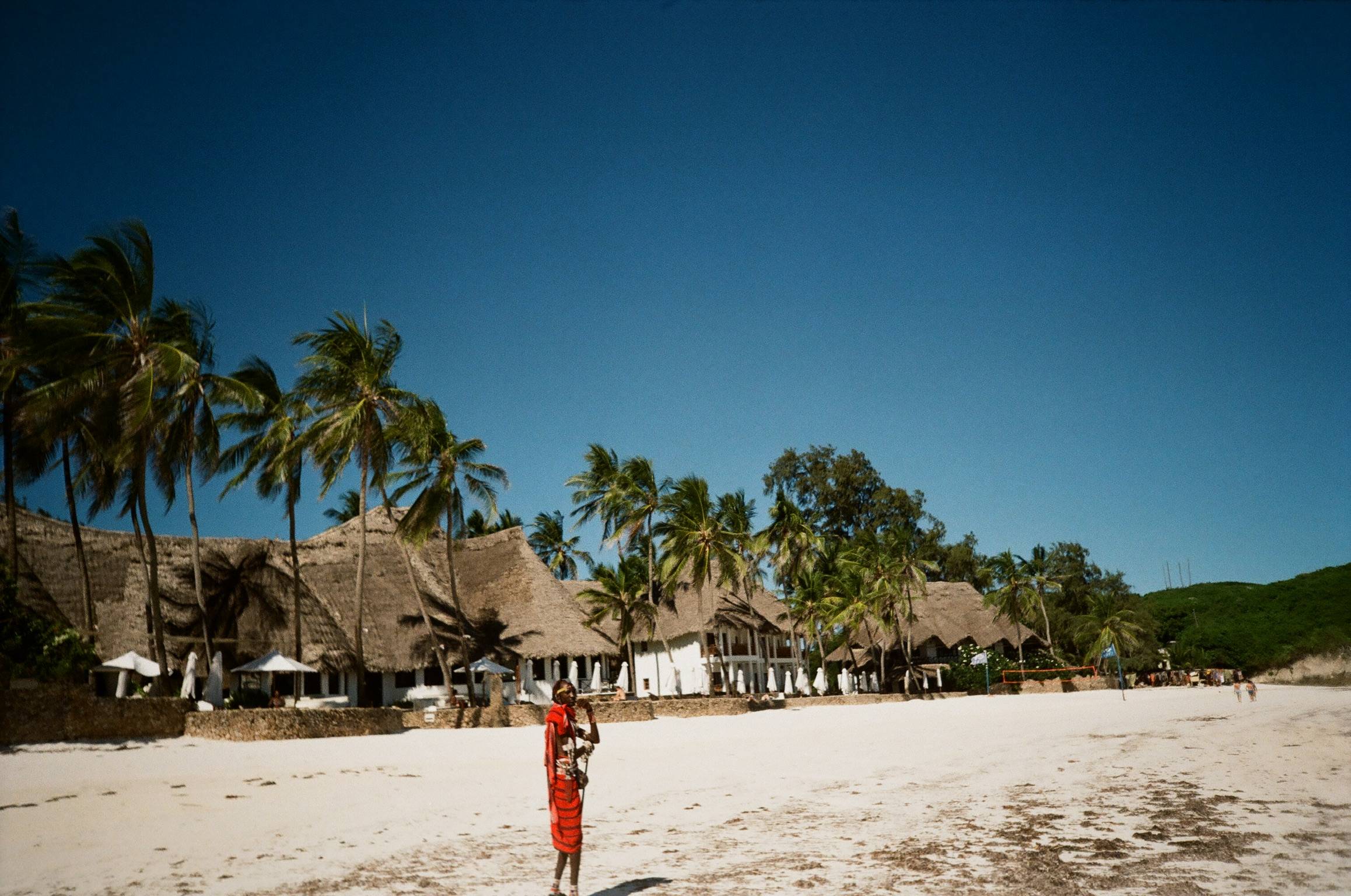
The oldest continuously inhabited Swahili settlement in East Africa and the best-preserved example of Swahili architecture in the world. The island has no roads and no cars; the lanes of the old town are navigated on foot, by donkey, or by wooden dhow on the water. Coral-stone houses with their carved wooden doors, inner courtyards and rooftop terraces over the Indian Ocean have barely changed since the 14th century.
image of a local tour guide (for a travel agency)

Mount Kenya Lenana Point Summit

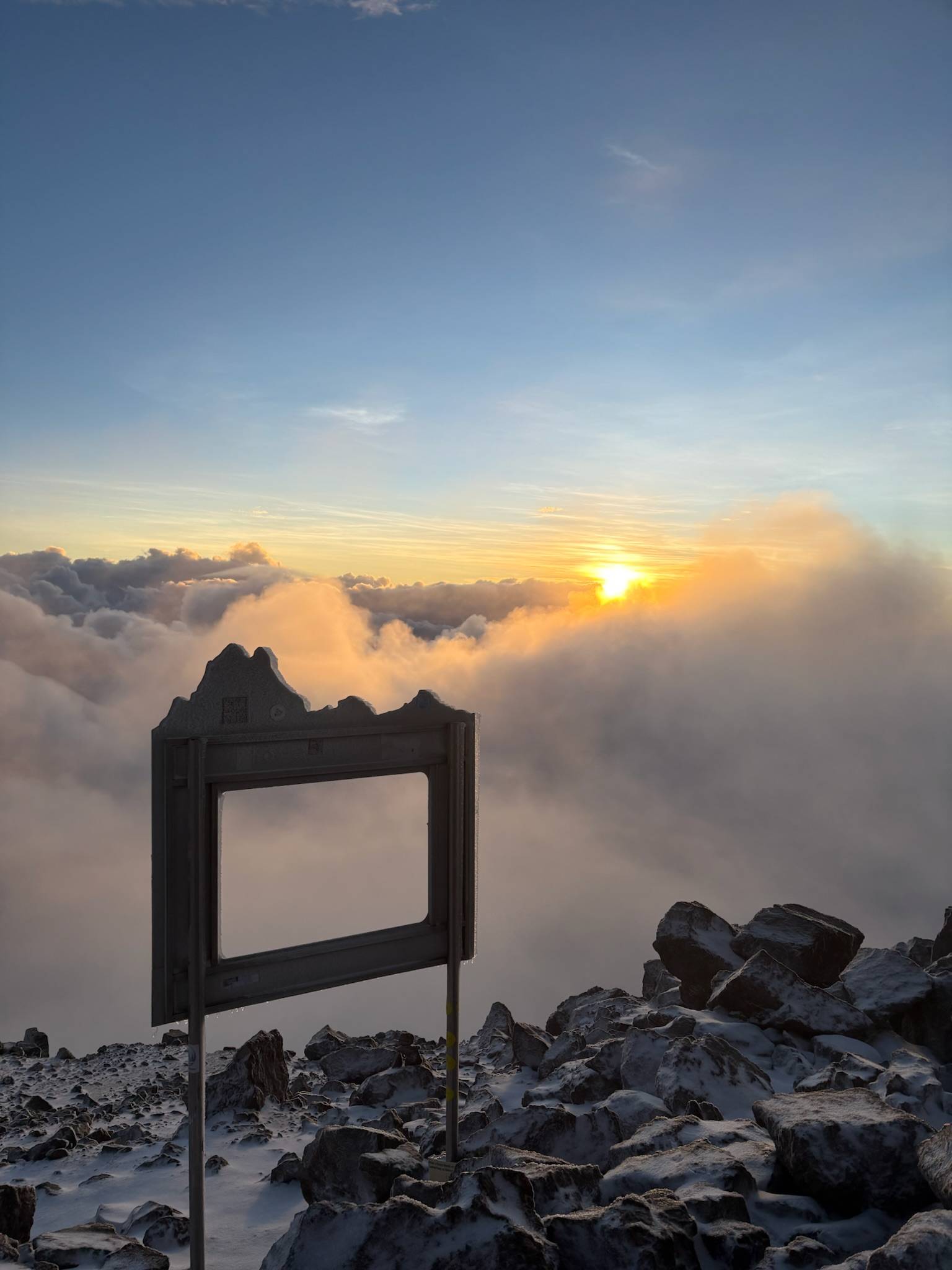
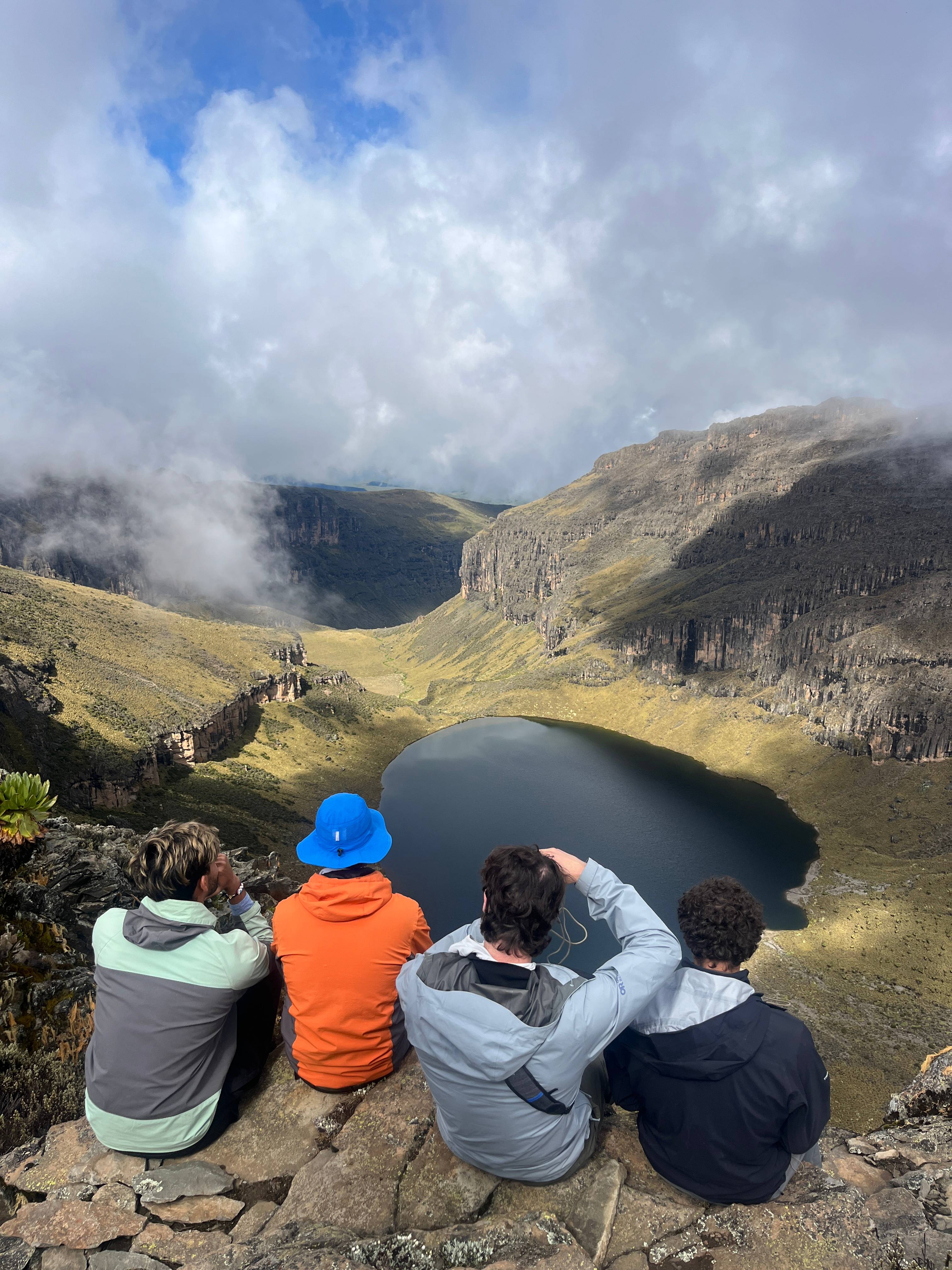
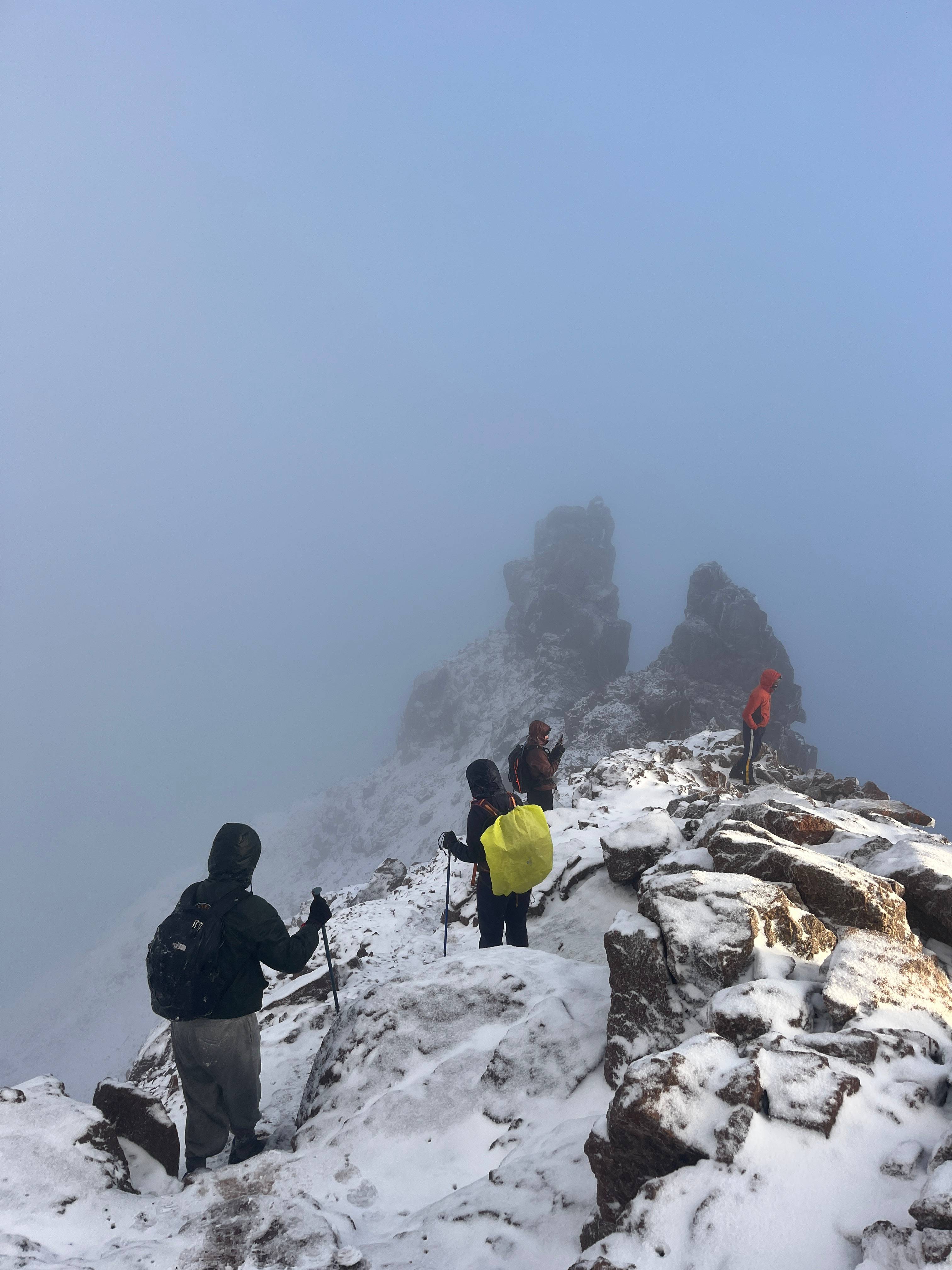
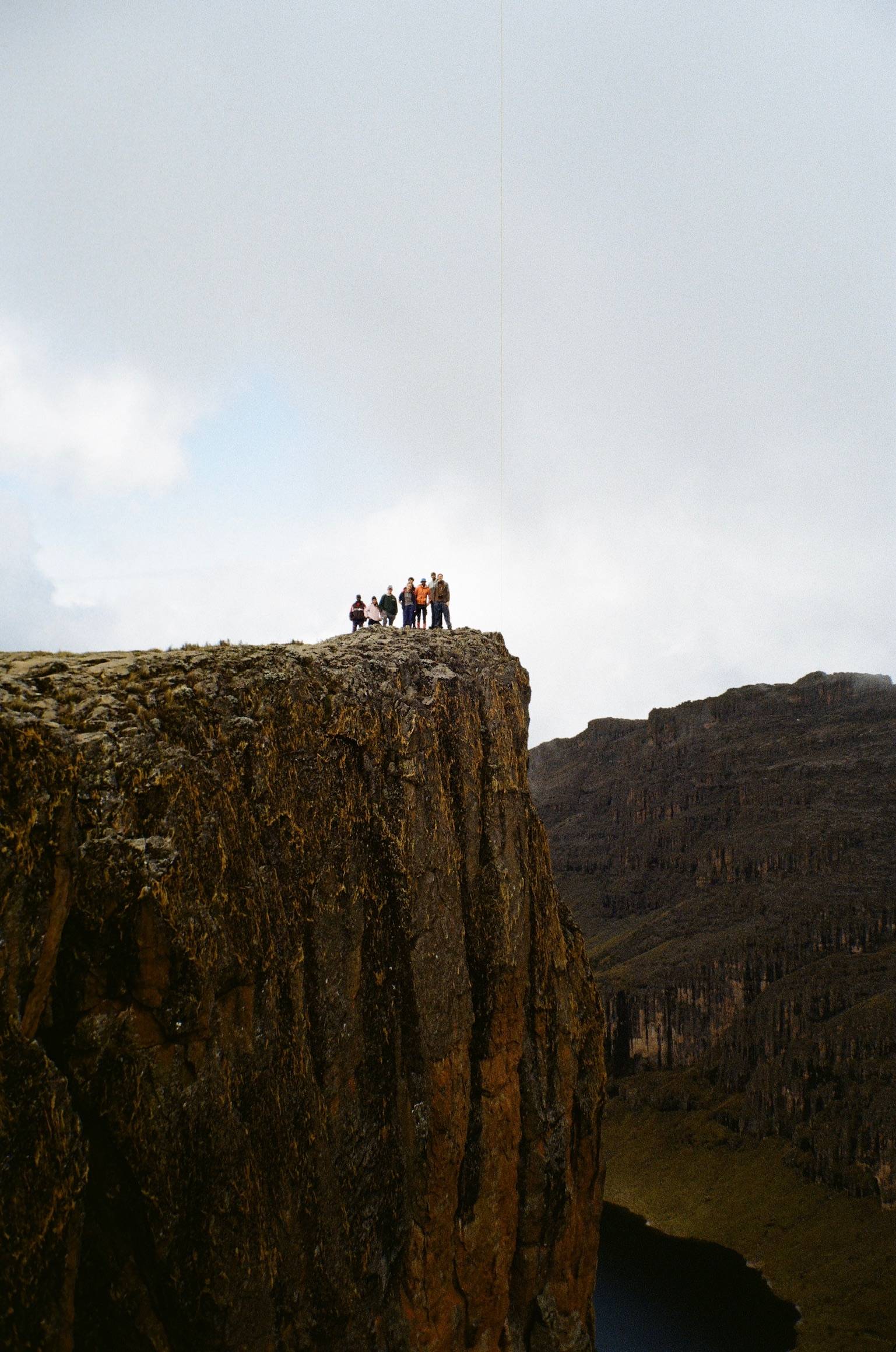
Hikes to Point Lenana (4,985 meters / 16,355 feet) offer a non-technical summit experience up Africa's second highest mountain. Witness dramatic sunrises, pass through unique alpine plant zones, and avoid the heavy crowds found on neighboring Mount Kilimanjaro.
image of vibrant dining space (for a mexican restaurant)

The Masaai Mara

The sheer density of wildlife on the open savannah, the concentration of big cats, and the sight of herds of wildebeest stretching to the horizon during the July to October Great Migration are experiences that the wildlife television industry has documented extensively without managing to fully convey the scale.

image of a guided tour group

Lamu Old Town

The oldest continuously inhabited Swahili settlement in East Africa and the best-preserved example of Swahili architecture in the world. The island has no roads and no cars; the lanes of the old town are navigated on foot, by donkey, or by wooden dhow on the water. Coral-stone houses with their carved wooden doors, inner courtyards and rooftop terraces over the Indian Ocean have barely changed since the 14th century.
image of a local tour guide (for a travel agency)

Mount Kenya Lenana Point Summit

Hikes to Point Lenana (4,985 meters / 16,355 feet) offer a non-technical summit experience up Africa's second highest mountain. Witness dramatic sunrises, pass through unique alpine plant zones, and avoid the heavy crowds found on neighboring Mount Kilimanjaro.

Journey itinerary

Itinerary overview
Detailed breakdown follows

Days 1 to 3: Lamu / Old Town walking tour, dhow boat day excursion, Shela Beach and Peponi's

Days 4 to 6: Watamu / Papa Remo beach day, mangrove boat in Mida Creek, Sunset Labs dinner and ocean dive

Day 7: Fly to Nairobi / settle into Nairobi base, late dinner at Red Ginger

Days 8 to 10: Maasai Mara / three days of game drives, dawn and dusk on the savannah

Day 11: Return to Nairobi / afternoon at the Giraffe Centre or Sheldrick Elephant Sanctuary

Day 12: Nairobi day / Karen's Farmers Market, Cultiva lunch, arboretum walk and Karura Forest

Days 13 to 14: Aberdares and Mount Longonot / Elephant Hill hike and volcanic crater circuit

Days 15 to 16: Lake Naivasha / Crescent Island walking safari, Hell's Gate cycling and gorge walk

Days 17 to 19: Mount Kenya / three-day Chogoria ascent and Sirimon route descent for Point Lenana

Days 20 to 22: Samburu and Ol Pejeta / northern endemic species, last northern white rhinos and Laikipia return

Days 23 to 24: Amboseli / elephant herds against Kilimanjaro at dawn and dusk

Day 25: Final Nairobi evening and departure

Day-by-day itinerary
Days 1 to 3: Lamu

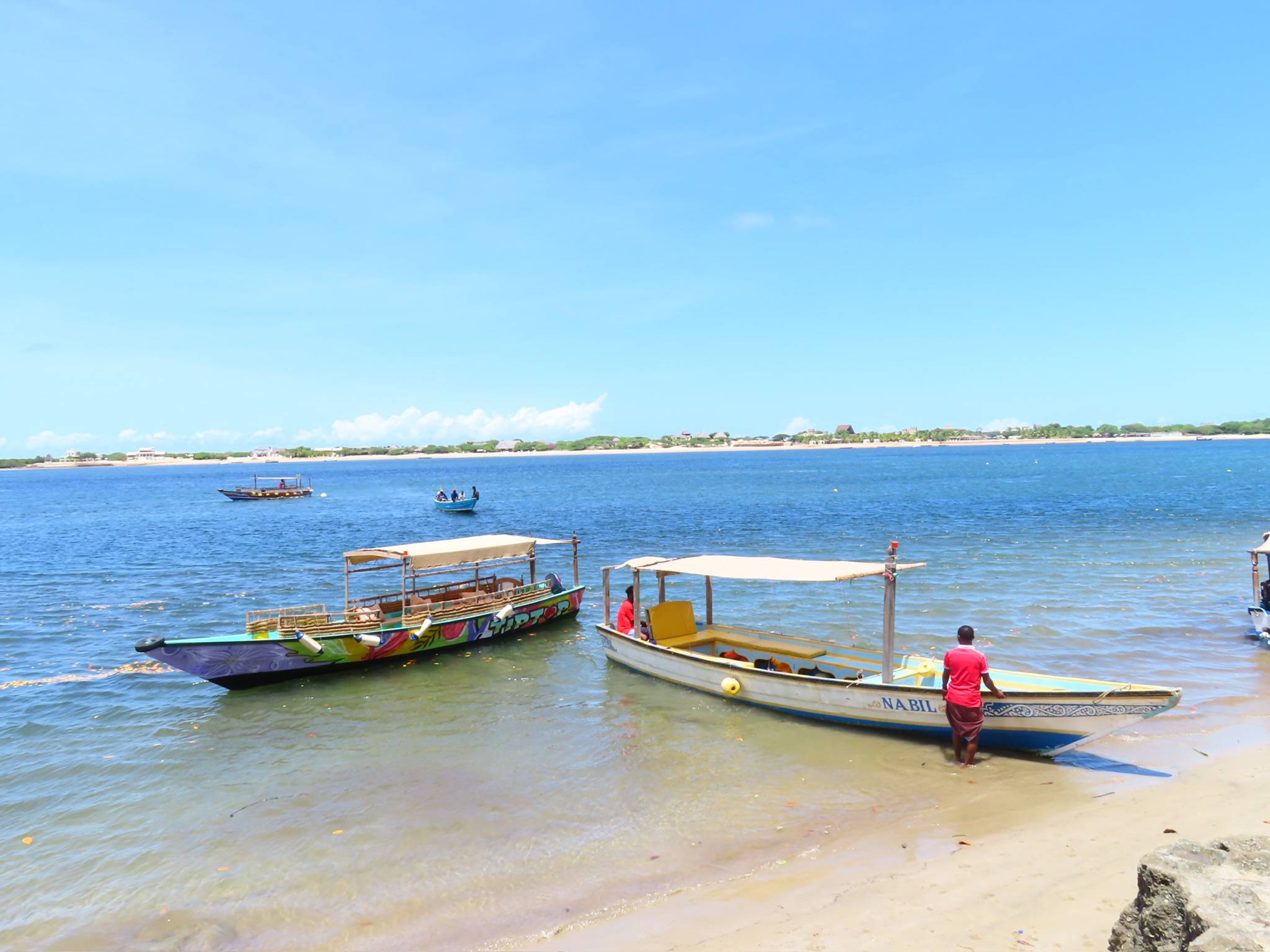
Fly into Lamu's Manda Island Airport (LAU) via Nairobi or Mombasa. SafariLink and JamboJet operate the Nairobi to Lamu route; the flight takes approximately 1.5 hours and arrives on the small airstrip on Manda Island, from which a motorised boat transfers you across the channel to Lamu Town or Shela Village (10 minutes, the boat ride is usually included in your accommodation's arrangements or costs approximately KES 1500).

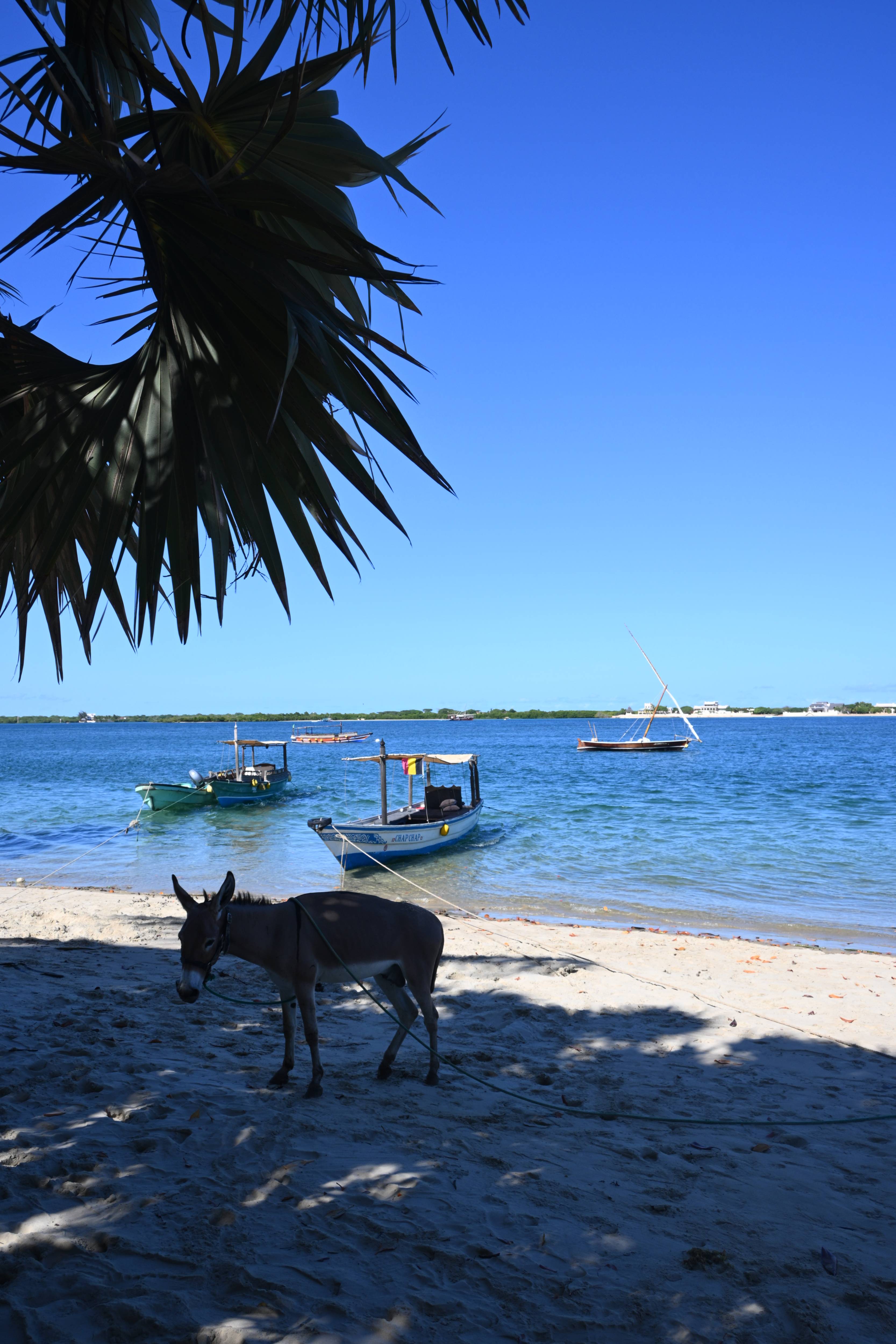
Lamu has no roads for motorised vehicles. The town is navigated on foot through lanes barely wide enough for two people, by donkey for luggage and heavy loads, or by motorboat between Lamu Town and Shela Village (15 minutes). There are no taxis. Most tourists stay in Shela, which offers a more refined experience closer to the sea.

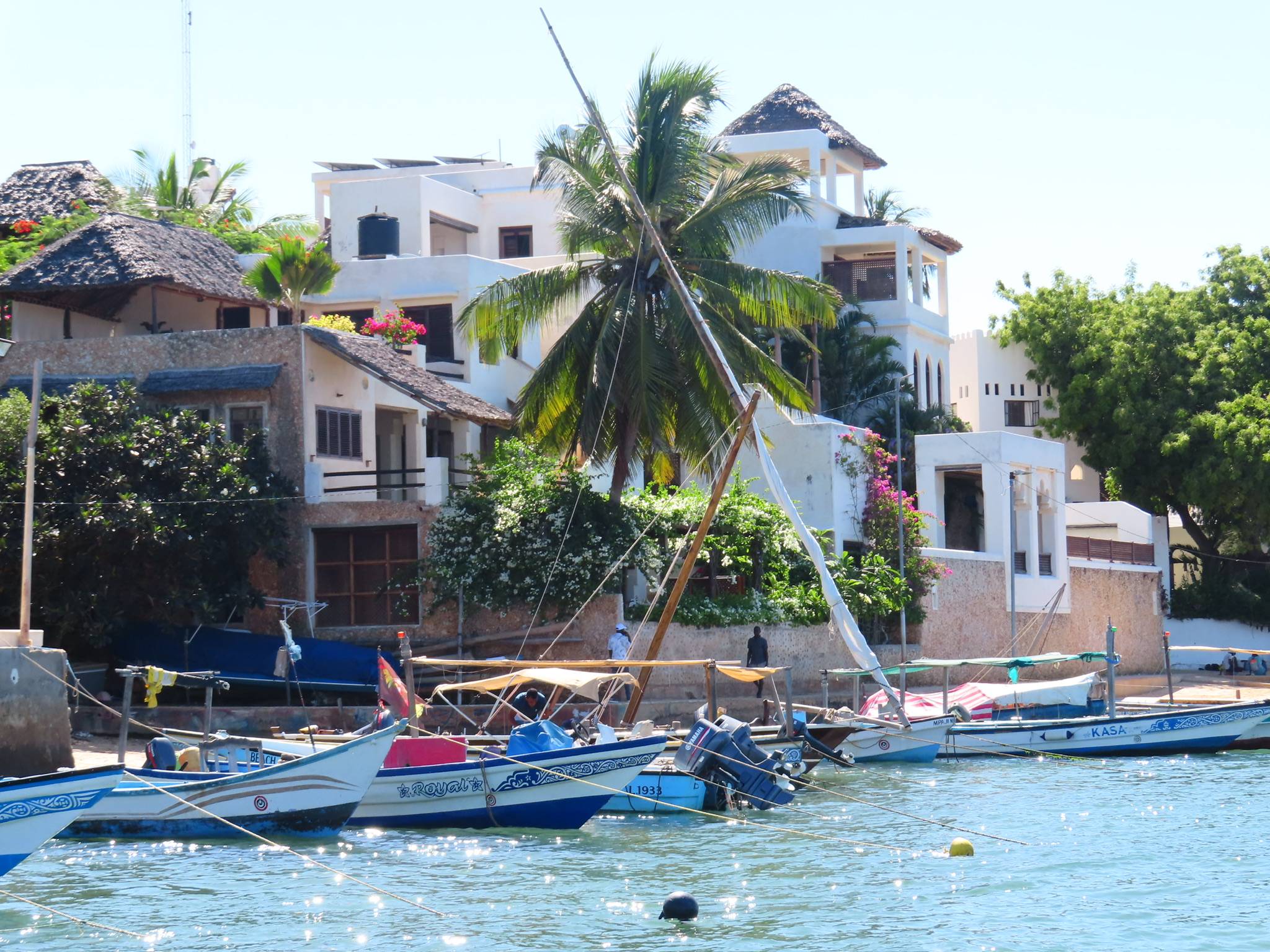
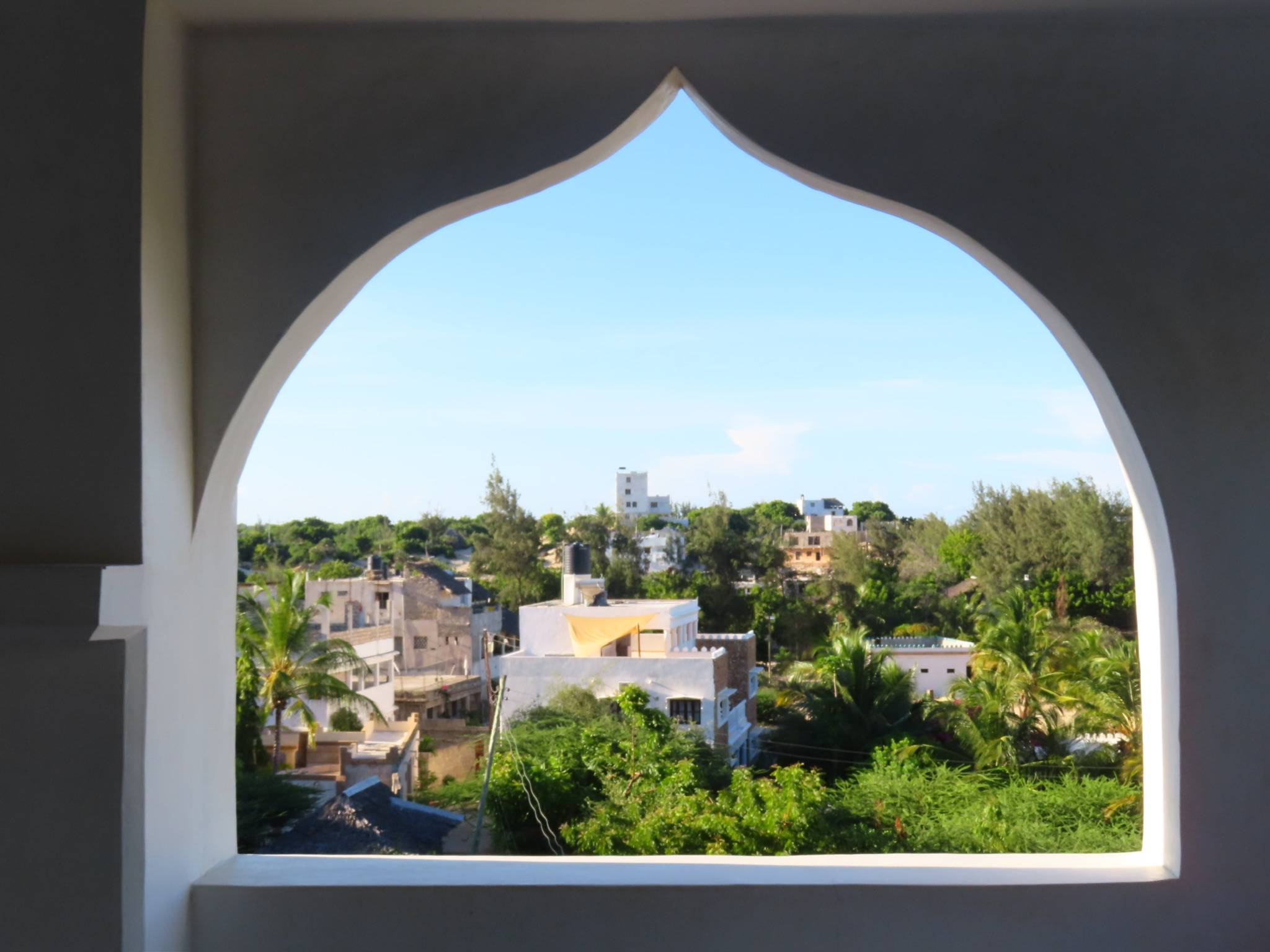
Lamu Old Town is a UNESCO World Heritage Site listed in 2001 as the oldest and best-preserved Swahili settlement in East Africa. The buildings are coral stone and mangrove timber, constructed with inner courtyards that regulate heat without air conditioning, and carved wooden doors that are the most reproduced symbol of Swahili culture. The town has been continuously inhabited for over 700 years and the layout has changed minimally in that time. Walking through it slowly, getting lost in the lanes, and allowing the rhythm of the place to replace whatever pace you arrived with is the correct approach to the first afternoon.

Old Town tour via Aswif (+254 715 258 915): The guide provides a structured introduction to the old town. The tour covers the history of the Swahili trading network, the architectural tradition, the significance of the carved doors, and the social geography of a town that was once one of the Indian Ocean's most important ports. Book one or two days in advance; The tour takes two hours and is the best context-setting experience for understanding what you are walking through for the rest of the visit.

Got to Majlis Hotel for sunset drinks and beach day chilling; the rooftop bar has one of the better sunset views over the channel. Peponi's Hotel in Shela is the dining recommendation across multiple evenings; the Danish family-owned hotel has been operating on the Shela waterfront since 1967 and the sundowner terrace, the seafood and the view are all genuinely excellent. Peponi's is worth a dinner reservation on at least one evening regardless of where you are sleeping. Kijani Rooftop is a pleasant additional option.

Days 1 to 3: Lamu

Fly into Lamu's Manda Island Airport (LAU) via Nairobi or Mombasa. SafariLink and JamboJet operate the Nairobi to Lamu route; the flight takes approximately 1.5 hours and arrives on the small airstrip on Manda Island, from which a motorised boat transfers you across the channel to Lamu Town or Shela Village (10 minutes, the boat ride is usually included in your accommodation's arrangements or costs approximately KES 1500).

Lamu has no roads for motorised vehicles. The town is navigated on foot through lanes barely wide enough for two people, by donkey for luggage and heavy loads, or by motorboat between Lamu Town and Shela Village (15 minutes). There are no taxis. Most tourists stay in Shela, which offers a more refined experience closer to the sea.

Lamu Old Town is a UNESCO World Heritage Site listed in 2001 as the oldest and best-preserved Swahili settlement in East Africa. The buildings are coral stone and mangrove timber, constructed with inner courtyards that regulate heat without air conditioning, and carved wooden doors that are the most reproduced symbol of Swahili culture. The town has been continuously inhabited for over 700 years and the layout has changed minimally in that time. Walking through it slowly, getting lost in the lanes, and allowing the rhythm of the place to replace whatever pace you arrived with is the correct approach to the first afternoon.

Old Town tour via Aswif (+254 715 258 915): The guide provides a structured introduction to the old town. The tour covers the history of the Swahili trading network, the architectural tradition, the significance of the carved doors, and the social geography of a town that was once one of the Indian Ocean's most important ports. Book one or two days in advance; The tour takes two hours and is the best context-setting experience for understanding what you are walking through for the rest of the visit.

Got to Majlis Hotel for sunset drinks and beach day chilling; the rooftop bar has one of the better sunset views over the channel. Peponi's Hotel in Shela is the dining recommendation across multiple evenings; the Danish family-owned hotel has been operating on the Shela waterfront since 1967 and the sundowner terrace, the seafood and the view are all genuinely excellent. Peponi's is worth a dinner reservation on at least one evening regardless of where you are sleeping. Kijani Rooftop is a pleasant additional option.

Button Text
Day 2: Boat day excursion

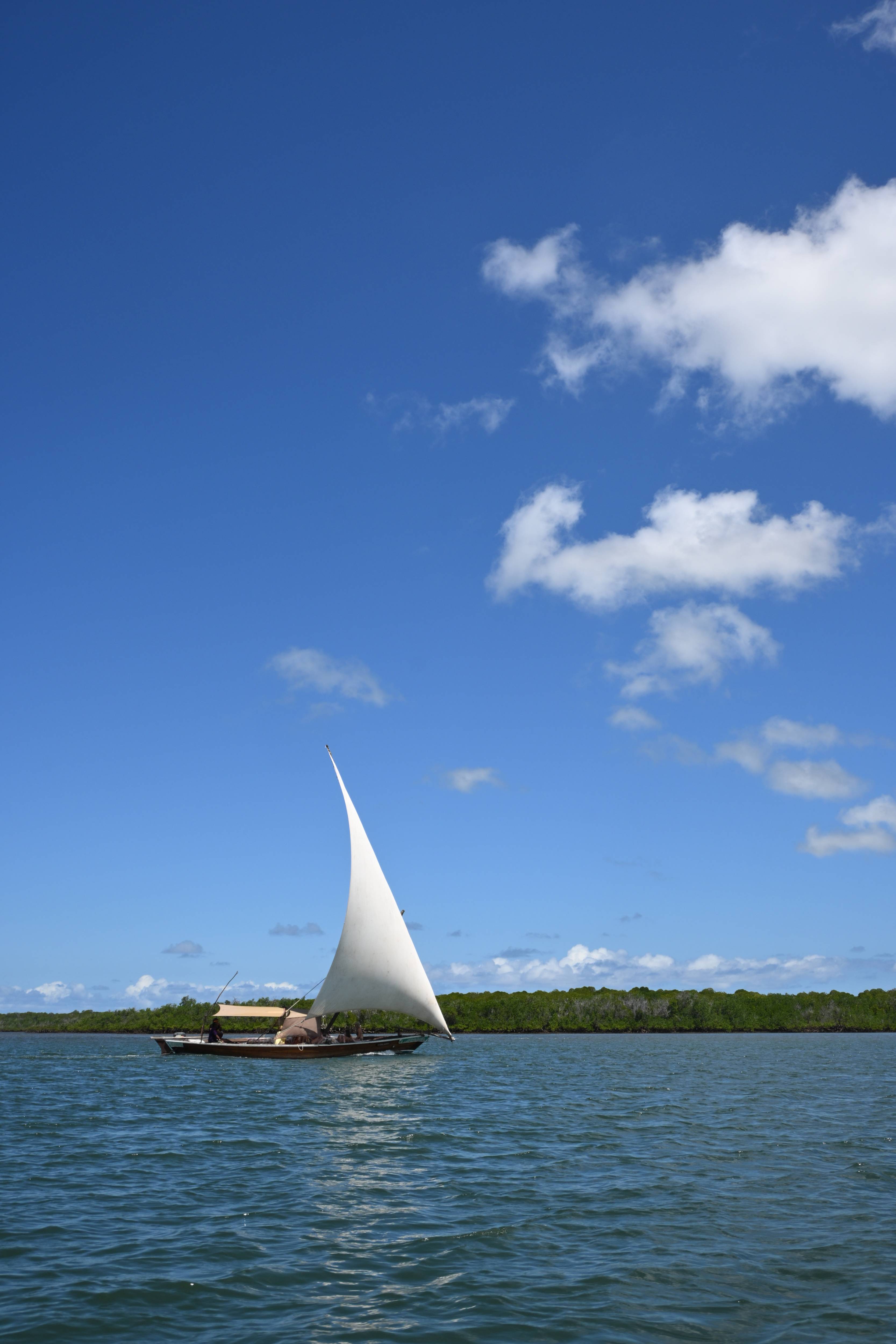
Aswif (+254 715 258 915 Whatsapp) can organise you a full-day dhow or motorboat excursion covering swimming stops, empty beaches, lunch picnics on the beach and snorkelling on the reef. The standard excursion covers Manda Island, the Takwa ruins (a 15th-century Swahili town abandoned in the 18th century, now surrounded by mangrove forest, accessible by boat), snorkelling on the outer reef, and lunch on an empty beach. Bring sunscreen, swimming gear and water; everything else is provided by the boat crew.

Shela Beach is accessible from Shela Town by a 10-minute walk along the waterfront. The beach runs for over 12 km with almost no development along most of its length. The afternoon swim at Shela, preferably in the last hour before sunset, is the essential daily ritual of a Lamu visit. The Shela village lanes are worth a slow afternoon wander: craft shops, small cafés and the village's distinctive character as a slightly more upmarket and less historically dense alternative to the old town. After dinner, if you feel like partying, the Floating Bar is the place to go. Organise transport with boatmen on the beach for the evening connection.

Days 4 to 6: Watamu

Have a lazy Lamu morning, one final lunch at Peponi's and head back to the airport. Fly from Lamu to Malindi via SafariLink (direct) and transfer by road to Watamu (approximately 30 minutes south of Malindi).

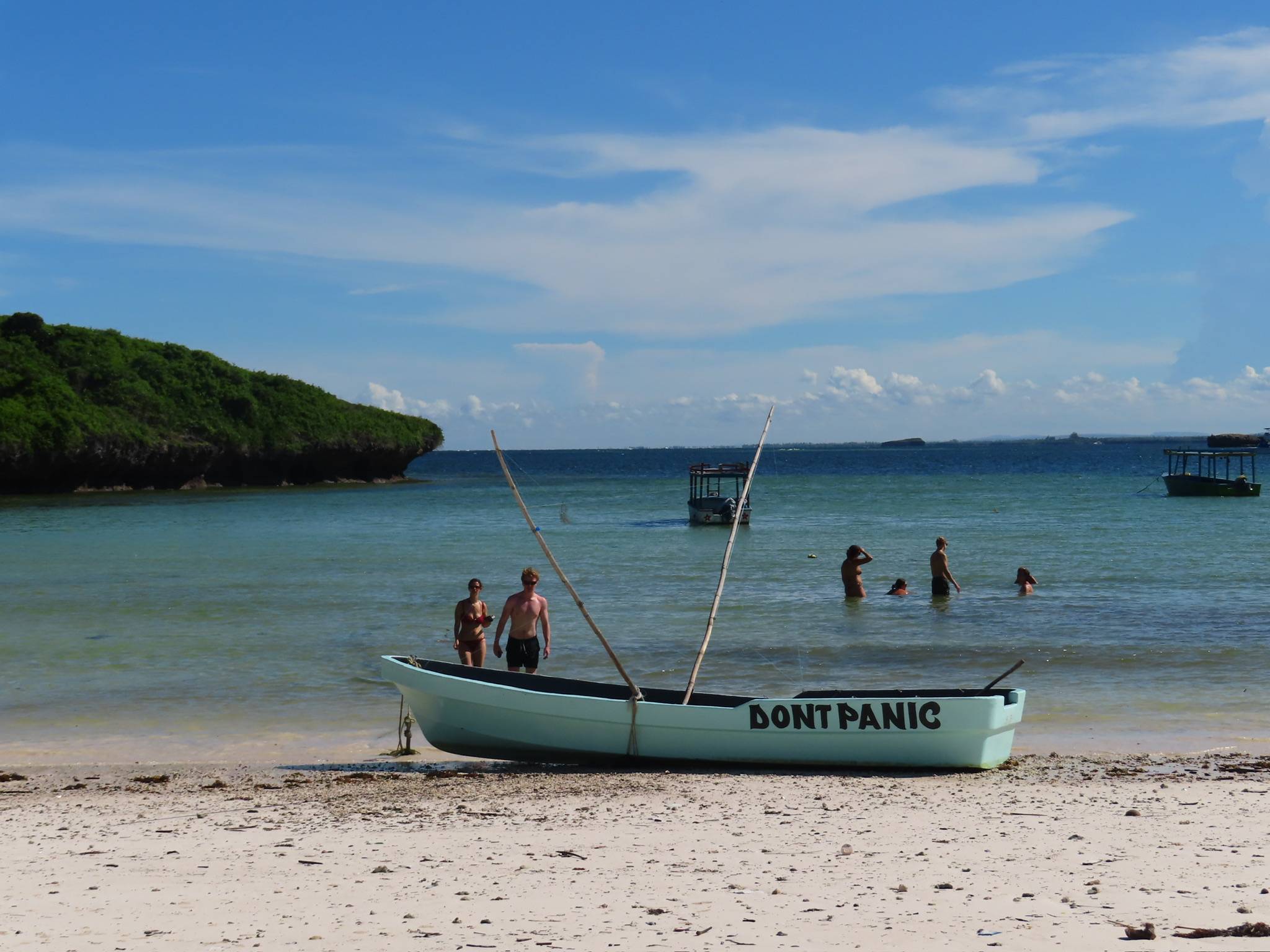
Watamu is 120 km north of Mombasa on the Kenyan coast, a small town with a disproportionately good beach and food scene built around a core of Italian expat influence and Kenyan hospitality. The town splits at a central junction: the left side has more restaurants and activity; the right side is quieter with the best beaches and Mida Creek access. A wide range of accommodation exists; this is one of the most flexible towns on the Kenyan coast for matching budget to style.

Papa Remo is the relaxed beach day recommendation for a good lunch, lovely sand and, when the tide is low, exploration of nearby islands.

Mida Creek mangrove boat: Mida Creek is a tidal inlet south of Watamu Town sheltered from the open ocean by the reef and mangrove fringe, a critical habitat for migratory birds and a genuinely beautiful piece of coastal landscape. The mangrove boat tour covers the creek's channels by wooden boat, passing through the mangrove forest, spotting kingfishers, herons and in season, flamingos on the mudflats. Tours run for approximately 1.5 to 2 hours and can be arranged through most hotels or the Mida Creek boardwalk operators. Go in the morning or at sunset for the best light and bird activity.

Lichthaus is the sunset drink spot overlooking Mida Creek. Sunset Labs, Cocoma, and Musafir (restaurant on a boat)for dinner. Ocean Sports for a beach lunch and yoga at the Watamu Treehouse is the morning wellness option. ) are additional dining recommendations.

Non Solo Gelato is a great after dinner ice cream spot; a Kenyan institution worth knowing about.

The Watamu Marine National Park, immediately offshore, has some of the best snorkelling and diving on the Kenyan coast. The reef has recovered significantly from El Niño bleaching events and turtle encounters are regular. Dive Kenya, One Ocean and Aqua Ventures all operate from Watamu Beach.

Day 7: Fly to Nairobi

Have a lazy Watamu morning and fly Malindi to Nairobi flight. Arrive in time for dinner. Red Ginger offers a casual setting for a large group Indian food experience after a long day of travel. Sleep in Nairobi''s Westlands, Kileleshwa or Kilimani districts.

Days 8 to 10: Maasai Mara

The Maasai Mara National Reserve is 270 km southwest of Nairobi, approximately 5 to 6 hours by road on the B3 highway and unpaved reserve approach roads, or 45 minutes by charter flight to one of several airstrips within the Mara ecosystem. Charter flights from Wilson Airport (WIL) in Nairobi are the more comfortable option but significantly more expensive; these are organised via your accommodation. A private car transfer for a group of ~10-14 passengers costs ~$700USD return.

The reccommendation that balances camp quality, catered dining, safari car comfort is Tor's Camp (+254740159910). Many options exist for accommodation at various price points; see the accommodation section below for the full range.

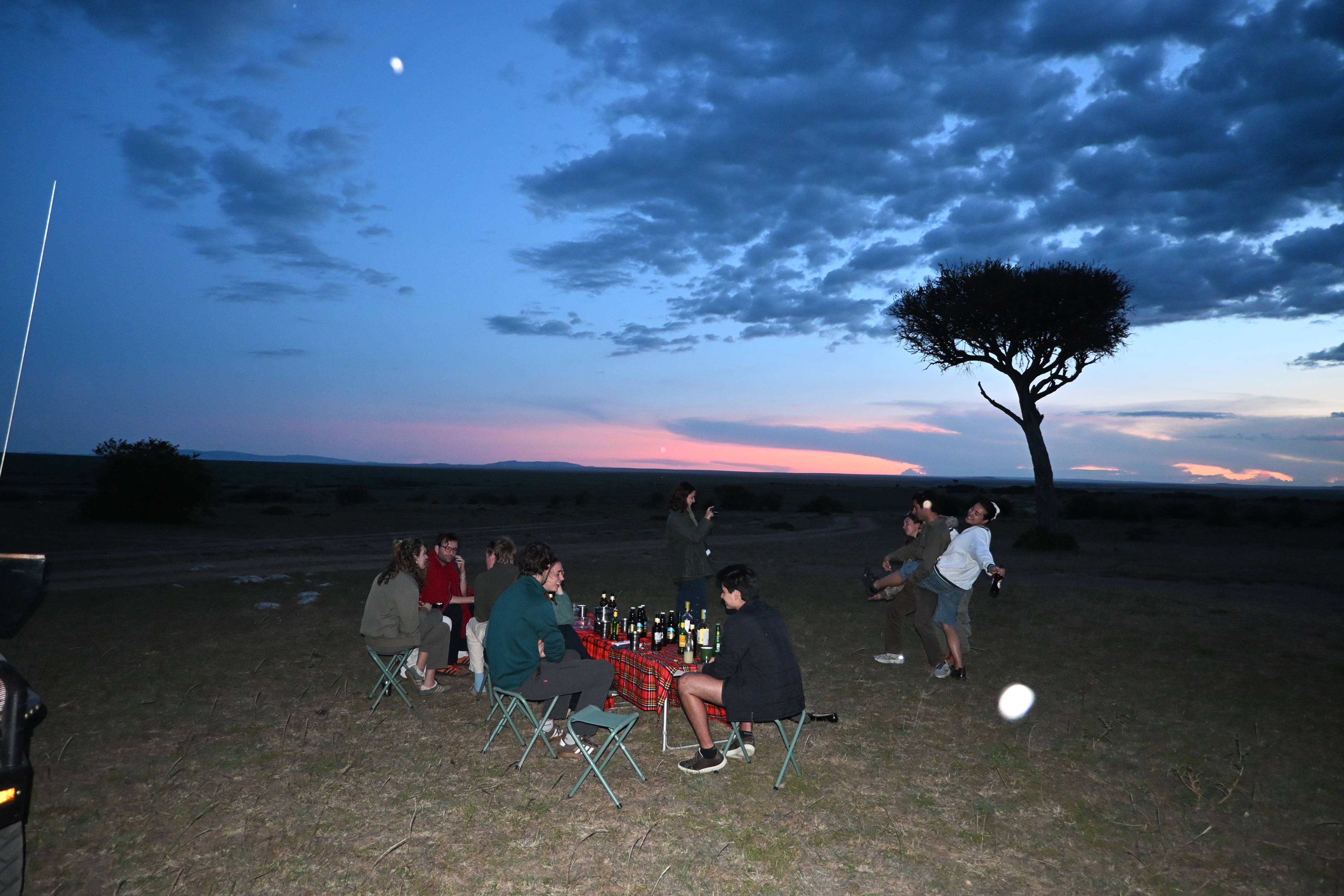
The Maasai Mara game drive schedule is standard across all camps: early morning drive departing at first light (approximately 6 am), return for breakfast by 10 am, midday rest through the heat, late afternoon drive departing at 4 pm and returning at dusk. This schedule gives you the two most productive wildlife periods of the day and is the rhythm of a Mara stay regardless of accommodation level.

The Great Migration occurs from approximately July through October when approximately 2 million wildebeest and zebra migrate northward from the Serengeti in Tanzania into the Mara ecosystem. The river crossings, where herds plunge into the crocodile-filled Mara River in dramatic chaos, are the defining images; they occur at unpredictable locations and timing along the river and require patience and positioning. Camps near the river have an advantage; your guide will know the current crossing activity.

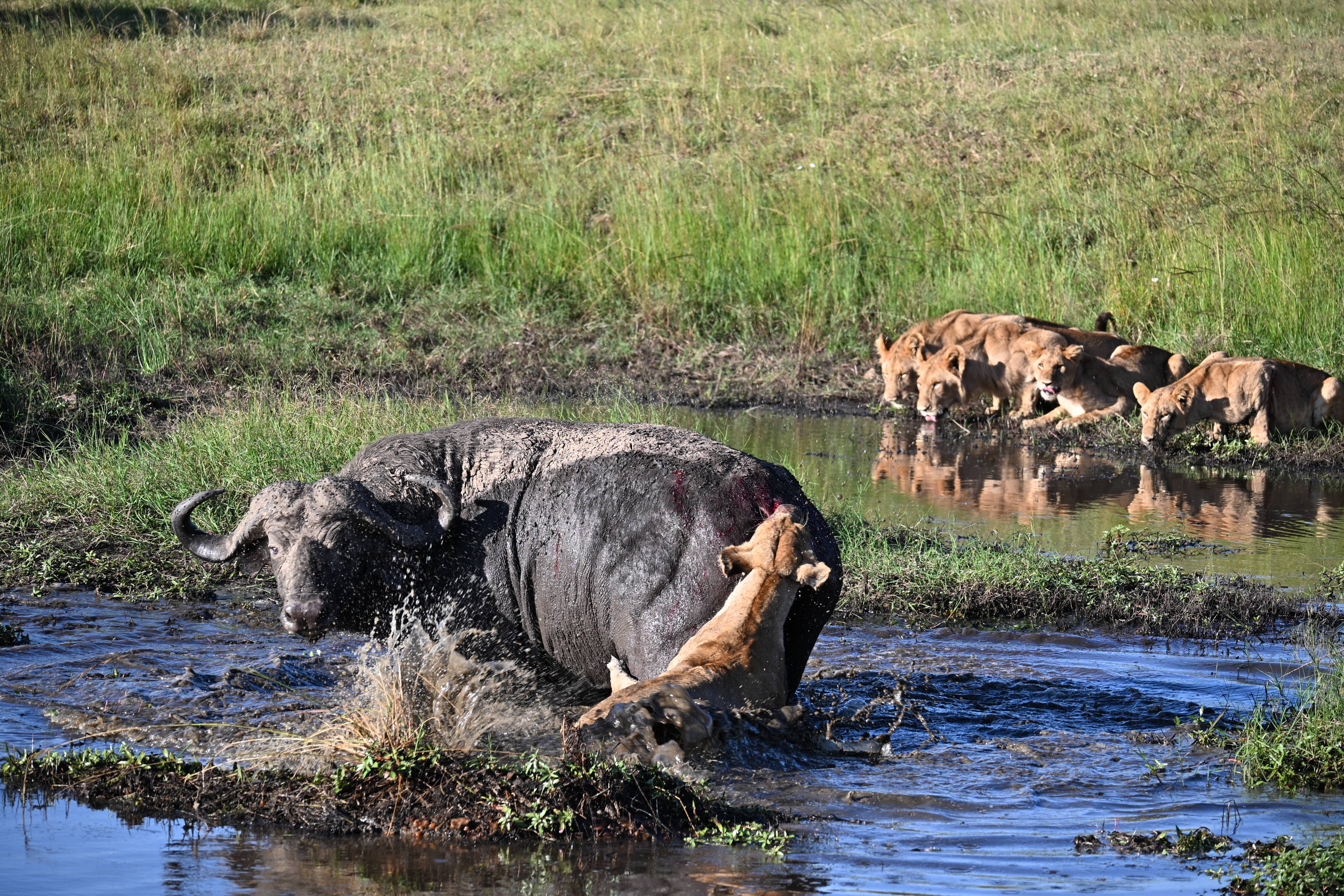
Year-round wildlife: Even outside the migration window, the Mara has the highest density of predators in the world. Lion, leopard, cheetah, wild dog, hyena, elephant, buffalo, giraffe, hippo and over 450 bird species are all resident. No visit to the Mara is wasted regardless of when you go.

Conservancy vs reserve: The private conservancies surrounding the national reserve (Olare Motorogi, Naboisho, Mara North, Ol Kinyei and others) allow off-road game driving, walking safaris and night drives that are prohibited inside the reserve itself. Conservancy camps tend toward mid-range and luxury pricing. The national reserve is accessible to all camps with a gate fee.

Three days, two nights is the minimum for a meaningful Mara experience. Extend to four nights if budget allows.

Day 11: Return to Nairobi, afternoon wildlife

Return by road or charter to Nairobi. You will likely return for the late afternoon. If you arrive earlier (i.e. 2pm) and have the energy for it, do one or both of the following:

Giraffe Centre: 15 drive in Karen, a conservation centre for the endangered Rothschild giraffe where you feed giraffes at eye level from an elevated platform. The whole experience takes approximately 20 minutes. Open daily 9 am to 5 pm. Entry approximately KES 1,500 for non-residents. One of the most immediate wildlife encounters available without leaving the city.

David Sheldrick Wildlife Trust (Elephant Sanctuary): The most celebrated elephant orphanage in the world, caring for orphaned elephants rescued from poaching, drought and human-wildlife conflict. Public visiting hours run from 11 am to 12 pm daily; the one-hour visit watches the baby elephants feed and mud-bathe in direct public view. Entry donation-based. Book in advance.

Day 12: Nairobi

Nairobi is significantly more interesting than its reputation as a transit city suggests. The food scene specifically is one of the best in sub-Saharan Africa and the restaurant and nightlife list reflects a city with genuine culinary ambition.

A classic Karen day, a Saturday ideally, follows the following: Karen's Farmers Market runs every Saturday; local producers selling fresh produce, artisan food and crafts. Lunch at Cultiva (Karen, farm-to-table, consistently one of the best lunches in the city). Visit the Karen Blixen Museum: The home of the Out of Africa author, now a heritage museum in the Karen suburb. The property itself, the views of the Ngong Hills and the garden are the experience; the interior museum covers Blixen's life in Kenya from 1914 to 1931.

An Ngong day, when there are horse races ideally, visits the Ngong Racecourse for a completely different register, the Ngong Racecourse runs horse racing meetings on weekends from September to June. The social atmosphere, the Kenyan crowd and the betting culture make for one of Nairobi's most genuinely local afternoons. Start the day with a Ngong Hills hike, a half-day hike along the ridge above the Rift Valley escarpment, 30 minutes from central Nairobi; the views west over the Rift are extraordinary on a clear day.

A central Nairobi day includes The Nairobi Arboretum in Westlands, 30 hectares of indigenous forest and planted arboretum within the city, is the best urban nature walk in the capital. Open 6 am to 6 pm. More impressive is Karura Forest, a 1,041-hectare urban forest in Gigiri, north of the city centre, with 50 km of trails, waterfalls, caves and cycling tracks. One of the largest urban forests in the world within a capital city.

Alternatively, the Nairobi National Park is the only national park in the world with a city skyline backdrop. Lions, leopards, rhinos, buffalos and giraffes roam in a 117-square-kilometre park with Nairobi's towers visible on the horizon. Entry via KWS; game drives in your own vehicle or with a hired guide. The park is closest to the Nairobi-Mombasa highway gate.

Days 13 to 14: Aberdares and Mount Longonot

Aberdare National Park - Elephant Hill Hike: the Elephant Hill hike is a one-day activity requiring no guide. The Aberdares are a 160 km highland range north of Nairobi with bamboo forest, moorland and rivers. Elephant Hill is in the salient section of the park; the hike covers moorland and forest terrain with a chance of elephant encounter (low to mid probability). Approximately 8 hours round trip hike. Drive from Nairobi approximately 2.5 hours to the park gate; all-day circuit possible.

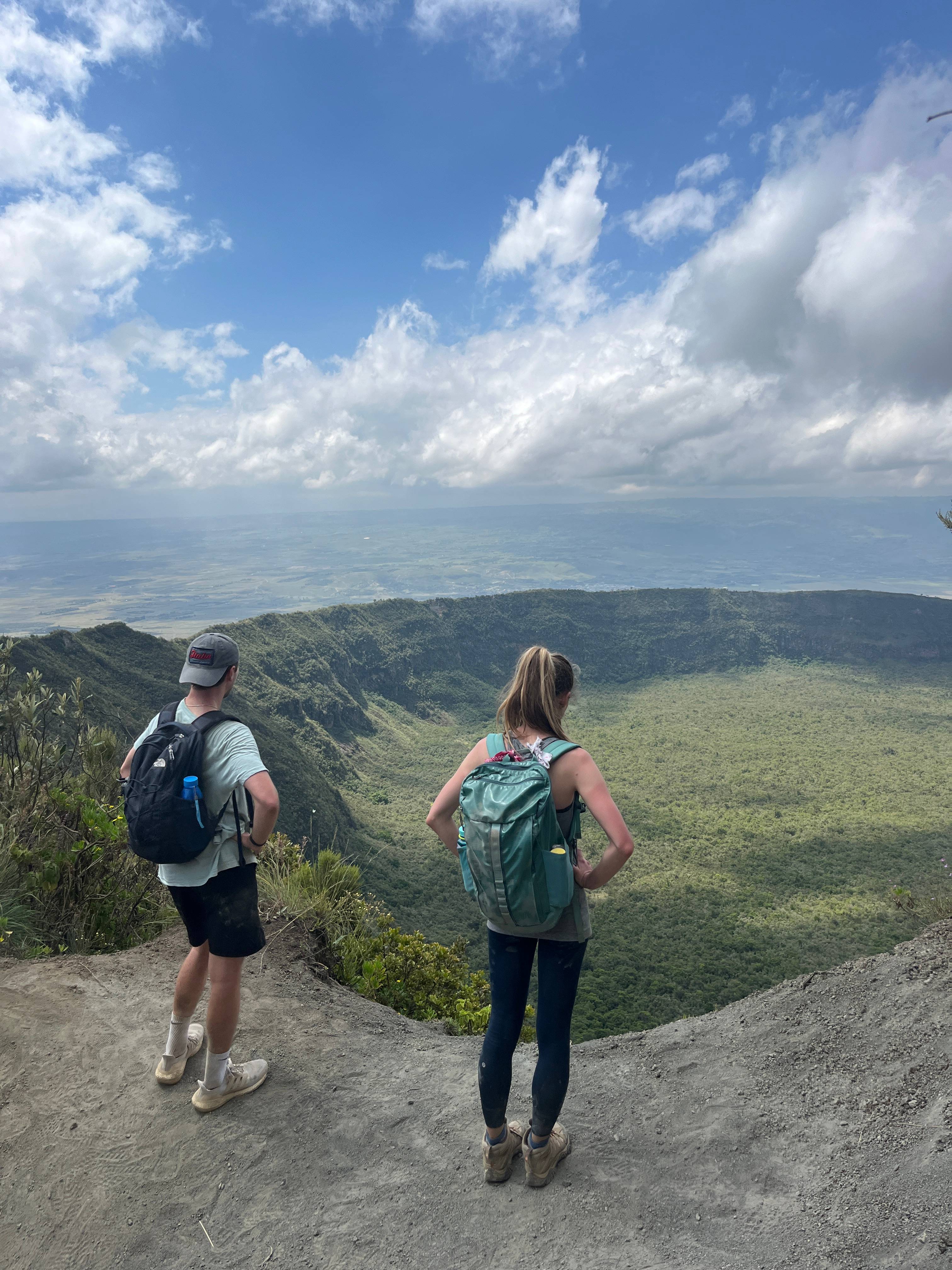
Mount Longonot: A one-day hike in the Rift Valley, 90 km from Nairobi. The KWS-managed park covers the dormant stratovolcano (2,776 metres) whose crater rim circuit gives views into a forested caldera and west over Lake Naivasha. No guide required. The crater rim circuit is 7 km from the gate and takes 4 hours. Start early; the summit is exposed and the midday heat is significant.

Do both over two days. The reccommendaton is to stay in Lake Naivasha after having done the Elephant Hill hike on the first day.

Days 15 to 16: Lake Naivasha

Lake Naivasha is 90 minutes northwest of Nairobi on the Nairobi-Nakuru highway or about 1 hour from the end of the Elephant Hill Hike. Kenya's only freshwater Rift Valley lake and one of the best wildlife and activity bases within easy reach of the capital.

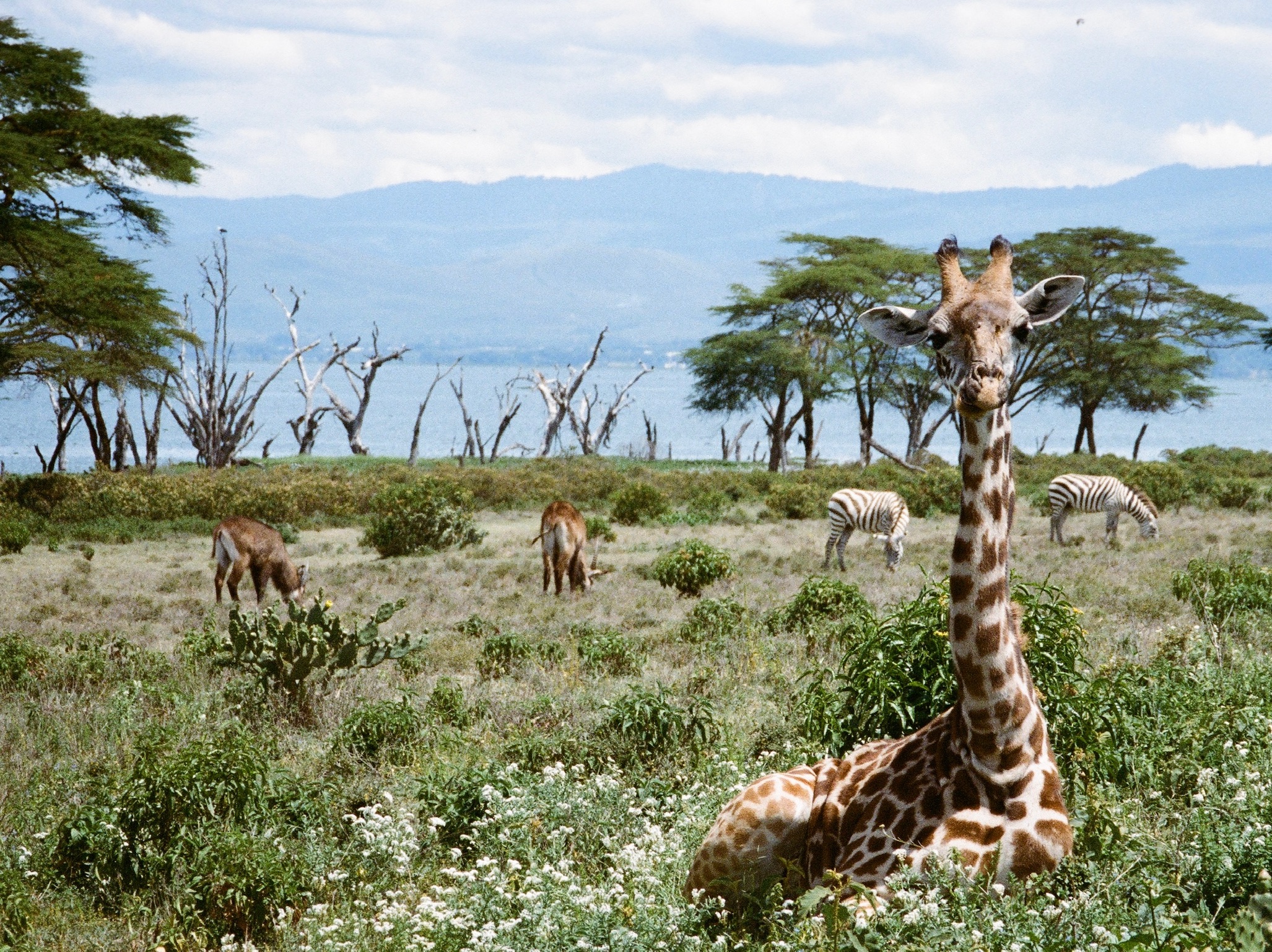
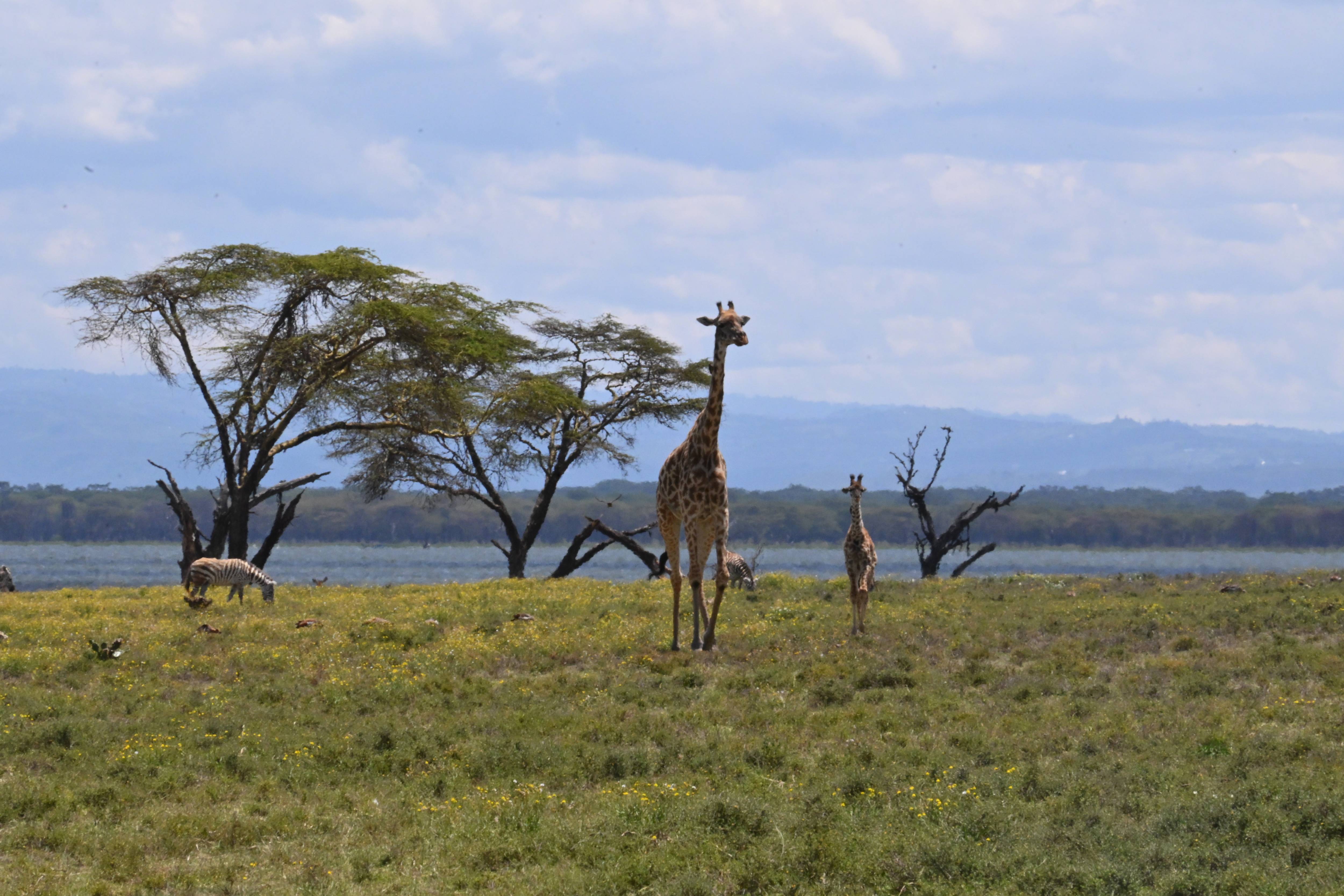
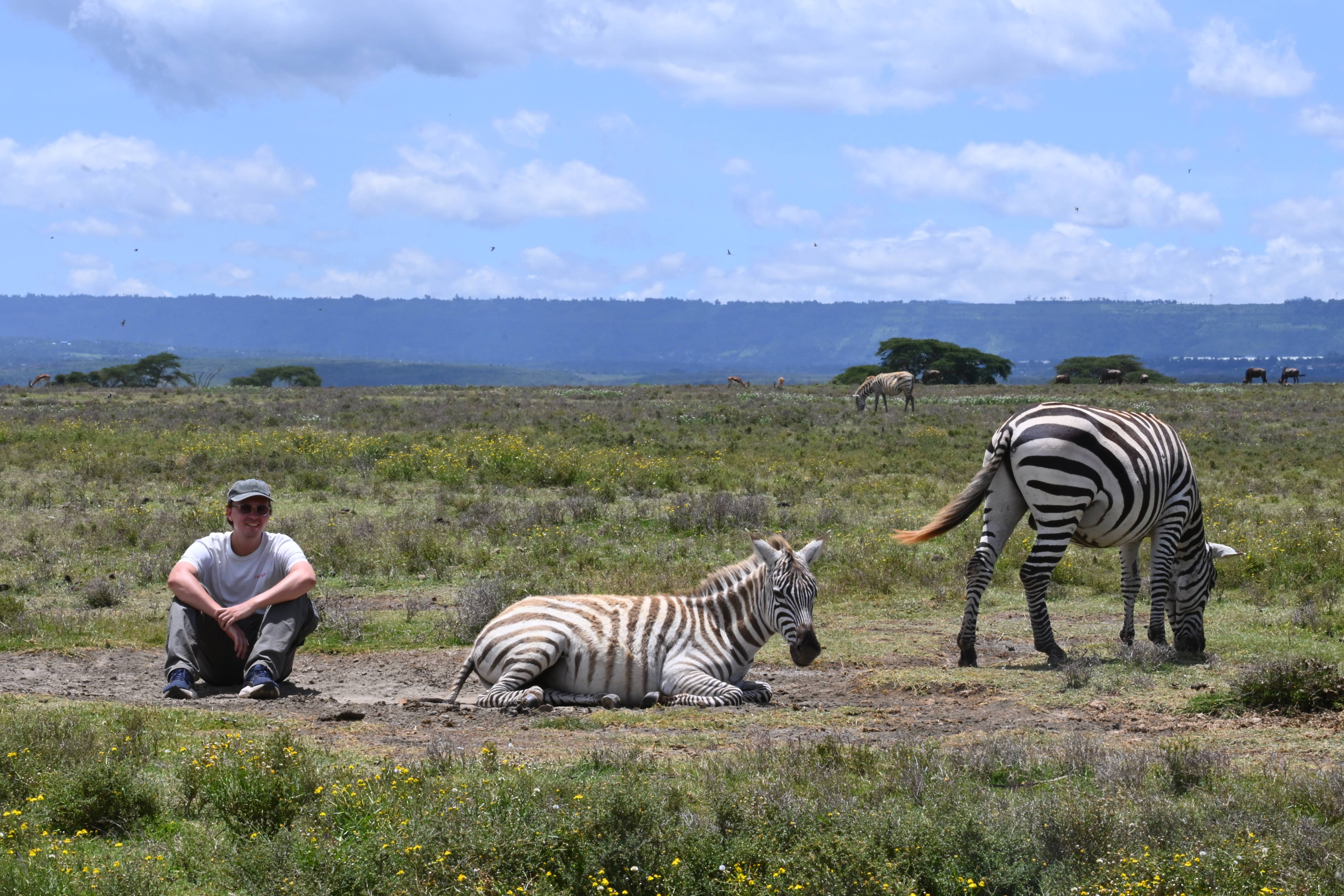
Crescent Island walking safari: The most specific and most recommended experience at Naivasha. A boat from the mainland (10 to 15 minutes) reaches Crescent Island, where you walk freely among giraffe, zebra, wildebeest, waterbuck and gazelles with no vehicle barrier and no predators. The guide accompanies you; the animals are habituated. Allow 1.5 to 2 hours on the island. The boat ride itself passes hippos, fish eagles and pelicans. Arrange through Fisherman's Camp, Camp Carnelley's or any lakeshore lodge; pay entry on arrival at the island directly rather than through boat operators claiming to collect fees.

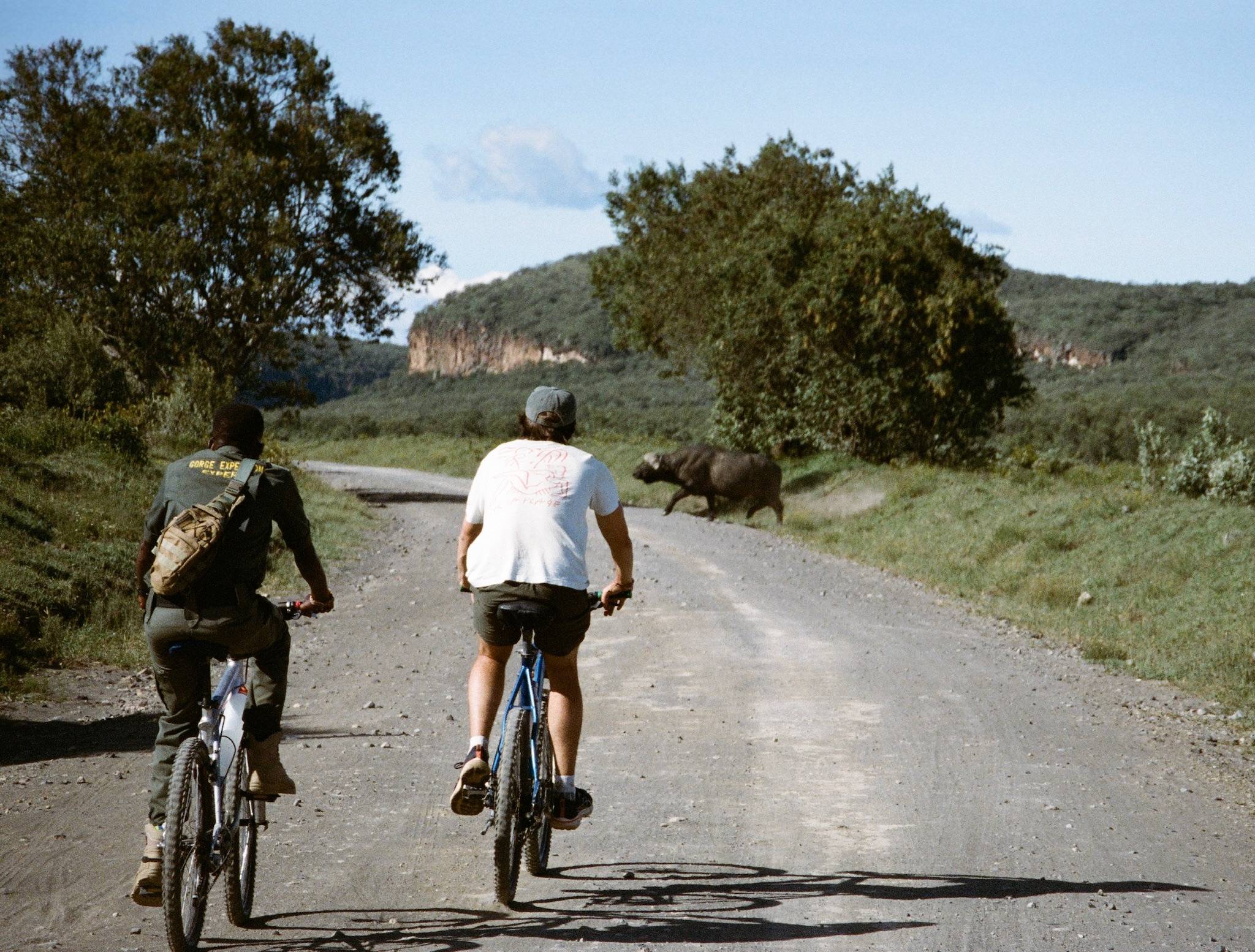
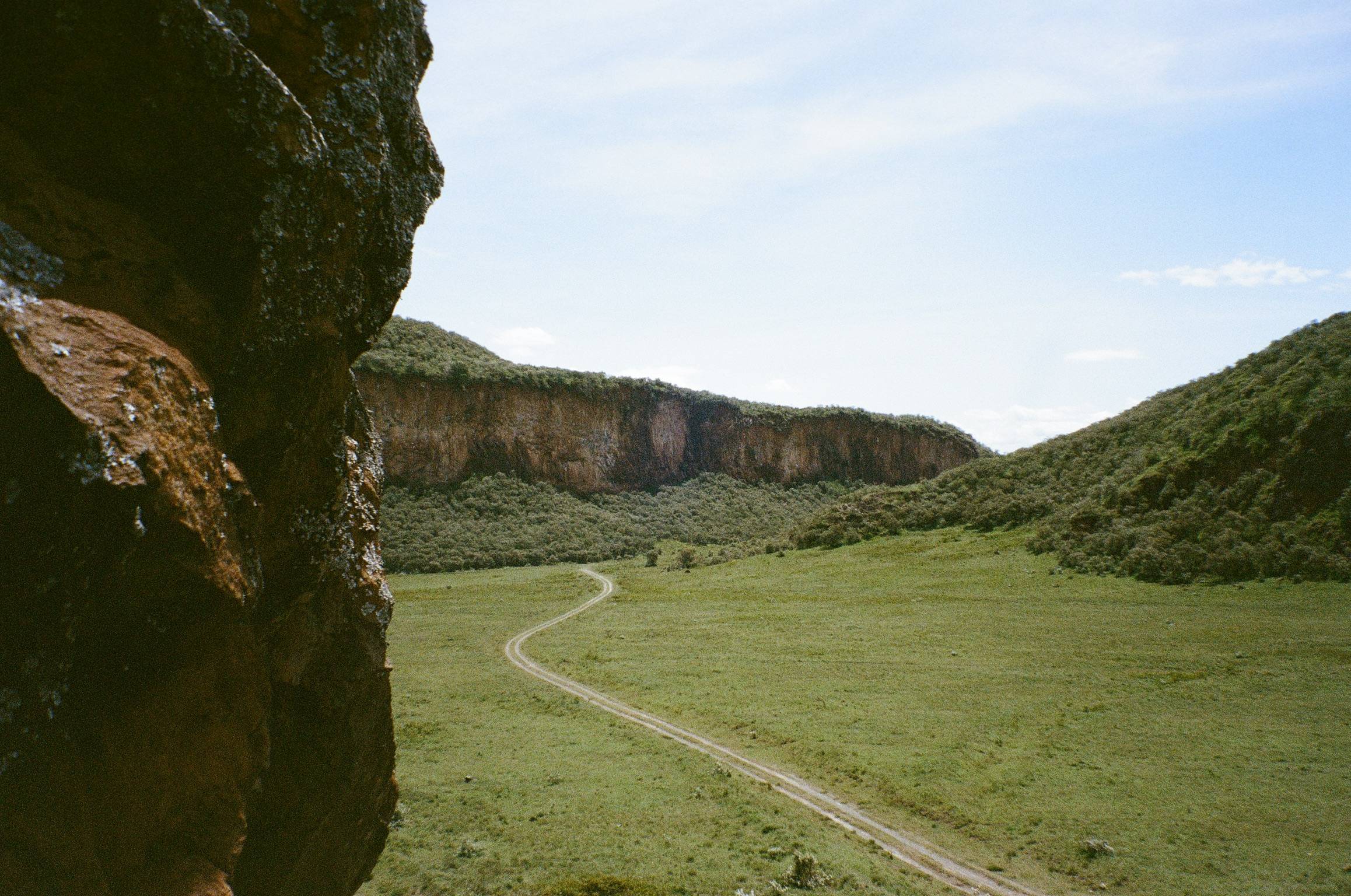
Hell's Gate National Park: south of the main Naivasha lake junction, one of the only national parks in Kenya where you can walk or cycle freely without a guide among wildlife. Rent bicycles at the main gate and ride the 10 km route through the valley past zebras, wildebeest, Thomson's gazelles, baboons, buffalo and Maasai giraffes. The gorge walk at the southern end of the park requires descending into the volcanic gorge on foot; the route covers the hot spring channels and the full geology of the Rift Valley in miniature. The gorge walk is the most dramatic section and takes approximately 1.5 to 2 hours. Geothermal steam still rises from the rock face in places. Entry approximately $50 for non-residents plus bicycle hire.

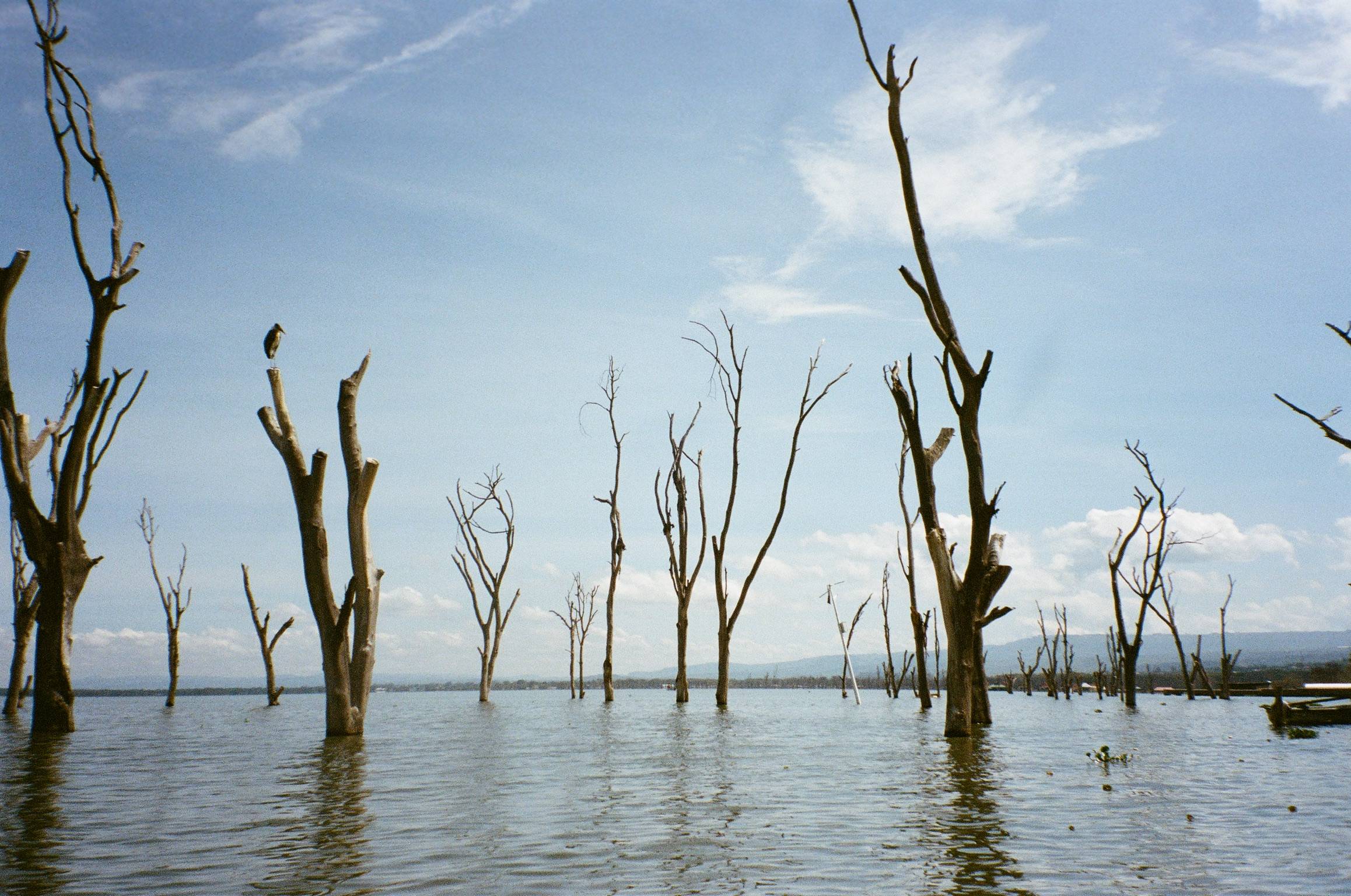
Hippos leave the lake at night and graze on the campsite lawns;. Fisherman's Camp and Camp Carnelley's guests wake regularly to hippos grunting and grazing outside their tents at 2 am. Never walk between a hippo and the water at night. Return to Nairobi after visiting Hell's Gate.

Days 17 to 19: Mount Kenya

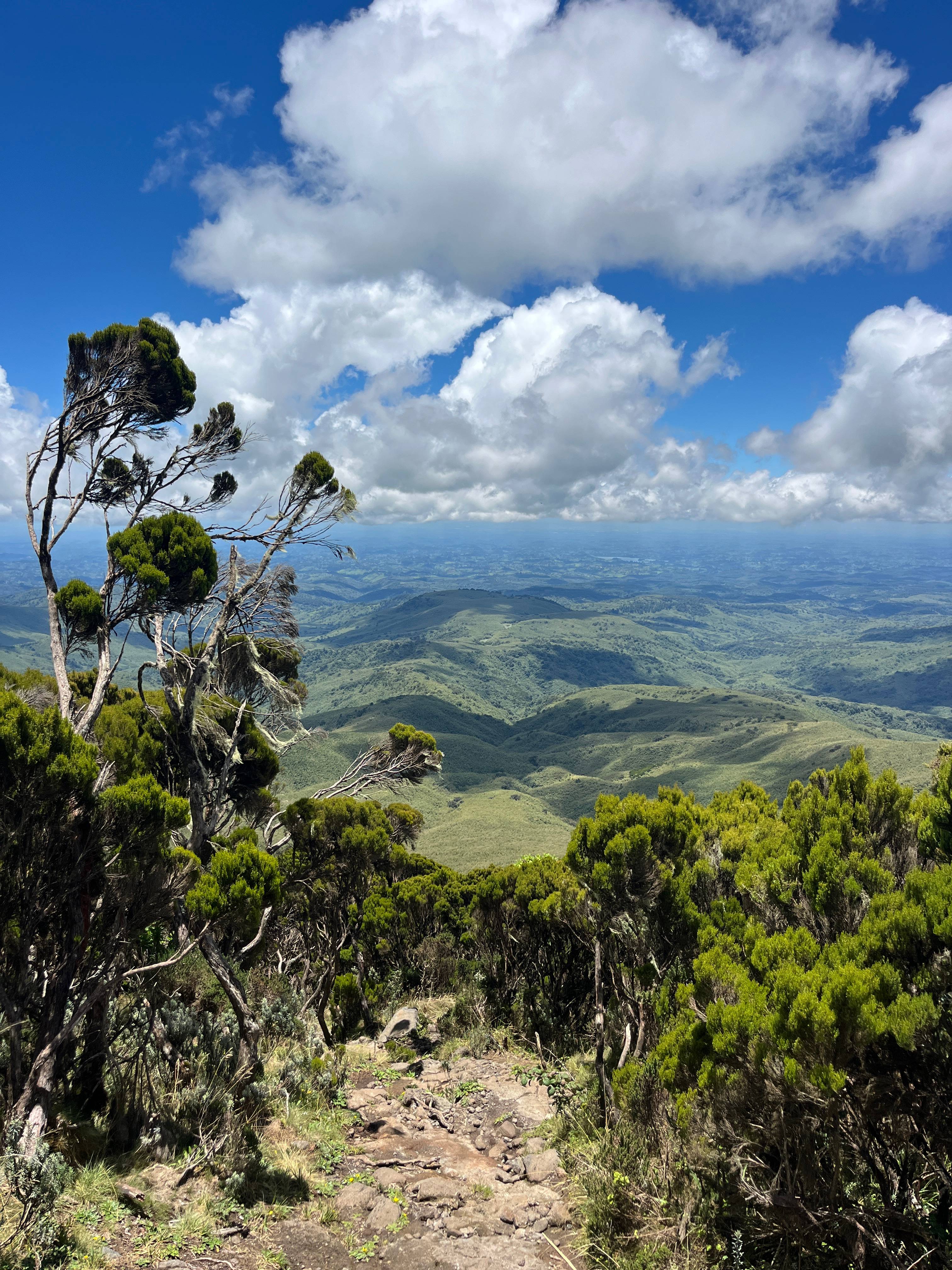
Mount Kenya is Africa's second-highest peak at 5,199 metres (Batian, the highest technical summit). Point Lenana, the trekking summit at 4,985 metres, is accessible without technical climbing equipment and is the target for a standard three-day ascent.

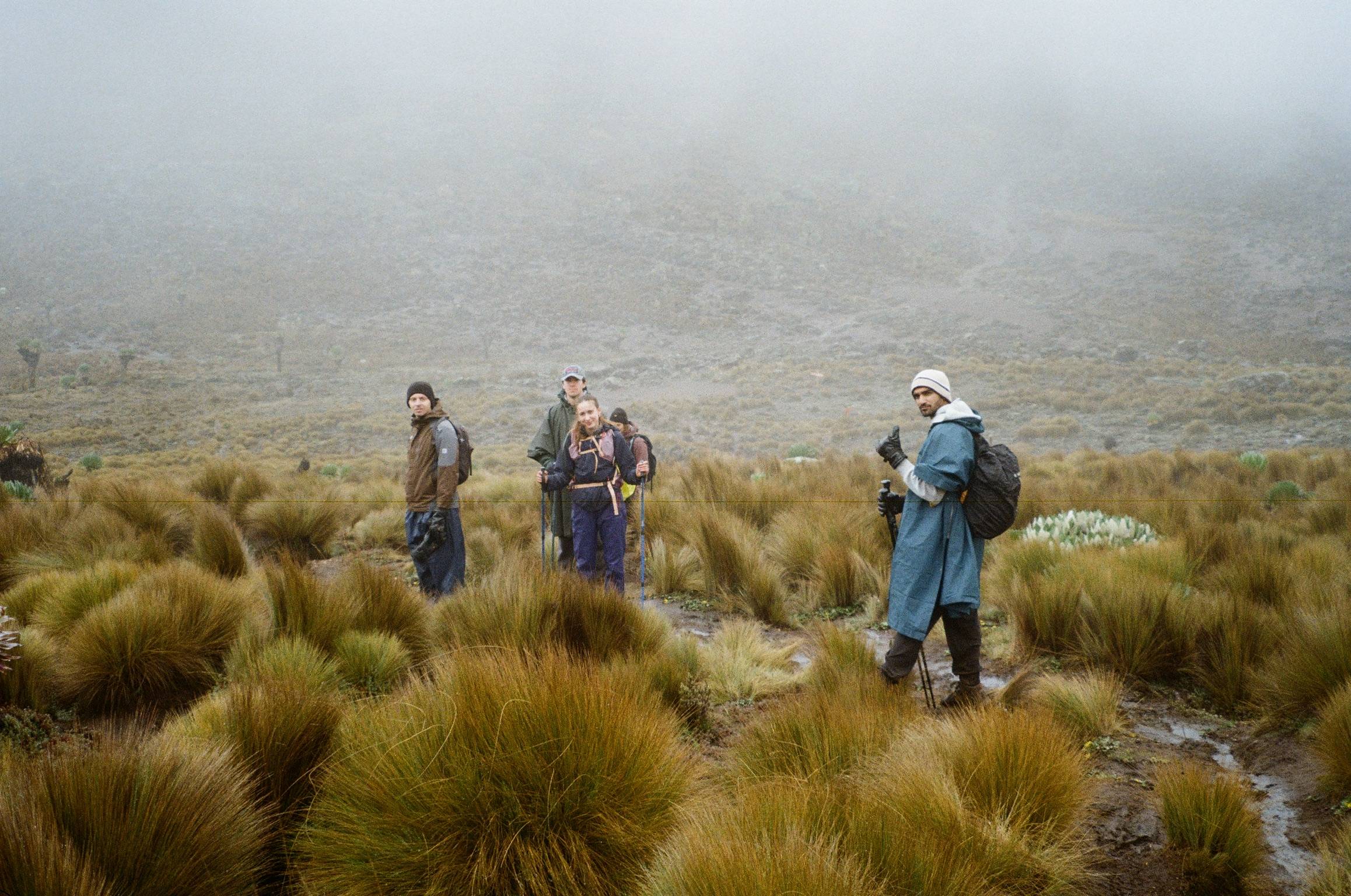
For the non-technical-hike, the reccommendation is the Chogoria route on the way up and the Sirimon route on the way down, specifically to avoid repeating terrain. This is the correct approach: Chogoria (on the eastern side) is widely considered the most scenic route on the mountain, passing through the Hall Tarns, the Gorges Valley and the eastern moorland; Sirimon (on the northwest) is the most direct descent and the easiest on tired legs.

A guide is necessary for the higher sections. Contact the Mount Kenya Trust or the Chogoria Gate KWS office for licensed guide arrangements. George (+254704659226) was a great guide to organise through. A full kit including good sleeping bag (temperatures at Point Lenana drop well below freezing overnight), waterproofs, trekking poles and warm layers is essential. Pre-organise equipment in Nairobi ror rent through George for reasonable pricing.

Day 1 (Chogoria): Drive from Nairobi to Chogoria Gate (approximately 4 hours) and hike to the first camp at the Bandas orLake Ellis Day 2: Ascend through the Gorges Valley to Lake Michaelson. Day 3: Pre-dawn start (3 am) for the Point Lenana summit at sunrise, then descent on the Sirimon route via Shiptons Camp. Finish the hike at Old Moses Camp by about 2pm. Relax here for the rest of the day and recover with sunset views.

Altitude sickness is the primary risk. The ascent is not technically difficult but the altitude change is significant. Take the first day slowly. Drink four litres of water daily. Do not push through headache, nausea or disorientation; descend immediately if symptoms worsen.

Days 20 to 22: Samburu and Ol Pejeta

Drive north from the Mount Kenya Sirmion Gate entrance on the A2 highway toward Isiolo and Archer's Post: approximately 3 to 4hours to the Samburu Gate.

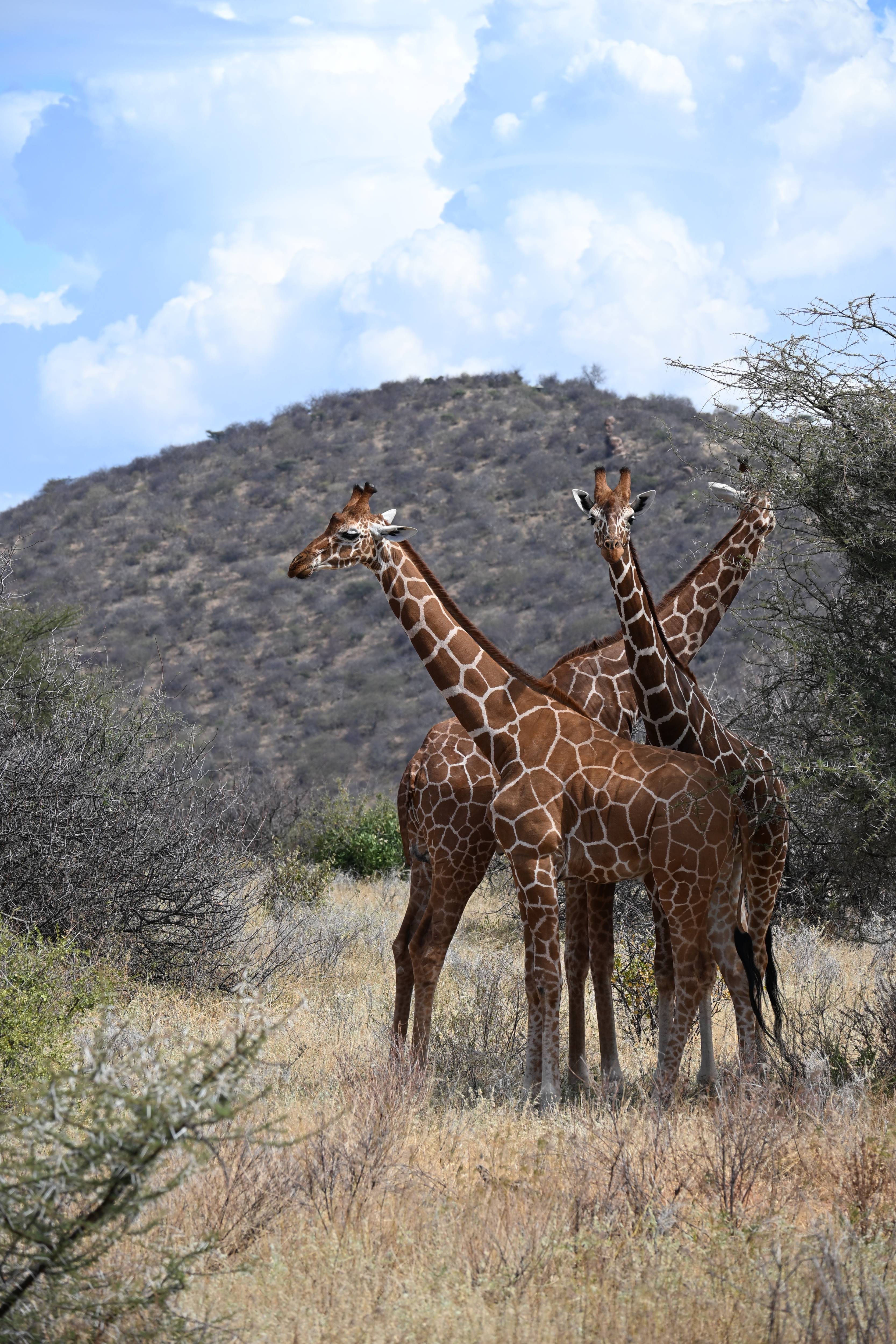
Samburu National Reserve: 165 square kilometres of arid savannah along the Ewaso Nyiro River in the hot fringes of northern Kenya. The reserve is famous for the Samburu Special Five: species adapted to the dry country that are not found in the southern parks. The reticulated giraffe (the most beautiful of all giraffe subspecies, with a sharply defined orange and white geometric pattern) is the one most visitors identify most readily. The Grevy's zebra is larger and more narrowly striped than the common zebra. The gerenuk, a long-necked antelope that stands on its hind legs to browse acacia branches, is the most behaviorally distinctive. Beisa oryx and Somali ostrich complete the five.

Lion, leopard, cheetah and elephant are all present. The Ewaso Nyiro River is the wildlife magnet; game drives along the river bank in the early morning and late afternoon consistently produce predator sightings.

Have lunch at your lodge before an afternoon game drives; full day game drive the next day.

The next morning, leave the Resere.

Ol Pejeta Conservancy: Leave Samburu after the morning gameand drive south and west to Nanyuki, then a short transfer to Ol Pejeta (approximately 3 to 4 hours total). Enter the conservancy for a sunset game drive specifically oriented toward rhino sightings.

Ol Pejeta is home to the world's largest black rhino sanctuary in East Africa (over 150 individuals) and the last two northern white rhinos: Najin and Fatu, both female, the final survivors of a subspecies functionally extinct since the death of Sudan, the last male, in 2018. They are under 24-hour armed guard. Viewing them in the late afternoon with Mount Kenya rising behind the conservancy is one of the more sobering and extraordinary wildlife encounters in Africa. The conservancy also runs the Sweetwaters Chimpanzee Sanctuary, the only place in Kenya where chimpanzees can be seen; a separate activity from the rhino visit.

Day 22: Return to Nairobi from Ol Pejeta (approximately 3.5 to 4 hours).

Days 23 to 24: Amboseli

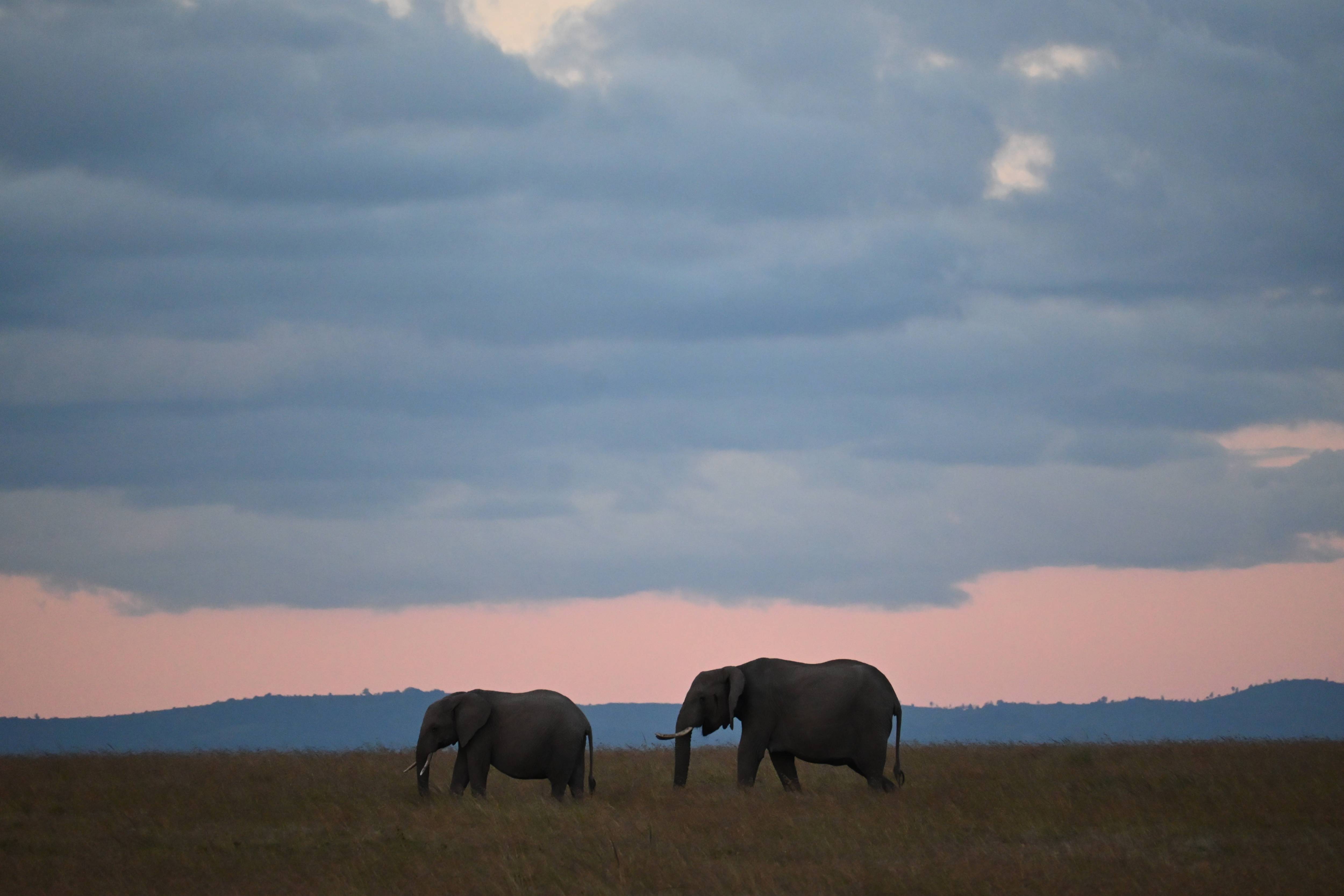
Amboseli National Park is 225 km south of Nairobi on the Nairobi-Namanga road toward Tanzania, a 4 to 5-hour drive. The park is famous for two things: the largest concentration of free-ranging elephants in Kenya, and the unobstructed view of Mount Kilimanjaro (5,895 metres) on the Tanzanian side, the highest point in Africa, which rises above the park's southern boundary.

The Kilimanjaro view is not guaranteed: cloud typically obscures the summit by mid-morning and the clearest conditions are at dawn and in the brief window before the cloud builds. This makes the first game drive of the morning, departing before 6 am with the pink light of sunrise on the mountain, the defining Amboseli experience. The iconic image of a large bull elephant silhouetted against Kilimanjaro is real and accessible; it requires being in position at the right time.

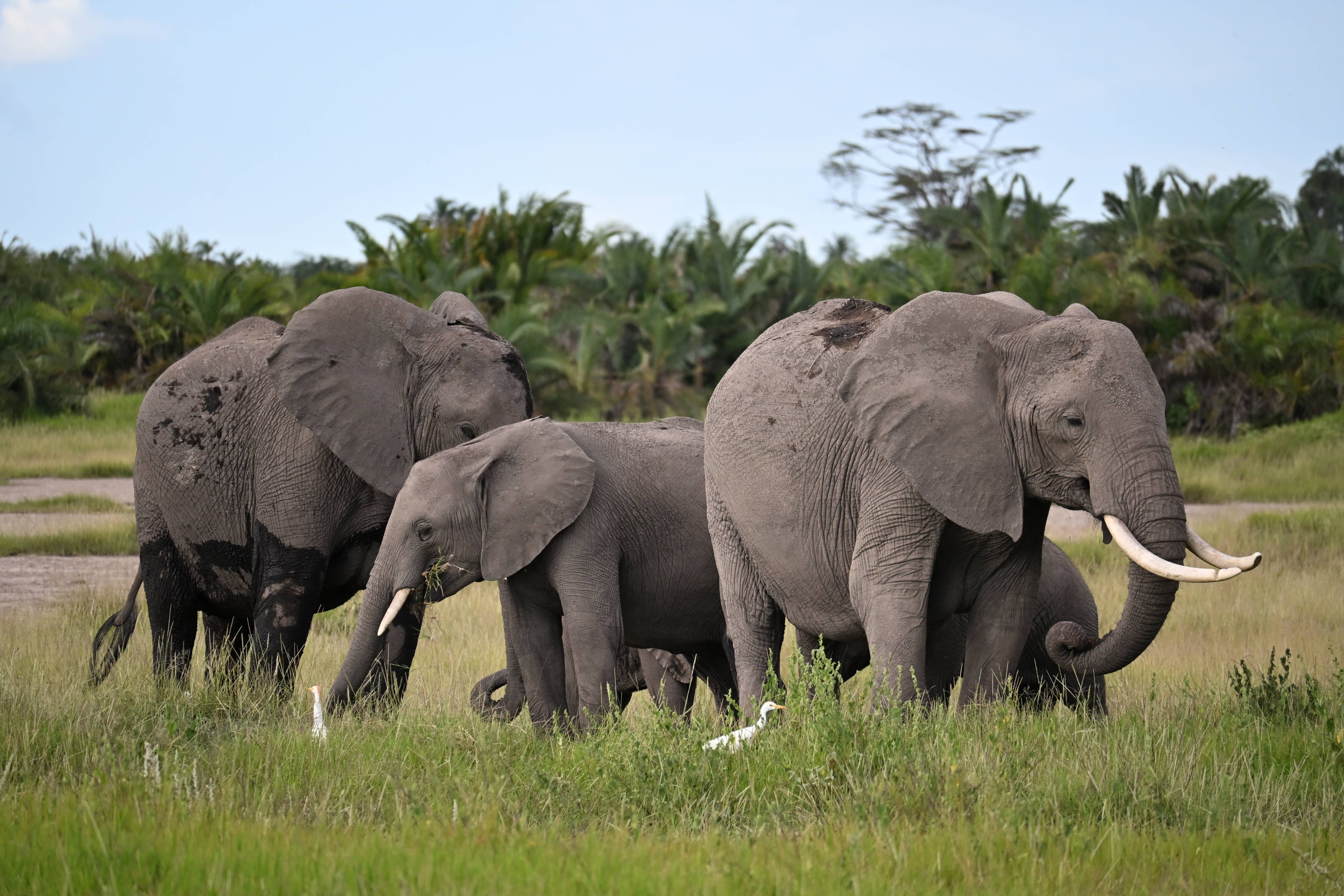
The swamps around Enkongo Narok are the elephant concentration point: multiple family groups use the permanent water source, and 30 to 50-strong herds moving through the papyrus and Acacia are a constant presence. The Observation Hill viewpoint gives the widest panoramic perspective on the park, the swamps and the mountain beyond them.

Day 25: Final Nairobi evening and departure

Use the morning and afternoon for any Nairobi activities not yet completed. Nairobi evening options are extensive: see restaurant sections. Jomo Kenyatta International Airport (NBO) is approximately 15 to 20 minutes from the Westlands in normal traffic. Allow 3 hours before international departure.

In pictures

No items found.

Traveller suggestions

Accomodation

Lamu

Premium : Peponi's Hotel (Shela Village, beachfront terrace, fresh seafood, definitive Lamu experience), Majlis Hotel (Manda Island resort, elegant Swahili design)

Mid-tier : Kijani Hotel (Shela, authentic Swahili design, lush gardens, arched verandas, sea views), Lamu House Hotel (Old Town, rooftop pool, good for those who prefer to be embedded in the old town rather than Shela), Banana House

Budget : Budget guesthouses in Lamu Old Town; the old town has a range of simple Swahili guesthouses with rooftop terraces at very low prices; Baytil Ajaib (heritage guesthouse in the old town, the most characterful budget option)

Note on location: Shela Village is the beach-access base; Lamu Old Town is the culturally immersive base. Both are connected by a 25-minute walk or a 5-minute boat. Most visitors stay in Shela.

For groups of 4 or more, the recommendation is to stay in AirBnB vilas. Recommended airbnbs are: Taqwa Villa (https://www.airbnb.com/rooms/717357429625073936?source_impression_id=p3_1786788275_P36ZouamXPh2JO1j), Mbibo House (https://www.airbnb.co.uk/rooms/1057925718367478938?unique_share_id=8d39baba-46f1-4dac-94ab-2c5ee272aad8&viralityEntryPoint=1&s=76)

Watamu

Premium : Hemingways Watamu, Medina Palms (boutique resort), Temple Point Hotel

Mid-tier : Turtle Bay Beach Club, Barracuda Inn,Ocean Sports Hotel (diving and watersports focused, beach access, reliable)

Budget : A wide range of budget guesthouses exists in Watamu. Airbnb villas are plentiful and often excellent value for groups of 4 or more.

Nairobi

Premium : Fairmont The Norfolk (colonial-era landmark), Hemingways Nairobi (Karen), Ololo Safari Lodge (Nairobi National Park concession, the only lodge inside the park), JW Marriott Westlands, Sankara Nairobi, Kempinski Hotel

Mid-tier : Tribe Hotel (Village Market), David Livingstone Hotel

Budget : Nairobi Backpackers (Milimani Road), Wildebeest Eco Camp (Karen, camping and dorms)

Maasai Mara

Premium : andBeyond Bateleur Camp (Travel + Leisure No.1 Hotel in the World 2025), Angama Mara (Rift Valley escarpment, dramatic views), Saruni Mara

Mid-tier : Mara Serena Safari Lodge, Ashnil Mara Camp (river position), Entim Mara Camp, Tor's Camp

Budget : Rhino Tourist Camp, Maji Moto Eco Camp, Talek Bush Camp

Lake Naivasha

Mid-tier : Enashipai Resort, Sawela Lodge, Sopa Lodge Naivasha

Budget : Camp Carnelley's (family-run, lakeshore, camping and bandas), Fisherman's Camp (backpacker spot, camping and basic rooms), Oloiden Camp

Amboseli

Premium : Tortilis Camp (best Kilimanjaro views), Tawi Lodge (eco-luxury)

Mid-tier : Ol Tukai Lodge, Amboseli Serena Safari Lodge

Budget : Kibo Safari Camp, Sentrim Amboseli, AA Lodge Amboseli

Samburu

Premium : Elephant Bedroom Camp, Saruni Samburu

Mid-tier : Samburu Serena Safari Lodge, Samburu Sopa Lodge

Budget : Samburu Ashnil Camp, public campsites at the reserve gates for self-sufficient campers

Ol Pejeta

Mid-tier : Sweetwaters Serena Tented Camp, Ol Pejeta Bushcamp

Budget : Ol Pejeta has a public campsite for self-sufficient travellers; budget accommodation is very limited here

Food & Drink

Lamu

Premium : Peponi's Hotel restaurant (beachfront Shela, the definitive Lamu dining experience, fresh seafood, sundowner terrace, book ahead), Kijani Rooftop (good views)

Mid-tier : Majlis Hotel rooftop (sunset drinks and casual meals with channel views), local seafood restaurants on the Lamu Town waterfront for fresh grilled fish, coconut rice and Swahili dishes at honest prices

Budget : Local cafés and biryani houses in the old town lanes for cheap Swahili coastal cooking; ask your guide or guesthouse for the current best local option as these rotate frequently

Watamu

Premium : Musafir boat dinner via Temple Point Hotel (dinner on the hotel's private boat on the Indian Ocean, the most atmospheric evening on the Kenyan coast, book through Temple Point Hotel directly), Sunset Labs (excellent food and setting on beach)

Mid-tier : Cocoma (seafood, Kenyan coastal cooking), Ocean Sports restaurant (beachside, good for a relaxed lunch), Papa Remo beach club

Budget : Local restaurants in Watamu village on the left-side fork for cheap Kenyan coastal food; Non Solo Gelato for ice cream (Watamu institution)

Cafes : Lichthaus (sunset drinks)

Nairobi

Premium : Cultiva (farm-to-table), Talisman (long-running Karen institution), About Thyme (garden dining), Bamba (middle easter, live music), INTI (Peruvian, skyscraper views), Matteo's (Italian), Dijo (modern French, rooftop), Beit e Selam (East African coastal cooking)

Mid-tier : Damascus House (Lebanese, excellent mezze and grills), Peppertree (reliable, well-reviewed neighbourhood restaurant), Peponi's Pizza, Hot Pot Laozao (Chinese hotpot), BangBang (Thai), Red Ginger (Indian)

Budget : Sesame (Indian), Chinatown Nairobi restraunats (the reliable Chinese option)

Cafes : Pickled (specialty coffee), Grenier à Pain (bakery), Good Grain (health-focused café choice for remote working)

Drinks and bars : The General (expat bar), Kengeles (local institution, open late), Unseen Nairobi (cinema with rooftop bar), Geco (high energy pub), Craft Chameleon (craft beer and cocktails), K1 House (Westlands sports bar), Bandeja (tapas, pizza, and cocktails)

Clubs : Alchemist (the most established club), Koda (house club in Nairobi), Muze (upscale), Mist, Jekyll and Hyde

Chill pools : Celine and Lolo (pool day recommendation)

Reminders & Cautions

Kenya eTA: All visitors require a Kenya Electronic Travel Authorisation before arriving. Apply at etakenya.go.ke at least 72 hours before departure; the process takes 24 to 48 hours in most cases. Cost approximately $30 USD for most nationalities.

Nairobi as hub: The entire route uses Nairobi as a hub for all park and highland excursions except the coast section. Jomo Kenyatta International Airport (NBO) handles all international flights. Wilson Airport (WIL), 20 minutes from the city centre, handles all domestic charter flights to the Mara, Samburu, Lamu and other bush destinations. The two airports are separate; confirm which terminal your operator uses for each leg.

Driving in Kenya: An International Driving Permit is required alongside your national licence. Driving is on the left. Roads between Nairobi and most destinations in this itinerary are sealed but variable in quality; the Nairobi to Nanyuki road (A2) and Nairobi to Namanga (A104 toward Amboseli) are the best maintained. The Nairobi to Samburu route crosses the equator through Nanyuki. Allow extra time for all road journeys.

Safari vehicle: All park game drives require a KWS-registered vehicle. This is always provided by your camp or operator; you do not need your own vehicle inside any national park or reserve. For the self-drive day trips (Aberdares, Longonot, Naivasha, Hell's Gate), a standard saloon handles the paved roads but a high-clearance vehicle is better for the approach roads in the rainy season.

Park fees: Kenya Wildlife Service charges non-resident entry fees for all national parks. The fees change periodically; verify current rates at kws.go.ke before travel. Maasai Mara fees are charged separately from KWS and set by Narok County; these also change frequently. Budget approximately $60 to $100 per person per day in park fees across the various parks on this itinerary.

Money: Kenya uses the Kenyan Shilling (KES). US Dollars are accepted at upscale hotels, safari camps and most tourist-facing businesses; KES cash is essential for local restaurants, markets, matatus, tips and small transactions. Mpesa, Kenya's mobile money system, is used for almost everything by locals including park fees and is worth setting up if you have a Kenyan SIM. ATMs are widely available in Nairobi and in Malindi, Watamu and Mombasa; there are very limited ATM options in Lamu. Withdraw sufficient KES before arriving in Lamu.

Connectivity: Safaricom is the dominant network with the best coverage throughout Kenya including highland areas and the northern circuit. Buy a Safaricom SIM at JKIA airport arrivals hall on Day 1. Data packages are very affordable. Coverage is good throughout Nairobi, the coast, the Rift Valley and the main road routes. Signal is limited in the deeper national parks and on the upper sections of Mount Kenya.

Health: Yellow fever vaccination certificate is only mandatory if arriving from or transiting through a yellow fever endemic country before arriving to Kenya. Malaria prophylaxis is strongly recommended for the coast (Lamu, Watamu) and for Samburu. The Nairobi highlands and the Aberdares have negligible malaria risk. Carry DEET insect repellent for all coast and park sections. The standard Kenya travel health requirements: hepatitis A, typhoid and standard course vaccinations apply. The Nairobi Hospital and Aga Khan Hospital both have emergency facilities meeting international standards.

Safety: Nairobi is an African capital city with standard urban security considerations: do not walk at night in unfamiliar areas, use Bolt or Uber rather than hailing street taxis, keep valuables secured. The specific areas of concern in Nairobi are well-known and not the areas covered by this itinerary (Karen, Westlands, Kilimani, Gigiri). The coast (Lamu, Watamu) is safe for tourists; Lamu Island itself is well-patrolled and the town and Shela are secure. The island is a short trip from the mainland; flying in rather than driving is the recommendation for security and practicality. Samburu and the Laikipia-adjacent areas have no current elevated security concern for the specific areas covered in this itinerary; the volatile region is the Turkana and far north, significantly further.

Season: Kenya has two rainy seasons: the long rains (April to June) and the short rains (October to November). The best overall travel window is July to October (dry, Great Migration in the Mara) and January to March (dry season, good wildlife viewing, slightly lower prices than the July to October peak). The coast has its own rhythm: Lamu and Watamu are best from November to March (northeast monsoon dry season) and June to October (southeast monsoon, windier but good kitesurfing). April, May and June are low season at the coast with some closures.

Mount Kenya timing: The clearest weather on the mountain is January to February and July to October. Avoid the April to June rainy season. The summit window in February gives the clearest dawn views; July to September is the most reliably clear period.

image of vibrant dining space (for a mexican restaurant)

The Masaai Mara

The sheer density of wildlife on the open savannah, the concentration of big cats, and the sight of herds of wildebeest stretching to the horizon during the July to October Great Migration are experiences that the wildlife television industry has documented extensively without managing to fully convey the scale.

image of a guided tour group

Lamu Old Town

The oldest continuously inhabited Swahili settlement in East Africa and the best-preserved example of Swahili architecture in the world. The island has no roads and no cars; the lanes of the old town are navigated on foot, by donkey, or by wooden dhow on the water. Coral-stone houses with their carved wooden doors, inner courtyards and rooftop terraces over the Indian Ocean have barely changed since the 14th century.
image of a local tour guide (for a travel agency)

Mount Kenya Lenana Point Summit

Hikes to Point Lenana (4,985 meters / 16,355 feet) offer a non-technical summit experience up Africa's second highest mountain. Witness dramatic sunrises, pass through unique alpine plant zones, and avoid the heavy crowds found on neighboring Mount Kilimanjaro.

Reminders from Collective travellers

Kenya eTA: All visitors require a Kenya Electronic Travel Authorisation before arriving. Apply at etakenya.go.ke at least 72 hours before departure; the process takes 24 to 48 hours in most cases. Cost approximately $30 USD for most nationalities.

Nairobi as hub: The entire route uses Nairobi as a hub for all park and highland excursions except the coast section. Jomo Kenyatta International Airport (NBO) handles all international flights. Wilson Airport (WIL), 20 minutes from the city centre, handles all domestic charter flights to the Mara, Samburu, Lamu and other bush destinations. The two airports are separate; confirm which terminal your operator uses for each leg.

Driving in Kenya: An International Driving Permit is required alongside your national licence. Driving is on the left. Roads between Nairobi and most destinations in this itinerary are sealed but variable in quality; the Nairobi to Nanyuki road (A2) and Nairobi to Namanga (A104 toward Amboseli) are the best maintained. The Nairobi to Samburu route crosses the equator through Nanyuki. Allow extra time for all road journeys.

Safari vehicle: All park game drives require a KWS-registered vehicle. This is always provided by your camp or operator; you do not need your own vehicle inside any national park or reserve. For the self-drive day trips (Aberdares, Longonot, Naivasha, Hell's Gate), a standard saloon handles the paved roads but a high-clearance vehicle is better for the approach roads in the rainy season.

Park fees: Kenya Wildlife Service charges non-resident entry fees for all national parks. The fees change periodically; verify current rates at kws.go.ke before travel. Maasai Mara fees are charged separately from KWS and set by Narok County; these also change frequently. Budget approximately $60 to $100 per person per day in park fees across the various parks on this itinerary.

Money: Kenya uses the Kenyan Shilling (KES). US Dollars are accepted at upscale hotels, safari camps and most tourist-facing businesses; KES cash is essential for local restaurants, markets, matatus, tips and small transactions. Mpesa, Kenya's mobile money system, is used for almost everything by locals including park fees and is worth setting up if you have a Kenyan SIM. ATMs are widely available in Nairobi and in Malindi, Watamu and Mombasa; there are very limited ATM options in Lamu. Withdraw sufficient KES before arriving in Lamu.

Connectivity: Safaricom is the dominant network with the best coverage throughout Kenya including highland areas and the northern circuit. Buy a Safaricom SIM at JKIA airport arrivals hall on Day 1. Data packages are very affordable. Coverage is good throughout Nairobi, the coast, the Rift Valley and the main road routes. Signal is limited in the deeper national parks and on the upper sections of Mount Kenya.

Health: Yellow fever vaccination certificate is only mandatory if arriving from or transiting through a yellow fever endemic country before arriving to Kenya. Malaria prophylaxis is strongly recommended for the coast (Lamu, Watamu) and for Samburu. The Nairobi highlands and the Aberdares have negligible malaria risk. Carry DEET insect repellent for all coast and park sections. The standard Kenya travel health requirements: hepatitis A, typhoid and standard course vaccinations apply. The Nairobi Hospital and Aga Khan Hospital both have emergency facilities meeting international standards.

Safety: Nairobi is an African capital city with standard urban security considerations: do not walk at night in unfamiliar areas, use Bolt or Uber rather than hailing street taxis, keep valuables secured. The specific areas of concern in Nairobi are well-known and not the areas covered by this itinerary (Karen, Westlands, Kilimani, Gigiri). The coast (Lamu, Watamu) is safe for tourists; Lamu Island itself is well-patrolled and the town and Shela are secure. The island is a short trip from the mainland; flying in rather than driving is the recommendation for security and practicality. Samburu and the Laikipia-adjacent areas have no current elevated security concern for the specific areas covered in this itinerary; the volatile region is the Turkana and far north, significantly further.

Season: Kenya has two rainy seasons: the long rains (April to June) and the short rains (October to November). The best overall travel window is July to October (dry, Great Migration in the Mara) and January to March (dry season, good wildlife viewing, slightly lower prices than the July to October peak). The coast has its own rhythm: Lamu and Watamu are best from November to March (northeast monsoon dry season) and June to October (southeast monsoon, windier but good kitesurfing). April, May and June are low season at the coast with some closures.

Mount Kenya timing: The clearest weather on the mountain is January to February and July to October. Avoid the April to June rainy season. The summit window in February gives the clearest dawn views; July to September is the most reliably clear period.

Reminders from Collective travellers

Kenya eTA: All visitors require a Kenya Electronic Travel Authorisation before arriving. Apply at etakenya.go.ke at least 72 hours before departure; the process takes 24 to 48 hours in most cases. Cost approximately $30 USD for most nationalities.

Nairobi as hub: The entire route uses Nairobi as a hub for all park and highland excursions except the coast section. Jomo Kenyatta International Airport (NBO) handles all international flights. Wilson Airport (WIL), 20 minutes from the city centre, handles all domestic charter flights to the Mara, Samburu, Lamu and other bush destinations. The two airports are separate; confirm which terminal your operator uses for each leg.

Driving in Kenya: An International Driving Permit is required alongside your national licence. Driving is on the left. Roads between Nairobi and most destinations in this itinerary are sealed but variable in quality; the Nairobi to Nanyuki road (A2) and Nairobi to Namanga (A104 toward Amboseli) are the best maintained. The Nairobi to Samburu route crosses the equator through Nanyuki. Allow extra time for all road journeys.

Safari vehicle: All park game drives require a KWS-registered vehicle. This is always provided by your camp or operator; you do not need your own vehicle inside any national park or reserve. For the self-drive day trips (Aberdares, Longonot, Naivasha, Hell's Gate), a standard saloon handles the paved roads but a high-clearance vehicle is better for the approach roads in the rainy season.

Park fees: Kenya Wildlife Service charges non-resident entry fees for all national parks. The fees change periodically; verify current rates at kws.go.ke before travel. Maasai Mara fees are charged separately from KWS and set by Narok County; these also change frequently. Budget approximately $60 to $100 per person per day in park fees across the various parks on this itinerary.

Money: Kenya uses the Kenyan Shilling (KES). US Dollars are accepted at upscale hotels, safari camps and most tourist-facing businesses; KES cash is essential for local restaurants, markets, matatus, tips and small transactions. Mpesa, Kenya's mobile money system, is used for almost everything by locals including park fees and is worth setting up if you have a Kenyan SIM. ATMs are widely available in Nairobi and in Malindi, Watamu and Mombasa; there are very limited ATM options in Lamu. Withdraw sufficient KES before arriving in Lamu.

Connectivity: Safaricom is the dominant network with the best coverage throughout Kenya including highland areas and the northern circuit. Buy a Safaricom SIM at JKIA airport arrivals hall on Day 1. Data packages are very affordable. Coverage is good throughout Nairobi, the coast, the Rift Valley and the main road routes. Signal is limited in the deeper national parks and on the upper sections of Mount Kenya.

Health: Yellow fever vaccination certificate is only mandatory if arriving from or transiting through a yellow fever endemic country before arriving to Kenya. Malaria prophylaxis is strongly recommended for the coast (Lamu, Watamu) and for Samburu. The Nairobi highlands and the Aberdares have negligible malaria risk. Carry DEET insect repellent for all coast and park sections. The standard Kenya travel health requirements: hepatitis A, typhoid and standard course vaccinations apply. The Nairobi Hospital and Aga Khan Hospital both have emergency facilities meeting international standards.

Safety: Nairobi is an African capital city with standard urban security considerations: do not walk at night in unfamiliar areas, use Bolt or Uber rather than hailing street taxis, keep valuables secured. The specific areas of concern in Nairobi are well-known and not the areas covered by this itinerary (Karen, Westlands, Kilimani, Gigiri). The coast (Lamu, Watamu) is safe for tourists; Lamu Island itself is well-patrolled and the town and Shela are secure. The island is a short trip from the mainland; flying in rather than driving is the recommendation for security and practicality. Samburu and the Laikipia-adjacent areas have no current elevated security concern for the specific areas covered in this itinerary; the volatile region is the Turkana and far north, significantly further.

Season: Kenya has two rainy seasons: the long rains (April to June) and the short rains (October to November). The best overall travel window is July to October (dry, Great Migration in the Mara) and January to March (dry season, good wildlife viewing, slightly lower prices than the July to October peak). The coast has its own rhythm: Lamu and Watamu are best from November to March (northeast monsoon dry season) and June to October (southeast monsoon, windier but good kitesurfing). April, May and June are low season at the coast with some closures.

Mount Kenya timing: The clearest weather on the mountain is January to February and July to October. Avoid the April to June rainy season. The summit window in February gives the clearest dawn views; July to September is the most reliably clear period.

Reminders from Collective travellers

Kenya eTA: All visitors require a Kenya Electronic Travel Authorisation before arriving. Apply at etakenya.go.ke at least 72 hours before departure; the process takes 24 to 48 hours in most cases. Cost approximately $30 USD for most nationalities.

Nairobi as hub: The entire route uses Nairobi as a hub for all park and highland excursions except the coast section. Jomo Kenyatta International Airport (NBO) handles all international flights. Wilson Airport (WIL), 20 minutes from the city centre, handles all domestic charter flights to the Mara, Samburu, Lamu and other bush destinations. The two airports are separate; confirm which terminal your operator uses for each leg.

Driving in Kenya: An International Driving Permit is required alongside your national licence. Driving is on the left. Roads between Nairobi and most destinations in this itinerary are sealed but variable in quality; the Nairobi to Nanyuki road (A2) and Nairobi to Namanga (A104 toward Amboseli) are the best maintained. The Nairobi to Samburu route crosses the equator through Nanyuki. Allow extra time for all road journeys.

Safari vehicle: All park game drives require a KWS-registered vehicle. This is always provided by your camp or operator; you do not need your own vehicle inside any national park or reserve. For the self-drive day trips (Aberdares, Longonot, Naivasha, Hell's Gate), a standard saloon handles the paved roads but a high-clearance vehicle is better for the approach roads in the rainy season.

Park fees: Kenya Wildlife Service charges non-resident entry fees for all national parks. The fees change periodically; verify current rates at kws.go.ke before travel. Maasai Mara fees are charged separately from KWS and set by Narok County; these also change frequently. Budget approximately $60 to $100 per person per day in park fees across the various parks on this itinerary.

Money: Kenya uses the Kenyan Shilling (KES). US Dollars are accepted at upscale hotels, safari camps and most tourist-facing businesses; KES cash is essential for local restaurants, markets, matatus, tips and small transactions. Mpesa, Kenya's mobile money system, is used for almost everything by locals including park fees and is worth setting up if you have a Kenyan SIM. ATMs are widely available in Nairobi and in Malindi, Watamu and Mombasa; there are very limited ATM options in Lamu. Withdraw sufficient KES before arriving in Lamu.

Connectivity: Safaricom is the dominant network with the best coverage throughout Kenya including highland areas and the northern circuit. Buy a Safaricom SIM at JKIA airport arrivals hall on Day 1. Data packages are very affordable. Coverage is good throughout Nairobi, the coast, the Rift Valley and the main road routes. Signal is limited in the deeper national parks and on the upper sections of Mount Kenya.

Health: Yellow fever vaccination certificate is only mandatory if arriving from or transiting through a yellow fever endemic country before arriving to Kenya. Malaria prophylaxis is strongly recommended for the coast (Lamu, Watamu) and for Samburu. The Nairobi highlands and the Aberdares have negligible malaria risk. Carry DEET insect repellent for all coast and park sections. The standard Kenya travel health requirements: hepatitis A, typhoid and standard course vaccinations apply. The Nairobi Hospital and Aga Khan Hospital both have emergency facilities meeting international standards.

Safety: Nairobi is an African capital city with standard urban security considerations: do not walk at night in unfamiliar areas, use Bolt or Uber rather than hailing street taxis, keep valuables secured. The specific areas of concern in Nairobi are well-known and not the areas covered by this itinerary (Karen, Westlands, Kilimani, Gigiri). The coast (Lamu, Watamu) is safe for tourists; Lamu Island itself is well-patrolled and the town and Shela are secure. The island is a short trip from the mainland; flying in rather than driving is the recommendation for security and practicality. Samburu and the Laikipia-adjacent areas have no current elevated security concern for the specific areas covered in this itinerary; the volatile region is the Turkana and far north, significantly further.

Season: Kenya has two rainy seasons: the long rains (April to June) and the short rains (October to November). The best overall travel window is July to October (dry, Great Migration in the Mara) and January to March (dry season, good wildlife viewing, slightly lower prices than the July to October peak). The coast has its own rhythm: Lamu and Watamu are best from November to March (northeast monsoon dry season) and June to October (southeast monsoon, windier but good kitesurfing). April, May and June are low season at the coast with some closures.

Mount Kenya timing: The clearest weather on the mountain is January to February and July to October. Avoid the April to June rainy season. The summit window in February gives the clearest dawn views; July to September is the most reliably clear period.

Journey adjustments

If you have less time, do coast plus Mara only.

Lamu (3 nights), Watamu (3 nights), fly to Nairobi for the Mara transfer and three days in the Mara, return to Nairobi and fly home. Ten to twelve days, entirely achievable, and gives the two most distinctive Kenya experiences: Swahili coast and savannah safari. The Nairobi day trips, highlands and northern circuit can all wait for a return trip.

If you want to add Diani and Kilifi, extend the coast section by three to four days.

Diani Beach south of Mombasa is Kenya's most popular Indian Ocean resort strip: long white sand, consistent surf, coral reef diving and a good nightlife scene. Kilifi is a creek town 60 km north of Mombasa with a boho-artsy community, excellent sailing and one of the most beautiful creek anchorages on the African coast. Neither is covered in the main itinerary but both are worth knowing about and can be added between Watamu and the Nairobi transition.

If you want to add the Maasai cultural experience, book a Maasai village visit from your Mara camp.

Most Mara camps offer guided visits to the adjacent Maasai manyatta (village) as a half-day activity. This is not a performance; you visit a working family homestead, learn about the age-set social structure, the livestock economy and the relationship between the Maasai and the wildlife in the reserve. The quality varies significantly between operators; ask your camp specifically about the community relationship with the village before booking.

If you want to deepen the northern circuit, add Meru National Park.

Meru, northeast of Mount Kenya, is where Joy and George Adamson raised Elsa the lioness, as described in Born Free. The park has large populations of elephant and buffalo, the Tana River running through it, and very few visitors. Two nights at Ikweta Safari Camp or Rhino River Camp adds a genuinely remote park experience to the Samburu loop; the routing from Samburu to Meru to Ol Pejeta and back to Nairobi is a clean northern circuit.

If you want to do the full Great Migration experience, concentrate your Mara time in August.

The main Mara River crossings occur most frequently in August, when the peak migration herds are positioned along the river in Tanzania's northern Serengeti and driving northward toward the Mara. Positioning a camp near the Mara River (Entim, Sand River, Governors) in August and planning three full game drive days around the river is the highest-probability approach for witnessing a crossing. Book these camps 6 to 12 months ahead for August visits.

If you want to end at the Tanzanian border, exit via Namanga after Amboseli.

The Namanga border crossing between Kenya and Tanzania is 30 minutes from Amboseli's southern boundary and connects directly to Arusha in Tanzania (1.5 hours from the border). This opens the Tanzanian safari circuit (Ngorongoro Crater, Serengeti, Kilimanjaro) as a natural extension of the Kenya route. Fly home from Kilimanjaro International Airport (JRO) or Arusha Airport (ARK). This turns a Kenya itinerary into a Kenya-Tanzania circuit with no backtracking.

Collective travellers' testimonials

Henri - Helsinki, Finland

"I thought I was coming for the safari. The Mara was extraordinary, but what stayed with me was actually Nairobi. The food, the people, the energy of the city at night. It felt like a place that was genuinely building something, and I left wanting to understand it better."

Giulio - Milan, Italy

"Lamu was the highlight for me. A cultural mesh of Africa and the Middle East. The pace, the architecture, the way the old town just absorbs you into its rhythm. There is nothing else like it on the African continent. Wandering around the Old Town was a highlight"

Mitashi - New Delhi, India

"Samburu is so underrated! Yes, it is further than the other parks, but the wildlife there is incredibly abundant and the landscapes are uniquely lunar - much more desert-like than the other parks and it offers a unique glimpse into Kenya's diversity."