image of popular travel destinations

Laos

A country shaped by its rivers, its faith and its understated tranquility. Laos moves at a relaxed pace.

Designed for travellers who enjoy culture, nature and a slower rhythm of movement. Suitable for solo travellers and small groups. Accommodation options available for hostel travellers or mid-range guesthouses. Ideal months are November to March.

Laos is one of Southeast Asia’s quietest and most atmospheric countries, shaped by the slow movement of the Mekong River, layers of Buddhist tradition, and a rhythm that still resists mass tourism. This itinerary centres on Luang Prabang, the spiritual and cultural heart of the country, before drifting through river journeys, jungle waterfalls, and optional rail and mountain extensions.

Unlike its faster-paced neighbours, Laos is patient. Days are structured around sunrise alms ceremonies, late morning temple wandering, long river afternoons, and night markets scented with grilled river fish and sticky rice. The route blends sacred heritage with deep nature, from the turquoise cascades of Kuang Si Falls to elephant conservation projects, quiet hilltop sunsets, and one of Southeast Asia’s most iconic river journeys on the Mekong slow boat.

This is a journey built for travellers who want culture without crowds, landscapes without rush, and a Southeast Asia that still feels soft-edged and deeply human.

Highlights

image of vibrant dining space (for a mexican restaurant)

Luang Prabang: Temples, Markets and Mekong Life

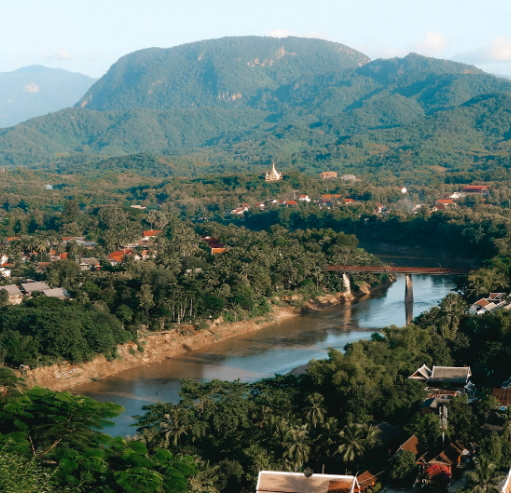
A UNESCO-listed former royal capital where saffron-robed monks walk past colonial balconies at dawn. Explore gold-leafed temples, riverside coffee spots, traditional food markets, and one of Southeast Asia’s most atmospheric night markets, all set between the Mekong and Nam Khan rivers.

image of a guided tour group

Kuang Si Falls and the Bear Sanctuary

One of Laos’ most iconic natural sites. Jungle cascades of milky-blue water tumble through limestone terraces, ending in wide swimming pools. At the entrance sits a respected rescue centre for Asiatic black bears, offering an ethical conservation encounter alongside natural beauty
image of a local tour guide (for a travel agency)

The Mekong Slow Boat to Pak Beng

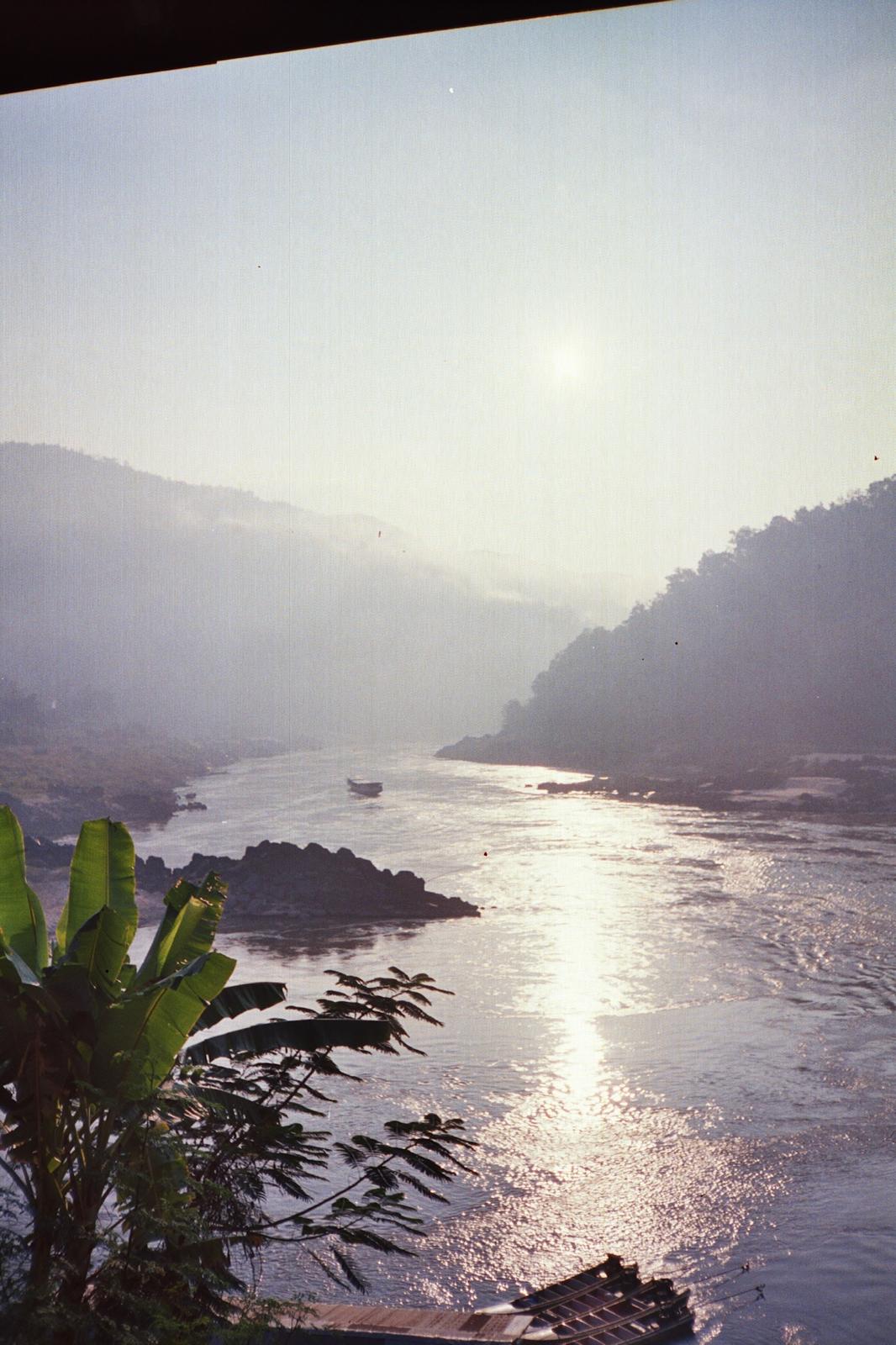
A classic two-day river journey through northern Laos, drifting past jungle cliffs, river villages and mist-covered mountains. The overnight stop in Pak Beng offers rare insight into small-town Lao life, with local guesthouses and quiet riverside restaurants.
image of vibrant dining space (for a mexican restaurant)

Luang Prabang: Temples, Markets and Mekong Life

A UNESCO-listed former royal capital where saffron-robed monks walk past colonial balconies at dawn. Explore gold-leafed temples, riverside coffee spots, traditional food markets, and one of Southeast Asia’s most atmospheric night markets, all set between the Mekong and Nam Khan rivers.

image of a guided tour group

Kuang Si Falls and the Bear Sanctuary

One of Laos’ most iconic natural sites. Jungle cascades of milky-blue water tumble through limestone terraces, ending in wide swimming pools. At the entrance sits a respected rescue centre for Asiatic black bears, offering an ethical conservation encounter alongside natural beauty
image of a local tour guide (for a travel agency)

The Mekong Slow Boat to Pak Beng

A classic two-day river journey through northern Laos, drifting past jungle cliffs, river villages and mist-covered mountains. The overnight stop in Pak Beng offers rare insight into small-town Lao life, with local guesthouses and quiet riverside restaurants.

Journey itinerary

Itinerary overview
Detailed breakdown follows

Day 1: Arrive Luang Prabang / old town evening walk and night market

Day 2: Luang Prabang / alms giving at dawn, Wat Xieng Thong, Phousi Hill and Mekong riverside

Day 3: Kuang Si Falls and bear sanctuary / turquoise pools, forest hike and street food evening

Day 4: Ethical elephant centre or village day / afternoon pool at Maison Souvannaphoum

Day 5: Slow boat Day 1 / Huay Xai to Pak Beng along the Mekong, overnight in village guesthouse

Day 6: Slow boat Day 2 / Pak Beng to Luang Prabang, cross into Thailand at Chiang Khong or stay in Laos

Day-by-day itinerary
Day 1: Arrival in Luang Prabang

Luang Prabang sits at the confluence of the Mekong and Nam Khan rivers in the mountains of northern Laos. The town is small enough to walk across in 20 minutes and the layout reveals itself quickly: the old town peninsula between the two rivers, the main street of Sakkaline Road lined with temples and wooden houses, and the night market along Sisavangvong Road that opens from around 5 pm.

The Luang Prabang International Airport (LPQ) is 4 km from the centre; tuk-tuks to the old town cost approximately 50,000 to 70,000 LAK and take 10 minutes. Indian passport holders and citizens of most Western countries get a visa on arrival at Luang Prabang International Airport and the Huay Xai land border. The fee is approximately $30 USD, payable in clean, unfolded US dollar bills or Thai baht; bring exact change as the immigration counters rarely break large notes.

Sunrise Hostel is a well-reviewed social base in the old town; Mad Monkey Luang Prabang is the alternative with a pool and daily local tours. Both are in or near the historic district.

The first evening is for acclimatising. Walk the old town lanes slowly: the French colonial shophouses with their wooden shutters, the wat (temple) walls glowing amber in the low light, monks in saffron robes returning before dark. The night market on Sisavangvong Road runs from approximately 5 pm to 10 pm and sells handmade textiles, silverwork, mulberry paper products, lacquerware and coconut pancakes. The pancakes, cooked fresh on a flat griddle and folded around a coconut cream and sugar filling, are the first and most essential Luang Prabang street food. Eat one while walking; it does not require a plan beyond that.

Day 1: Arrival in Luang Prabang

Luang Prabang sits at the confluence of the Mekong and Nam Khan rivers in the mountains of northern Laos. The town is small enough to walk across in 20 minutes and the layout reveals itself quickly: the old town peninsula between the two rivers, the main street of Sakkaline Road lined with temples and wooden houses, and the night market along Sisavangvong Road that opens from around 5 pm.

The Luang Prabang International Airport (LPQ) is 4 km from the centre; tuk-tuks to the old town cost approximately 50,000 to 70,000 LAK and take 10 minutes. Indian passport holders and citizens of most Western countries get a visa on arrival at Luang Prabang International Airport and the Huay Xai land border. The fee is approximately $30 USD, payable in clean, unfolded US dollar bills or Thai baht; bring exact change as the immigration counters rarely break large notes.

Sunrise Hostel is a well-reviewed social base in the old town; Mad Monkey Luang Prabang is the alternative with a pool and daily local tours. Both are in or near the historic district.

The first evening is for acclimatising. Walk the old town lanes slowly: the French colonial shophouses with their wooden shutters, the wat (temple) walls glowing amber in the low light, monks in saffron robes returning before dark. The night market on Sisavangvong Road runs from approximately 5 pm to 10 pm and sells handmade textiles, silverwork, mulberry paper products, lacquerware and coconut pancakes. The pancakes, cooked fresh on a flat griddle and folded around a coconut cream and sugar filling, are the first and most essential Luang Prabang street food. Eat one while walking; it does not require a plan beyond that.

Button Text
Day 2: Temples, markets and the Mekong

At 5:30 am each morning, hundreds of saffron-robed monks file silently through Luang Prabang's main streets collecting alms of sticky rice and food from kneeling devotees, one of Southeast Asia's most sacred daily rituals. The ceremony is called tak bat and has taken place in Luang Prabang continuously for centuries. The monks walk in long single-file columns along Sakkaline Road, bowls held out, collecting offerings in silence.

Watch respectfully from the roadside. Do not photograph with flash, do not approach the monks, and do not stand directly in the path of the procession. If you want to give alms, buy rice and sticky rice from an authorised vendor the night before; do not purchase from touts who sell sub-standard rice, as it harms the monks' health. The ceremony is a religious act taking place in public, not a performance; behave as you would at a place of active worship.

Wat Xieng Thong, the most celebrated temple in Luang Prabang, was built by King Setthathilat in the mid-1500s and is one of the few buildings not razed during the conflicts of the 19th century. Its distinctive low sweeping roofline, gilded mosaic exterior and Tree of Life mosaic on the rear wall are the visual benchmark for Lao temple architecture. Entry 20,000 LAK. Go before 9 am to beat tour groups and experience the space with some quiet. The temple sits at the eastern tip of the old town peninsula, directly on the Mekong; the view from the riverside terrace at dawn is one of the quieter moments in a town that does quiet well.

Walk back through the neighbourhood temples between Sakkaline Road and the river: Wat Sene, Wat Khili, Wat Aham. None require entry fees for wandering the courtyards. These smaller temples carry less ornamentation than Xieng Thong but more atmosphere; monks are doing morning tasks, cats sleep on the steps, and the sounds are birds rather than tourists.

Saffron Café on the Mekong riverbank is the correct breakfast stop: a social enterprise that uses its profits to support Lao artisans and students. Good coffee, banana crepes and a view of the river in the morning mist. Spend the middle of the day at a slower pace: the old town has enough small galleries, bookshops and silk weaving studios for several hours of wandering without a plan.

Mount Phousi rises 100 metres above the old town, with 328 steps to the summit and entry of approximately 20,000 LAK. The best panoramic view in town: both rivers, the old town rooftops, and the mountains in every direction. The summit is crowded at sunset; go at golden hour rather than at noon. The pagoda at the top, That Chomsi, is lit in the early evening and the surrounding temple bells carry over the town below.

Day 3: Kuang Si Falls and the bear sanctuary

Kuang Si Falls, 29 km south of Luang Prabang, is consistently rated among Southeast Asia's most beautiful waterfalls. Crystal-clear turquoise water cascades over multiple limestone tiers creating swimming pools at varying levels. The colour of the water, a vivid blue-green produced by calcium carbonate dissolved from the limestone, is genuinely that colour; it is not photographic manipulation.

Arrive as early as possible. The first hour after opening has the fewest visitors and the best photography conditions. Entry is 20,000 LAK. A tuk-tuk from Luang Prabang costs approximately 50,000 to 60,000 LAK return; group tuk-tuks arranged through your hostel are significantly cheaper.

Before reaching the main falls, the path passes through the Free the Bears Sanctuary, a rehabilitation centre for Asiatic black bears rescued from the wildlife trade and illegal bile farms. The bears are in large forested enclosures and visible from the path; the sanctuary explains the conservation context and is worth 20 minutes. The main falls are a further ten-minute walk beyond.

Swimming is permitted in the lower pools from designated entry points. The water is cold relative to the air temperature and exceptionally clear; you can see the limestone bottom several metres down. The short forest trail to the top of the falls takes 30 minutes and gives a different perspective on the scale of the cascading system from above.

In the wet season (September to November), water levels are higher and more powerful, making the falls significantly more dramatic; pools can be murky after heavy rain but usually clear quickly.

Return to Luang Prabang by late afternoon. Evening at the street food market or dinner at Bamboo Garden restaurant, a reliable local Lao option for the evening after a full day out of town.

Day 4: Ethical elephant experience or village day

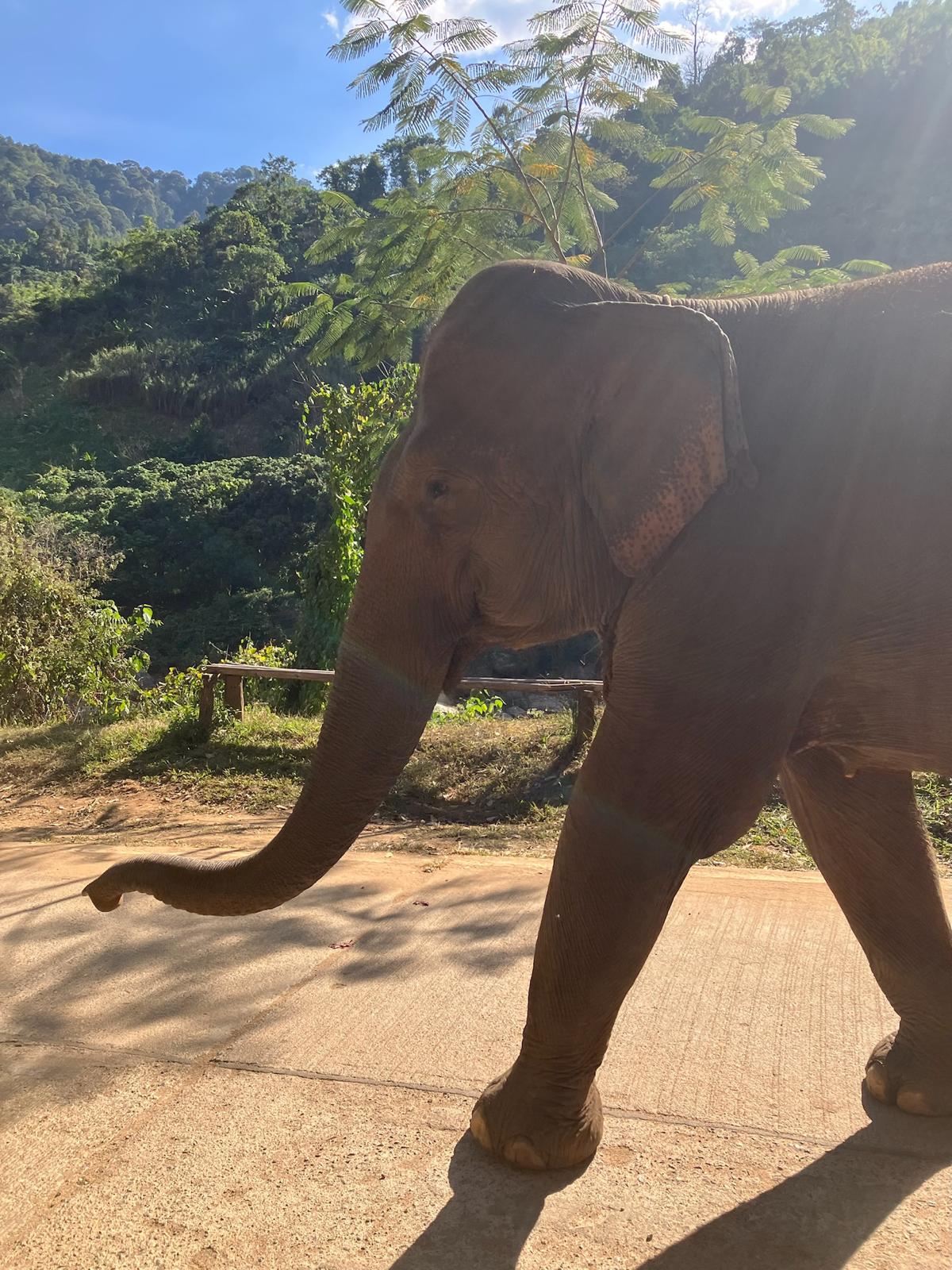
The ethical elephant centres near Luang Prabang operate without riding, chains or performances. The standard half-day format involves learning about the individual elephants' histories (most were rescued from the logging industry or tourism), preparing food (banana bunches and sugar cane carried in hand), walking alongside the elephants through the forest, and watching them bathe in a river. Elephant Village and MandaLao Elephant Conservation are both well-reviewed operations; MandaLao in particular has a strong conservation reputation and limits group sizes. Book directly through the operator or through your hostel; prices run approximately $80 to $120 per person for a half-day.

If elephants are not of interest, the village day trip alternative covers weaving demonstrations and community craft projects in villages along the Nam Khan River. These are organised by community tourism projects and run through most hostels; they give direct access to traditional Lao textile production and direct payment to the village communities.

Maison Souvannaphoum, a heritage colonial villa in the old town, allows non-guests to use its pool for a small fee that converts into a food and drink voucher. This is the correct afternoon plan after either activity; the pool is shaded and the café serves good drinks. It is one of the few genuinely comfortable midday recovery options in a town that is largely outdoors.

Day 5: Slow boat Day 1, Huay Xai to Pak Beng

This day requires a decision: the slow boat runs from Huay Xai, which is the Thai border town. If you are arriving in Laos from Thailand, the slow boat runs Huay Xai to Luang Prabang over two days. If you are already in Luang Prabang and doing the slow boat as a standalone experience, the boat runs in both directions; the Luang Prabang to Huay Xai direction is less crowded and equally scenic but puts you at the Thai border at the end rather than in Luang Prabang.

The itinerary as written (Days 5 and 6 of a Luang Prabang-based trip) uses the boat as an extension rather than as the main arrival route. In this version: take a bus or minivan from Luang Prabang to Huay Xai (approximately 6 to 8 hours overland) the day before, overnight in Huay Xai, and join the slow boat the following morning. Alternatively, reverse the itinerary and use the slow boat as the arrival from Thailand, ending in Luang Prabang rather than starting there.

The boat itself: The slow boat is a long passenger boat fitted out with seats and runs from Huay Xai to Luang Prabang over two days, stopping overnight in Pak Beng. Each day is at least six hours on board depending on water level and season. Public tickets cost approximately 210,000 to 300,000 LAK ($26) per person and are purchased at the pier ticket hut in Huay Xai. Seats on Day 1 are numbered (first come, first served); the seats at the front of the boat give more floor space and are considered the best positions. Arrive at the pier by 8 am for prime seat selection.

Mid-range and luxury packages through operators such as Nagi of Mekong, Shompoo, Luang Say or Mekong Smile include freshly cooked food on board, Pak Beng accommodation, and cultural stops including Pak Ou Caves. These run $140 to $500+ per person depending on the level of comfort. The premium boats are significantly larger, have reclining chairs and produce genuinely different food to the cup noodles available on the public boat.

Bring your own snacks, water and a book or podcast. The atmosphere is social but self-contained; most passengers arrive with something to read and end up talking instead. The scenery is continuous: forested cliffs, occasional riverside villages appearing around bends, fishermen in narrow wooden boats, temple spires above the treeline. There is nothing to do except watch it go past, which is the entire point.

Arrive in Pak Beng by late afternoon. The town exists almost entirely as an overnight stop for slow boat passengers. Stay in a family-run guesthouse; Sabaidee Restaurant serves reliable simple Lao dishes. For more comfort, The Sanctuary hotel in Pak Beng has riverfront rooms and a restaurant with views over the Mekong.

Day 6: Slow boat Day 2, Pak Beng to Luang Prabang or the Thai border

The boat departs Pak Beng at approximately 9 am. Seats on Day 2 are first come, first served rather than numbered; arriving early at the pier gives better position options. The second day on the river is calmer in character than the first; the novelty of the experience has settled and the remaining hours are genuinely meditative.

The best slow boat operators make a stop at Pak Ou Caves on Day 2. The caves sit at the confluence of the Ou and Mekong rivers, packed with over 4,000 Buddha statues placed by devotees over centuries. Entry 20,000 LAK. If your boat does not stop, it is visible from the river.

The slow boat terminal at Luang Prabang is 7 km from the city centre; take a tuk-tuk from the pier. The boat arrives mid-to-late afternoon.

If continuing into Thailand rather than returning to Luang Prabang: the boat arrives at the pier in Huay Xai. The Fourth Thai-Lao Friendship Bridge spans the Mekong between Chiang Khong and Huay Xai; shuttle buses cross for 25 Thai baht or 20,000 Lao kip, departing every 15 to 20 minutes during peak hours. From Chiang Khong, buses and minivans connect to Chiang Rai and Chiang Mai.

Optional extension: Vang Vieng

Vang Vieng is surrounded by limestone karst scenery and the Nam Song River. The town had a prolonged and well-documented period as a party destination; it has shifted significantly toward nature tourism since the early 2020s. Hot air balloon rides at dawn over the karst are the defining Vang Vieng experience: the balloons launch from the riverside and rise above the limestone formations as the mist burns off. Book through your accommodation the evening before. One to two days here covers the balloon, river kayaking, the Blue Lagoon (a natural swimming pool in a karst cave system), and the viewpoint walk to Pha Ngern for the panorama over the valley.

The Laos-China railway now connects Luang Prabang to Vang Vieng in approximately two hours and Vientiane in approximately four; this changes the logistics of the southern extension significantly from the previous bus-only option. Tickets book out ahead during peak season; use the hostel desk or a travel agent to secure seats.

Optional extension: Vientiane

Vientiane is quieter than almost any other Southeast Asian capital, shaped by French colonial architecture, Buddhist temples and a riverside promenade along the Mekong. Worth one full day rather than a rushed half-day. The COPE Visitor Centre covers Laos's UXO (unexploded ordnance) legacy from the Vietnam War-era bombing campaign, the most important and least touristic site in the city. Patuxai, the triumphal arch on Lane Xang Avenue, is a deliberate reference to the Arc de Triomphe built with concrete meant for an airport runway; the irony is acknowledged by the information boards at the site. Buddha Park (Xieng Khuan), 25 km south of the city, contains over 200 Buddhist and Hindu concrete sculptures built by a monk-shaman in the 1950s; the scale and strangeness of the figures is one of the most unusual experiences in Laos.

In pictures

No items found.

Traveller suggestions

Accomodation

Luang Prabang

Premium : Rosewood Luang Prabang (the most acclaimed luxury hotel, riverside setting, exceptional service), La Résidence Phou Vao (hilltop, infinity pool, panoramic views), 3 Nagas MGallery (boutique colonial, old town position)

Mid-tier : Maison Souvannaphoum (heritage colonial villa, pool, garden, pool day use for non-guests), Le Sen Boutique Hotel (riverside, clean, well-reviewed mid-range), Villa Maly (boutique, old town, quiet and characterful)

Budget : Mad Monkey Luang Prabang (pool, free bikes, tours, the most social hostel), Sunrise Hostel (local guesthouse, well-located), Spicy Lao Hostel (central, cheap dorms, good atmosphere for solo travellers)

Pak Beng

Mid-tier : The Sanctuary (riverfront, the best option in town for the overnight)

Budget : Family guesthouses along the main street (basic, cheap, functional for one night). No ATMs in Pak Beng; arrive with enough cash for accommodation and dinner.

Vang Vieng (optional extension)

Mid-tier : Selina Vang Vieng (pool, social, coworking), Vang Vieng Eco-Lodge (quieter, karst views)

Budget : Maylyn Guesthouse (consistently reviewed as the best budget option), Mad Monkey Vang Vieng (party hostel, only if that is what you want)

Vientiane (optional extension)

Mid-tier : Settha Palace Hotel (restored French colonial mansion, pool, the most atmospheric stay in the capital)

Budget : Mixay Paradise Guesthouse (central, cheap, reliable), Mad Monkey Vientiane (social hostel, good for meeting other travellers)

Food & Drink

Luang Prabang

Premium : Manda de Laos (traditional Lao, garden setting, koi pond, the most atmospheric dinner in town), Tamarind (Lao tasting menu, cooking classes available, long-running favourite), Tangor (Lao-French fusion, terrace, good cocktails)

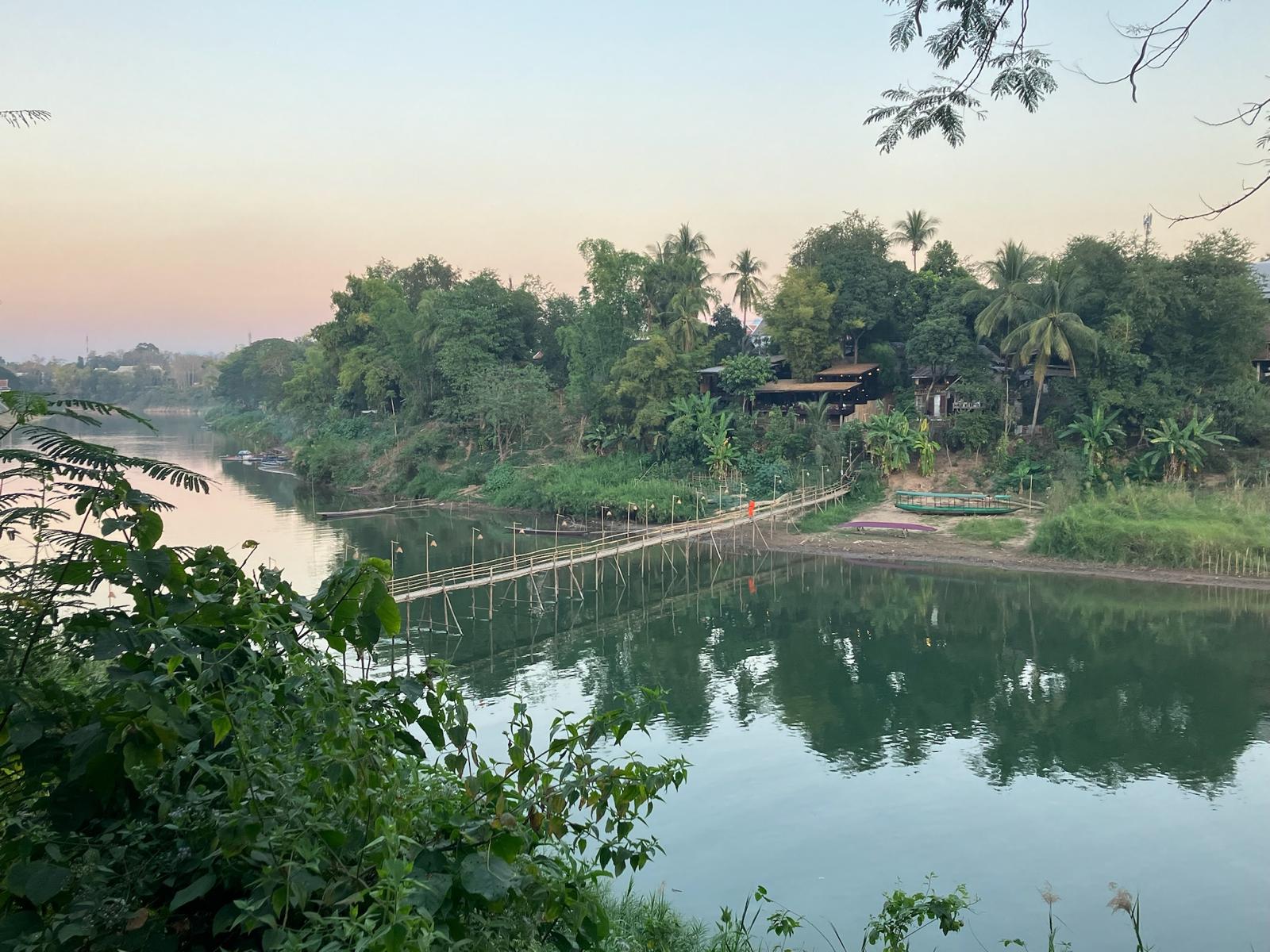
Mid-tier : Dyen Sabai (riverside, traditional Lao, cross the bamboo bridge to reach it), Bamboo Garden (reliable local Lao, generous portions), Indigo Café (vegan and vegetarian-friendly, good for all meals, always busy with travellers), BOUANG Asian Eatery (modern Lao-Asian, creative and well-priced)

Budget : Saffron Café (social enterprise, riverside Mekong, good coffee and pancakes), Phonheuang Café (one-plate local meals, very cheap), night market street food stalls on Sisavangvong Road (coconut pancakes, grilled skewers, noodle soup, the best cheap eating in town)

Cafes : Saffron Café (the correct morning coffee on the Mekong), Le Café Ban Vat Sene (French bistro café, good for breakfast before temple walks)

The essential Lao dishes to try in Luang Prabang: laap (minced meat salad with herbs and toasted rice powder), khao soi (Lao-style noodle soup, distinct from the Thai version), tam mak hoong (green papaya salad, spicier than Thai som tam), orlam (Luang Prabang stew with buffalo skin and local vegetables), and sticky rice eaten with everything.

Pak Beng

Sabaidee Restaurant (simple Lao dishes, reliable for the one overnight stop). The Sanctuary hotel restaurant (riverfront views, slightly more comfortable). Options are extremely limited; eat whatever looks freshest on the day.

Reminders & Cautions

Visa: Most Western nationalities get a visa on arrival at Luang Prabang International Airport and the Huay Xai land border crossing. Fee approximately $30 USD. Bring clean, unfolded US dollar bills or Thai baht in exact change; the immigration counters do not reliably break large notes. Some nationalities qualify for e-visa in advance at laoevisa.gov.la; check before travelling.

Currency: Lao Kip (LAK). US dollars and Thai baht are accepted at most hotels, tour operators and larger restaurants. Cash is essential for markets, street food, temple entry and tuk-tuks. ATMs are available in Luang Prabang and Vientiane; there are no ATMs in Pak Beng. Withdraw sufficient cash before the slow boat for Pak Beng overnight costs.

Getting around Luang Prabang: The old town is small enough to walk entirely. Bicycles rent for approximately 10,000 to 20,000 LAK per day and are the most pleasant way to explore beyond the peninsula. Tuk-tuks cover longer distances; negotiate the price before getting in. Most hostels have bicycles for guest use.

Slow boat logistics: Public tickets are purchased at the Huay Xai pier ticket hut; cost approximately 210,000 to 300,000 LAK per person one way, not including meals or Pak Beng accommodation. Arrive at the pier by 8 am for best seat selection. Seats on Day 1 are numbered; Day 2 is first come, first served. Bring your own snacks, water, a book and something to sit on if the seats are hard. The boat runs from approximately 9 to 10 am until 5 pm each day. Do not throw rubbish into the Mekong; carry it until you reach Pak Beng or Luang Prabang.

Premium slow boat operators: Nagi of Mekong, Shompoo, Luang Say and Mekong Smile all run organised packages including meals, Pak Beng accommodation and cultural stops. Prices range from $140 to $500+ per person. Book in advance; the premium boats have limited capacity and fill in high season.

Laos-China railway: The railway now connects Luang Prabang to Vang Vieng (approximately two hours) and Vientiane (approximately four hours), replacing the slow bus as the standard connection south. Tickets book out ahead during peak season; use your hostel desk or a local travel agent rather than attempting to book the Lao Railways website independently. The train is significantly faster and more comfortable than the old bus route.

Alms giving etiquette: Watch from the roadside without approaching or photographing with flash. If giving alms, buy rice from an authorised vendor the night before; do not buy from touts who sell inferior rice. The ceremony is a living religious ritual, not a tourist attraction; behave accordingly.

Temple dress code: Shoulders and knees must be covered at all temples. Carry a light scarf or sarong throughout Luang Prabang; most temples will turn away visitors who are not appropriately dressed. Remove shoes before entering any temple building.

Health: Mosquito repellent is essential; dengue risk exists in Laos. Tap water is not drinkable; use bottled water or a filter bottle. Stomach issues from street food are common in the first few days; start with cooked food from busy stalls. The nearest reliable hospital to Luang Prabang is in Vientiane; travel insurance with medical evacuation cover is important for this destination.

Season: November to February is the cool dry season and the most comfortable window: clear skies, cooler temperatures, ideal for walking and cycling. March to May is hot and dry. June to October is the wet season: daily afternoon rain, the rivers rise, Kuang Si Falls is at its most powerful and the countryside is lush green. The slow boat operates year-round but dry season journeys (December to April) can be significantly slower due to lower Mekong water levels.

Responsible tourism: The alms giving ceremony, the bear sanctuary at Kuang Si Falls and the elephant conservation centres are all examples of tourism done with community and conservation intent. Choose the ethical elephant operators (MandaLao, Elephant Village) that do not offer riding. Do not engage with vendors pressuring you to buy alms food from them rather than authorised sources. Support the social enterprise businesses: Saffron Café, Tamarind, Ock Pop Tok silk weaving centre.

image of vibrant dining space (for a mexican restaurant)

Luang Prabang: Temples, Markets and Mekong Life

A UNESCO-listed former royal capital where saffron-robed monks walk past colonial balconies at dawn. Explore gold-leafed temples, riverside coffee spots, traditional food markets, and one of Southeast Asia’s most atmospheric night markets, all set between the Mekong and Nam Khan rivers.

image of a guided tour group

Kuang Si Falls and the Bear Sanctuary

One of Laos’ most iconic natural sites. Jungle cascades of milky-blue water tumble through limestone terraces, ending in wide swimming pools. At the entrance sits a respected rescue centre for Asiatic black bears, offering an ethical conservation encounter alongside natural beauty
image of a local tour guide (for a travel agency)

The Mekong Slow Boat to Pak Beng

A classic two-day river journey through northern Laos, drifting past jungle cliffs, river villages and mist-covered mountains. The overnight stop in Pak Beng offers rare insight into small-town Lao life, with local guesthouses and quiet riverside restaurants.

Reminders from Collective travellers

Visa: Most Western nationalities get a visa on arrival at Luang Prabang International Airport and the Huay Xai land border crossing. Fee approximately $30 USD. Bring clean, unfolded US dollar bills or Thai baht in exact change; the immigration counters do not reliably break large notes. Some nationalities qualify for e-visa in advance at laoevisa.gov.la; check before travelling.

Currency: Lao Kip (LAK). US dollars and Thai baht are accepted at most hotels, tour operators and larger restaurants. Cash is essential for markets, street food, temple entry and tuk-tuks. ATMs are available in Luang Prabang and Vientiane; there are no ATMs in Pak Beng. Withdraw sufficient cash before the slow boat for Pak Beng overnight costs.

Getting around Luang Prabang: The old town is small enough to walk entirely. Bicycles rent for approximately 10,000 to 20,000 LAK per day and are the most pleasant way to explore beyond the peninsula. Tuk-tuks cover longer distances; negotiate the price before getting in. Most hostels have bicycles for guest use.

Slow boat logistics: Public tickets are purchased at the Huay Xai pier ticket hut; cost approximately 210,000 to 300,000 LAK per person one way, not including meals or Pak Beng accommodation. Arrive at the pier by 8 am for best seat selection. Seats on Day 1 are numbered; Day 2 is first come, first served. Bring your own snacks, water, a book and something to sit on if the seats are hard. The boat runs from approximately 9 to 10 am until 5 pm each day. Do not throw rubbish into the Mekong; carry it until you reach Pak Beng or Luang Prabang.

Premium slow boat operators: Nagi of Mekong, Shompoo, Luang Say and Mekong Smile all run organised packages including meals, Pak Beng accommodation and cultural stops. Prices range from $140 to $500+ per person. Book in advance; the premium boats have limited capacity and fill in high season.

Laos-China railway: The railway now connects Luang Prabang to Vang Vieng (approximately two hours) and Vientiane (approximately four hours), replacing the slow bus as the standard connection south. Tickets book out ahead during peak season; use your hostel desk or a local travel agent rather than attempting to book the Lao Railways website independently. The train is significantly faster and more comfortable than the old bus route.

Alms giving etiquette: Watch from the roadside without approaching or photographing with flash. If giving alms, buy rice from an authorised vendor the night before; do not buy from touts who sell inferior rice. The ceremony is a living religious ritual, not a tourist attraction; behave accordingly.

Temple dress code: Shoulders and knees must be covered at all temples. Carry a light scarf or sarong throughout Luang Prabang; most temples will turn away visitors who are not appropriately dressed. Remove shoes before entering any temple building.

Health: Mosquito repellent is essential; dengue risk exists in Laos. Tap water is not drinkable; use bottled water or a filter bottle. Stomach issues from street food are common in the first few days; start with cooked food from busy stalls. The nearest reliable hospital to Luang Prabang is in Vientiane; travel insurance with medical evacuation cover is important for this destination.

Season: November to February is the cool dry season and the most comfortable window: clear skies, cooler temperatures, ideal for walking and cycling. March to May is hot and dry. June to October is the wet season: daily afternoon rain, the rivers rise, Kuang Si Falls is at its most powerful and the countryside is lush green. The slow boat operates year-round but dry season journeys (December to April) can be significantly slower due to lower Mekong water levels.

Responsible tourism: The alms giving ceremony, the bear sanctuary at Kuang Si Falls and the elephant conservation centres are all examples of tourism done with community and conservation intent. Choose the ethical elephant operators (MandaLao, Elephant Village) that do not offer riding. Do not engage with vendors pressuring you to buy alms food from them rather than authorised sources. Support the social enterprise businesses: Saffron Café, Tamarind, Ock Pop Tok silk weaving centre.

Reminders from Collective travellers

Visa: Most Western nationalities get a visa on arrival at Luang Prabang International Airport and the Huay Xai land border crossing. Fee approximately $30 USD. Bring clean, unfolded US dollar bills or Thai baht in exact change; the immigration counters do not reliably break large notes. Some nationalities qualify for e-visa in advance at laoevisa.gov.la; check before travelling.

Currency: Lao Kip (LAK). US dollars and Thai baht are accepted at most hotels, tour operators and larger restaurants. Cash is essential for markets, street food, temple entry and tuk-tuks. ATMs are available in Luang Prabang and Vientiane; there are no ATMs in Pak Beng. Withdraw sufficient cash before the slow boat for Pak Beng overnight costs.

Getting around Luang Prabang: The old town is small enough to walk entirely. Bicycles rent for approximately 10,000 to 20,000 LAK per day and are the most pleasant way to explore beyond the peninsula. Tuk-tuks cover longer distances; negotiate the price before getting in. Most hostels have bicycles for guest use.

Slow boat logistics: Public tickets are purchased at the Huay Xai pier ticket hut; cost approximately 210,000 to 300,000 LAK per person one way, not including meals or Pak Beng accommodation. Arrive at the pier by 8 am for best seat selection. Seats on Day 1 are numbered; Day 2 is first come, first served. Bring your own snacks, water, a book and something to sit on if the seats are hard. The boat runs from approximately 9 to 10 am until 5 pm each day. Do not throw rubbish into the Mekong; carry it until you reach Pak Beng or Luang Prabang.

Premium slow boat operators: Nagi of Mekong, Shompoo, Luang Say and Mekong Smile all run organised packages including meals, Pak Beng accommodation and cultural stops. Prices range from $140 to $500+ per person. Book in advance; the premium boats have limited capacity and fill in high season.

Laos-China railway: The railway now connects Luang Prabang to Vang Vieng (approximately two hours) and Vientiane (approximately four hours), replacing the slow bus as the standard connection south. Tickets book out ahead during peak season; use your hostel desk or a local travel agent rather than attempting to book the Lao Railways website independently. The train is significantly faster and more comfortable than the old bus route.

Alms giving etiquette: Watch from the roadside without approaching or photographing with flash. If giving alms, buy rice from an authorised vendor the night before; do not buy from touts who sell inferior rice. The ceremony is a living religious ritual, not a tourist attraction; behave accordingly.

Temple dress code: Shoulders and knees must be covered at all temples. Carry a light scarf or sarong throughout Luang Prabang; most temples will turn away visitors who are not appropriately dressed. Remove shoes before entering any temple building.

Health: Mosquito repellent is essential; dengue risk exists in Laos. Tap water is not drinkable; use bottled water or a filter bottle. Stomach issues from street food are common in the first few days; start with cooked food from busy stalls. The nearest reliable hospital to Luang Prabang is in Vientiane; travel insurance with medical evacuation cover is important for this destination.

Season: November to February is the cool dry season and the most comfortable window: clear skies, cooler temperatures, ideal for walking and cycling. March to May is hot and dry. June to October is the wet season: daily afternoon rain, the rivers rise, Kuang Si Falls is at its most powerful and the countryside is lush green. The slow boat operates year-round but dry season journeys (December to April) can be significantly slower due to lower Mekong water levels.

Responsible tourism: The alms giving ceremony, the bear sanctuary at Kuang Si Falls and the elephant conservation centres are all examples of tourism done with community and conservation intent. Choose the ethical elephant operators (MandaLao, Elephant Village) that do not offer riding. Do not engage with vendors pressuring you to buy alms food from them rather than authorised sources. Support the social enterprise businesses: Saffron Café, Tamarind, Ock Pop Tok silk weaving centre.

Reminders from Collective travellers

Visa: Most Western nationalities get a visa on arrival at Luang Prabang International Airport and the Huay Xai land border crossing. Fee approximately $30 USD. Bring clean, unfolded US dollar bills or Thai baht in exact change; the immigration counters do not reliably break large notes. Some nationalities qualify for e-visa in advance at laoevisa.gov.la; check before travelling.

Currency: Lao Kip (LAK). US dollars and Thai baht are accepted at most hotels, tour operators and larger restaurants. Cash is essential for markets, street food, temple entry and tuk-tuks. ATMs are available in Luang Prabang and Vientiane; there are no ATMs in Pak Beng. Withdraw sufficient cash before the slow boat for Pak Beng overnight costs.

Getting around Luang Prabang: The old town is small enough to walk entirely. Bicycles rent for approximately 10,000 to 20,000 LAK per day and are the most pleasant way to explore beyond the peninsula. Tuk-tuks cover longer distances; negotiate the price before getting in. Most hostels have bicycles for guest use.

Slow boat logistics: Public tickets are purchased at the Huay Xai pier ticket hut; cost approximately 210,000 to 300,000 LAK per person one way, not including meals or Pak Beng accommodation. Arrive at the pier by 8 am for best seat selection. Seats on Day 1 are numbered; Day 2 is first come, first served. Bring your own snacks, water, a book and something to sit on if the seats are hard. The boat runs from approximately 9 to 10 am until 5 pm each day. Do not throw rubbish into the Mekong; carry it until you reach Pak Beng or Luang Prabang.

Premium slow boat operators: Nagi of Mekong, Shompoo, Luang Say and Mekong Smile all run organised packages including meals, Pak Beng accommodation and cultural stops. Prices range from $140 to $500+ per person. Book in advance; the premium boats have limited capacity and fill in high season.

Laos-China railway: The railway now connects Luang Prabang to Vang Vieng (approximately two hours) and Vientiane (approximately four hours), replacing the slow bus as the standard connection south. Tickets book out ahead during peak season; use your hostel desk or a local travel agent rather than attempting to book the Lao Railways website independently. The train is significantly faster and more comfortable than the old bus route.

Alms giving etiquette: Watch from the roadside without approaching or photographing with flash. If giving alms, buy rice from an authorised vendor the night before; do not buy from touts who sell inferior rice. The ceremony is a living religious ritual, not a tourist attraction; behave accordingly.

Temple dress code: Shoulders and knees must be covered at all temples. Carry a light scarf or sarong throughout Luang Prabang; most temples will turn away visitors who are not appropriately dressed. Remove shoes before entering any temple building.

Health: Mosquito repellent is essential; dengue risk exists in Laos. Tap water is not drinkable; use bottled water or a filter bottle. Stomach issues from street food are common in the first few days; start with cooked food from busy stalls. The nearest reliable hospital to Luang Prabang is in Vientiane; travel insurance with medical evacuation cover is important for this destination.

Season: November to February is the cool dry season and the most comfortable window: clear skies, cooler temperatures, ideal for walking and cycling. March to May is hot and dry. June to October is the wet season: daily afternoon rain, the rivers rise, Kuang Si Falls is at its most powerful and the countryside is lush green. The slow boat operates year-round but dry season journeys (December to April) can be significantly slower due to lower Mekong water levels.

Responsible tourism: The alms giving ceremony, the bear sanctuary at Kuang Si Falls and the elephant conservation centres are all examples of tourism done with community and conservation intent. Choose the ethical elephant operators (MandaLao, Elephant Village) that do not offer riding. Do not engage with vendors pressuring you to buy alms food from them rather than authorised sources. Support the social enterprise businesses: Saffron Café, Tamarind, Ock Pop Tok silk weaving centre.

Journey adjustments

If you have less time, skip the slow boat and fly.

Lao Airlines and Bangkok Airways connect Luang Prabang to Chiang Mai or Bangkok directly. The slow boat is an experience in itself rather than simply a transport option; if you are short on time, fly and use the saved days to go deeper into Luang Prabang or add Vang Vieng by train.

If you want to slow down, add Nong Khiaw.

Nong Khiaw is a small riverside village three hours northeast of Luang Prabang by bus or speedboat, set in a dramatic limestone karst landscape on the Nam Ou River. The village has become one of the best hiking bases in Laos, with trails up to viewpoints above the river valley (Pha Daeng Peak Viewpoint, two hours return, is the standout) and boat trips deeper into the minority village territory along the Nam Ou. Two to three nights here, sandwiched between Luang Prabang and the slow boat, turns the route into a more complete northern Laos experience. Add two to three days.

If you want a more culturally immersive version, add a homestay in a Khamu or Hmong village.

Several community tourism projects around Luang Prabang offer overnight stays in minority villages along the Nam Khan River or in the hills above the town. These are not staged encounters; they are family homes in working farming communities where the income goes directly to the host family. Arrangements through the responsible operators at the Luang Prabang Visitor Centre or through your hostel's community tour desk. Add one night.

If you want to add Vang Vieng properly, use the train.

The Laos-China railway makes Vang Vieng a genuine two-hour addition from Luang Prabang rather than a five-hour bus ordeal. Two nights in Vang Vieng covers the hot air balloon at dawn, the Blue Lagoon, river kayaking and the karst viewpoint walks. Train ticket plus guesthouse makes this a very affordable extension. Add two to three days.

If you want to end in Vientiane rather than at the Thai border, take the train south.

The train from Luang Prabang to Vientiane takes approximately four hours and is the clearest addition to the end of the itinerary for travellers flying out of Vientiane rather than crossing into Thailand. One day in Vientiane covers the COPE Centre, Patuxai, Buddha Park and the riverfront. Fly home from Wattay International Airport (VTE). This version adds one day and removes the Thai border crossing.

Collective travellers' testimonials

Martha - London, UK

"A slow and peaceful journey that shows Laos at its best and does not feel rushed (it is a small country!). The river scenery days were my favourite for a nice and relaxed trip across the country."

Francesca - Cecina, Italy

"Whilst not my highlight from my South East Asia Trip, I would not skip Laos. I welcomed the more relaxed pace of this part of the trip and I thought it was a beautiful country."

Mitashi - Mumbai, India

"I was pleasantly surprised by Laos! I would not go to this part of the world just for Laos but it is a great addition to a wider tour!"