Day 6: Puebla, Colonial Charm and Sweet Streets
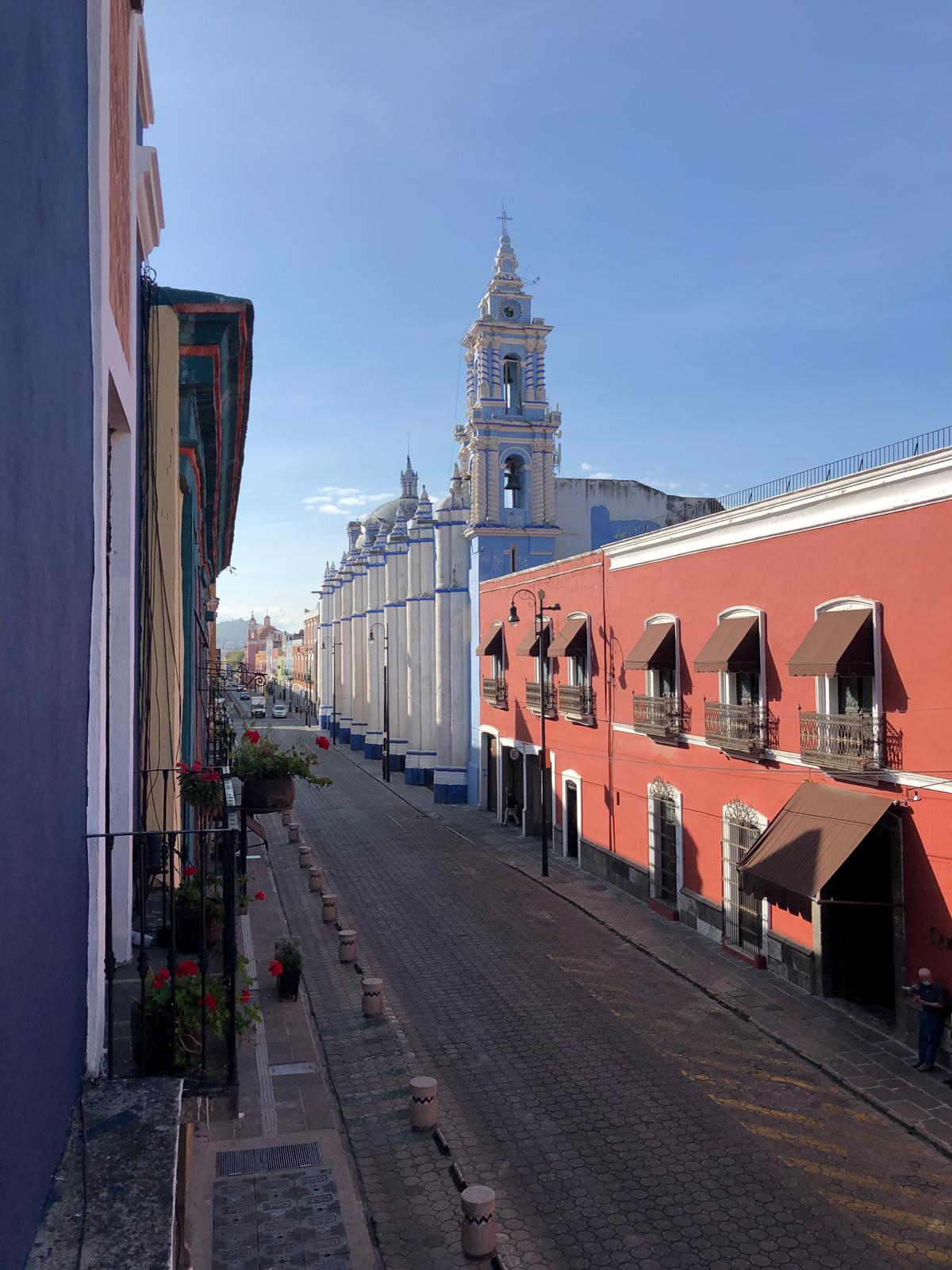
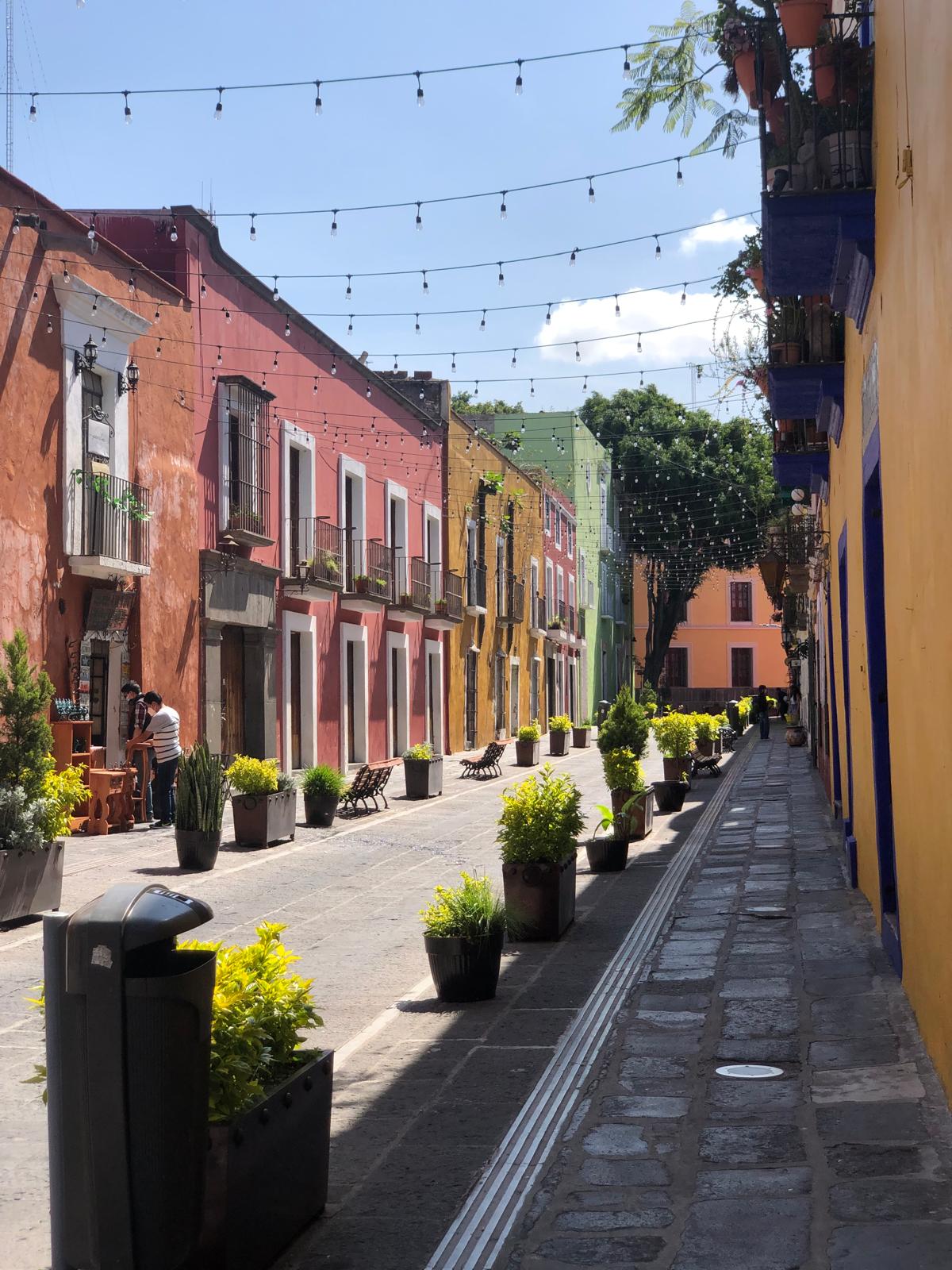
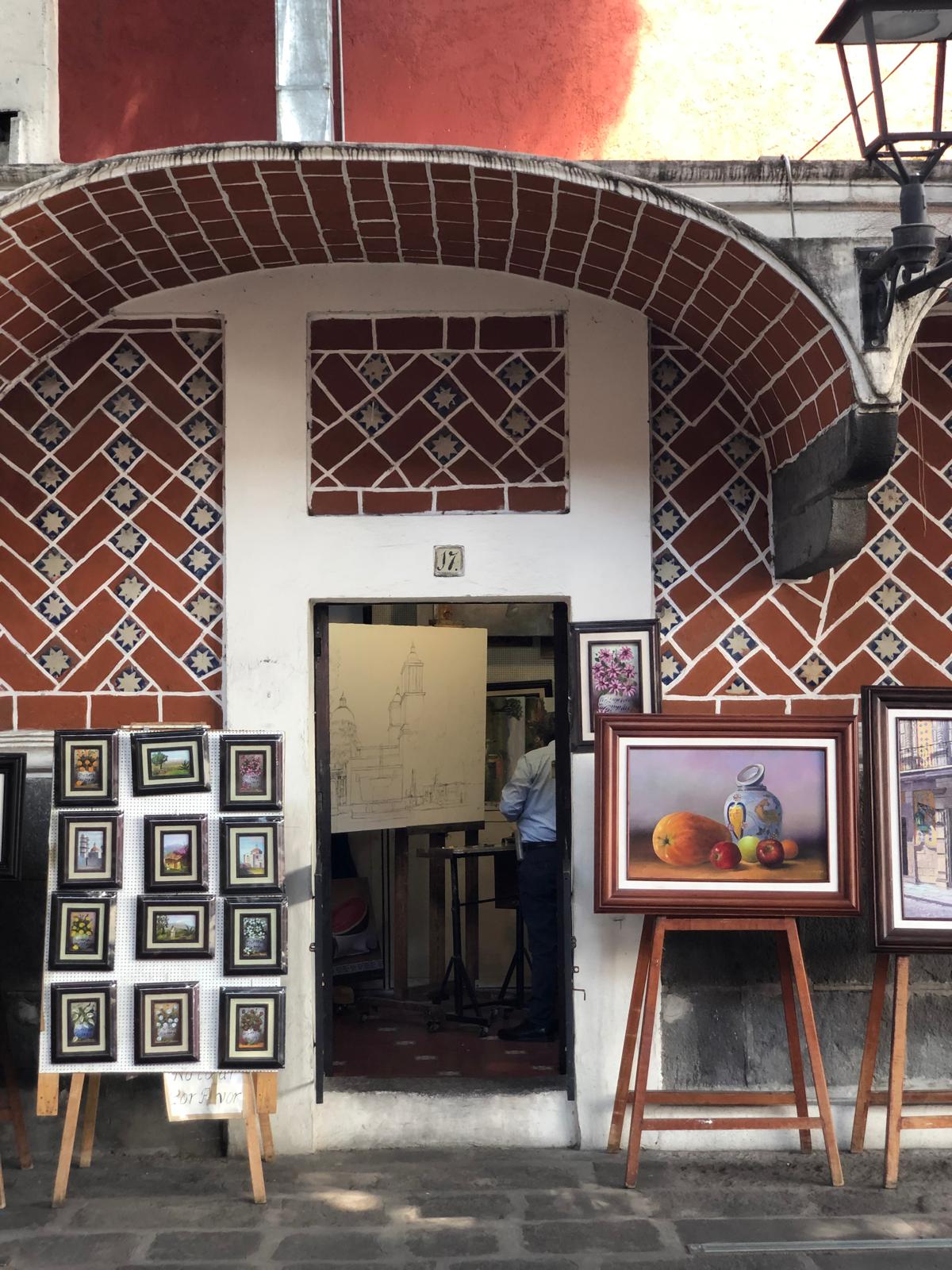
Two hours east of Mexico City, Puebla blends colonial architecture and calm plazas beneath snow-tipped volcanoes. A short stay allows a walking tour through the historic centre, tiled facades, grand churches, and the 17th-century Biblioteca Palafoxiana, one of the oldest public libraries in the Americas. Try local tortas and chiles en nogada before leaving; one night is perfect for a pause between capitals.
Days 7–11: Oaxaca, Where Mexico’s Traditions Live On
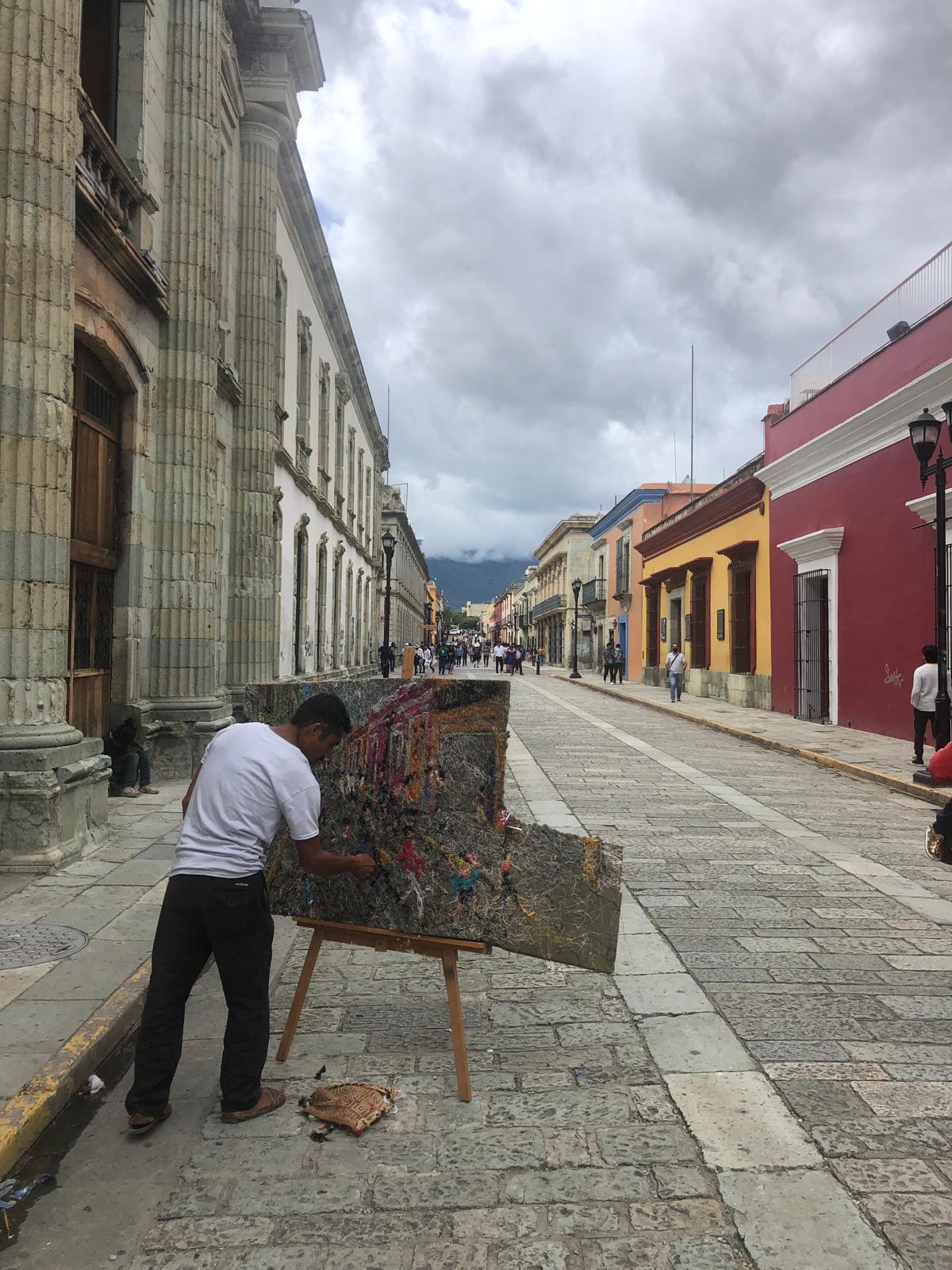
Oaxaca's rhythm is slower, its air filled with woodsmoke and the scent of chocolate. Begin with a free walking tour that introduces its layered identity, Zapotec, Mixtec, and Spanish influences shaping its art and architecture. The markets are unmissable: Benito Juárez and 20 de Noviembre, where stalls overflow with mole paste, chapulines (grasshoppers), and smoky grilled meats.
Spend a morning at Monte Albán, the mountaintop capital of the Zapotec civilisation, built 2,000 years ago with terraces that overlook the entire valley. Return for a cooking class or mezcal tasting, learning the slow process of roasting agave hearts in earth pits before distilling. For an unusual spiritual experience, take part in a temazcal ceremony (traditional steam ritual) with a shaman at Casa Las Máscaras, led by locals who keep the custom alive.
A day trip to Hierve el Agua reveals mineral pools perched above deep valleys, go early to avoid crowds. Evenings belong to the cafés and mezcalerías along the pedestrian Andador Macedonio Alcalá.
For a list of restaurants and bars in Oaxaca, message the Leader.
Days 12–13: San José del Pacífico, A Pause in the Clouds
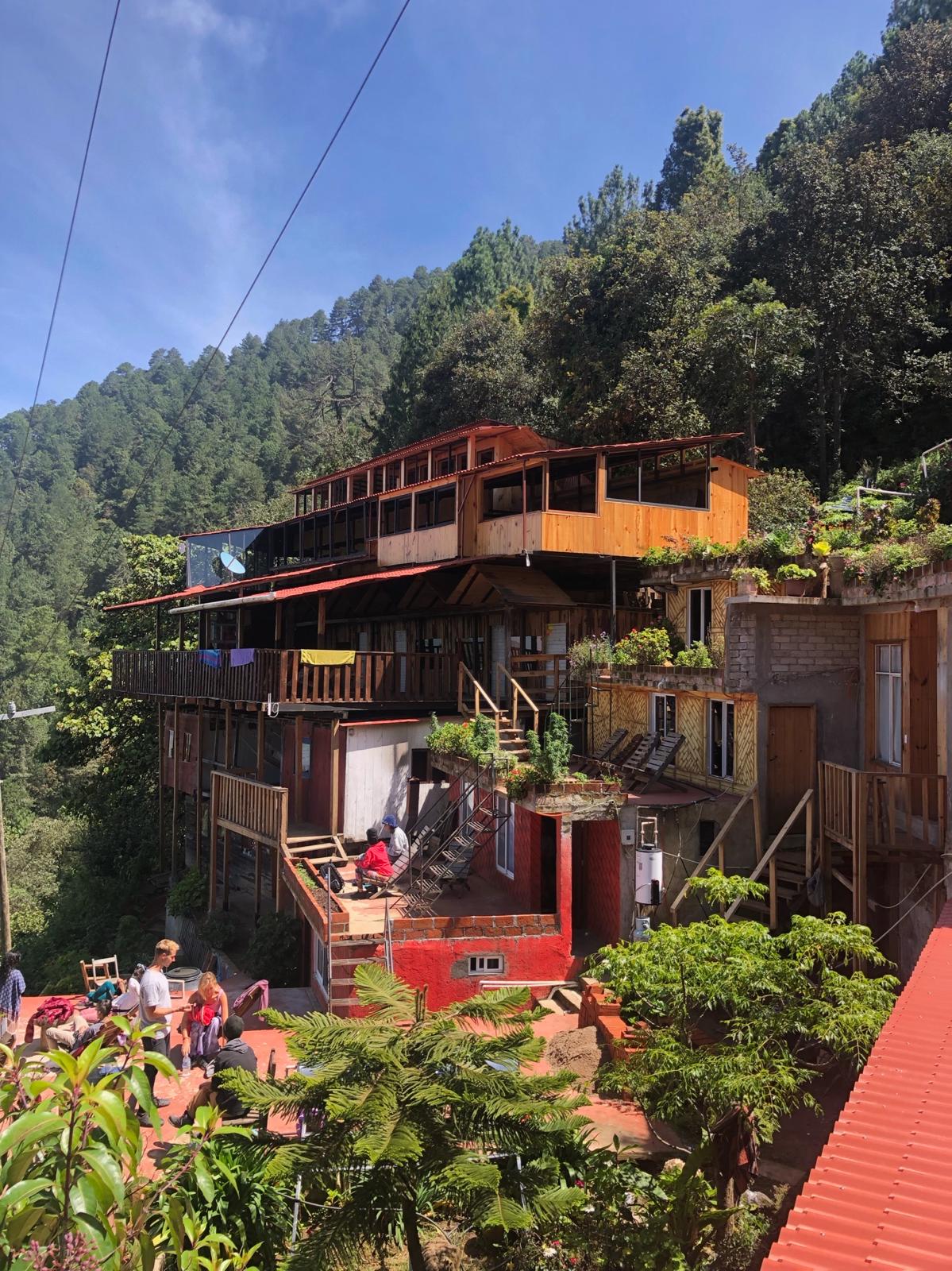
The road climbs through the Sierra Madre del Sur to San José del Pacífico, a small mountain village wrapped in cloud forest. Days are cool and quiet, time for short hikes to viewpoints, reading by a fire, and watching the mist roll through pine trees. It’s a short stop that can be skipped if needed. The go to accommodation here is Cabana La Cumbre, offering remote bubble huts in the jungle.
Days 14–17: Puerto Escondido, The Pacific Coast
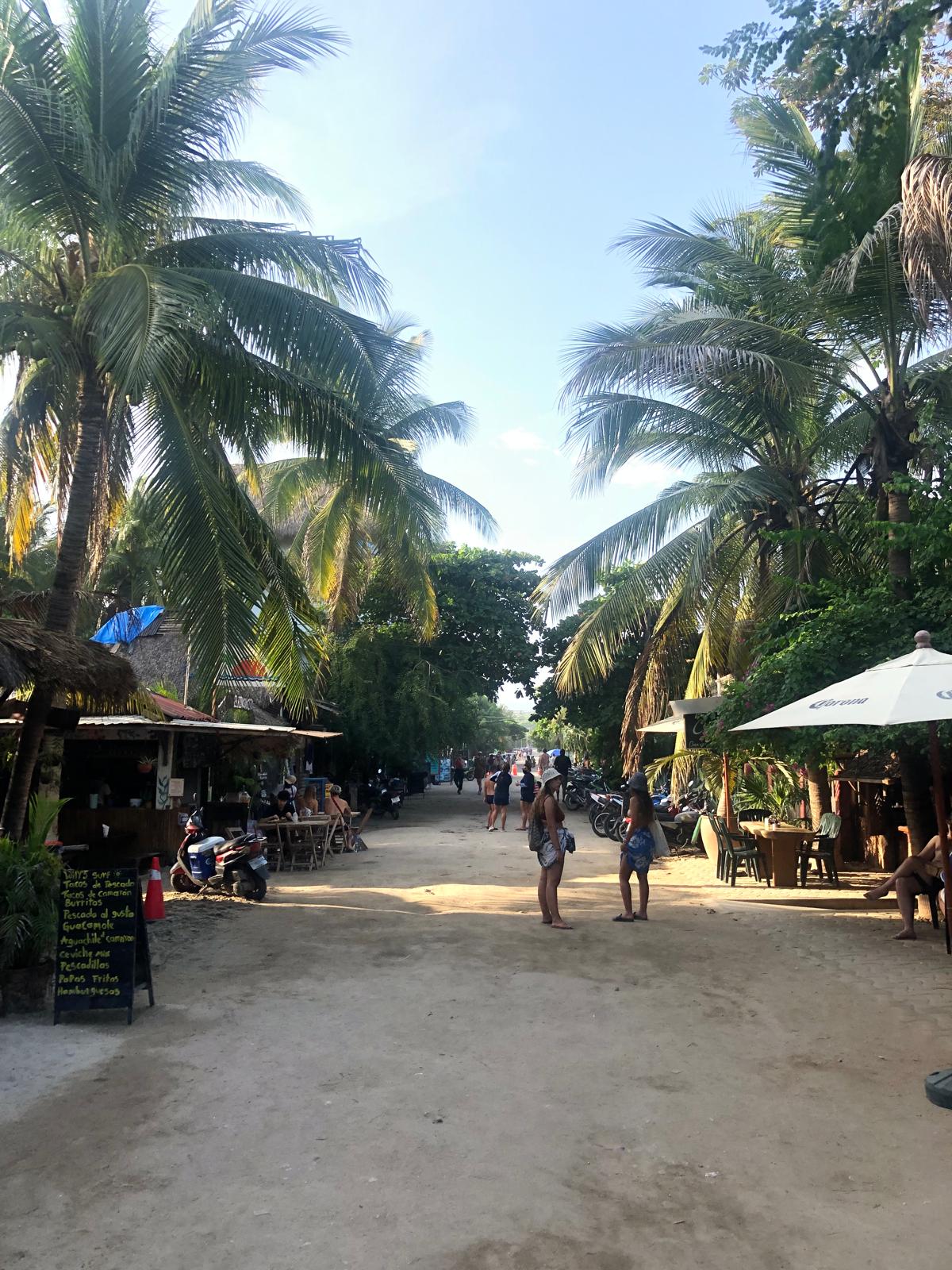
Descending from mountains to sea, Puerto Escondido offers surf and sunsets in equal measure. Stay near La Punta (the social hostel is Bonita Escondida), a relaxed beach neighbourhood with hostels and small cafés. Surfing lessons are easy to find, and even beginners can ride gentle breaks here.
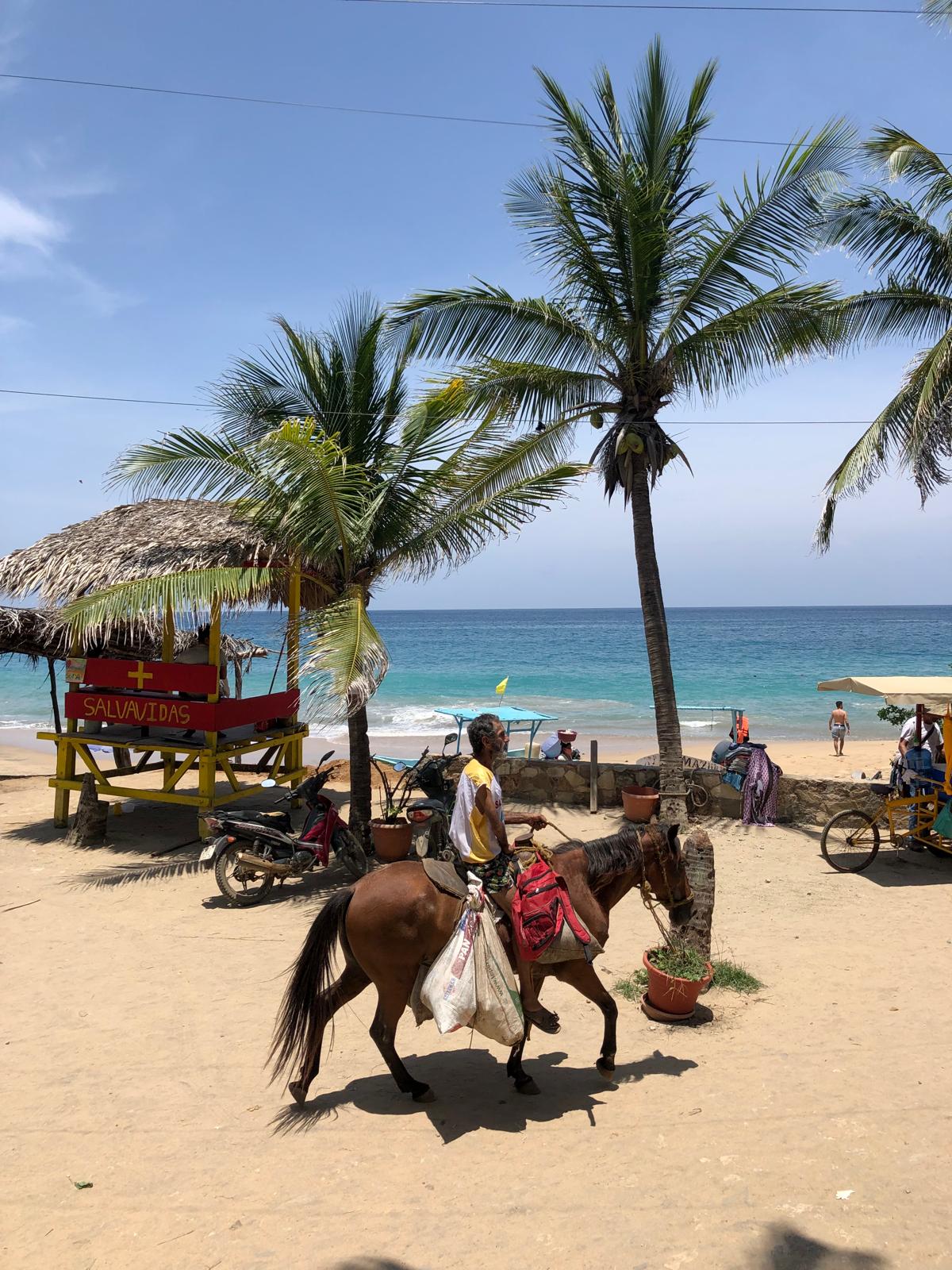
Spend afternoons beach-hopping by moped or taxi: Playa Carrizalillo for swimming, Playa Bacocho for sunsets and open-air bars, and Playa Manzanillo for laid-back seafood lunches. On calm nights, take a bioluminescence tour, the lagoon glows around each movement. Puerto Escondido is about rhythm: waves, hammocks, and long walks with salt in the air.
Spend evenings along the La Punta main road, which is filled with restaurants (Alaburger, Fish Shack, Chicama, Persia) and unofficial beach parties.
Days 18–20: San Cristóbal de las Casas, Culture in the Highlands
Further east, the highlands of Chiapas bring cooler nights and deeper traditions. An overnight ADO bus takes you to San Cristóbal de las Casas, a colonial town where cobbled streets slope toward mountain views and markets fill with textiles. A walking tour introduces its history, independence struggles, Zapatista movements, and Mayan roots that remain visible in its daily life.
Visit San Juan Chamula, a nearby Tzotzil village, to see how Catholicism and indigenous spirituality intertwine in one of Mexico’s most unique churches: candles, pine needles, and incense form the backdrop for prayers spoken in ancient languages and live chicken sacrifices. Another day trip leads to Sumidero Canyon, where boats glide beneath 1,000-metre limestone cliffs inhabited by crocodiles and herons. If time allows, head to El Chiflón Waterfalls, turquoise and cinematic in the forest. Evenings in town are best spent with a glass of wine at Vino de Bacco or a view from Kinoki café.
Day 21: Palenque, Jungle Ruins
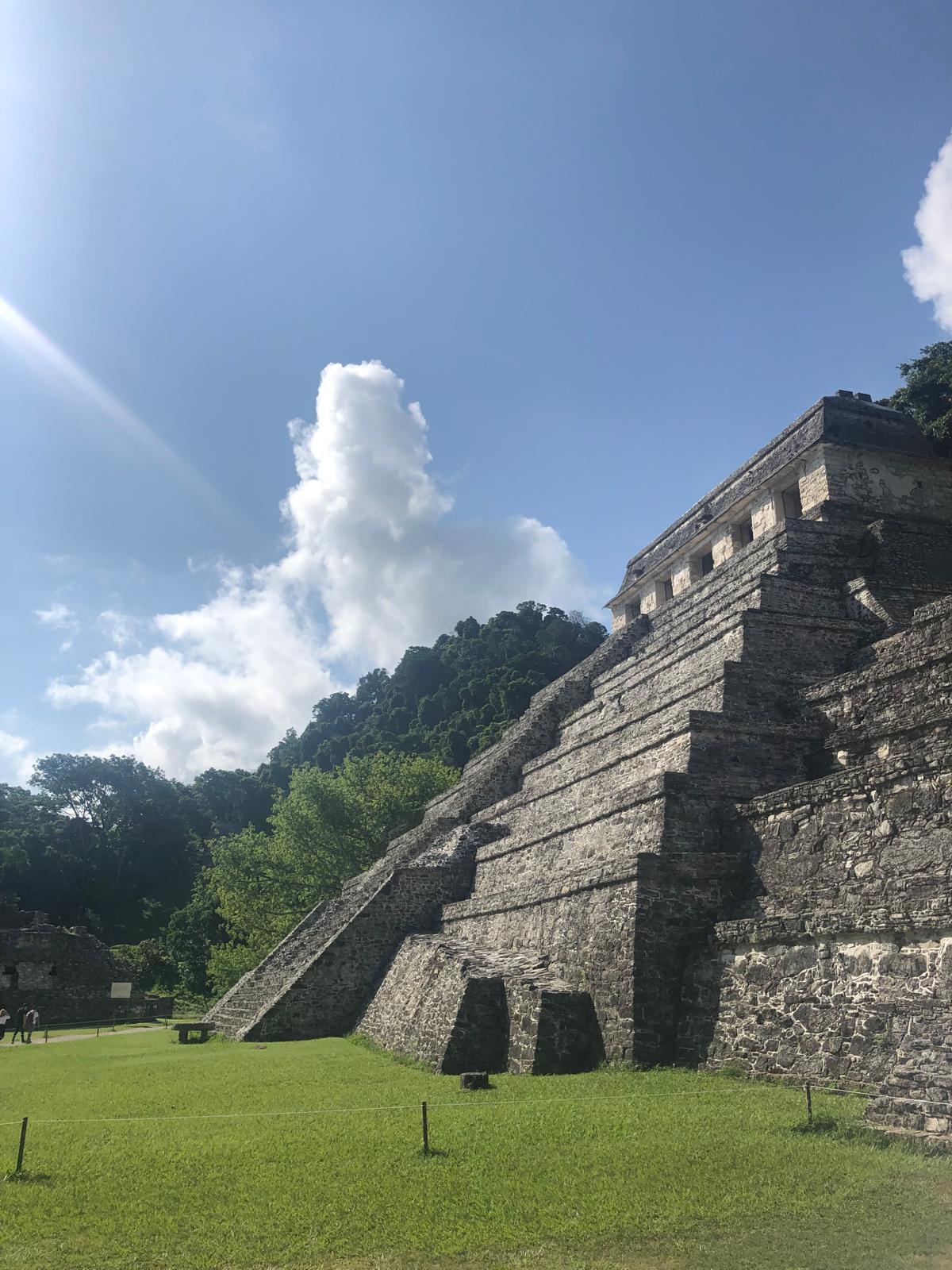
An overnight ADO bus takes you to Palenque. The road drops toward humidity and green. Palenque is one of the most striking Mayan sites in Mexico, temples rising out of thick jungle, their carved reliefs depicting rulers and deities from the 7th century. Visit early before the heat builds, and combine it with a swim at Misol-Há or Agua Azul, waterfalls nearby that offer welcome relief after a day of exploration. Don't sleep here - another overnight ADO bus takes you to Tulum.
Days 22–24: Tulum, Cenotes and Ruins
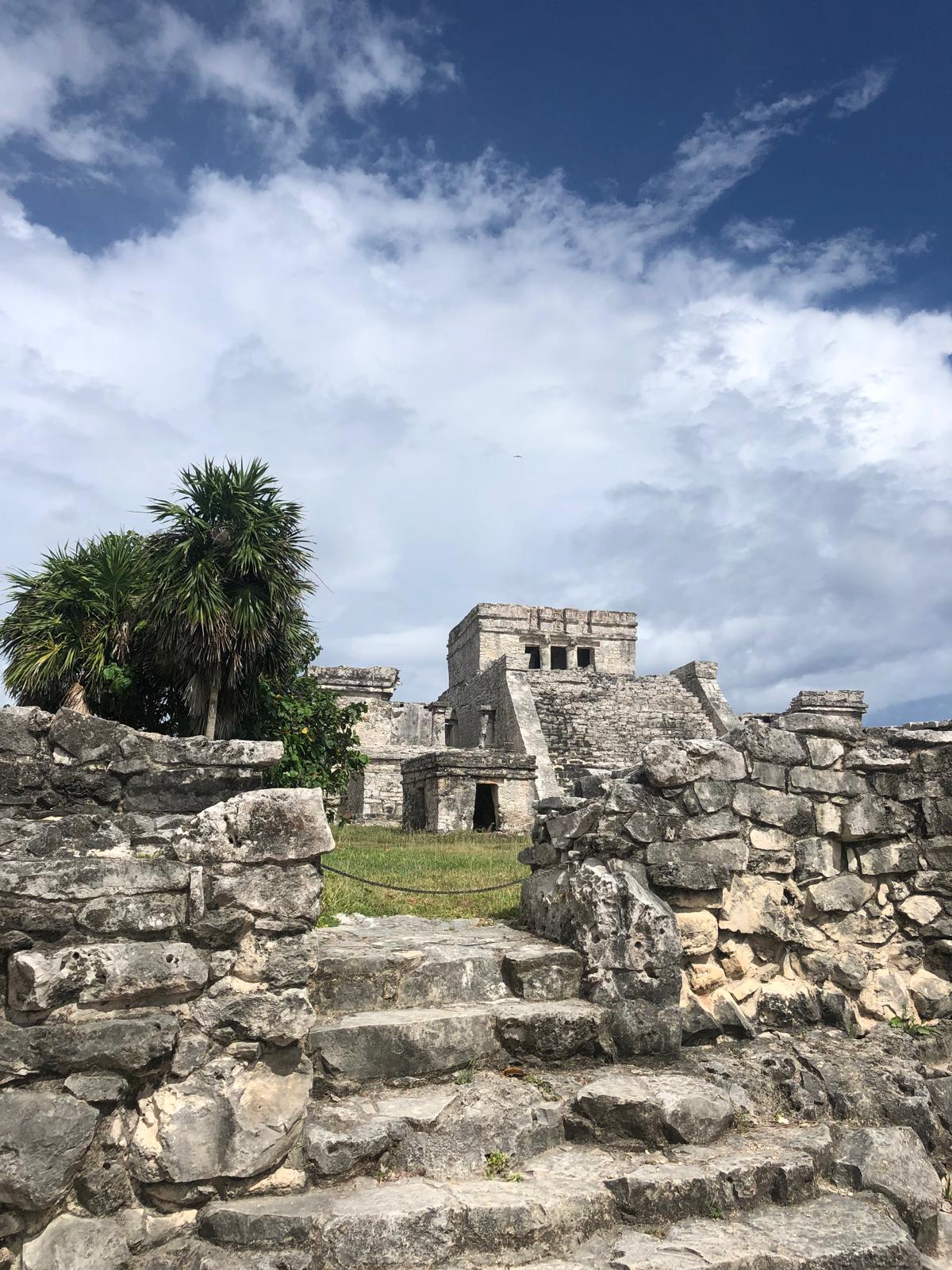
Tulum sits on the Caribbean, where jungle meets turquoise sea. Visit the Tulum Archaeological Site early in the morning to walk ancient coastal temples before the crowds. The nearby cenotes, natural limestone sinkholes filled with fresh water, are a highlight of the region. The best cenotes we visited were Dos Ojos (slightly further away but more untouched and inside a Mayan community), Carwash (best for swimming), and Gran Cenote (turtles but more touristy).
Rent a bicycle to move between the town, beaches, and cenotes, stopping for seafood at El Camello Jr. or sunset at Mateo’s. Tulum’s beach clubs can be loud, but quieter corners still exist for those seeking an evening under stars and palms rather than parties.
Days 25–26: Holbox, Island Rhythm
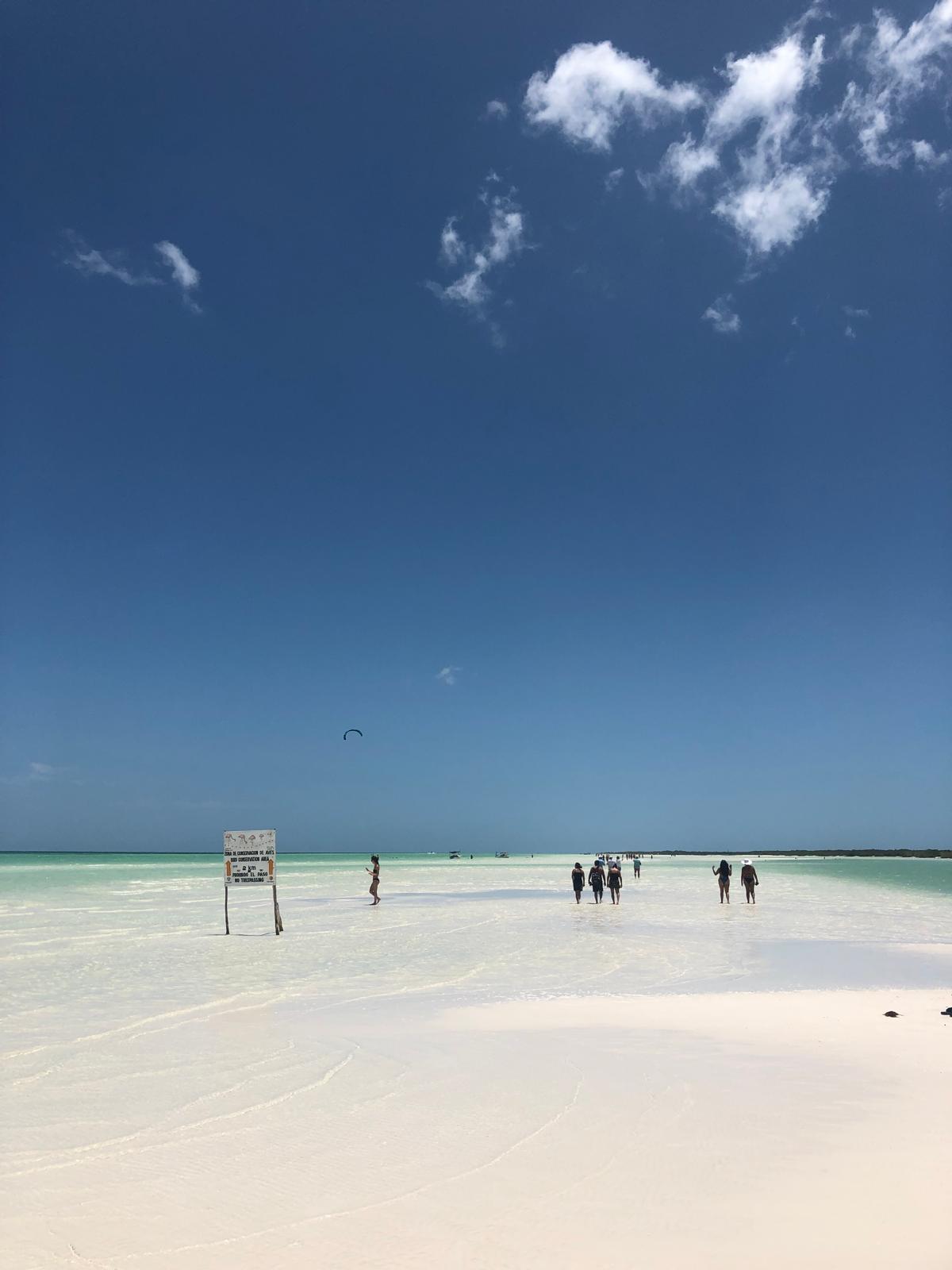
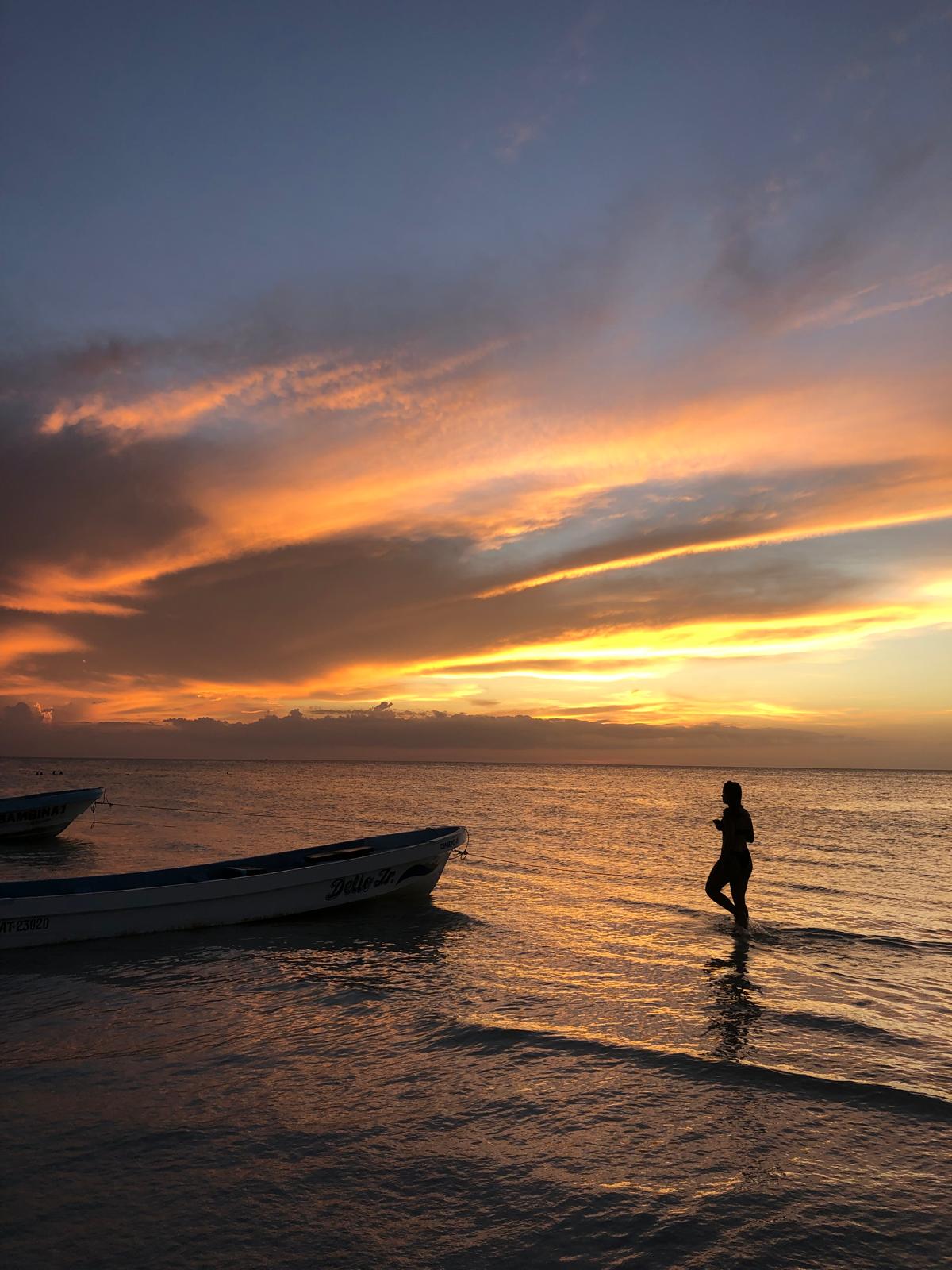
A direct ADO bus takes you to Chiquila, where you take the ferry to Isla Holbox, a car-free island known for its relaxed pace. Days revolve around tide and light: walk along Punta Mosquito to sandbars where flamingos feed, or rent a golf cart to circle the island. Between May and September, ethical tours offer the chance to swim alongside whale sharks, the gentle giants of the Caribbean.
Evenings bring music to the main square, where locals and travellers gather at the “Hot Corner” before drifting toward the beach to watch the sunrise. It’s simple, communal, and the perfect close to a long road.
Day 27: Mérida, Yucatán’s Colonial Heart
The final stop, Mérida, is the capital of the Yucatán, elegant and calm after weeks of movement. The Museo de Antropología e Historia traces Maya civilisation from its beginnings, while the Museo de la Gastronomía Yucateca explains local dishes like cochinita pibil and lime soup. Dinner at La Chaya Maya is a fitting farewell. Music fills the plazas after dark.
Day 28: Fly Out
Fly from Mérida or Cancún.
.png)