image of popular travel destinations

Mexico

A four-week journey from the highland heart of Mexico City to the mezcal valleys of Oaxaca, across jungle ruins, colonial towns and canyon rivers, to the beaches and islands of the Caribbean coast

Four weeks through Mexico’s changing worlds from murals and markets to mountain passes and Caribbean calm

This route begins in Mexico City, where Aztec foundations meet modern murals and food stalls hum beneath baroque cathedrals. From there, travellers move through Puebla and into Oaxaca, the culinary and artistic capital of southern Mexico, surrounded by ancient Zapotec ruins and mezcal distilleries. In the Sierra Madre, cloud forests cool the pace before dropping to the Pacific surf of Puerto Escondido. Then come the highlands of Chiapas, where rituals mix Catholic saints with Mayan tradition and rivers cut through canyons. Finally, the Yucatán offers beaches, ruins in the jungle, cenotes beneath limestone, and the island stillness of Holbox.

Highlights

image of vibrant dining space (for a mexican restaurant)

Holbox island life

An island with golf carts instead of cars, a bohemian lifestyle with bars and restaurants spilling onto roads and beaches, calm turquoise seas and the opportunity to go swimming with whale sharks.

image of a guided tour group

San Cristobal de las Casas

A vibrant, and culturally rich town, blending cool mountain air with slow-paced colonial charm, colourful cobblestone streets, strong indigenous traditions, a Zapatista independence movement, and a thriving arts scene.
image of a local tour guide (for a travel agency)

Mexico City: The Soul of Modern Mexico

A capital of history: from Aztec ruins and Rivera murals to street tacos and mariachi nights in Garibaldi Square, Mexico City enables you to understand all the various elements that make up Mexico through a proper cultural immersion.
image of vibrant dining space (for a mexican restaurant)

Holbox island life

An island with golf carts instead of cars, a bohemian lifestyle with bars and restaurants spilling onto roads and beaches, calm turquoise seas and the opportunity to go swimming with whale sharks.

image of a guided tour group

San Cristobal de las Casas

A vibrant, and culturally rich town, blending cool mountain air with slow-paced colonial charm, colourful cobblestone streets, strong indigenous traditions, a Zapatista independence movement, and a thriving arts scene.
image of a local tour guide (for a travel agency)

Mexico City: The Soul of Modern Mexico

A capital of history: from Aztec ruins and Rivera murals to street tacos and mariachi nights in Garibaldi Square, Mexico City enables you to understand all the various elements that make up Mexico through a proper cultural immersion.

Journey itinerary

Itinerary overview
Detailed breakdown follows

Day 1: Arrive in Mexico City / historic centre, Zócalo and first look at CDMX

Day 2: Mexico City / Bellas Artes, Alameda Central and Chapultepec museums

Day 3: Mexico City / Roma, Condesa, Coyoacán and neighbourhood wandering

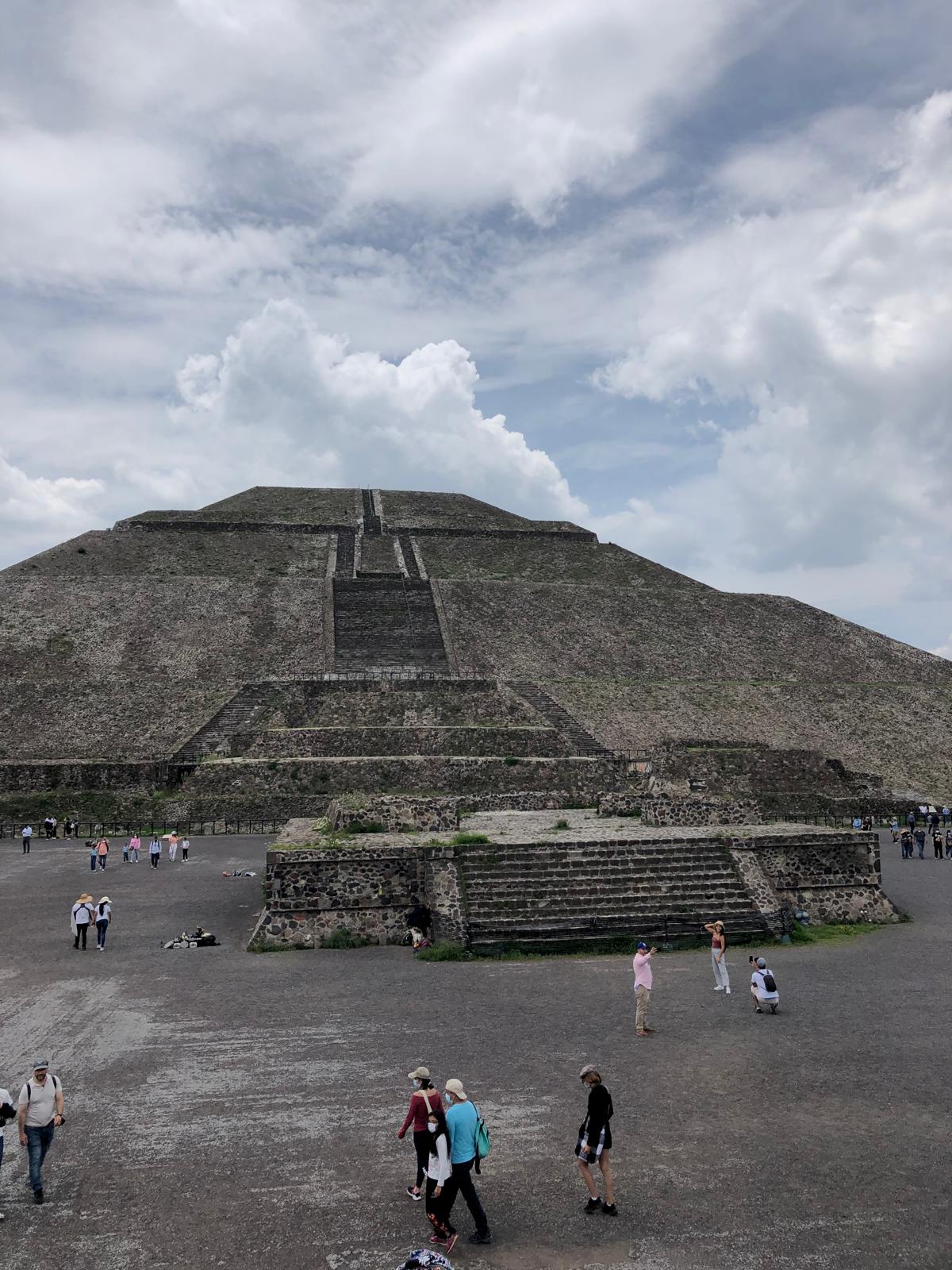
Day 4: Mexico City / Teotihuacan day trip / pyramids and the Avenue of the Dead

Day 5: Mexico City / Xochimilco, tacos, bars and a final full city day

Day 6: Puebla / colonial centre, tiled facades and local food stopover

Day 7: Puebla → Oaxaca / travel south and settle into Oaxaca

Day 8: Oaxaca / walking tour, markets and old town

Day 9: Oaxaca / Monte Albán / Zapotec ruins above the valley

Day 10: Oaxaca / Hierve el Agua or mezcal / cooking day

Day 11: Oaxaca / cafés, mezcalerías and a final city day

Day 12: Oaxaca → San José del Pacífico / mountain road into the cloud forest

Day 13: San José del Pacífico / viewpoints, forest air and a slow day in the sierra

Day 14: San José del Pacífico → Puerto Escondido / descent from mountains to coast

Day 15: Puerto Escondido / La Punta, surfing and beach time

Day 16: Puerto Escondido / beach-hopping, seafood and sunset

Day 17: Puerto Escondido / bioluminescence or another relaxed Pacific day

Day 18: Overnight bus to San Cristóbal de las Casas

Day 19: San Cristóbal de las Casas / walking tour, markets and highland town atmosphere

Day 20: San Cristóbal / Chamula or Sumidero Canyon day trip

Day 21: Palenque / jungle ruins, waterfalls, then overnight bus onward to Tulum

Day 22: Tulum / coastal ruins and first cenotes

Day 23: Tulum / cenote day and beach time

Day 24: Tulum / cycling between town, coast and quieter corners

Day 25: Tulum → Bacalar / bus south to the lagoon of seven colours

Day 26: Bacalar / jetty swims, kayaks and CATCH by day

Day 27: Bacalar / Los Rapidos and a slow lagoon day

Day 28: Bacalar → Holbox / long travel day back north, ferry to the island

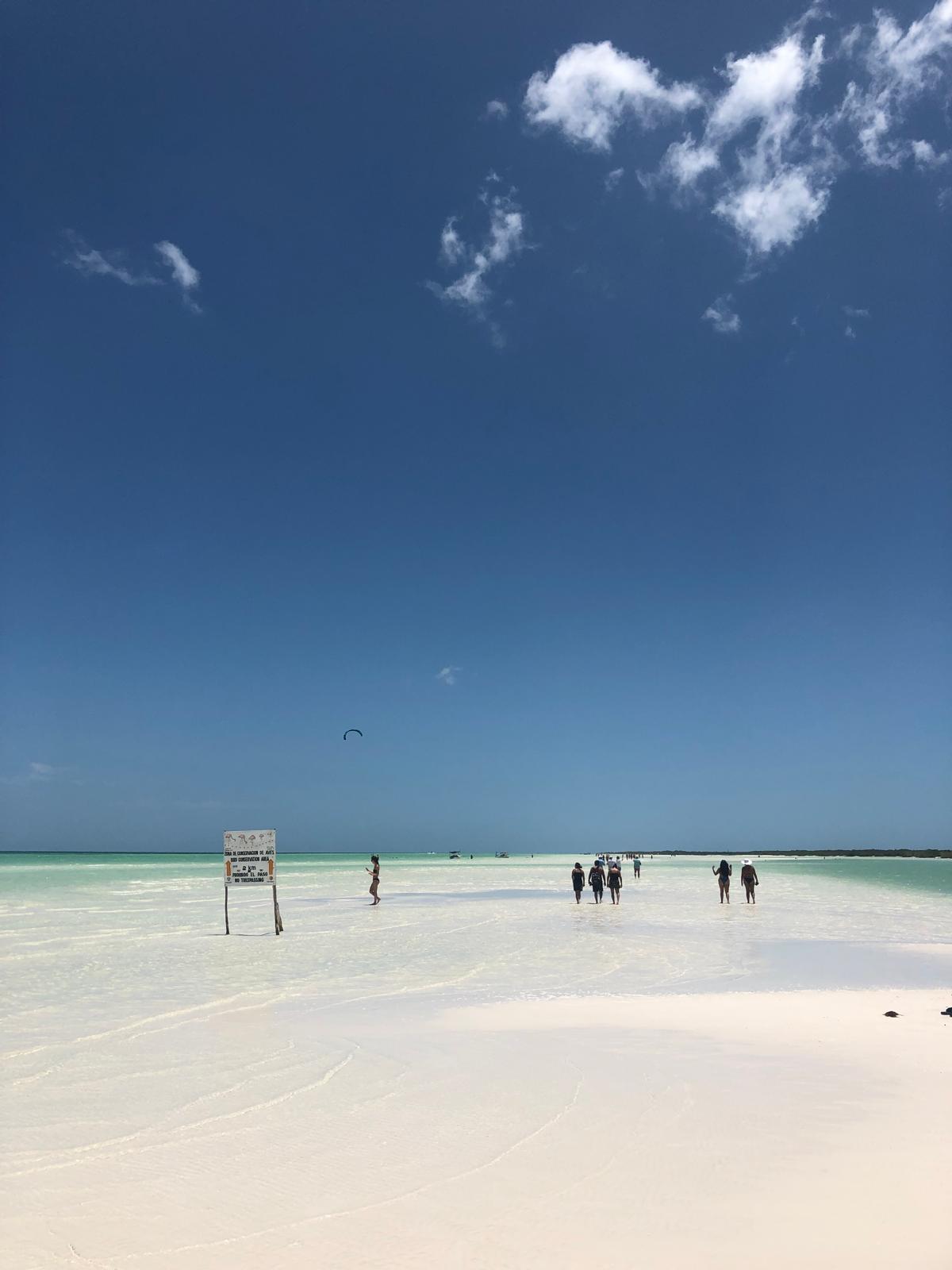
Day 29: Holbox / sandbars, beach time and laid-back island evening

Day 30: Holbox → Valladolid / bus south, settle into the colonial centre

Day 31: Valladolid / Chichén Itzá at sunrise

Day 32: Valladolid / cenote day, Calzada de los Frailes in the evening

Day 33: Valladolid → Mérida / colonial centre, Yucatán food and final night

Day 34: Fly out from Mérida or Cancún

Day-by-day itinerary
Days 1–5: Mexico City, Capital of Culture

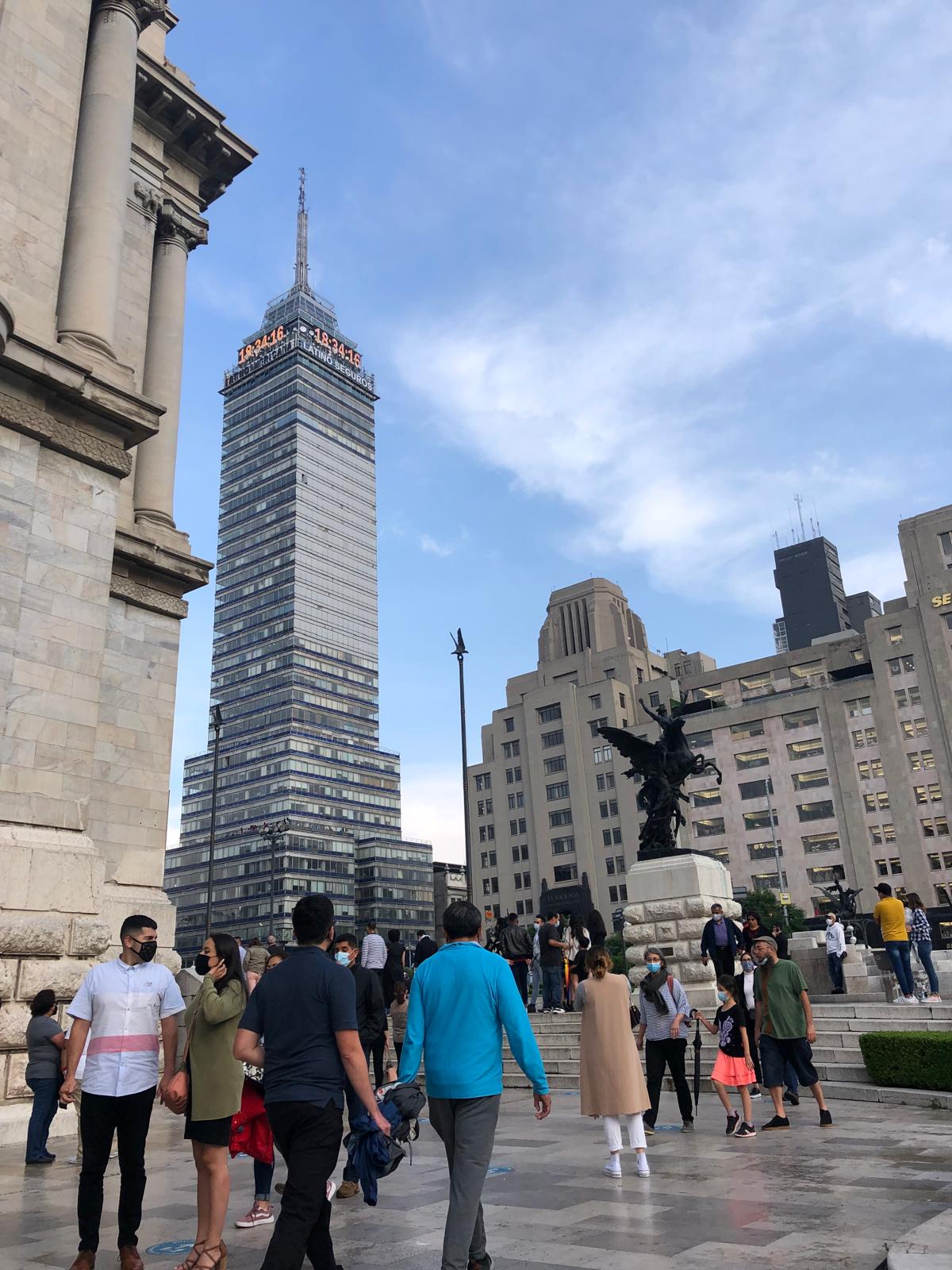
The journey begins in Mexico City (CDMX), a metropolis layered with centuries of history. The Zócalo, one of the world’s largest plazas, sits above the ruins of the Aztec Templo Mayor, symbolising how the city’s old and new coexist. Start with a free walking tour to understand the layout and stories behind the Catedral Metropolitana and Palacio Nacional, where Diego Rivera’s murals depict Mexico’s political and social struggles.

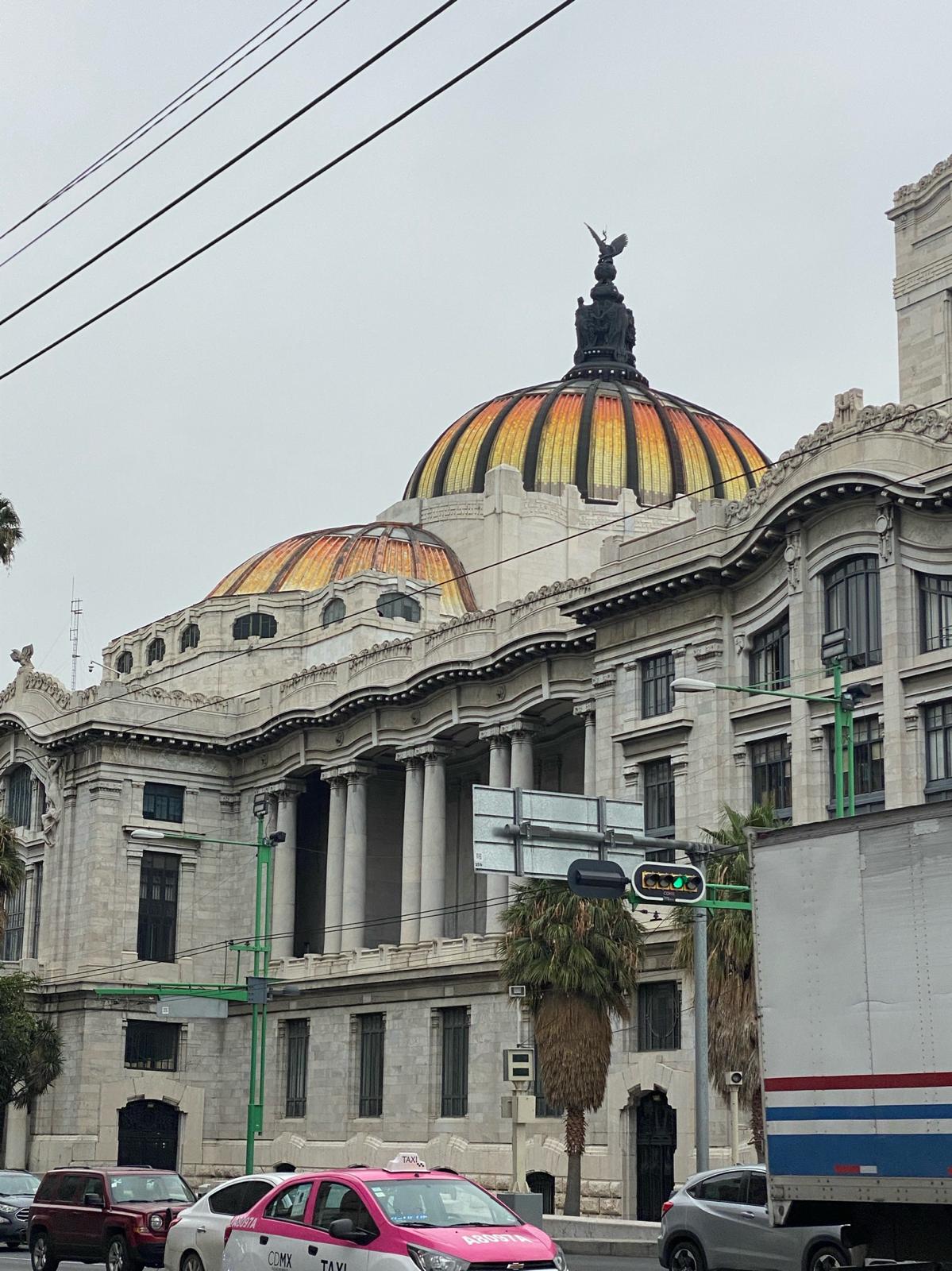
Wander the Alameda Central and step inside the Palacio de Bellas Artes, its walls lined with Rivera, Siqueiros, and Orozco, the artists who redefined national identity through paint. Spend an afternoon in Chapultepec Park, visiting the National Museum of Anthropology, the country’s most important museum and an essential introduction to Mexico’s pre-Columbian cultures.

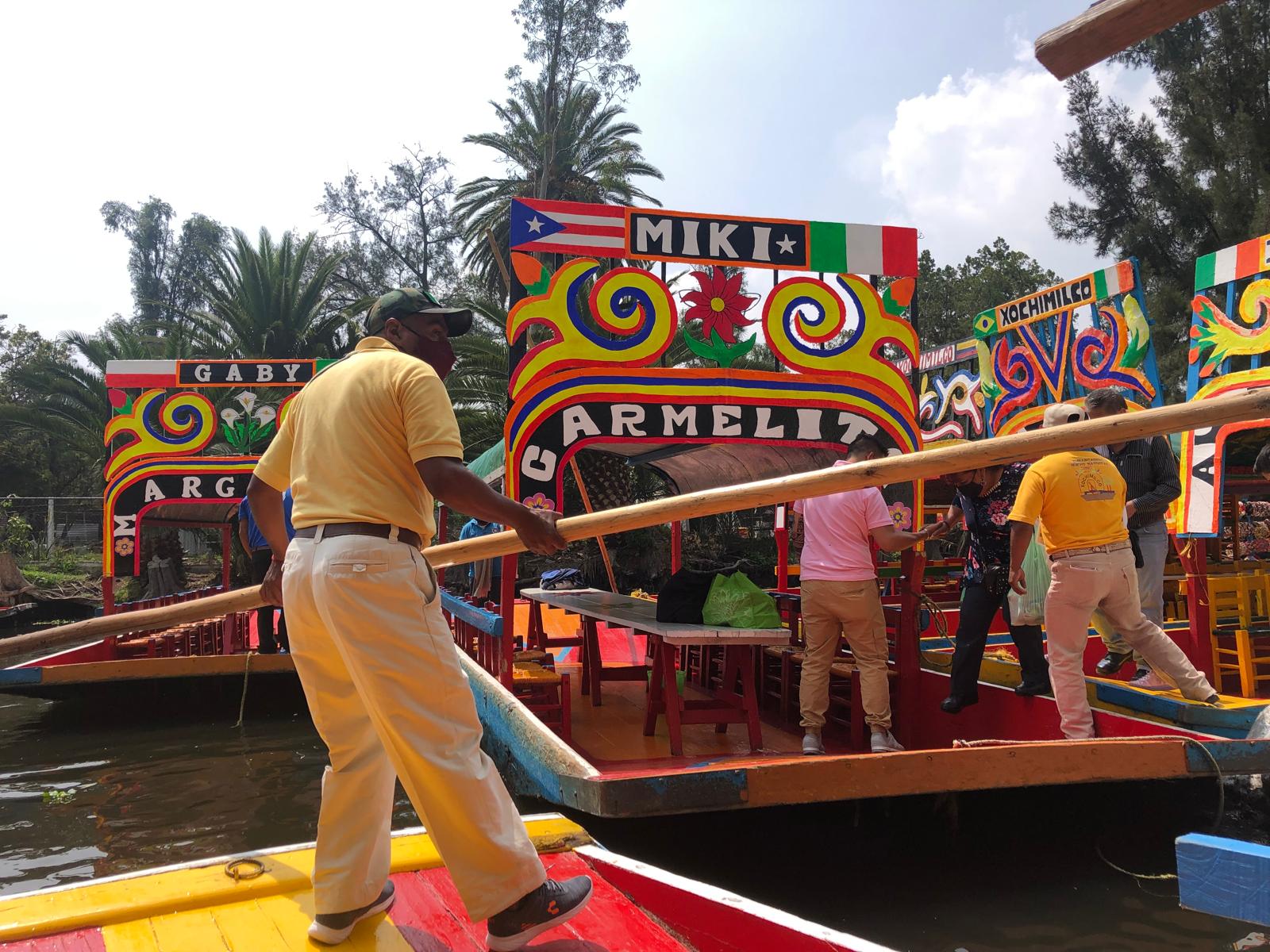
Beyond the city’s grandeur are its neighbourhoods: Roma and Condesa for cafés and tree-lined walks; Coyoacán for Frida Kahlo’s Casa Azul, León Trotsky’s house, and colourful plazas. Sundays bring boats and music to Xochimilco, where locals rent trajineras (flat-bottomed punts) to float through canals lined with floating gardens and mariachis. End evenings with tacos from Los Cocuyos, cocktails at Xaman, or music in Garibaldi Square, lively and best visited with friends.

A great day trip takes you to Teotihuacan, a UNESCO World Heritage archaeological complex featuring the massive Pyramid of the Sun and Pyramid of the Moon, built around 100-200 AD. The site is famous for its "Avenue of the Dead" axis and towering, stepped structures, offering insights into a Pre-Columbian city that was once one of the largest in the world.

Days 1–5: Mexico City, Capital of Culture

The journey begins in Mexico City (CDMX), a metropolis layered with centuries of history. The Zócalo, one of the world’s largest plazas, sits above the ruins of the Aztec Templo Mayor, symbolising how the city’s old and new coexist. Start with a free walking tour to understand the layout and stories behind the Catedral Metropolitana and Palacio Nacional, where Diego Rivera’s murals depict Mexico’s political and social struggles.

Wander the Alameda Central and step inside the Palacio de Bellas Artes, its walls lined with Rivera, Siqueiros, and Orozco, the artists who redefined national identity through paint. Spend an afternoon in Chapultepec Park, visiting the National Museum of Anthropology, the country’s most important museum and an essential introduction to Mexico’s pre-Columbian cultures.

Beyond the city’s grandeur are its neighbourhoods: Roma and Condesa for cafés and tree-lined walks; Coyoacán for Frida Kahlo’s Casa Azul, León Trotsky’s house, and colourful plazas. Sundays bring boats and music to Xochimilco, where locals rent trajineras (flat-bottomed punts) to float through canals lined with floating gardens and mariachis. End evenings with tacos from Los Cocuyos, cocktails at Xaman, or music in Garibaldi Square, lively and best visited with friends.

A great day trip takes you to Teotihuacan, a UNESCO World Heritage archaeological complex featuring the massive Pyramid of the Sun and Pyramid of the Moon, built around 100-200 AD. The site is famous for its "Avenue of the Dead" axis and towering, stepped structures, offering insights into a Pre-Columbian city that was once one of the largest in the world.

Button Text
Day 6: Puebla, Colonial Charm and Sweet Streets

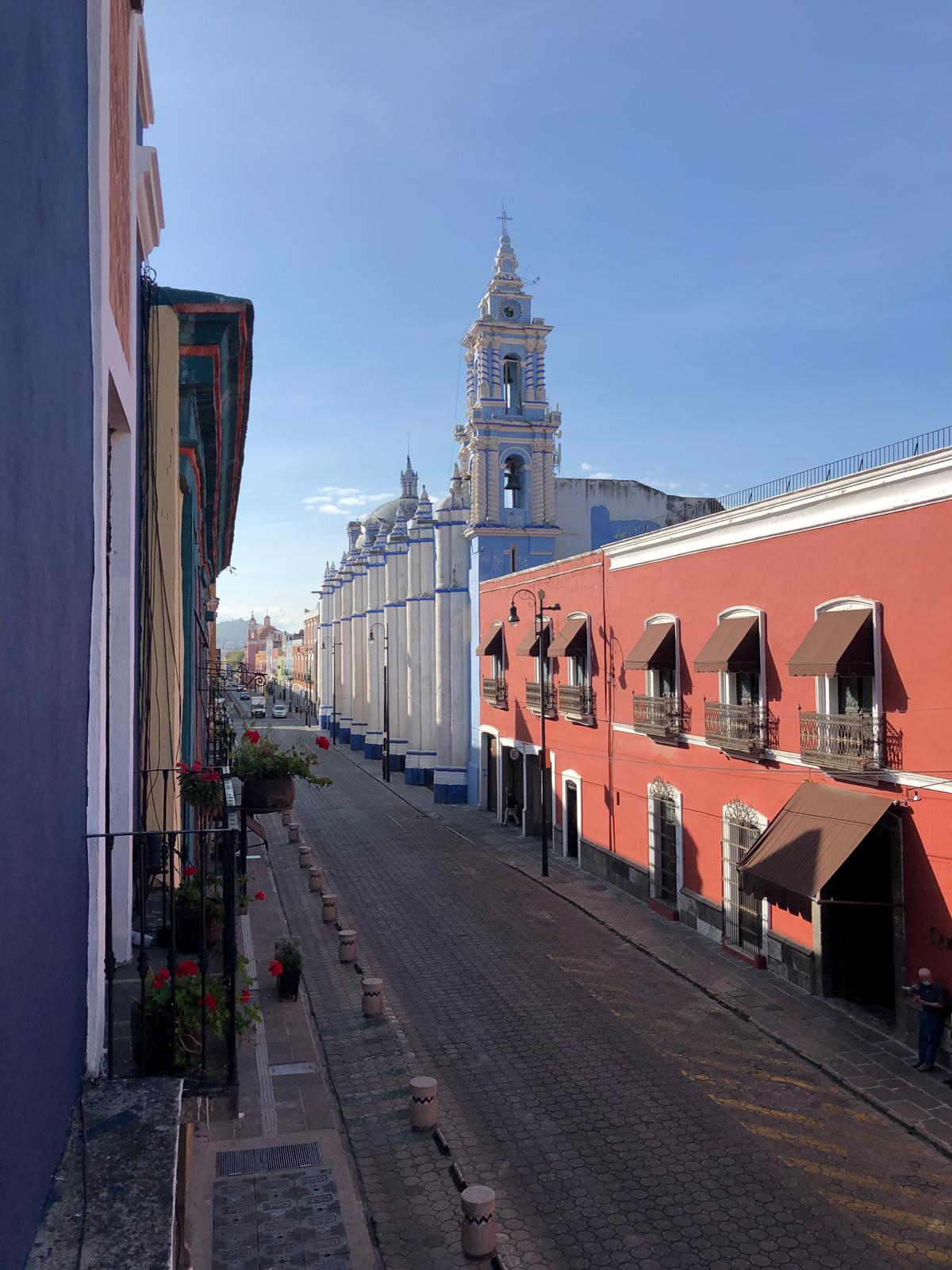
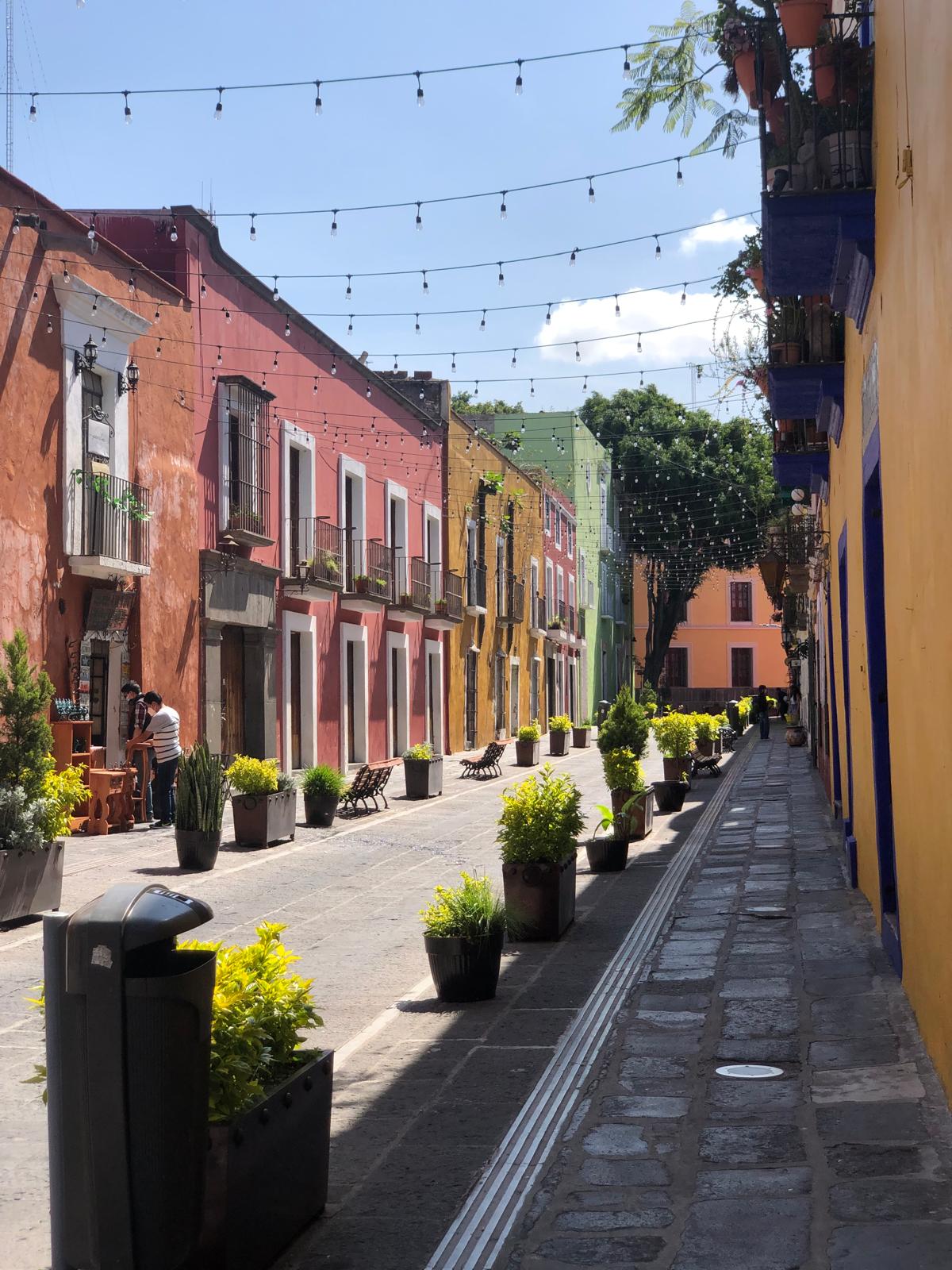
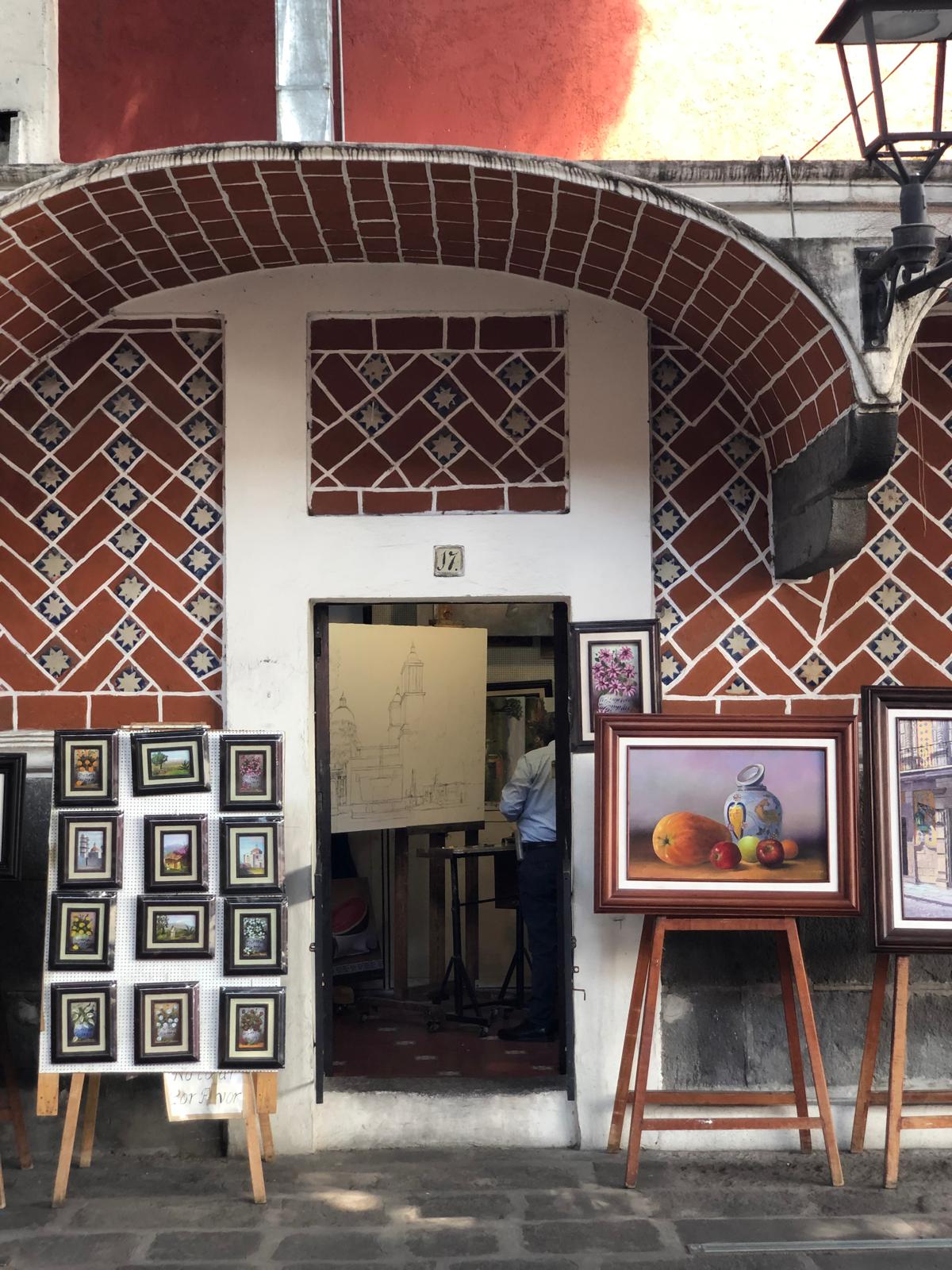
Two hours east of Mexico City, Puebla blends colonial architecture and calm plazas beneath snow-tipped volcanoes. A short stay allows a walking tour through the historic centre, tiled facades, grand churches, and the 17th-century Biblioteca Palafoxiana, one of the oldest public libraries in the Americas. Try local tortas and chiles en nogada before leaving; one night is perfect for a pause between capitals.

Days 7–11: Oaxaca, Where Mexico’s Traditions Live On

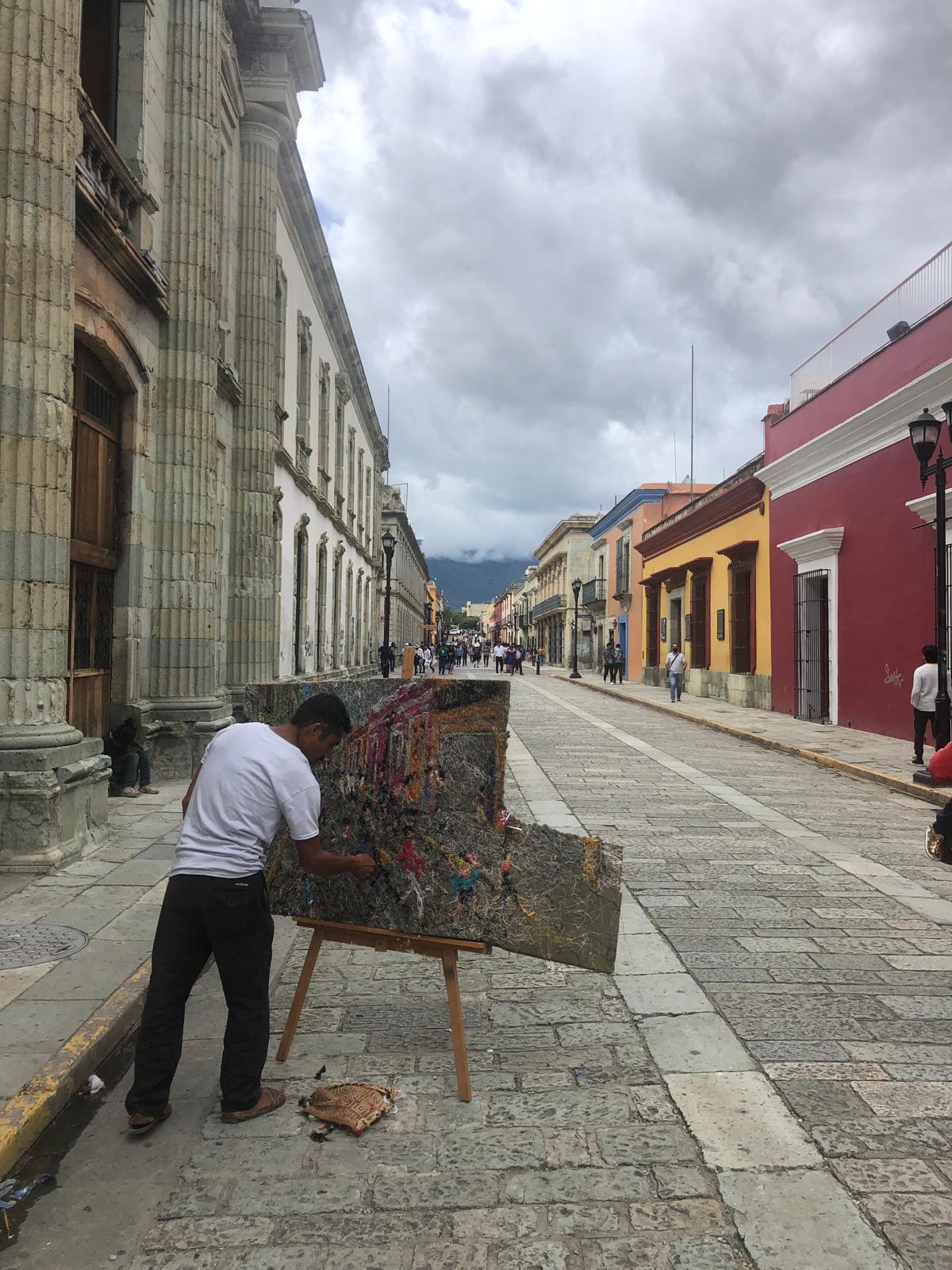
Oaxaca's rhythm is slower, its air filled with woodsmoke and the scent of chocolate. Begin with a free walking tour that introduces its layered identity, Zapotec, Mixtec, and Spanish influences shaping its art and architecture. The markets are unmissable: Benito Juárez and 20 de Noviembre, where stalls overflow with mole paste, chapulines (grasshoppers), and smoky grilled meats.

Spend a morning at Monte Albán, the mountaintop capital of the Zapotec civilisation, built 2,000 years ago with terraces that overlook the entire valley. Return for a cooking class or mezcal tasting, learning the slow process of roasting agave hearts in earth pits before distilling. For an unusual spiritual experience, take part in a temazcal ceremony (traditional steam ritual) with a shaman at Casa Las Máscaras, led by locals who keep the custom alive.

A day trip to Hierve el Agua reveals mineral pools perched above deep valleys, go early to avoid crowds. Evenings belong to the cafés and mezcalerías along the pedestrian Andador Macedonio Alcalá.

Days 12–13: San José del Pacífico, A Pause in the Clouds

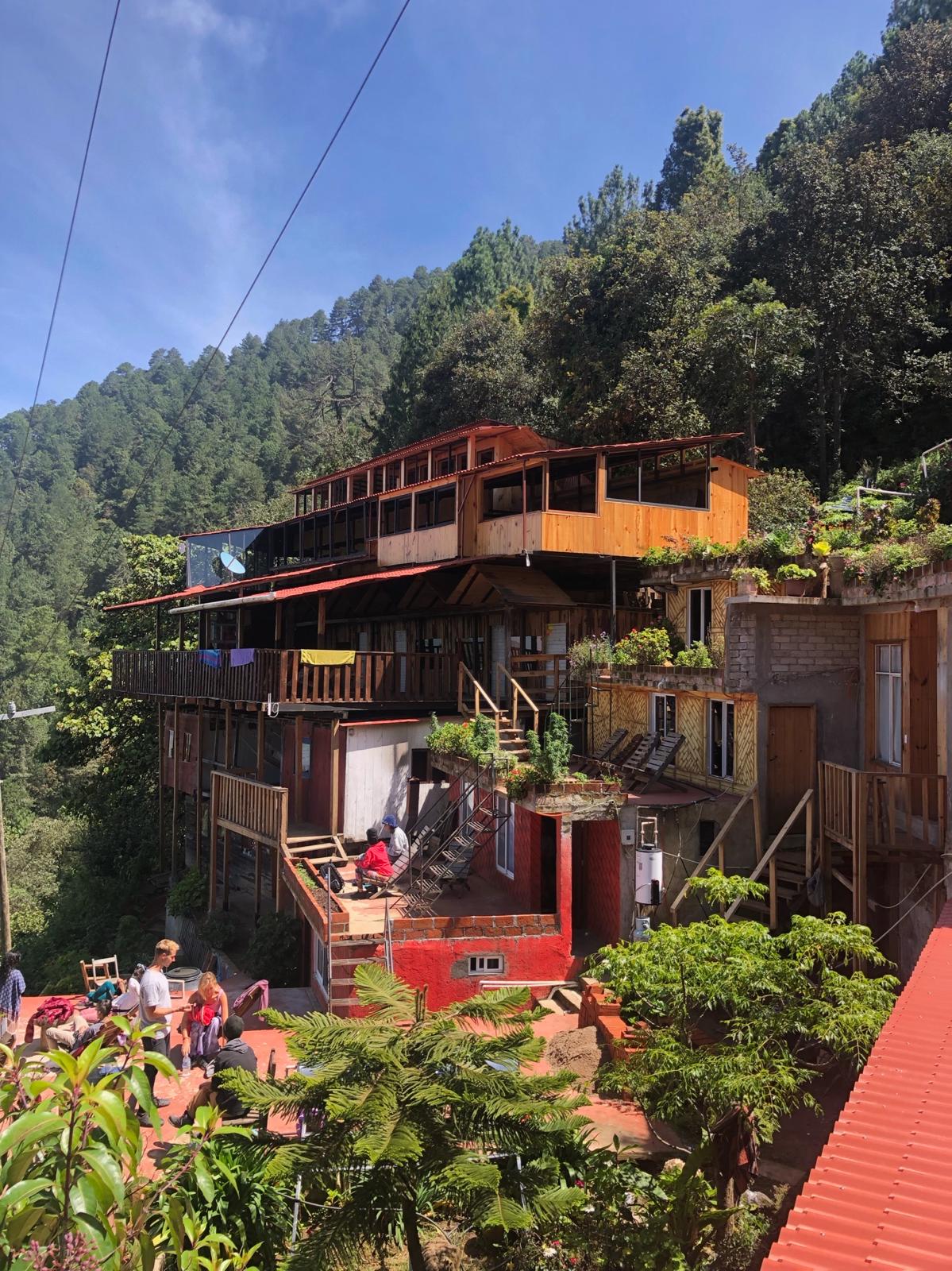
Take a collectivo through the Sierra Madre del Sur to San José del Pacífico, a small mountain village wrapped in cloud forest. Days are cool and quiet, time for short hikes to viewpoints, reading by a fire, and watching the mist roll through pine trees. It’s a short stop that can be skipped if needed. The go to accommodation here is Cabana La Cumbre, offering remote bubble huts in the jungle. Hikes start from just behind the hotel and are clearly delineated.

Days 14–17: Puerto Escondido, The Pacific Coast

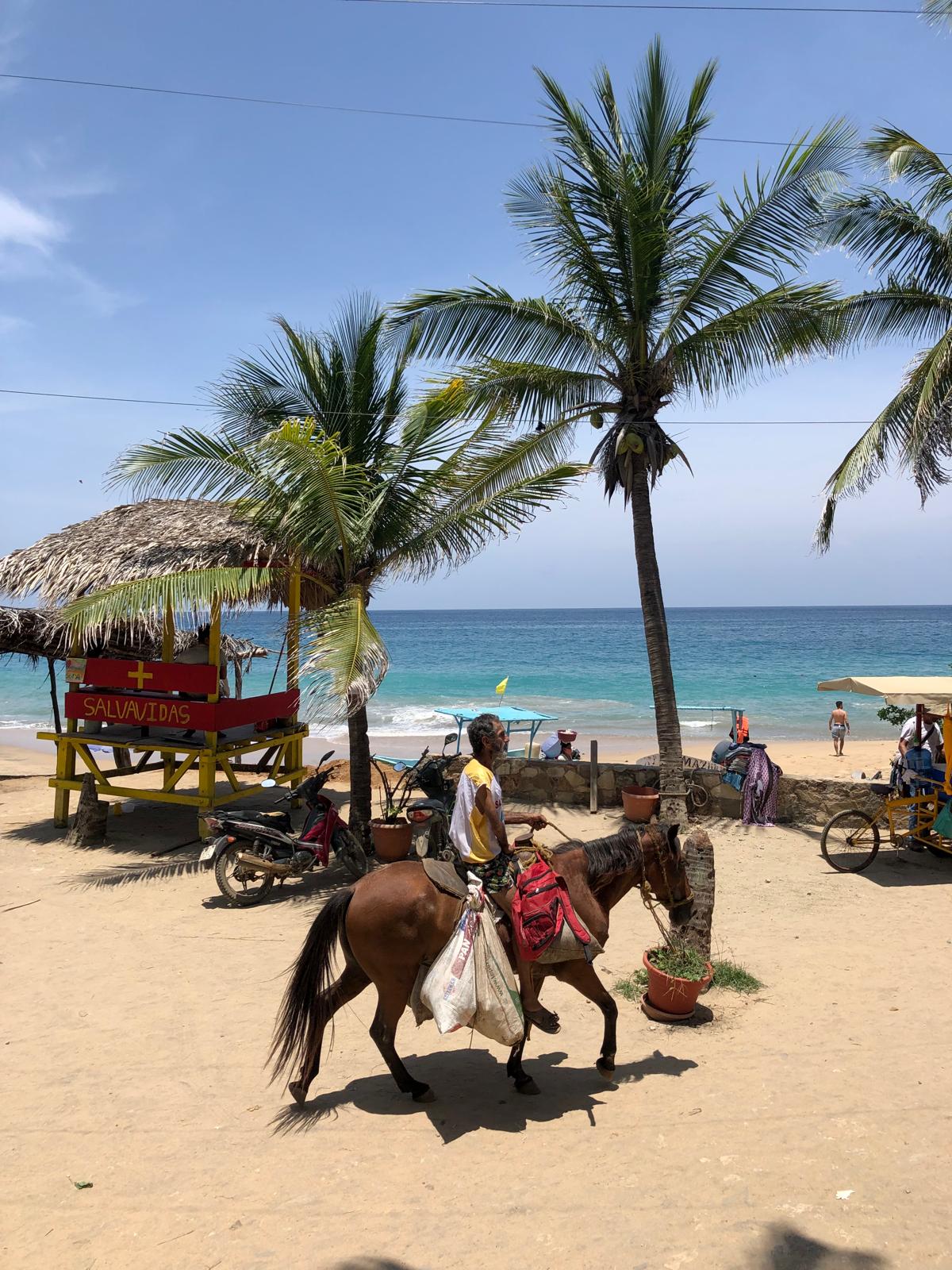
Descending from mountains to sea, Puerto Escondido offers surf and sunsets in equal measure. Stay near La Punta (the social hostel is Bonita Escondida), a relaxed beach neighbourhood with hostels and small cafés. Surfing lessons are easy to find, and even beginners can ride gentle breaks here.

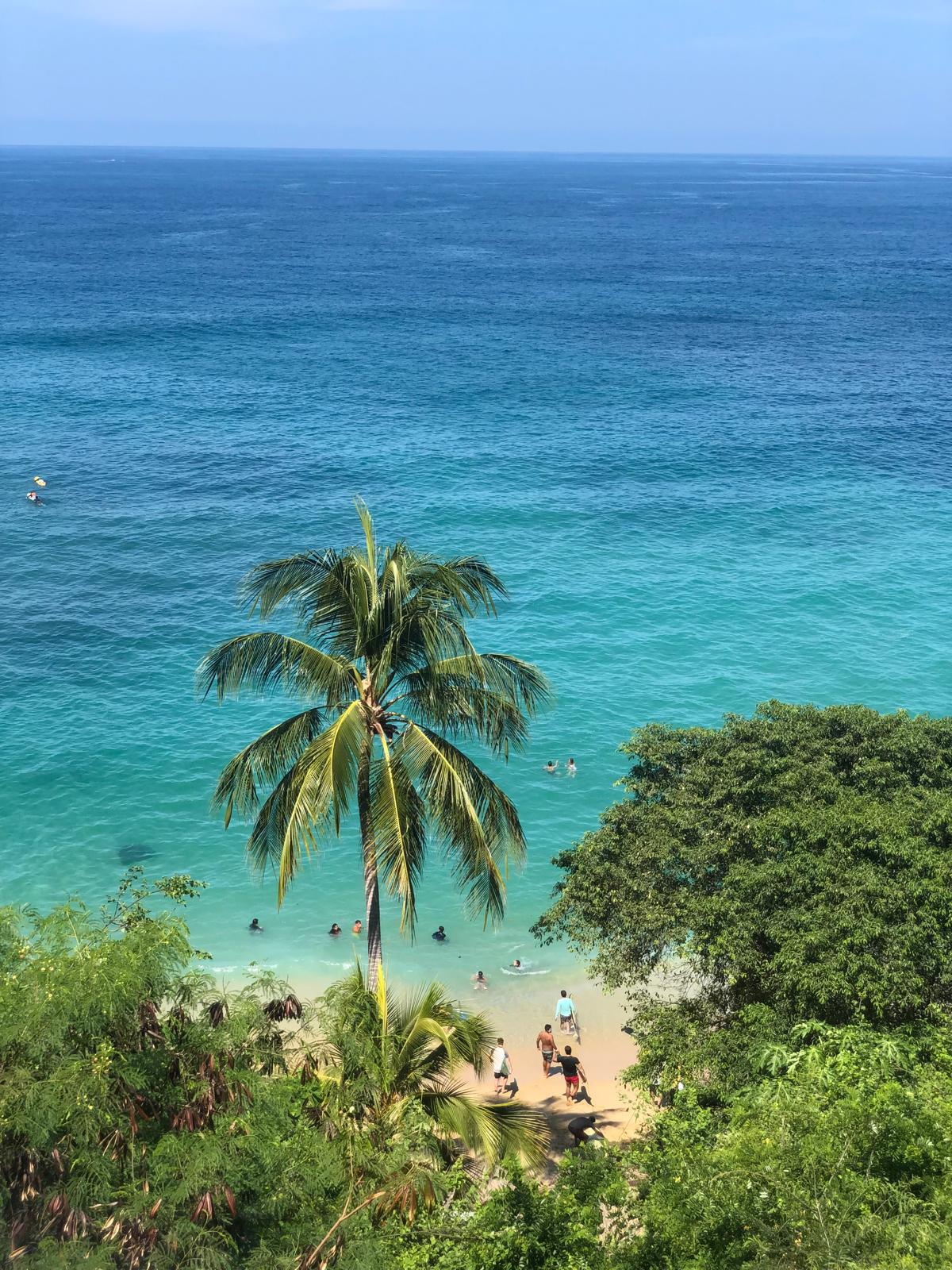
Spend afternoons beach-hopping by moped or taxi: Playa Carrizalillo for swimming, Playa Bacocho for sunsets and open-air bars, and Playa Manzanillo for laid-back seafood lunches. On calm nights, take a bioluminescence tour, the lagoon glows around each movement.

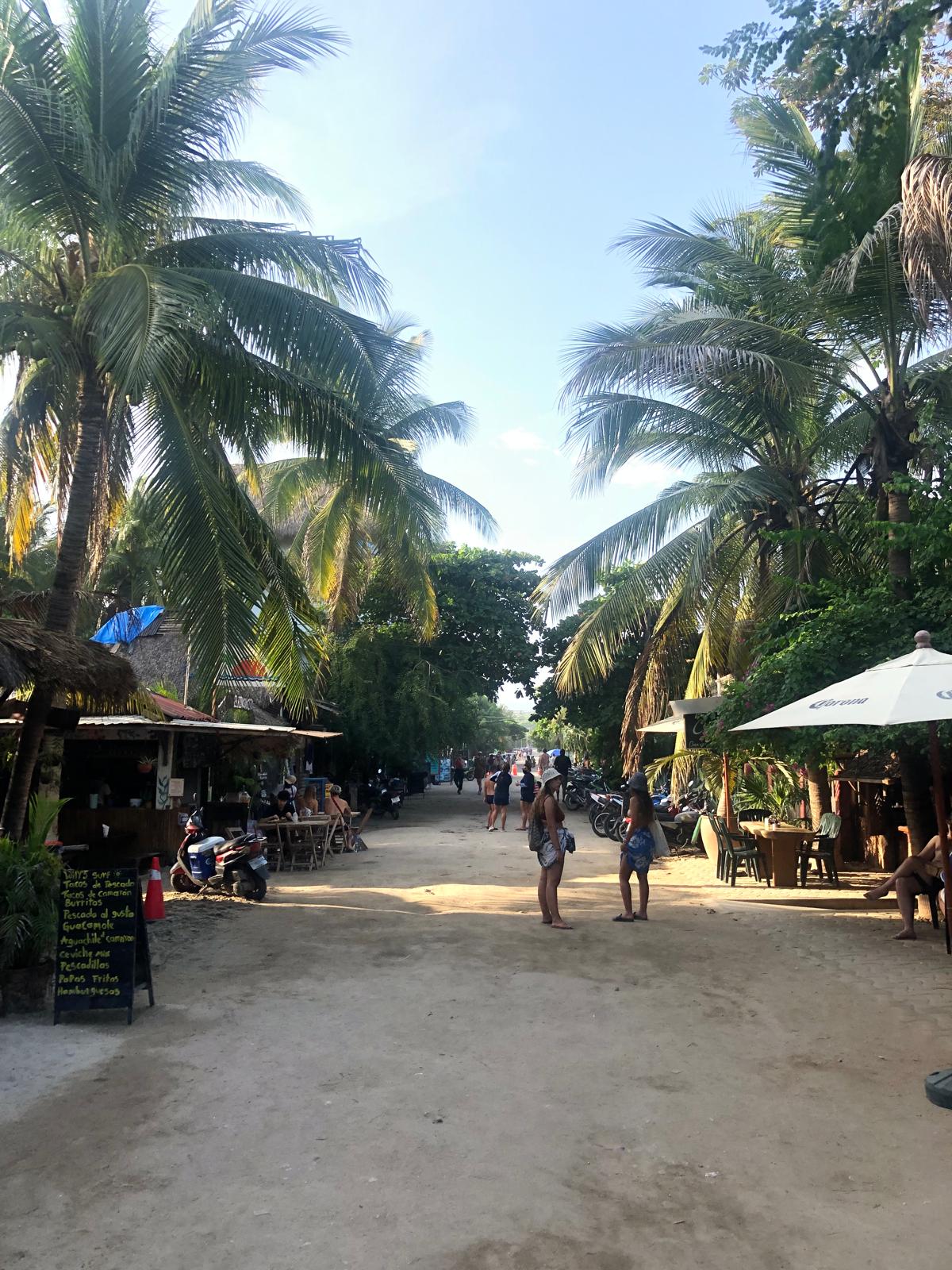
Spend evenings along the La Punta main road, which is filled with restaurants (Alaburger, Fish Shack, Chicama, Persia) and unofficial beach parties.

Nearby beach towns worth visiting for the day include Mazunte and Zipolite, offering a relaxed, bohemian vibe. Mazunte is a tranquil "Pueblo Mágico" famous for yoga, turtle conservation, and sunsets at Punta Cometa. Zipolite features Mexico’s only legal nude beach and a lively LGBTQ+ friendly atmosphere

Days 18–20: San Cristóbal de las Casas, Culture in the Highlands

Further east, the highlands of Chiapas bring cooler nights and deeper traditions. An overnight ADO bus takes you to from Puerto Escondido to San Cristóbal de las Casas , a colonial town where cobbled streets slope toward mountain views and markets fill with textiles. A walking tour introduces its history, independence struggles, Zapatista movements, and Mayan roots that remain visible in its daily life.

Visit San Juan Chamula, a nearby Tzotzil village, to see how Catholicism and indigenous spirituality intertwine in one of Mexico’s most unique churches: candles, pine needles, and incense form the backdrop for prayers spoken in ancient languages and live chicken sacrifices.

Another day trip leads to Sumidero Canyon, where boats glide beneath 1,000-metre limestone cliffs inhabited by crocodiles and herons. If time allows, head to El Chiflón Waterfalls, turquoise and cinematic in the forest. Evenings in town are best spent with a glass of wine at Vino de Bacco or a view from Kinoki café.

Day 21: Palenque, Jungle Ruins

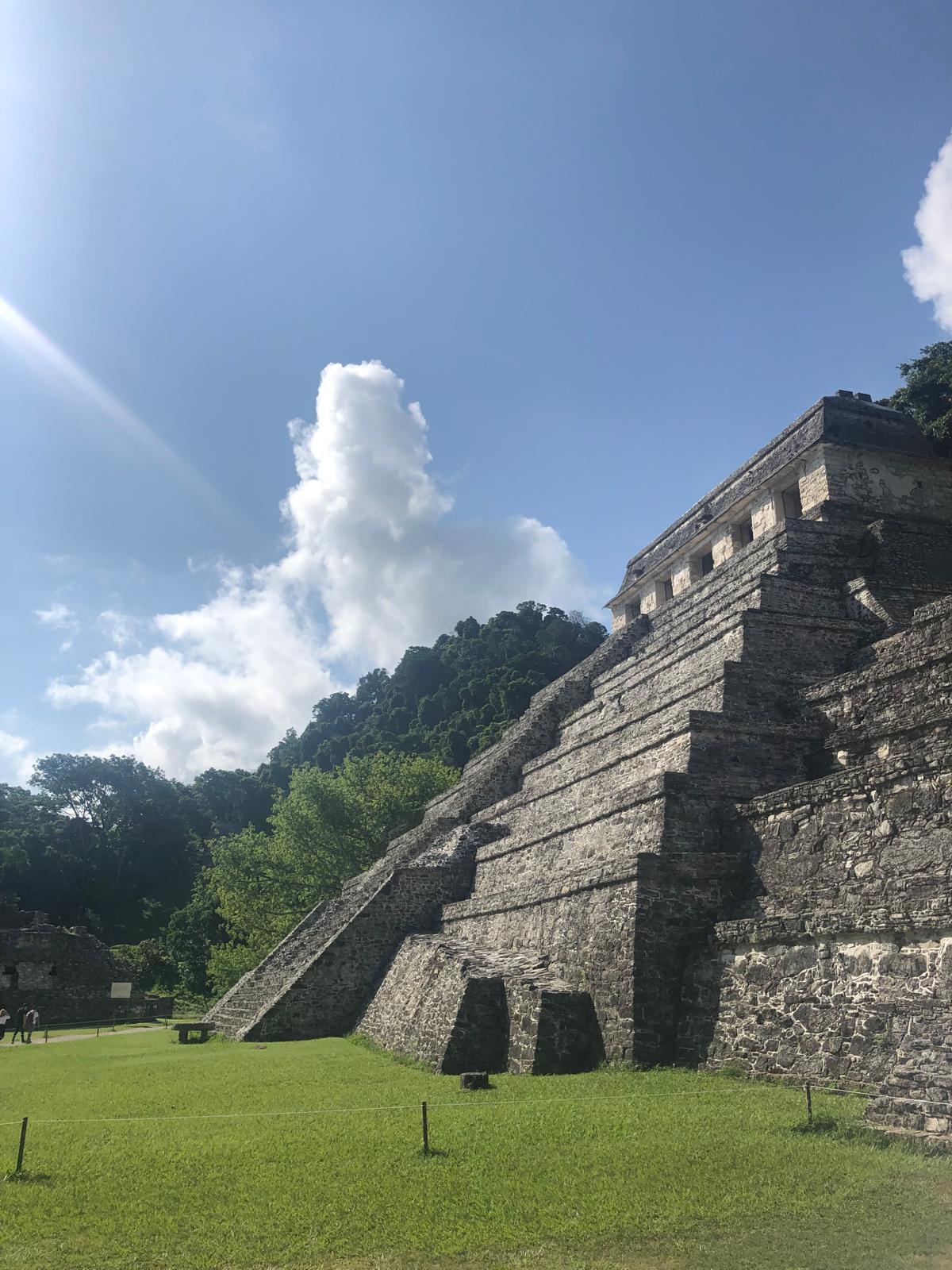
An overnight ADO bus takes you to Palenque. Palenque is one of the most striking Mayan sites in Mexico, temples rising out of thick jungle, their carved reliefs depicting rulers and deities from the 7th century. Visit early before the heat builds, and combine it with a swim at Misol-Há or Agua Azul, waterfalls nearby that offer welcome relief after a day of exploration. Don't sleep here - another overnight ADO bus takes you to Tulum.

Days 22–24: Tulum, Cenotes and Ruins

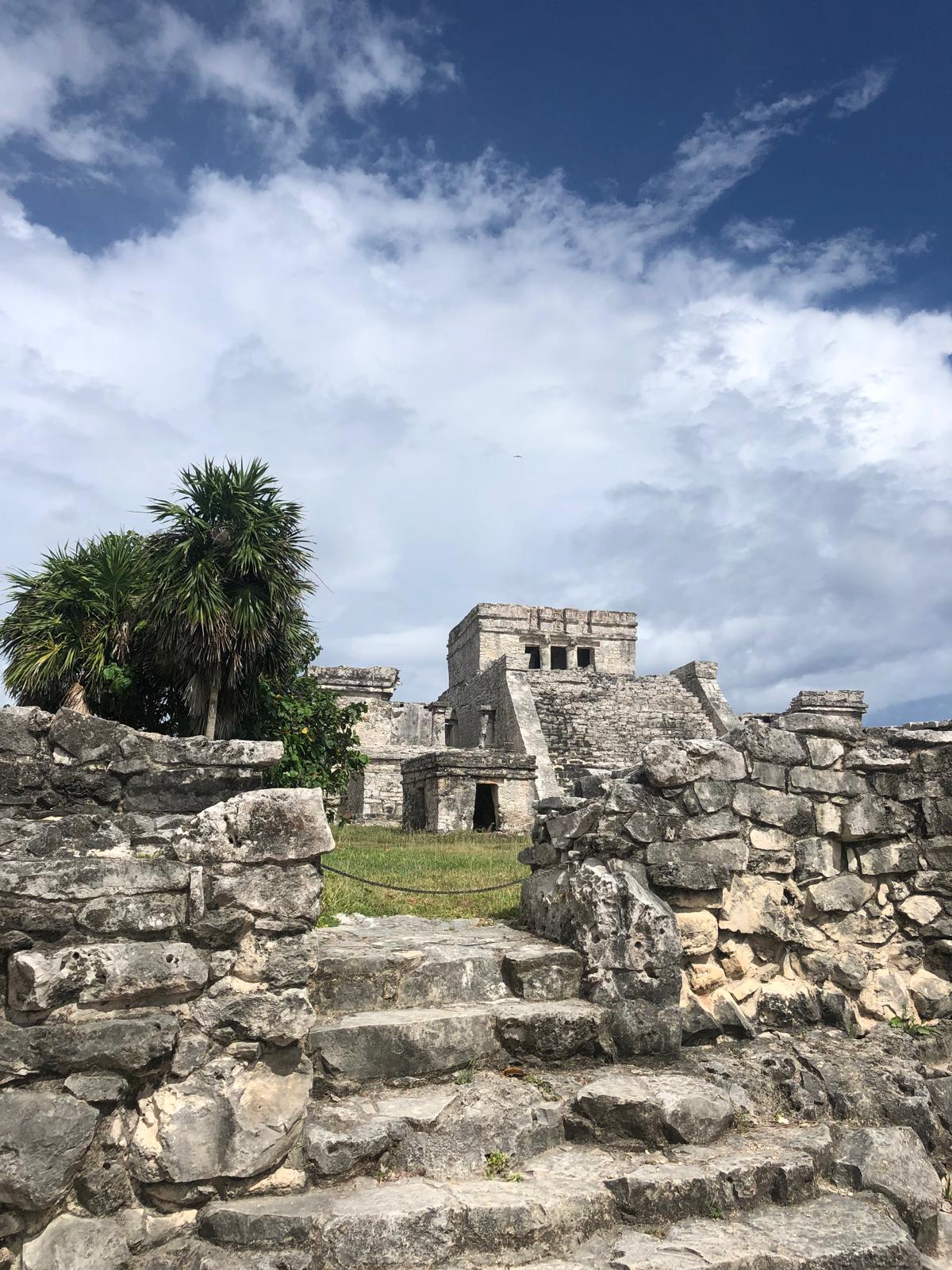
Tulum sits on the Caribbean, where jungle meets turquoise sea. Visit the Tulum Archaeological Site early in the morning to walk ancient coastal temples before the crowds. The nearby cenotes, natural limestone sinkholes filled with fresh water, are a highlight of the region. The best cenotes we visited were Dos Ojos (slightly further away but more untouched and inside a Mayan community), Carwash (best for swimming), and Gran Cenote (turtles but more touristy).

Rent a bicycle to move between the town, beaches, and cenotes, stopping for seafood at El Camello Jr. or sunset at Mateo’s.

Days 25–27: Bacalar, the Lagoon of Seven Colours

An ADO bus south takes you to Bacalar, a quieter, slower town built around a vast freshwater lagoon famous for shifting through seven shades of turquoise and blue depending on the light.

Spend your days on the water. Walk through CATCH's restaurant to their jetty and swim for free, or arrange a sunrise paddle or a catamaran trip from the huts near the main hostels. Los Rapidos, a stretch of natural river rapids a short tuk-tuk ride from town, is one of the best afternoons on the whole route: float, swim, and drink a cold beer with your feet still in the current.

Many of the lake-facing hostels close their water activities one day a week (Wednesday, more often than not), so check ahead and build a flexible day into your stay rather than assuming every day will look the same. Evenings are unhurried: a lakeside dinner at La Playita if you want to treat yourself, or cheap tacos and a Yak Lake party if the hostel scene is running that night.

Day 28: Bacalar to Holbox

This is the longest travel day of the trip: a shuttle or bus north back towards Cancún, then on to Chiquilá for the ferry across to Isla Holbox. It is a full day of movement, so treat it as a transit day rather than trying to fit anything else in. Leave Bacalar early.

Days 29: Holbox, Island Rhythm

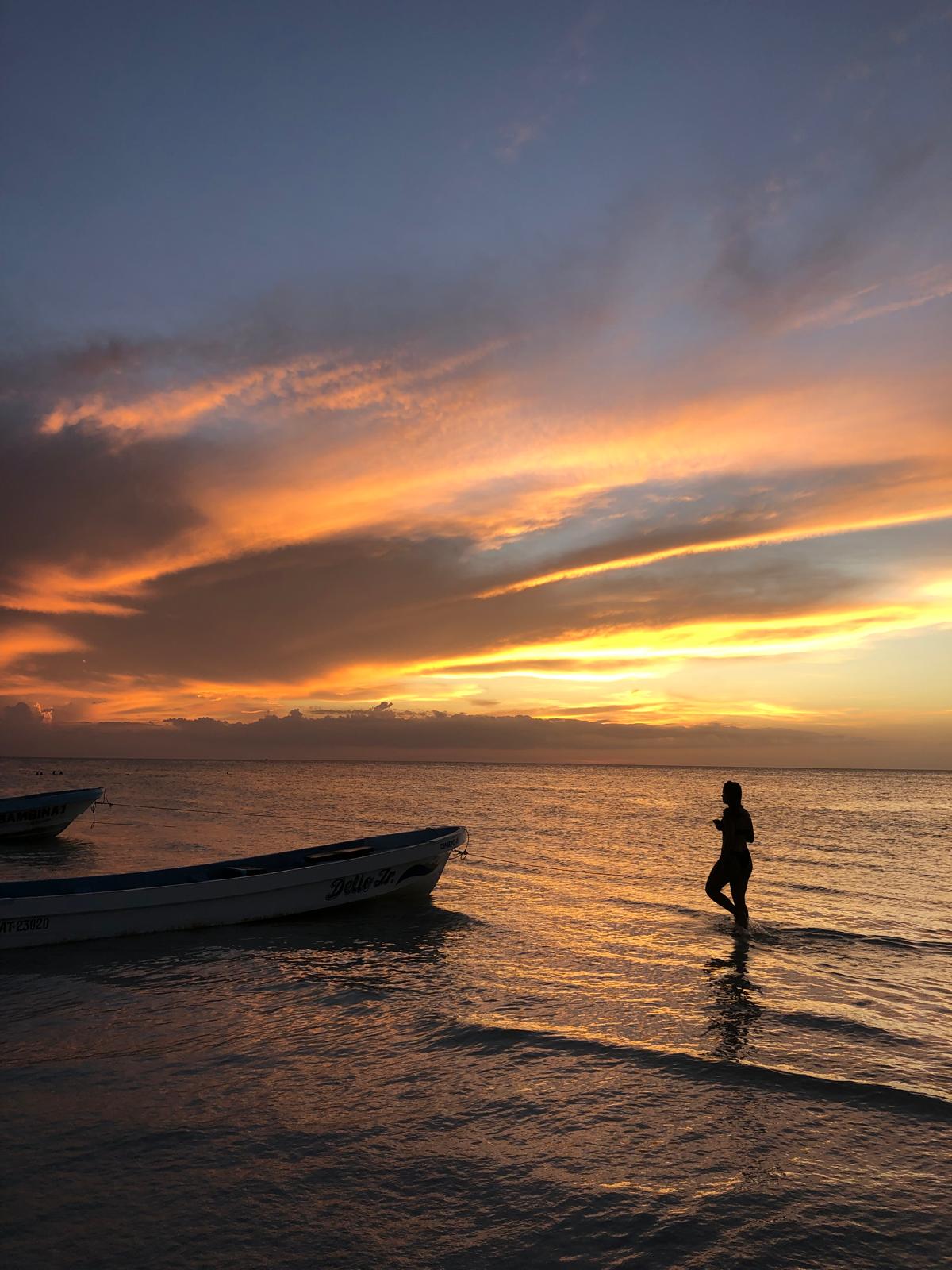
Isla Holbox is car-free and known for its relaxed pace. Walk along Punta Mosquito to sandbars where flamingos feed, or rent a golf cart to drive around the island and its various beaches. Between May and September, ethical tours offer the chance to swim alongside whale sharks, the gentle giants of the Caribbean.

Evenings bring music to the main square, where locals and travellers gather at the "Hot Corner" before drifting toward the beach to watch the sunrise. It's simple, communal, and a strong contender for the best meal of the trip if you make it to Barba Negra for tacos beforehand.

Days 30–32: Valladolid, the Quiet Heart of the Yucatán

Take the ferry back to Chiquila and a bus south brings you to Valladolid, a colonial town that gives you everything Tulum once offered before it became Tulum: cobbled streets, pastel facades, a real town centre, and a fraction of the crowds. Calzada de los Frailes is the street to walk in the evening, lined with restaurants and cafés under string lights.

Use one full day for Chichén Itzá. Leave as early as you can, ideally by 7:30am with a shared taxi, to see the pyramids before the heat and the coach tours from Cancún arrive; by 11am the site is uncomfortable and overrun.

Use a second day for cenotes: this region has some of the best in the Yucatán, and splitting a taxi with other travellers to visit two or three (Palomitas and X'canahaltún are quieter; the swing cenote nearby is more commercialised but photogenic) is the easiest way to do it. Arrive by 10am for the best light and the fewest people.

Day 33: Mérida, Yucatán's Colonial Heart

The final stop, Mérida, is the capital of the Yucatán, elegant and calm after weeks of movement. The Museo de Antropología e Historia traces Maya civilisation from its beginnings, while the Museo de la Gastronomía Yucateca explains local dishes like cochinita pibil and lime soup. Dinner at La Chaya Maya is a fitting last meal.

Day 34: Fly Out

Fly from Mérida or Cancún.

In pictures

No items found.

Traveller suggestions

Accomodation

This was a backpacking trip, so accommodation is budget, unless otherwise noted.
Mexico City / CDMX

Casa Pepe Hostel Boutique

Metro Hostal Boutique

Puebla

Hotel Boutique Casona 65

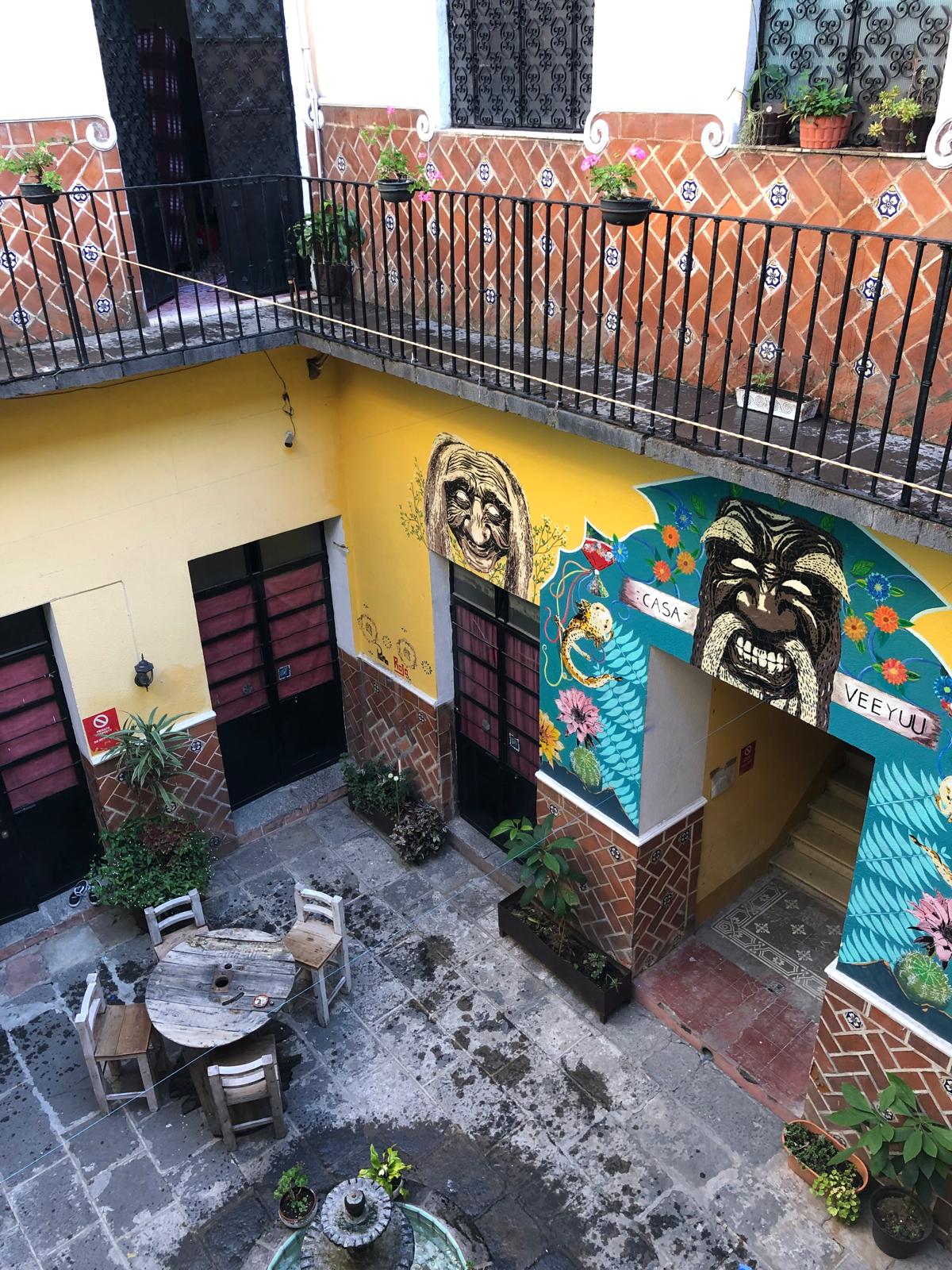
Posada Vee Yuu

Oaxaca

Casa Angel Hostel

Cabaña La Cumbre (in San José del Pacífico)

Puerto Escondido

Bonita Escondida

CHE Puerto Escondido

San Cristóbal de las Casas

Piedra Vieja Hostel

Posada del Abuelito

Tulum

CHE Tulum Hostel & Bar

Mayan Monkey Tulum

Oryx Hostel

Bacalar

CHE Hostel

Yak Lake House

Holbox

Tribu Hostel

CHE Holbox

Valladolid

Hostal Mamachá

Hostel Candelaria

Mérida

Che Nomadas Mérida

Casa Garza

Food & Drink

Mexico City / CDMX

Premium : Contramar (seafood splurge), Café de Tacuba (historic classic), La Ópera (grand)

Mid-tier : El Caguamo (seafood stalls), Tortas Been (tortas), Xaman (cosy cocktails), Bukowski (bohemian drinks), Terraza Gran Hotel (rooftop drinks), Café de Bellas Artes (pre/post-concert)

Budget: Tacos El Huequito (quick takeaway tacos), Garibaldi Square bars, Cocuyos

Puebla

Mid-tier : El Mural de los Poblanos (classic Poblano mole & chiles en nogada), Augurio

Budget : Cemitas from Mercado del Carmen

Oaxaca

Premium : Casa Oaxaca, Los Danzantes, Sabina Sabe

Mid-tier : Boulenc (sandwiches), Mezcaloteca, Cava Teviche

Budget : Mercado 20 de Noviembre & Benito Juárez market stalls

Puerto Escondido

Premium : Almoraduz

Mid-tier : Fish Shack, Chicama, Persia, Alaburger; Cobarde

Beach palapas around Manzanillo & cheap tacos and beers around La Punta are an easy find.

San Cristóbal de las Casas

Mid-tier : Vino de Bacco

Rest to be discovered. Please send in suggestions.

Tulum

Premium : Mateo’s, Safari

Mid-tier : El Camello Jr.

Budget : Taquería Honorio, Burrito Amor

Drinks : Batey's (cheap, fun, live music), Straw Hat Hostel bar (party hostel)

Bacalar

Mid-tier : Ajal (lunch ), La Playita (boujee seafood right on the lake)

Budget : Mr Taco (tacos, quesadillas and burritos), Barba Negra

Drinks : Yak Lake House (Wednesday Yak Lake party), CATCH (use their jetty for free)

Holbox

Roots Pizzas

La Barracuda

Tribú

Hot Corner

Painapol (brunch)

Barba Negra (tacos)

Cocos Beach (sundowners)

Bikini Bottom (evening drinks)

Valladolid

Mid-tier : La Kaat (veggie/vegan, atmospheric), De los Santos (local tacos, popular with travellers)

Budget : Mercado Municipal for local lunches

Calzada de los Frailes street has the best concentration of restaurants and cafés

Mérida

Museo de la Gastronomía Yucateca (MUGY)

La Chaya Maya

Reminders & Cautions

Transport: For this route, ADO and its partner lines cover most of the long-distance backbone across central, southern, and eastern Mexico, with online booking available and service to 120+ destinations including places like Mexico City, Puebla, Oaxaca, Tulum, and Cancún. For the longer overnight legs on this itinerary, it is worth paying a bit more for a higher-tier service when available: ADO Platino advertises reclining bed-style seats, individual entertainment, and food / drink, which makes a real difference on the night buses. For short urban hops, colectivos, taxis, Uber, and occasional bike rental are the practical mix depending on the stop.

Bookings: Frida Kahlo’s Casa Azul is one of the few places on this route you really should book in advance. The museum says there are no in-person ticket sales, and its official hours are Tuesday 10:00–18:00, Wednesday 11:00–18:00, Thursday–Sunday 10:00–18:00, and closed on Mondays. For Teotihuacan, an early start is still the smart move both for temperature and crowd reasons, and at the moment it is also worth checking access conditions close to your visit because site operations have recently been subject to tighter controls. For Tulum ruins and the big-name cenotes, opening time is usually the best window: cooler, quieter, and much easier for swimming or photos before day-trippers arrive.

Season: For this specific route, November to April is still the easiest all-round window, especially for combining inland cities with the Yucatán coast in one trip. On the Caribbean side, several travel sources describe November–April as the dry season / ideal weather window. If whale sharks are a priority for Holbox, the official season runs from May 15 to September 17. The trade-off is that the broader Caribbean / Yucatán hurricane season runs June through November, so late-summer travel can still work, but you want a little more weather flexibility.

Arrival-day planning: Mexico City sits at about 2,240 metres, so even if most travellers are completely fine, it is sensible not to overpack the first afternoon with anything too ambitious. Hydrate, take it easy on the drinking at first, and do not be surprised if the altitude makes the first day feel a little slower than expected.

Holbox logistics: The Chiquilá–Holbox ferry is frequent rather than difficult, but it is still worth not cutting it too fine. Holbox Express currently shows departures every hour from Chiquilá to Holbox from 6:30 to 21:30, with hours subject to change without notice. In practice, that means building in a bit of buffer if you are arriving off a long bus journey, especially late in the day.

Local movement: In Tulum, a bike is often the easiest way to move between town, cenotes, and some of the beach road, while in Puerto Escondido and San Cristóbal short taxi rides are usually the easiest option. In Holbox, the whole point is that things slow down: walking and golf-cart taxis do most of the work. That tends to be more pleasant than trying to over-engineer every movement.

Holbox ATM warning: ATMs on Holbox are temperamental with hefty withdrawal charge. Bring enough cash with you to Holbox to avoid relying on island ATMs.

Tulum safety: There are safety issues on the road between town and beach (police mugging incidents reported, do not walk it at night). Take taxis after dark, and consider basing in town rather than on the beach road if you want walking freedom.

Chichén Itzá: The easiest approach from Valladolid is splitting a taxi early (around 7:30am departure) to beat the heat and the cruise-ship crowds from Cancún. The site by 11 am is unbearable.

Cenotes near Valladolid: Going early (10 am) gives you cenotes almost to yourself; splitting a taxi with other travellers from a hostel. Palomitas and X'canahaltun are quieter; the swing cenote is more commercialised but photogenic.

image of vibrant dining space (for a mexican restaurant)

Holbox island life

An island with golf carts instead of cars, a bohemian lifestyle with bars and restaurants spilling onto roads and beaches, calm turquoise seas and the opportunity to go swimming with whale sharks.

image of a guided tour group

San Cristobal de las Casas

A vibrant, and culturally rich town, blending cool mountain air with slow-paced colonial charm, colourful cobblestone streets, strong indigenous traditions, a Zapatista independence movement, and a thriving arts scene.
image of a local tour guide (for a travel agency)

Mexico City: The Soul of Modern Mexico

A capital of history: from Aztec ruins and Rivera murals to street tacos and mariachi nights in Garibaldi Square, Mexico City enables you to understand all the various elements that make up Mexico through a proper cultural immersion.

Reminders from Collective travellers

Transport: For this route, ADO and its partner lines cover most of the long-distance backbone across central, southern, and eastern Mexico, with online booking available and service to 120+ destinations including places like Mexico City, Puebla, Oaxaca, Tulum, and Cancún. For the longer overnight legs on this itinerary, it is worth paying a bit more for a higher-tier service when available: ADO Platino advertises reclining bed-style seats, individual entertainment, and food / drink, which makes a real difference on the night buses. For short urban hops, colectivos, taxis, Uber, and occasional bike rental are the practical mix depending on the stop.

Bookings: Frida Kahlo’s Casa Azul is one of the few places on this route you really should book in advance. The museum says there are no in-person ticket sales, and its official hours are Tuesday 10:00–18:00, Wednesday 11:00–18:00, Thursday–Sunday 10:00–18:00, and closed on Mondays. For Teotihuacan, an early start is still the smart move both for temperature and crowd reasons, and at the moment it is also worth checking access conditions close to your visit because site operations have recently been subject to tighter controls. For Tulum ruins and the big-name cenotes, opening time is usually the best window: cooler, quieter, and much easier for swimming or photos before day-trippers arrive.

Season: For this specific route, November to April is still the easiest all-round window, especially for combining inland cities with the Yucatán coast in one trip. On the Caribbean side, several travel sources describe November–April as the dry season / ideal weather window. If whale sharks are a priority for Holbox, the official season runs from May 15 to September 17. The trade-off is that the broader Caribbean / Yucatán hurricane season runs June through November, so late-summer travel can still work, but you want a little more weather flexibility.

Arrival-day planning: Mexico City sits at about 2,240 metres, so even if most travellers are completely fine, it is sensible not to overpack the first afternoon with anything too ambitious. Hydrate, take it easy on the drinking at first, and do not be surprised if the altitude makes the first day feel a little slower than expected.

Holbox logistics: The Chiquilá–Holbox ferry is frequent rather than difficult, but it is still worth not cutting it too fine. Holbox Express currently shows departures every hour from Chiquilá to Holbox from 6:30 to 21:30, with hours subject to change without notice. In practice, that means building in a bit of buffer if you are arriving off a long bus journey, especially late in the day.

Local movement: In Tulum, a bike is often the easiest way to move between town, cenotes, and some of the beach road, while in Puerto Escondido and San Cristóbal short taxi rides are usually the easiest option. In Holbox, the whole point is that things slow down: walking and golf-cart taxis do most of the work. That tends to be more pleasant than trying to over-engineer every movement.

Holbox ATM warning: ATMs on Holbox are temperamental with hefty withdrawal charge. Bring enough cash with you to Holbox to avoid relying on island ATMs.

Tulum safety: There are safety issues on the road between town and beach (police mugging incidents reported, do not walk it at night). Take taxis after dark, and consider basing in town rather than on the beach road if you want walking freedom.

Chichén Itzá: The easiest approach from Valladolid is splitting a taxi early (around 7:30am departure) to beat the heat and the cruise-ship crowds from Cancún. The site by 11 am is unbearable.

Cenotes near Valladolid: Going early (10 am) gives you cenotes almost to yourself; splitting a taxi with other travellers from a hostel. Palomitas and X'canahaltun are quieter; the swing cenote is more commercialised but photogenic.

Reminders from Collective travellers

Transport: For this route, ADO and its partner lines cover most of the long-distance backbone across central, southern, and eastern Mexico, with online booking available and service to 120+ destinations including places like Mexico City, Puebla, Oaxaca, Tulum, and Cancún. For the longer overnight legs on this itinerary, it is worth paying a bit more for a higher-tier service when available: ADO Platino advertises reclining bed-style seats, individual entertainment, and food / drink, which makes a real difference on the night buses. For short urban hops, colectivos, taxis, Uber, and occasional bike rental are the practical mix depending on the stop.

Bookings: Frida Kahlo’s Casa Azul is one of the few places on this route you really should book in advance. The museum says there are no in-person ticket sales, and its official hours are Tuesday 10:00–18:00, Wednesday 11:00–18:00, Thursday–Sunday 10:00–18:00, and closed on Mondays. For Teotihuacan, an early start is still the smart move both for temperature and crowd reasons, and at the moment it is also worth checking access conditions close to your visit because site operations have recently been subject to tighter controls. For Tulum ruins and the big-name cenotes, opening time is usually the best window: cooler, quieter, and much easier for swimming or photos before day-trippers arrive.

Season: For this specific route, November to April is still the easiest all-round window, especially for combining inland cities with the Yucatán coast in one trip. On the Caribbean side, several travel sources describe November–April as the dry season / ideal weather window. If whale sharks are a priority for Holbox, the official season runs from May 15 to September 17. The trade-off is that the broader Caribbean / Yucatán hurricane season runs June through November, so late-summer travel can still work, but you want a little more weather flexibility.

Arrival-day planning: Mexico City sits at about 2,240 metres, so even if most travellers are completely fine, it is sensible not to overpack the first afternoon with anything too ambitious. Hydrate, take it easy on the drinking at first, and do not be surprised if the altitude makes the first day feel a little slower than expected.

Holbox logistics: The Chiquilá–Holbox ferry is frequent rather than difficult, but it is still worth not cutting it too fine. Holbox Express currently shows departures every hour from Chiquilá to Holbox from 6:30 to 21:30, with hours subject to change without notice. In practice, that means building in a bit of buffer if you are arriving off a long bus journey, especially late in the day.

Local movement: In Tulum, a bike is often the easiest way to move between town, cenotes, and some of the beach road, while in Puerto Escondido and San Cristóbal short taxi rides are usually the easiest option. In Holbox, the whole point is that things slow down: walking and golf-cart taxis do most of the work. That tends to be more pleasant than trying to over-engineer every movement.

Holbox ATM warning: ATMs on Holbox are temperamental with hefty withdrawal charge. Bring enough cash with you to Holbox to avoid relying on island ATMs.

Tulum safety: There are safety issues on the road between town and beach (police mugging incidents reported, do not walk it at night). Take taxis after dark, and consider basing in town rather than on the beach road if you want walking freedom.

Chichén Itzá: The easiest approach from Valladolid is splitting a taxi early (around 7:30am departure) to beat the heat and the cruise-ship crowds from Cancún. The site by 11 am is unbearable.

Cenotes near Valladolid: Going early (10 am) gives you cenotes almost to yourself; splitting a taxi with other travellers from a hostel. Palomitas and X'canahaltun are quieter; the swing cenote is more commercialised but photogenic.

Reminders from Collective travellers

Transport: For this route, ADO and its partner lines cover most of the long-distance backbone across central, southern, and eastern Mexico, with online booking available and service to 120+ destinations including places like Mexico City, Puebla, Oaxaca, Tulum, and Cancún. For the longer overnight legs on this itinerary, it is worth paying a bit more for a higher-tier service when available: ADO Platino advertises reclining bed-style seats, individual entertainment, and food / drink, which makes a real difference on the night buses. For short urban hops, colectivos, taxis, Uber, and occasional bike rental are the practical mix depending on the stop.

Bookings: Frida Kahlo’s Casa Azul is one of the few places on this route you really should book in advance. The museum says there are no in-person ticket sales, and its official hours are Tuesday 10:00–18:00, Wednesday 11:00–18:00, Thursday–Sunday 10:00–18:00, and closed on Mondays. For Teotihuacan, an early start is still the smart move both for temperature and crowd reasons, and at the moment it is also worth checking access conditions close to your visit because site operations have recently been subject to tighter controls. For Tulum ruins and the big-name cenotes, opening time is usually the best window: cooler, quieter, and much easier for swimming or photos before day-trippers arrive.

Season: For this specific route, November to April is still the easiest all-round window, especially for combining inland cities with the Yucatán coast in one trip. On the Caribbean side, several travel sources describe November–April as the dry season / ideal weather window. If whale sharks are a priority for Holbox, the official season runs from May 15 to September 17. The trade-off is that the broader Caribbean / Yucatán hurricane season runs June through November, so late-summer travel can still work, but you want a little more weather flexibility.

Arrival-day planning: Mexico City sits at about 2,240 metres, so even if most travellers are completely fine, it is sensible not to overpack the first afternoon with anything too ambitious. Hydrate, take it easy on the drinking at first, and do not be surprised if the altitude makes the first day feel a little slower than expected.

Holbox logistics: The Chiquilá–Holbox ferry is frequent rather than difficult, but it is still worth not cutting it too fine. Holbox Express currently shows departures every hour from Chiquilá to Holbox from 6:30 to 21:30, with hours subject to change without notice. In practice, that means building in a bit of buffer if you are arriving off a long bus journey, especially late in the day.

Local movement: In Tulum, a bike is often the easiest way to move between town, cenotes, and some of the beach road, while in Puerto Escondido and San Cristóbal short taxi rides are usually the easiest option. In Holbox, the whole point is that things slow down: walking and golf-cart taxis do most of the work. That tends to be more pleasant than trying to over-engineer every movement.

Holbox ATM warning: ATMs on Holbox are temperamental with hefty withdrawal charge. Bring enough cash with you to Holbox to avoid relying on island ATMs.

Tulum safety: There are safety issues on the road between town and beach (police mugging incidents reported, do not walk it at night). Take taxis after dark, and consider basing in town rather than on the beach road if you want walking freedom.

Chichén Itzá: The easiest approach from Valladolid is splitting a taxi early (around 7:30am departure) to beat the heat and the cruise-ship crowds from Cancún. The site by 11 am is unbearable.

Cenotes near Valladolid: Going early (10 am) gives you cenotes almost to yourself; splitting a taxi with other travellers from a hostel. Palomitas and X'canahaltun are quieter; the swing cenote is more commercialised but photogenic.

Journey adjustments

If you want a shorter version of this route, the easiest cuts are Puebla, San José del Pacífico, and Mérida.

Puebla is explicitly a one-night pause between capitals, San José del Pacífico is described in the route itself as a short stop that can be skipped, and Mérida works well as a final buffer rather than a core anchor. The spine I would preserve is Mexico City, Oaxaca, Puerto Escondido, San Cristóbal, Palenque, Tulum, and Holbox, because that gives you the strongest mix of big-city culture, highland traditions, Pacific coast, jungle ruins, cenotes, and Caribbean finish.

If you want to cut the longest transit strain, the first thing I would question is the San Cristóbal → Palenque → overnight bus to Tulum sequence.

Palenque is one of the most striking archaeological sites on the route, but in the current version it is treated almost as a transit stop rather than a place to properly stay. If you want the itinerary to feel less punishing, either drop Palenque and move straight toward Yucatán, or keep Palenque and add a proper overnight instead of forcing two long bus movements around it. That is the section most likely to feel logistically heavy.

If you want a less beach-heavy version, cut either Holbox or trim Tulum by a night.

Tulum brings the cenotes and the coastal ruins, while Holbox is more about rhythm, light, sandbars, and doing very little. If you are choosing between them, Tulum is the more structurally important stop because it adds archaeology and cenotes, whereas Holbox is the more optional decompression ending.

If you want a more relaxed pace overall, the best places to add time are Oaxaca, Puerto Escondido, and Holbox.

Oaxaca has enough depth for extra food, mezcal, market, and day-trip time; Puerto Escondido already has the right slower rhythm of surf, beach-hopping, and evenings in La Punta; and Holbox is the easiest place on the route to fully exhale at the end. Those stops absorb extra nights better than the more transit-heavy middle sections.

If you want a more culturally weighted version, keep the route focused on Mexico City, Oaxaca, San Cristóbal, and Palenque.

Those four stops give you the strongest concentration of museums, archaeology, indigenous traditions, markets, and historical texture. In that version, Puerto Escondido becomes the easiest major cut, because while it is fun and very liveable, it is there more for atmosphere and beach rhythm than for cultural density.

Collective travellers' testimonials

Mehrnaguiz - London, UK

"Holbox was the perfect ending to this trip. No cars, just beach, music and great seafood. Everything is walking distance and the vibe is very laid back. The water is crystal clear and the sunsets are insane. I would recommend going before it becomes commercial like the rest of Yucatan. For now, it is a bohemian paradise."

Isaac - London, UK

"I loved the anthropology museum of CDMX. Every room was so well curated and rich in history. I learnt a lot. Coupled with the nearby Chapultepec Park and a tacos stand dinner, this day gave me a true immersion into Mexico's past and present."

Edoardo - Milan, Italy

"San Cristobal de las Casas was the most interesting place for me. You could feel the separatist culture all around, as well as the different traditions, such as churches firing fireworks from their backyards at all times, chicken sacrifices, that made this a very unique town with little tourists"