Day 2: Marrakech, Palaces & Souks
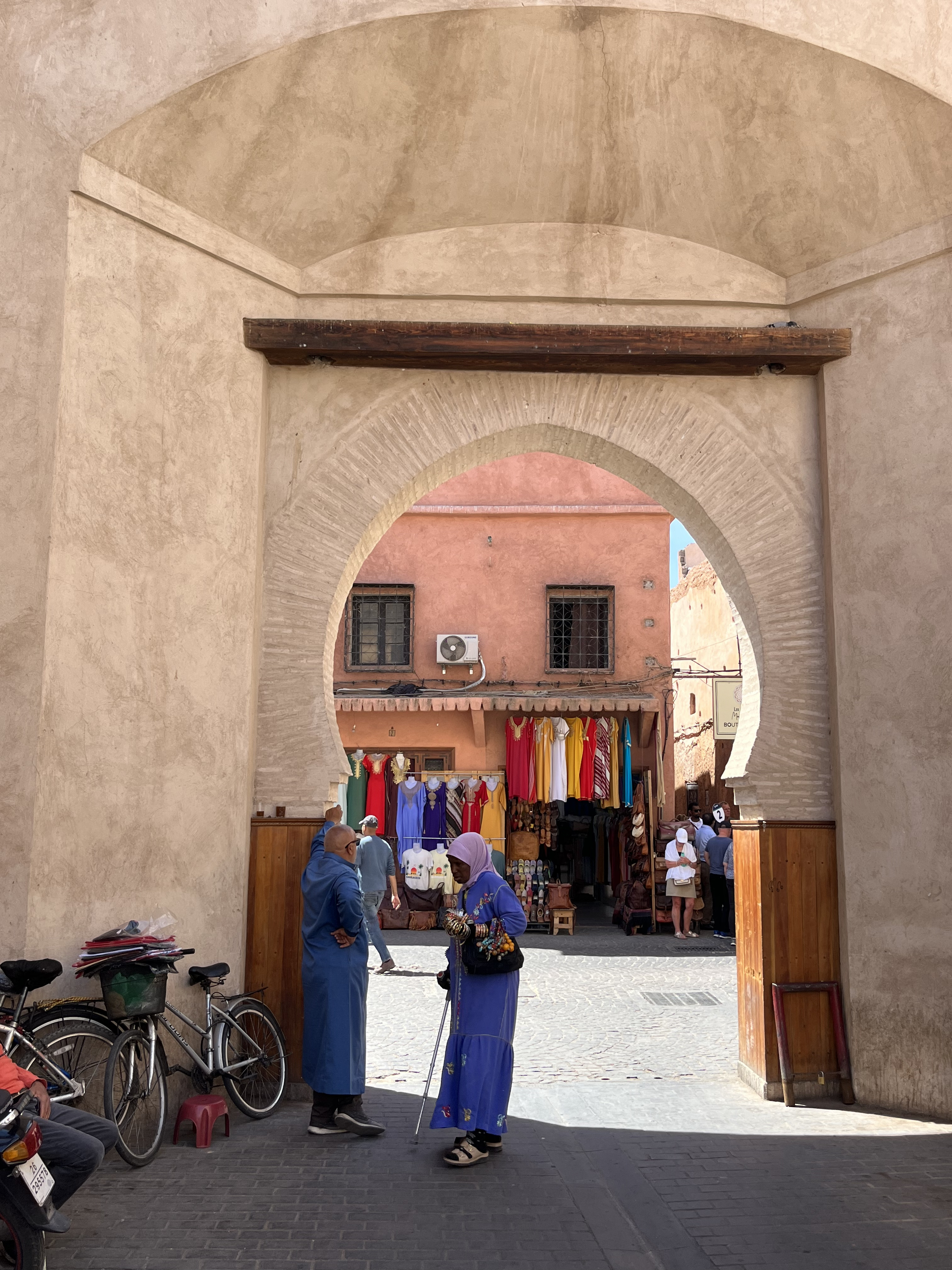
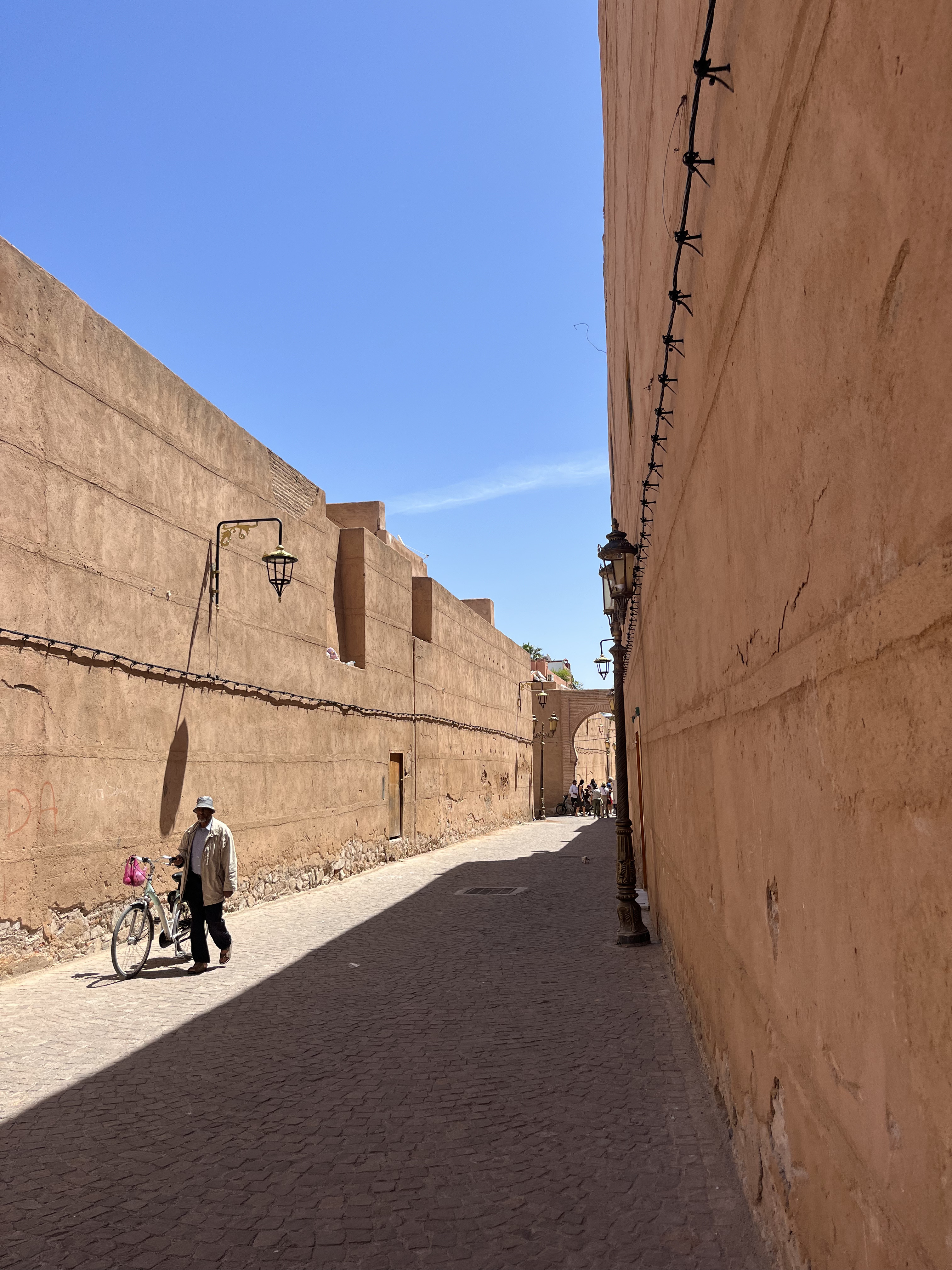
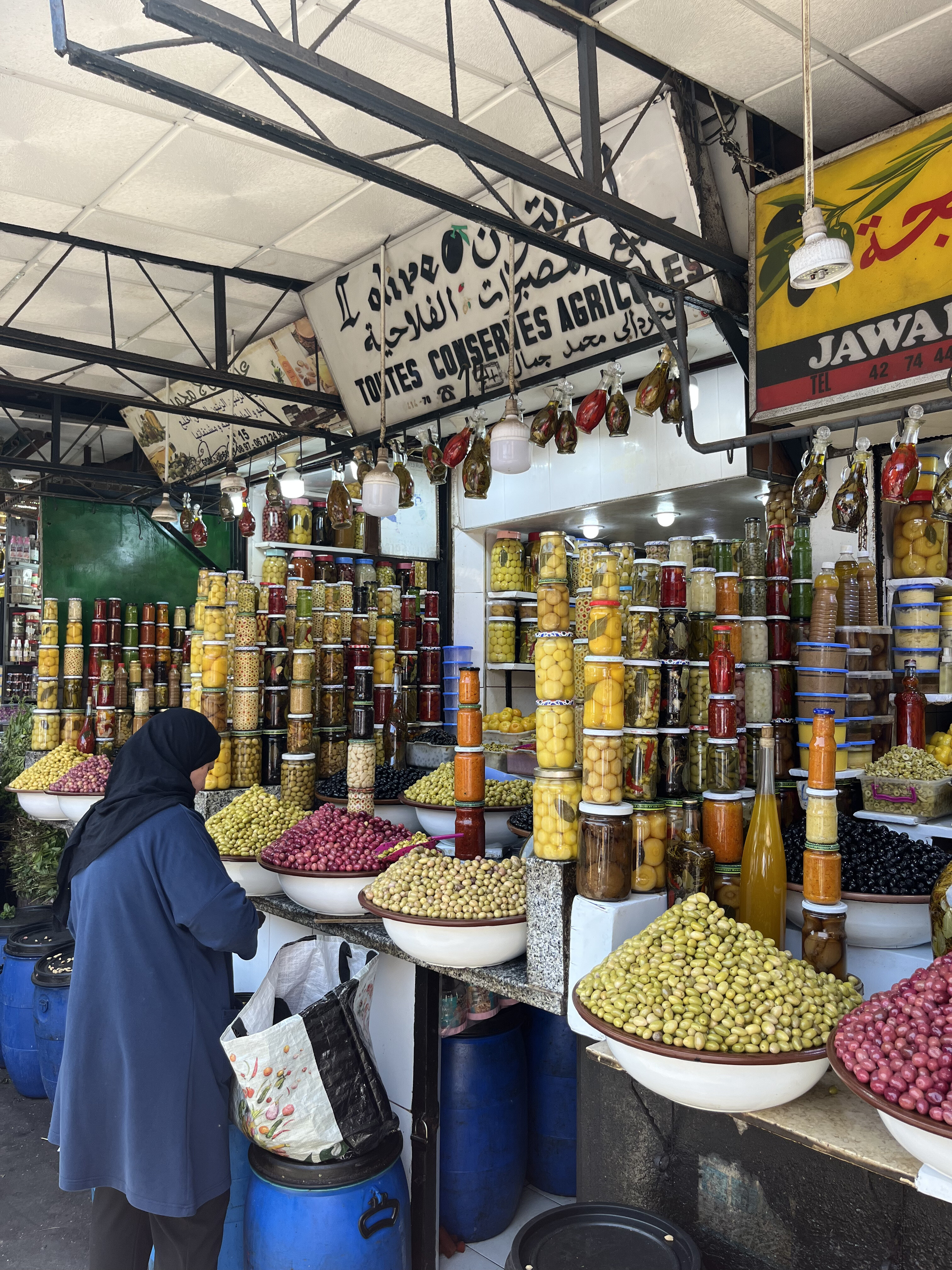
Begin at the Koutoubia Mosque, built in the 12th century by the Almohads, its great sandstone minaret becoming one of Marrakech’s defining landmarks and later inspiring the Giralda in Seville. From here, dive into the souks, where alleys twist past spice sellers, leatherworkers, metal artisans, and workshops where goods are still shaped by hand much as they have been for generations.
Visit Bahia Palace, a masterpiece of zellij tilework, painted wood, and carved stucco built in the 19th century for a powerful grand vizier, then pause at Le Jardin Secret, a calm oasis of shaded courtyards, fountains, and greenery that once formed part of a Saadian noble estate.
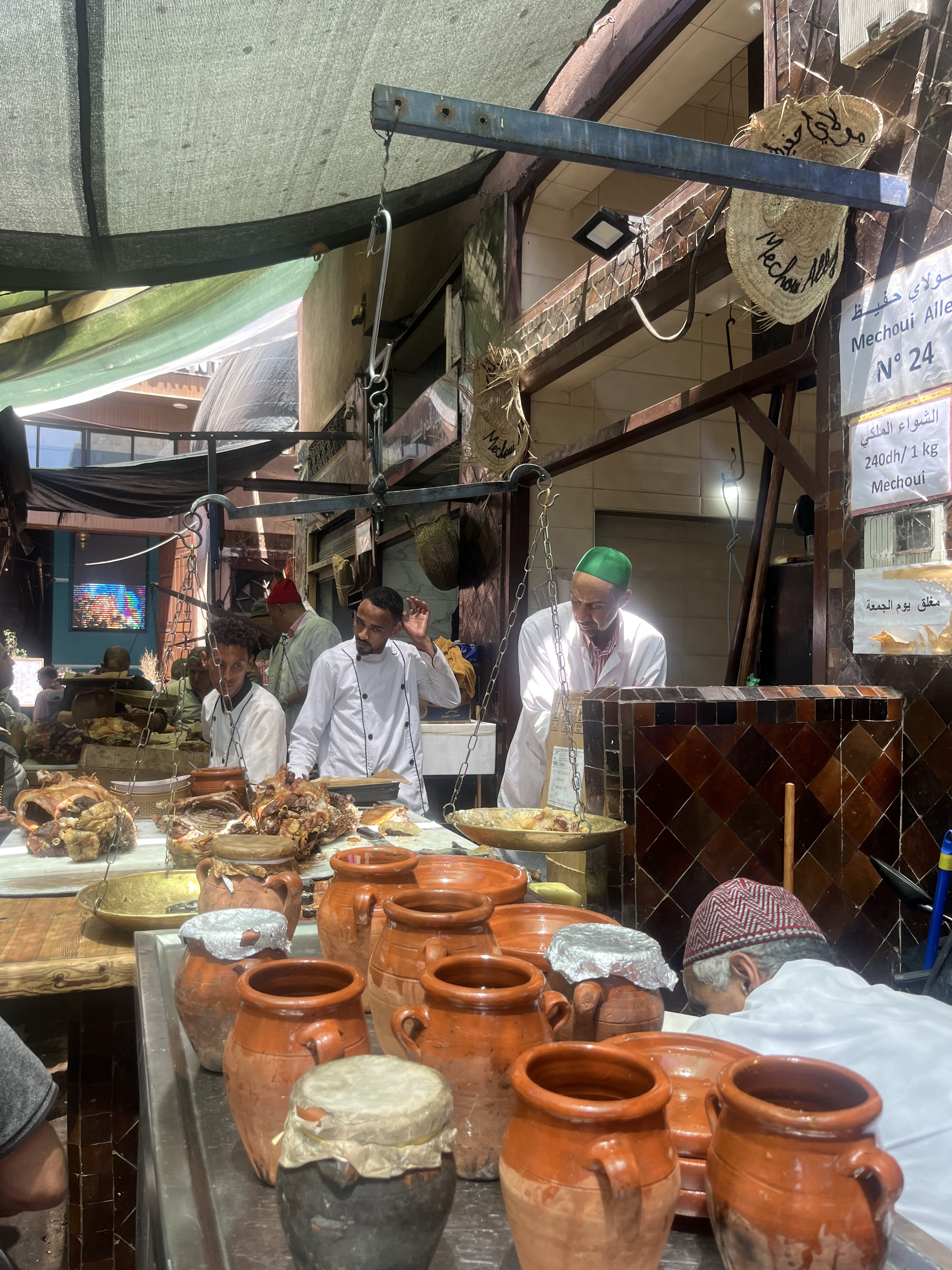
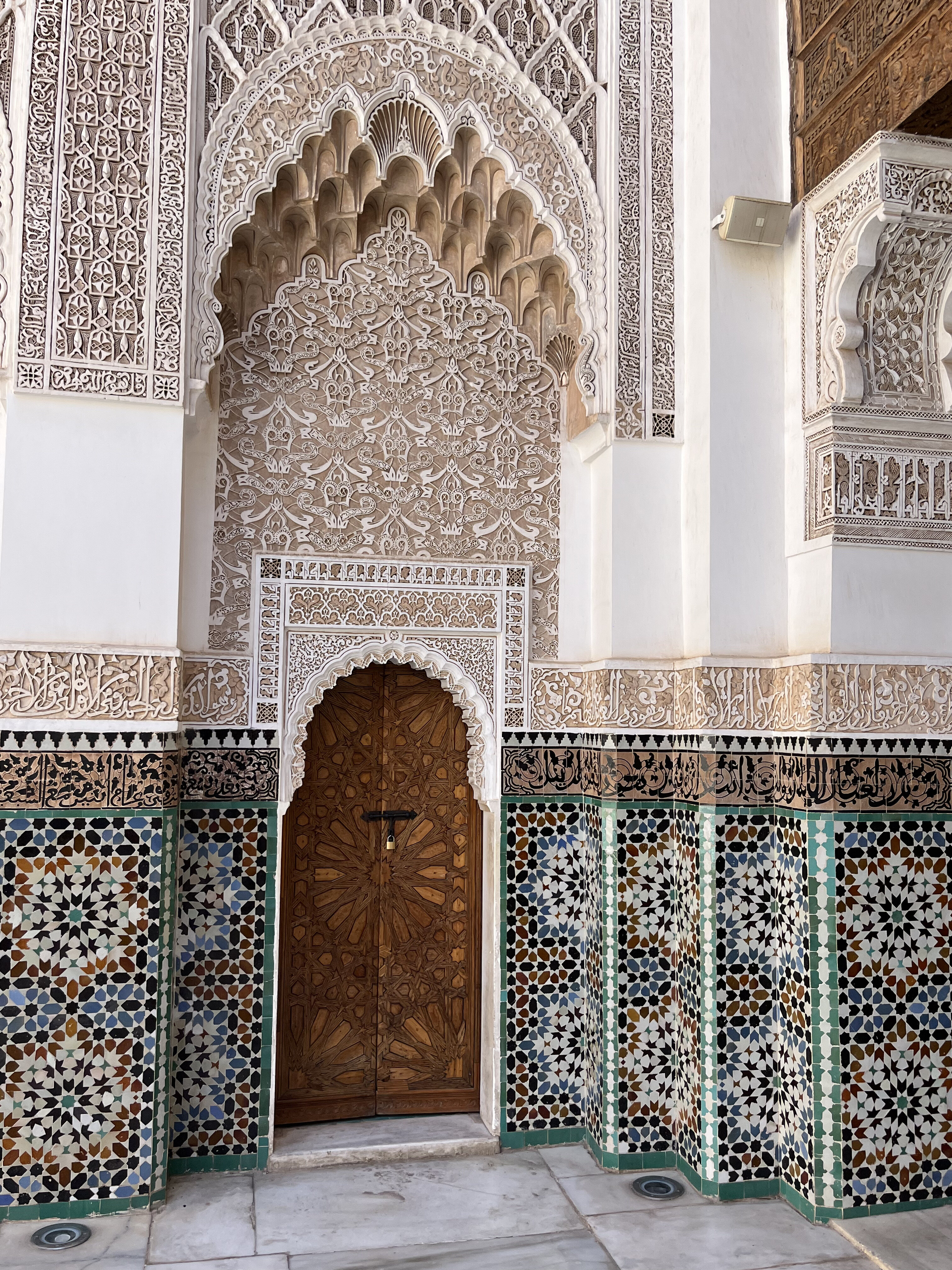
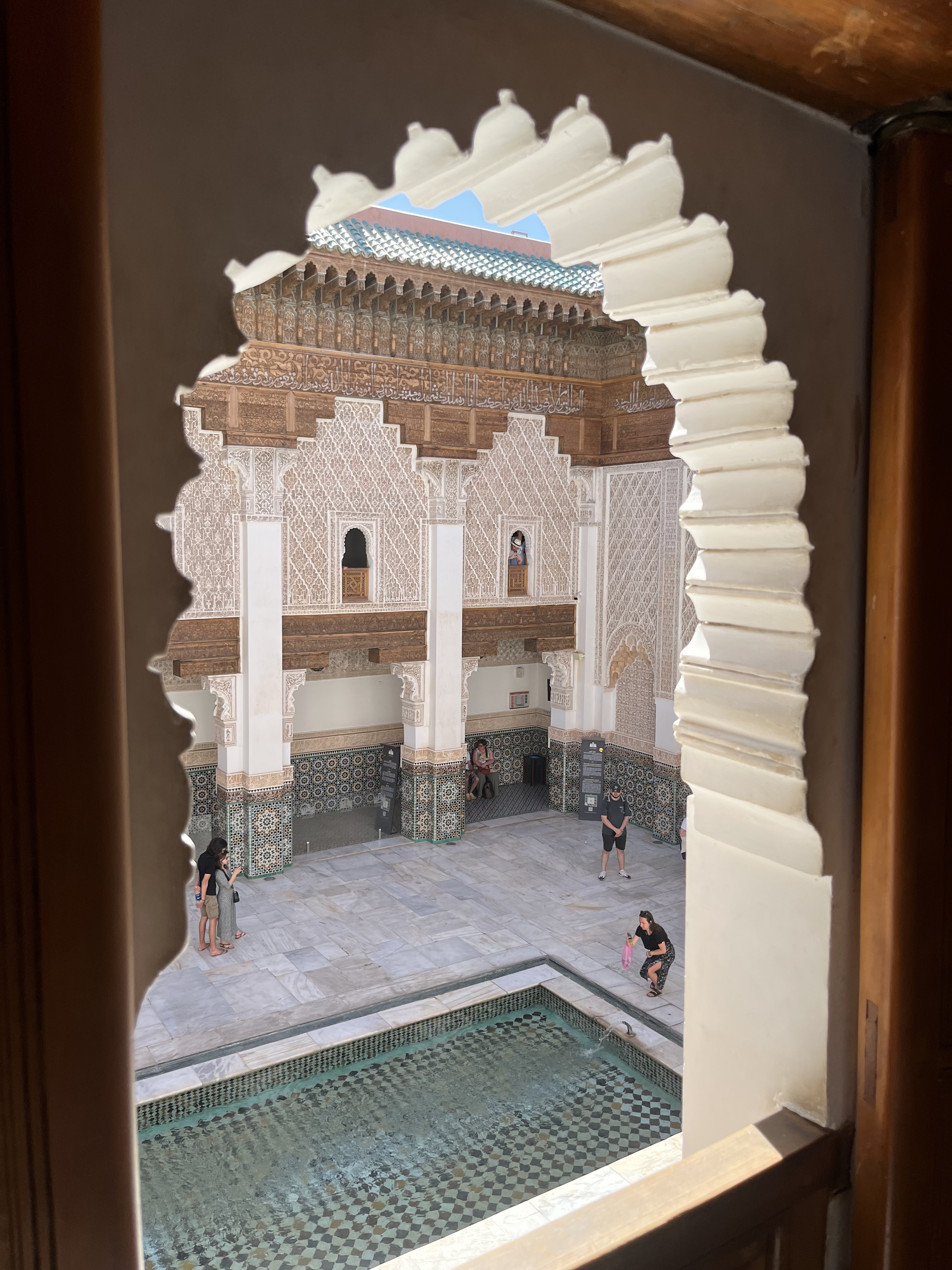
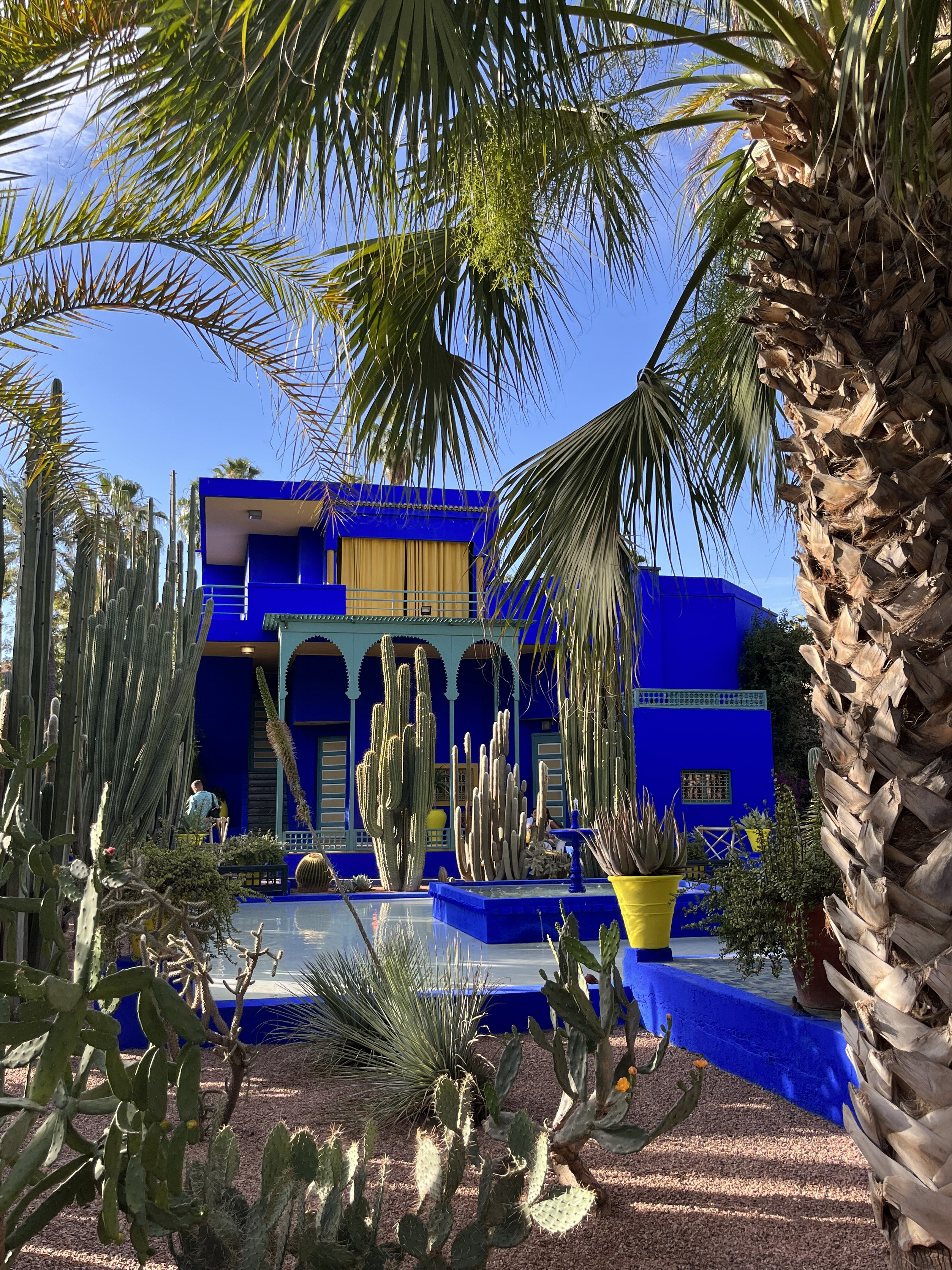
For lunch, head to Mechoui Alley for slow-roasted lamb in one of Marrakech’s great institutions. It is simple, smoky, and deeply local, though you should expect a queue of anything from 30 minutes to an hour. Spend the afternoon at the Jardin Majorelle, the Yves Saint Laurent Museum, and the Ben Youssef Mosque. Make your way to Nomad for sunset, where the city glows honey-coloured as Jemaa el-Fna fills with smoke, music, orange juice stalls, and the rising energy of the evening. This is one of the best modern restaurants in the Old Town. For drinks, La Pergola is a good choice for live music in a multi-storey riad bar, while Dardar offers rooftop views over the medina. In the New Town, Comptoir Darna is the place to go if you want a livelier night out.
Day 3: Marrakech to Essaouira, The Atlantic Port
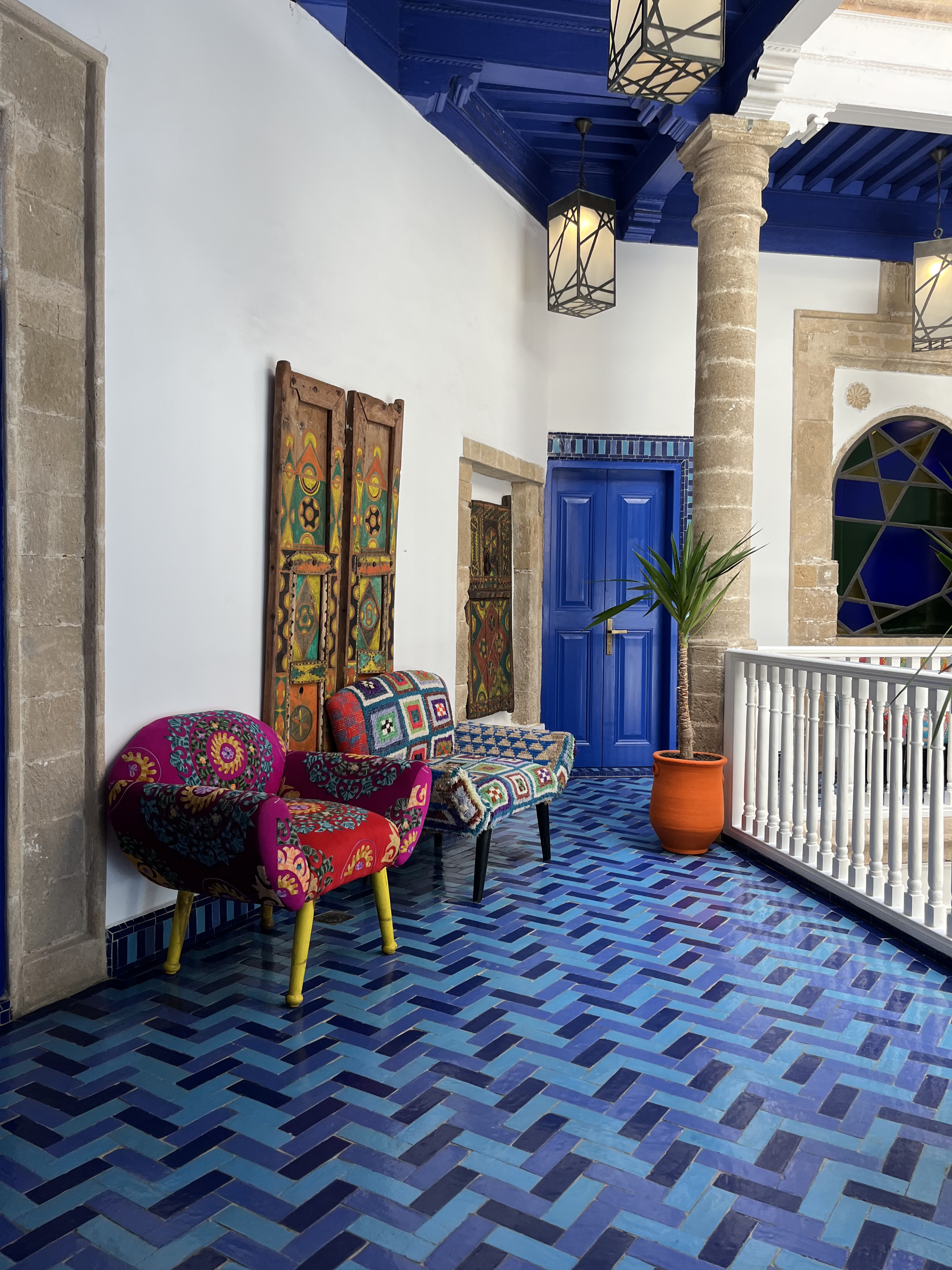
Drive west in a shared "Grand taxi" (they leave from Bab Doukkala station) through dry plains and argan country toward the Atlantic, passing the famous trees where goats sometimes climb into the branches in search of fruit. If you take a private taxi, ask your driver to stop at an Argan farm. Reach Essaouira by lunchtime, a windswept coastal city with whitewashed walls, blue shutters, and a very different rhythm from Marrakech (much less chaotic, very laidback vibe). Originally shaped by Portuguese influence and later redesigned by a French architect for Sultan Mohammed III, its fortified ramparts once guarded the trade routes of the 18th century, linking the interior to the wider Atlantic world.
Walk the Skala de la Ville, the sea wall where old cannons still face the sea, have lunch at Salut Maroc, wander through galleries and painters’ workshops, and then head down to the broad main beach (Plage Tagharte) for a camel ride, horseback ride, or surf/ kite-surf lesson if you feel active (all merchants offer similar deals on the beach, no need to pre-book). Essaouira has a breezy, bohemian energy that makes it easy to settle into. Dinner at Alma works well for a relaxed meal by the water, followed by drinks at Taros, a rooftop that look back across the medina and out toward the ocean.
Day 4: Essaouira Morning, Return to Marrakech
Spend the morning in the harbour, one of the liveliest and most atmospheric parts of Essaouira, where fishermen mend bright blue nets, gulls circle overhead, and traders auction the day’s catch straight from the boats. Wander through the old Jewish quarter, a reminder of the city’s long mercantile history and once-thriving Jewish community. The Essaouira Fish Market is worth a walk around. Have lunch at Ocean Vagabond on the beach, before heading back inland to Marrakech for the night. Shared "Grand taxis" leave from Station de Grand Taxis on Avenue 2 Mars.
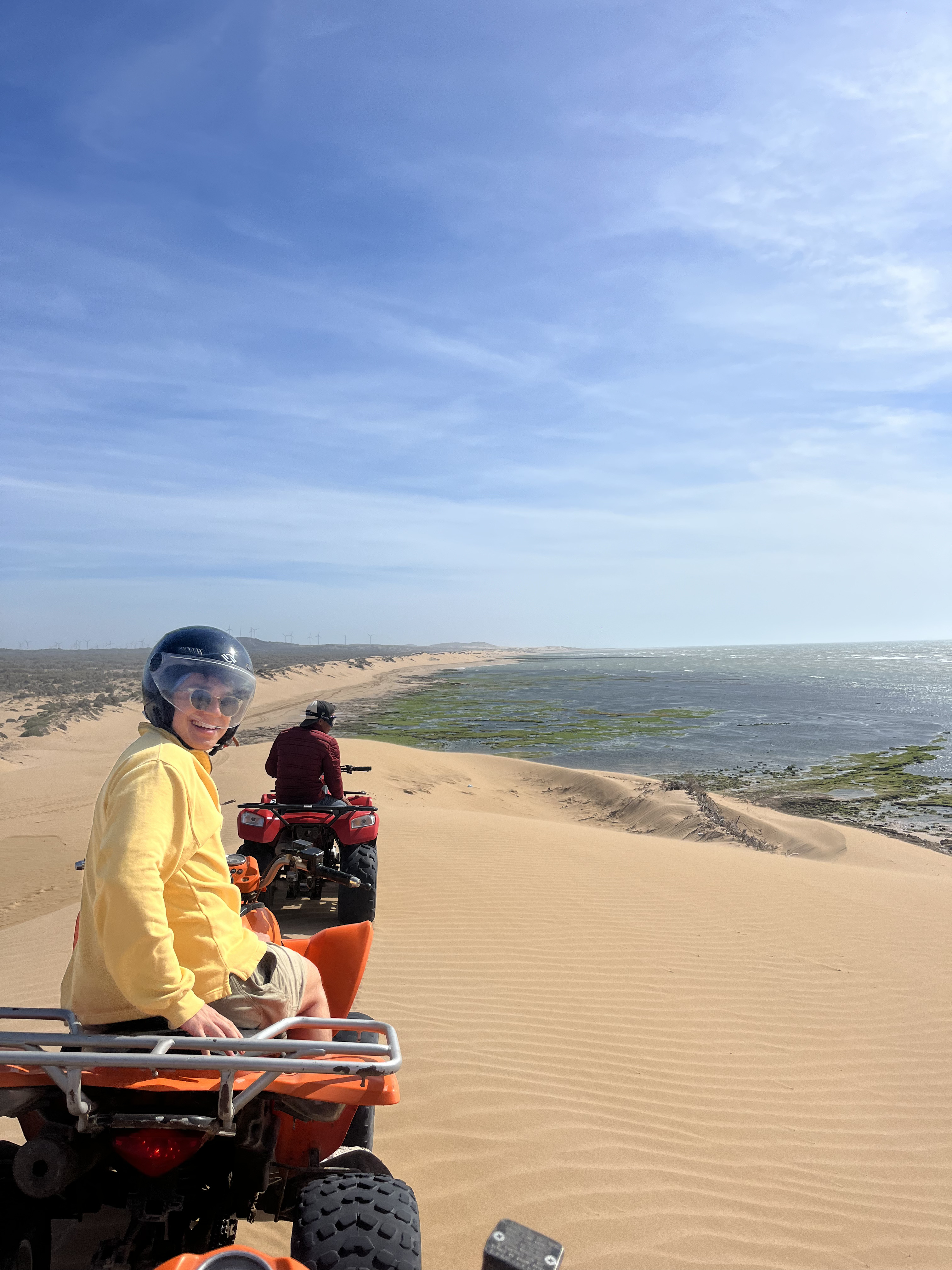
Note: you can easily extend Essaouira by a day and use the extra time for kite surfing, quad biking, horse riding, beach time, or simply relaxing by the sea if you do not mind the wind. It is one of the easiest places on this route to slow the pace down.
Days 5 to 7: Across the Atlas to the Sahara
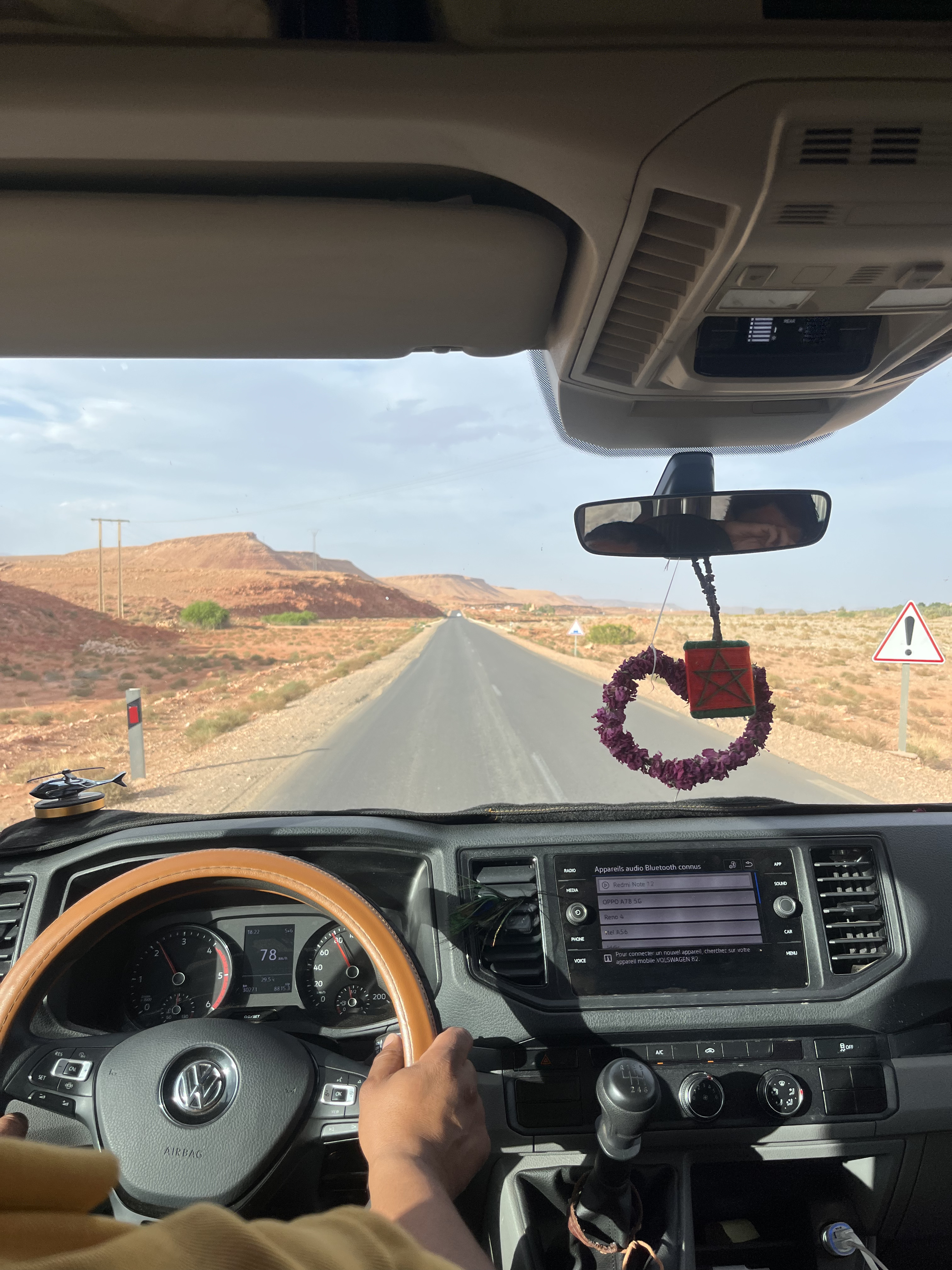
Join the classic overland route between Marrakech and Fez. This stretch can be booked online through any number of well-known operators, most of whom offer very similar prices and very similar itineraries. The route is popular for good reason, linking mountain passes, kasbahs, desert camps, and cedar forests in one long cinematic crossing of the country.
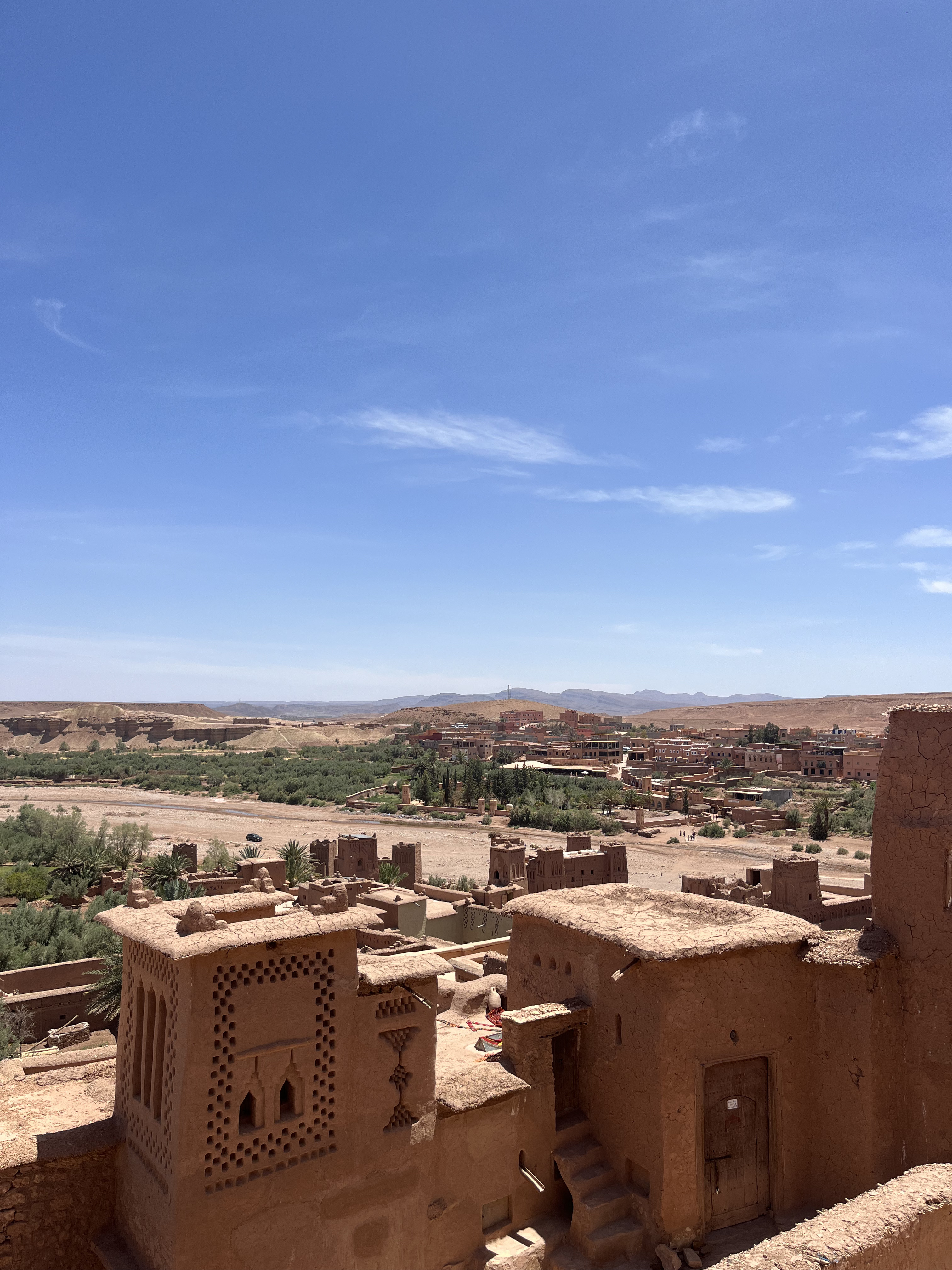
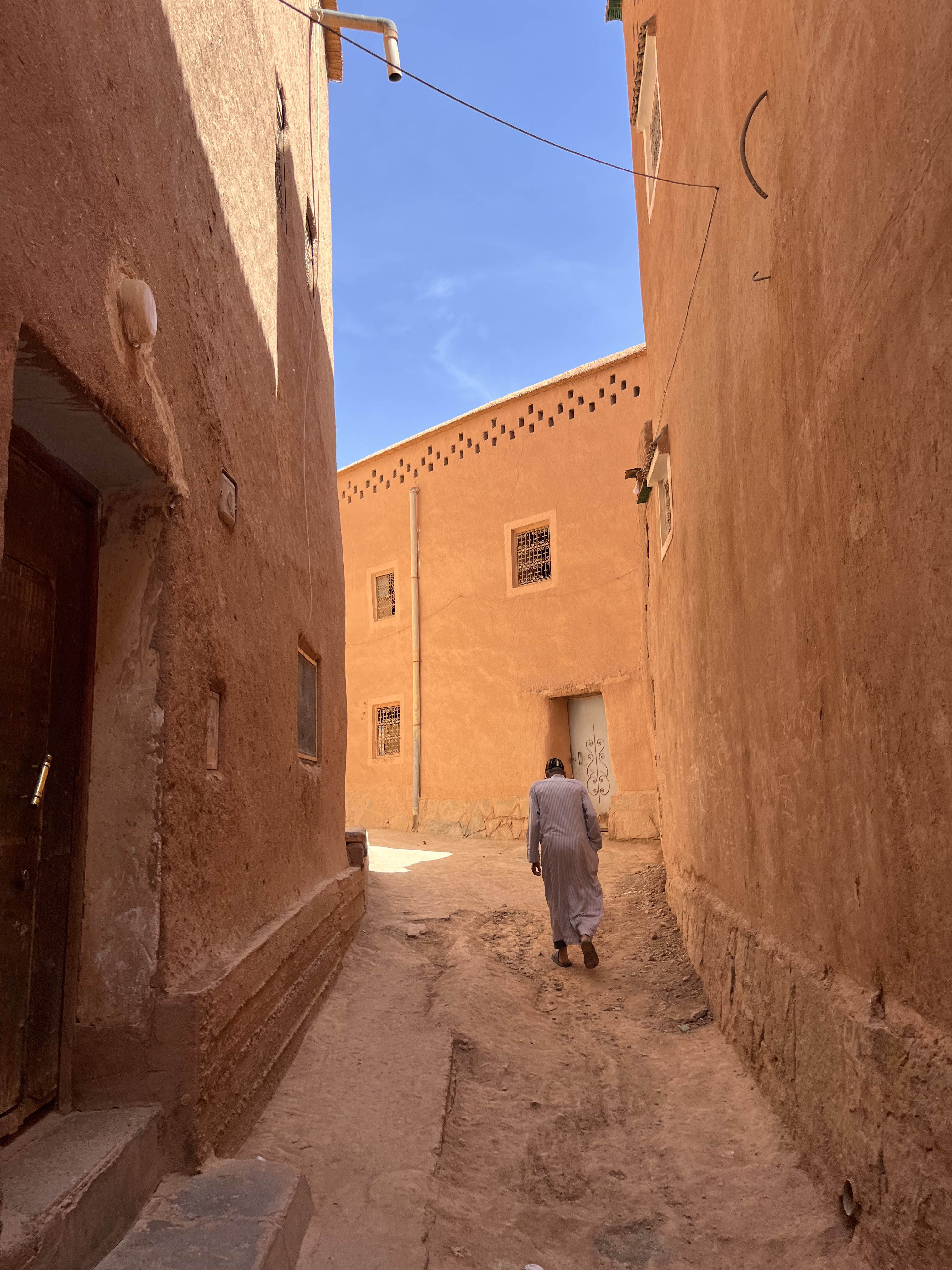
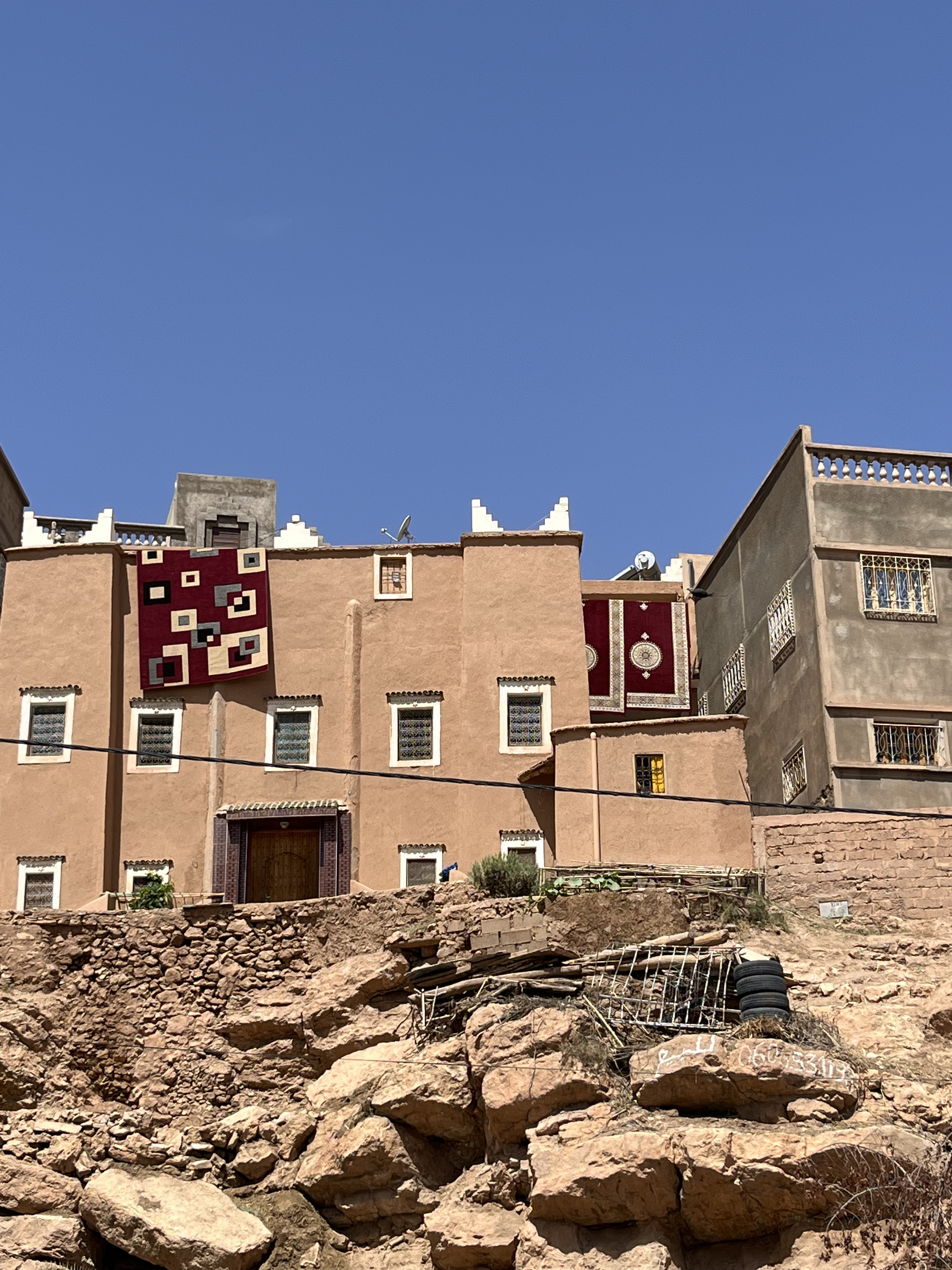
Day 5: Cross the High Atlas via the Tizi n’Tichka Pass, a dramatic road of hairpins, viewpoints, and scattered Berber villages clinging to the slopes. Stop at roadside argan cooperatives and continue to Aït Benhaddou, the great clay ksar that once sat on the trans-Saharan caravan route and still looks almost unreal rising out of the dust. Now a UNESCO World Heritage Site, it has also appeared in countless films. From here, continue via Ouarzazate and into the Dades Gorge, where layered red cliffs, strange rock formations, and deep valleys give the landscape an almost geological grandeur.
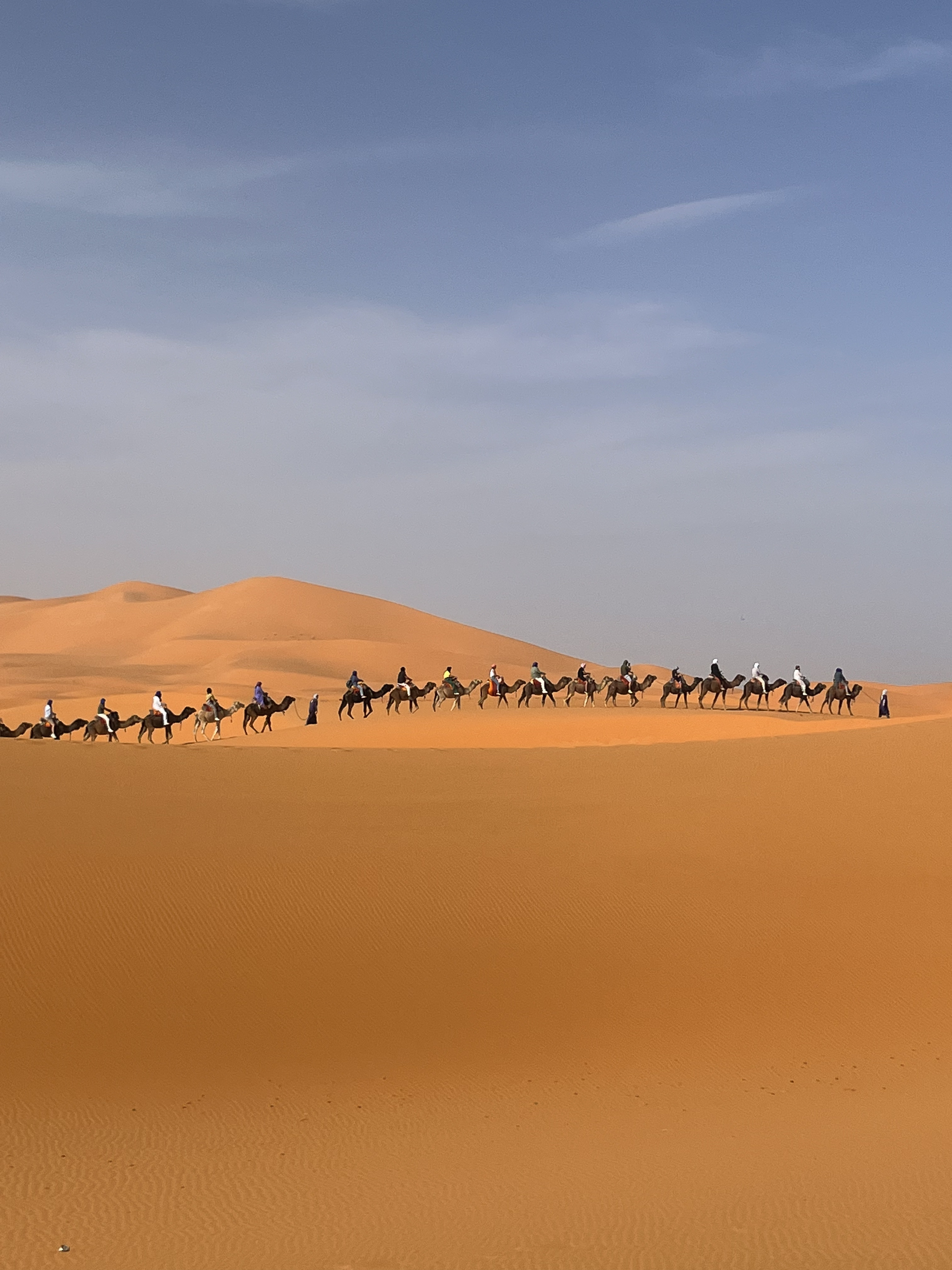
Day 6: Travel east toward Merzouga at the edge of the Sahara, where the scenery gradually empties out and the dunes begin to rise from the horizon. On arrival, ride a camel caravan into the Erg Chebbi dunes, crossing soft sand as the light begins to shift toward evening. At camp, settle in, share mint tea and tajine with Berber hosts as drums echo beneath a sky thick with stars.
Day 7: Wake early for sunrise over the dunes, when the sand turns from cold blue to gold in a matter of minutes. Then begin the long drive north through the Ziz Valley, past palm groves and kasbahs, and onward into the cedar forests of the Middle Atlas, where Barbary macaques often gather near the roadside (ask your driver to stop for a bit if he doesn't). Arrive in Fez by evening, trading the emptiness of the desert for the dense, layered world of one of Morocco’s great imperial cities.
Day 8: Fez, City of Scholars & Artisans
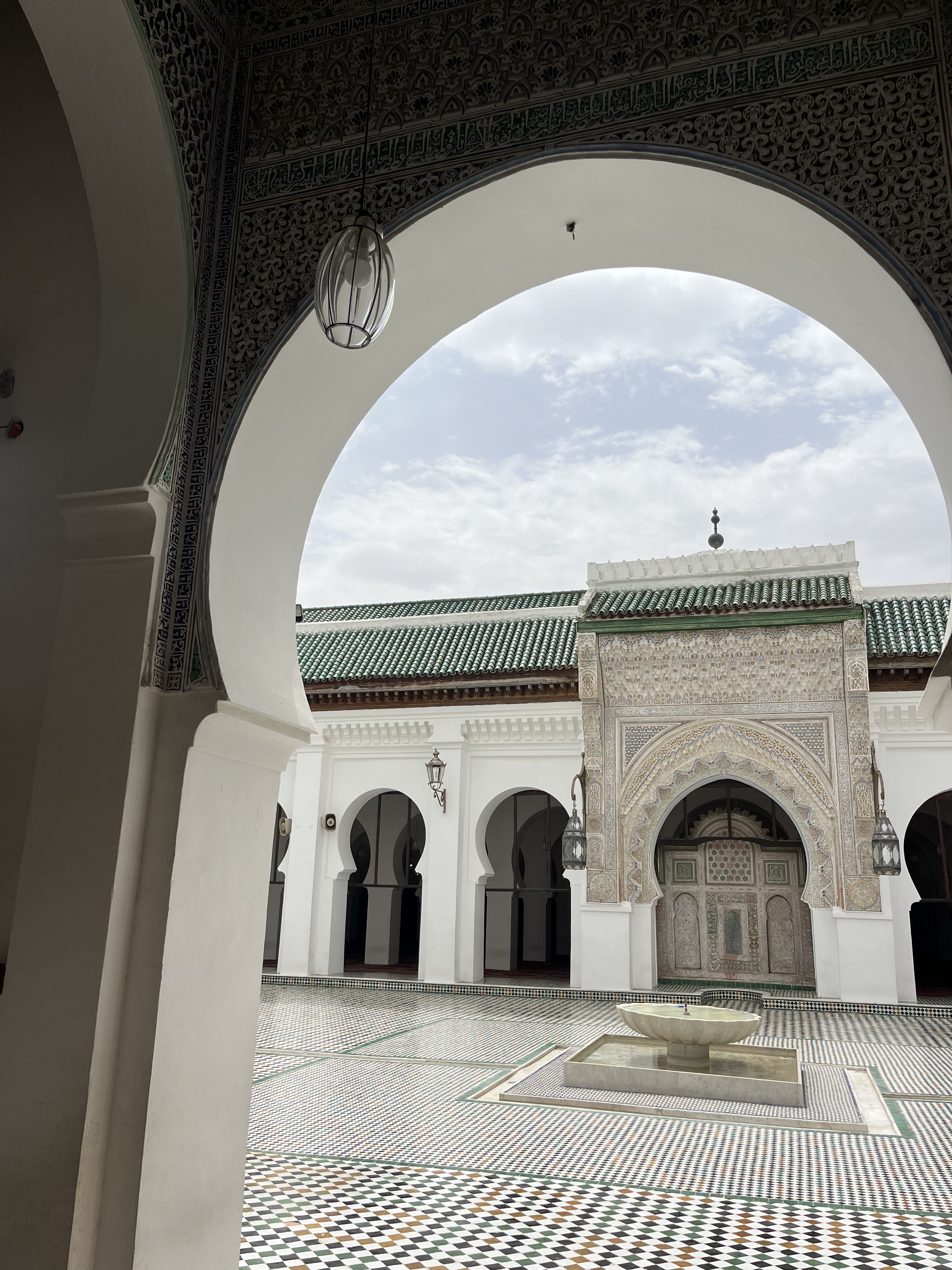
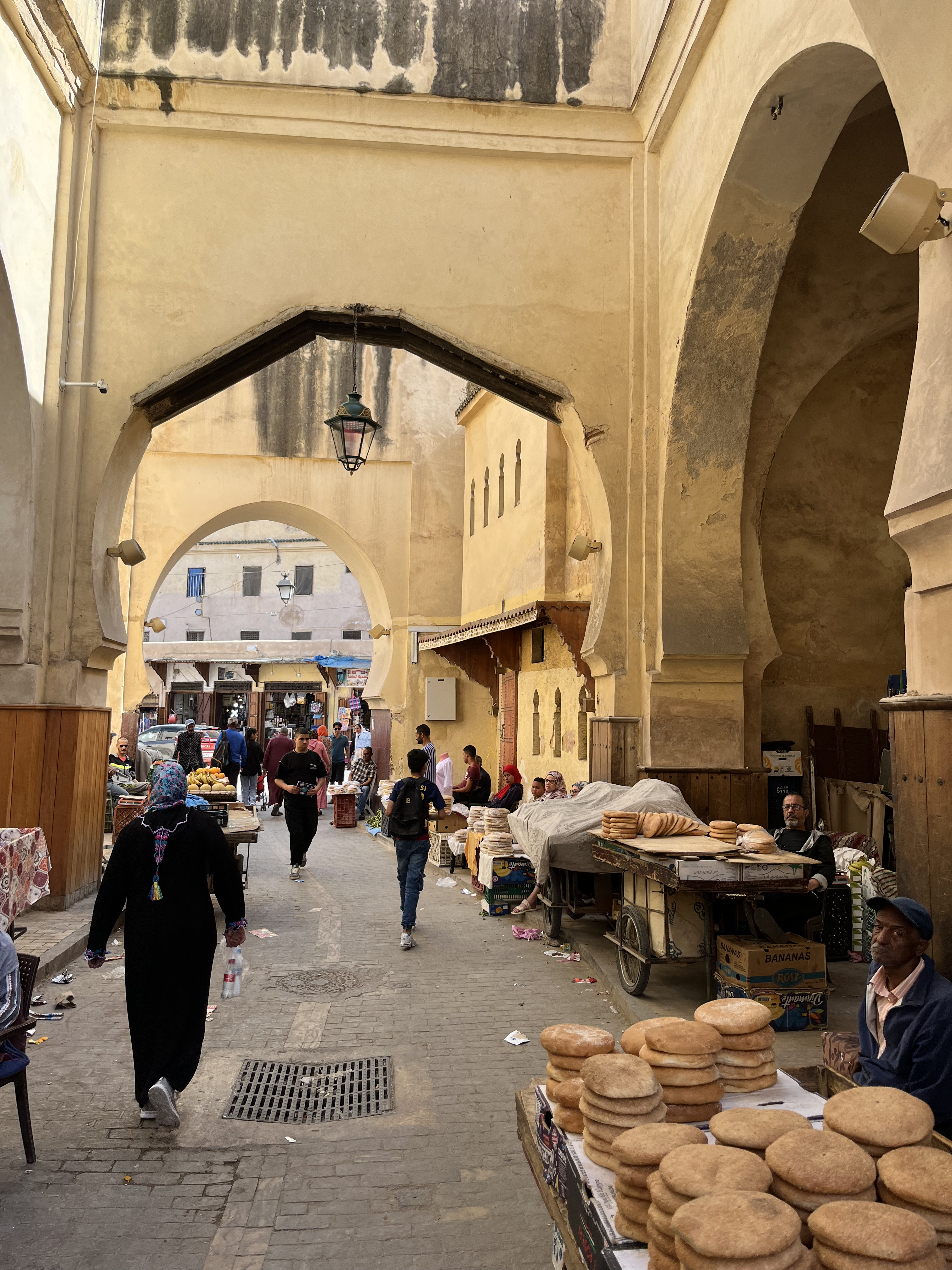
Founded in 789 CE by Idris I, Fez grew into the intellectual and spiritual centre of the Islamic west, a city of scholars, craftsmen, merchants, and dynasties. Explore Fes el-Bali, the world’s largest car-free urban area, where narrow lanes spill into hidden squares, donkeys still carry goods through the medina, and every turn seems to reveal another carved doorway or tiled fountain.
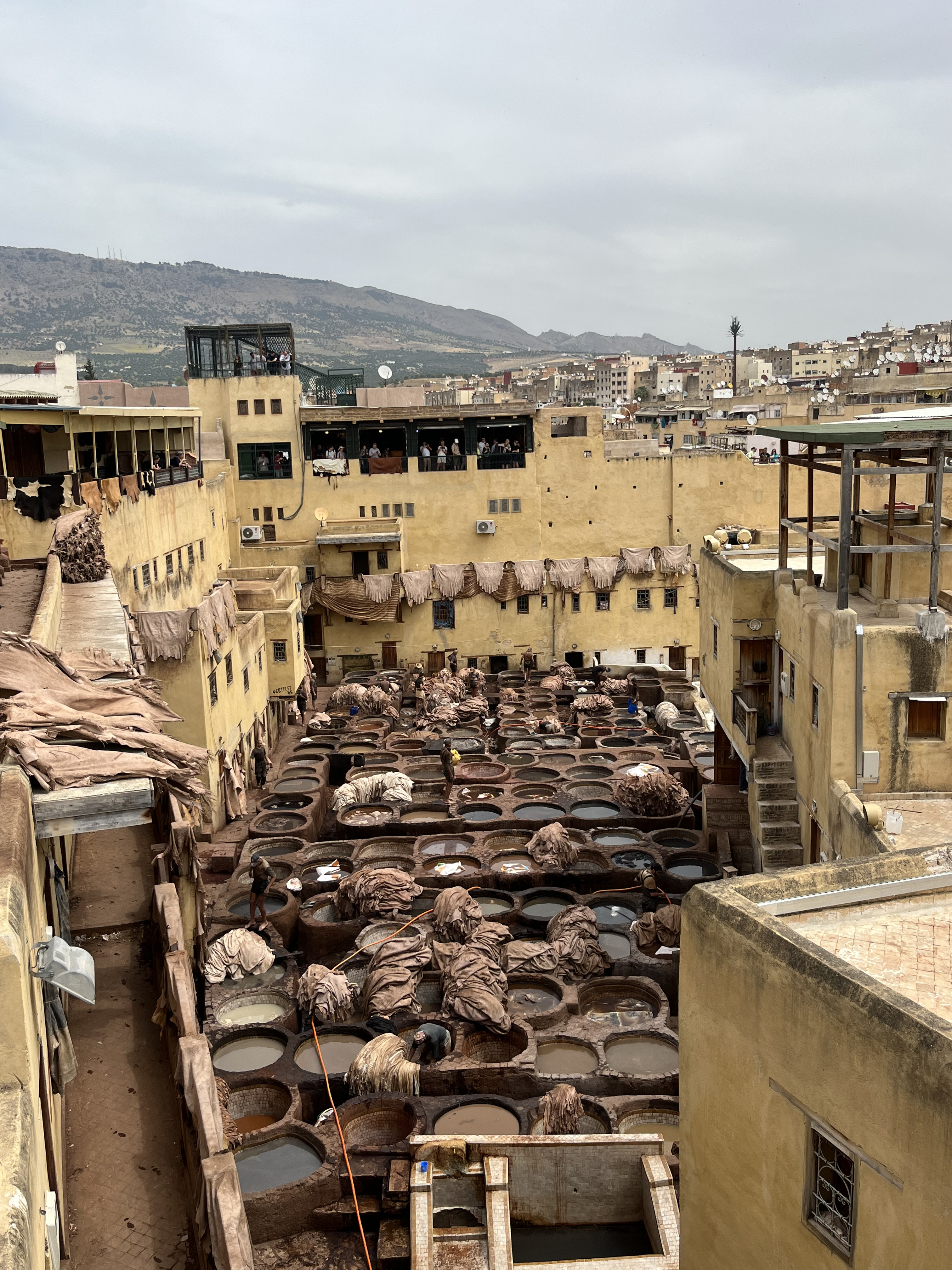
Visit Bou Inania Madrasa, one of the city’s finest Marinid monuments, with its cedar screens, geometric plasterwork, and serene courtyard. Continue to the Chouara Tanneries, where leather is still dyed in natural pigments in a process that has changed little for centuries, then stop for lunch at The Ruined Garden, a calm and characterful escape from the medina’s intensity. In the afternoon, visit the Nejjarine Museum of Wooden Arts, housed in a beautifully restored caravanserai that speaks to Fez’s long history as a trading and craft centre.
Day 9: Fez, Royal Gates & Hidden Hammams
Spend the morning exploring another side of the city, beginning with the Mellah, Fez’s historic Jewish quarter, founded in the 15th century and still marked by its distinct balconies and street layout. Continue to the Royal Palace gates, where vast golden doors and intricate mosaic work create one of the city’s most striking facades.
From there, follow your curiosity through copper workshops, mosaic studios, and quieter corners of the medina, or choose a slower rhythm and book into a traditional hammam for a proper reset after the long overland stretch. End the day with dinner at Ouliya, a courtyard restaurant known for slow-cooked tagines and a more intimate, atmospheric setting.
Day 10: Departure from Fez
Head to the airport.
.png)