.png)

Reminders from Collective travellers
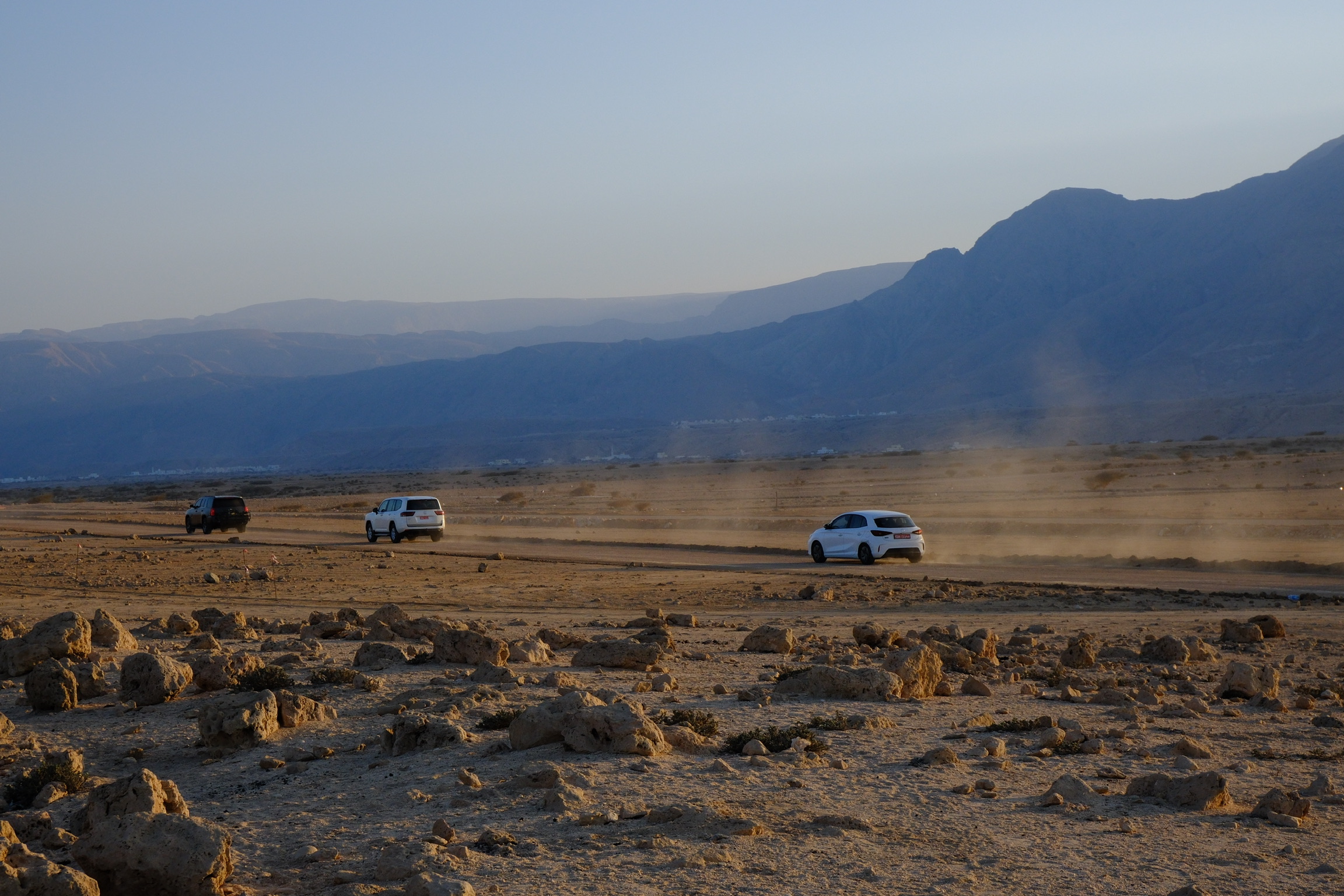
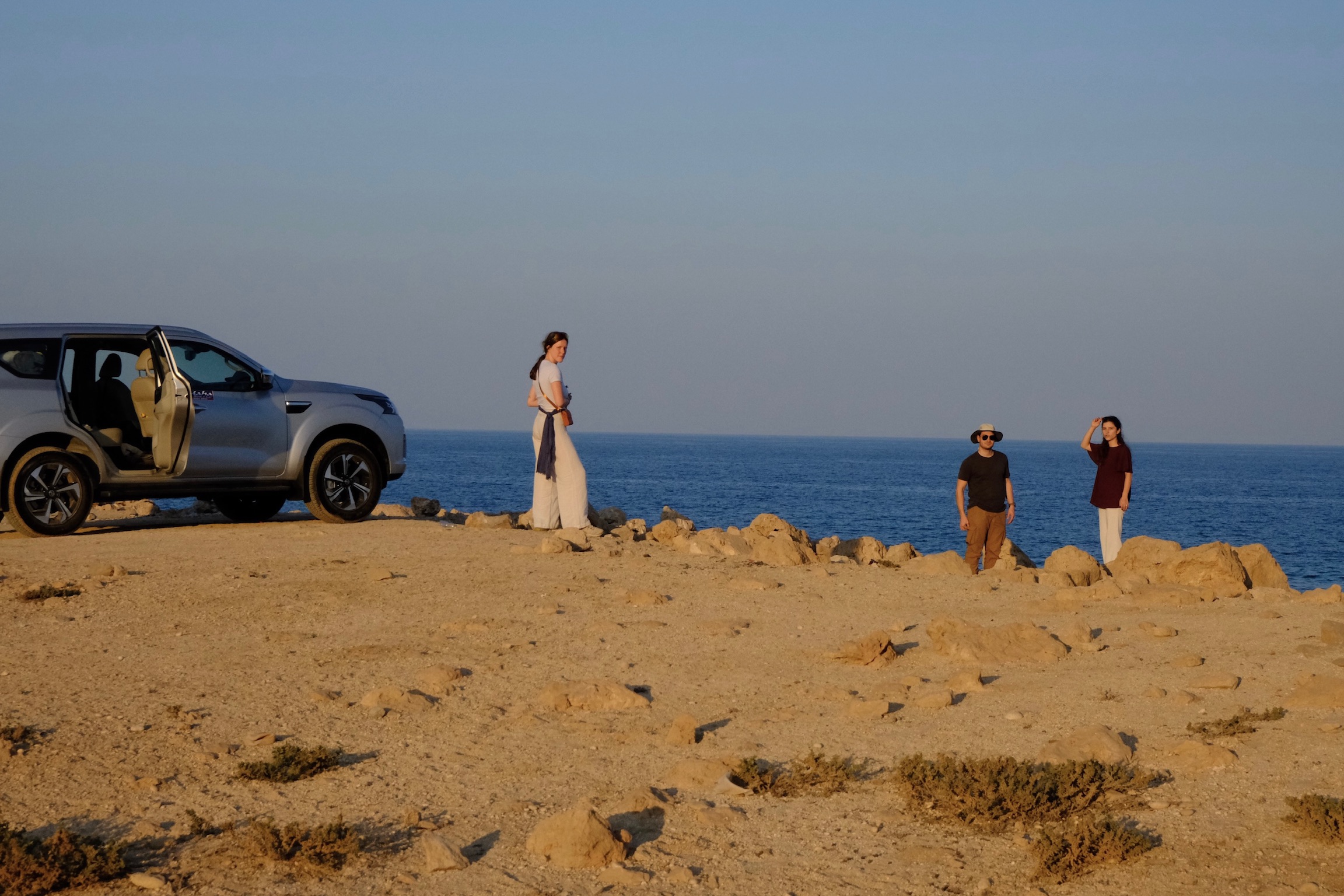
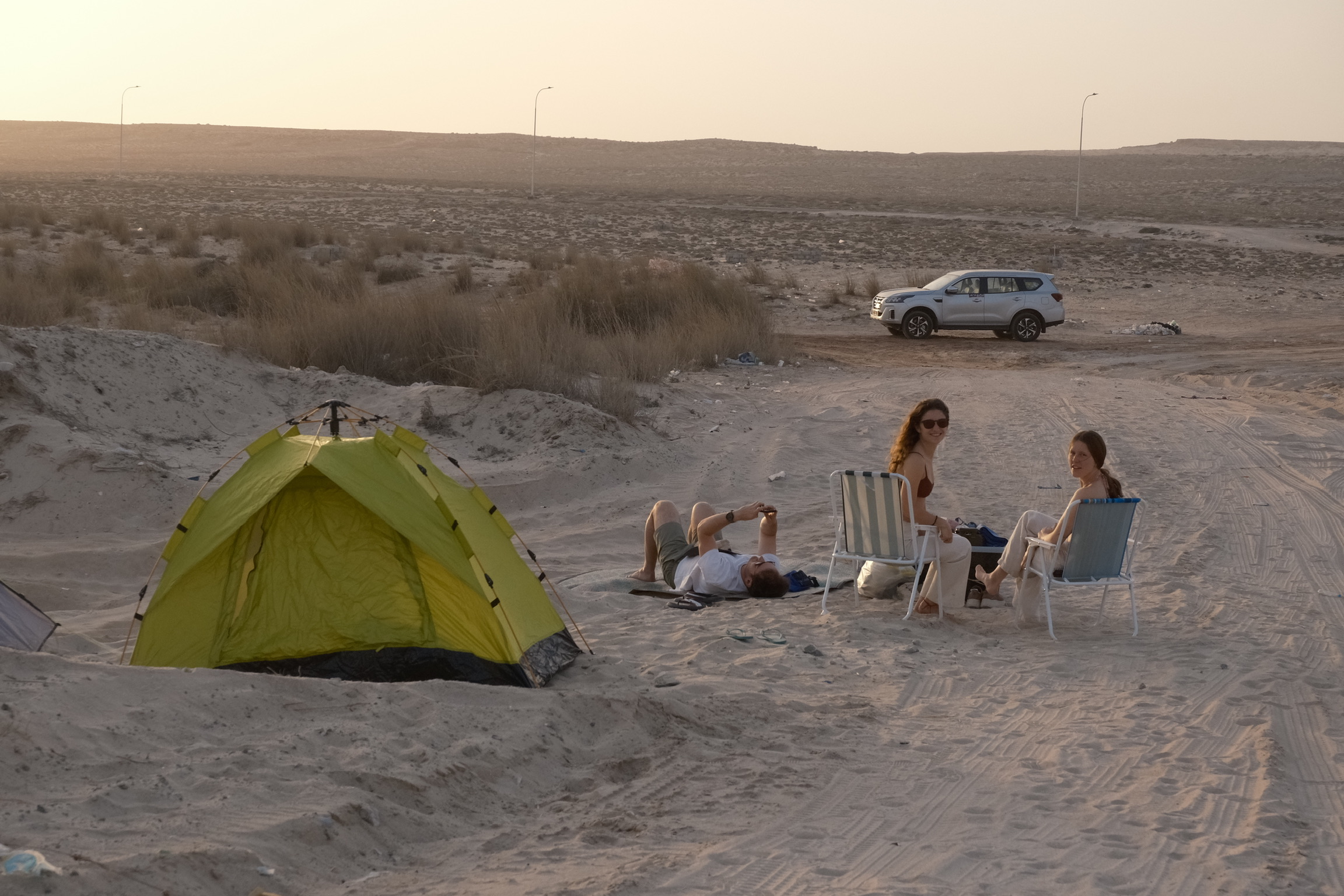
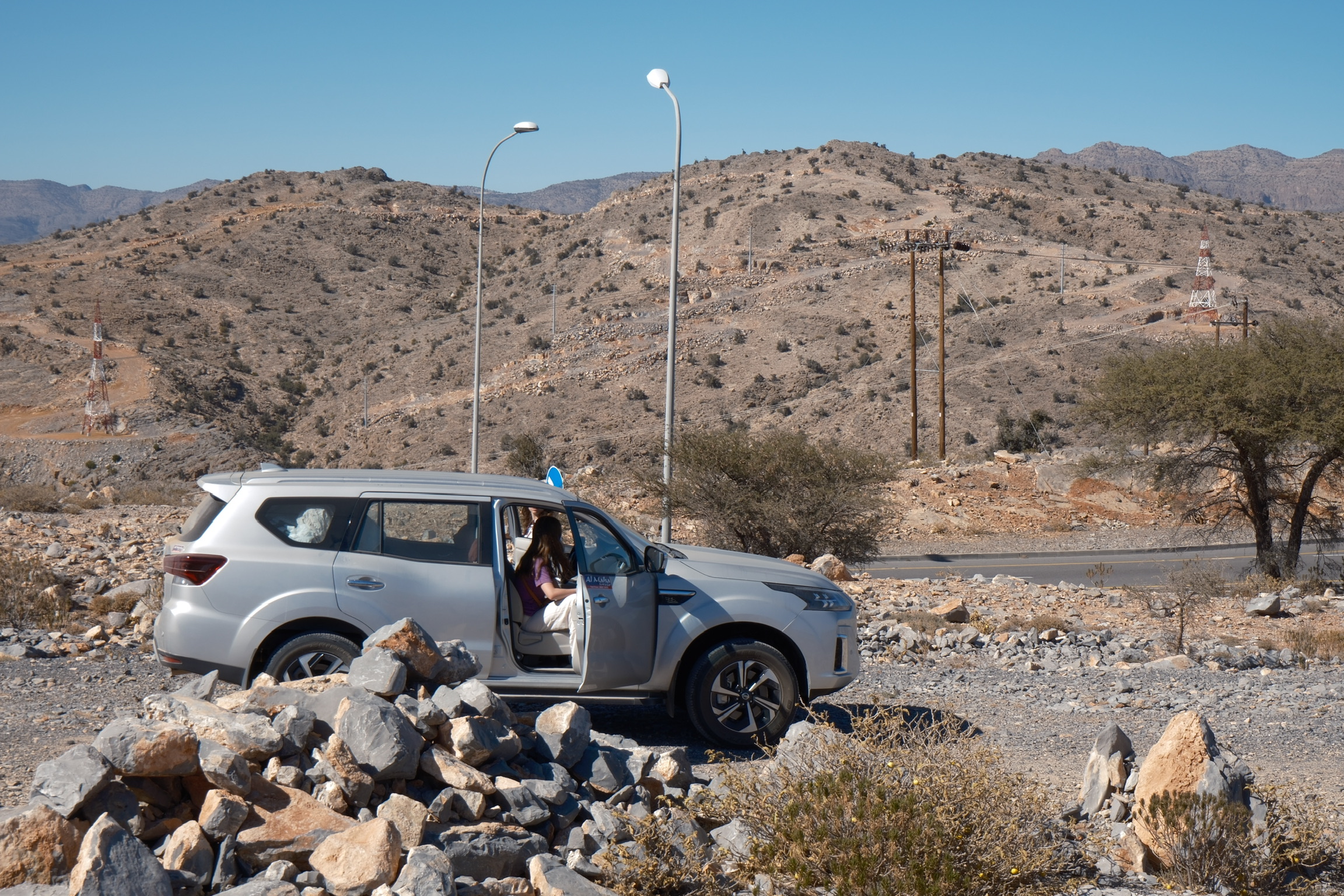
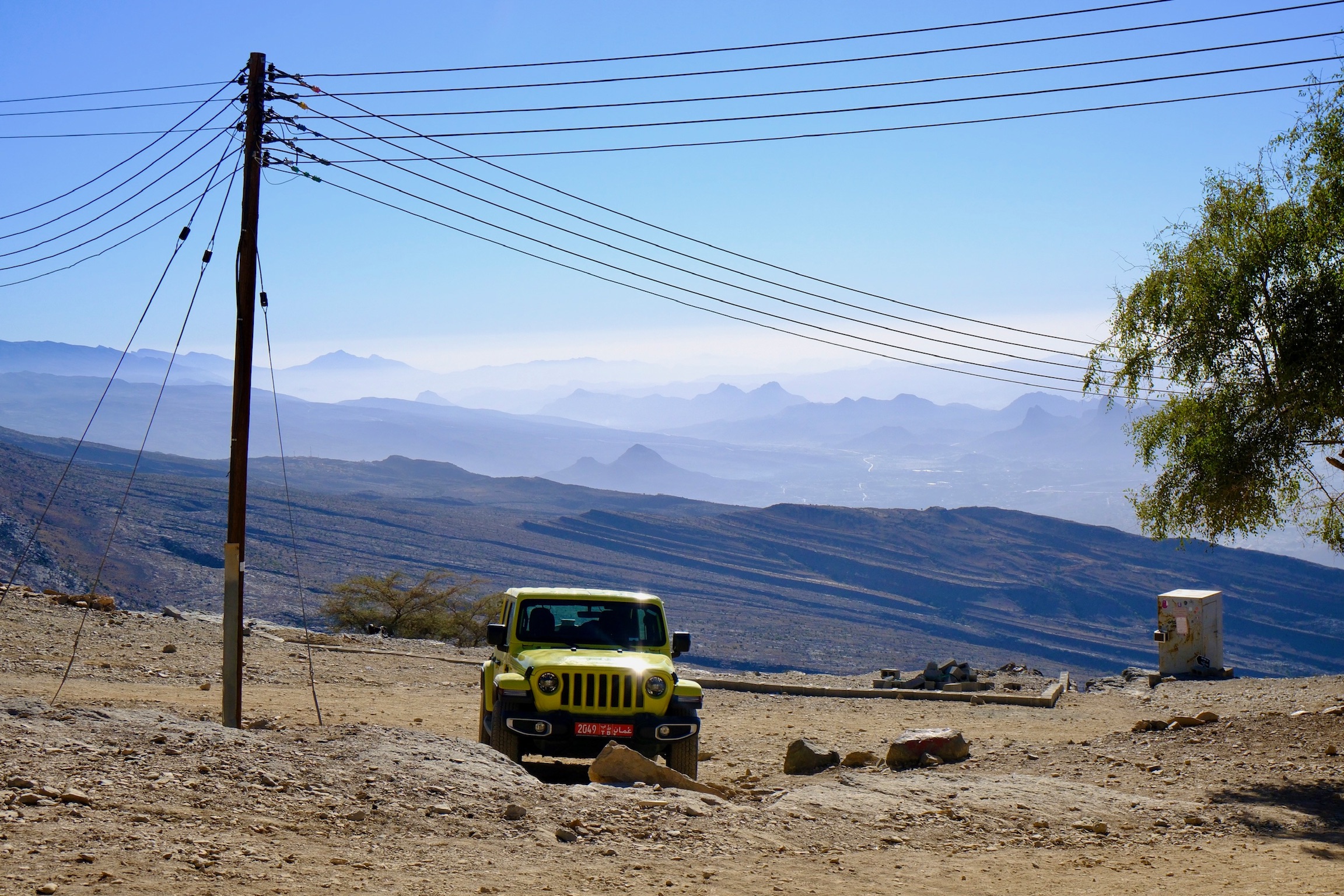
Rental car: A 4x4 is non-negotiable for this route. You cannot enter the Wahiba Sands in a standard car and you will not be allowed through the Jebel Shams checkpoint without one. Rental companies offering 4x4 with full camping setup include idrive4x4.com, nomadtours.com and Al Maha Rental (almaharental.com). Book weeks in advance; well-equipped 4x4s are in short supply in Muscat. Rooftop tent setups are significantly better than carrying gear separately; boot space in a loaded 4x4 disappears fast. Check whether your rental car is insured for off-road and desert use before signing; not all policies cover this. An International Driving Permit is technically required alongside your national licence; rental companies are stricter about this than police in practice.
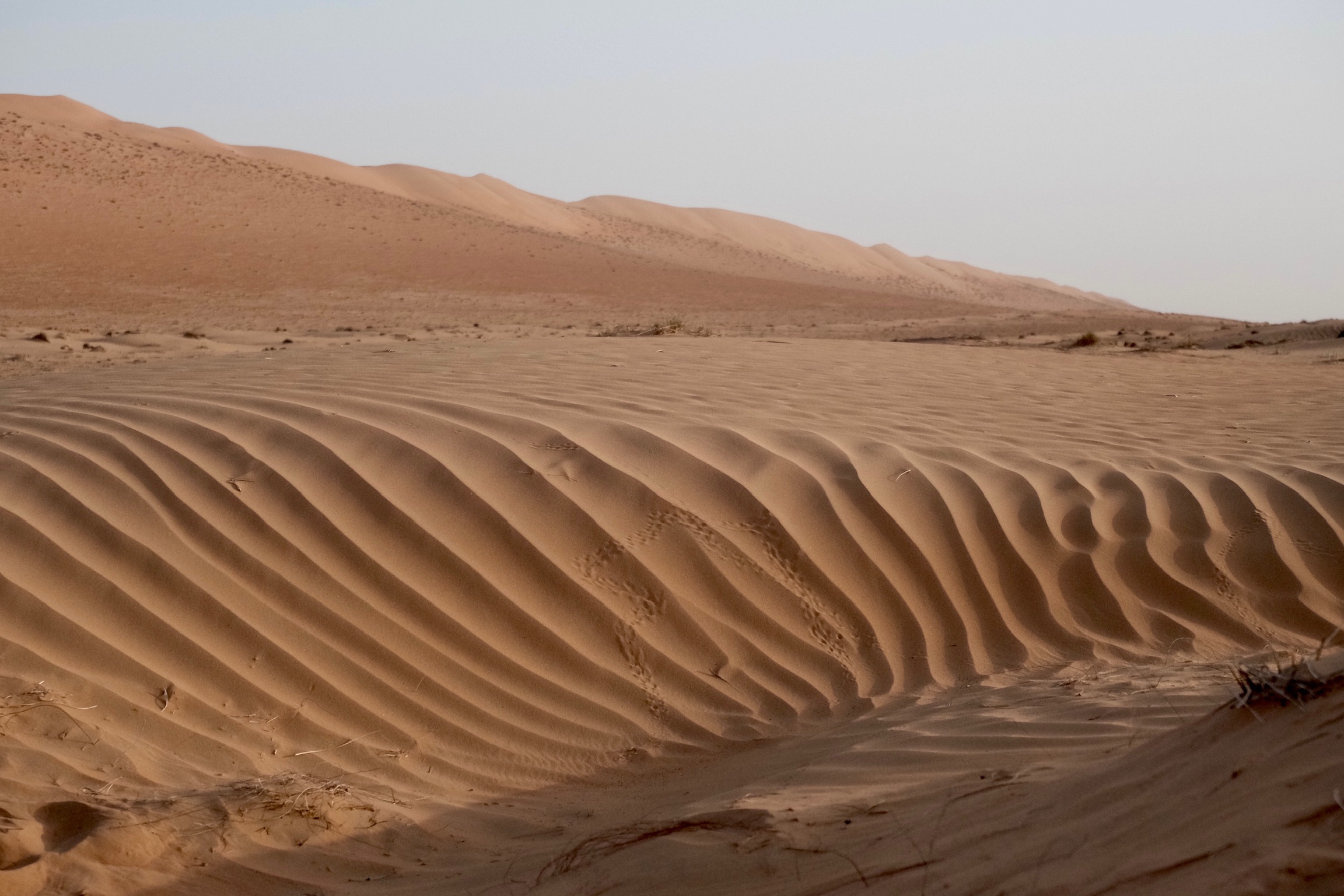
Tyre pressure: Before entering sand, drop tyre pressure to roughly 18 to 20 PSI (from a standard road pressure of 32 to 36 PSI, though check your specific vehicle's recommendation). Your rental company will brief you on the exact figure for your car. This is critical; at road pressure your 4x4 will sink and get stuck in soft sand within metres. Reinflate immediately when you return to tarmac using the compressor included in your rental setup.
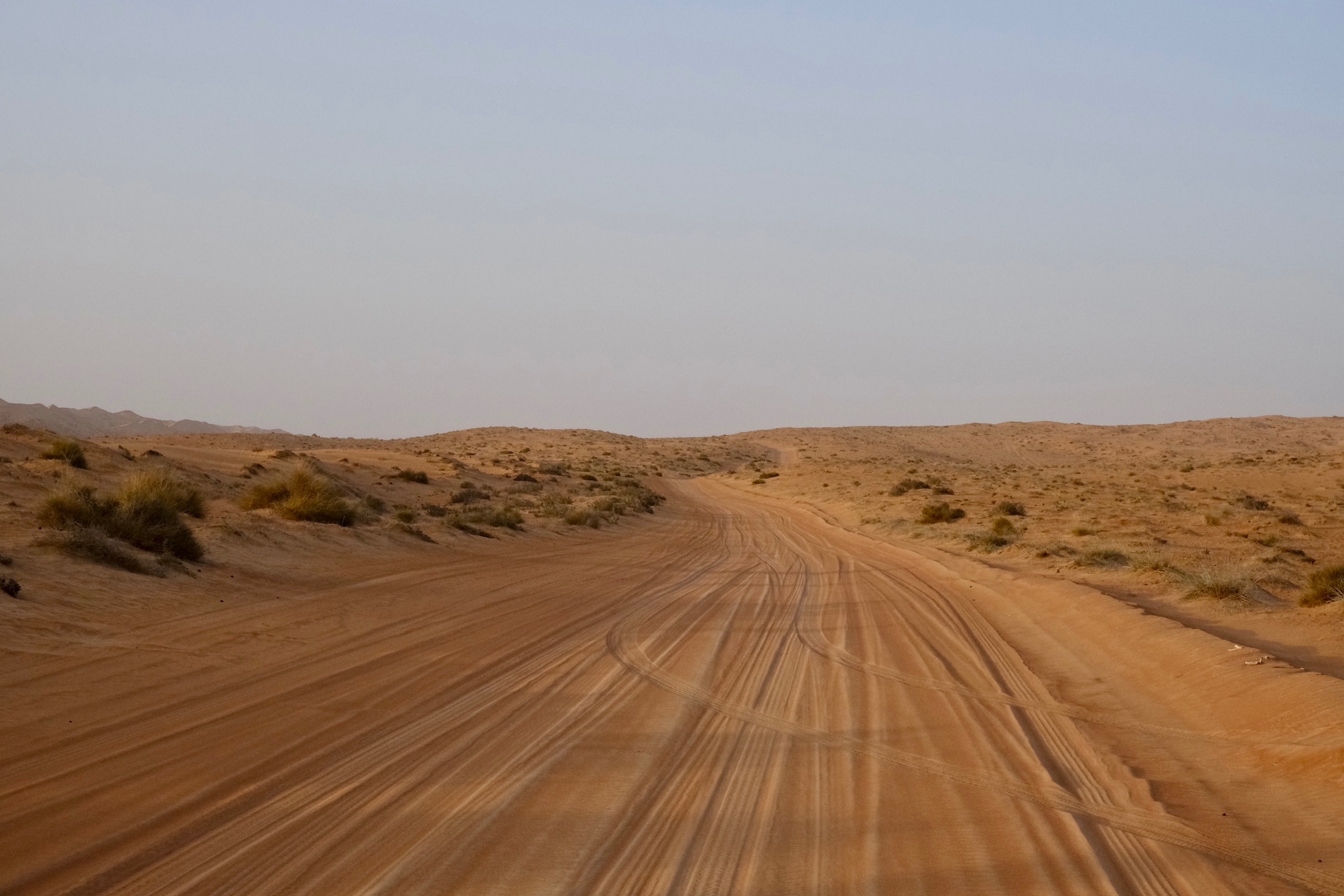
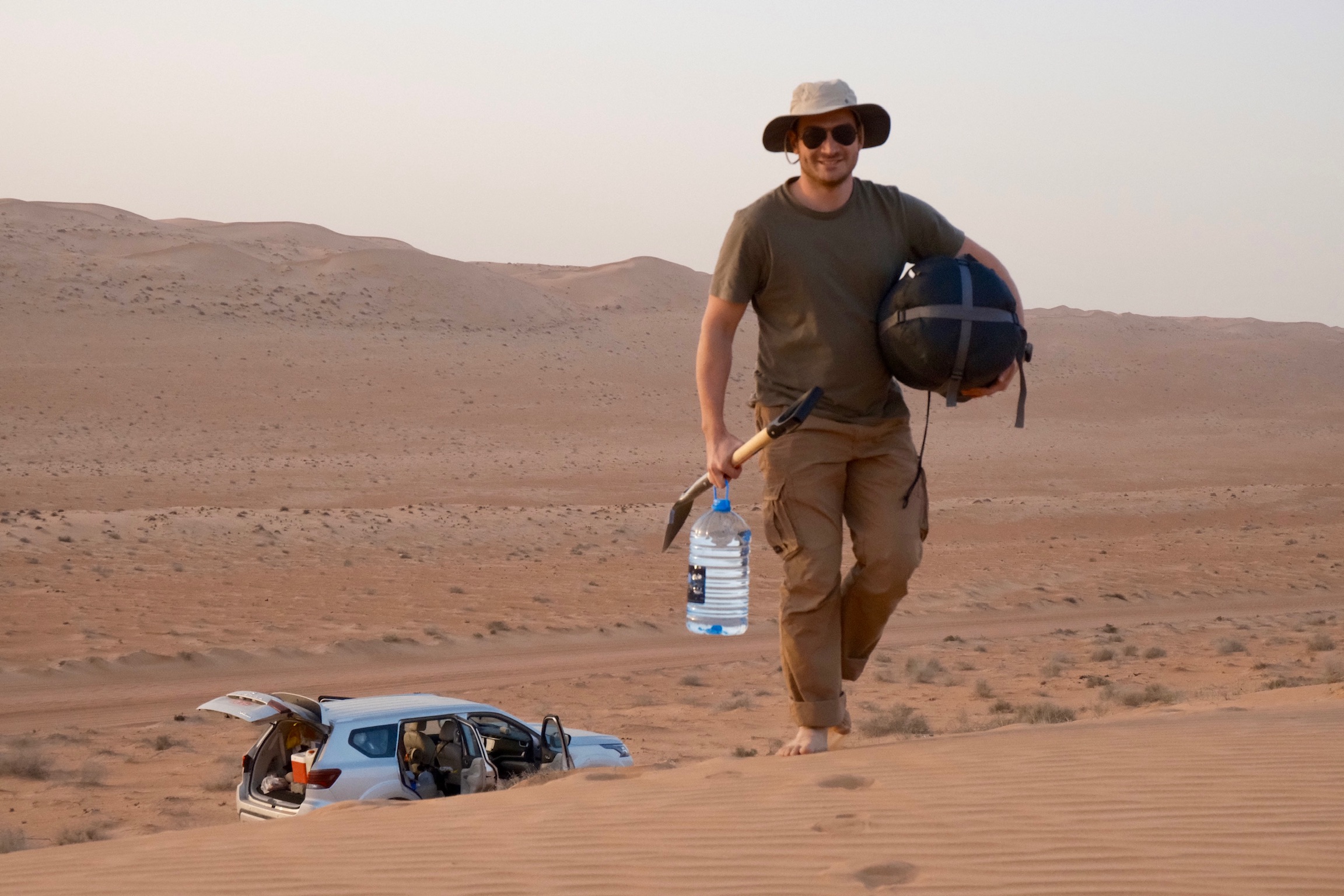
Desert driving rules: Stay on visible tracks or in the valleys between dune ridges. Do not attempt to climb the steep face of a dune that you cannot see over the top of; the descent on the other side may be vertical. Never drive in the desert after dark. If you get stuck: don't rev the engine (it buries the tyres deeper). Dig around the tyres, lower the pressure further, place the recovery board (included in your gear) as a ramp, and drive slowly out. Drive with another vehicle if possible for the first desert experience.
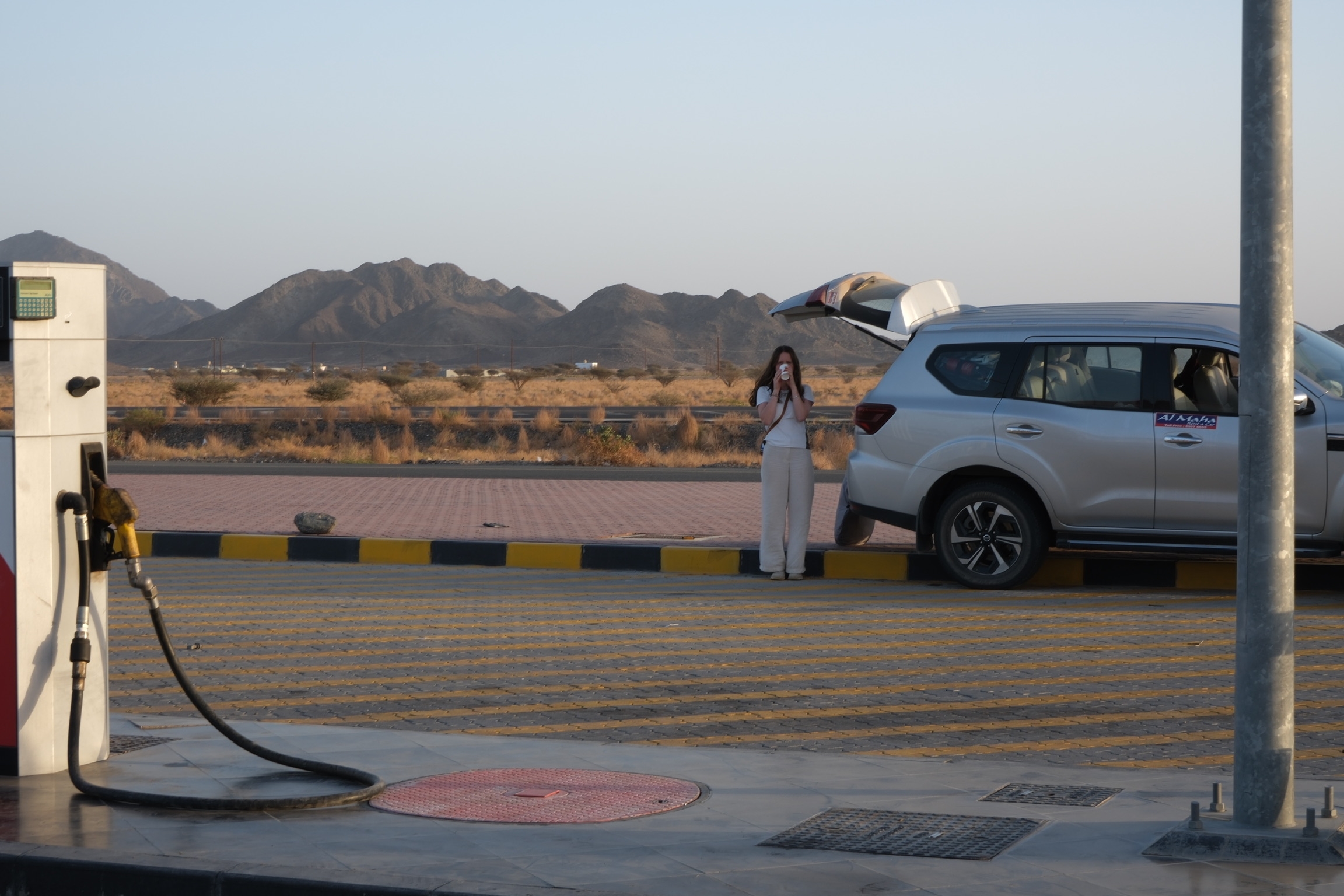
Water and supplies: Carry a minimum of four litres of water per person per desert day; more in summer. The coastal and city sections have reliable shops. Stock up thoroughly in Muscat before leaving south, and again in Nizwa before the mountain and return sections. There are petrol stations throughout the coastal route and in Nizwa; the desert section between Bidiyah and the dunes has nothing. Fill the tank and carry a spare canister.
Navigation: Google Maps works on main roads but is unreliable off-road. Download Maps.me offline for the Oman region; it has better coverage of unmarked tracks. A local SIM from Ooredoo or Omantel (buy at the airport or any supermarket) gives data coverage on main roads and coastal villages but not in deep desert or on the high mountain sections. Download all offline maps before leaving Muscat.
Visa: Most Western nationalities (UK, EU, USA, Australia, Canada) can obtain an Oman e-visa online at evisa.rop.gov.om. The tourist visa costs approximately OMR 20 (around $52 USD) and is valid for 30 days. Processing is usually within 24 hours but apply at least a week before travel. An alternative is a visa on arrival at Muscat Airport for eligible nationalities; check current requirements as these change periodically. Your passport must be valid for at least six months beyond your travel dates.
Currency: Omani Rial (OMR), one of the highest-valued currencies in the world. Cards are accepted in Muscat hotels and larger supermarkets; cash is essential for souqs, small restaurants, petrol stations in remote areas, village shops and any transaction outside the capital. ATMs are available in Muscat and Nizwa; there are none in the desert or along the more remote coastal sections. Withdraw enough cash in Muscat before setting out.
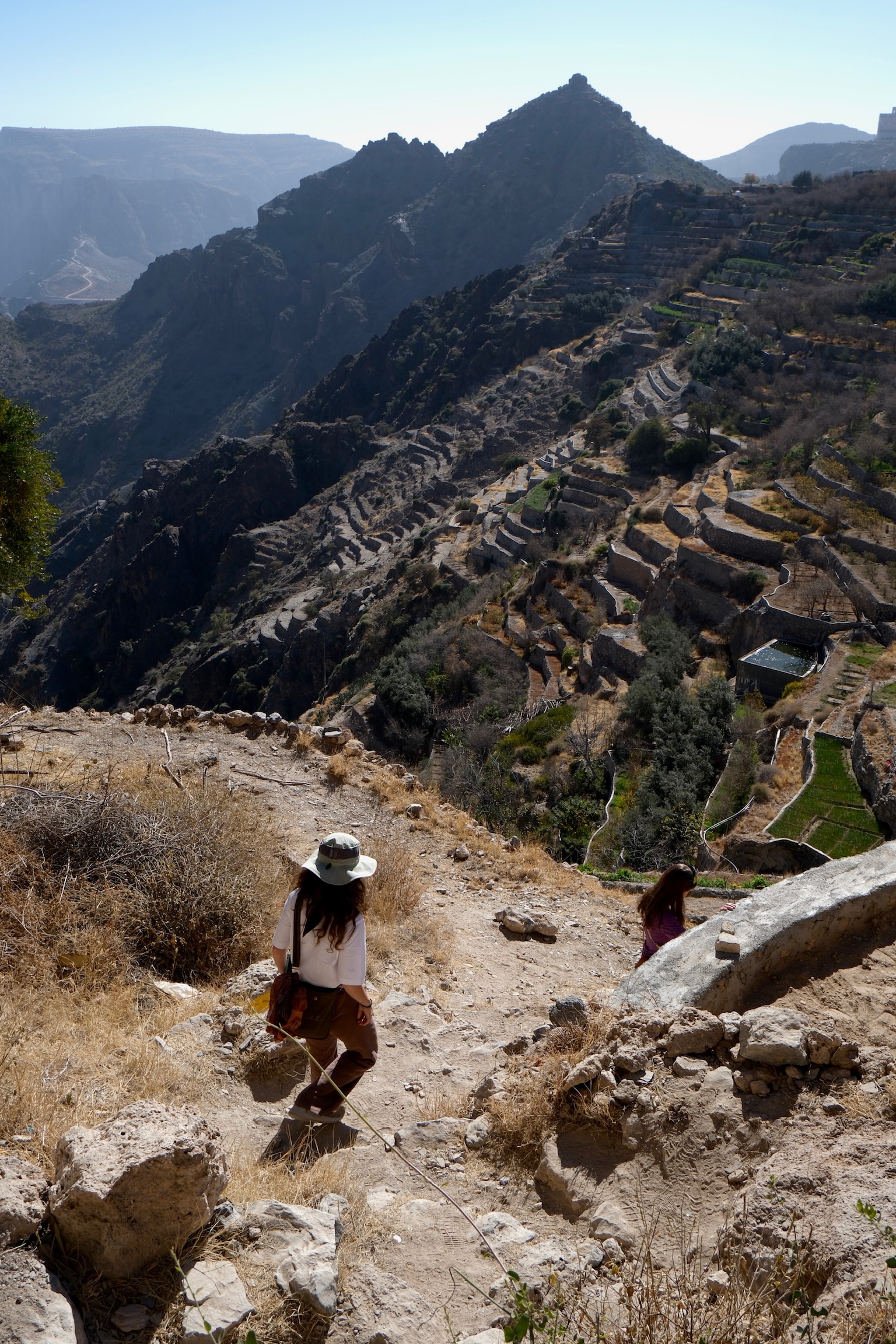
Season: October to March is the optimal window. Temperatures are comfortable during the day (20 to 30°C on the coast, cooler in the mountains) and cold at night in the desert and at altitude. April to May is warm but manageable. June to September is extremely hot during the day on the coast and in the desert; all activity must be done before 8 am and after 4 pm. Summer desert camping requires serious heat management. The Jebel Shams walk is unpleasant in summer midday heat at any altitude.
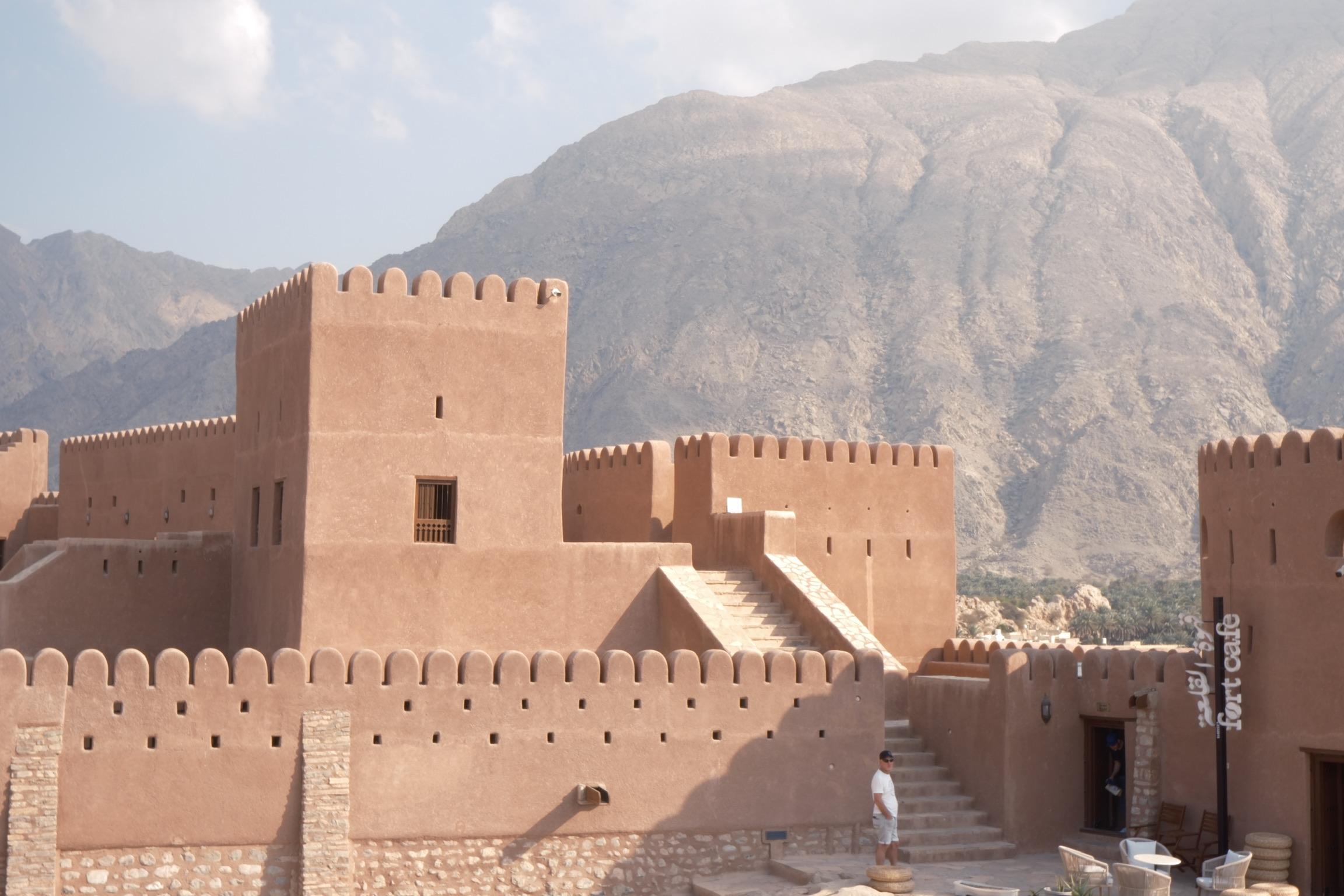
Dress and culture: Oman is a Muslim country and more conservative than Dubai; modest dress is expected everywhere outside beach areas. Shoulders and knees covered in souqs, forts, mosques and any town centre. Women do not need to cover their hair except when entering mosques. The country is notably open and welcoming to international travellers, and interactions with locals are generally warm. Accept tea and coffee when offered; declining is considered impolite.
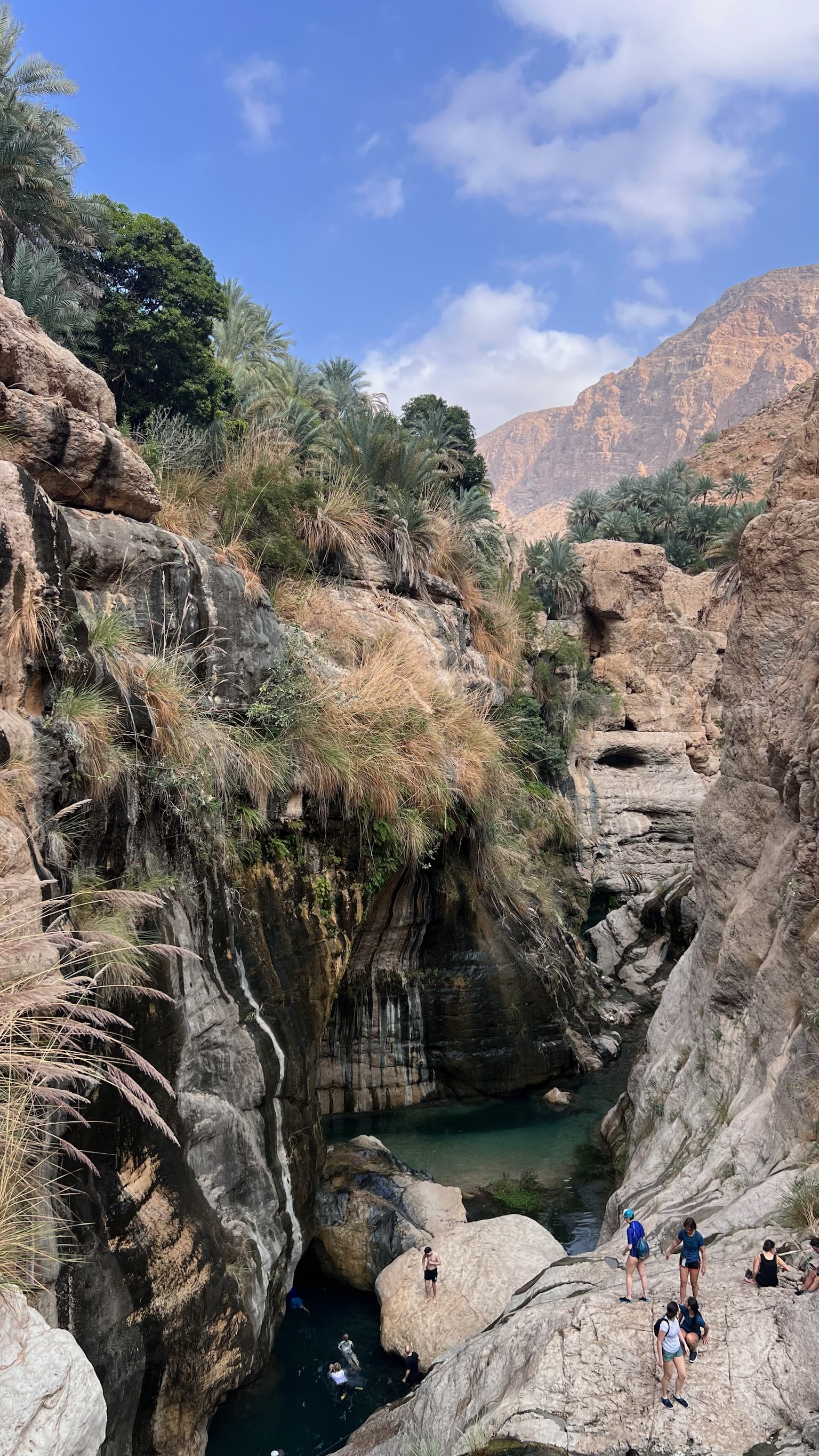
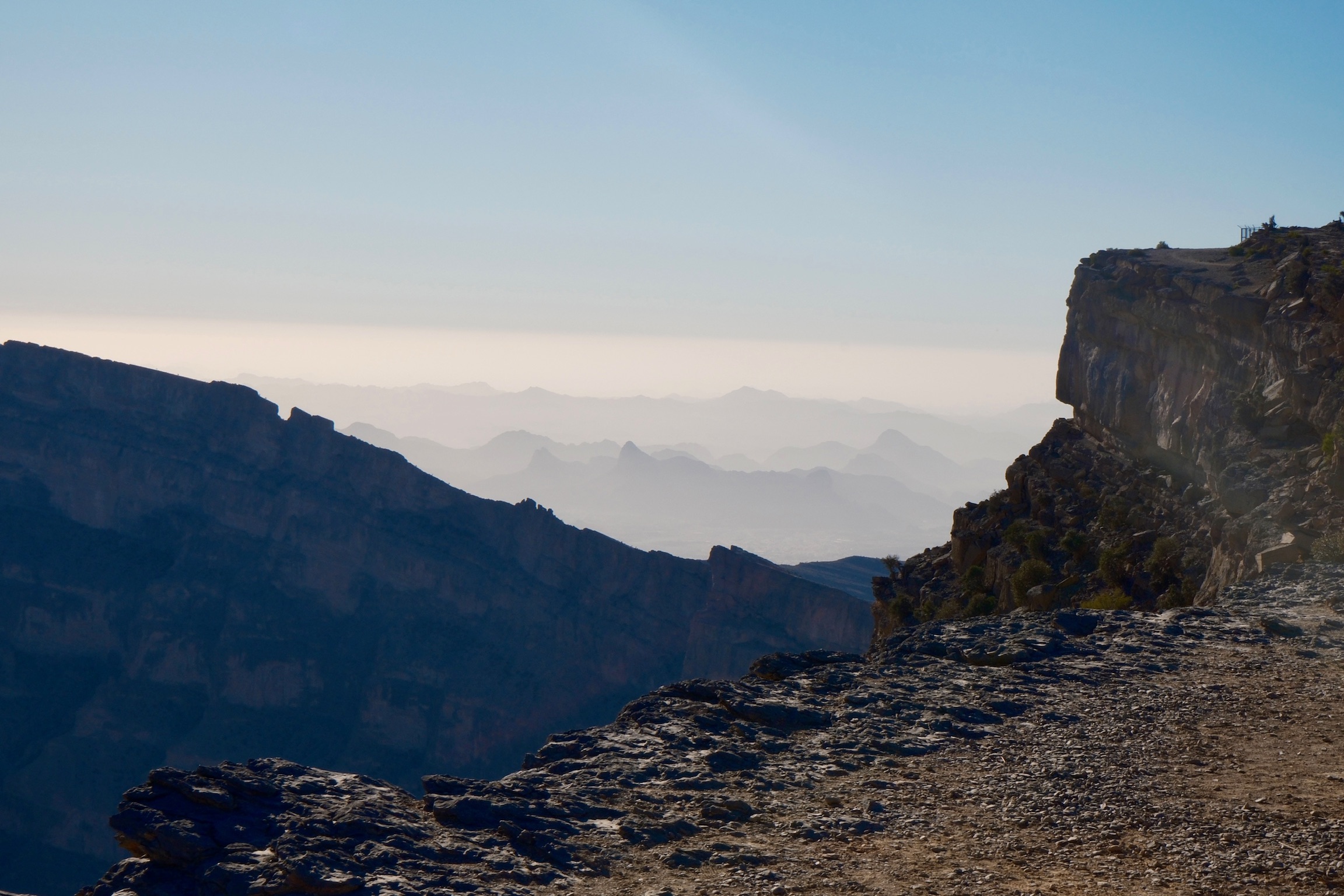
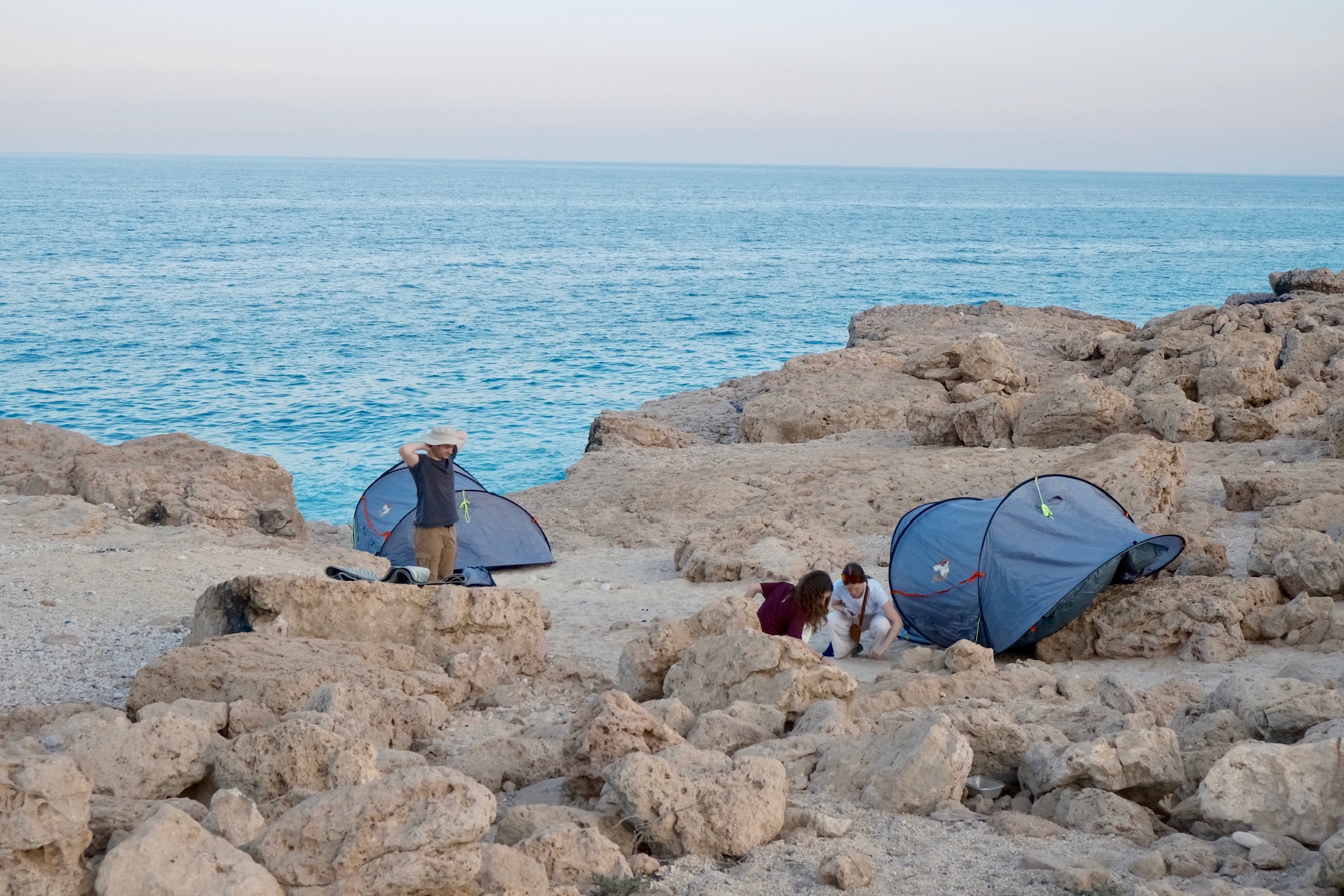
Safety: Oman is consistently ranked as one of the safest countries in the world for independent travellers. Violent crime against tourists is essentially unheard of. The practical risks are heat (potentially fatal without adequate water in summer), getting stuck in the desert (manageable with the right gear and preparation), and cliff-edge camps in high wind. Flash flooding in wadis is the other risk; never camp or park in a wadi floor if there is any possibility of rain in the mountains above.
Turtle beaches: The coast between Ras Al Hadd and Al Ashkharah is protected turtle nesting territory. Do not use torches or flash photography near nesting turtles or hatchlings; the light disorients them. Camp at least 15 metres from the high tide line during nesting season. Guided turtle watches from the Ras Al Hadd Turtle Reserve are the responsible way to observe nesting at close range; entry and guide fees apply.
Alcohol: Oman is not a dry country but alcohol is only available in licensed hotels and a small number of specific outlets. There are no alcohol sales at petrol stations, supermarkets or restaurants outside hotels. For a camping-based road trip this is a practical non-issue.

