Day 2: San Blas island hopping
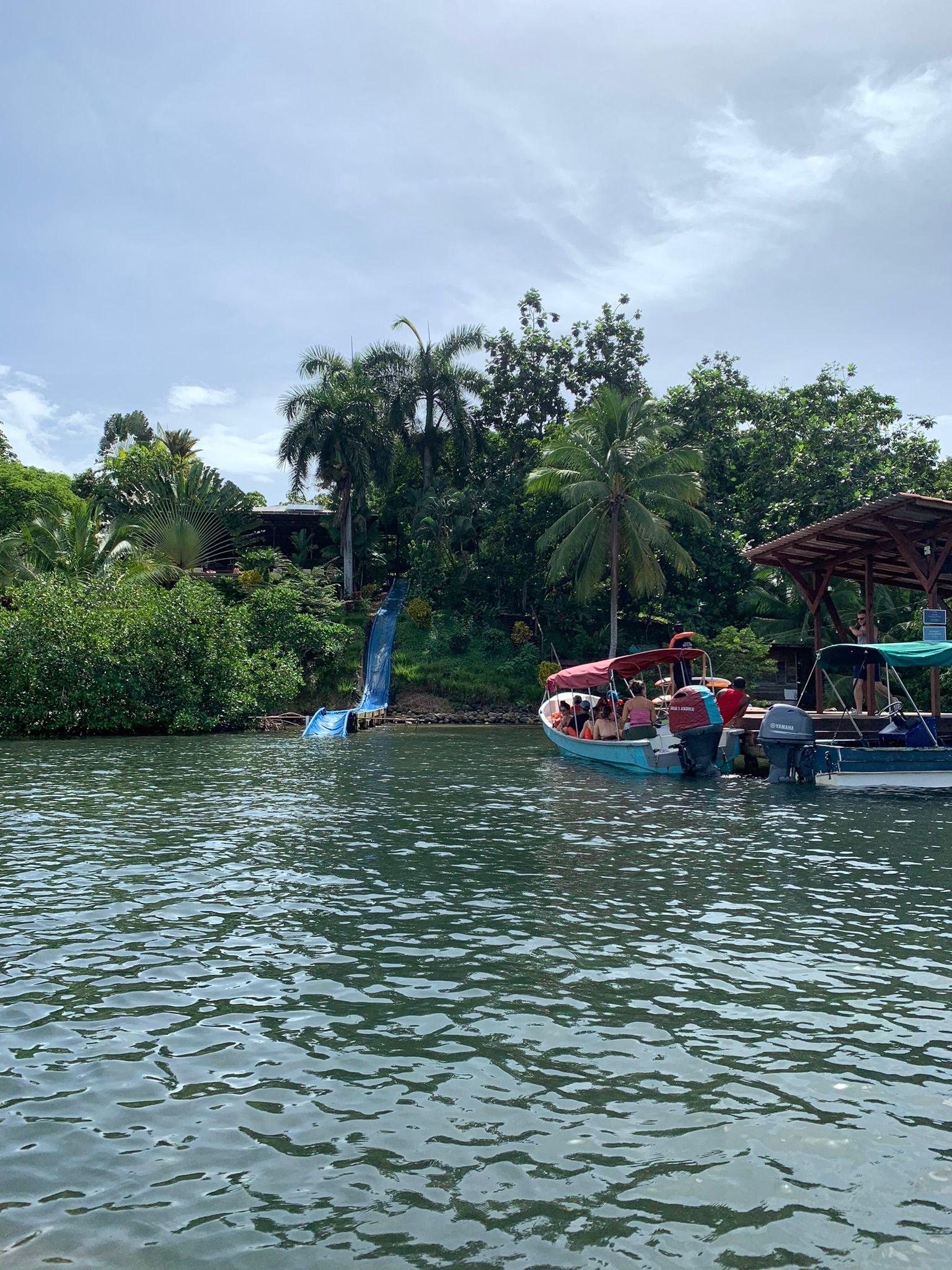
The island hopping day is organised through your cabana host or through the Guna boat captain who brought you in; both are the same person in most cases. The format is loose: a small motorboat, a cooler with drinks, a guide who knows which islands are currently accessible and which reefs are in the best condition, and a schedule that adjusts with the wind and the tides.
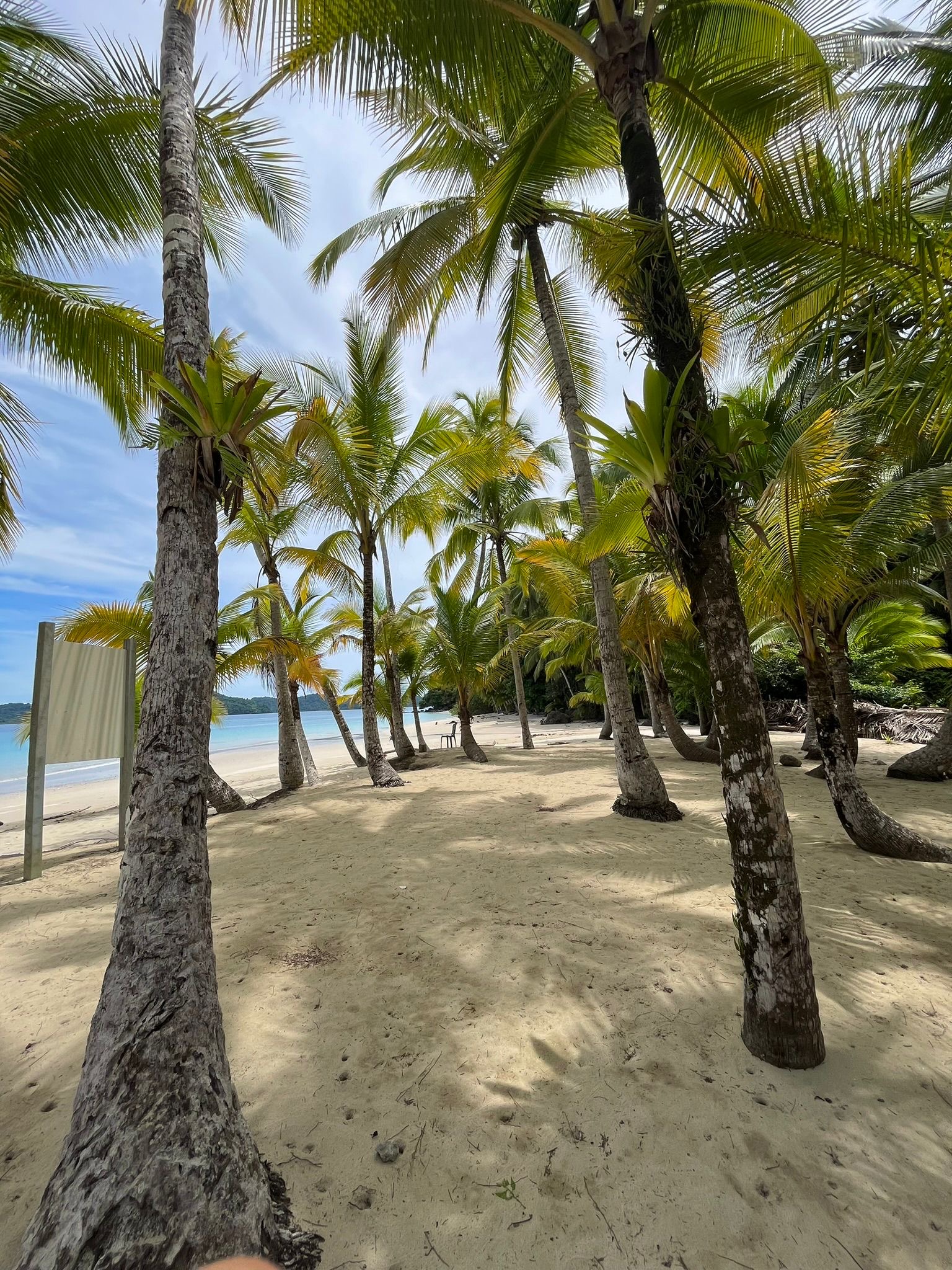
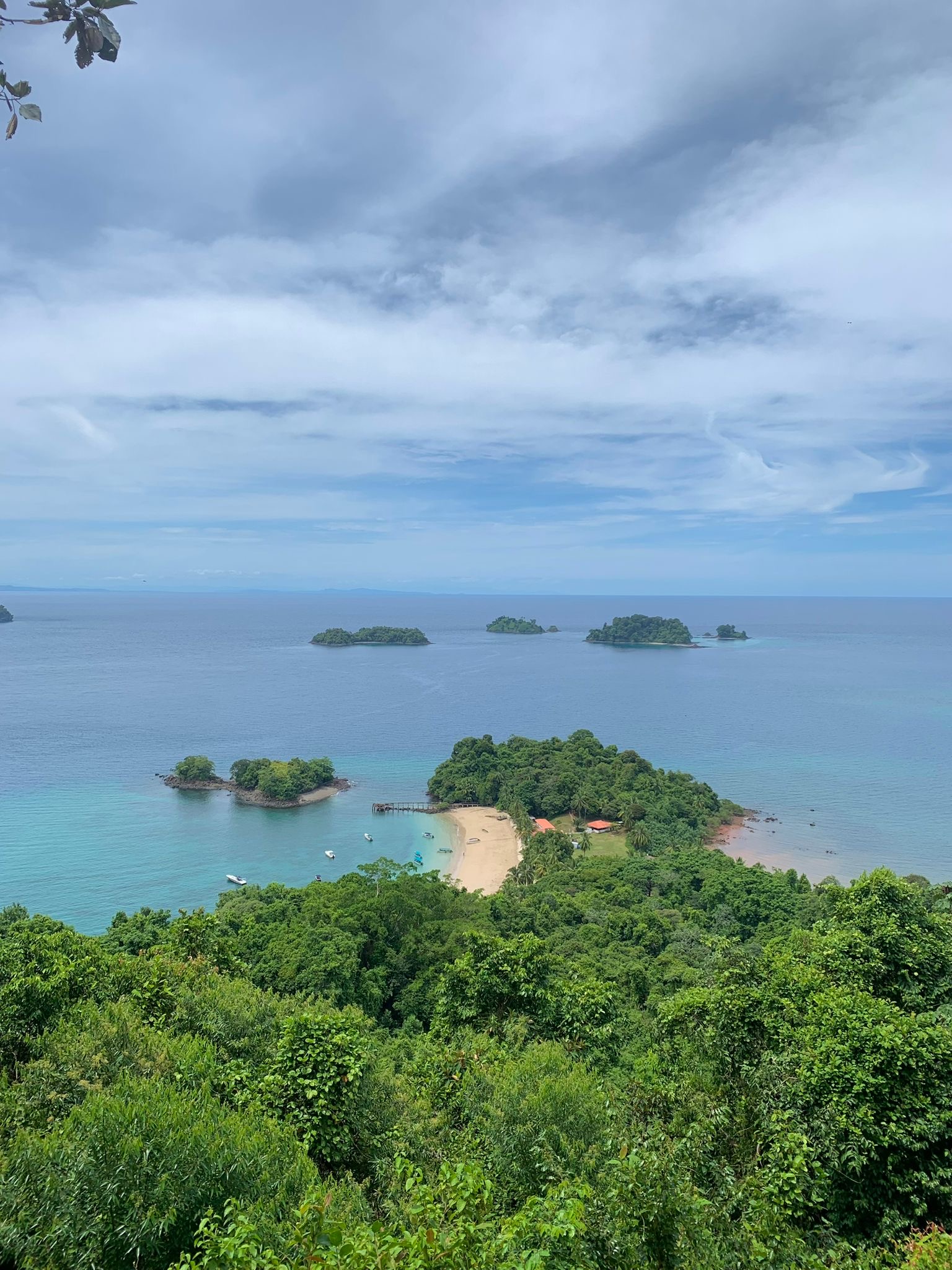
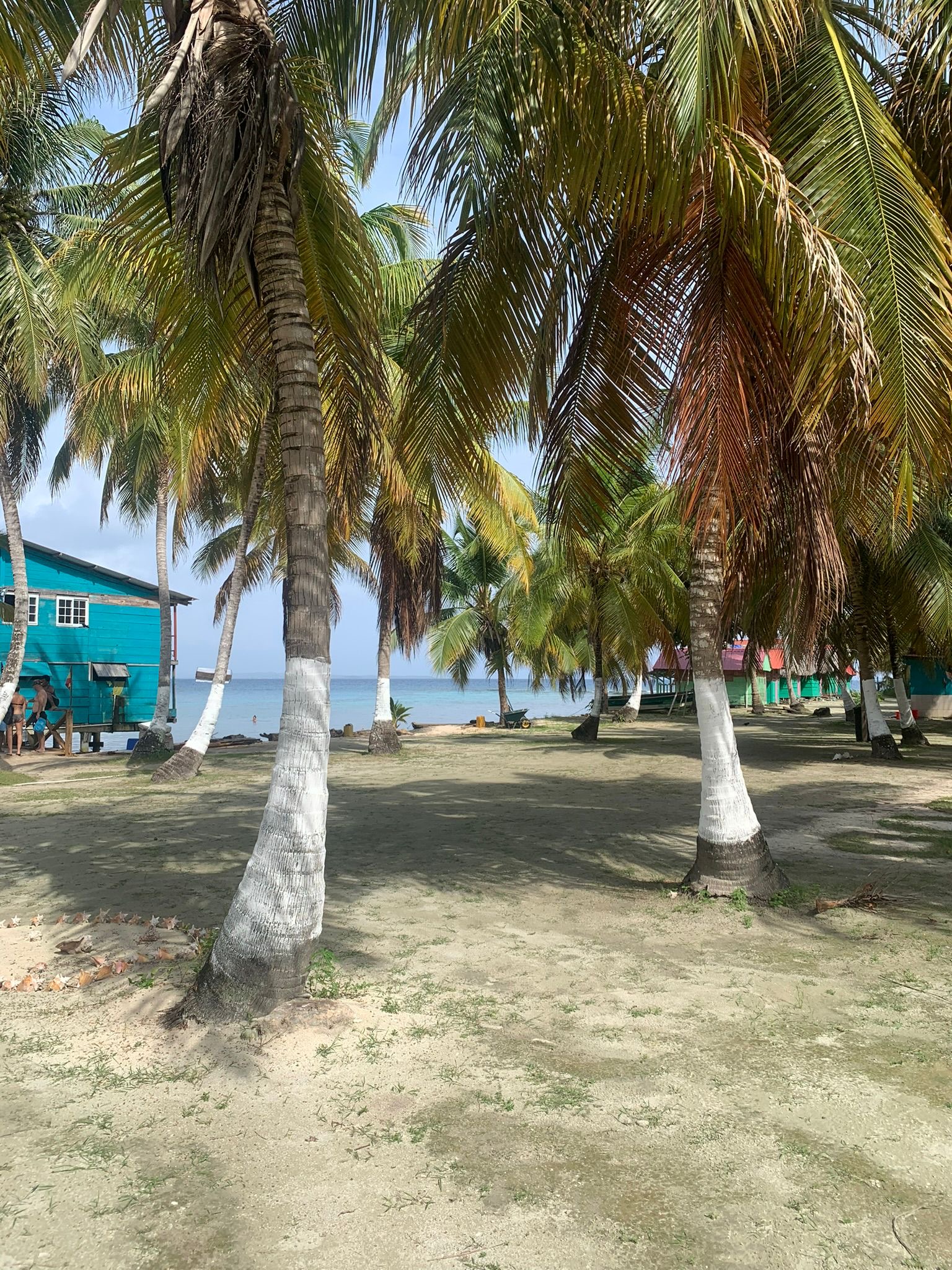
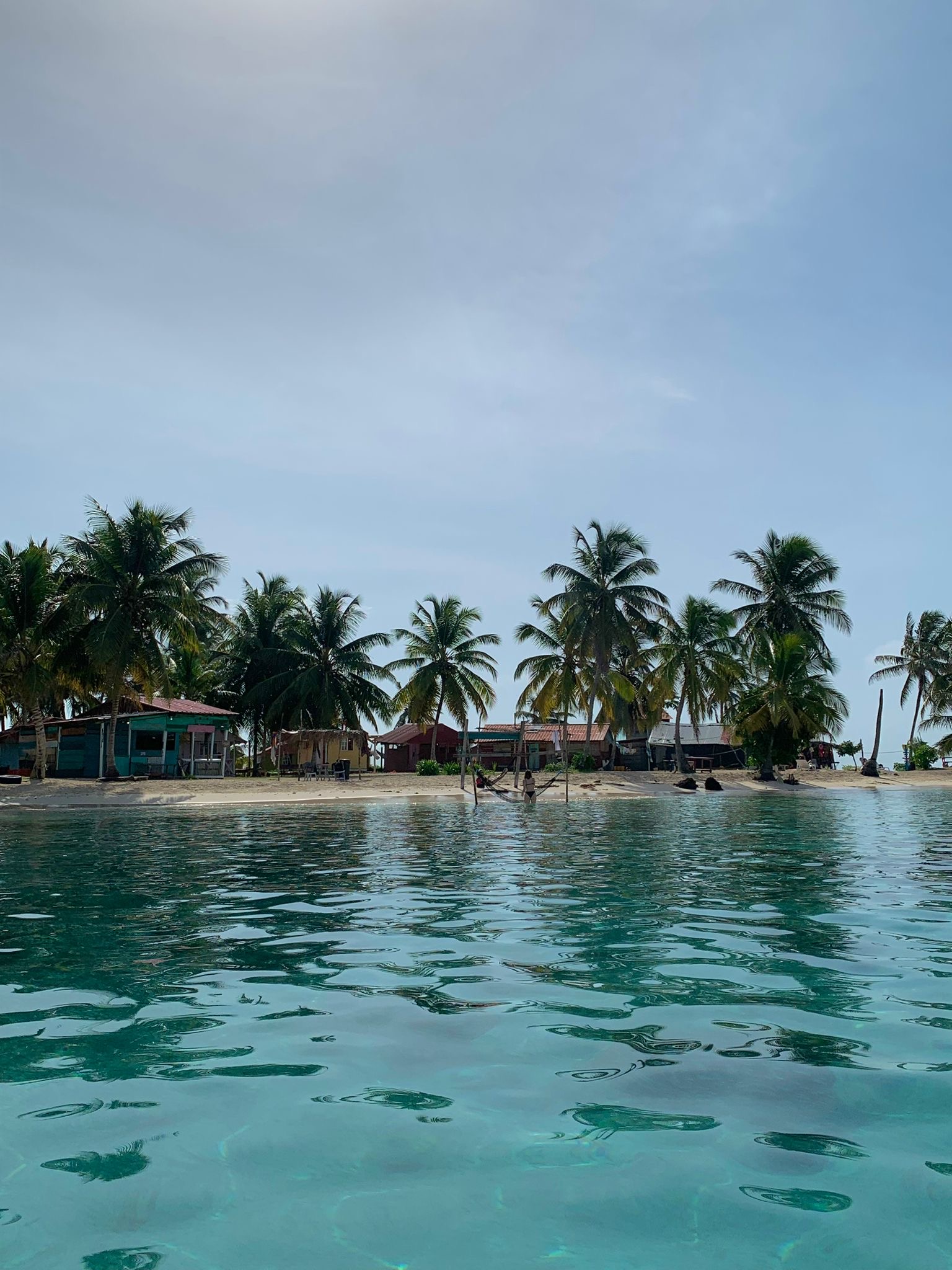
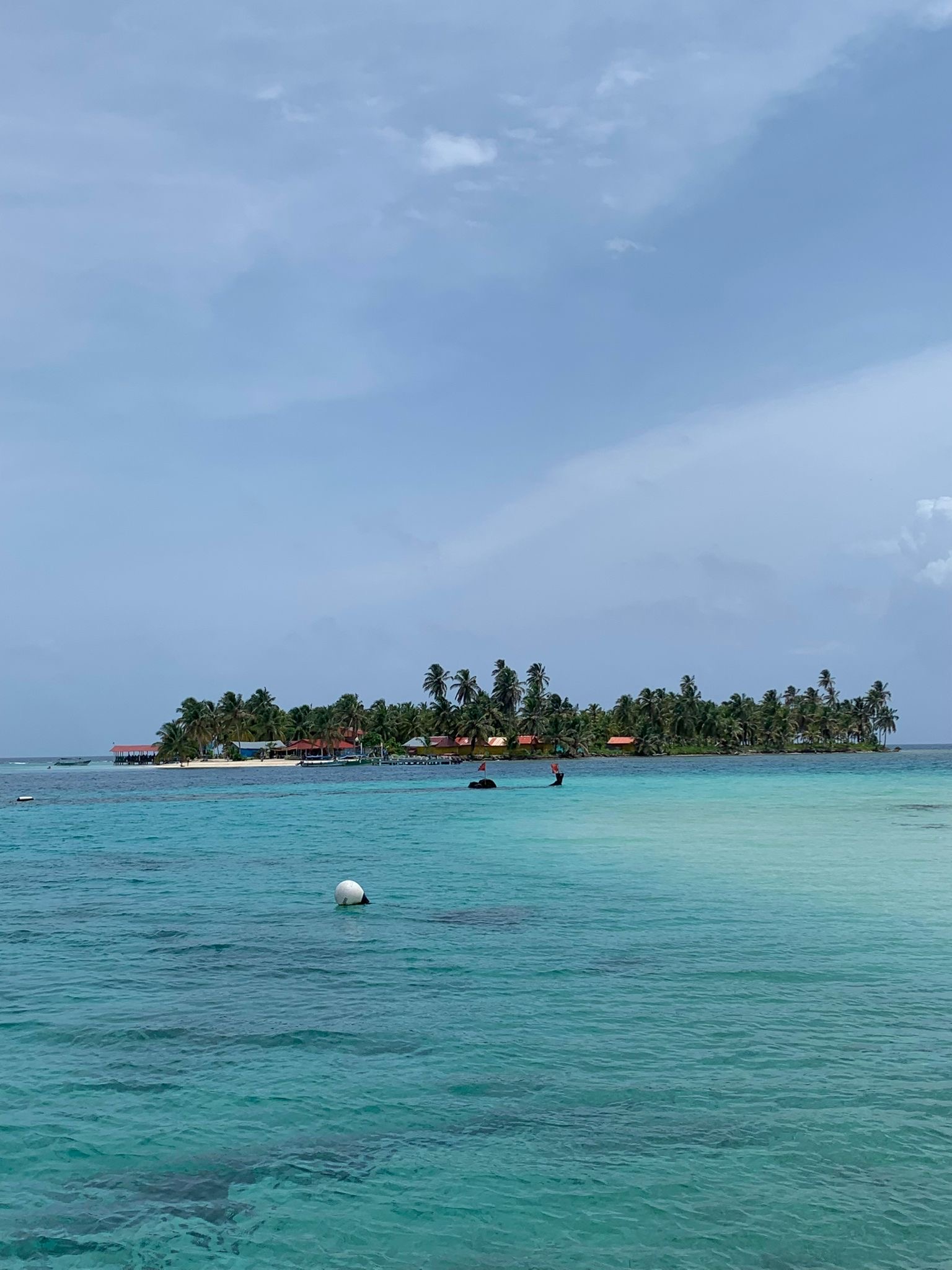
The uninhabited cays are the point. Many are smaller than a football pitch, covered by a few palm trees and a circle of white sand barely a metre above the waterline. The snorkelling off most cays is in shallow, warm water; visibility is good on calm days and the reef fish, sea fans and occasional nurse shark or sea turtle are accessible without any equipment beyond a mask and fins. Snorkelling gear is usually provided by your cabana or rentable from the island; bring your own mask if you have one for better fit and visibility.
The Guna people number around fifty thousand and live across roughly forty of the islands and several coastal mainland communities. Their traditional economy was built on fishing, coconut cultivation and trade; tourism has been incorporated on community terms rather than on terms set by outside operators. Your boat captain will explain Guna traditions, the significance of the molas (the reverse-appliqué textile panels that are the most visible Guna art form and widely sold as souvenirs), and the governance system that has kept the comarca autonomous since the 1925 Guna Revolution against Panamanian state authority. These conversations are more interesting than a guided tour of the same information would be.
Lunch is a picnic on a deserted beach: fresh coconut water from coconuts hacked open on board, whatever fruit came from the mainland that week, and usually more grilled fish. The evening back at your base island closes with the same simplicity as the first night: limited food options, darkness after the generator cuts, and stars.
Day 3: San Blas to Panama City to Bocas del Toro
There are only two daily departure options from the islands back to the mainland. The return 4x4 departs early from Cartí; your boat captain will give you the exact timing the evening before. The return journey is the same road in reverse, arriving back in Panama City by late morning.
Getting to Bocas del Toro: Two options. The domestic flight from Albrook Airport (PAC) to Bocas del Toro Airport (BOC) takes approximately one hour with Air Panama and costs roughly $150 to $200 one way. This is the faster and more comfortable option; book in advance as the route fills. The overland alternative: bus from Panama City to David (six to seven hours), then a connecting bus to Almirante on the Caribbean coast (one hour), then a water taxi across to Bocas Town (thirty minutes, $6 one way). The overland route takes twelve to fourteen hours total and works best as an overnight bus to save a hotel night; the overnight bus from Panama City to David departs in the evening and arrives before dawn.
If arriving by bus, get off at Almirante and take a taxi to the marine taxis terminal; from there the boat to Isla Colón costs $6 one way. No online booking is available for the water taxi; arrange it on the day.
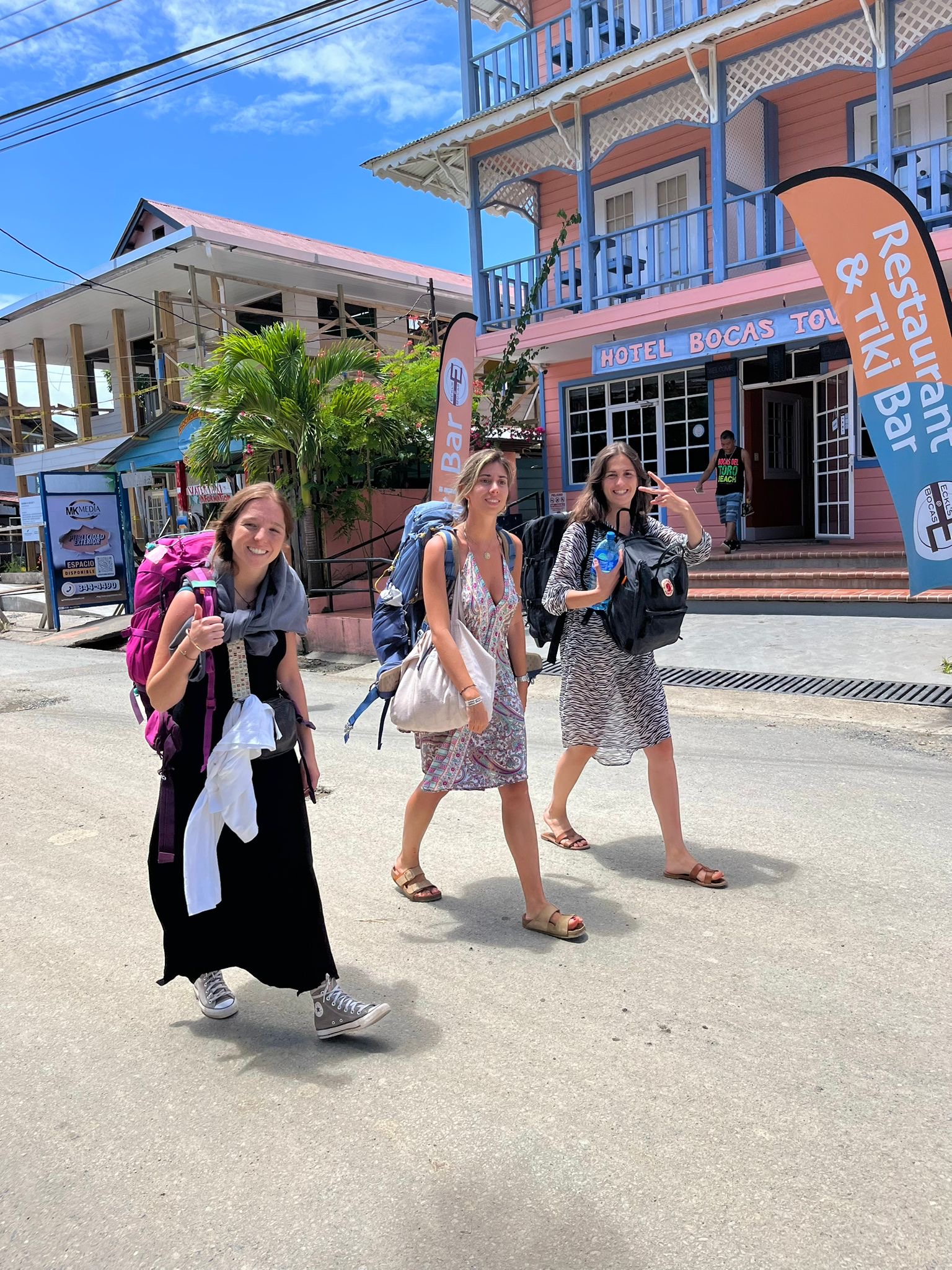
Bocas Town on Isla Colón after San Blas is a genuine contrast: reggae from the waterfront bars, water taxis buzzing in the channel, backpackers on bicycles and wooden buildings on stilts above the water. The town is functional rather than beautiful but it has genuine Caribbean energy that San Blas, in its quieter way, does not.
Day 4: Bocas del Toro island exploring
Spend the first full day on the standard full-day boat tour, which orients you and delivers the islands, the starfish, and the wildlife in one loop.
The Bocas del Toro archipelago covers nine main islands and dozens of smaller ones. The main boat tour from Bocas Town covers the key stops:
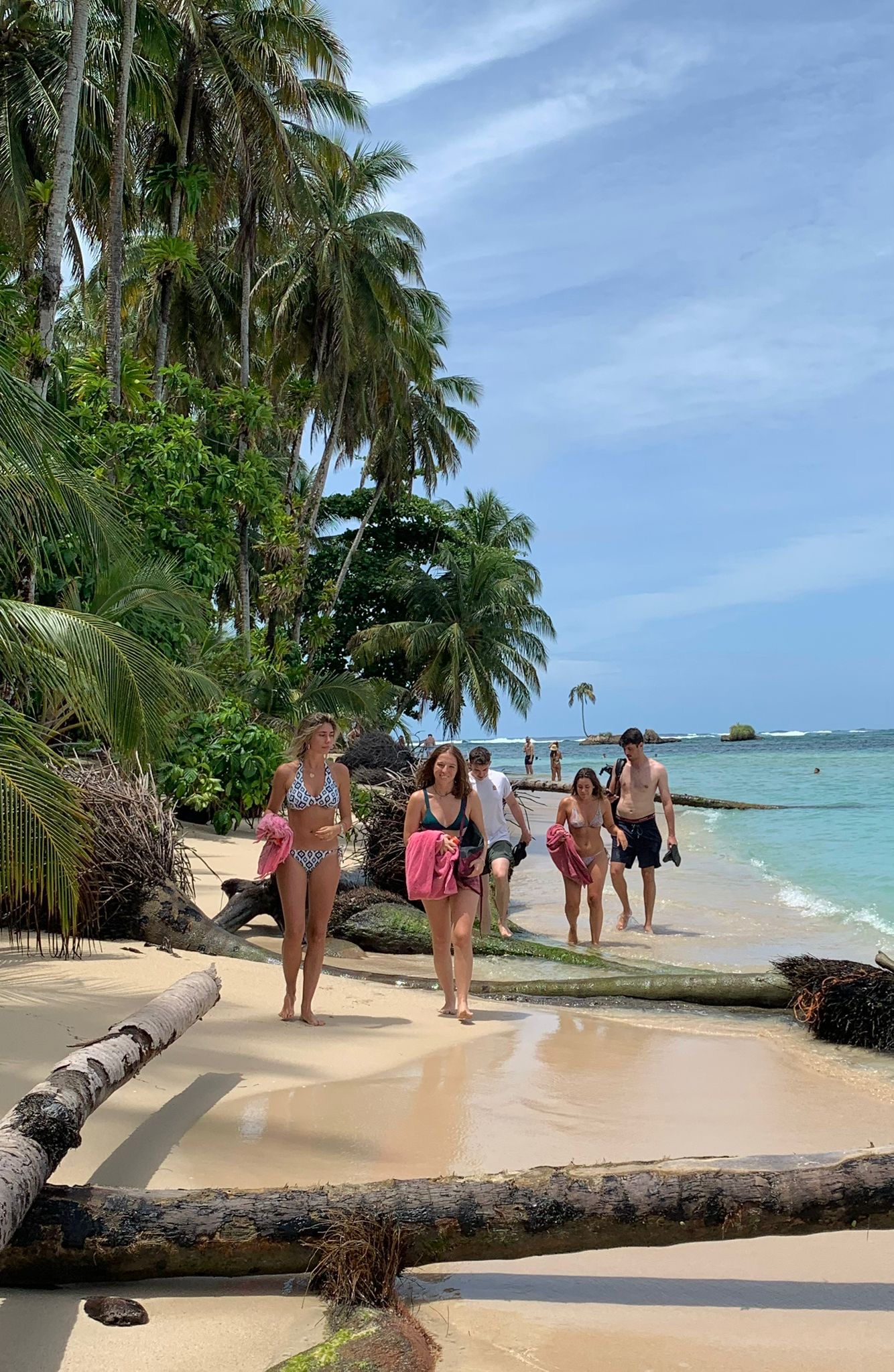
Playa Estrella (Starfish Beach) has soft white sand and crystal-clear water ideal for snorkelling and swimming with starfish. Do not touch or remove the starfish from the water; they are fragile and the Bocas conservation agencies take this seriously.
Hospital Point at the northern tip of Isla Solarte is one of the best snorkelling spots in the archipelago with a deep sea wall teeming with marine life. Sea turtles, reef sharks, rays and a wide variety of Caribbean reef fish are regular sightings.
Bastimentos National Marine Park covers the eastern islands of the archipelago including the Cayos Zapatillas, two uninhabited islands with excellent coral and long stretches of empty beach. Access to the park requires an entry permit ($20 per person); most boat tours include this in the price. The park also protects nesting beaches for four sea turtle species; between July and October, nightly turtle nesting is accessible through organised community tours on Isla Bastimentos.
The only masks you need in Bocas del Toro are snorkel masks. Use reef-safe sunscreen to protect Bocas' delicate ecosystems.
The evening in Bocas Town is straightforward: waterfront restaurants and bars concentrated around the main street, reggae and calypso from multiple directions, and the Aqua Lounge (a club built on its own small island, accessed by water taxi) if the mood is right.
Day 5: Full snorkelling tour and Afro-Caribbean culture
San Cristóbal is a remote and peaceful island located 30 minutes by boat from Isla Colón. It has several Ngöbe-Buglé villages and is the best place in the archipelago to see dolphins, at the namesake Dolphin Bay. The Dolphin Bay encounter is one of the most consistent wildlife experiences in Bocas: resident populations of bottlenose dolphins use the bay as a feeding ground and boat approaches are managed to allow observation without pursuit.
Bocas is known to have 95% of the Caribbean's soft coral species, and the archipelago is lined with beautiful and shallow reefs. September and October are the best months for scuba diving, falling in a Caribbean mini dry season that brings clear water and low tourist numbers. January through March is the other reliable dry window.
The Afro-Caribbean culture of Bocas del Toro is genuinely distinct from the rest of Panama. The local culture blends West African roots, indigenous Ngöbe-Buglé traditions and colonial Spanish influence. Food reflects this history: coconut rice, fried fish and Caribbean spices are the staple combination. Eating at a local soda (a simple family-run restaurant) rather than the tourist-facing waterfront spots gives a clearer picture of the cooking tradition; rice cooked in coconut milk with red beans alongside fried whole fish is the honest Bocas meal.
The afternoon follows no schedule. Hammocks, sea breezes and the Caribbean rhythm of a place that does not hurry.
Day 6: Bocas del Toro to Boquete
Take a public bus from Boquete Central Park; buses labelled "Almirante" depart regularly. Once in Almirante, grab a taxi to the docks, then a water taxi back to the mainland. From Almirante, buses to David depart every 30 minutes and take about 3.5 hours. From David, buses and shuttles connect to Boquete (45 minutes, approximately $1.50).
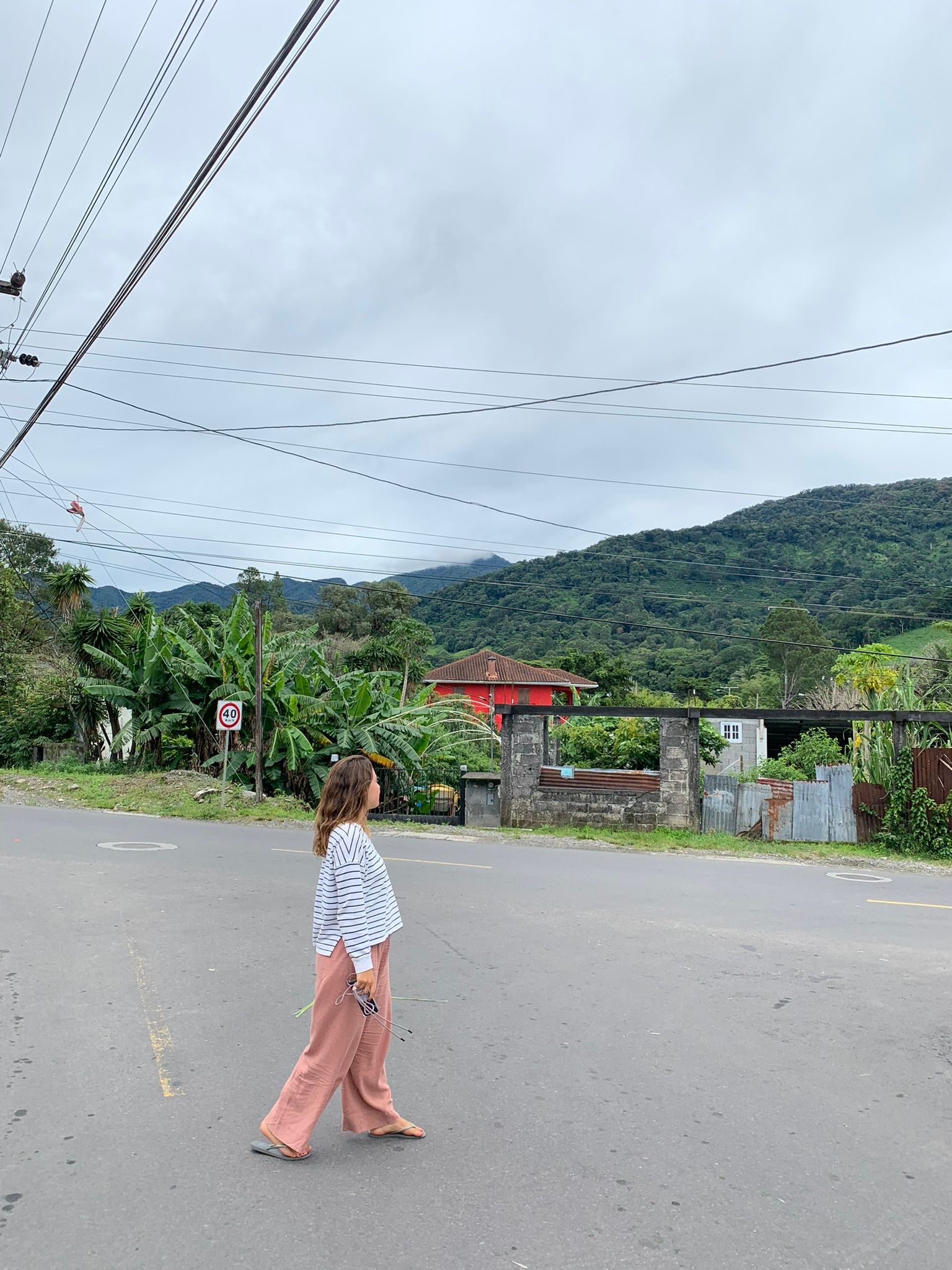
The journey from Caribbean coast to highland is one of the most dramatic transitions in Central America. You start at sea level in tropical humidity, cross the Continental Divide through the Chiriquí highlands, and arrive in Boquete at 1,200 metres where the air is cool enough to require a jacket in the evening. The vegetation shifts from mangroves and sea grape to cloud forest and coffee plants within two hours.
Boquete itself is a small, tidy town on the Caldera River in the Chiriquí province highlands, backed by the southern slopes of Volcán Barú (3,474 metres, the highest point in Panama). The town has built its reputation on two things: specialty coffee and bird watching. The Chiriquí highlands produce some of the world's most expensive coffee, including the Geisha variety first cultivated here at the Hacienda La Esmeralda farm, which has repeatedly broken world auction records. The town draws both serious coffee buyers and retirees from North America, giving it an unusual dual character: local Panamanian market town with an overlay of international specialty café culture.
Spend the afternoon walking along the Caldera River, visiting the small artisan market and getting your first highland meal in days: hearty soups, grilled chicken and local vegetables replace the fish-and-rice rhythm of the coast.
Day 7: Cloud forest, waterfalls and coffee
Los Quetzales trail and waterfall hike: The cloud forest above Boquete covers the slopes of Volcán Barú National Park and is one of the most biodiverse highland ecosystems in Central America. The Los Quetzales trail is named for the resplendent quetzal, the most prized bird in Central America, an iridescent emerald and red bird whose sighting in the wild is one of the experiences that draws serious birders to Panama. The trail runs through hanging bridges, moss-covered trees, orchids in the hundreds and the cool, damp atmosphere of a forest that sits in cloud most mornings. Organised tours depart from Boquete's central park from early morning; hire a local guide for the quetzal search specifically, as they know the trees where resident pairs nest and feed. The waterfall sections are reached through increasingly dense forest after the initial ridge trail.
Coffee estate tour: Hacienda La Esmeralda, Café Kotowa and Finca Lerida are the three most respected farms for tours in the Boquete area. All three offer guided walks through their coffee plants, processing facilities and drying areas, followed by cupping sessions where you taste the same coffee at different stages of processing. The agricultural explanation of how altitude (Boquete sits at the optimal 1,200 to 1,800 metres for Arabica cultivation), rainfall pattern, volcanic soil chemistry and shade conditions produce the flavour profiles of Geisha and other specialty varieties is more interesting than a generic café tasting. Book the afternoon tour through your accommodation; start times are usually 2 to 3 pm.
Evening in Boquete is cool and quiet. The streets empty early, the restaurants are small and local, and the temperature drop after dark is the most dramatic sensory moment of the day.
Day 8: Boquete to Santa Catalina
The crossing from the Caribbean/Atlantic-facing highlands to the Pacific coast takes approximately four to five hours by shuttle or a combination of bus changes through David, Soná and Santiago before the road descends to the coast at Soná and then tracks southwest to Santa Catalina. Shuttle services connecting Boquete directly to Santa Catalina are available through hostel booking desks in Boquete; confirm the current schedule and book the day before.
The landscape drops from cloud forest through dry tropical lowland that is noticeably drier and dustier than anything on the Caribbean side: cattle ranches, teak plantations and scrub replace the dense highland green. The road reaches the Pacific coast on a stretch that has one of the longest, most consistent right-hand surf breaks in Central America.
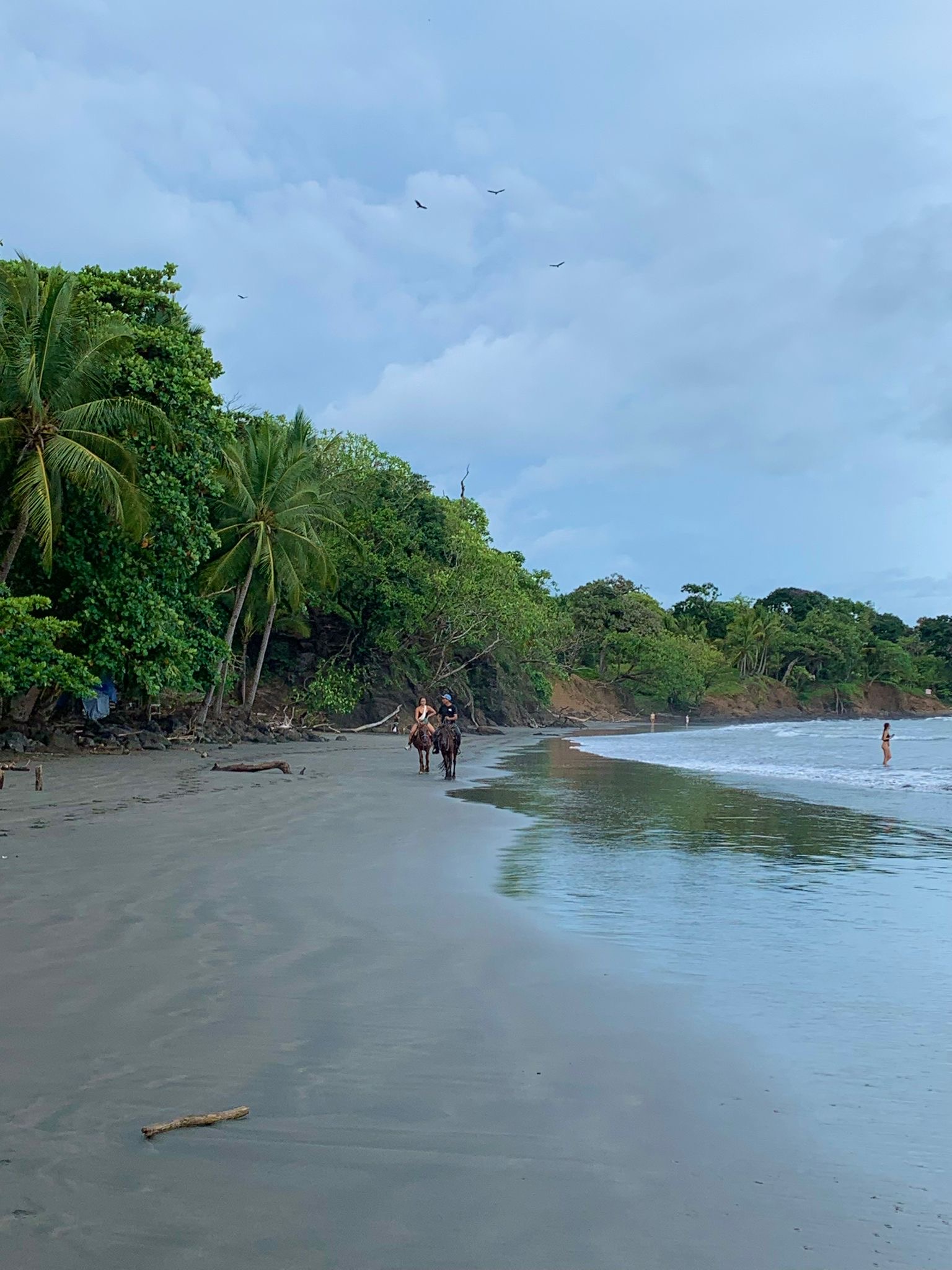
Santa Catalina is a working Pacific fishing village: dirt roads, chickens, a scattering of surf lodges and guesthouses, no ATM and a single main beach facing directly into the Pacific swell. The break at Punta Brava, the right-hand reef point at the southern end of the beach, is the reason surfers have been coming here since the 1990s. The village has grown around the surf without losing its fundamental fishing village character; the morning catch is sold from the boats, the afternoon is for surfing, and the evening is for watching the Pacific sunset with nowhere specific to be.
The Pacific sunset from Santa Catalina, with surfers in the water silhouetted against a sky that goes orange and then purple before the dark drops, is one of those moments that Panama rarely gets credit for.
Day 9: Surf or Coiba National Park
Surfing: Santa Catalina and nearby Coiba National Park offer an experience that feels raw, unpolished, and increasingly rare. The main breaks are all reef and point breaks requiring some surfing confidence; the best waves here are not beginner waves. Punta Brava handles medium to large Pacific swell and the long right-hand point offers rides of several hundred metres on the right day. Intermediate surfers will find their level; beginners should book a lesson with one of the village operators before attempting the main reef.
Coiba National Park: The alternative to a surf day and the more significant nature experience. Tours depart from Santa Catalina at 8 am toward Coiba National Park. By 9:30 am the tour begins its exploration of the included islands, with snorkelling in the crystal-clear waters. At around 12:30 pm, you arrive at the visitor centre for lunch. The tour concludes around 4:15 pm.
Coiba National Park comprises the largest island in Central America – Coiba – as well as 38 other small islands and the surrounding marine area. With 760 different species of marine animals, 147 bird species, and almost 1,500 plant species, the national park is a UNESCO World Heritage Site.
Just a short boat ride from Santa Catalina, Coiba Island and its surrounding islets offer one of the most biodiverse marine ecosystems in the Eastern Pacific. You will explore vibrant coral reefs teeming with tropical fish, manta rays, turtles, and even the occasional whale shark. The visit also includes the lush tropical forest of Coiba Island, where you can spot exotic birds like the scarlet macaw, playful monkeys, and other unique wildlife species found only in this region.
Coiba's history adds another layer: the island was used as a penal colony from 1919 to 2004, effectively quarantining both the human prisoners and the island's wildlife from the outside world. The result is an ecosystem of extraordinary richness, protected first by isolation and then by national park status after the prison closed. Book the Coiba tour through Premier Coiba Tours or Discover Coiba, both operating from Santa Catalina with strong recent reviews; the highlights are dolphins playing in the boat's bow wave, snorkelling with reef sharks and turtles, and, on lucky days, seeing a crocodile from the beach.
Day 10: Santa Catalina to Panama City
The return to Panama City follows the reverse of Day 8: shuttle or bus from Santa Catalina through the Pacific lowlands and then the Pan-American Highway back to the capital, approximately five to six hours. Confirm your shuttle booking and departure time the evening before; services can be irregular and the road out of Santa Catalina is dirt for the first section.
Panama City's Tocumen International Airport (PTY) is approximately 30 minutes east of the city centre. Most onward international flights depart in the evening; arriving from Santa Catalina by mid-afternoon gives three to four hours of buffer time. If your flight is early the following morning, book a hotel near the airport for the final night rather than banking on a same-day connection.
.png)