image of popular travel destinations

Philippines

A 20-day island-hopping journey through Manila, Siargao, Cebu, Bohol, El Nido and Port Barton, mixing city, reef dives, jungle roads and sunsets on empty beaches.

From Intramuros to island sunsets: a three-week loop through the Philippines’ cities, surf towns, coral reefs and fishing villages.

This 20-day Philippines route is for travellers who want more than a resort stay, stitching together the Philippines’ greatest hits into one loop.

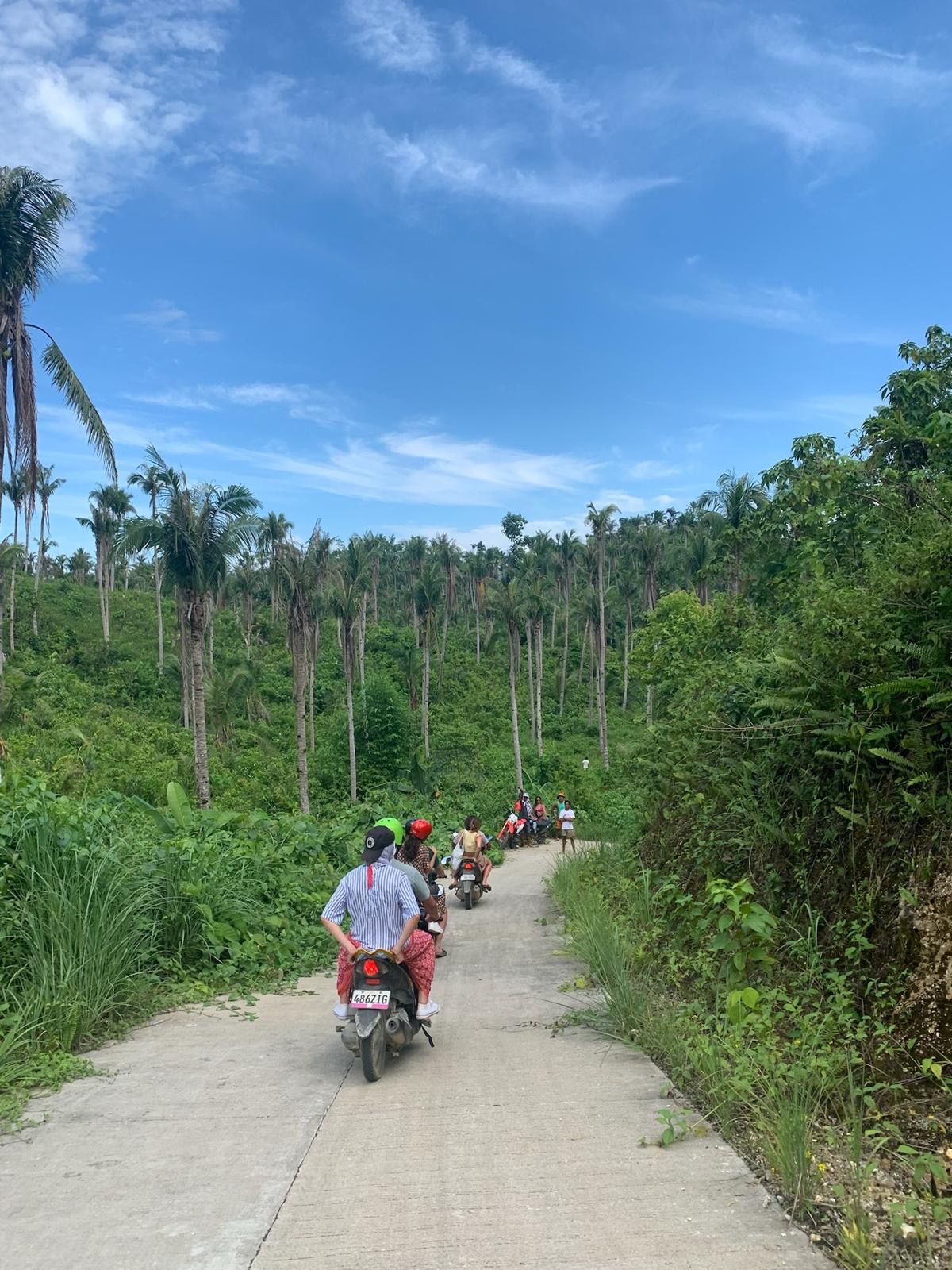
You’ll walk the old Spanish walls of Intramuros and see how Manila’s history runs from conquistadors to concrete megacity. From there the pace shifts to Siargao, your island base for a few days of surfing at Cloud 9, scooter trips under coconut canopies, local cockfighting arenas, island-hopping around Guyam, Daku and Naked Island, and a cold-spring day deep in the interior.

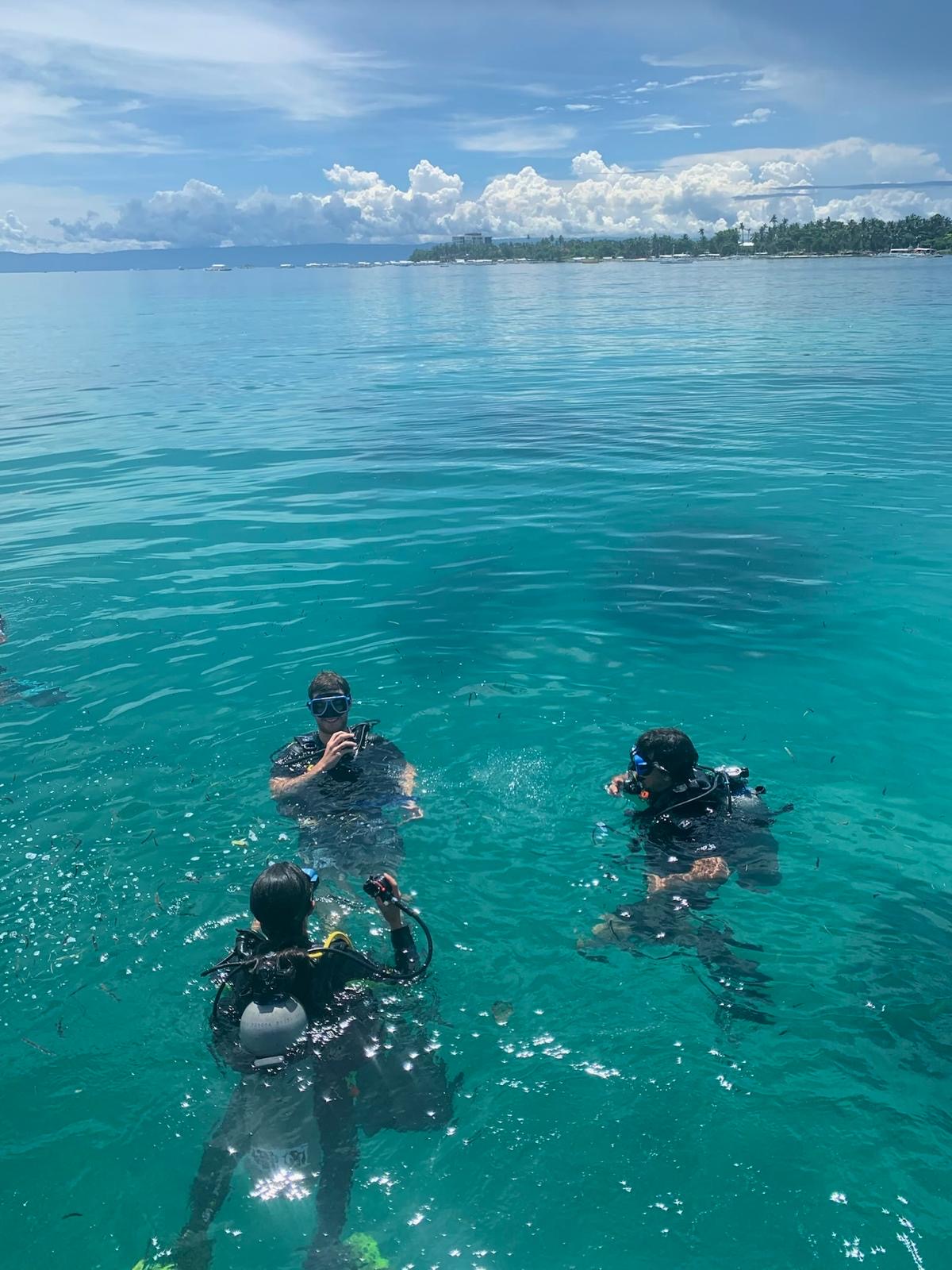
Bohol focuses on reef dives around Balicasag, green hills inland and river cruises through thick jungle. The offer is some of the best accessible snorkelling and beginner scuba in the country, with turtles, colourful corals and fish clouds right off the boat. Inland, Chocolate Hills, tarsier sanctuaries and a slow river cruise show a more rural side of the Philippines away from the beach bars.

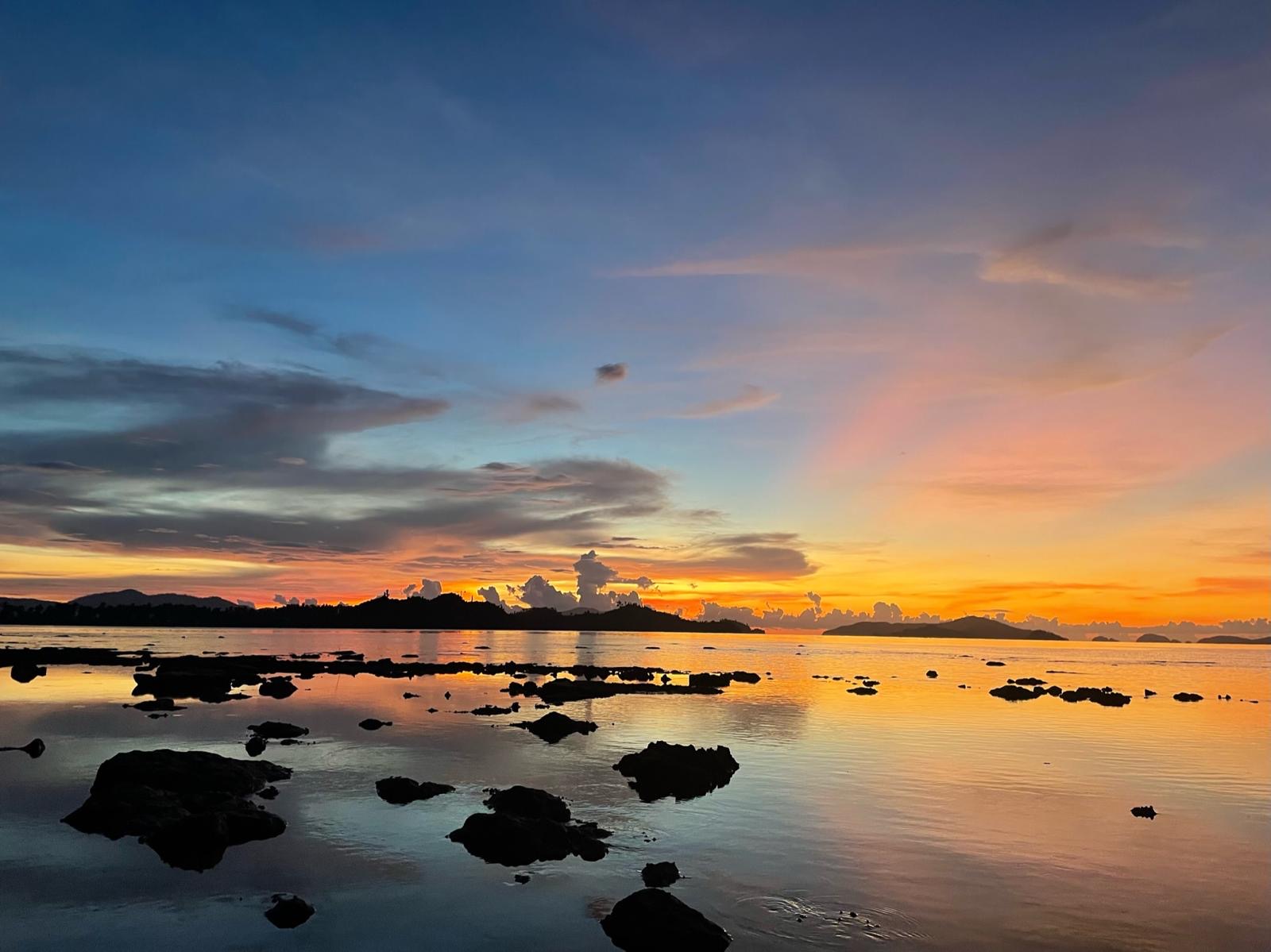
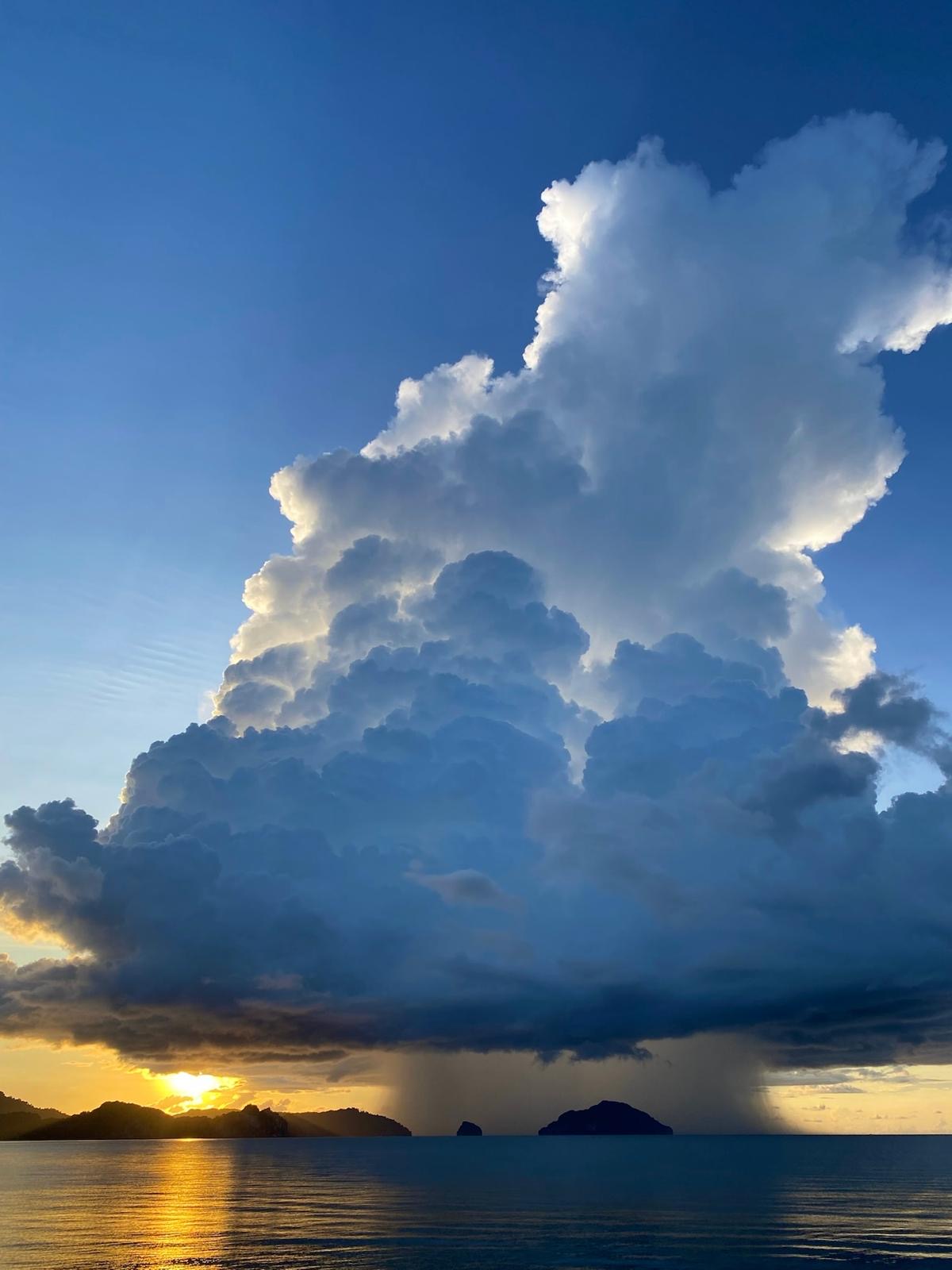
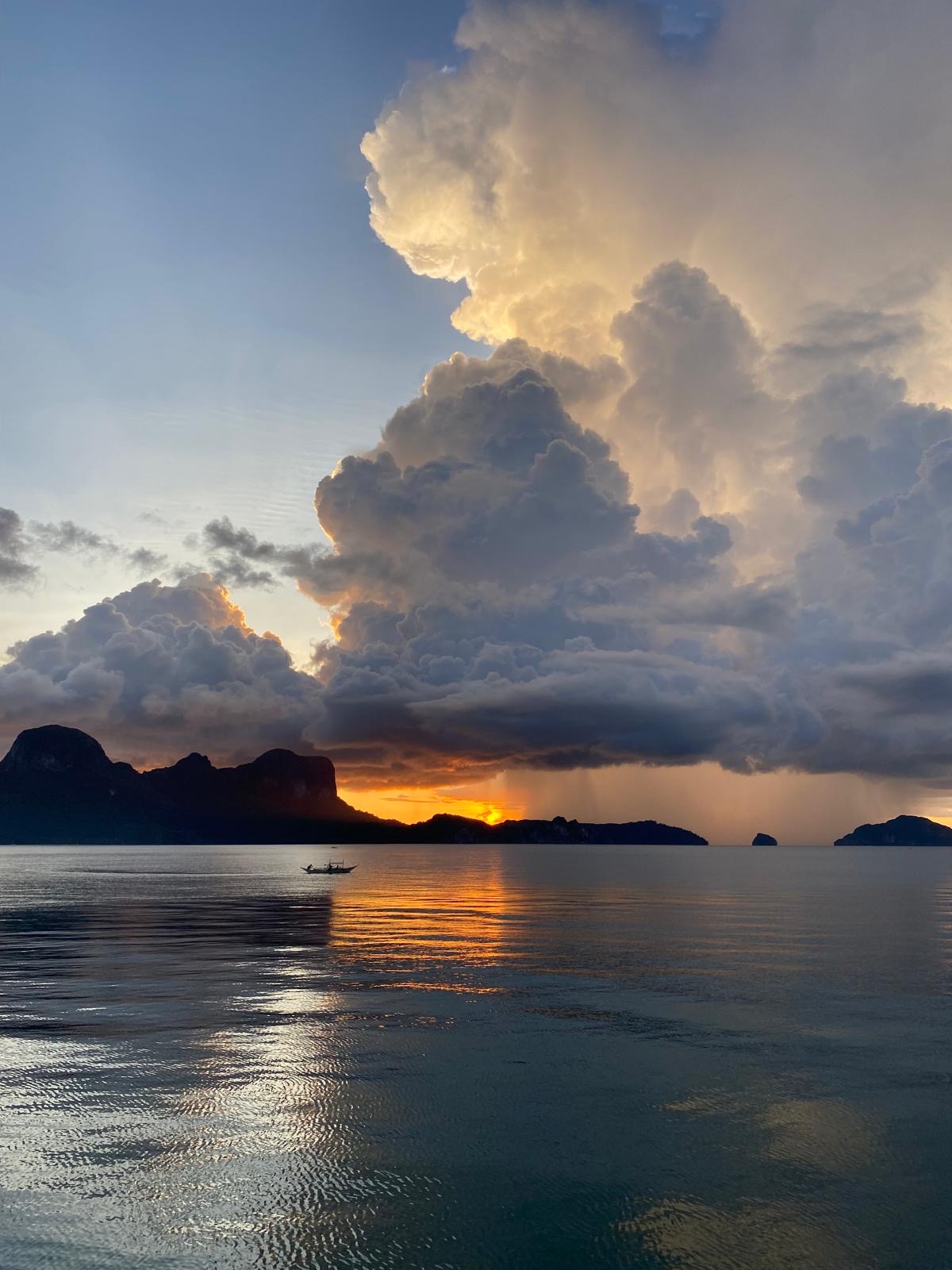
The final stretch is Palawan, El Nido and Port Barton. El Nido for limestone cliffs, lagoons and long days on Nacpan and Lio beaches. Port Barton for a relaxation: simple bungalows, kayaks, sunset colours and village paths.

This is a backpacker-friendly route with enough structure that you can follow it day-by-day, but loose enough to linger longer if you fall in love with a place.

Highlights

image of vibrant dining space (for a mexican restaurant)

Island hopping around Siargao

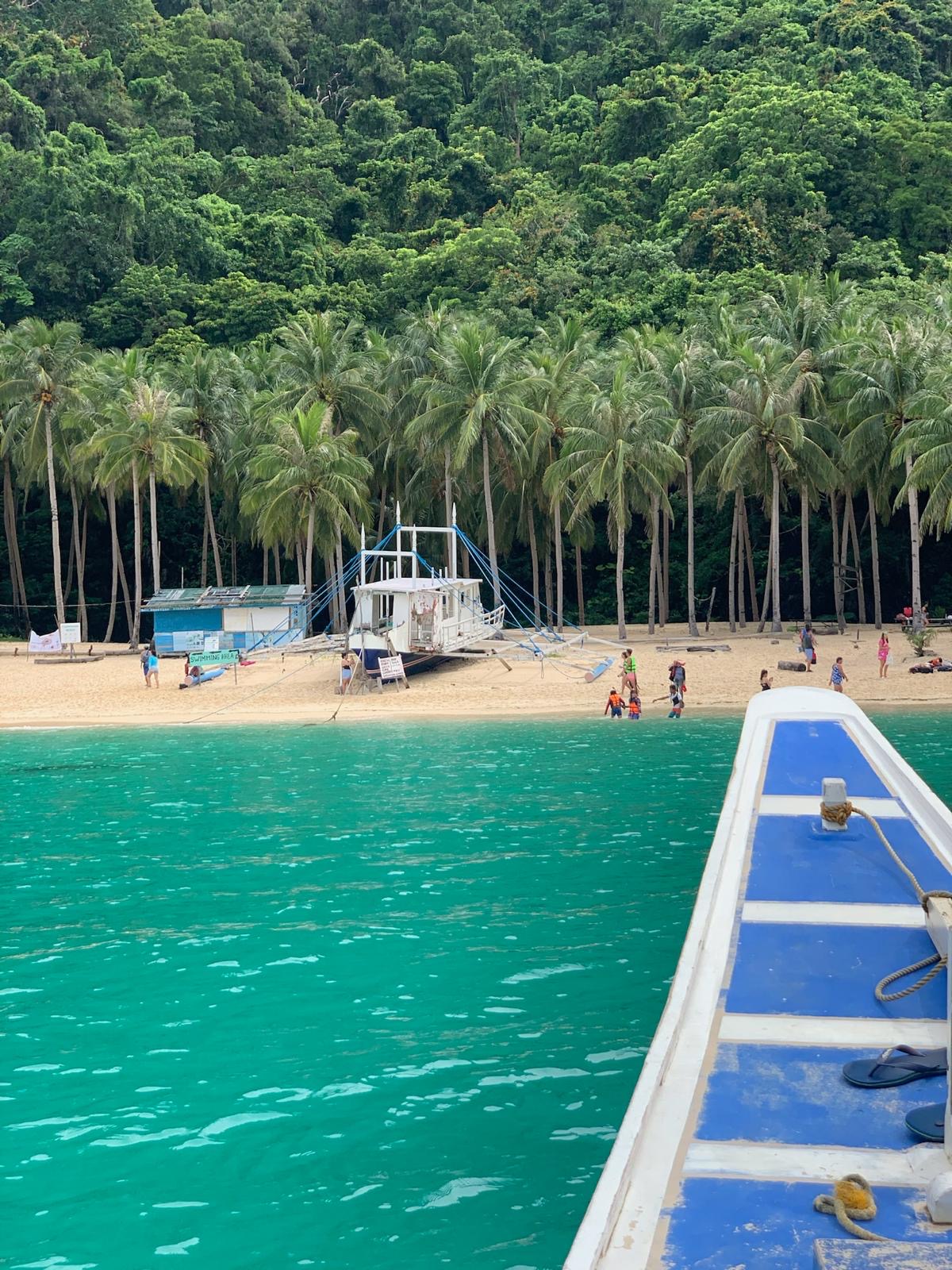
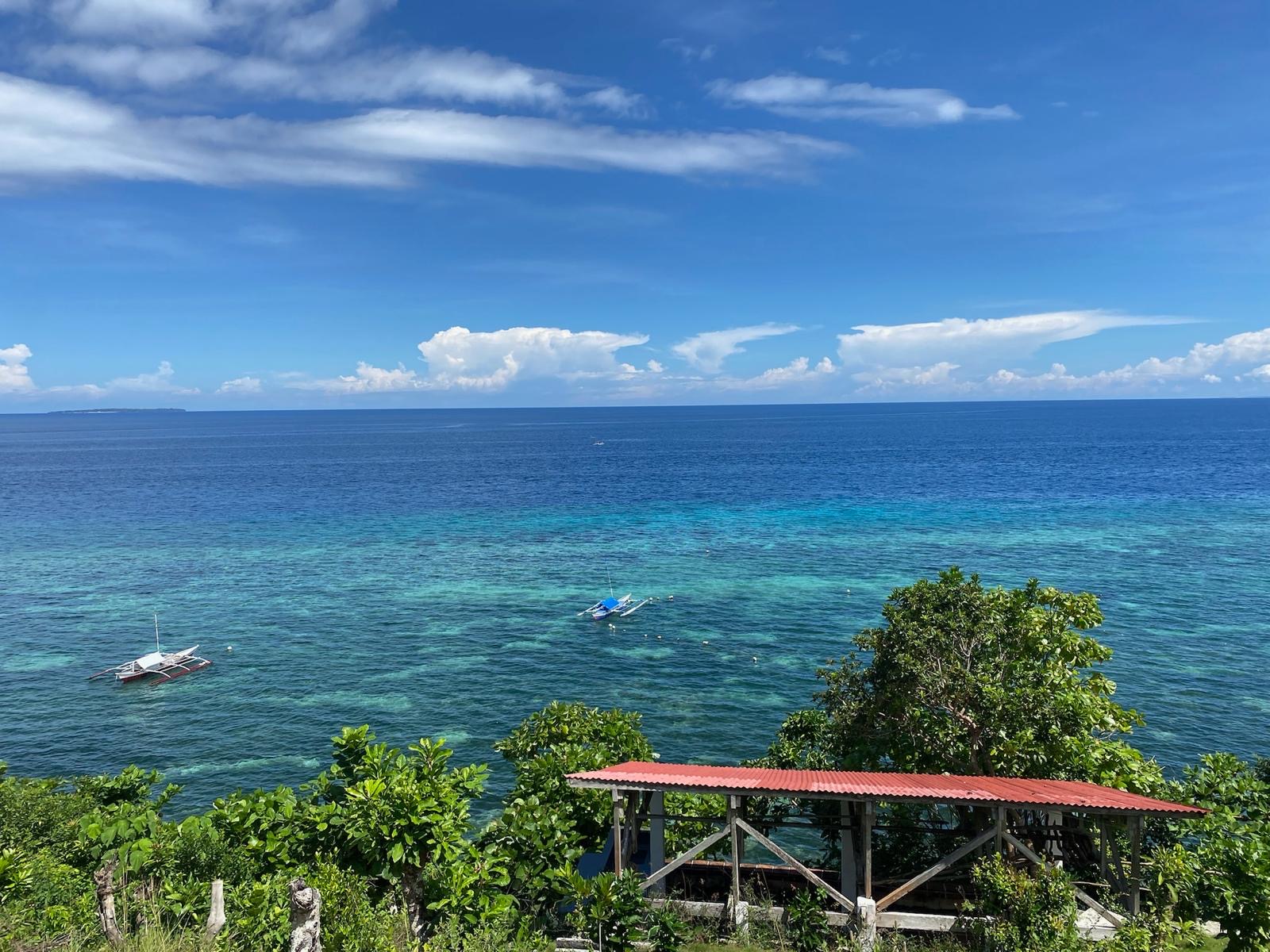
Spend your days moving between small islands and sheltered reefs: white-sand sandbars at Naked Island, coconut-ringed Guyam and Daku, and the turtle-filled waters off Balicasag. It’s a mix of easy snorkelling, dives and long boat lunches with grilled fish.

image of a guided tour group

Coconut landscapes in Siargao

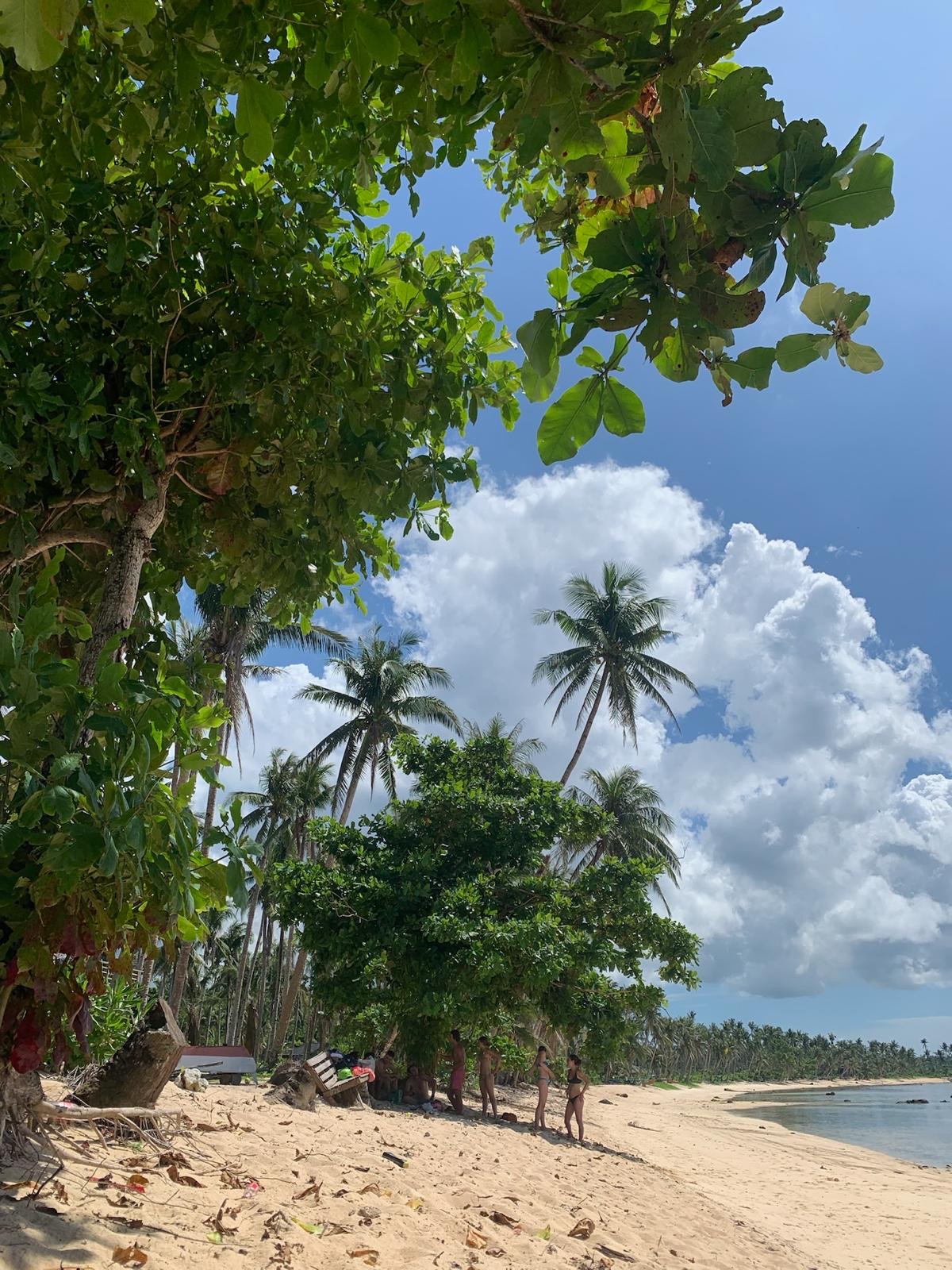
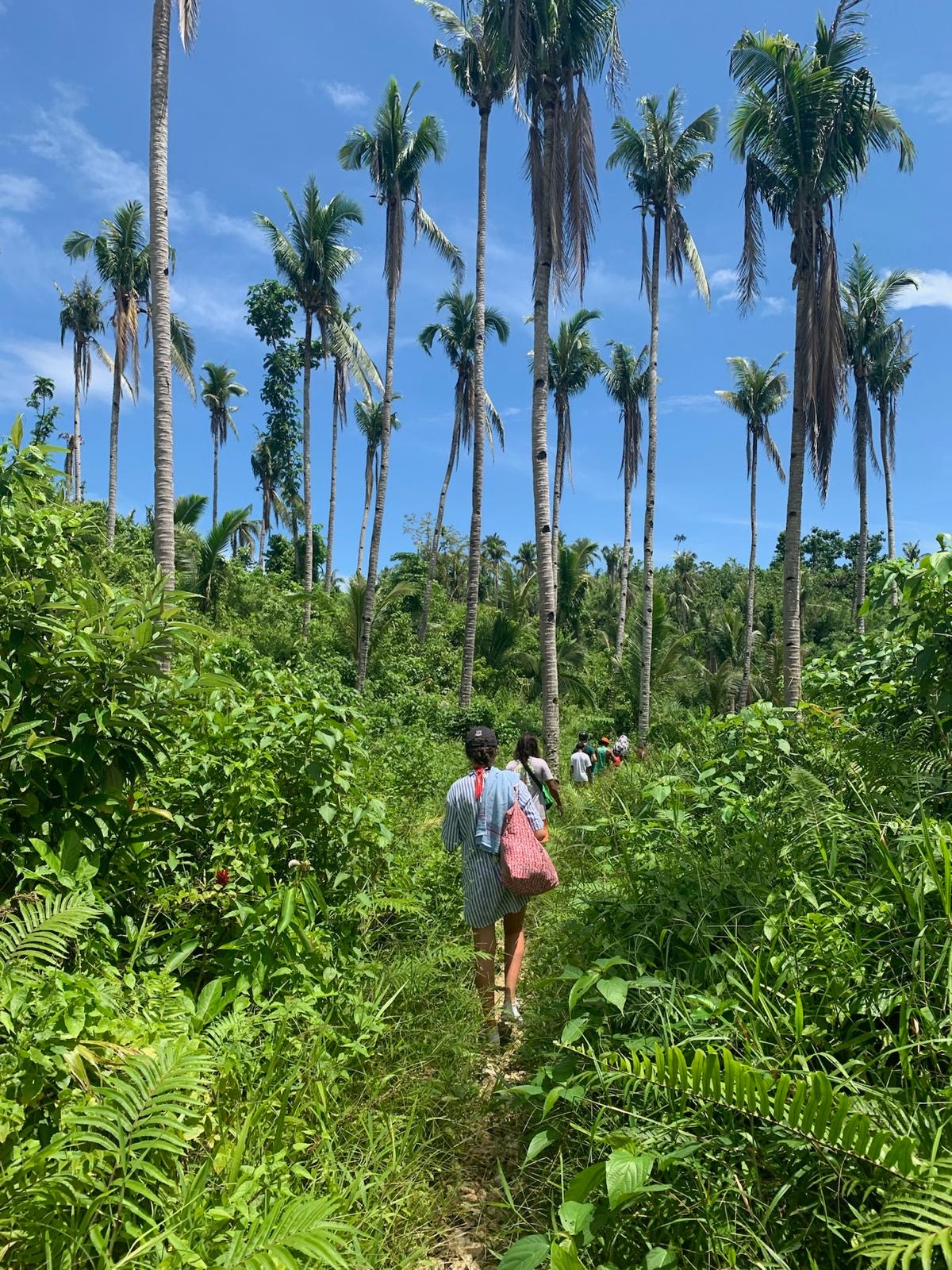
Morning smoothie bowls and coffee, afternoons scooter rides past endless palm forests, cold-spring swims and surf sessions.
image of a local tour guide (for a travel agency)

El Nido lagoons

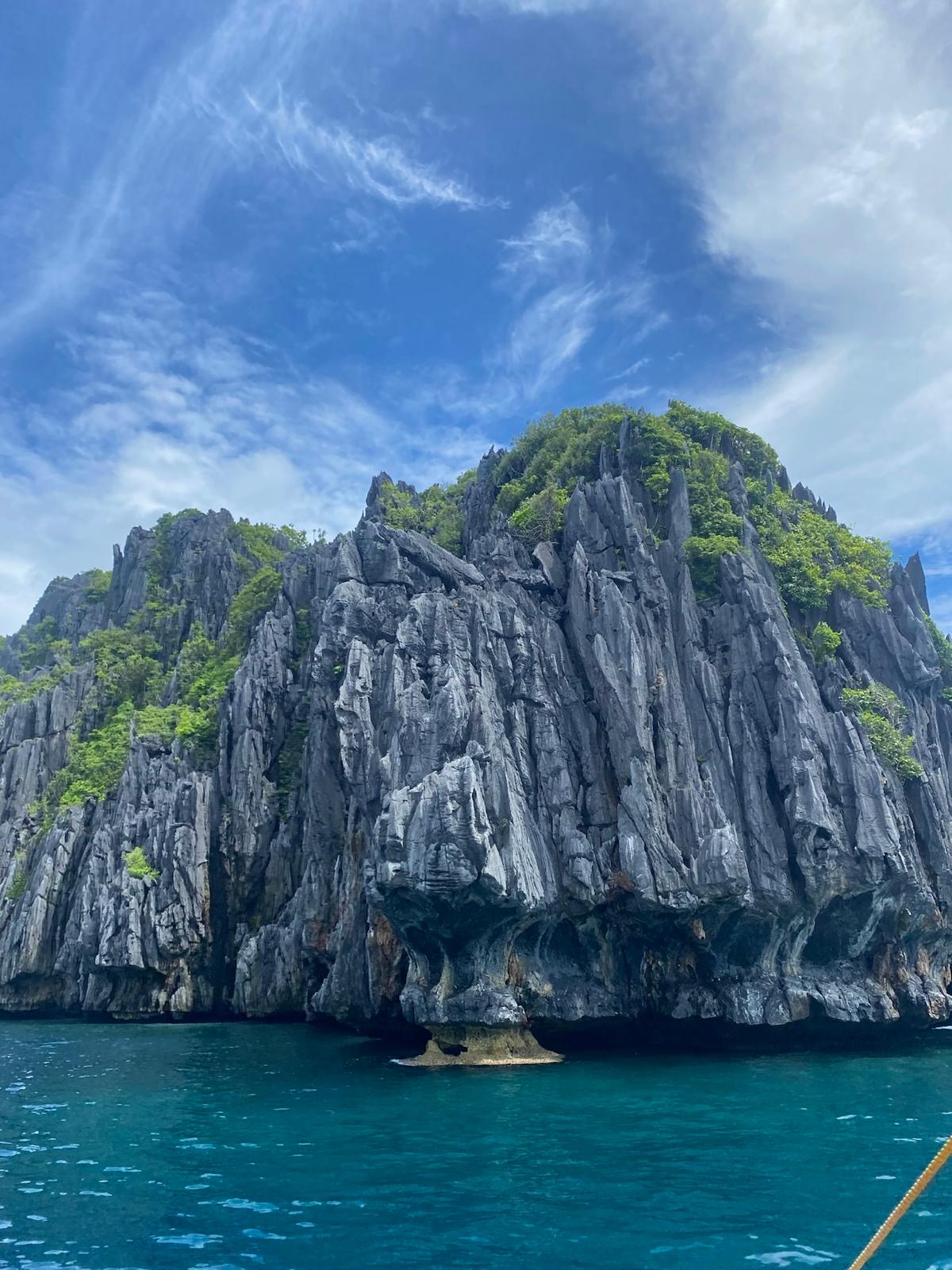
Take a classic island-hopping tour through karst lagoons with clear water and black limestone cliffs, then escape the crowds on Nacpan and Lio beaches.
image of vibrant dining space (for a mexican restaurant)

Island hopping around Siargao

Spend your days moving between small islands and sheltered reefs: white-sand sandbars at Naked Island, coconut-ringed Guyam and Daku, and the turtle-filled waters off Balicasag. It’s a mix of easy snorkelling, dives and long boat lunches with grilled fish.

image of a guided tour group

Coconut landscapes in Siargao

Morning smoothie bowls and coffee, afternoons scooter rides past endless palm forests, cold-spring swims and surf sessions.
image of a local tour guide (for a travel agency)

El Nido lagoons

Take a classic island-hopping tour through karst lagoons with clear water and black limestone cliffs, then escape the crowds on Nacpan and Lio beaches.

Journey itinerary

Itinerary overview
Detailed breakdown follows

Day 1: Arrive in Manila

Day 2: Manila / Intramuros, Fort Santiago

Day 3: Fly to Siargao / settle into General Luna

Day 4: Siargao / scooters, palm roads and Cloud 9 surf

Day 5: Siargao / island hopping to Guyam, Daku and Naked Island

Day 6: Siargao / inland cold springs

Day 7: Fly Siargao to Cebu / transit day

Day 8: Ferry to Bohol / settle into Alona Beach area

Day 9: Bohol / Balicasag reef and turtle snorkelling

Day 10: Bohol / discover scuba or slow beach day

Day 11: Bohol / Chocolate Hills, tarsiers and Loboc River cruise

Day 12: Ferry to Cebu, fly to El Nido

Day 13: El Nido / island hopping, lagoons and limestone cliffs

Day 14: El Nido / Nacpan and Lio beaches by scooter

Day 15: El Nido / slow day, cafes and optional dive

Day 16: Van to Port Barton / beach bungalows and sunset

Day 17: Port Barton / kayaks, sand and island exploring

Day 18: Port Barton / waterfall, last swims and van to Puerto Princesa

Day 19: Fly to Manila / departure

Day-by-day itinerary
Day 1: Arrival in Manila in the evening

Land in Manila in the evening (most flights from the Middle East or North America) and keep this night simple. Use Grab from NAIA rather than negotiating with airport taxis. If your flight arrives late, stay either in Makati/ Poblacion for easier access to dinner and bars the next day, or near the airport if you know you will be tired.

If you stay in Makati, aim for an easy Filipino dinner at Manam if you want classic Filipino dishes in a clean, reliable setting. Order sisig, beef salpicao, gising-gising and garlic rice to share. If you arrive too late for a proper dinner, go to a nearby 7-Eleven or fast-food place, buy water for the room, and sleep. Do not plan anything ambitious on arrival night because Manila traffic and immigration can easily eat up the evening.

Day 2: Manila’s Intramuros and first night out

Start with Intramuros, Manila’s old Spanish walled city. Take a Grab to Fort Santiago and begin there rather than trying to walk in from a random point in Manila. Spend about an hour inside Fort Santiago, including the Rizal Shrine area, then walk five minutes south to Manila Cathedral and Plaza Roma.

From Manila Cathedral, continue along General Luna Street towards San Agustin Church. Visit San Agustin Church first, then Casa Manila across the street if it is open. This gives you the cleanest walking route: Fort Santiago, Manila Cathedral, San Agustin Church, Casa Manila. For lunch, either eat at Barbara’s Heritage Restaurant if you want the classic Intramuros setting, or Ilustrado if you want something slightly more polished. If you want to keep costs down, skip the sit-down lunch and grab food outside the walls before heading back.

In the afternoon, add Baluarte de San Diego if you still want another stop. Otherwise, leave Intramuros before rush hour and go back to Makati or BGC. For dinner, choose Manam if you did not go the night before, Lampara in Poblacion for modern Filipino food, or El Chupacabra if you want a casual, social Poblacion meal. For drinks, stay in Poblacion. Run Rabbit Run is good for cocktails, Dr. Wine works if you want wine and a rooftop, and The Spirits Library is good if you want a darker cocktail-bar setting with music.

Day 1: Arrival in Manila in the evening

Land in Manila in the evening (most flights from the Middle East or North America) and keep this night simple. Use Grab from NAIA rather than negotiating with airport taxis. If your flight arrives late, stay either in Makati/ Poblacion for easier access to dinner and bars the next day, or near the airport if you know you will be tired.

If you stay in Makati, aim for an easy Filipino dinner at Manam if you want classic Filipino dishes in a clean, reliable setting. Order sisig, beef salpicao, gising-gising and garlic rice to share. If you arrive too late for a proper dinner, go to a nearby 7-Eleven or fast-food place, buy water for the room, and sleep. Do not plan anything ambitious on arrival night because Manila traffic and immigration can easily eat up the evening.

Day 2: Manila’s Intramuros and first night out

Start with Intramuros, Manila’s old Spanish walled city. Take a Grab to Fort Santiago and begin there rather than trying to walk in from a random point in Manila. Spend about an hour inside Fort Santiago, including the Rizal Shrine area, then walk five minutes south to Manila Cathedral and Plaza Roma.

From Manila Cathedral, continue along General Luna Street towards San Agustin Church. Visit San Agustin Church first, then Casa Manila across the street if it is open. This gives you the cleanest walking route: Fort Santiago, Manila Cathedral, San Agustin Church, Casa Manila. For lunch, either eat at Barbara’s Heritage Restaurant if you want the classic Intramuros setting, or Ilustrado if you want something slightly more polished. If you want to keep costs down, skip the sit-down lunch and grab food outside the walls before heading back.

In the afternoon, add Baluarte de San Diego if you still want another stop. Otherwise, leave Intramuros before rush hour and go back to Makati or BGC. For dinner, choose Manam if you did not go the night before, Lampara in Poblacion for modern Filipino food, or El Chupacabra if you want a casual, social Poblacion meal. For drinks, stay in Poblacion. Run Rabbit Run is good for cocktails, Dr. Wine works if you want wine and a rooftop, and The Spirits Library is good if you want a darker cocktail-bar setting with music.

Button Text
Day 3: Travel to Siargao and first afternoon in General Luna

Book Manila to Siargao carefully. Do not assume there will be a direct Manila to Siargao flight. The safer routing is usually Manila to Cebu, then Cebu to Siargao on the same day. If you can book it on one airline or with a protected connection, do that. If not, leave at least three hours between flights in Cebu.

Fly into Sayak Airport on Siargao. When you exit the terminal, take a shared van to General Luna or Cloud 9. The ride normally takes 45 minutes to one hour. Tell the driver your hostel or guesthouse name before you get in, and keep small cash ready for the fare.

Stay in General Luna or Catangnan if you want restaurants, bars, surf schools and easy tricycle access. After check-in, do not over-plan the day. Walk or take a tricycle to Cloud 9. The boardwalk and surf area are the easiest first stop because everyone knows it, and it helps you understand the layout of the island. If you want to surf, book a beginner lesson for the next morning or late afternoon rather than trying to arrange everything last-minute on the beach.

For dinner, choose Kurvada if you want a cheap local buffet-style meal, Mama’s Grill if you want simple barbecue skewers and rice, CEV if you want ceviche and kinilaw, or Kermit if the group wants pizza, pasta and a social backpacker crowd. After dinner, ask your hostel where the main party is that night. Siargao nightlife rotates between venues, so the hostel will know best.

Day 4: Siargao scooters, coconut roads, Maasin River and Cloud 9

Rent scooters only if you are comfortable driving. Wear a helmet, take photos of the scooter before leaving the rental shop, and avoid driving fast on wet roads. If anyone is nervous, hire a tricycle or a local driver instead.

Start in General Luna and take the Dapa-General Luna Road out of town. Continue towards the Siargao Circumferential Road. Your first main stop is the Coconut View Deck, about 25 to 35 minutes from General Luna depending on traffic and stops. Park safely at the side, take photos from the viewpoint, and do not stand in the road because cars and scooters come around the bends quickly.

From the viewpoint, continue to Maasin River. It is only a short ride away. Look for the red bridge and the river entrance area. You can take a small canoe ride, swim, or just stop for 30 to 45 minutes. Bring cash for parking, entrance or local guide fees.

If low tide lines up, continue to Magpupungko Rock Pools in Pilar. From Maasin, follow the Circumferential Road towards Pilar. Expect roughly 45 minutes to one hour on scooters from General Luna in total, longer if you stop. Only go to Magpupungko at low tide. At high tide, the rock pools are covered and the stop is not worth the drive. Bring water shoes if you have them, because the rocks are sharp.

Return to General Luna by mid-afternoon. If you still have energy, go to Cloud 9 for a late surf lesson or just watch from the boardwalk. For dinner, go to CEV for seafood, Bravo for a slightly nicer dinner, La Carinderia if you want Italian, or Kurvada if you want something cheap and quick.

Day 5: Siargao island-hopping to Guyam, Daku and Naked Island

Book the island-hopping trip the night before through your hostel, a local operator or a boatman near General Luna Boulevard. If you are a group of four or more, a private boat is usually worth it because you can control the order and avoid the busiest timings. Confirm whether lunch is included, whether drinking water is included, and whether the boat provides snorkels.

Be at the meeting point by around 7:30 or 8:00. Bring a dry bag, towel, cash, reef-safe sunscreen, sunglasses, water and a shirt for the boat. Do not bring anything you cannot get wet.

The usual route covers Naked Island, Daku Island and Guyam Island. Naked Island is a sandbar with no shade, so it is best early and only needs a short stop. Daku is the main lunch stop. If lunch is included, expect grilled fish or chicken, rice, noodles and fruit, often served in a hut. If lunch is not included, buy seafood or meat before leaving General Luna and ask the boat crew to help arrange cooking on Daku. Guyam is small and easy for a final swim.

Some tours add Secret Garden, a reef snorkelling stop. Take it if sea conditions are good, but do not expect untouched coral everywhere. Typhoons and heavy tourism have affected some reefs, so the value of the stop depends on visibility and the exact site your boatman chooses.

Back in General Luna, shower and rest before dinner. Go to Kermit if people want a reliable social dinner, Mama’s Grill for cheap barbecue, or CEV if you want the best seafood-focused meal of the Siargao section.

Day 6: Siargao inland springs and quieter roads

Use this day to get off the main surf-and-bar circuit. Start after breakfast and take scooters or a tricycle towards Beto Cold Spring or Bugak Cold Spring. For Beto, leave General Luna on the Dapa-General Luna Road, head towards the main road connection near Consuelo, then follow the road past the Siargao Wakepark area and look for the turn-off to the spring. For Bugak, use a map pin and drive slowly because the entrance is easy to miss and the signage is not strong.

Pick one spring rather than trying to rush both. Spend one to two hours there. Swim, use the rope swing if it is operating, and buy drinks from the small local stalls if they are open. Keep expectations simple: this is a local freshwater swimming spot, not a polished tourist attraction.

For lunch, either return to General Luna or stop at a roadside carinderia. Point at what looks good: grilled pork, chicken adobo, vegetables, rice, pancit or fried fish. Carry cash because many small places will not take cards.

In the afternoon, go to a quieter beach rather than back to Cloud 9. Malinao Beach is an easy option south-west of General Luna if you want calm water and less noise. If you want a longer ride, ask locally about current road conditions to Pacifico or Alegria, but only do the north-island drive if everyone is comfortable spending several hours on scooters.

Dinner back in General Luna. If the group wants one nicer meal, book CEV or Bravo. If everyone is tired, get barbecue and rice and keep the night quiet.

Day 7: Last Siargao morning and travel to Cebu

Keep the morning close to General Luna. Have breakfast at a café in General Luna or Catangnan, then pack properly before leaving for the airport. Allow one hour for the van ride to Sayak Airport and arrive early because check-in at small island airports can be slow when several flights leave close together.

Fly from Siargao to Cebu. On arrival at Mactan-Cebu International Airport, take a Grab into Cebu City. If you are staying at Mad Monkey or another hostel in Cebu City, expect traffic to affect the journey, especially late afternoon.

Do not treat this as a sightseeing day unless the flight lands early. The purpose of Cebu here is to reset before Bohol. For dinner, go to Sugbo Mercado in IT Park if the group wants lots of food-stall options in one place, House of Lechon if you want Cebu lechon, or a simple mall restaurant if everyone wants air-conditioning and an easy meal. Buy ferry snacks and water before sleeping.

Day 8: Ferry to Bohol and first night near Alona Beach

Take a Grab to Cebu Pier 1 in the morning. Arrive early enough to handle check-in, baggage and terminal fees. Book the Cebu to Tagbilaran fast ferry in advance in high season. The crossing takes about two hours.

When you arrive at Tagbilaran Port, take a taxi or van to Panglao, usually 30 to 45 minutes depending on traffic and where you are staying. Base yourself near Alona Beach if you want easy access to dive shops, restaurants, bars and tour pickups.

Use the afternoon to settle in. Swim at the accommodation, walk to Alona Beach, and book the next day’s Balicasag trip through a dive shop or boat operator. If anyone wants to dive, go to a dive shop in person and show certification cards. If anyone wants to snorkel only, confirm whether turtle and reef stops are included and whether mask, fins and guide fees are covered.

For dinner, choose Garlic ’n Lemon Bistro for Asian seafood and strong sauces, Giuseppe if the group wants Italian, Barwoo if you want Korean-influenced food, or Shaka if people want something lighter. If you want a beach-bar night, walk the Alona strip after dinner and choose the place with live acoustic music.

Day 9: Balicasag reef, turtles and diving

Start early. Most Balicasag trips leave in the morning, often with pickup around 5:30 to 6:30 depending on the operator. Bring swimwear, towel, reef-safe sunscreen, water, dry bag and cash for any local fees not included.

If you are diving, go with a proper dive shop from Panglao and confirm your permit the day before. Balicasag has limited dive slots, so do not leave this to the morning. Certified divers should expect wall dives, coral gardens and turtle sightings if conditions are good. If you are not certified, snorkelling is still worthwhile, but follow the guide and do not chase turtles or stand on coral.

Many tours include dolphin watching first. Treat dolphins as a bonus, not a guarantee. The main reason to go is the reef and turtles around Balicasag. Lunch is usually simple: grilled fish or chicken, rice and fruit. Bring extra snacks if you get hungry easily.

Return to Panglao in the afternoon. Shower, nap and keep the rest of the day light. For dinner, go to Bohol Bee Farm if you want something different and do not mind the ride, or stay near Alona and eat at Garlic ’n Lemon, Barwoo or Giuseppe. If the group wants drinks, go back to Alona Beach and follow the live music.

Day 10: Bohol Discover Scuba or slow Panglao day

Use this as a flexible Bohol day. If anyone wants to try scuba, book a Discover Scuba Diving session with a Panglao dive shop. Do the pool or shallow-water briefing properly, then follow the instructor on an easy reef dive. Do not drink heavily the night before, and do not schedule diving too close to a flight.

For non-divers, make this a slow Panglao day. Go to Dumaluan Beach or stay near Alona depending on where you are based. Dumaluan has better sand and a calmer beach feel than Alona, but Alona is easier for restaurants and dive shops. Take a tricycle rather than walking long distances in the heat.

Lunch can be Shaka for smoothie bowls and lighter food, or a local carinderia for pork, chicken, vegetables and rice. In the afternoon, do pool time, cards, laundry and admin. This is a good day to repack because the next day is inland and the day after is a major travel day.

For dinner, choose pizza or pasta at Giuseppe if the group wants Western comfort food, or go back to a Filipino grill for pork barbecue, grilled fish, kinilaw and rice. If there are evening storms, eat close to the accommodation rather than committing to a long tricycle ride.

Day 11: Bohol Chocolate Hills, tarsiers and Loboc River

Hire a private driver for the day. It is easier than trying to link these stops by public transport, especially as a group. Leave Alona around 7:30.

First stop: Philippine Tarsier Sanctuary in Corella. Ask your driver specifically for the Corella sanctuary rather than a roadside tarsier display. Keep your voice low, do not use flash, and do not try to touch the animals. The visit itself is short, usually 30 to 45 minutes.

From Corella, drive towards Loboc and Bilar. Stop briefly at the Bilar Man-Made Forest if your driver suggests it, but do not spend long there. It is a road-photo stop, not a major attraction. Continue to the Chocolate Hills Complex in Carmen. From Panglao to the Chocolate Hills area, expect around one and a half hours of driving in total, depending on stops. Climb to the viewing platform, take the photos, then move on. You do not need more than 45 minutes to one hour there unless the group wants ATV riding nearby.

For lunch, go to Loboc River Cruise. Aim to arrive around midday or early afternoon. The cruise is touristy but efficient: buffet lunch, live music, slow river views and a break from the car. After the cruise, add Baclayon Church or the Blood Compact Monument only if the group still has energy. Otherwise, drive straight back to Panglao.

Return to Alona by late afternoon. Dinner should be simple. Go to Barwoo, Garlic ’n Lemon or a barbecue place near the beach. Do not plan a big night out unless the next day’s ferry and flight times are late.

Day 12: Travel from Bohol to El Nido

This is a full travel day, so book it carefully. Take a morning ferry from Tagbilaran back to Cebu. From Alona, leave at least one hour before ferry check-in to account for the drive to Tagbilaran Port and port formalities. The ferry to Cebu takes around two hours.

From Cebu Pier 1, take a Grab to Mactan-Cebu Airport. Do not cut the connection too fine. Cebu traffic, ferry delays and airport check-in can all add time. Fly from Cebu to El Nido if flight times line up. If they do not, it is better to overnight in Cebu than force a risky same-day connection.

Land at El Nido Lio Airport. The airport is small. Take a tricycle from outside the terminal to El Nido town, around 15 to 20 minutes. Carry cash because card payments are not useful for tricycles. If you are staying in Corong-Corong, Caalan or further out, agree the fare before leaving.

Check into your hostel or guesthouse. For dinner in El Nido town, go to Big Bad Thai if you want a reliable sit-down meal with Thai food, Maa’s Grill if you want grilled fish and kinilaw, Happiness if the group wants Middle Eastern food, or Gorgonzola if everyone wants pizza. If you want drinks afterwards, Sava is an easy beachfront bar option. Do not stay out too late if you are doing island hopping the next morning.

Day 13: El Nido island-hopping Tour A

Book Tour A the day before through your accommodation or a local operator. Confirm what is included: lunch, snorkel mask, kayak, environmental fee, lagoon fee and hotel pickup. Bring a copy of any environmental fee receipt so you do not pay twice.

Be at the meeting point around 8:00 to 8:30. Boats usually leave from the beach or pier area once the group is assembled. Wear sandals you can get wet because boarding often means walking through shallow water. Bring a dry bag, water, towel, cash, sunscreen and a rash vest. Do not bring large luggage or plastic bottles.

Tour A usually includes a combination of Big Lagoon, Secret Lagoon, Shimizu Island, Payong-Payong Beach and Seven Commandos Beach. The exact order can change based on permits, sea conditions and crowding. Big Lagoon access is limited, so if your boat does not get a slot, the operator will substitute another stop. At lagoon stops, rent a kayak if it is not included. At snorkelling stops, listen to the guide about current and boat traffic.

Lunch is normally served on a beach or on the boat: grilled fish, chicken, pork, rice, vegetables and fruit. The food is usually enough, but bring a snack if you get hungry.

Back in town, shower and have a proper dinner. Big Bad Thai is the safe option if people are tired. Maa’s Grill is better if you want local grilled seafood. Sava works for a drink afterwards, but avoid a very late night if you want to do Nacpan properly the next day.

Day 14: Nacpan Beach and Lio Beach

Rent scooters only if the roads are dry and everyone is confident. Otherwise, book a van or tricycle through your accommodation. From El Nido town, take the Taytay-El Nido National Highway north, then turn left towards Nacpan Beach. The journey usually takes 45 minutes to one hour. In heavy rain, use a van because the final road can get slippery.

Leave town around 9:00. At Nacpan, choose your base depending on the group. Sunmai is good for a proper beachfront lunch, pizza, seafood and a more comfortable setup. Mad Monkey Nacpan is better if the group wants a backpacker crowd, drinks and a social beach-bar feel. If you want cheaper food, walk away from the main beach clubs and look for local eateries.

Spend the day swimming, reading, walking the long beach and doing very little. Bring cash, sunscreen and water. Do not leave valuables unattended on the sand.

On the way back to El Nido, stop at Lio Beach. From Nacpan, return to the main road and follow signs towards Lio. Lio is more developed, with cafés, small shops and a cleaner, organised beach setup. It is a good sunset stop because it is closer to town and easier to leave after dark. After sunset, continue back to El Nido town or Corong-Corong.

For dinner, choose Big Bad Thai if you want Thai, Taste El Nido if you want vegan or healthy food, Gorgonzola for pizza, or a simple grill if the group wants fish and rice.

Day 15: El Nido slow day, diving or Las Cabañas

Keep this day flexible because El Nido weather can change quickly. The best default is to split the group by energy level.

If people want to dive, book with a dive shop the night before and do a two-dive local trip. Expect reefs, walls, turtles if you are lucky, and mixed visibility depending on weather. Do not dive if you are flying the next morning.

If people do not want to dive, have a slow town and beach day. Start with coffee or breakfast in El Nido town, then go to Corong-Corong or Las Cabañas/Vanilla Beach in the afternoon. To reach Las Cabañas, take a tricycle from town towards Marimegmeg Beach. The ride takes around 15 to 20 minutes. It is an easy place for lunch, swimming and sunset without committing to another boat day.

If it rains, use the day for laundry, massage, cafés and repacking. Vanilla Beach has covered places to sit. El Nido town also has enough cafés and restaurants to wait out a downpour.

For the final El Nido dinner, choose based on what the group has not had yet: Maa’s Grill for local grilled fish and kinilaw, Big Bad Thai for Thai, Happiness for falafel and hummus, or Gorgonzola for pizza. Pack before bed because the van to Port Barton is not a journey to do while disorganised.

Day 16: Transfer from El Nido to Port Barton and Sunset Colors

Book the El Nido to Port Barton van at least the day before. Vans usually leave from the El Nido Transport Terminal, not directly from every hotel, unless your operator includes pickup. Confirm the pickup point, departure time and baggage rules.

The road journey takes around four to five hours. The route heads south from El Nido on the main Palawan road towards Taytay and Roxas, then turns west towards Port Barton. Expect bends, variable road quality and a rest stop. Take motion-sickness tablets if you need them.

Arrive in Port Barton village and keep some cash because ATMs and card acceptance are limited. If staying at Sunset Colors or another out-of-town beach property, arrange the boat transfer in advance. The transfer is usually a short local boat ride from Port Barton beach. Do not arrive after dark unless the accommodation has confirmed they can still collect you.

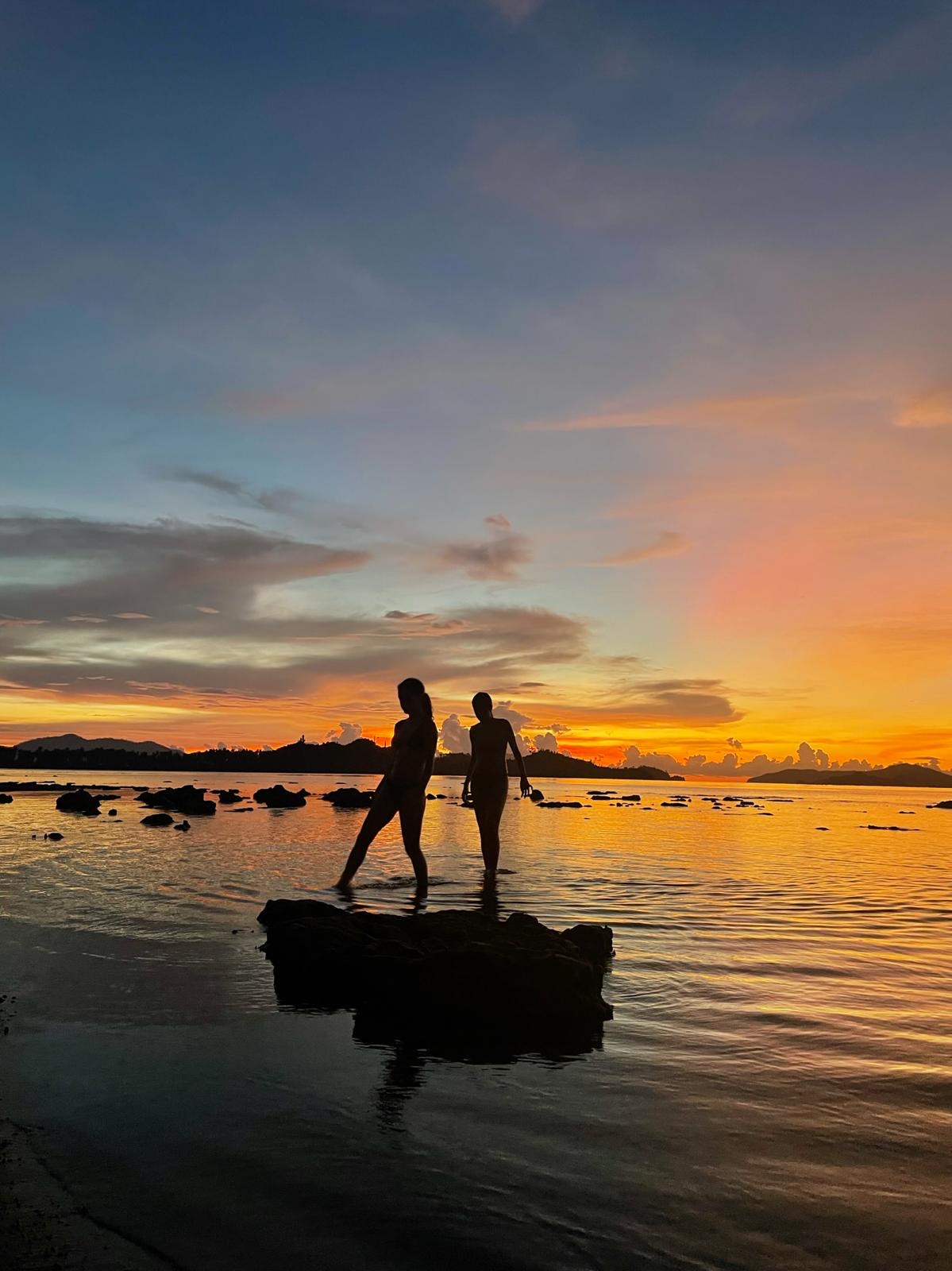
Once you reach Sunset Colors, do not plan another activity. Swim, unpack, read, use the hammocks and ask staff what they are serving for dinner. Dinner is usually easiest at the accommodation because going back to Port Barton village at night means arranging another boat. Expect simple food: fish, rice, vegetables, noodles, calamansi juice or beer. Bring snacks from El Nido if you are particular about food.

Day 17: Port Barton kayaks, beach time or island-hopping

Use this day for Port Barton’s slower pace. If the sea is calm and the accommodation has kayaks, take kayaks out in the morning, but stay close to shore and within sight of the property. Do not try to cross open channels without checking currents and wind with staff first. Bring water, a dry bag and sun protection.

If the group wants a more active day, book Port Barton island hopping instead. The standard full-day route usually includes reef stops, Turtle Point, Starfish Island, Paradise Island or Exotic Island, depending on the operator and conditions. This is less dramatic than El Nido’s limestone scenery but often better for snorkelling and turtles. Tours normally leave around 8:30 and return around 4:00, with lunch, mask and local fees included or added clearly. Confirm inclusions before paying.

If you stay at the accommodation, make the day simple: kayak, swim, lunch, nap, cards, volleyball if there is a net, and sunset from the beach. Port Barton is not a place to rush. The point of this stop is to decompress after Siargao, Bohol and El Nido.

For dinner, eat at the accommodation if you are out of town. If you are staying in Port Barton village instead, walk the beachfront and choose a grill or simple restaurant with fresh fish on display. Ask the price before ordering seafood by weight.

Day 18: Port Barton waterfall, final swim and travel to Puerto Princesa

Pack before breakfast. If you are staying out of town, take the boat back to Port Barton village early and leave your bags with your van office, accommodation or a trusted restaurant before doing anything else.

For a final small activity, go to Pamuayan Waterfall if timing allows. From Port Barton village, it is roughly a 4 to 6 kilometre route inland. You can walk it if you have time and energy, but allow around two hours return plus swimming time. The easier option is to hire a tricycle or motorbike taxi to take you close to the trail, then walk the final section. Wear shoes that can get muddy. Do not attempt it in heavy rain if the path is slippery.

If you do not want the waterfall, use the morning for one final swim in Port Barton and an early lunch in the village. This is safer if your flight from Puerto Princesa is same-day.

Take a van from Port Barton to Puerto Princesa. The journey is about three and a half hours in good conditions, but allow extra time for delays. If flying the same day, choose an early afternoon van at the latest and leave a buffer before your flight. Vans can drop at the airport or in town depending on the operator, so confirm before boarding.

At Puerto Princesa Airport, keep expectations low. Eat before security if you have time. If you need a final meal before flying to Manila, go for something simple nearby or at a mall: burgers, Filipino comfort food, rice meals or tacos. Fly to Manila and stay near the airport if your international flight is the next day.

Day 19: Departure from Manila

Fly out of Manila. If your international flight is from NAIA, check the terminal carefully because Manila airport terminals are separate and transfers can be slow. Use Grab or an airport shuttle with plenty of buffer rather than assuming you can move between terminals quickly.

If you have a long layover, stay near the airport or go to Mall of Asia only if you have several spare hours. Do not go deep into Manila before an international flight unless traffic is light and you have a very large buffer.

In pictures

No items found.

Traveller suggestions

Accomodation

This is a backpacking route. Recommendations are budget unless noted otherwise. The trip mixed hostels with private villas, which is a smart approach: hostels for the social energy, villas when you want space for a group.

Manila

Z Hostel (Makati, rooftop bar, social)

Lub d Manila (Makati, clean dorms, modern facilities)

Siargao (General Luna)

Social/ party : Mad Monkey Siargao (nightly events, loud and social)

Quieter : Casavia Siargao (boutique hostel and coworking space, 10-minute walk from Cloud 9, 10 pm curfew), Hiraya Surf Hostel (surf camp vibe)

Group upgrade : Kali Villa or similar private villa rental via AirBnB

Cebu (transit night)

Mad Monkey Cebu (convenient for ferry connections to Bohol)

Bohol (Alona Beach / Panglao)

Budget : Greenspace Inn (pool, walkable to the beach), Alona Pawikan Resort (simple rooms near the strip, good value)

Stay within walking distance of Alona Beach. The further you go from the beachfront, the cheaper and quieter things get.

El Nido

Budget : Happiness Hostel (cheap, cheerful, friendly), Frendz Hostel El Nido (rooftop bar with best sunset views in town, social), Spin Designer Hostel (modern dorms, central)

Port Barton

Sunset Colors (bungalows on a quiet beach reached by boat; standout accommodation)

Alternatives : CocoRico Hostel, My Green Hostel, Ausan Beach Front Cottages

Food & Drink

Manila

Mid-tier : La Tequileria Jose Cuervo (quesadillas and cocktails, doubles as a live music venue), XO46 Heritage Bistro (modern Filipino tapas), Abe (classic regional dishes), Manam, Lampara (midern filipino)

Budget : El Chupacabra (Tacos, quesadillas) Aristocrat in Malate (open late, reliable chicken inasal and halo-halo), street food stalls around Intramuros and Ermita, local carinderias in Makati side streets

Drinks : Run Rabbit Run (cocktails), Dr. Wine (rooftopwine-bar), The Spirits Library (cocktail bar), Poblacion generally

Siargao

Mid-tier : Bravo (Spanish-Filipino fusion, skate bowl and sunset view), Cev (Peruvian-Filipino kinilaw and ceviche in Catangnan, one of the island's best meals), Harana Surf Resort / Bayani (Filipino dishes from Mindanao region; also worth visiting for the parties), Las Barricas (Mexican)

Budget : Mama's Grill (local seafood barbecue, choose your fish at the counter), Catangnan BBQ (Filipino grilled meats, cold beer, roadside atmosphere), Kurvada (local buffet), the port market stalls (noodles, pork and Filipino chorizo for breakfast), food trucks near General Luna (rum and cokes at 50 pesos, late-night spot after the bars close)

Cafes and breakfast : Shaka Cafe (smoothie bowls and falafel wraps), White Beard Coffee (good flat whites), Kermit (Italian, popular for pizza and happy-hour cocktails)

Sisig is the dish to eat on your first day: a sizzling plate of chopped pork or chicken with vegetables and an egg cracked on top. You will find it at almost every restaurant and at Mad Monkey's own kitchen.

Bohol (Alona Beach area)

Mid-tier : Toto e Peppino (excellent pizza, one of the better sit-down meals on the Alona strip), Giuseppe Pizzeria (wood-fired Neapolitan style), Bohol Bee Farm restaurant (organic Filipino dishes with garden views, about 30 minutes from Alona), Garlic ’n Lemon Bistro (Asian-fusion seafood), Barwoo (Korean-influenced), Luna Rossa Vegetarian Italian Restaurant

Budget : Bambú (burgers), Naty and Henry (local carenderia on the main road back from the beach, pot food and an evening grill), Overgrown Cafe (smoothie bowls and flat whites)

Try the local ice cream flavours: yuca and avocado are both worth sampling even if they sound odd. The barbecue at dive clubs near Alona is also solid and cheap after a morning in the water. Avoid the beachfront seafood restaurants on Alona itself; walk a street or two back for better value and more honest Filipino cooking.

El Nido

Mid-tier : Big Bad Thai (sea views), Trattoria Altrove (wood-fired pizza, always a queue, arrive early), Artcafe (second-floor terrace, live music several evenings a week), Maa’s Grill (grill), Gorgonzola (Pizza), Trattoria Altrove (Pizza), Sunmai (beach lunch)

Budget : Happiness Cafe (Middle Eastern), Mia's Bistro (backpacker favourite, chicken pesto pasta and mango pancakes), Happy Home Restaurant (local Filipino meals), El Nido Bakery (quick pastries and coffee)

Cafes and drinks : Blue Mango, Hama Coffee (beachfront, pastries, co-working space), Sava Beach Bar (beanbags, cocktails, default late-night spot with a DJ after dark), Taste El Nido

The chiringuito at Nacpan Beach is worth a proper sit-down lunch: spicy squid, ribs, chicken and two-for-one cocktails. Try leche flan for dessert.

Port Barton

Mid-tier : Sunset Colors (fish lumpia, grilled lapu-lapu with calamansi juice), Besaga (beachfront, Filipino and Western dishes), Kusinero Del Barrio, Oastic Beach Sunset & Resto, Barton Bistro

Budget : Gacayan (backpacker canteen two streets from the beach, pot food and cheap omelettes), Raquel's Canteen (local dishes, fresh fish), CocoRico (hostel restaurant open to all), Star Apple Canteen (simple Filipino food)

The calamansi juice is the drink of Port Barton; order it everywhere and often. Cash only throughout the village.

Reminders & Cautions

Season: The driest window for most of this route is roughly November to May, with December to February being peak season. Siargao's surf swells peak September to November but the island works year-round. Typhoon season runs July to October and can disrupt flights and ferries, particularly to Siargao and Palawan. The trip diary (July) encountered tropical downpours in Manila and El Nido but nothing that stopped the itinerary. Build in buffer days around inter-island transfers during shoulder months.

Internal flights: Domestic flights are the backbone of this route and the biggest logistical risk. Cebu Pacific and Philippine Airlines operate the key legs: Manila to Siargao (direct or via Cebu, roughly two hours), Cebu to El Nido (connecting through Manila or via Cebgo). Book at least two to three weeks ahead; prices rise sharply close to departure, especially for Siargao and El Nido. Flights can be cancelled or delayed due to weather. The trip diary notes a delayed flight to El Nido, which is common. Always leave a full buffer day before any international connection.

Ferries: The Cebu to Bohol ferry (OceanJet from Pier 1 to Tagbilaran) takes roughly two hours and runs multiple times daily. Book online during high season and weekends. A small terminal fee (around 25 PHP) is paid separately at the port. Keep your ticket and ID accessible. The trip diary notes that the return ferry from Bohol to Cebu had no air conditioning on one sailing, so bring water and patience. Ferries can be cancelled in rough seas; do not schedule a same-day ferry and flight connection without a generous gap.

Money: Cash is essential. ATMs exist in Manila, Cebu, Tagbilaran and El Nido town, but they run dry or go offline on smaller islands. Siargao has ATMs in General Luna but they are unreliable; withdraw enough in Manila or Cebu to cover several days. Port Barton is almost entirely cash-only with limited ATM access. Carry small denominations for tricycles, ferries, market food and tips. GCash (local mobile wallet) is increasingly accepted but not universal.

Island transport: Scooter rental is cheap and common in Siargao, El Nido and Bohol (roughly 350 to 500 PHP per day). The trip diary records several minor scooter incidents: a dropped bike, a lost number plate, a blocked moto and a fuel tank running dry. Only rent if you are confident, always check the bike before leaving, fill the tank, and insist on a helmet. Tricycles handle short hops everywhere. In El Nido and Port Barton, boat transfers and island-hopping tours are arranged through your accommodation.

El Nido to Port Barton transfer: Shared vans run daily and officially take four to five hours on a winding, partly unpaved road. The trip diary records doing it in three hours with a fast driver. Book through your hostel or via 12Go Asia. Leave in the morning to maximise daylight on arrival.

Surf: Cloud 9 in Siargao is the main break and the reason many people come. Beginner lessons are easy to arrange through your hostel or local instructors. The trip used an instructor named Mowgli who also guided the cold spring trip; personal recommendations from other travellers or your hostel are the best way to find a good teacher. Board rental is cheap. The reef is sharp, so booties are useful.

Diving and snorkelling: Balicasag (Bohol) is one of the best snorkelling and diving spots on the route. Turtles, lionfish, nudibranches and colourful coral are reliably seen. Discover Scuba Diving (DSD) courses are available for beginners and take a morning; the trip diary describes doing this on PADI Women's Day with instructor Pelayo. In El Nido, scuba trips to feed turtles and explore reefs are easily booked. Check that any dive shop is PADI or SSI certified. Bringing your own mask noticeably improves snorkelling quality.

Packing and health: Tap water is not drinkable anywhere. Bring a refillable filter bottle or buy large refill jugs. Reef-safe sunscreen is important. The trip diary records sunburn as a recurring issue, especially on boat days; reapply constantly and wear a rash vest for long snorkelling sessions. Bring insect repellent (dengue risk exists throughout; the diary mentions a scare after an insect bite in Siargao). A basic first aid kit and motion sickness tablets are useful. A dry bag protects phones and documents on boat days.

Connectivity: Buy a Globe or Smart SIM card on arrival in Manila. Mobile signal is good in Manila, Cebu, Tagbilaran and El Nido town, patchy in Siargao (improving), and very limited in Port Barton. Download offline maps, booking confirmations and entertainment before leaving the mainland. Port Barton specifically has poor signal; treat it as a digital detox.

Safety: The route is generally safe for independent travellers. Standard precautions apply: use registered transport (Grab works in Manila and Cebu), keep valuables secure in hostel lockers, and be sensible after dark. The trip diary describes a sketchy street near the Manila hostel on the final night; book airport-area accommodation for your last night if departing early. On boats, always check for life jackets and do not board overloaded vessels.

Common mistakes: Underestimating travel days is the most common error. Flights delay, ferries cancel, weather changes plans. Build in at least two or three flexible days across the route rather than booking every connection back-to-back. The second most common mistake is not carrying enough cash to smaller islands. The third is trying to squeeze in too many islands; this itinerary already covers serious ground.

image of vibrant dining space (for a mexican restaurant)

Island hopping around Siargao

Spend your days moving between small islands and sheltered reefs: white-sand sandbars at Naked Island, coconut-ringed Guyam and Daku, and the turtle-filled waters off Balicasag. It’s a mix of easy snorkelling, dives and long boat lunches with grilled fish.

image of a guided tour group

Coconut landscapes in Siargao

Morning smoothie bowls and coffee, afternoons scooter rides past endless palm forests, cold-spring swims and surf sessions.
image of a local tour guide (for a travel agency)

El Nido lagoons

Take a classic island-hopping tour through karst lagoons with clear water and black limestone cliffs, then escape the crowds on Nacpan and Lio beaches.

Reminders from Collective travellers

Season: The driest window for most of this route is roughly November to May, with December to February being peak season. Siargao's surf swells peak September to November but the island works year-round. Typhoon season runs July to October and can disrupt flights and ferries, particularly to Siargao and Palawan. The trip diary (July) encountered tropical downpours in Manila and El Nido but nothing that stopped the itinerary. Build in buffer days around inter-island transfers during shoulder months.

Internal flights: Domestic flights are the backbone of this route and the biggest logistical risk. Cebu Pacific and Philippine Airlines operate the key legs: Manila to Siargao (direct or via Cebu, roughly two hours), Cebu to El Nido (connecting through Manila or via Cebgo). Book at least two to three weeks ahead; prices rise sharply close to departure, especially for Siargao and El Nido. Flights can be cancelled or delayed due to weather. The trip diary notes a delayed flight to El Nido, which is common. Always leave a full buffer day before any international connection.

Ferries: The Cebu to Bohol ferry (OceanJet from Pier 1 to Tagbilaran) takes roughly two hours and runs multiple times daily. Book online during high season and weekends. A small terminal fee (around 25 PHP) is paid separately at the port. Keep your ticket and ID accessible. The trip diary notes that the return ferry from Bohol to Cebu had no air conditioning on one sailing, so bring water and patience. Ferries can be cancelled in rough seas; do not schedule a same-day ferry and flight connection without a generous gap.

Money: Cash is essential. ATMs exist in Manila, Cebu, Tagbilaran and El Nido town, but they run dry or go offline on smaller islands. Siargao has ATMs in General Luna but they are unreliable; withdraw enough in Manila or Cebu to cover several days. Port Barton is almost entirely cash-only with limited ATM access. Carry small denominations for tricycles, ferries, market food and tips. GCash (local mobile wallet) is increasingly accepted but not universal.

Island transport: Scooter rental is cheap and common in Siargao, El Nido and Bohol (roughly 350 to 500 PHP per day). The trip diary records several minor scooter incidents: a dropped bike, a lost number plate, a blocked moto and a fuel tank running dry. Only rent if you are confident, always check the bike before leaving, fill the tank, and insist on a helmet. Tricycles handle short hops everywhere. In El Nido and Port Barton, boat transfers and island-hopping tours are arranged through your accommodation.

El Nido to Port Barton transfer: Shared vans run daily and officially take four to five hours on a winding, partly unpaved road. The trip diary records doing it in three hours with a fast driver. Book through your hostel or via 12Go Asia. Leave in the morning to maximise daylight on arrival.

Surf: Cloud 9 in Siargao is the main break and the reason many people come. Beginner lessons are easy to arrange through your hostel or local instructors. The trip used an instructor named Mowgli who also guided the cold spring trip; personal recommendations from other travellers or your hostel are the best way to find a good teacher. Board rental is cheap. The reef is sharp, so booties are useful.

Diving and snorkelling: Balicasag (Bohol) is one of the best snorkelling and diving spots on the route. Turtles, lionfish, nudibranches and colourful coral are reliably seen. Discover Scuba Diving (DSD) courses are available for beginners and take a morning; the trip diary describes doing this on PADI Women's Day with instructor Pelayo. In El Nido, scuba trips to feed turtles and explore reefs are easily booked. Check that any dive shop is PADI or SSI certified. Bringing your own mask noticeably improves snorkelling quality.

Packing and health: Tap water is not drinkable anywhere. Bring a refillable filter bottle or buy large refill jugs. Reef-safe sunscreen is important. The trip diary records sunburn as a recurring issue, especially on boat days; reapply constantly and wear a rash vest for long snorkelling sessions. Bring insect repellent (dengue risk exists throughout; the diary mentions a scare after an insect bite in Siargao). A basic first aid kit and motion sickness tablets are useful. A dry bag protects phones and documents on boat days.

Connectivity: Buy a Globe or Smart SIM card on arrival in Manila. Mobile signal is good in Manila, Cebu, Tagbilaran and El Nido town, patchy in Siargao (improving), and very limited in Port Barton. Download offline maps, booking confirmations and entertainment before leaving the mainland. Port Barton specifically has poor signal; treat it as a digital detox.

Safety: The route is generally safe for independent travellers. Standard precautions apply: use registered transport (Grab works in Manila and Cebu), keep valuables secure in hostel lockers, and be sensible after dark. The trip diary describes a sketchy street near the Manila hostel on the final night; book airport-area accommodation for your last night if departing early. On boats, always check for life jackets and do not board overloaded vessels.

Common mistakes: Underestimating travel days is the most common error. Flights delay, ferries cancel, weather changes plans. Build in at least two or three flexible days across the route rather than booking every connection back-to-back. The second most common mistake is not carrying enough cash to smaller islands. The third is trying to squeeze in too many islands; this itinerary already covers serious ground.

Reminders from Collective travellers

Season: The driest window for most of this route is roughly November to May, with December to February being peak season. Siargao's surf swells peak September to November but the island works year-round. Typhoon season runs July to October and can disrupt flights and ferries, particularly to Siargao and Palawan. The trip diary (July) encountered tropical downpours in Manila and El Nido but nothing that stopped the itinerary. Build in buffer days around inter-island transfers during shoulder months.

Internal flights: Domestic flights are the backbone of this route and the biggest logistical risk. Cebu Pacific and Philippine Airlines operate the key legs: Manila to Siargao (direct or via Cebu, roughly two hours), Cebu to El Nido (connecting through Manila or via Cebgo). Book at least two to three weeks ahead; prices rise sharply close to departure, especially for Siargao and El Nido. Flights can be cancelled or delayed due to weather. The trip diary notes a delayed flight to El Nido, which is common. Always leave a full buffer day before any international connection.

Ferries: The Cebu to Bohol ferry (OceanJet from Pier 1 to Tagbilaran) takes roughly two hours and runs multiple times daily. Book online during high season and weekends. A small terminal fee (around 25 PHP) is paid separately at the port. Keep your ticket and ID accessible. The trip diary notes that the return ferry from Bohol to Cebu had no air conditioning on one sailing, so bring water and patience. Ferries can be cancelled in rough seas; do not schedule a same-day ferry and flight connection without a generous gap.

Money: Cash is essential. ATMs exist in Manila, Cebu, Tagbilaran and El Nido town, but they run dry or go offline on smaller islands. Siargao has ATMs in General Luna but they are unreliable; withdraw enough in Manila or Cebu to cover several days. Port Barton is almost entirely cash-only with limited ATM access. Carry small denominations for tricycles, ferries, market food and tips. GCash (local mobile wallet) is increasingly accepted but not universal.

Island transport: Scooter rental is cheap and common in Siargao, El Nido and Bohol (roughly 350 to 500 PHP per day). The trip diary records several minor scooter incidents: a dropped bike, a lost number plate, a blocked moto and a fuel tank running dry. Only rent if you are confident, always check the bike before leaving, fill the tank, and insist on a helmet. Tricycles handle short hops everywhere. In El Nido and Port Barton, boat transfers and island-hopping tours are arranged through your accommodation.

El Nido to Port Barton transfer: Shared vans run daily and officially take four to five hours on a winding, partly unpaved road. The trip diary records doing it in three hours with a fast driver. Book through your hostel or via 12Go Asia. Leave in the morning to maximise daylight on arrival.

Surf: Cloud 9 in Siargao is the main break and the reason many people come. Beginner lessons are easy to arrange through your hostel or local instructors. The trip used an instructor named Mowgli who also guided the cold spring trip; personal recommendations from other travellers or your hostel are the best way to find a good teacher. Board rental is cheap. The reef is sharp, so booties are useful.

Diving and snorkelling: Balicasag (Bohol) is one of the best snorkelling and diving spots on the route. Turtles, lionfish, nudibranches and colourful coral are reliably seen. Discover Scuba Diving (DSD) courses are available for beginners and take a morning; the trip diary describes doing this on PADI Women's Day with instructor Pelayo. In El Nido, scuba trips to feed turtles and explore reefs are easily booked. Check that any dive shop is PADI or SSI certified. Bringing your own mask noticeably improves snorkelling quality.

Packing and health: Tap water is not drinkable anywhere. Bring a refillable filter bottle or buy large refill jugs. Reef-safe sunscreen is important. The trip diary records sunburn as a recurring issue, especially on boat days; reapply constantly and wear a rash vest for long snorkelling sessions. Bring insect repellent (dengue risk exists throughout; the diary mentions a scare after an insect bite in Siargao). A basic first aid kit and motion sickness tablets are useful. A dry bag protects phones and documents on boat days.

Connectivity: Buy a Globe or Smart SIM card on arrival in Manila. Mobile signal is good in Manila, Cebu, Tagbilaran and El Nido town, patchy in Siargao (improving), and very limited in Port Barton. Download offline maps, booking confirmations and entertainment before leaving the mainland. Port Barton specifically has poor signal; treat it as a digital detox.

Safety: The route is generally safe for independent travellers. Standard precautions apply: use registered transport (Grab works in Manila and Cebu), keep valuables secure in hostel lockers, and be sensible after dark. The trip diary describes a sketchy street near the Manila hostel on the final night; book airport-area accommodation for your last night if departing early. On boats, always check for life jackets and do not board overloaded vessels.

Common mistakes: Underestimating travel days is the most common error. Flights delay, ferries cancel, weather changes plans. Build in at least two or three flexible days across the route rather than booking every connection back-to-back. The second most common mistake is not carrying enough cash to smaller islands. The third is trying to squeeze in too many islands; this itinerary already covers serious ground.

Reminders from Collective travellers

Season: The driest window for most of this route is roughly November to May, with December to February being peak season. Siargao's surf swells peak September to November but the island works year-round. Typhoon season runs July to October and can disrupt flights and ferries, particularly to Siargao and Palawan. The trip diary (July) encountered tropical downpours in Manila and El Nido but nothing that stopped the itinerary. Build in buffer days around inter-island transfers during shoulder months.

Internal flights: Domestic flights are the backbone of this route and the biggest logistical risk. Cebu Pacific and Philippine Airlines operate the key legs: Manila to Siargao (direct or via Cebu, roughly two hours), Cebu to El Nido (connecting through Manila or via Cebgo). Book at least two to three weeks ahead; prices rise sharply close to departure, especially for Siargao and El Nido. Flights can be cancelled or delayed due to weather. The trip diary notes a delayed flight to El Nido, which is common. Always leave a full buffer day before any international connection.

Ferries: The Cebu to Bohol ferry (OceanJet from Pier 1 to Tagbilaran) takes roughly two hours and runs multiple times daily. Book online during high season and weekends. A small terminal fee (around 25 PHP) is paid separately at the port. Keep your ticket and ID accessible. The trip diary notes that the return ferry from Bohol to Cebu had no air conditioning on one sailing, so bring water and patience. Ferries can be cancelled in rough seas; do not schedule a same-day ferry and flight connection without a generous gap.

Money: Cash is essential. ATMs exist in Manila, Cebu, Tagbilaran and El Nido town, but they run dry or go offline on smaller islands. Siargao has ATMs in General Luna but they are unreliable; withdraw enough in Manila or Cebu to cover several days. Port Barton is almost entirely cash-only with limited ATM access. Carry small denominations for tricycles, ferries, market food and tips. GCash (local mobile wallet) is increasingly accepted but not universal.

Island transport: Scooter rental is cheap and common in Siargao, El Nido and Bohol (roughly 350 to 500 PHP per day). The trip diary records several minor scooter incidents: a dropped bike, a lost number plate, a blocked moto and a fuel tank running dry. Only rent if you are confident, always check the bike before leaving, fill the tank, and insist on a helmet. Tricycles handle short hops everywhere. In El Nido and Port Barton, boat transfers and island-hopping tours are arranged through your accommodation.

El Nido to Port Barton transfer: Shared vans run daily and officially take four to five hours on a winding, partly unpaved road. The trip diary records doing it in three hours with a fast driver. Book through your hostel or via 12Go Asia. Leave in the morning to maximise daylight on arrival.

Surf: Cloud 9 in Siargao is the main break and the reason many people come. Beginner lessons are easy to arrange through your hostel or local instructors. The trip used an instructor named Mowgli who also guided the cold spring trip; personal recommendations from other travellers or your hostel are the best way to find a good teacher. Board rental is cheap. The reef is sharp, so booties are useful.

Diving and snorkelling: Balicasag (Bohol) is one of the best snorkelling and diving spots on the route. Turtles, lionfish, nudibranches and colourful coral are reliably seen. Discover Scuba Diving (DSD) courses are available for beginners and take a morning; the trip diary describes doing this on PADI Women's Day with instructor Pelayo. In El Nido, scuba trips to feed turtles and explore reefs are easily booked. Check that any dive shop is PADI or SSI certified. Bringing your own mask noticeably improves snorkelling quality.

Packing and health: Tap water is not drinkable anywhere. Bring a refillable filter bottle or buy large refill jugs. Reef-safe sunscreen is important. The trip diary records sunburn as a recurring issue, especially on boat days; reapply constantly and wear a rash vest for long snorkelling sessions. Bring insect repellent (dengue risk exists throughout; the diary mentions a scare after an insect bite in Siargao). A basic first aid kit and motion sickness tablets are useful. A dry bag protects phones and documents on boat days.

Connectivity: Buy a Globe or Smart SIM card on arrival in Manila. Mobile signal is good in Manila, Cebu, Tagbilaran and El Nido town, patchy in Siargao (improving), and very limited in Port Barton. Download offline maps, booking confirmations and entertainment before leaving the mainland. Port Barton specifically has poor signal; treat it as a digital detox.

Safety: The route is generally safe for independent travellers. Standard precautions apply: use registered transport (Grab works in Manila and Cebu), keep valuables secure in hostel lockers, and be sensible after dark. The trip diary describes a sketchy street near the Manila hostel on the final night; book airport-area accommodation for your last night if departing early. On boats, always check for life jackets and do not board overloaded vessels.

Common mistakes: Underestimating travel days is the most common error. Flights delay, ferries cancel, weather changes plans. Build in at least two or three flexible days across the route rather than booking every connection back-to-back. The second most common mistake is not carrying enough cash to smaller islands. The third is trying to squeeze in too many islands; this itinerary already covers serious ground.

Journey adjustments

If you have less time, the cleanest cut is Manila.

Two days in Manila gives you historical context and a city-scale contrast with the islands, but it is not where the trip's core value lies. If your international flight allows it, fly directly to Siargao on arrival day and save two full days. You can also shorten the return by flying out of Puerto Princesa instead of backtracking to Manila, which saves another transit night. That turns the route into a tighter 16 or 17-day version without losing any island time.

If you want to slow down, extend Siargao or Port Barton.

Siargao rewards extra days more than almost any other stop. Two or three additional nights let you explore the north of the island around Pacifico and Burgos, take a day trip to Sugba Lagoon or Sohoton Cove, or simply settle deeper into surf, café and evening rhythms without rush. The trip diary spent four full days in Siargao and that felt about right for the pace described, but a slower version could easily use five or six. Port Barton is the other natural extension point; an extra night turns it from a quick stopover into a proper slow-down, and Sunset Colors or a similar beachfront spot is worth savouring longer.

If you want a more adventurous version, swap Port Barton for Coron.

Instead of ending in Port Barton, fly from El Nido to Coron (AirSWIFT flight) or take the ferry (roughly four hours). Coron offers wreck diving, volcanic hot springs and some of the most dramatic lagoon scenery in Palawan. It shifts the final stretch from quiet and contemplative to active and underwater-focused. The trade-off is a busier final few days and an extra flight leg.

If you want a deeper dive experience, add Moalboal or Oslob to the Cebu transit.

Instead of using Cebu purely as a connection point, take a bus south to Moalboal (three to four hours) for the famous sardine run and excellent reef diving, or continue to Oslob for whale shark encounters. This adds two to three days and turns the Visayas section into a proper diving segment. The trade-off is less time in Palawan.

If you want to skip Bohol entirely, fly Siargao to El Nido directly.

Routing through Cebu to El Nido removes the Bohol section and gives you three extra days. Use those in Siargao, El Nido or Port Barton. This version works for travellers less interested in the reef snorkelling and Chocolate Hills combination and more interested in surf, lagoons and quiet beach time. The route becomes simpler but loses the Visayas contrast that gives the full itinerary its variety. The trip diary suggests Bohol was a genuine highlight (Balicasag diving, villa life, Toto e Peppino pizzas, the freediving after-party), so cutting it would cost the trip something real.

If you want to add Siquijor, slot it between Bohol and Palawan.

A ferry from Bohol to Dumaguete (roughly two hours), then another short crossing to Siquijor, gives you access to a quieter, less developed island with waterfalls, cliff jumps and a slower pace than anywhere else on this route. Two nights is enough. The trade-off is an extra transit day and needing to cut one night from El Nido or Port Barton.

Collective travellers' testimonials

Maria - Barcelona, Spain

"If you love beaches, this is the trip for you. Never have I been to such a wide collection of beaches, each more stunning than the next."

Javi - Madrid, Spain

"The route was spot on, enough structure that we always knew what was next, but with room for random nights out, extra dives and lazy afternoons. Siargao and El Nido get all the hype. If I had to one more week, I would spend it in Siargao."

Celia - Madrid, Spain

"I was a bit nervous about ferries, internal flights and moving so often, which is something to keep in mind if you want to visit this many places in 3 weeks. Apart from the beautiful sunsets and dives (including for people without their licence!), the highlight of the trip were the people of the different islands - everyone was super welcoming in their own unique way, making us feel at home everywhere we went."