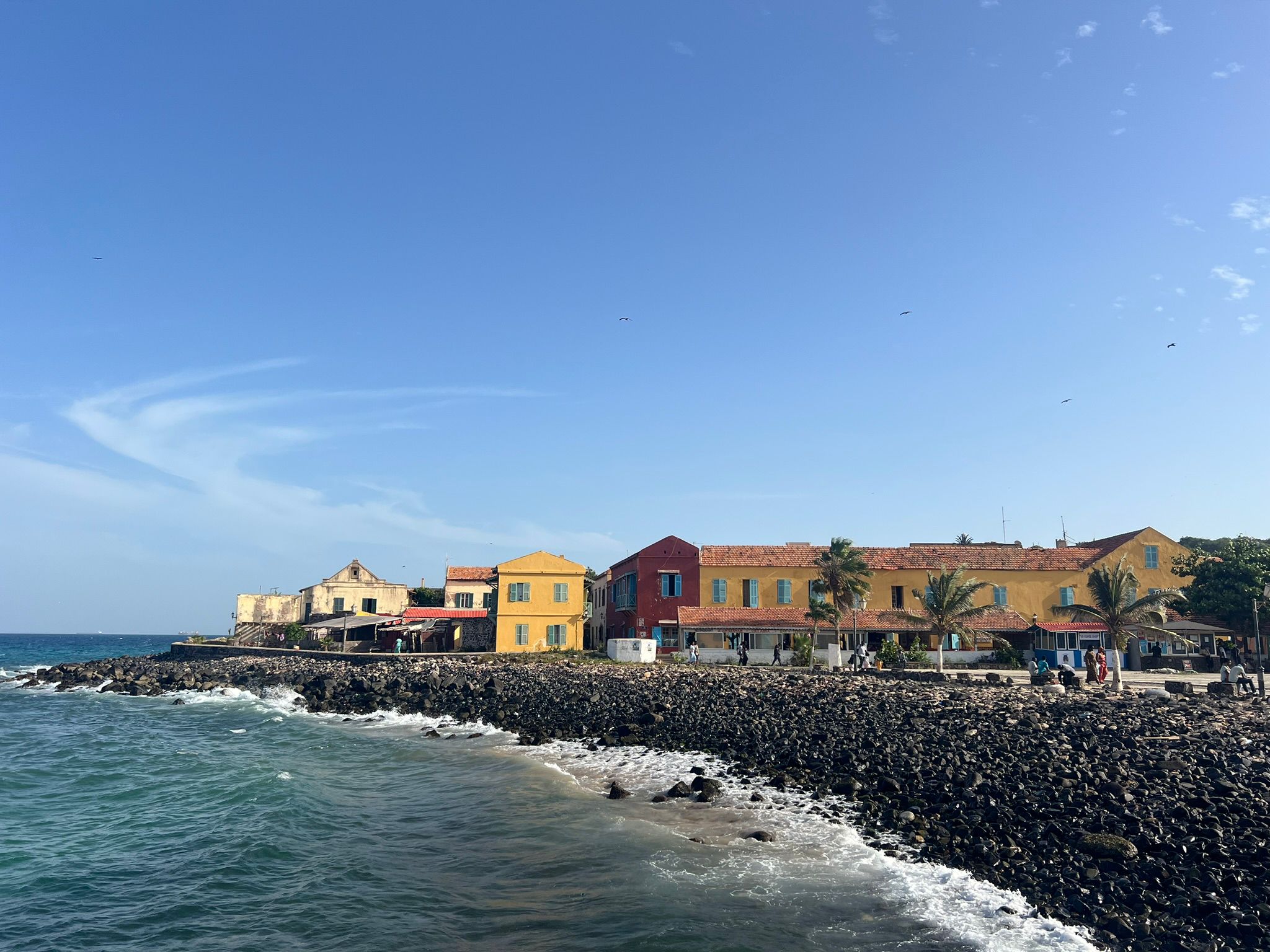
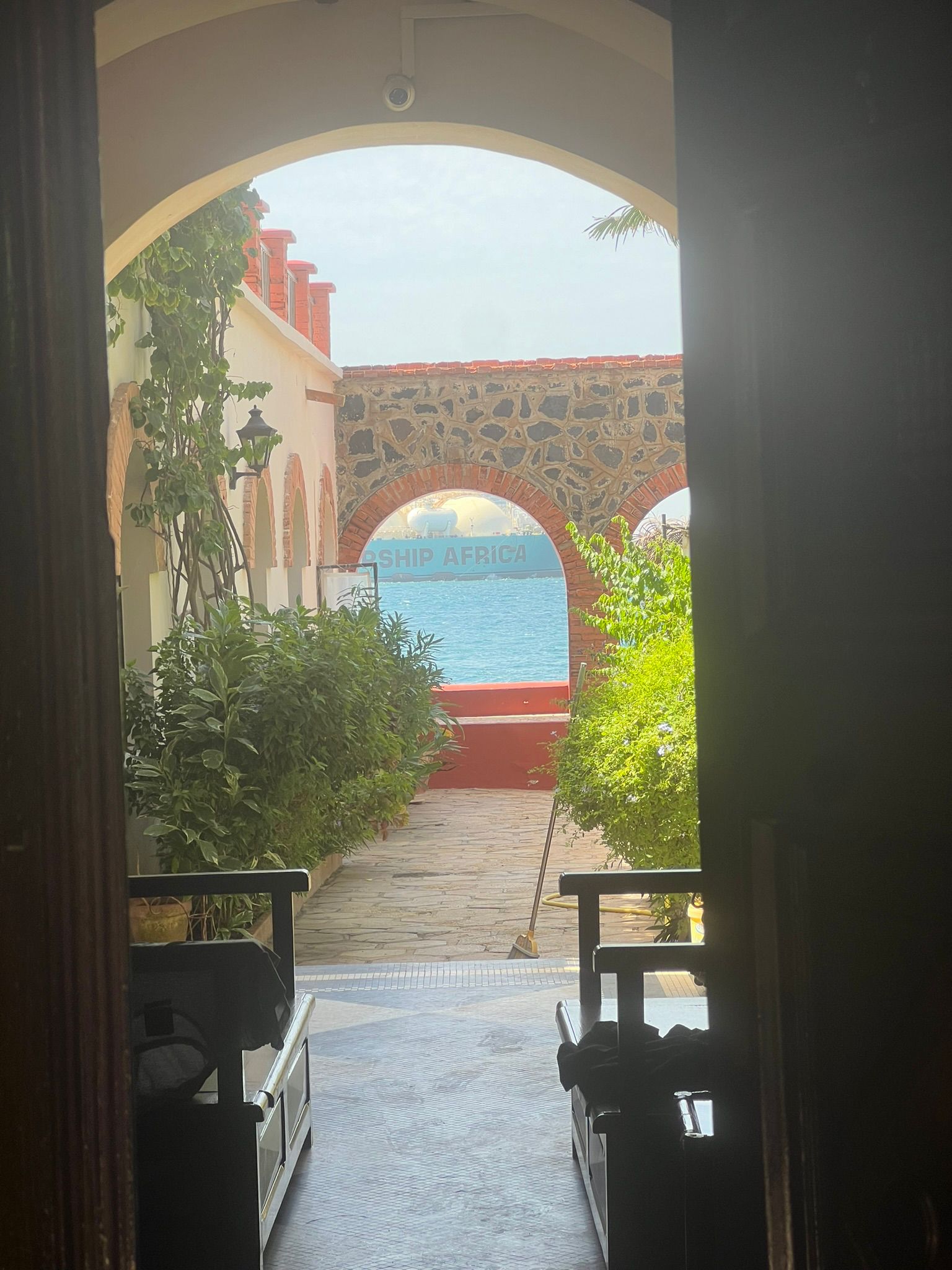
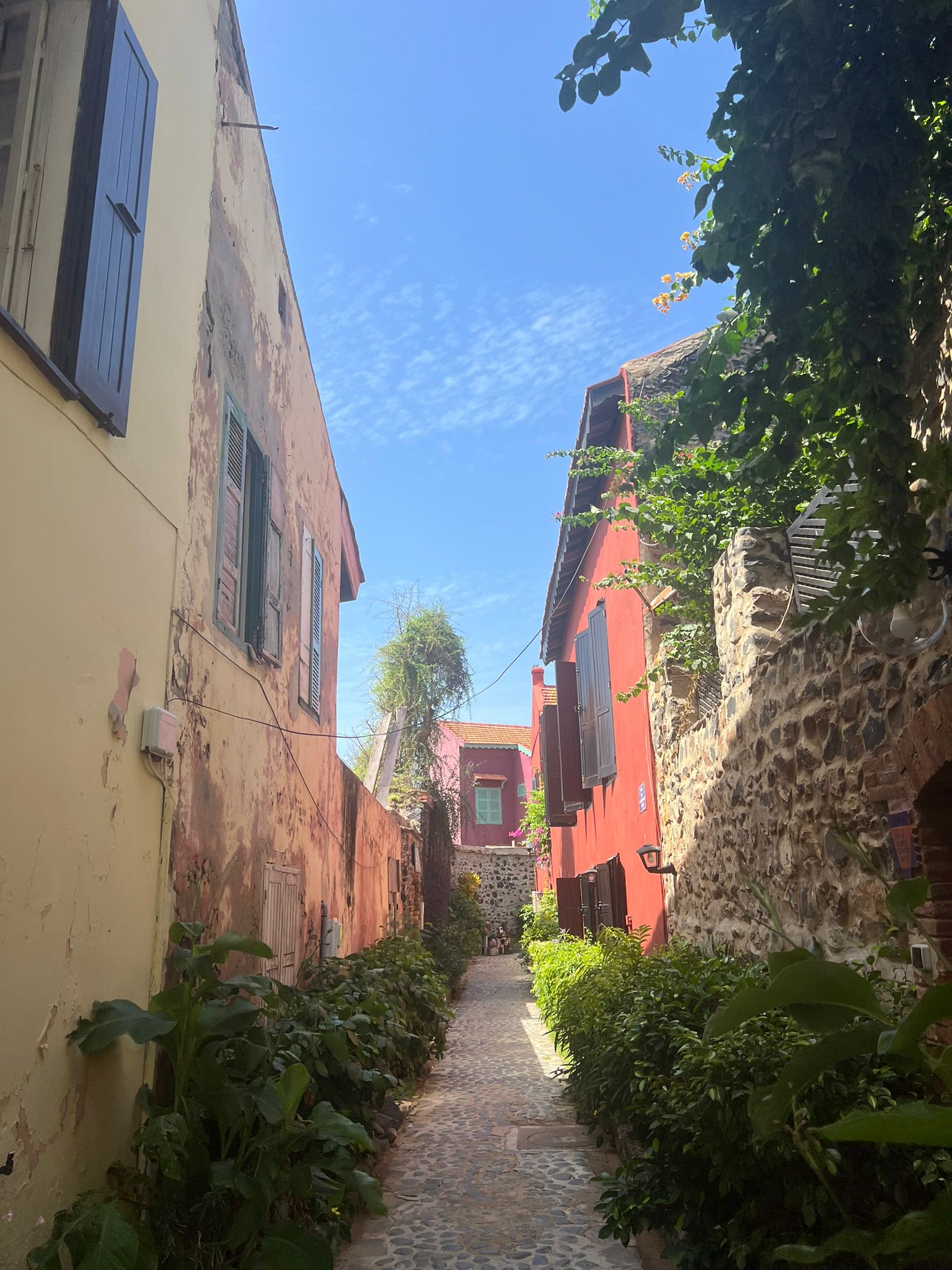
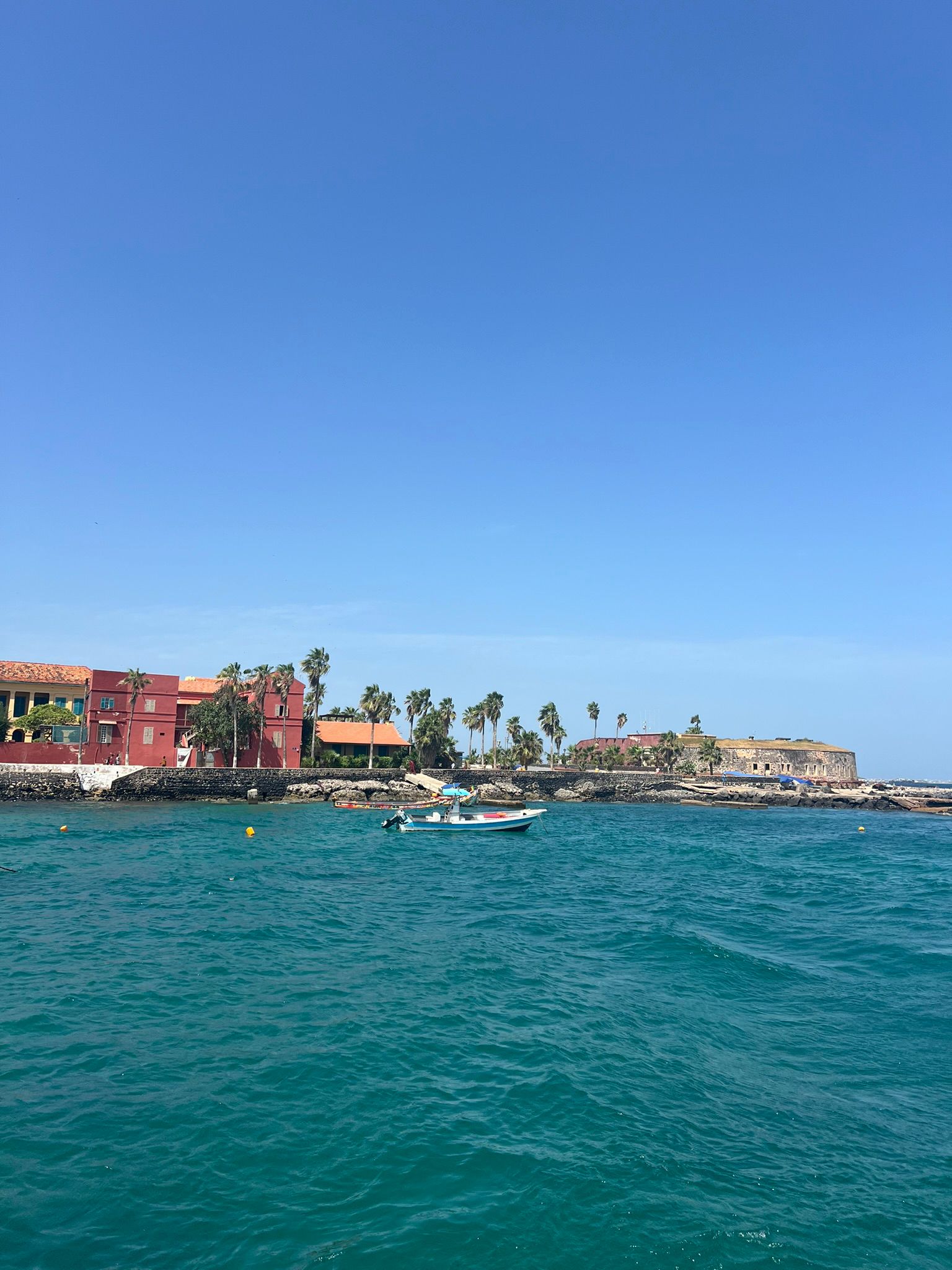
Day 2: Gorée Island
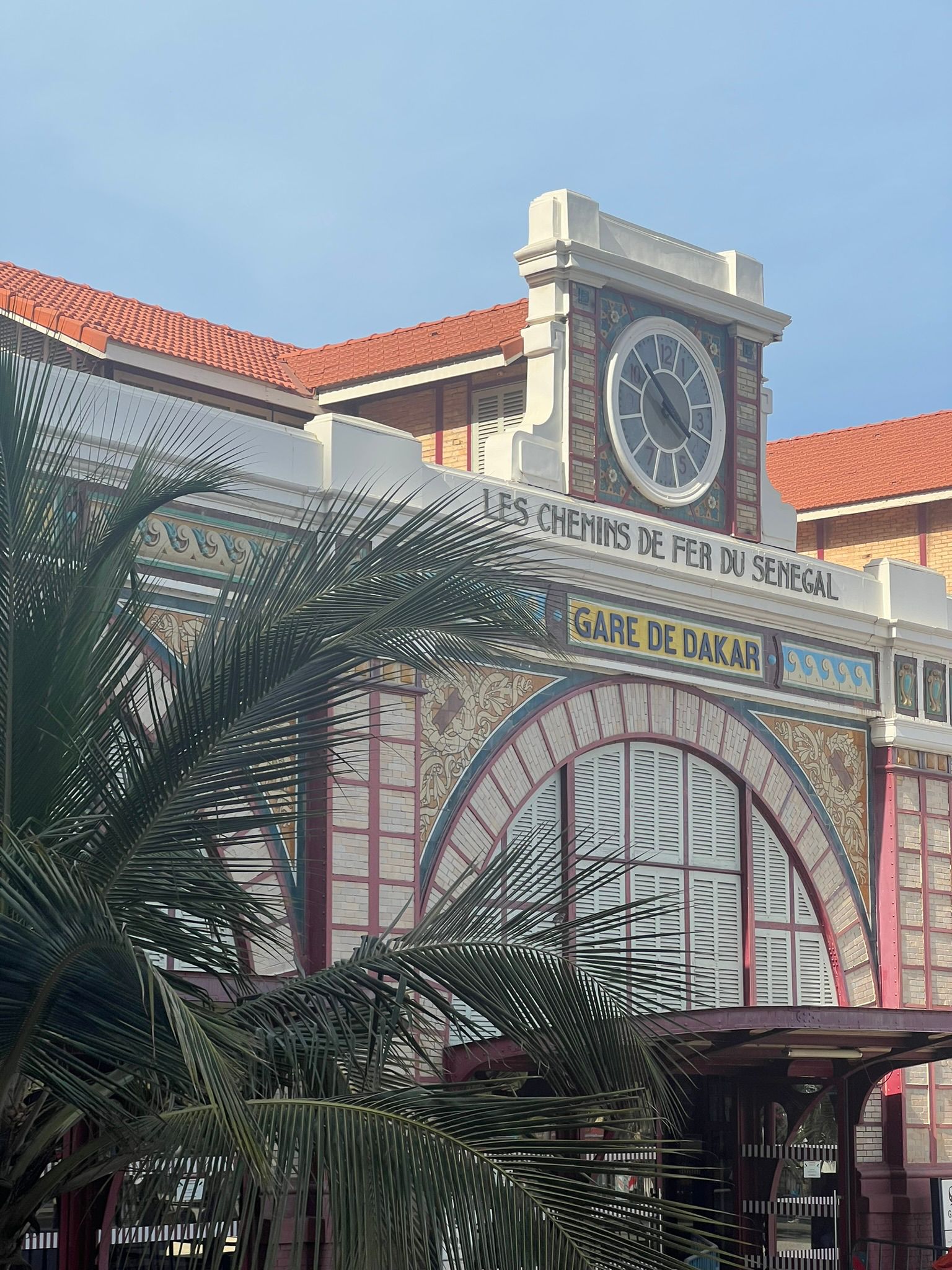
The ferry to Gorée departs from the Gare Maritime Internationale in the Plateau district, directly across from the old train station. Buy your ticket at the terminal on the day. As of 2025, the round-trip fare is approximately 6,000 CFA for non-African adult non-residents, plus a 500 CFA community fee collected at a separate window nearby. Keep the return portion safe. There is no advance booking system; arrive at least 30 minutes before your intended departure. The crossing takes around 30 minutes. Sit on the right side of the boat going over for the best views of the island approaching.
Ferries run roughly every one to two hours on weekdays from around 6:15 am. There are gaps mid-morning and at midday, so check the schedule posted at the terminal before deciding your departure time. The Slave House (Maison des Esclaves) closes between noon and 2:30 pm and is also closed on Mondays, so do not go on a Monday and do not plan to visit at lunchtime. Going on a Tuesday, Wednesday or Thursday avoids school groups and local holiday crowds. Taking a morning ferry and arriving before 10 am gives you the island largely to yourself before the day-trippers arrive.
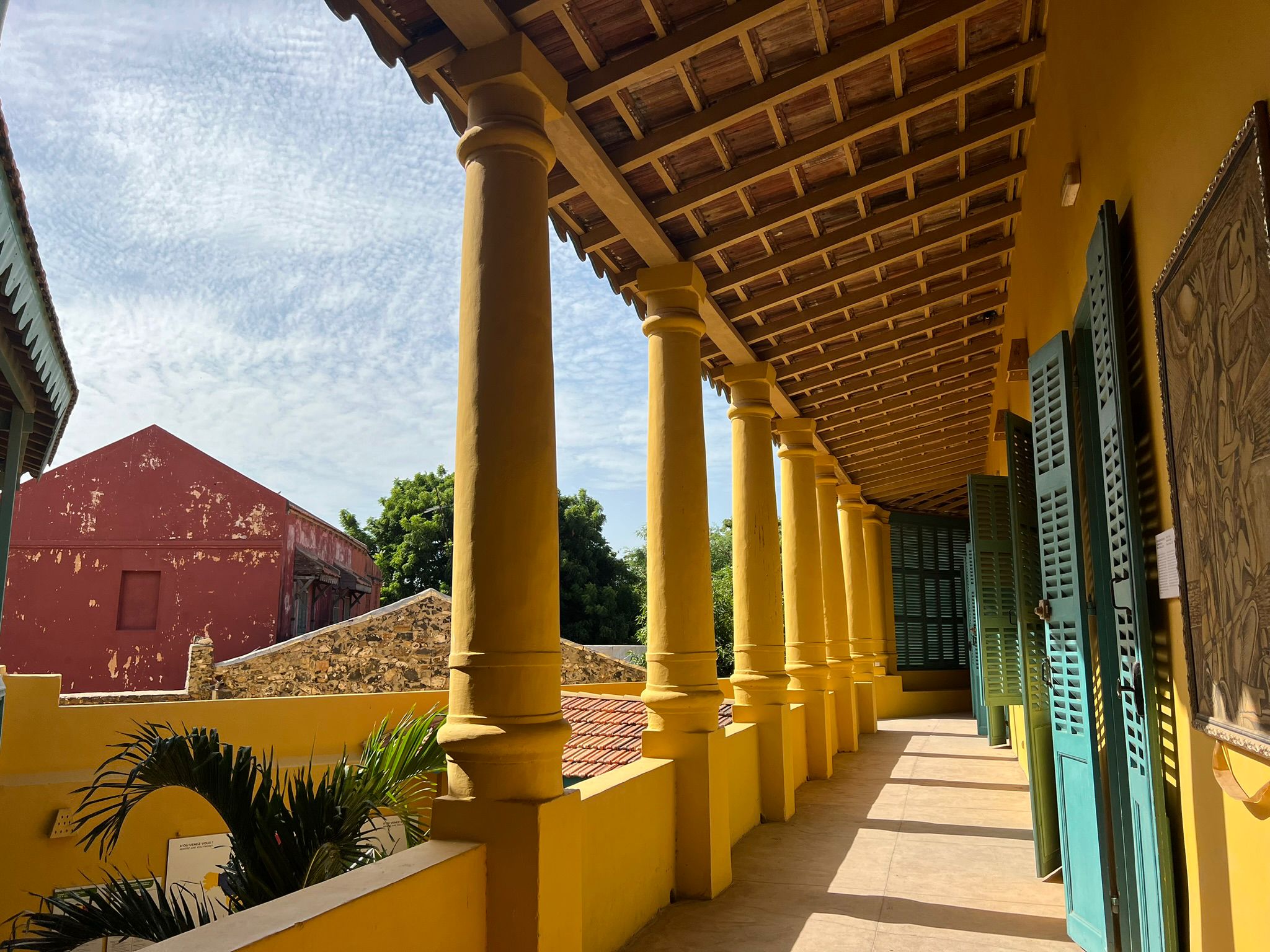
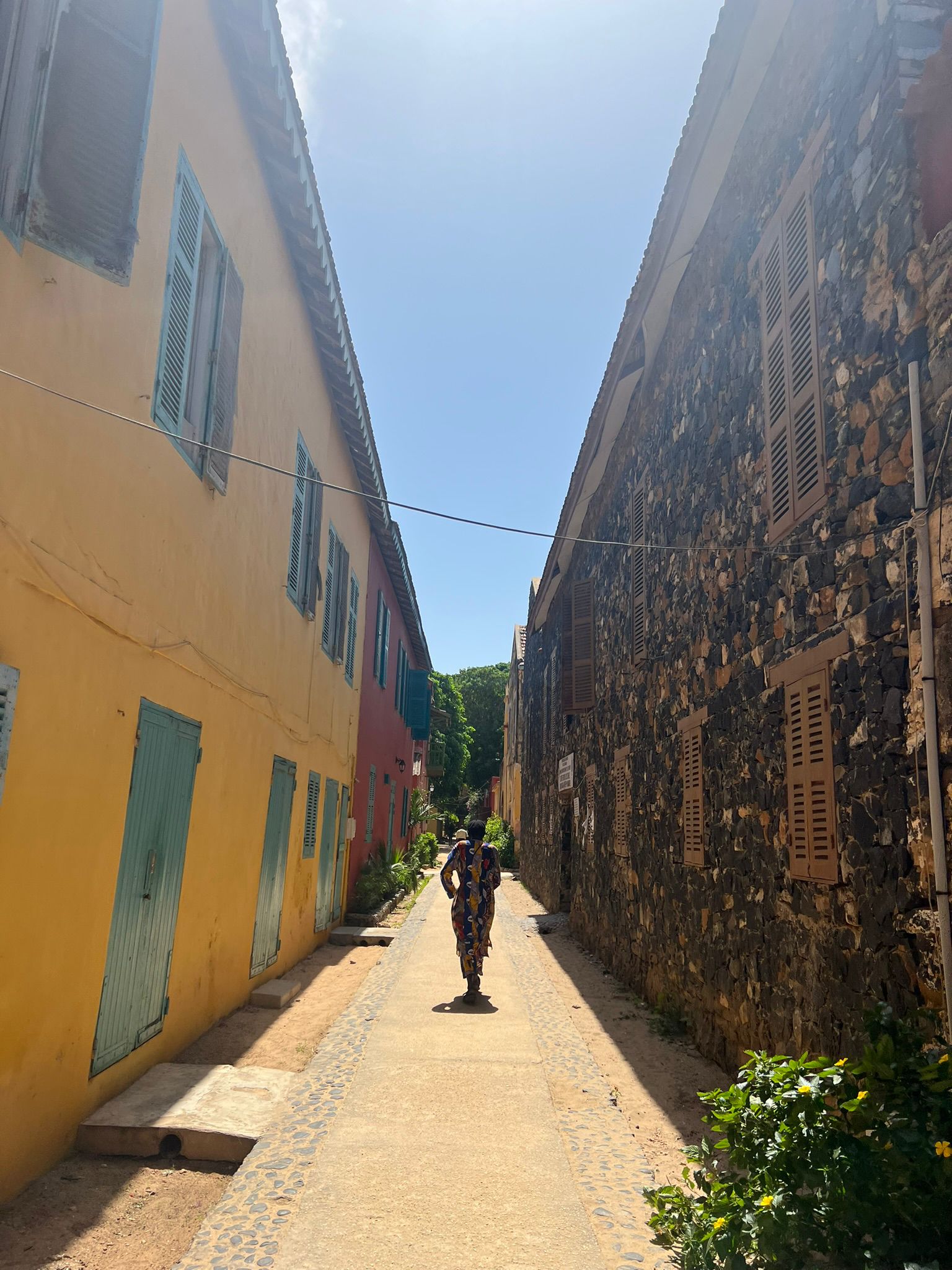
The island is small, car-free, and walkable in an hour at a relaxed pace. The Maison des Esclaves is the most important stop: the preserved holding cells beneath the white mansion, the Door of No Return above them, and the context of what passed through this place between the 15th and 19th centuries. Historians debate the exact numbers and the relative significance of Gorée versus other ports, but those debates do not reduce the weight of standing in the cells. A licensed guide (identifiable by a vest) can be hired at the dock for around 10,000 to 15,000 CFA for a group; negotiate before committing. Taking a guide is worth it here specifically: the history requires context that the building alone does not provide.
Beyond the Maison, walk the whole island. Climb to the Fort d'Estrées for views over the Atlantic and Dakar. Find a café at the port end of the island for lunch rather than eating at the tourist-facing restaurants nearest the dock; quality drops sharply the closer you are to the ferry. Vendors and sellers are present throughout the island and are skilled; a firm but polite "non merci" works. Do not make promises to visit a shop that you do not intend to keep.
Return to Dakar in the late afternoon, allowing buffer time as the ferry schedule has gaps and boats occasionally run late or reduce to a single vessel.
Day 3: Dakar Coast and Optional Surf
The Almadies peninsula, the northernmost point of Dakar and the westernmost tip of Africa, is where the city's surf scene lives. From Casa Mara, take a taxi to Ngor (roughly 15 to 25 minutes depending on traffic, negotiate around 3,000 to 5,000 CFA). From Ngor beach, a public pirogue to Ngor Island costs around 1,000 to 2,000 CFA return and takes five minutes. The island is tiny, car-free, and home to the famous Ngor Right, the wave that appeared in the original 1966 Endless Summer film and remains the most consistent reef break in West Africa. If you want to surf: Ngor Island Surf Camp rents boards (roughly 5,000 to 8,000 CFA per day for a shortboard), offers lessons for beginners, and has guides who know all 21 surrounding breaks and which one is working on a given day and swell direction. Beginner lessons run around 15,000 to 25,000 CFA for a two-hour session including board and wetsuit. The best beginner beach break on the peninsula is Virage or Yoff, which are safer and sandier than the reef breaks. If you do not surf but want the coastal experience, the bay side of Ngor Island has calm, sandy beaches where you can swim and eat lunch at a local restaurant; La Pépinière and Restaurant Yadikoon are both small, inexpensive and serve proper Senegalese food. The island has a completely different atmosphere from mainland Dakar.
The peak surf season is November to March; waves average four to five feet in winter. Summer swells are smaller but the water temperature is warmer and you can surf in board shorts. If you are visiting in the rainy season (July to October), surf conditions can be unpredictable but crowds are minimal.
Back on the mainland, the Almadies area has beach clubs and café-bars where locals, expats and travellers mix. BOMA Lifestyle Hotel restaurant has a pool-edge terrace that is good for lunch if you want something quieter. Spend the afternoon at your own pace. Use this day to pick up any supplies needed for the journey north tomorrow, change money if you have not done so (the Médina area has exchange offices; avoid airport exchange desks), and confirm your transport arrangement for Day 4.
Day 4: Travel to Saint-Louis and Evening
Saint-Louis (known locally as Ndar) is 320 km north of Dakar, roughly three and a half to five hours by road depending on the option you choose and traffic leaving the city. The main highway (N2) is mostly tarmac and in reasonable condition.
By sept-place (shared taxi): The classic local option. These are ageing Peugeot 504 estate cars fitted for seven passengers. They depart from the Gare Routière des Baux Maraîchers in Dakar when full. Cost is roughly 5,000 CFA per person. Depart early to get a seat before the day heats up; afternoon departures from Dakar can mean arriving in Saint-Louis in darkness. Luggage goes on the roof. Front seats are more comfortable. Bring water and snacks as stops are unpredictable.
By bus: Globe One Transport runs a service taking around four to four and a half hours for roughly 7,000 to 10,000 CFA. Air-conditioned and more predictable than sept-places.
By private transfer: Arranged through Casa Mara or a local operator, a private car from Dakar to Saint-Louis costs roughly 60,000 to 100,000 CFA for the full vehicle. More comfort, your own schedule, and can stop at the Pink Lake (Lac Rose) along the route if you want to add a quick detour without it costing more than 30 minutes.
Leave Dakar by 7 am or 8 am to beat the worst of the traffic and arrive in Saint-Louis with daylight to spare. The road passes through the flat, dusty Sahel, with roadside baobabs and occasional flocks of pelicans near seasonal wetlands.
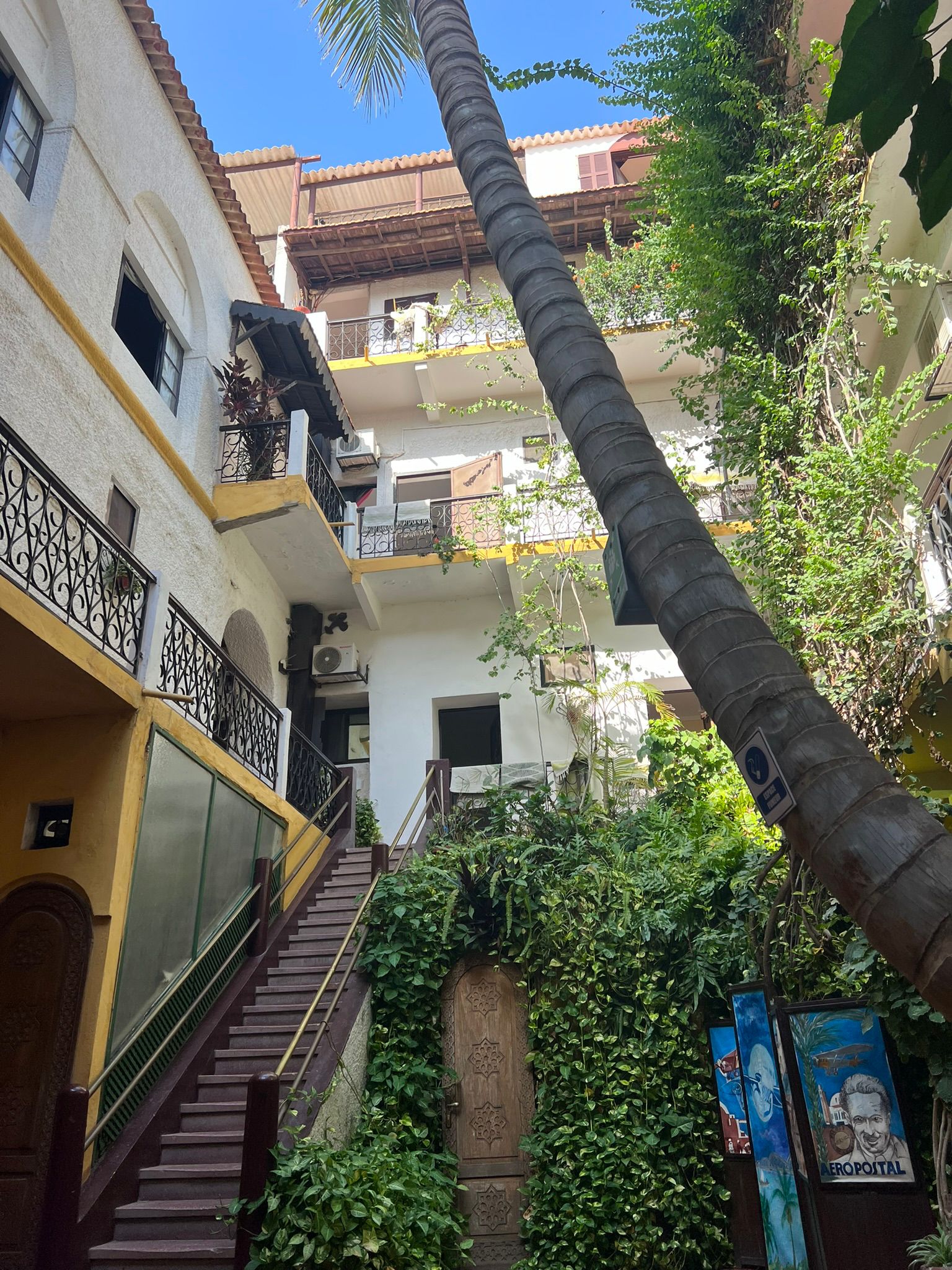
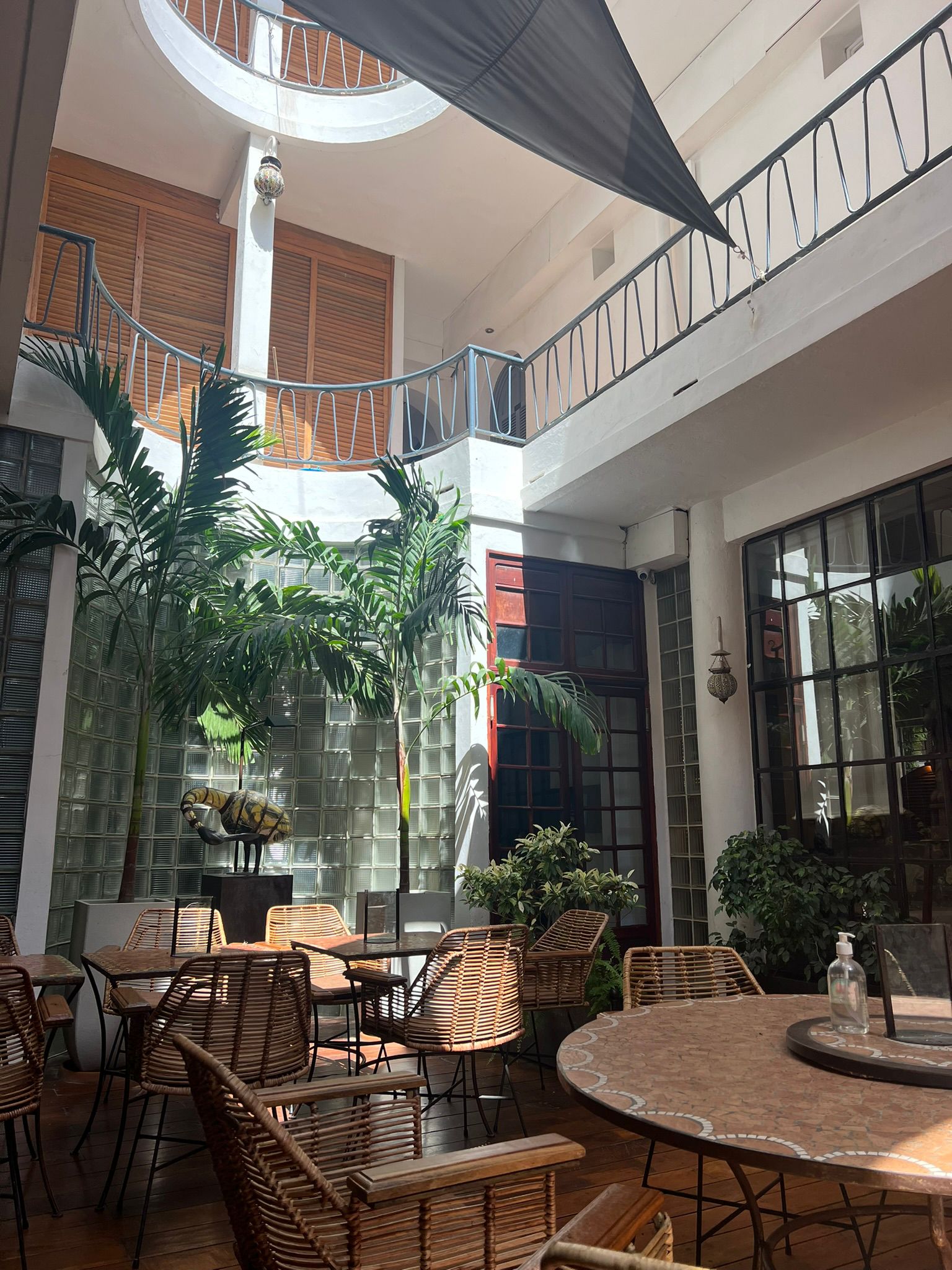
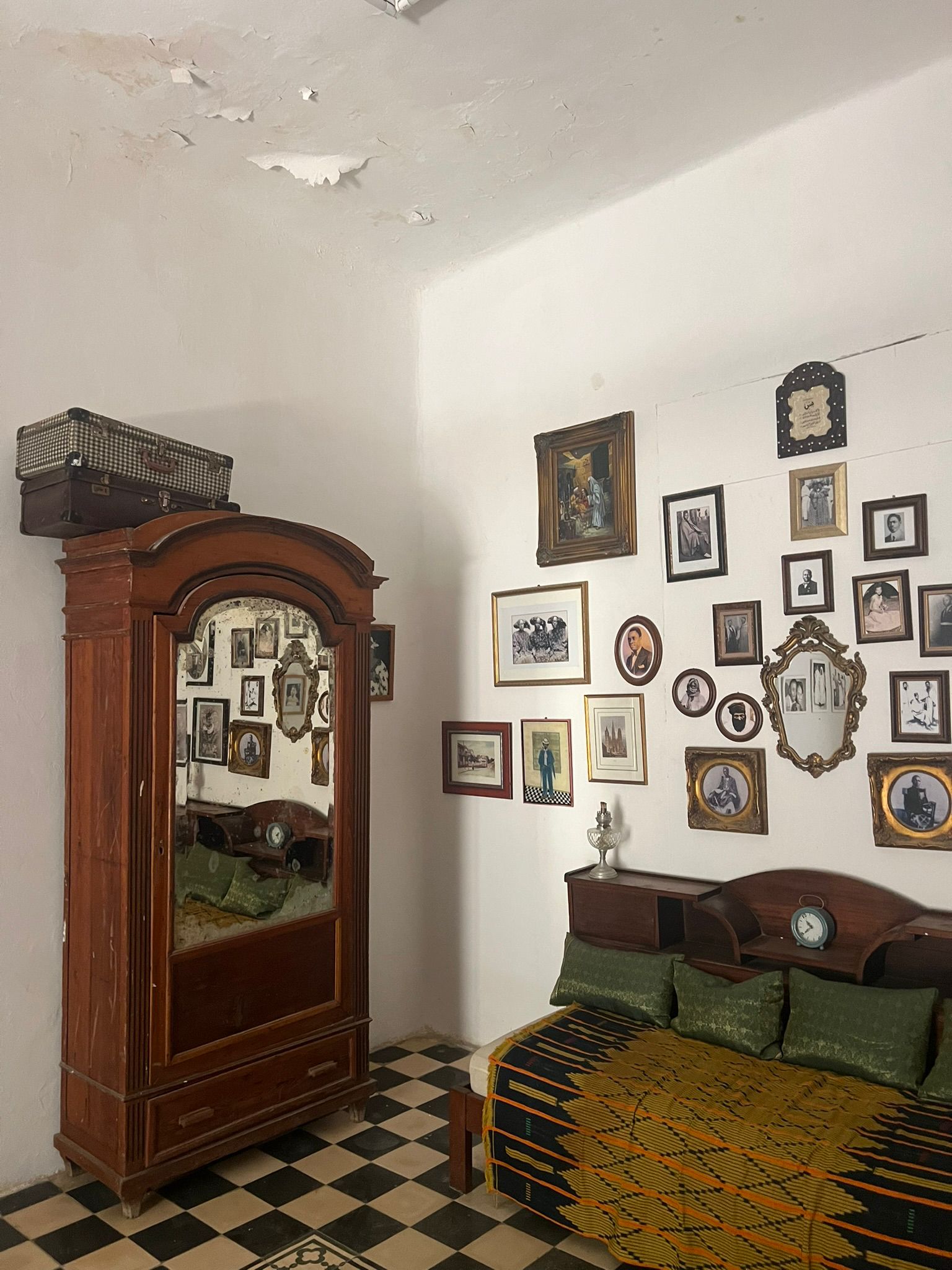
Check into Hotel de la Poste on the island. The hotel occupies a building that served the French postal administration and later the Aéropostale pilots including Saint-Exupéry, who flew the route to South America. Rooms are adequate rather than exceptional but the colonial history of the building, the riverside terrace and the atmosphere carry the stay. The room rate is worth confirming in advance by email; the hotel does not always update prices consistently through third-party sites.
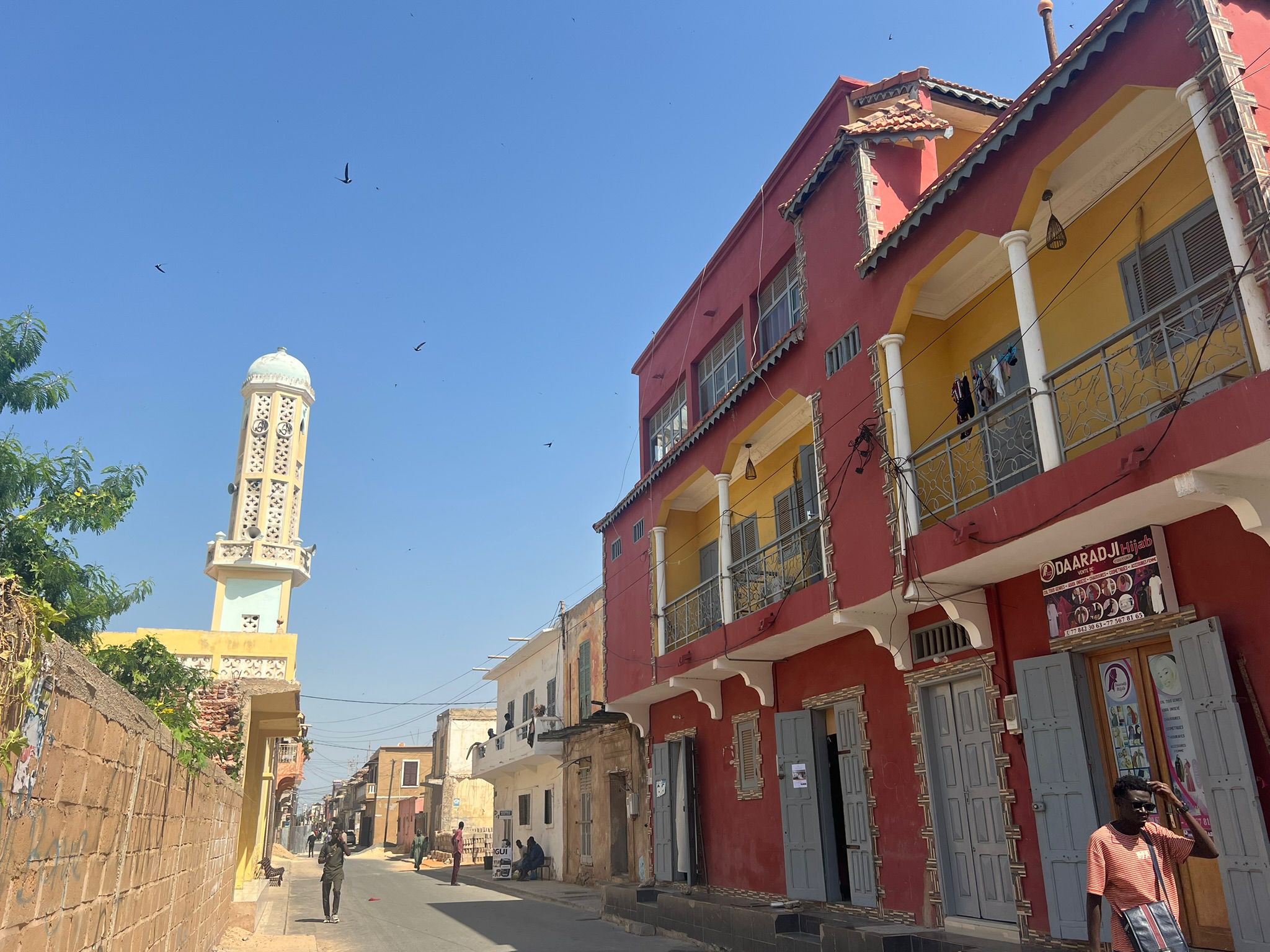
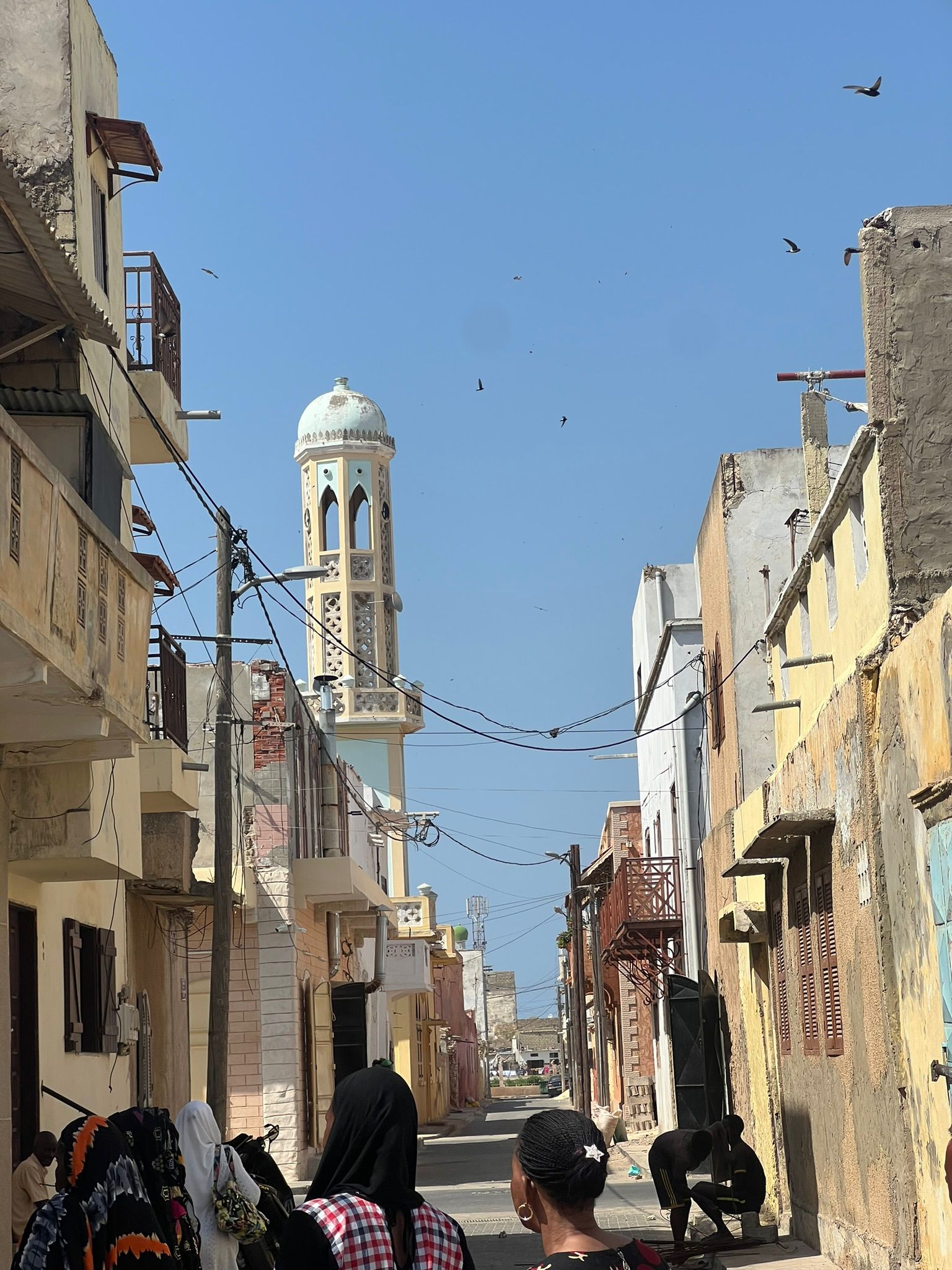
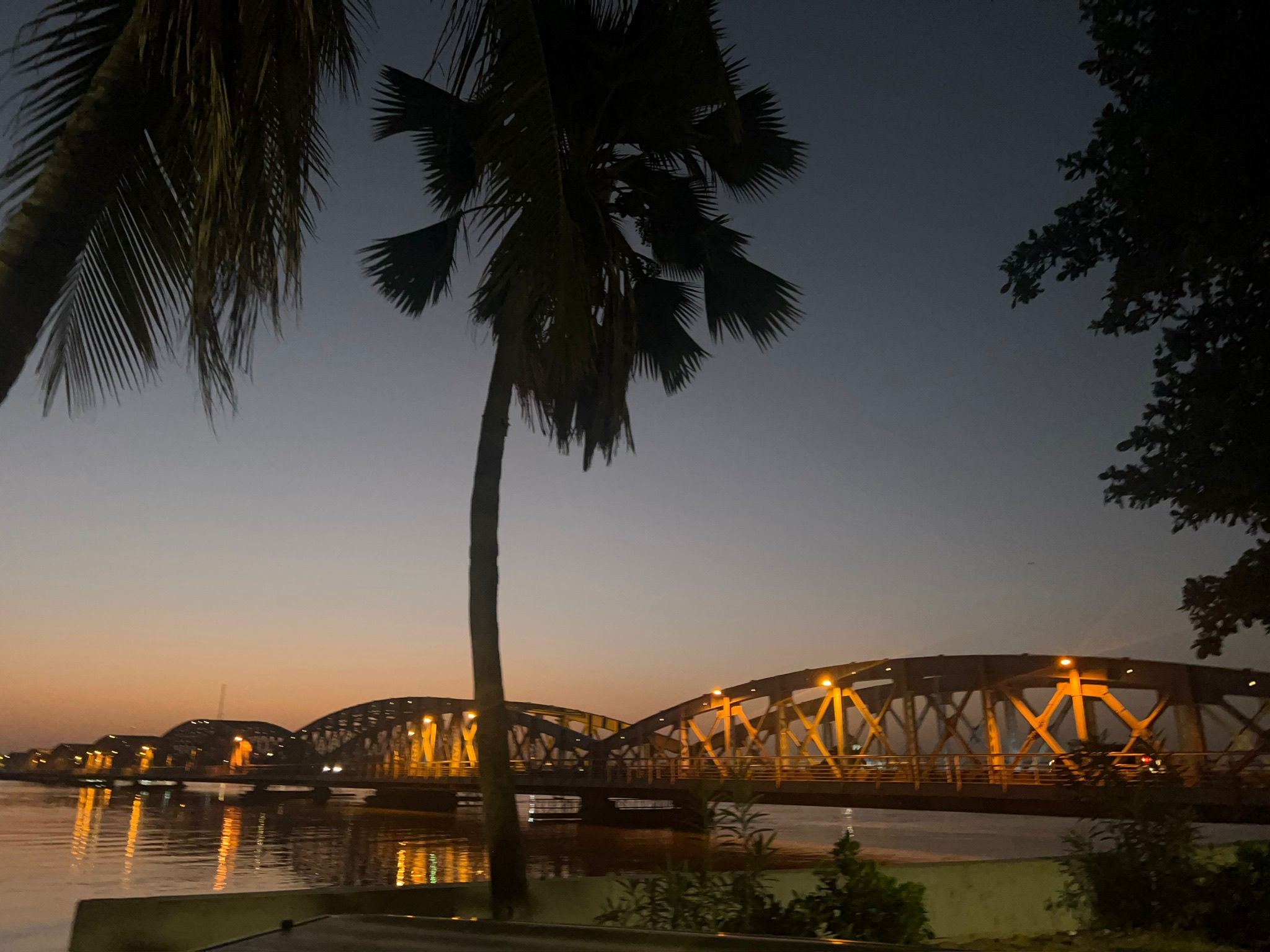
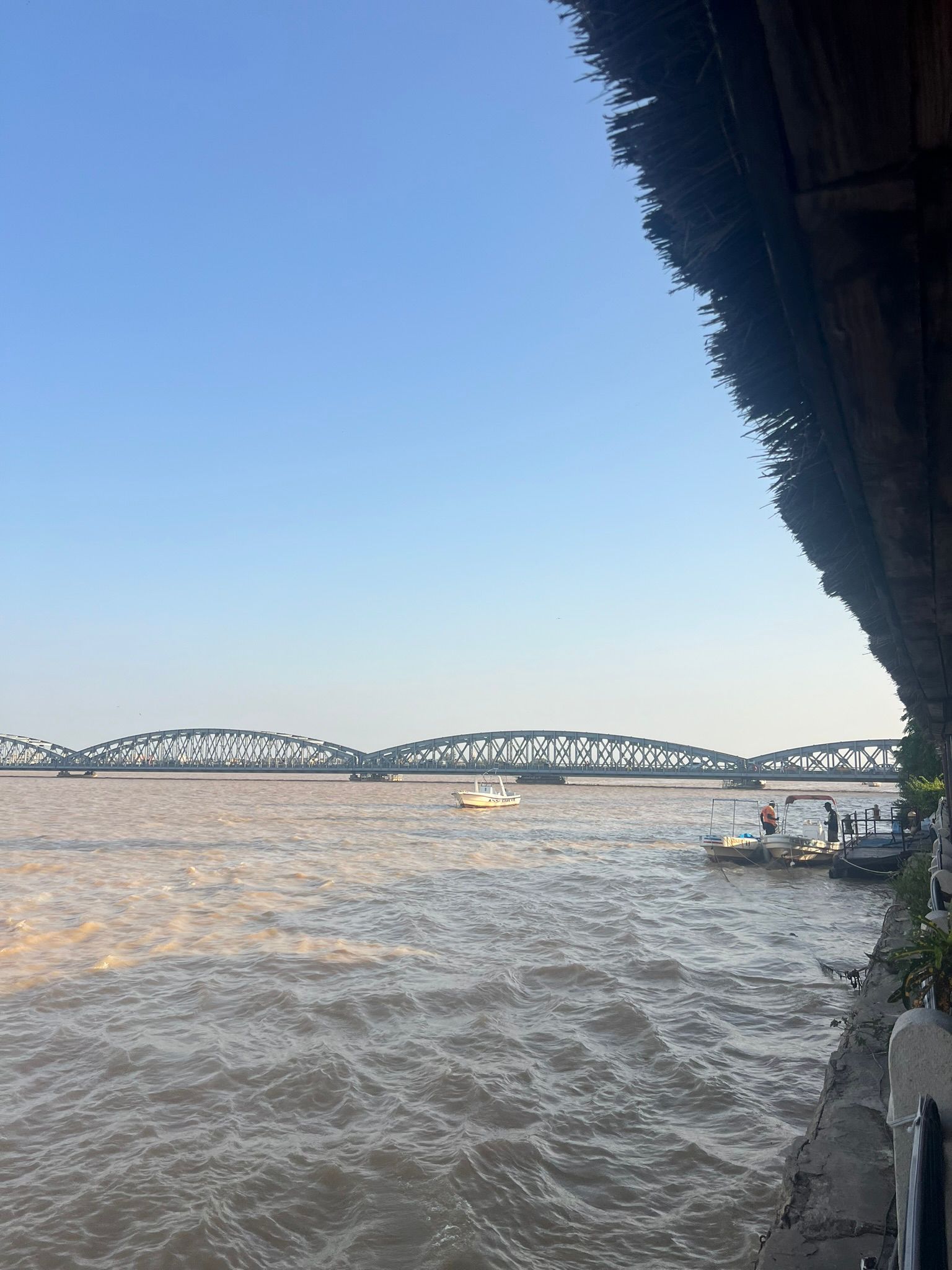
The island of Saint-Louis is 2 km long and 400 m wide. Everything is on foot. Cross the Pont Faidherbe and walk south into the old town grid. The bridge was not actually designed by Gustave Eiffel despite the persistent local myth; it was built by a different French firm in 1897, though Eiffel's company came second in the original bidding. This is a useful fact to mention to guides who repeat the myth. The evening light on the wrought-iron balconies and faded ochre facades is the best time to photograph the city. Find a riverside table for dinner, order thieboudienne or yassa poisson (fish marinated in onion and lemon), and let the city settle around you.
Day 5: Saint-Louis, Colonial Lanes and Fishing Culture
Start early. Sunrise on the Faidherbe Bridge with the pirogues beginning to move on the Senegal River is one of the best moments in the city. The island is at its best before 9 am, before the heat builds and the streets fill.
Walk the full grid of the old town. The island's street plan is a compressed colonial layout roughly eight blocks by four, and you can walk its perimeter in 45 minutes. What rewards slower exploration: courtyards visible through half-open gates, photographic studios that have barely changed since the 1950s, the sculpture of Meissa Fall who works in iron scraps and bicycle parts (he is based near the Au Fil du Fleuve guesthouse), the Maison de la Photographie (the MuPho Saint-Louis museum, covers 150 years of West African photography, a genuine highlight, check opening hours before going), and the oldest functioning church in West Africa, the Cathédrale de Saint-Louis, opened in 1828.
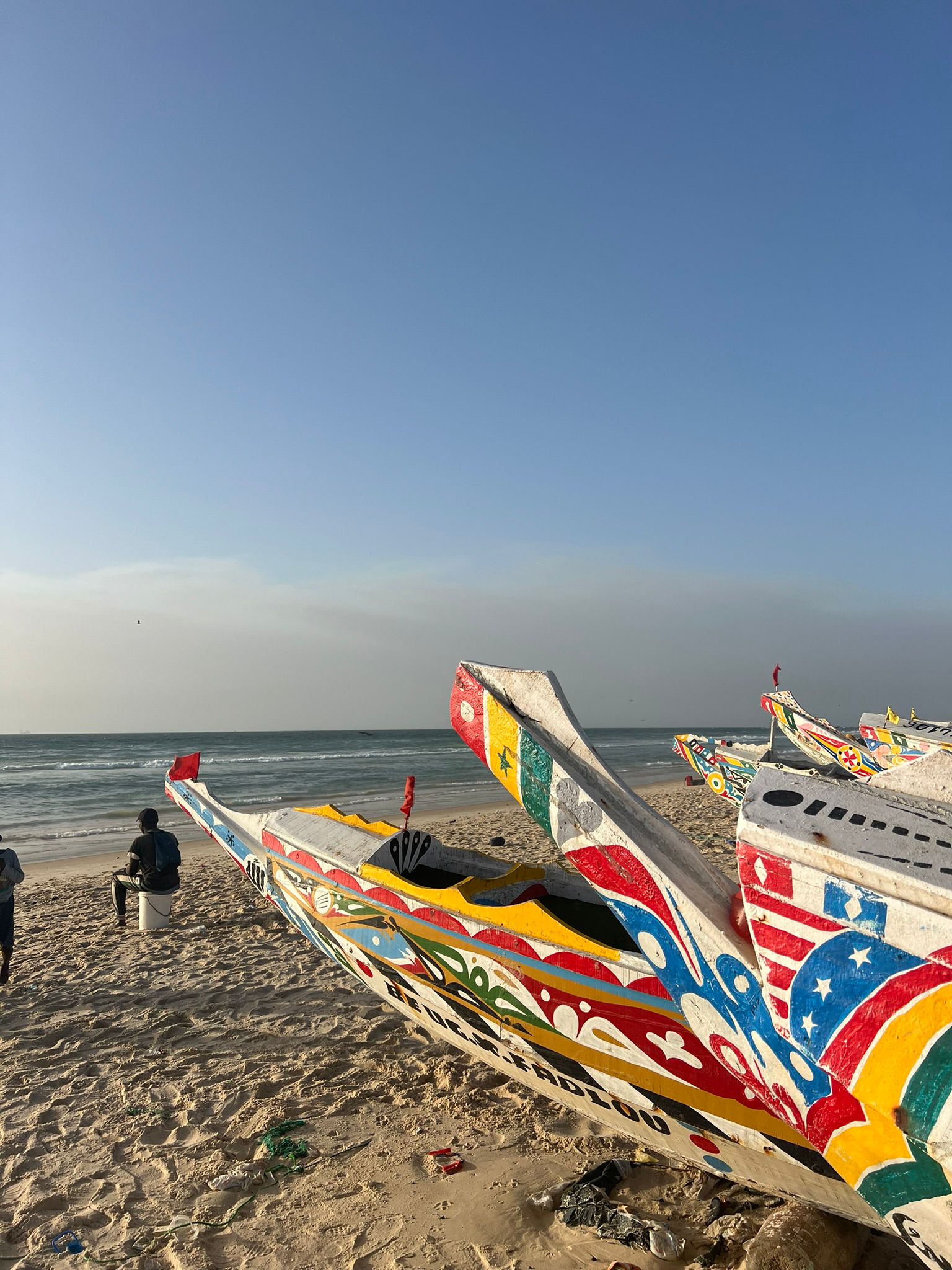
In the late morning, cross to Guet Ndar. This is the fishing quarter on the Langue de Barbarie, the thin sand spit between the river and the Atlantic, and one of the most densely populated areas in the world with an entire fishing community living on a strip barely 100 metres wide. Walk through the alleys rather than just the beachfront. The fish auction happens at around 5 am but the boats come and go throughout the day and the activity is constant: nets being mended, pirogues under construction at every stage from raw timber to final paint, women smoking and drying fish in large cauldrons beside the beach. It is not picturesque in a tidy sense; it is real, dense and full of life. Ask before photographing individuals.
For a sunset pirogue on the river: go to the wharf south of the Faidherbe Bridge around 5 pm, where pirogue captains gather on the sand. Negotiate directly. A one to two-hour trip drifting past mangroves with the colonial skyline behind you costs roughly 5,000 to 15,000 CFA depending on the boat and how many people you split it with. Kingfishers, herons and cormorants are common along this stretch.
In the evening, Ndar Ndar Music Café on the island has brewed coffee, Senegalese juices and a warm atmosphere for winding down. Patisserie Darou Salam is the place for a morning espresso and almond pastry.
Day 6: Into Sine-Saloum Delta
The Sine-Saloum Delta is roughly 500 km south of Saint-Louis by road, meaning this is a long travel day. The practical routing is: Saint-Louis south to Dakar (three and a half to four hours), then Dakar south to the delta entry points near Toubakouta or Ndangane (another three to four hours). This is roughly seven to eight hours total on the road, not counting the stops. The alternative is to split it differently: stay an extra night in Saint-Louis and travel south via Thiès to the delta over two legs. For a tight eight-day itinerary, the direct route requires leaving Saint-Louis very early and accepting a long day.
The practical approach: arrange a private car through your Saint-Louis hotel or via Casa Mara in advance. A shared sept-place network does connect these areas but requires multiple changes and is logistically complicated with luggage. A private car from Saint-Louis to the delta lodges costs roughly 100,000 to 150,000 CFA and removes all the friction.
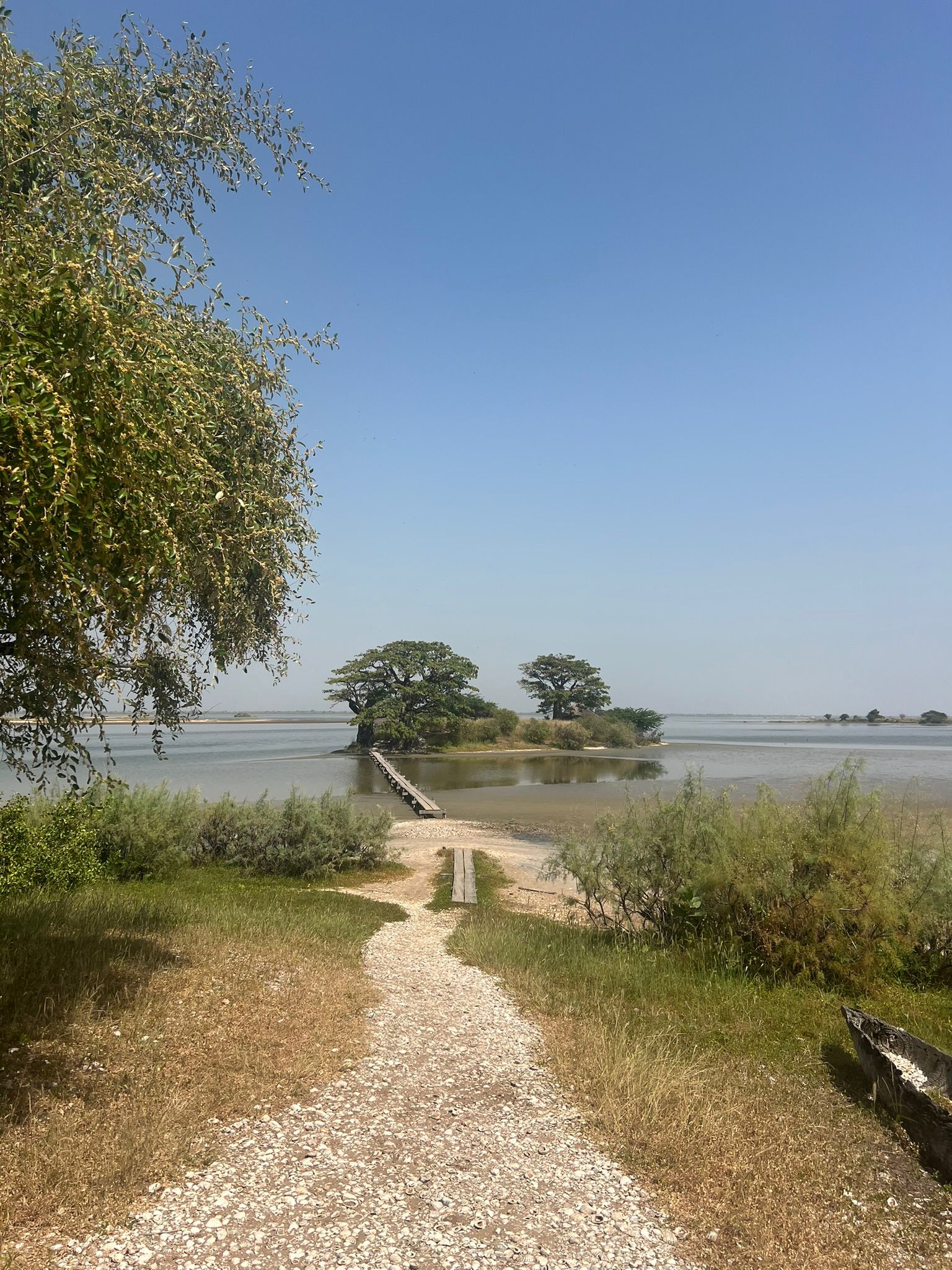
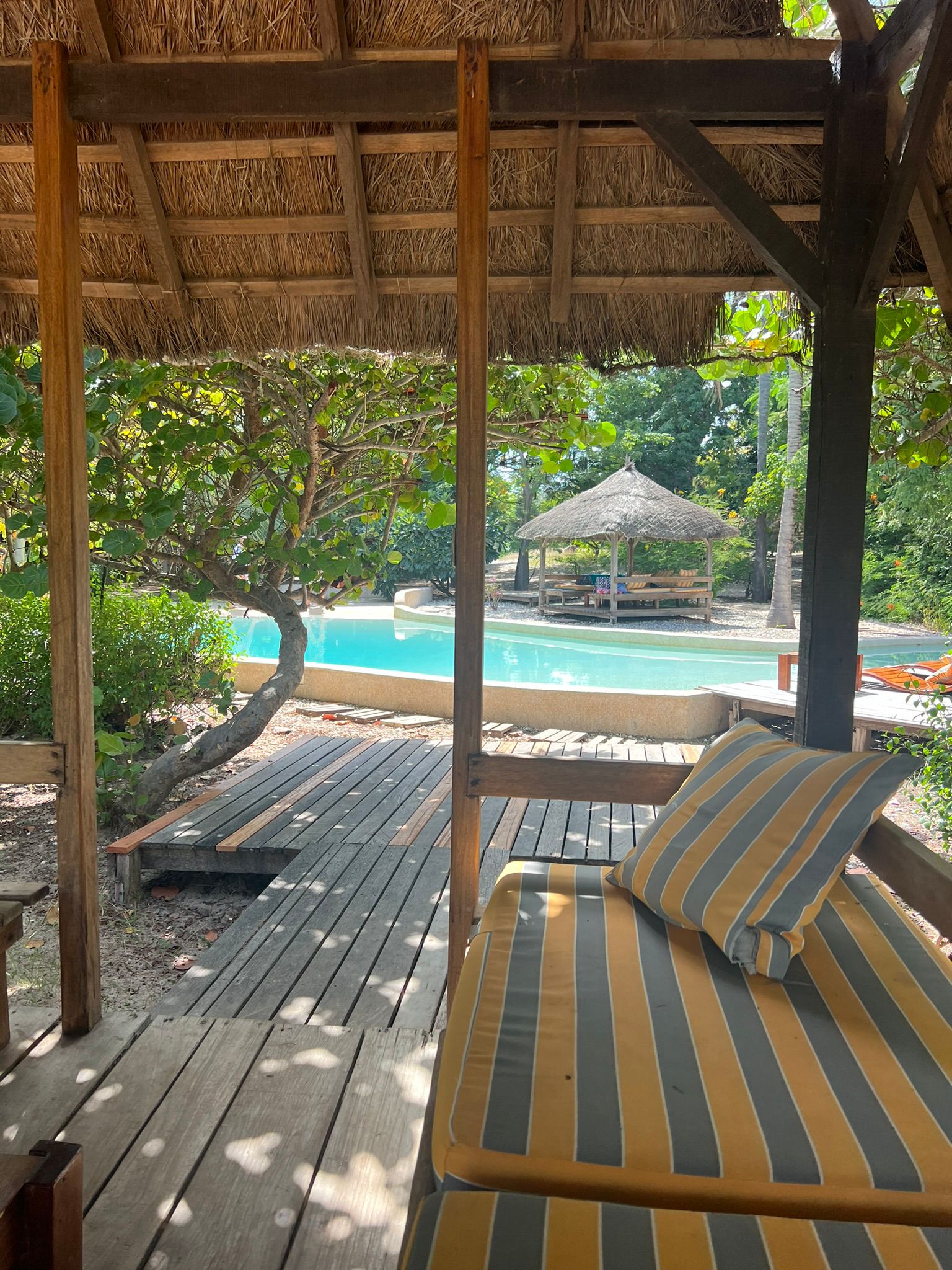
The delta is a UNESCO Biosphere Reserve of 334,000 hectares of channels, mangroves, sand banks and lagoons between the Sine and Saloum rivers where they meet the Atlantic. Most lodges sit on islands or channels and are reached by a final pirogue transfer from a mainland pickup point. Hakuna Lodge (Mar-Lodj island, 35-minute pirogue crossing from the mainland, around 140 km south of Dakar) and Souimanga Lodge (Fimela, directly on the delta water's edge) are the two most recommended options. Both include all meals in their rates. Contact them directly to arrange the pirogue pickup timing as part of your booking.
The pace changes completely here. Meals are included and cooked from river fish and local produce. The silence by evening, punctuated by birds, is the opposite of Dakar.
Day 7: Boat Day in the Delta
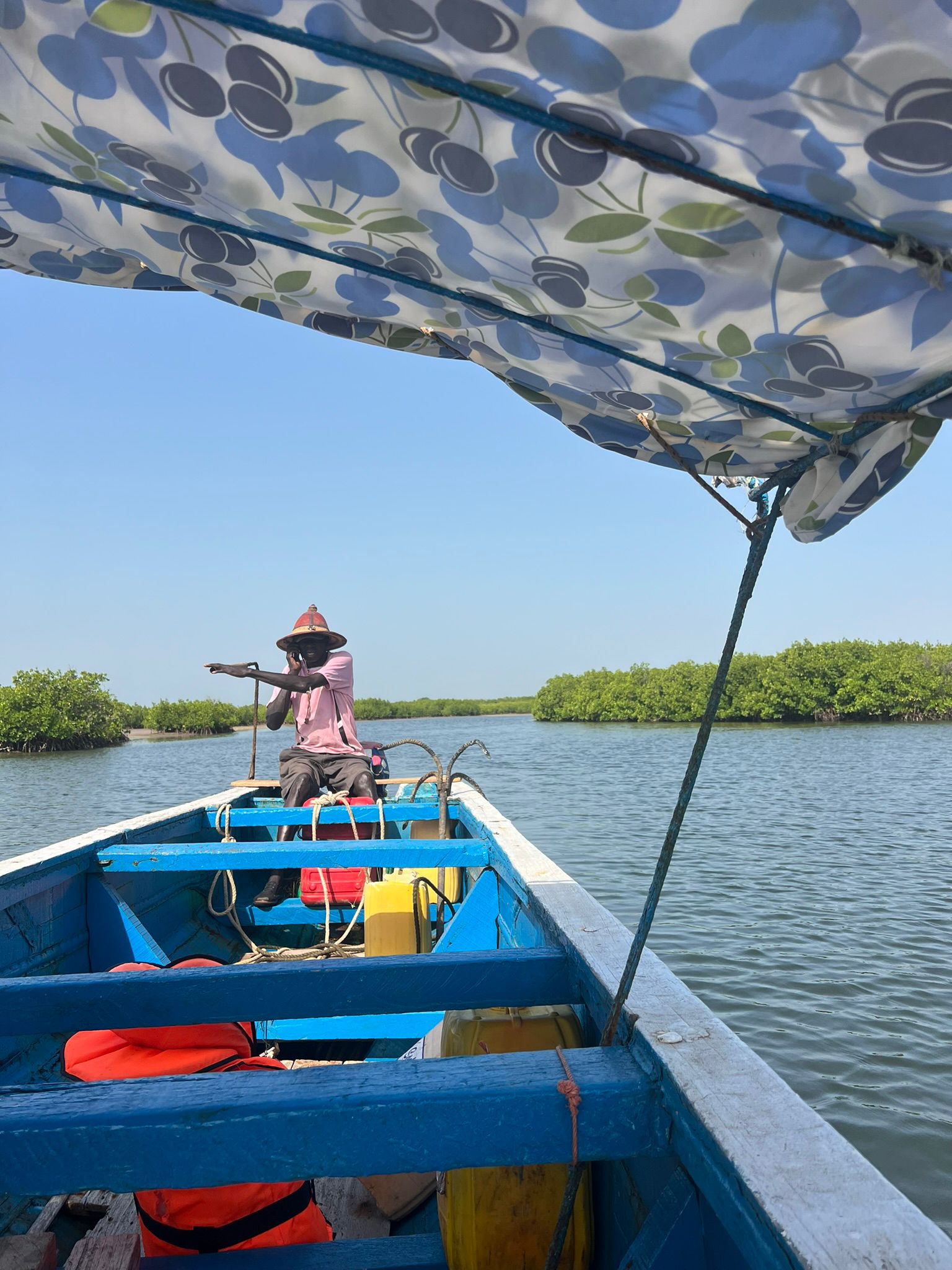
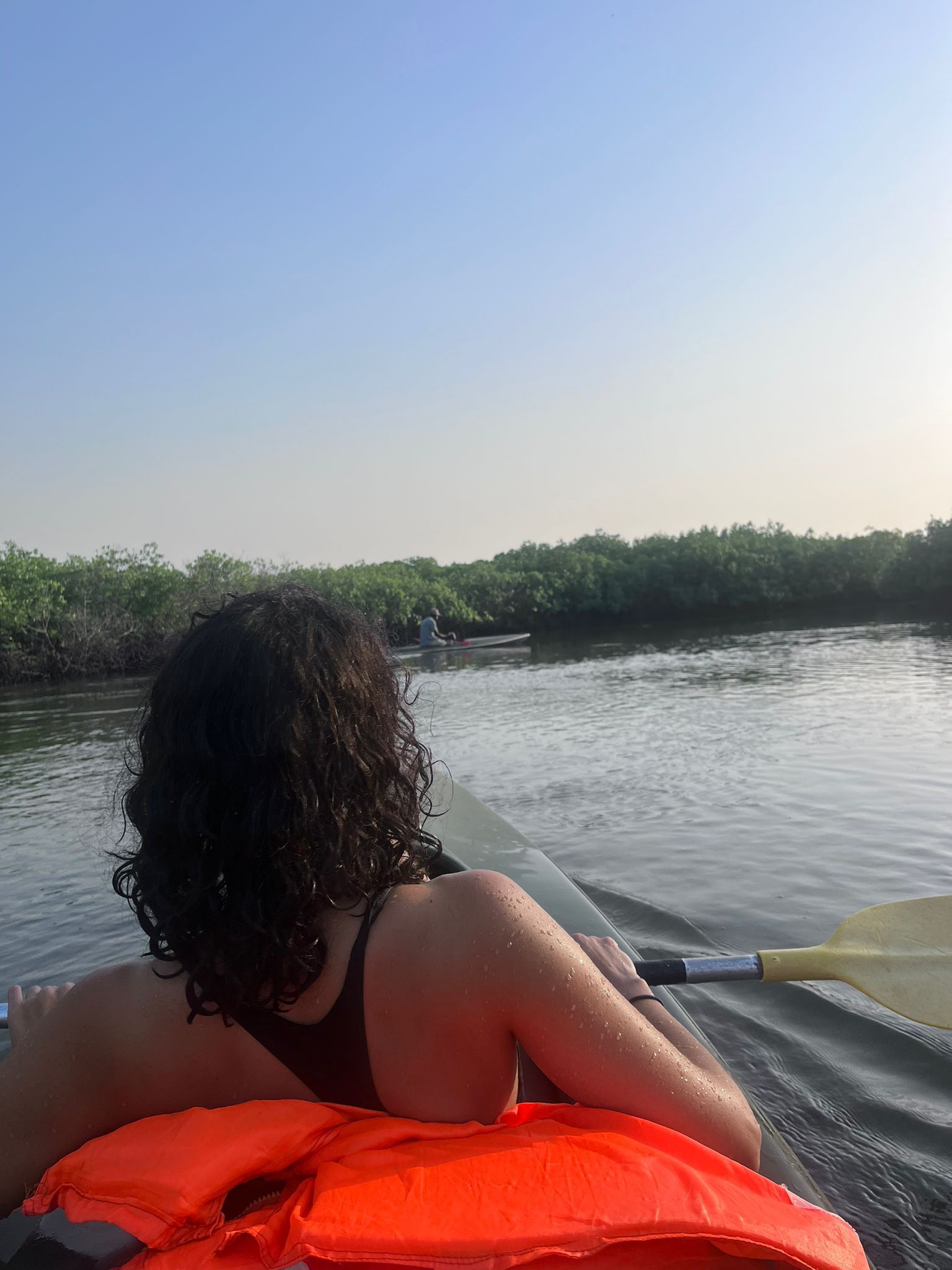
All delta activities are arranged through your lodge. The standard day trip by pirogue or kayak covers: mangrove channels (the water here is so clear that the reflections of the channel walls make navigation feel like moving through a painting), sandbanks where pelicans and flamingos congregate in the dry season, small fishing villages where traditional wooden houses line sandy paths and life is organised around the tides rather than any road, and a stop for swimming in a calm channel with no current.
The Sine-Saloum is one of the three most important bird habitats in West Africa, with around 200 resident and migratory species. November to March is the peak birdwatching window: pink flamingos, white pelicans, African spoonbills, herons, ospreys, egrets, kingfishers and yellow-billed storks are all reliably seen during this period. Outside of this window the delta is still rich but the migratory concentration is lower. Your lodge guide will know which channels to take based on the season and tide.
If you are on Mar-Lodj island (Hakuna Lodge), the island itself can be explored by horse-drawn carriage, which is how the island moves: no cars, no motorbikes. Village walks take 30 to 40 minutes end to end. The burial mounds on the island are pre-Islamic and date back several centuries.
Return to your lodge by mid-afternoon. The delta at low tide in the late afternoon, when the light turns amber and the birds are most active, is the image that most people carry home from Senegal.
Day 8: Return to Dakar and Departure
Dakar's Blaise Diagne Airport is roughly three to three and a half hours from the delta zone by private car, not including the pirogue transfer from a water-access lodge. If your flight departs in the afternoon or evening, you have reasonable buffer. If departing early morning, you either need to leave the delta before dawn or spend the final night in Dakar. Confirm the timing calculation with your lodge before finalising departure logistics.
Arrange the return transfer the evening before. Lodge staff can coordinate with a driver. The pirogue back to the mainland brings you to a road, where the car meets you. The N1 from Kaolack to Dakar is generally good road. Blaise Diagne handles departures efficiently; allow at least two and a half hours before a long-haul international flight.
.png)