Day 2: Robben Island and the V&A Waterfront
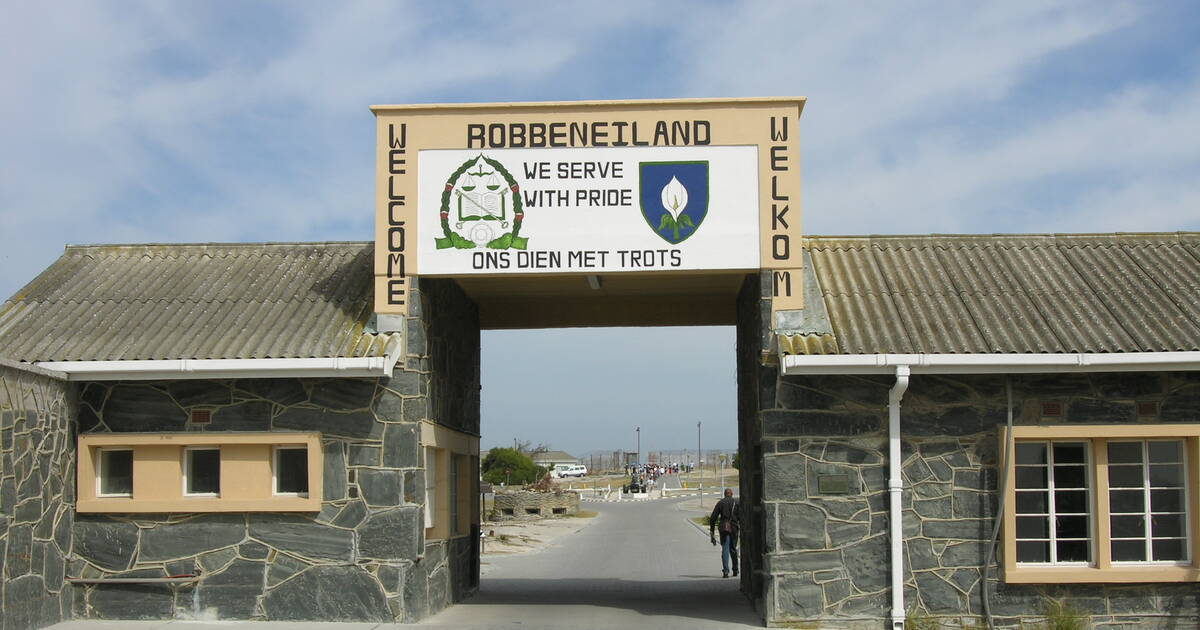
Ferries to Robben Island depart from the Nelson Mandela Gateway at the V&A Waterfront at 9 am, 11 am, 1 pm and 3 pm. Book tickets through the Robben Island Museum website; only official tickets are valid and the site sells out regularly, especially December to February. The 9 am ferry gives you the best light and the least crowded experience on the island. Arrive at the Gateway at least 30 minutes before your ferry. Bring a layer for the crossing; the sea between Cape Town and the island runs cold even in summer and the open deck gets windy.
The full visit takes three and a half to four hours including the ferry both ways. On the island, you board buses at the harbour for a guided circuit of the main sites: the World War Two gun emplacements, the leprosy graveyard, the lime quarry where prisoners including Mandela were forced to do hard labour in direct sunlight (the reflected glare damaged many prisoners' eyesight permanently), and Robert Sobukwe's house, where the Pan Africanist Congress leader was held in solitary confinement for years beyond his official sentence. The tour ends at the Maximum Security Prison. Here the prison tour is led by a former political prisoner who guides you through the general cells and corridors to Mandela's cell: a 2m by 2m space with a mat, a bucket and a small window. The cell is preserved exactly as it was.
The guide's accounts of daily life inside vary in quality; some are extraordinary and some are more rote. Ask questions. The ferry back gives you views of Table Mountain from the water, which is one of the best perspectives on the city.
Spend the afternoon at the V&A Waterfront. The Zeitz MOCAA (Museum of Contemporary Art Africa) is housed in a converted grain silo directly on the harbour and is genuinely one of the most interesting contemporary art spaces in Africa; the building alone is worth an hour. Entry is around R220. For the evening, the Waterfront has reliable restaurants across multiple price points and the views of Table Mountain from the harbour at sunset are very good.
Day 3: Hout Bay and Fish Hoek
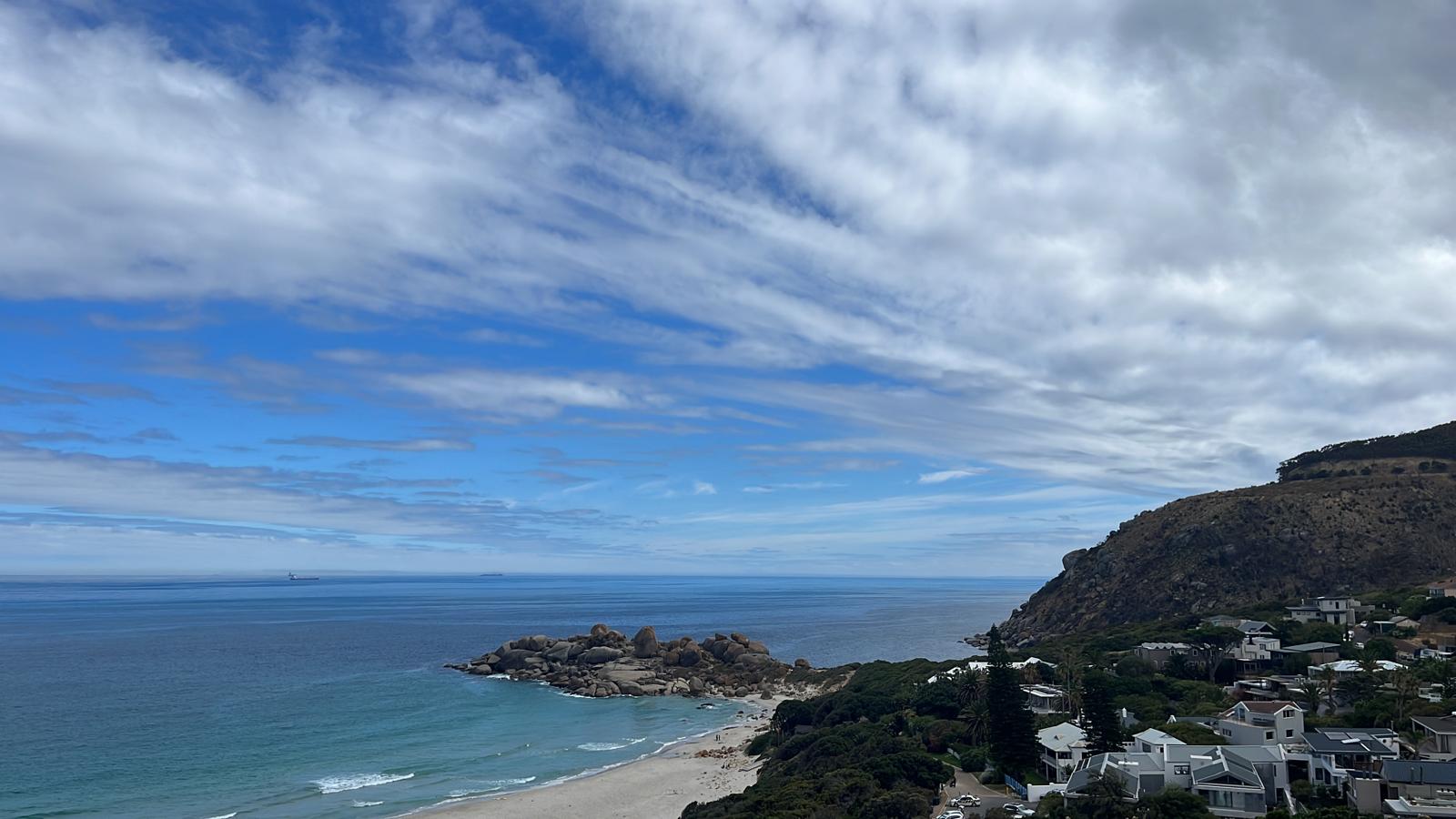
Drive or Uber south along the Atlantic Seaboard, past Sea Point, Clifton and Camps Bay (Cape Town's beachfront suburbs, each slightly different in character, all worth a walk if you have time in the coming days). The route to Hout Bay follows Chapman's Peak Drive once you pass Noordhoek; this is one of the most dramatic coastal roads in the world, carved into a sheer cliff face with the Atlantic directly below. It is occasionally closed due to rockfalls; check current status before setting out. The toll is around R55.
Hout Bay is a working harbour town where fishing boats and tourist boats leave from the same dock. Seal Island is a short boat trip offshore and genuinely worth 45 minutes: a rock platform covered in hundreds of Cape fur seals, noisy, smelly and extraordinary. Boat trips run from Hout Bay harbour throughout the day for around R80 to R120. Eat at one of the harbour fish restaurants; the kingklip and yellowtail are the local catches.
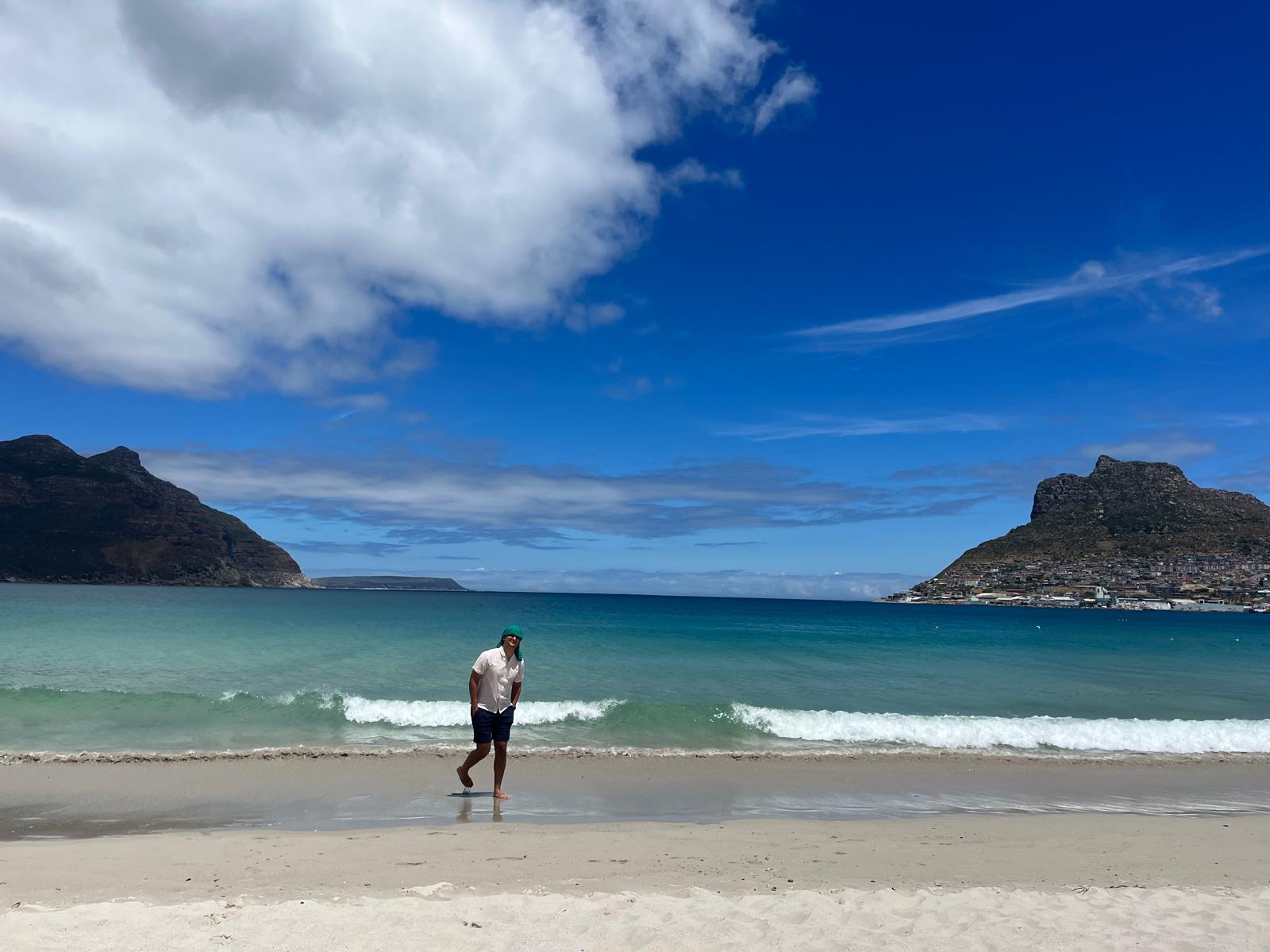
In the afternoon, continue south along the False Bay coast to Fish Hoek. This is a different side of Cape Town from the tourist-facing Atlantic seaboard: quieter, less polished, and more reflective of daily suburban life. Fish Hoek beach is a long arc of sand on False Bay; the water is warmer here than the Atlantic side (which can be genuinely cold) and the swimming is calmer. Whale watching from the beach between June and December is a serious activity here, not a gimmick; Southern Right Whales are regularly spotted in the bay.
Day 4: Boulders Beach and Cape of Good Hope
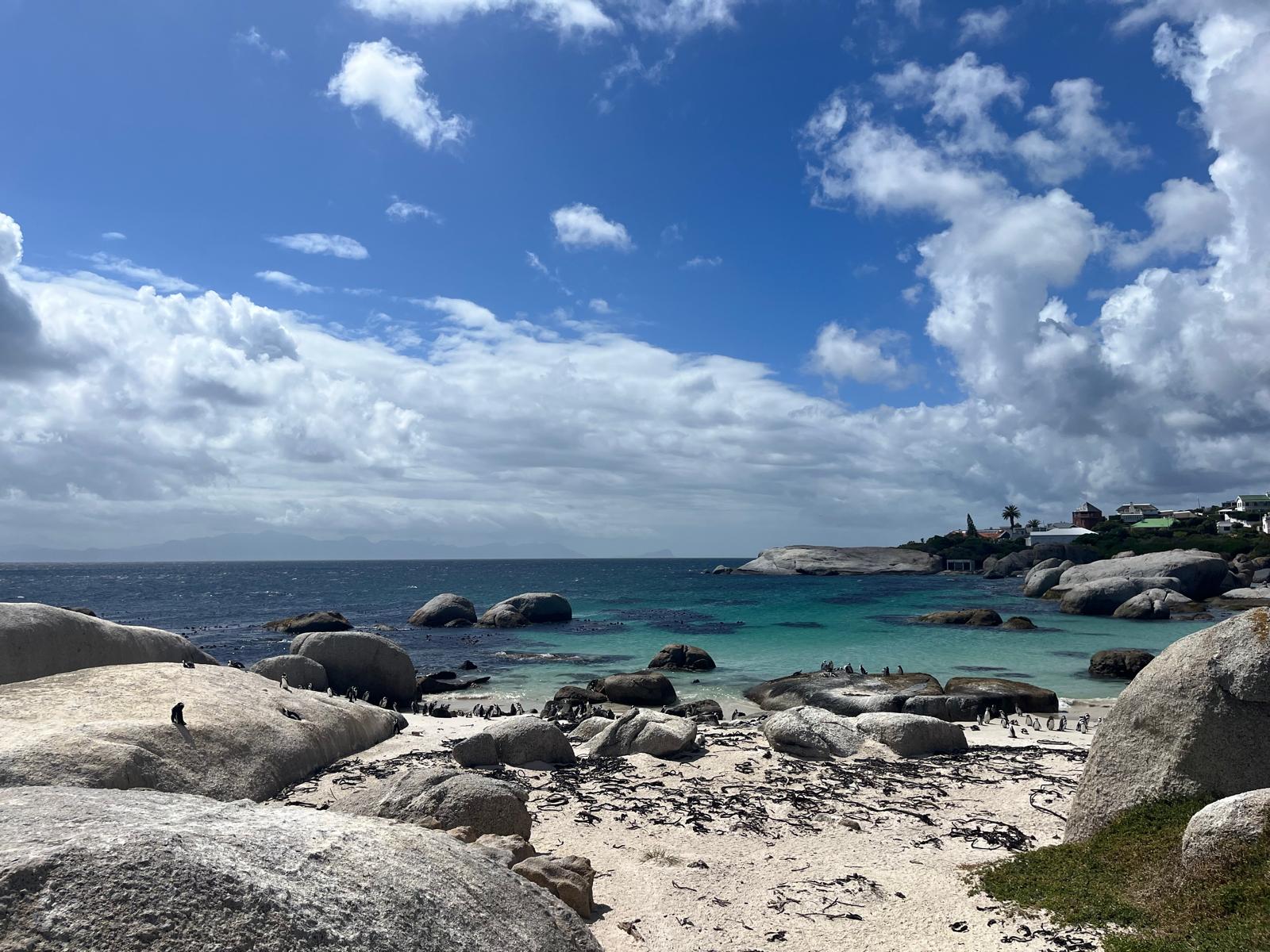
Start early. Simon's Town is 10 minutes south of Fish Hoek; Boulders Beach is on the far side of the town. The African penguin colony at Boulders is one of only a handful of land-based colonies in the world and the only one within an urban area. The wooden boardwalks bring you within two to three metres of nesting birds. The penguins are not fenced or managed in any direction; they simply live here, breed here and ignore tourists almost entirely. Entry is around R220 for non-residents and the site is part of Table Mountain National Park. Go before 10 am to avoid the tour buses from central Cape Town.
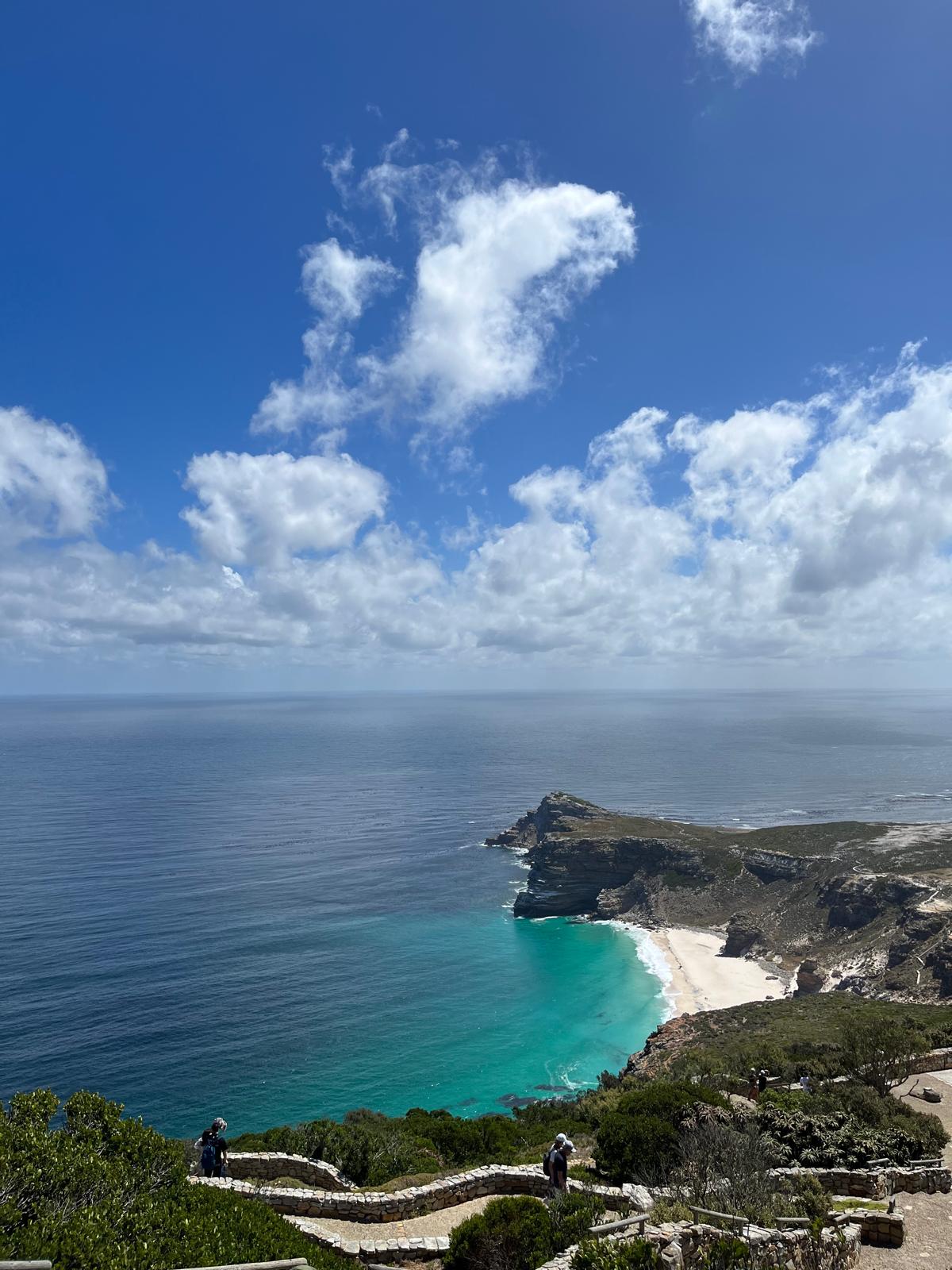
From Boulders, continue south into the Cape of Good Hope Nature Reserve. Entry is included in the SANParks Wild Card if you have one, or around R353 for day visitors. The reserve covers 7,750 hectares of coastal fynbos and clifftop terrain. Drive to Cape Point itself and take the funicular up to the lighthouse (R80 return) or walk the steep path; the view from the top looks directly south over open ocean toward Antarctica with nothing between you and the pole. On a clear day both oceans are simultaneously visible from the headland. Baboons are present throughout the reserve and are genuinely bold; do not leave food visible in or around your vehicle.
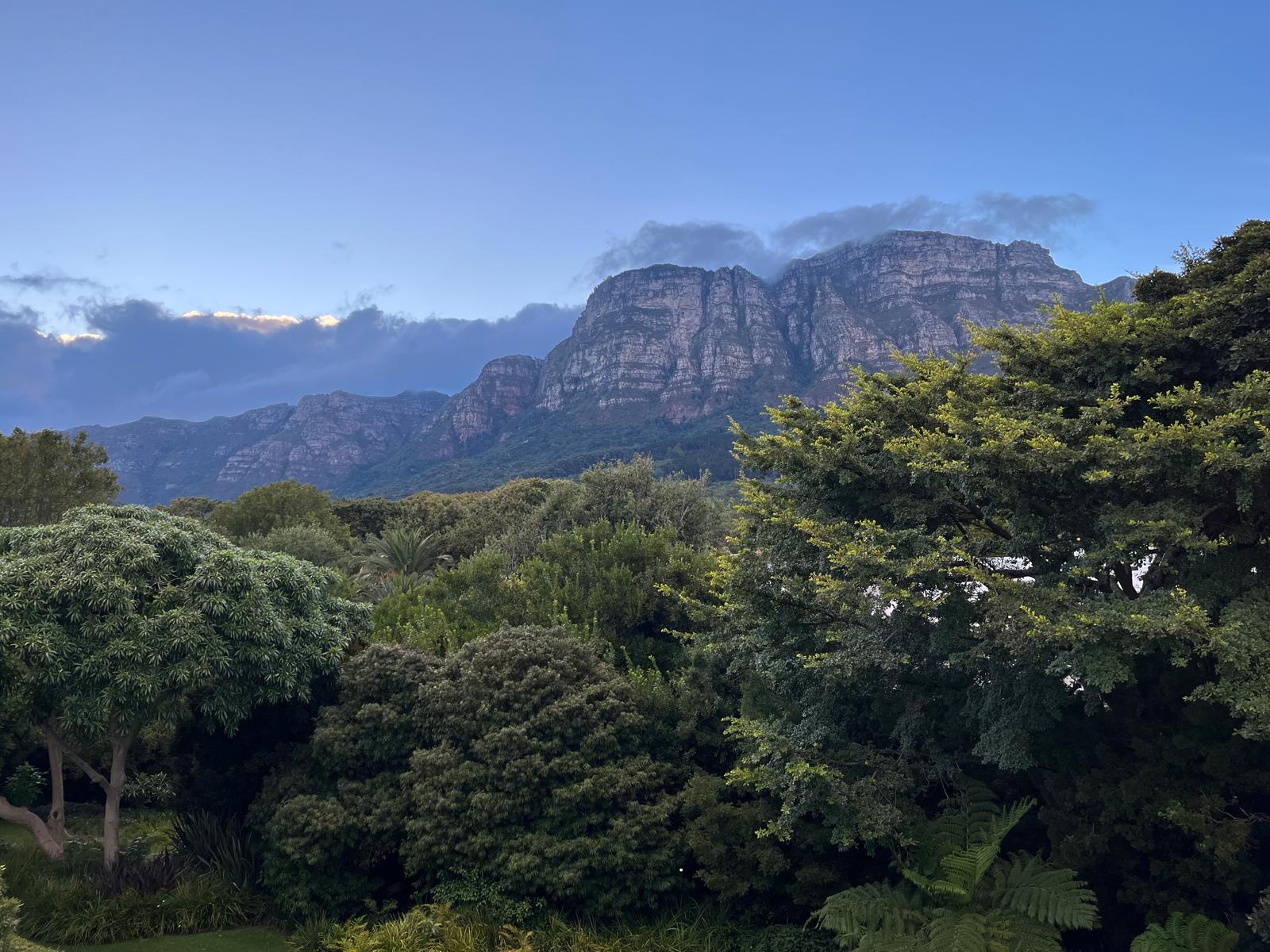
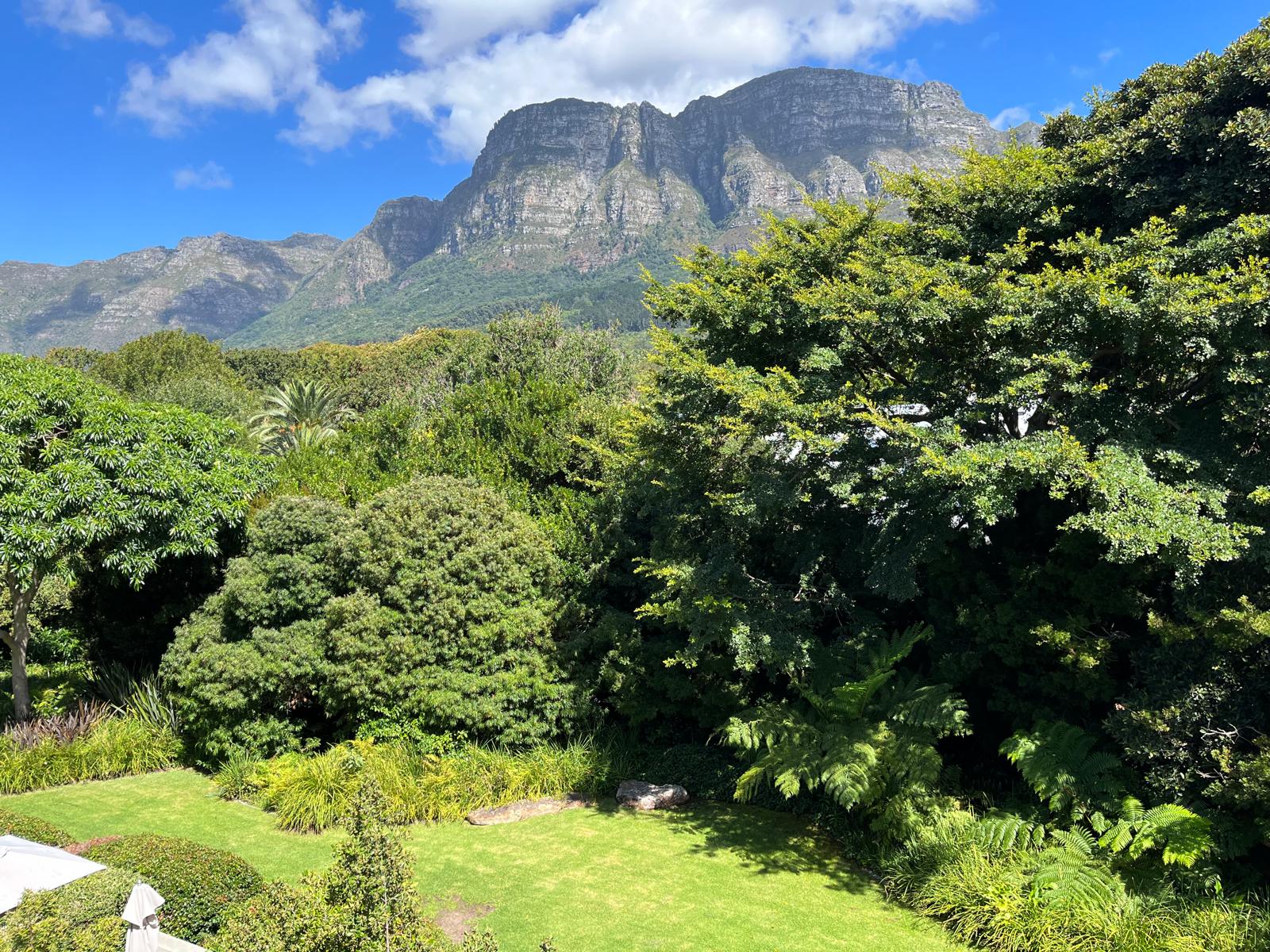
The Cape Point Ostrich Farm on the way out is optional. Return to Cape Town via Scarborough and Kommetjie along the Atlantic side; the road through the reserve is significantly more dramatic than the way in. Check into the Vineyard Hotel in Newlands for the remaining nights. The hotel sits in botanical grounds with a river running through the garden; it is a useful change from the city accommodation.
Day 5: Franschhoek Wine Valley
Franschhoek is 75 km east of Cape Town over the Helshoogte Pass, roughly one hour by car. Do not drive yourself if you intend to do a full day of tasting; hire a transfer, join a tour, or use the Wine Tram as your primary transport and arrange one vehicle for the mountain pass section.
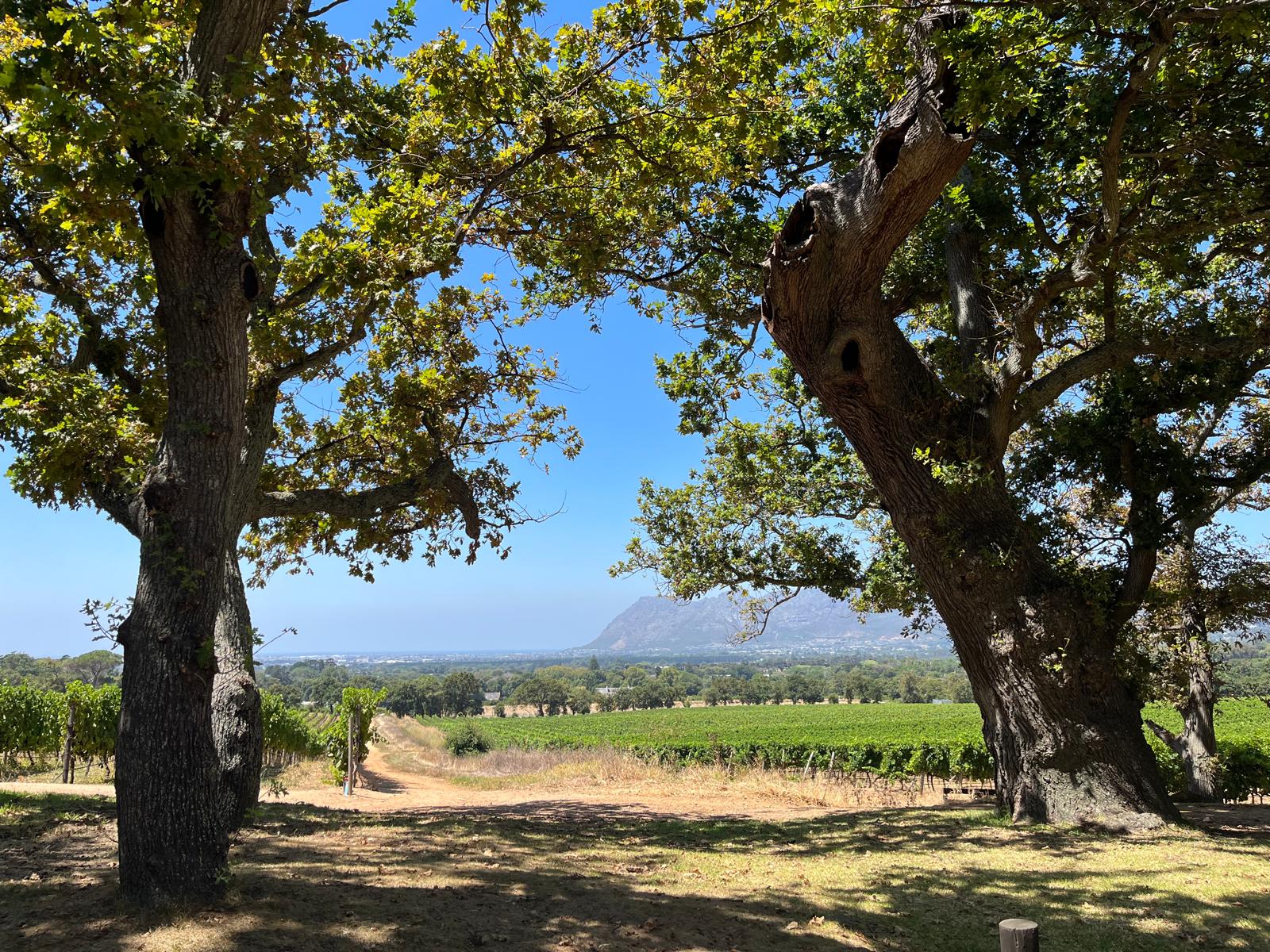
The Franschhoek Wine Tram is an open-sided tram and trolley bus service that runs between estates throughout the day on several different colour-coded routes. Pick up a route map in town the morning you arrive. Each route covers different estates; the Blue and Red lines are the most popular and cover the greatest variety. You hop on and off at participating estates throughout the day and return on the tram when ready. Tasting fees at each estate are paid separately, typically R150 to R250 for five wines. Many estates have kitchens attached; Haute Cabrière has both excellent wine (particularly the Pierre Jourdan Blanc de Blancs) and a good restaurant built into the cliff face. Babylonstoren, on the route east of Franschhoek, is one of the most beautiful estate gardens in the Western Cape if you want to add a stop for lunch rather than wine.
Franschhoek town itself is a single main street of restaurants, galleries and food shops. La Petite Colombe (two Michelin stars) is the most acclaimed restaurant in the valley; book weeks ahead if you want a table. More casual and equally popular: Café Paradiso for lunch on the terrace.
The pass back to Cape Town via Helshoogte and Stellenbosch is spectacular in the late afternoon light if you time the return accordingly.
Day 6: Kirstenbosch and a Slow Day
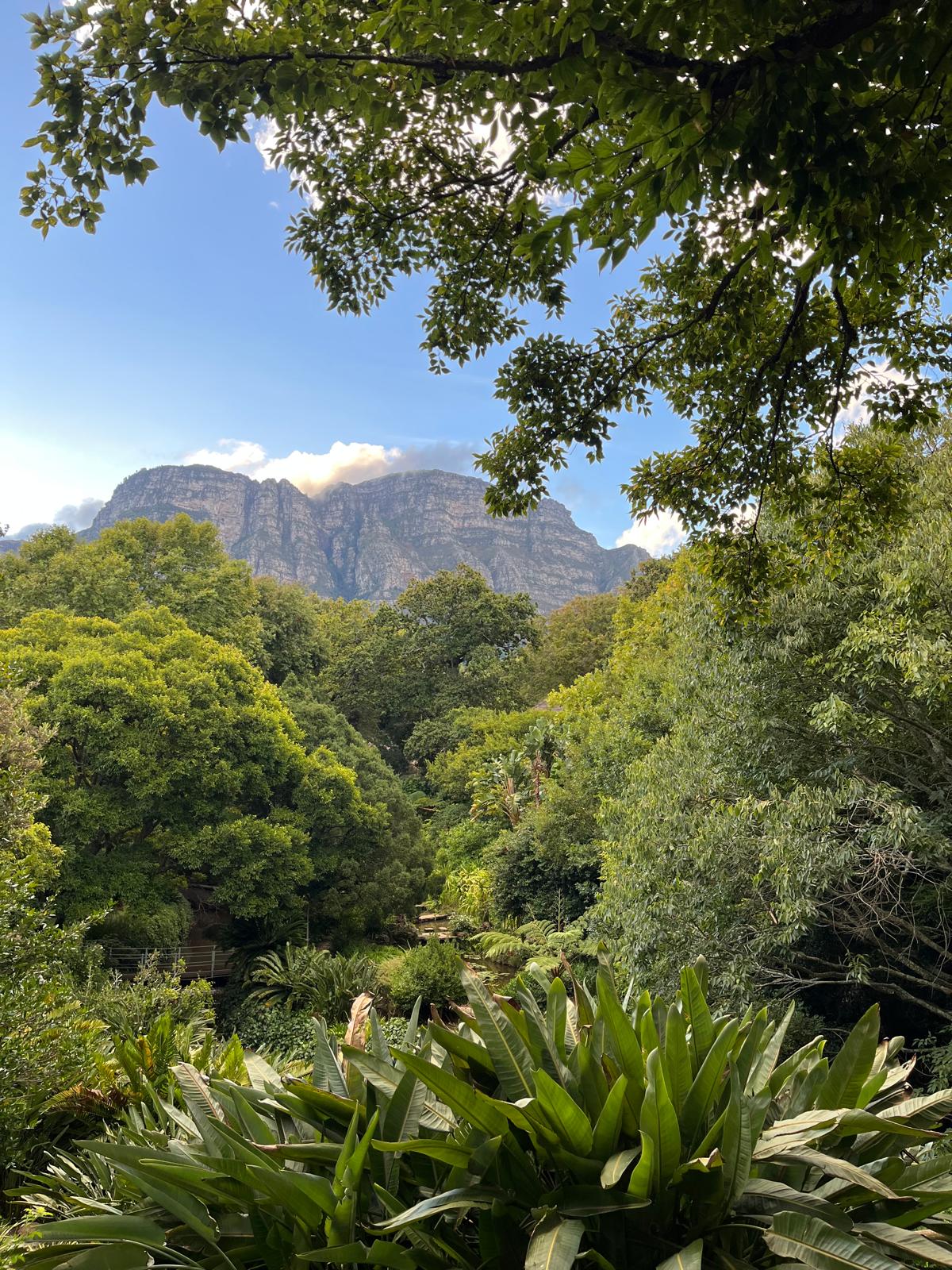
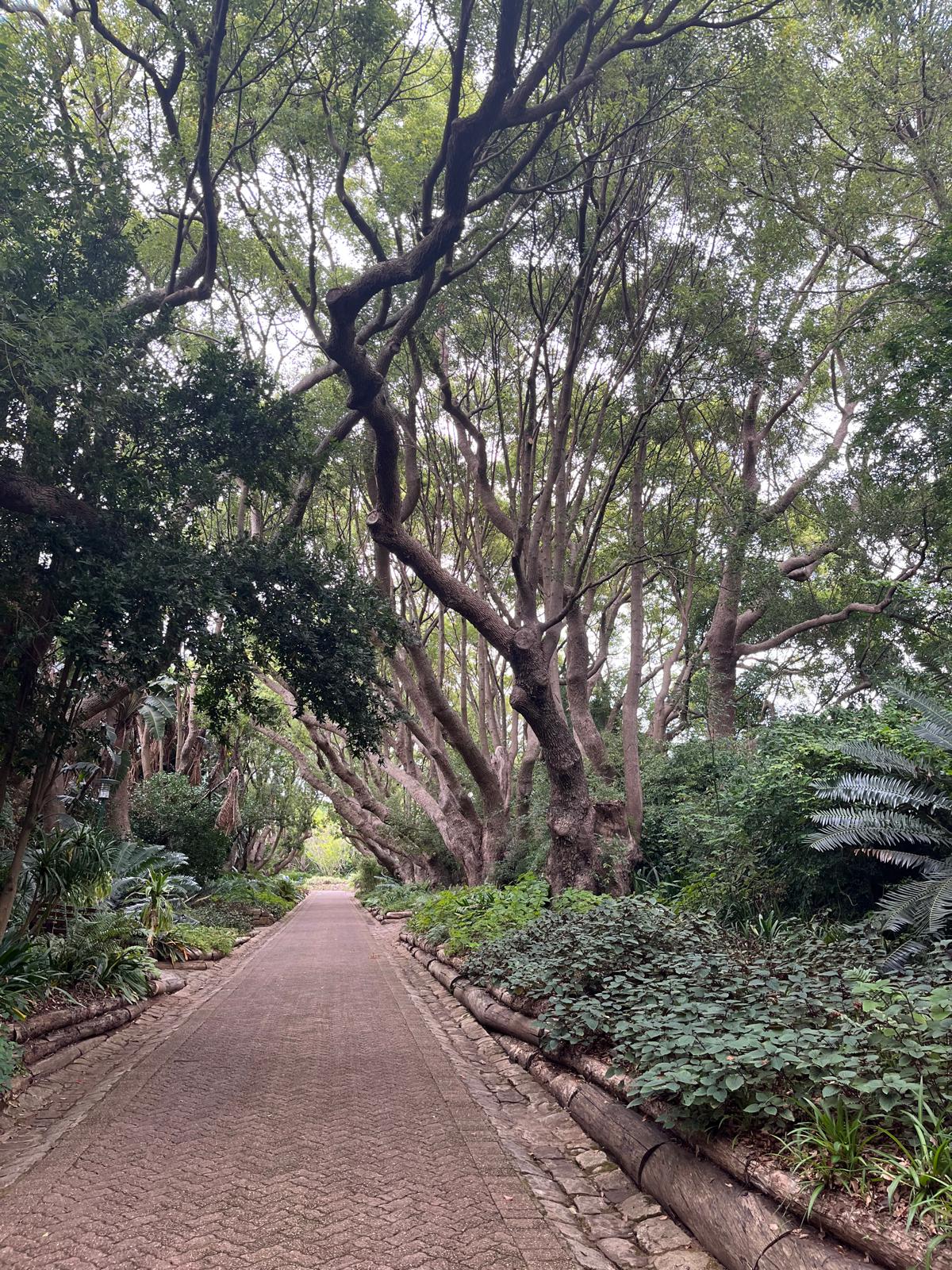
Kirstenbosch National Botanical Garden sits on the eastern slopes of Table Mountain in Newlands, ten minutes by car from the Vineyard Hotel. Entry is around R220 for non-residents. The garden covers 36 hectares of planted displays and backs directly onto 493 hectares of natural mountain fynbos which are themselves accessible on foot. The Boomslang canopy walkway, a steel and timber bridge that arcs through the treetops, gives a different perspective on both the garden and the mountain above it. Allow two to three hours.
The garden is one of the few places in Cape Town where you can genuinely see the full diversity of the Cape Floral Kingdom, one of the six recognised floral kingdoms in the world and the only one contained entirely within a single country. Over 8,000 plant species grow on the Cape Peninsula; more than half are found nowhere else on earth.
The Vineyard Hotel's pool and gardens handle the afternoon. This is a deliberate decompression day; the Cape Point drive the previous day, followed by Table Mountain the following morning, benefits from a quieter middle day.
Kirstenbosch hosts outdoor summer concerts on Sunday evenings from November to April; if your dates align, this is one of the better Cape Town experiences available: picnics on the lawn as the mountain turns amber behind the stage.
Day 7: Table Mountain
Check the weather before committing to the day's plan. Cape Town's wind and cloud move fast; the mountain is closed for the cable car and strongly inadvisable for hiking in high winds or when the tablecloth cloud is sitting on the summit. The South African Weather Service (weathersa.co.za) gives hourly forecasts; the Table Mountain Aerial Cableway's own website and social channels update operational status in real time. If the forecast is uncertain, build in flexibility; the mountain is the one experience on this itinerary that cannot be substituted.
By cable car: The lower station is on Tafelberg Road, reachable by Uber (enter "Table Mountain Lower Cableway Station" as your destination) or the City Sightseeing red bus. The rotating cable cars run continuously from roughly 8 am to 6 pm in summer and have shorter hours in winter. Book online at tablemountain.net to avoid the queue at the ticket office; on busy days the line for walk-up tickets is long. A return ticket costs around R490 for adults. The ride takes five minutes and the rotation gives 360-degree views on the way up.
By foot: Platteklip Gorge is the most direct and most popular trail. It starts on Tafelberg Road about 20 minutes' walk past the lower cable car station, ascends 699 metres over approximately 2 km, and takes between one and a half and two hours to reach the upper cable car station. The trail is steep throughout, fully exposed to the sun, and consists largely of large rock steps with no flat sections. Bring at least two litres of water per person and carry a windbreaker regardless of the conditions below; temperature at the summit is noticeably colder than in the city and wind can appear without warning. Start before 8 am in summer to avoid both the heat and the crowds. The recommended approach is to hike up and take the cable car down; buy the one-way down ticket at the top station.
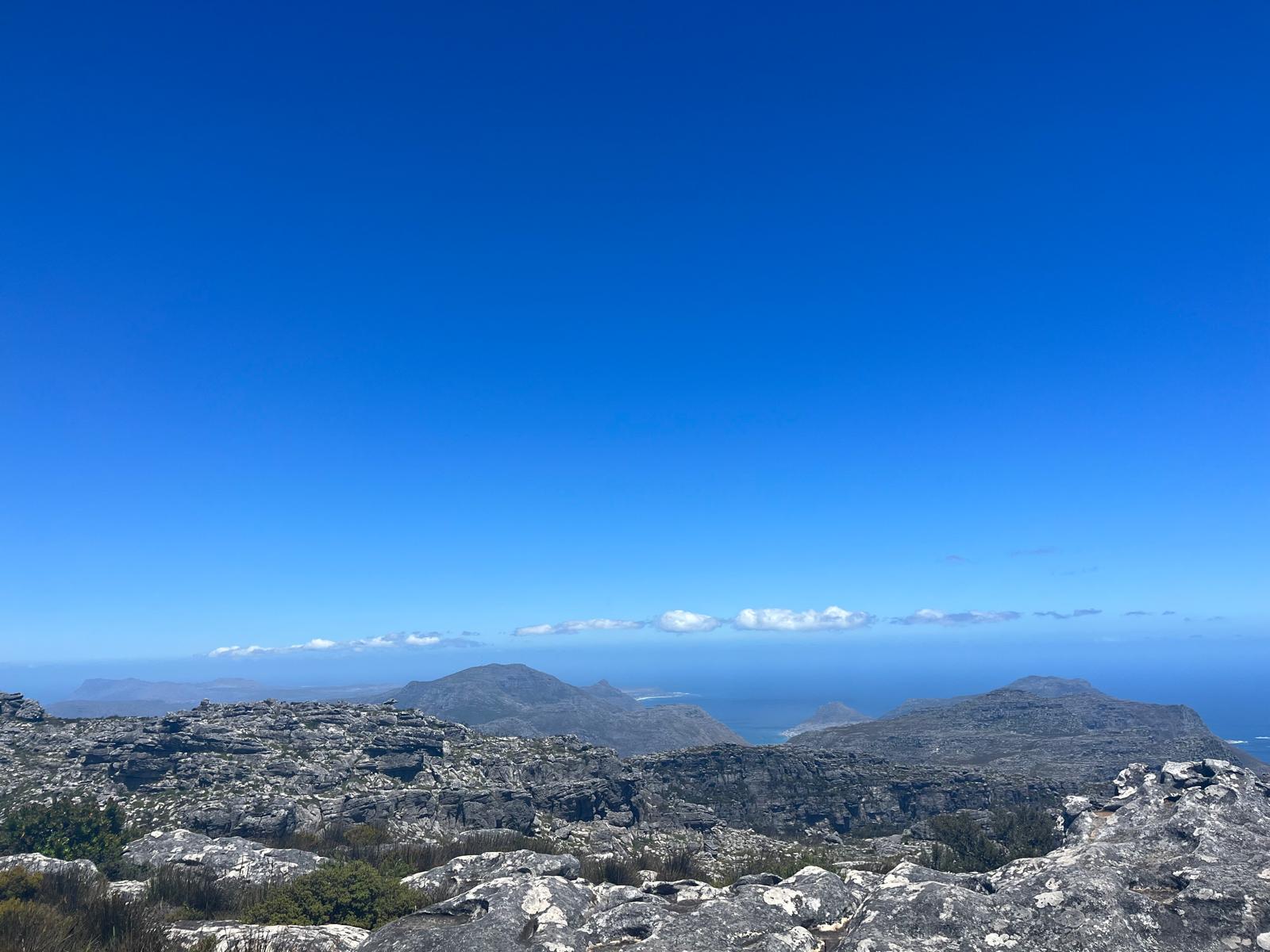
On the summit: the plateau is larger than it looks from below. The café and shop at the upper cable car station are the obvious starting point; from there the Dassie Walk and Agama Walk are signed routes across the plateau with multiple viewpoints. Maclear's Beacon, the highest point on the mountain at 1,086 m, is 2 km further along the plateau and worth the extension. Dassies (rock hyraxes, the closest living relative of the elephant despite being the size of a rabbit) are everywhere on the summit and completely unintimidated by people.
The evening is free. For a final dinner, the Bo-Kaap neighbourhood in the city bowl is the right choice: a Muslim quarter of brightly painted houses on the slopes above the city centre with several excellent Cape Malay restaurants. The Cape Malay cuisine, a centuries-old culinary tradition built from Indonesian, South Asian and African influences, is specific to Cape Town and available almost nowhere else in the world. Biesmiellah and Noon Gun Restaurant are both long-standing and reliable.
Day 8: Departure
Cape Town International is 20 km from the city centre. Allow two hours minimum before a domestic flight and three hours before an international departure. Uber from central Cape Town or Newlands takes 25 to 40 minutes depending on traffic.
If departing in the afternoon: the Bo-Kaap walking circuit takes two hours and requires no planning; the V&A Waterfront's food market in the Old Biscuit Mill (open Saturdays from 9 am to 2 pm in Woodstock) is one of the best food markets in South Africa if your timing aligns.
.png)