image of popular travel destinations

Venezuela

A journey through Venezuela’s most spectacular contrasts, from the mountain-backed energy of Caracas to Caribbean island beaches, Andean highlands, coral cayos, colonial settlements, and the world’s tallest waterfall.

Caribbean rhythm, Andean air, and the thunder of the world’s tallest waterfall.

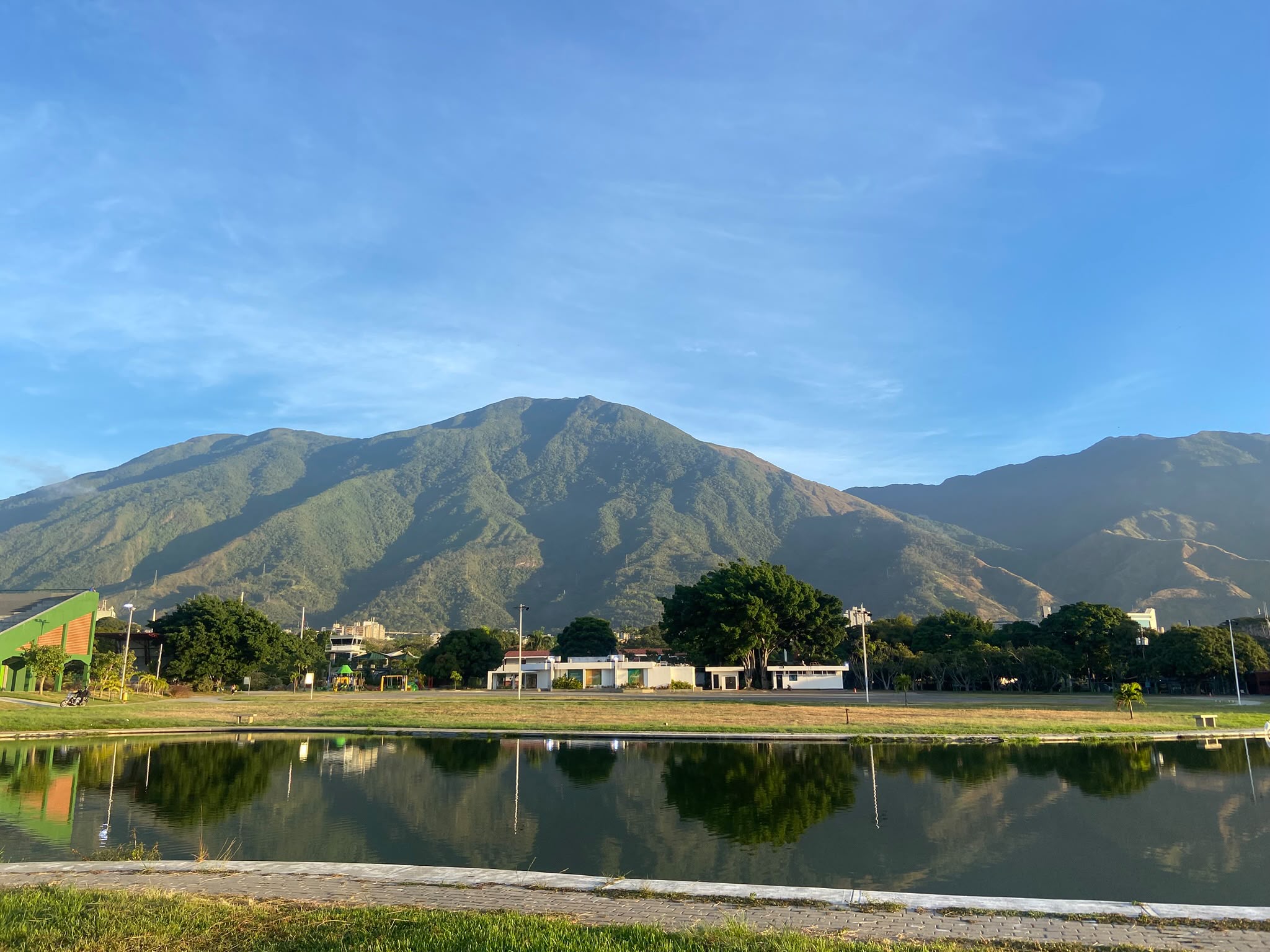
Venezuela is one of South America’s most geographically extreme countries. In a single trip, you move from Caribbean surf beaches to cloud-wrapped mountain cities, from remote coral islands to deep Amazonian rainforest. This itinerary is designed as a modular loop, anchored by time in Caracas, and branching outward to the country’s most iconic natural regions.

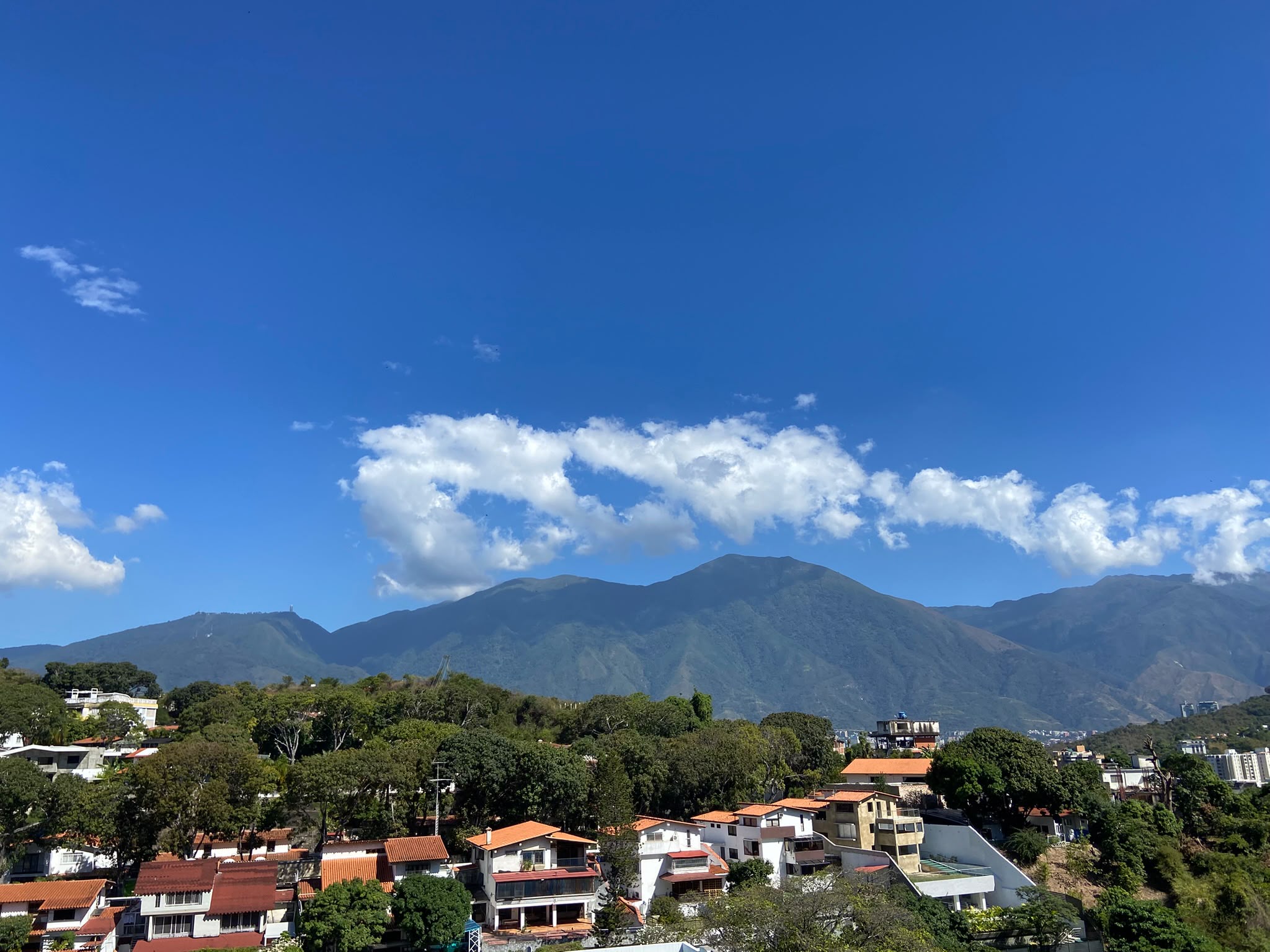
You begin in the capital beneath the green wall of El Ávila, where cable cars climb straight from dense urban neighborhoods to cool mountain air. From here, the route expands outward: island life in Margarita Island, coral cayos in Los Roques, rainforest immersion in Canaima National Park, colonial villages in the cloud forests around Colonia Tovar, and alpine plateaus in the Andean state of Mérida. This is not a country you rush. Distances are long, landscapes are vast, and each region feels like a different nation. Internal flights make the route achievable, while Caracas remains the logistical and cultural anchor throughout.

⚠️⚠️⚠️ CRITICAL SECURITY AND INFRASTRUCTURE ADVISORY: READ BEFORE BOOKING ANYTHING ⚠️⚠️⚠️

Security: Venezuela carries a US State Department Level 4: Do Not Travel advisory, the highest level. The UK FCDO, Canadian and Australian governments issue equivalent warnings. Venezuela has one of the highest violent crime rates in the world, including armed robbery, express kidnapping, carjacking and murder. The Caracas homicide rate was 45.2 per 100,000 residents in 2025. This is not a destination for independent travellers without significant pre-arranged logistics, trusted local contacts and comprehensive specialist travel insurance.

Earthquake: On 24 June 2026, two earthquakes of magnitudes 7.2 and 7.5 struck near the Venezuelan coast west of Caracas in rapid succession, causing extensive casualties and infrastructure damage. A state of emergency has been declared. Simón Bolívar International Airport (CCS/Maiquetía) is in the gradual process of re-opening. International flights are currently only available from airports in Barcelona, Barquisimeto, Maracaibo and Valencia. Metro services are suspended. This itinerary assumes conditions before the earthquake; verify all infrastructure status before travel.

Highlights

image of vibrant dining space (for a mexican restaurant)

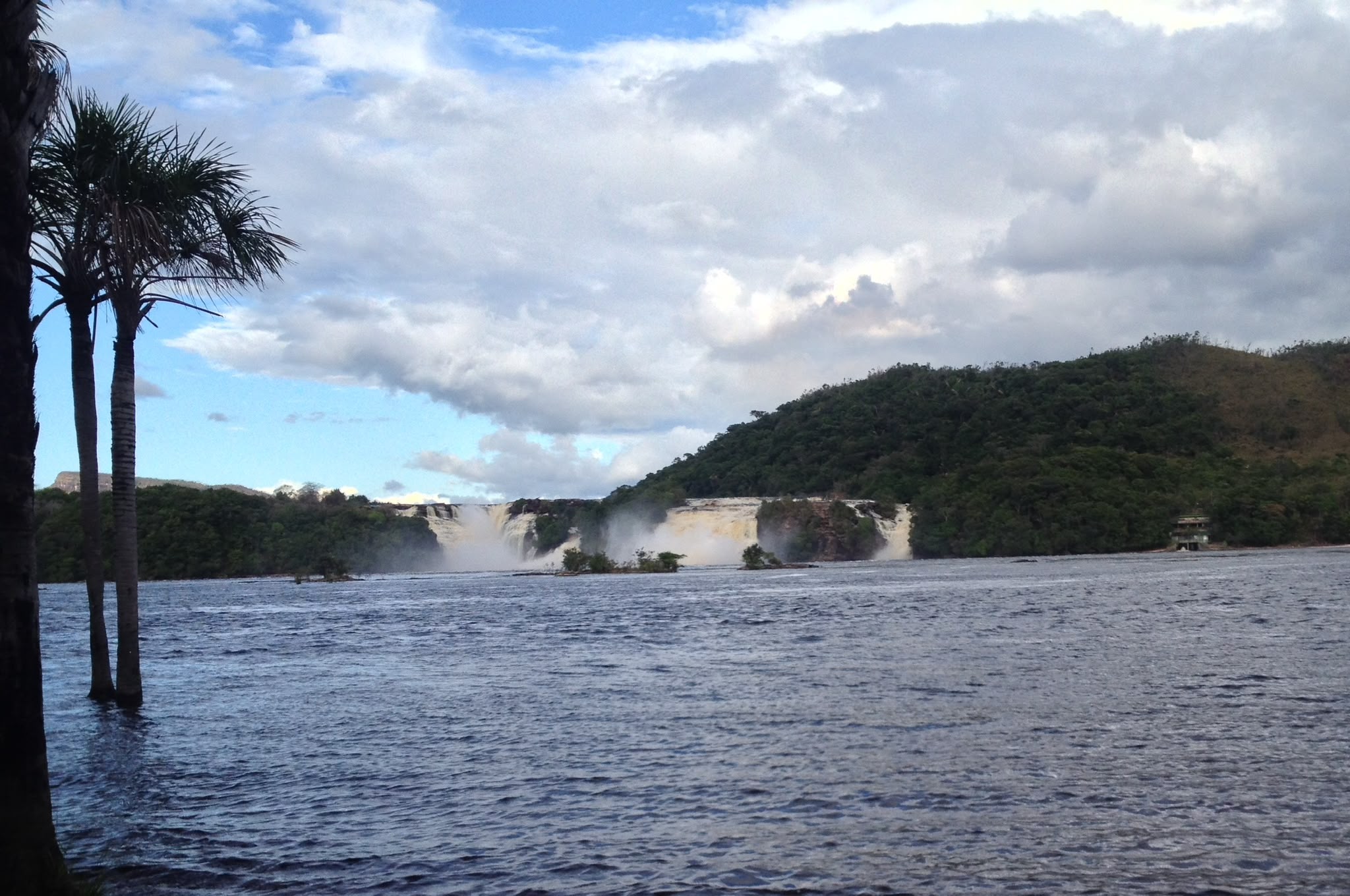
Angel Falls and the Lost World of Canaima

Canaima’s tepui table-top mountains rise straight out of the jungle, crowned by cloud forests and thunderous waterfalls. From these sheer cliffs, Angel Falls drops nearly a kilometer into the rainforest below, the tallest uninterrupted waterfall on Earth.

image of a guided tour group

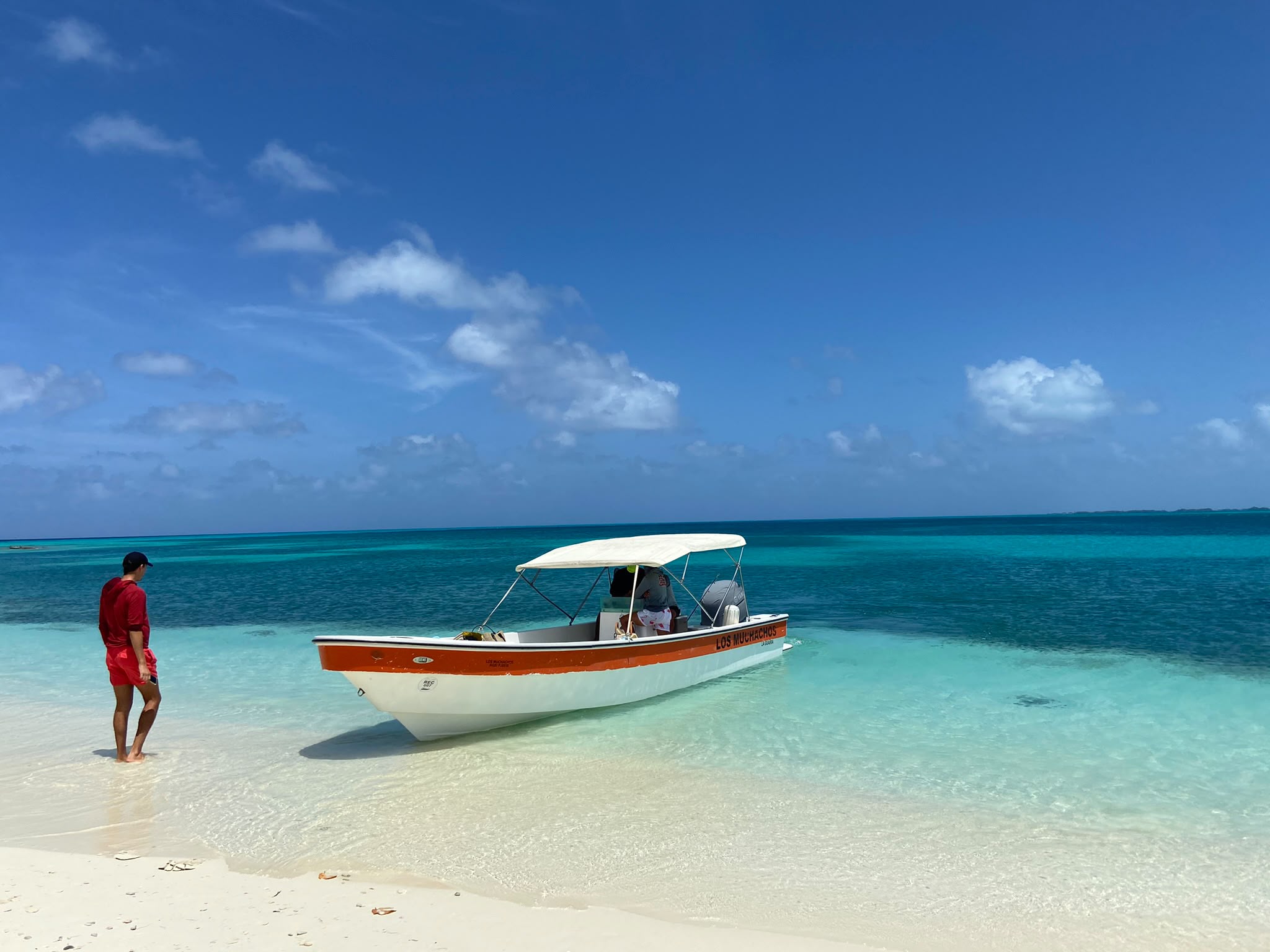
Caribbean Islands of Margarita and Los Roques

From Margarita’s surf-washed beaches and fishing towns to Los Roques’ white-sand cayos and shallow turquoise lagoons, Venezuela’s Caribbean coast offers some of the most untouched island systems in the hemisphere.
image of a local tour guide (for a travel agency)

Andean Highlands of Mérida and the Páramo

High-altitude cities, glacial lakes, and cold-weather farming villages define Venezuela’s Andes. Cable cars climb above clouds, while páramo grasslands stretch beneath snow-dusted peaks.
image of vibrant dining space (for a mexican restaurant)

Angel Falls and the Lost World of Canaima

Canaima’s tepui table-top mountains rise straight out of the jungle, crowned by cloud forests and thunderous waterfalls. From these sheer cliffs, Angel Falls drops nearly a kilometer into the rainforest below, the tallest uninterrupted waterfall on Earth.

image of a guided tour group

Caribbean Islands of Margarita and Los Roques

From Margarita’s surf-washed beaches and fishing towns to Los Roques’ white-sand cayos and shallow turquoise lagoons, Venezuela’s Caribbean coast offers some of the most untouched island systems in the hemisphere.
image of a local tour guide (for a travel agency)

Andean Highlands of Mérida and the Páramo

High-altitude cities, glacial lakes, and cold-weather farming villages define Venezuela’s Andes. Cable cars climb above clouds, while páramo grasslands stretch beneath snow-dusted peaks.

Journey itinerary

Itinerary overview
Detailed breakdown follows

Days 1 to 6: Caracas / Humboldt Hotel and Galipán on the Ávila, Sabas Nieves and El Volcán hikes, Mercado de Chacao and Los Palos Grandes, historic centre, La Guaira beach day, Hacienda Santa Teresa rum tour, Pagan Temples salsa route and baseball season

Days 7 to 9: Colonia Tovar / jeep into the cloud forest, German village walks, strudel and mountain air

Days 10 to 13: Margarita Island / Playa El Agua, Guacuco, Cimarrón, Juangriego seafood and island driving

Days 14 to 16: Morrocoy National Park / mangrove coast, offshore cay boat trips and Caribbean beaches

Days 17 to 19: Los Roques Archipelago / Gran Roque posada, Cayo de Agua, Francisquí and nurse shark lagoons

Days 20 to 24: Canaima and Angel Falls / tepui overflights, Salto Sapo walk behind the falls and canoe to the world's highest waterfall

Days 25 to 28: Mérida and the Venezuelan Andes / Mukumbarí cable car to 4,765 metres, páramo driving through Mucuchíes, Mucubají and Santo Domingo

Day-by-day itinerary
Days 1 to 6: Caracas

Arriving: Book your airport transfer before you land. Do not accept rides from unmarked taxis at the airport under any circumstances; this is one of the highest-risk moments for robbery. Use Ridery (the most-used local rideshare app, no local number needed to sign up), Yummy Rides (also reliable), or a pre-arranged private transfer booked through your hotel. Both apps give GPS-tracked drivers and are significantly safer than street cabs, which have no meters and carry meaningfully higher risk. Uber does not operate in Venezuela.

Base: Stay in the Chacao area for all Caracas nights. This covers the neighbourhoods of Los Palos Grandes, Altamira, Centro de Chacao and La Castellana. These eastern districts are the safest walkable areas in the city: best concentration of hotels with 24-hour security, controlled entry and generator backup (power cuts are routine), the best restaurants and café strips, and the most reliable rideshare coverage. Do not walk to other parts of the city at night; use Ridery or Yummy Rides for any journey after dark.

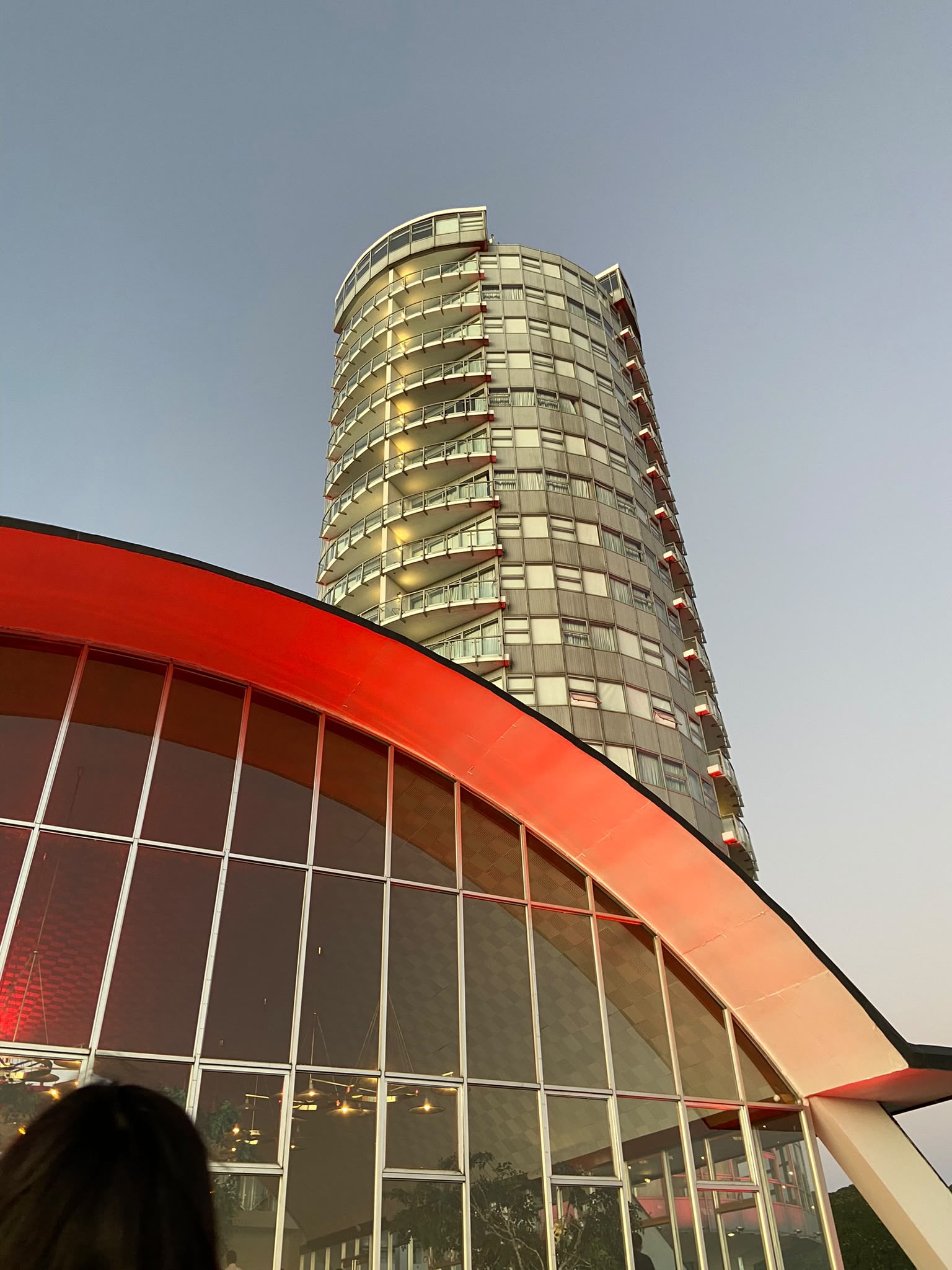
The Ávila and the Humboldt Hotel: The defining Caracas experience. The Waraira Repano Teleférico (Ávila cable car) lifts you from the Maripérez station at the city's northern edge to the summit in approximately 12 minutes. At the top, the Hotel Humboldt is a 1950s Bauhaus-style relic built by the government of Marcos Pérez Jiménez, perched at 2,105 metres with a panoramic view south over the entire Caracas valley. The hotel has two restaurants: one more expensive and one more affordable. Going for dinner or drinks via cable car as the city lights appear below is one of the most distinctive evenings in Caracas and should not be skipped. Check cable car operating days (typically Wednesday to Sunday) and book restaurant tables in advance.

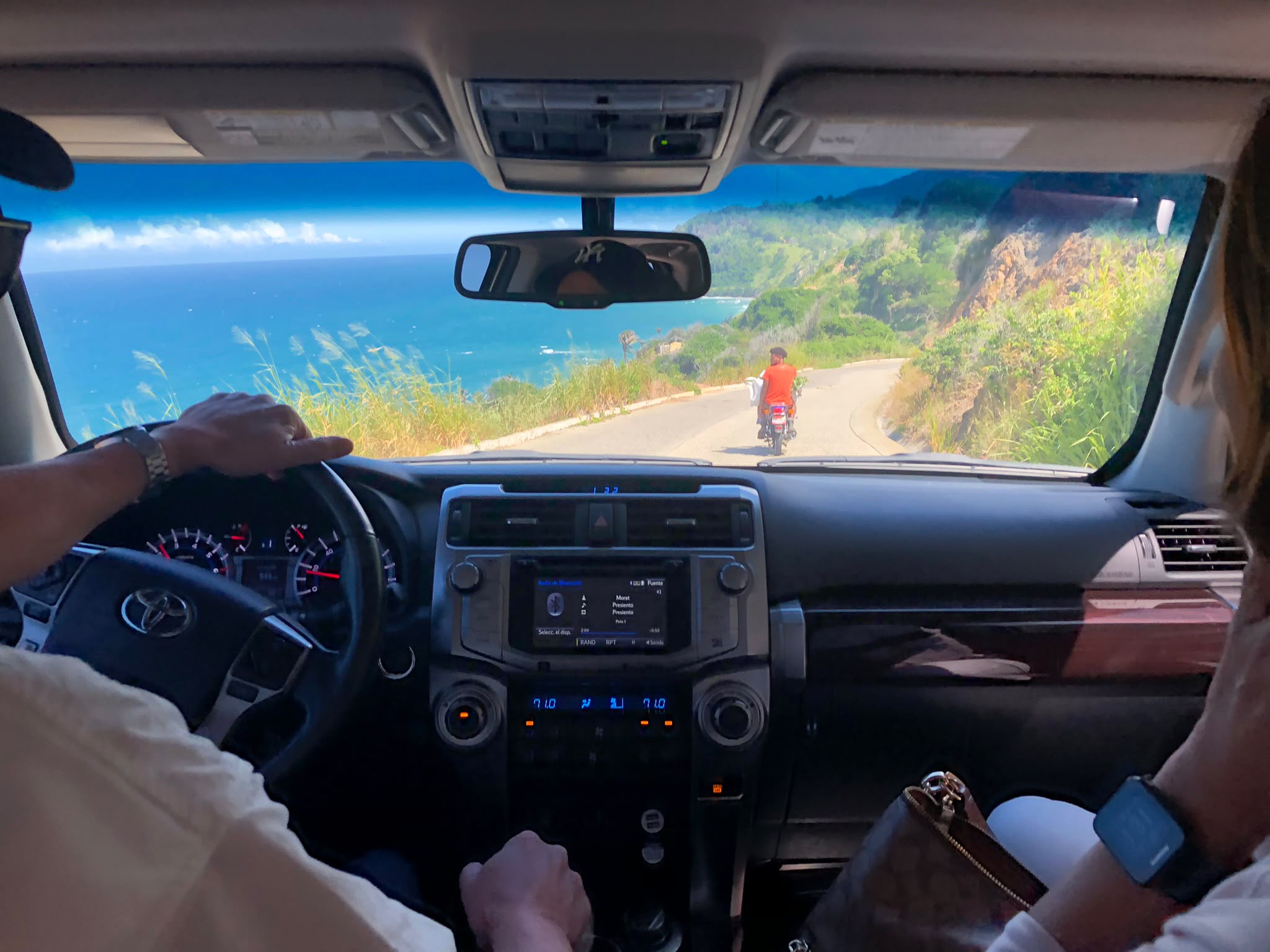
Galipán: The alternative to the Humboldt. Rather than the cable car, take a jeep from the Chacao side up the winding mountain track to Galipán, a small village on the northern slopes of the Ávila with views over both the Caracas valley and down toward the Caribbean coast. Restaurants including Il Picaccio and Casa Pakea serve lunch and dinner in this setting; the approach is to arrive mid-morning and spend the whole afternoon eating, drinking and taking in the views before descending in the evening. This is a full-afternoon commitment and is a completely different experience from the Humboldt even though both are on the same mountain. Both are worth doing on separate days if you have the time.

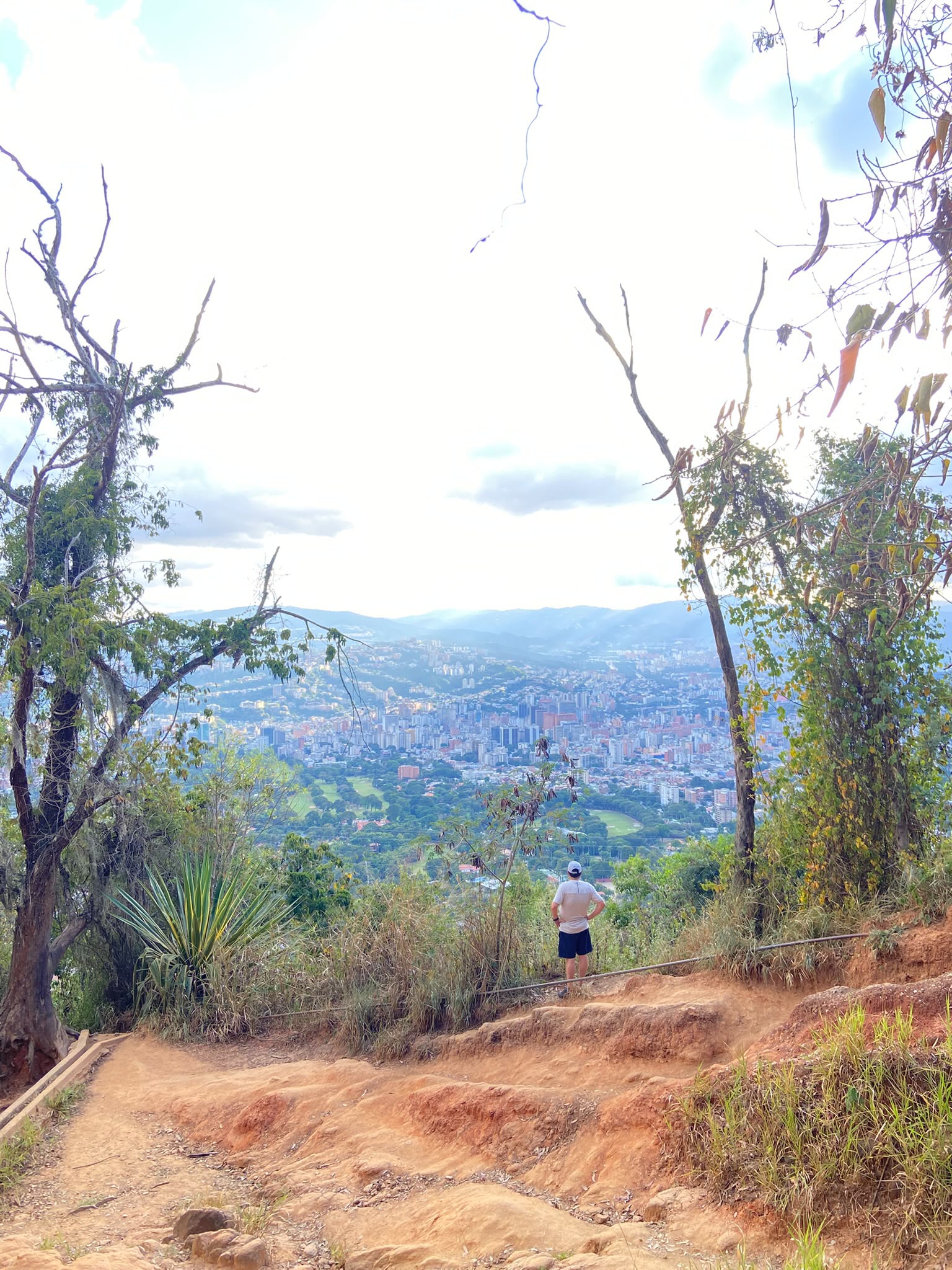
Hiking the Ávila: Three main options from the city side. Sabas Nieves is the most accessible: entered from the Altamira neighbourhood, approximately one hour up to a viewpoint at 1,600 metres through cloud forest, well-marked and popular with local joggers and walkers on weekend mornings. El Volcán is a longer and more demanding route with beautiful open views over the Caracas valley from different angles; allow half a day. The full hike to the Humboldt Hotel on foot takes approximately six hours and is for confident hikers; it is possible, it has been done frequently, and it ends at the same destination as the cable car but through a full day of forest and ridge walking. Go in a group for any Ávila hiking, go in the morning, and ask your hotel for a current safety assessment before setting out.

Mercado de Chacao: Open from early morning to approximately 3 pm. Go before noon. The market has traditional chicha (a sweet, slightly fermented corn drink, one of the essential Caracas flavours), corn cakes and tropical fruit. At night the rooftop level has several restaurants worth visiting for a casual dinner in the neighbourhood. The Mercado de Los Palos Grandes, a few streets east, runs on Saturday mornings and is where the best cachapas in the city are made: thick, sweet corn pancakes eaten with queso de mano or mortadella from a griddle, the definitive Caracas weekend breakfast. If you are in Caracas on a Saturday, this market is non-negotiable.

Historic centre: The birthplace of Simón Bolívar (Casa Natal del Libertador) on Plaza El venezolano is a two-room colonial house where the Liberator was born in 1783, now a museum. The National Assembly and the Palacio Federal Legislativo are nearby. The National Gallery (Galería de Arte Nacional) holds the strongest collection of Venezuelan art across five centuries. Take a Ridery or Yummy Rides rather than walking from Chacao; the distance and the neighbourhood transitions make walking inadvisable.

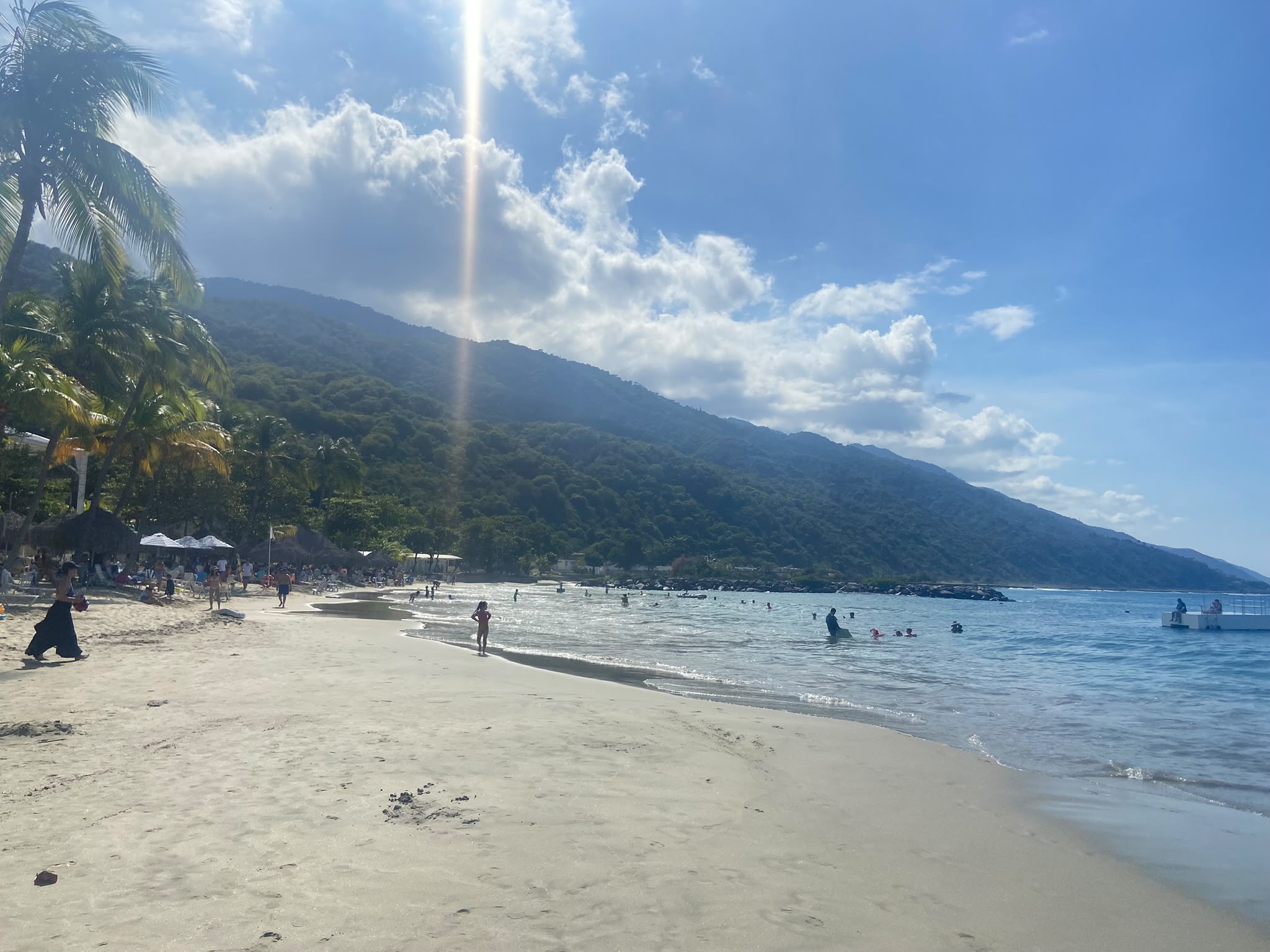
La Guaira beach day: Caracas sits 28 km from the Caribbean coast by road. For a beach day, head to Naiguatá and the beaches east of there: Playa Los Ángeles and Playa Pantaleta are quieter and less crowded than the beaches closer to the city. For surfing, Los Caracas (approximately one hour from Chacao along the coastal road) has consistent breaks. Use a Ridery driver who knows the coastal road rather than renting independently; the mountain road from Caracas to the coast rewards local knowledge.

Hacienda Santa Teresa: An hour and a half from Caracas by road, Hacienda Santa Teresa is one of the oldest rum producers in Venezuela, operating since 1796. The hacienda runs fully planned tours of the grounds and distillery, with options including rum tasting, cocktail-making classes and, unusually, the opportunity to play rugby (the hacienda has a long association with the sport through a community programme it runs). This is a bookable, structured half-day or full-day excursion and is one of the most specific and memorable experiences available in the greater Caracas area. Book directly through the hacienda's website before arriving; tours run on set schedules.

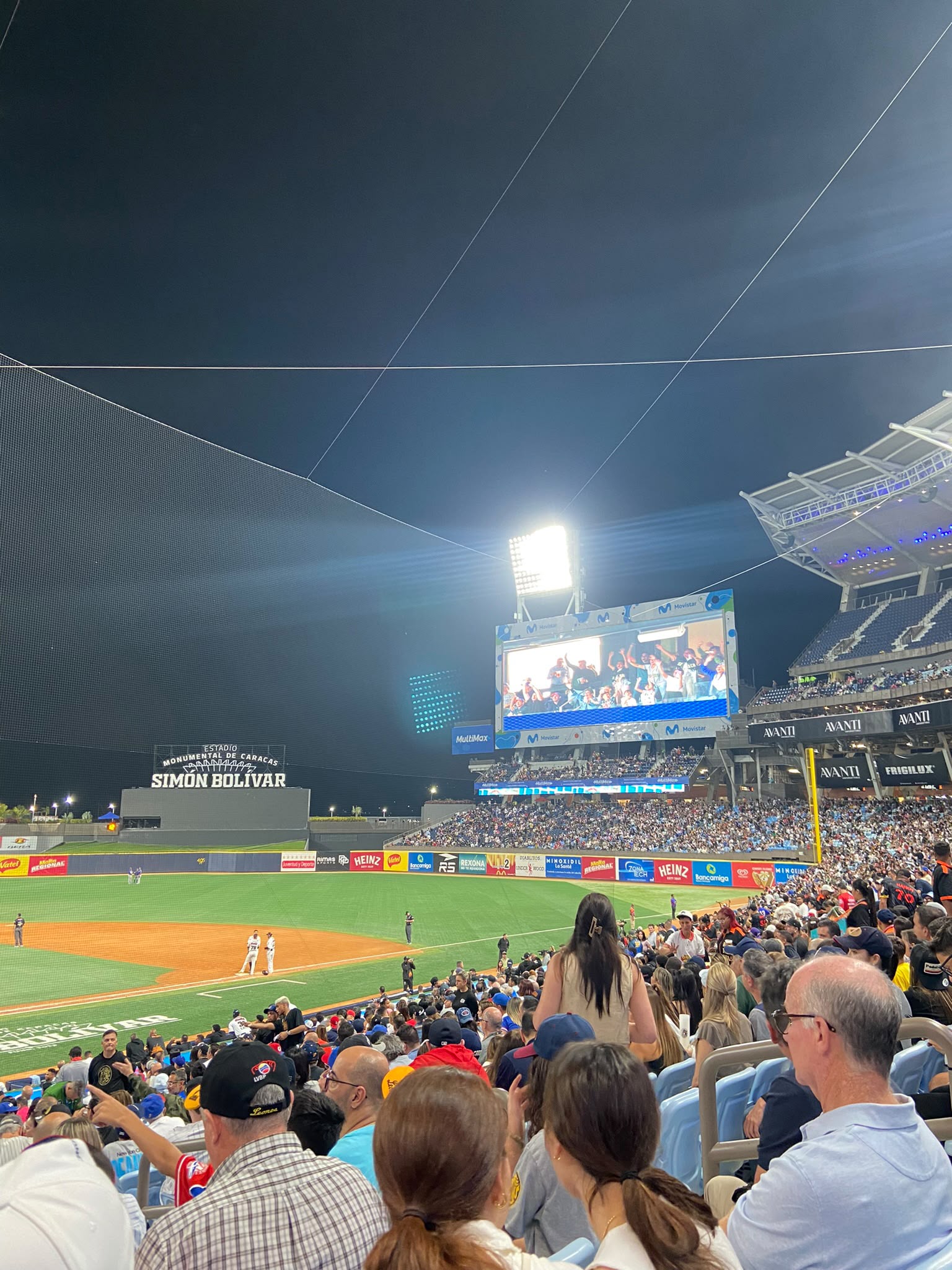
Baseball: Venezuelan baseball runs from October to February. If your visit falls within this window, attending a game is essential; baseball in Venezuela is the cultural equivalent of football in Brazil, a sport so woven into the country's identity that a night at the stadium gives you more insight into Venezuelan life than almost anything else on the itinerary. The two main Caracas teams are Leones del Caracas (Lions) and Tiburones de La Guaira (Sharks). Games are played at the Estadio Monumental and the Estadio Universitario; the most atmospheric fixture is Leones vs Tiburones or Leones vs Magallanes (from Maracay, the most historically significant rivalry in the league). Buy tickets in advance through local contacts or your hotel concierge.

Evenings: The Pagan Temples Route (Ruta de los Templos Paganos) is the main salsa and dancing circuit, a strip of venues in Las Mercedes that runs Thursday to Saturday. For a lower-key night: La Excelente and El León are both in Chacao, both excellent for beers and karaoke, and both beloved local institutions with none of the tourist-facing posture of the Las Mercedes strip. Modo in Chacao is the more upscale evening option. Use Ridery or Yummy Rides for all of these; walking home at night is not recommended.

Days 1 to 6: Caracas

Arriving: Book your airport transfer before you land. Do not accept rides from unmarked taxis at the airport under any circumstances; this is one of the highest-risk moments for robbery. Use Ridery (the most-used local rideshare app, no local number needed to sign up), Yummy Rides (also reliable), or a pre-arranged private transfer booked through your hotel. Both apps give GPS-tracked drivers and are significantly safer than street cabs, which have no meters and carry meaningfully higher risk. Uber does not operate in Venezuela.

Base: Stay in the Chacao area for all Caracas nights. This covers the neighbourhoods of Los Palos Grandes, Altamira, Centro de Chacao and La Castellana. These eastern districts are the safest walkable areas in the city: best concentration of hotels with 24-hour security, controlled entry and generator backup (power cuts are routine), the best restaurants and café strips, and the most reliable rideshare coverage. Do not walk to other parts of the city at night; use Ridery or Yummy Rides for any journey after dark.

The Ávila and the Humboldt Hotel: The defining Caracas experience. The Waraira Repano Teleférico (Ávila cable car) lifts you from the Maripérez station at the city's northern edge to the summit in approximately 12 minutes. At the top, the Hotel Humboldt is a 1950s Bauhaus-style relic built by the government of Marcos Pérez Jiménez, perched at 2,105 metres with a panoramic view south over the entire Caracas valley. The hotel has two restaurants: one more expensive and one more affordable. Going for dinner or drinks via cable car as the city lights appear below is one of the most distinctive evenings in Caracas and should not be skipped. Check cable car operating days (typically Wednesday to Sunday) and book restaurant tables in advance.

Galipán: The alternative to the Humboldt. Rather than the cable car, take a jeep from the Chacao side up the winding mountain track to Galipán, a small village on the northern slopes of the Ávila with views over both the Caracas valley and down toward the Caribbean coast. Restaurants including Il Picaccio and Casa Pakea serve lunch and dinner in this setting; the approach is to arrive mid-morning and spend the whole afternoon eating, drinking and taking in the views before descending in the evening. This is a full-afternoon commitment and is a completely different experience from the Humboldt even though both are on the same mountain. Both are worth doing on separate days if you have the time.

Hiking the Ávila: Three main options from the city side. Sabas Nieves is the most accessible: entered from the Altamira neighbourhood, approximately one hour up to a viewpoint at 1,600 metres through cloud forest, well-marked and popular with local joggers and walkers on weekend mornings. El Volcán is a longer and more demanding route with beautiful open views over the Caracas valley from different angles; allow half a day. The full hike to the Humboldt Hotel on foot takes approximately six hours and is for confident hikers; it is possible, it has been done frequently, and it ends at the same destination as the cable car but through a full day of forest and ridge walking. Go in a group for any Ávila hiking, go in the morning, and ask your hotel for a current safety assessment before setting out.

Mercado de Chacao: Open from early morning to approximately 3 pm. Go before noon. The market has traditional chicha (a sweet, slightly fermented corn drink, one of the essential Caracas flavours), corn cakes and tropical fruit. At night the rooftop level has several restaurants worth visiting for a casual dinner in the neighbourhood. The Mercado de Los Palos Grandes, a few streets east, runs on Saturday mornings and is where the best cachapas in the city are made: thick, sweet corn pancakes eaten with queso de mano or mortadella from a griddle, the definitive Caracas weekend breakfast. If you are in Caracas on a Saturday, this market is non-negotiable.

Historic centre: The birthplace of Simón Bolívar (Casa Natal del Libertador) on Plaza El venezolano is a two-room colonial house where the Liberator was born in 1783, now a museum. The National Assembly and the Palacio Federal Legislativo are nearby. The National Gallery (Galería de Arte Nacional) holds the strongest collection of Venezuelan art across five centuries. Take a Ridery or Yummy Rides rather than walking from Chacao; the distance and the neighbourhood transitions make walking inadvisable.

La Guaira beach day: Caracas sits 28 km from the Caribbean coast by road. For a beach day, head to Naiguatá and the beaches east of there: Playa Los Ángeles and Playa Pantaleta are quieter and less crowded than the beaches closer to the city. For surfing, Los Caracas (approximately one hour from Chacao along the coastal road) has consistent breaks. Use a Ridery driver who knows the coastal road rather than renting independently; the mountain road from Caracas to the coast rewards local knowledge.

Hacienda Santa Teresa: An hour and a half from Caracas by road, Hacienda Santa Teresa is one of the oldest rum producers in Venezuela, operating since 1796. The hacienda runs fully planned tours of the grounds and distillery, with options including rum tasting, cocktail-making classes and, unusually, the opportunity to play rugby (the hacienda has a long association with the sport through a community programme it runs). This is a bookable, structured half-day or full-day excursion and is one of the most specific and memorable experiences available in the greater Caracas area. Book directly through the hacienda's website before arriving; tours run on set schedules.

Baseball: Venezuelan baseball runs from October to February. If your visit falls within this window, attending a game is essential; baseball in Venezuela is the cultural equivalent of football in Brazil, a sport so woven into the country's identity that a night at the stadium gives you more insight into Venezuelan life than almost anything else on the itinerary. The two main Caracas teams are Leones del Caracas (Lions) and Tiburones de La Guaira (Sharks). Games are played at the Estadio Monumental and the Estadio Universitario; the most atmospheric fixture is Leones vs Tiburones or Leones vs Magallanes (from Maracay, the most historically significant rivalry in the league). Buy tickets in advance through local contacts or your hotel concierge.

Evenings: The Pagan Temples Route (Ruta de los Templos Paganos) is the main salsa and dancing circuit, a strip of venues in Las Mercedes that runs Thursday to Saturday. For a lower-key night: La Excelente and El León are both in Chacao, both excellent for beers and karaoke, and both beloved local institutions with none of the tourist-facing posture of the Las Mercedes strip. Modo in Chacao is the more upscale evening option. Use Ridery or Yummy Rides for all of these; walking home at night is not recommended.

Button Text
Days 7 to 9: Colonia Tovar

Colonia Tovar is 65 km from Caracas and approximately two hours by road as the mountain track climbs from the heat of the valley into the cloud forest. The journey itself is part of the experience; the road rises sharply through fog and pine before the incongruous vision of a Black Forest village appears in a Venezuelan mountain clearing.

The village was founded in 1843 by settlers from Kaiserstuhl in Baden-Württemberg who maintained cultural and linguistic isolation from the surrounding country for nearly a century: no intermarriage with Venezuelans was permitted until 1941, no road connection to Caracas until 1963. The consequence is a village in the tropical highlands where half-timbered houses with red roofs sit above Colombian cloud forest, the church is Lutheran, and the bakeries sell Black Forest cake, strudel and Bienenstich alongside arepas. The Museo de Historia y Artesanía covers the settlement's history in a building that itself feels transplanted from Bavaria.

Use Colonia Tovar as a day trip or, better, an overnight stay of one to two nights. The village empties of Caracas weekend visitors by Sunday afternoon and the weekday atmosphere is quieter and more authentic. Walking the forest trails above the village gives views over the surrounding valleys; the temperature averages 14°C and the cloud forest character at this altitude is a genuine contrast from the city's heat and intensity. This is the reset the itinerary needs between the urban density of Caracas and the Caribbean islands that follow.

Days 10 to 13: Margarita Island

Fly from Caracas to Porlamar on Margarita Island. The domestic flight takes approximately 45 minutes to the Del Caribe Santiago Mariño International Airport (PMV). Margarita is Venezuela's largest Caribbean island at 1,020 square kilometres and functions as a duty-free zone, which gives it a working commercial character quite different from a resort island. The accommodation options span the full island; you can base in Porlamar (the main commercial town) or go directly to the beach area you prefer. Wherever you stay, you need a car or reliable taxi to get around properly; the island is too spread out to explore on foot.

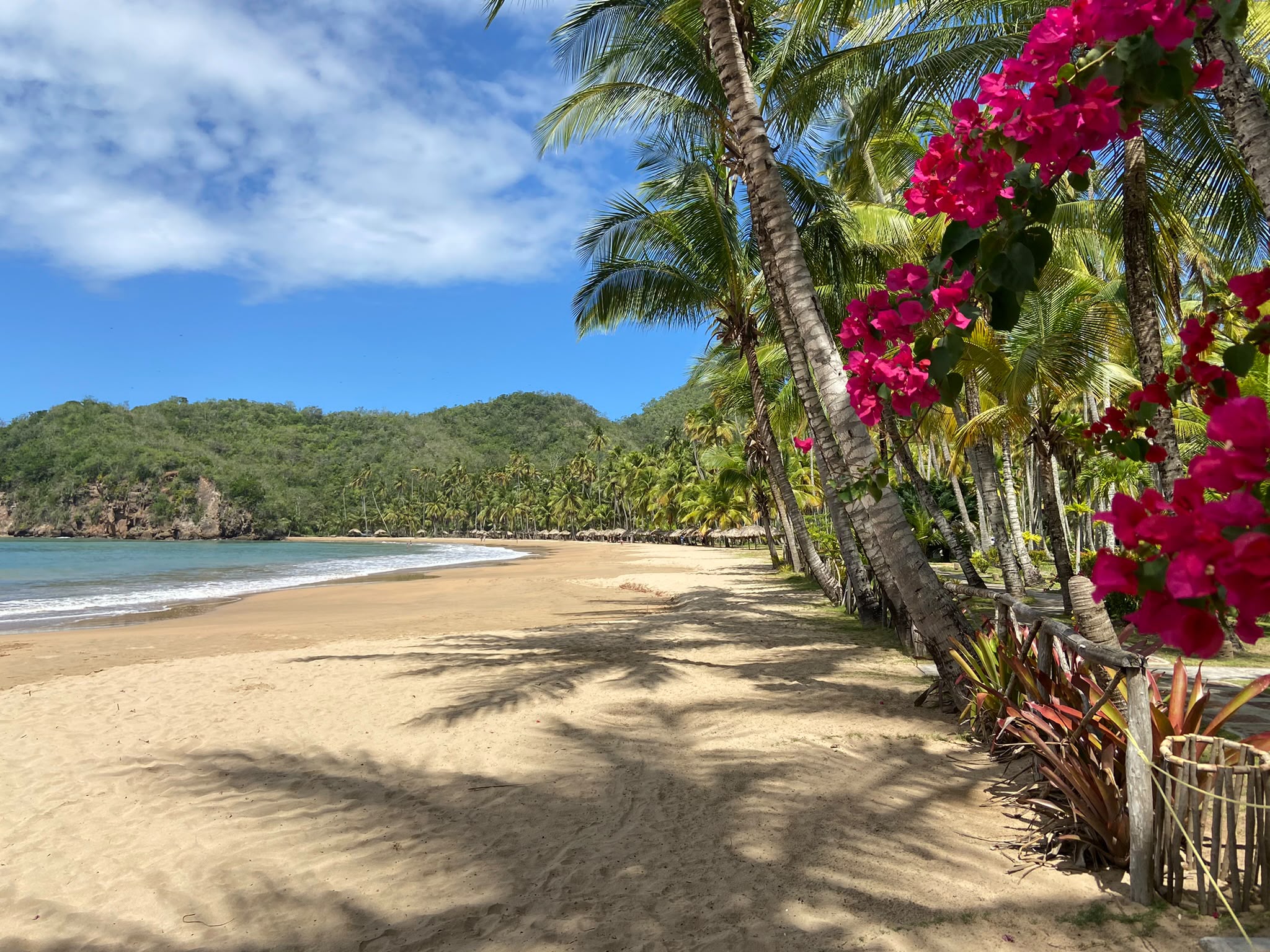
The beaches: Margarita's key selling point is the variety of its coastline. Playa El Agua on the northeast coast is the most famous: five kilometres of open Atlantic-facing sand with consistent waves, food stalls behind the dune line, and a lively atmosphere. Guacuco on the east coast is smaller, more sheltered and more local in character. Playa Cimarrón in the northwest is backed by mangroves and significantly quieter than the east coast beaches. Playa El Yaque near the airport is the kite-surfing and windsurfing capital of Venezuela; its lagoon conditions (consistent trade winds, shallow water, flat surface) attract dedicated water-sports travellers from across South America. Each beach is different in character; the island rewards moving between them rather than committing to one.

Juangriego: The fishing village in the north is where the most atmospheric sunset on Margarita happens. The old fort above the bay silhouettes at dusk; the waterfront restaurants serve fresh-caught fish with cold cerveza as the light goes out. This is the meal the island is built for.

Pampatar: The colonial town on the southeast coast has the island's best-preserved fort, the Castillo de San Carlos Borromeo, a 17th-century Spanish fortification with views over the bay.

Practical note: A car is genuinely needed here. Taxis cover the main routes but are not practical for the spontaneous coastal driving that makes Margarita work. Rental agencies operate at the airport and in Porlamar. Drive in daylight and on main roads.

Days 14 to 16: Morrocoy National Park

Morrocoy is approximately four hours west of Caracas by road through Valencia. The park covers low-lying mangrove coastline and a string of offshore coral cays and sandbanks that are only accessible by boat. The access towns are Tucacas and Chichiriviche; boats depart from the harbours of both for the surrounding cays. Negotiate directly with boatmen at the harbour for a day or arrange through your accommodation.

The main cays are Cayo Sombrero (the largest, best beach and some shade from trees), Cayo Borracho (smaller and quieter), Cayo Peraza and Cayo Sal (the best snorkelling sites). Bring all food and water; there are no facilities on the cays. The national park entry fee is paid at the entrance. Three days here is enough: one travel day from Caracas, one full day on the cays, one slower day with a second cay excursion before returning. The birdlife throughout the mangroves is excellent: scarlet ibis, roseate spoonbill, frigate birds and brown pelicans are all resident.

Road safety note: The highway from Caracas to Morrocoy passes through areas with a higher incidence of highway incidents. Travel in daylight with a trusted driver; do not drive this road alone after dark.

Days 17 to 19: Los Roques Archipelago

⚠️ Airport note: Los Roques flights normally depart from Simón Bolívar International Airport (Maiquetía). Following the June 2026 earthquake, verify current departure arrangements with your posada before booking; alternative departure points may be operating.

Los Roques is a national park of 350 cays and islets in the southern Caribbean, 160 km north of the Venezuelan coast. There is no ferry; the only way in is by small propeller aircraft, a 35 to 40-minute flight. Airlines including Aerotuy and various charter operators serve the route; book through your posada rather than a booking platform, as these flights are not on mainstream sites. Round-trip tickets run approximately $200 to $400 USD per person.

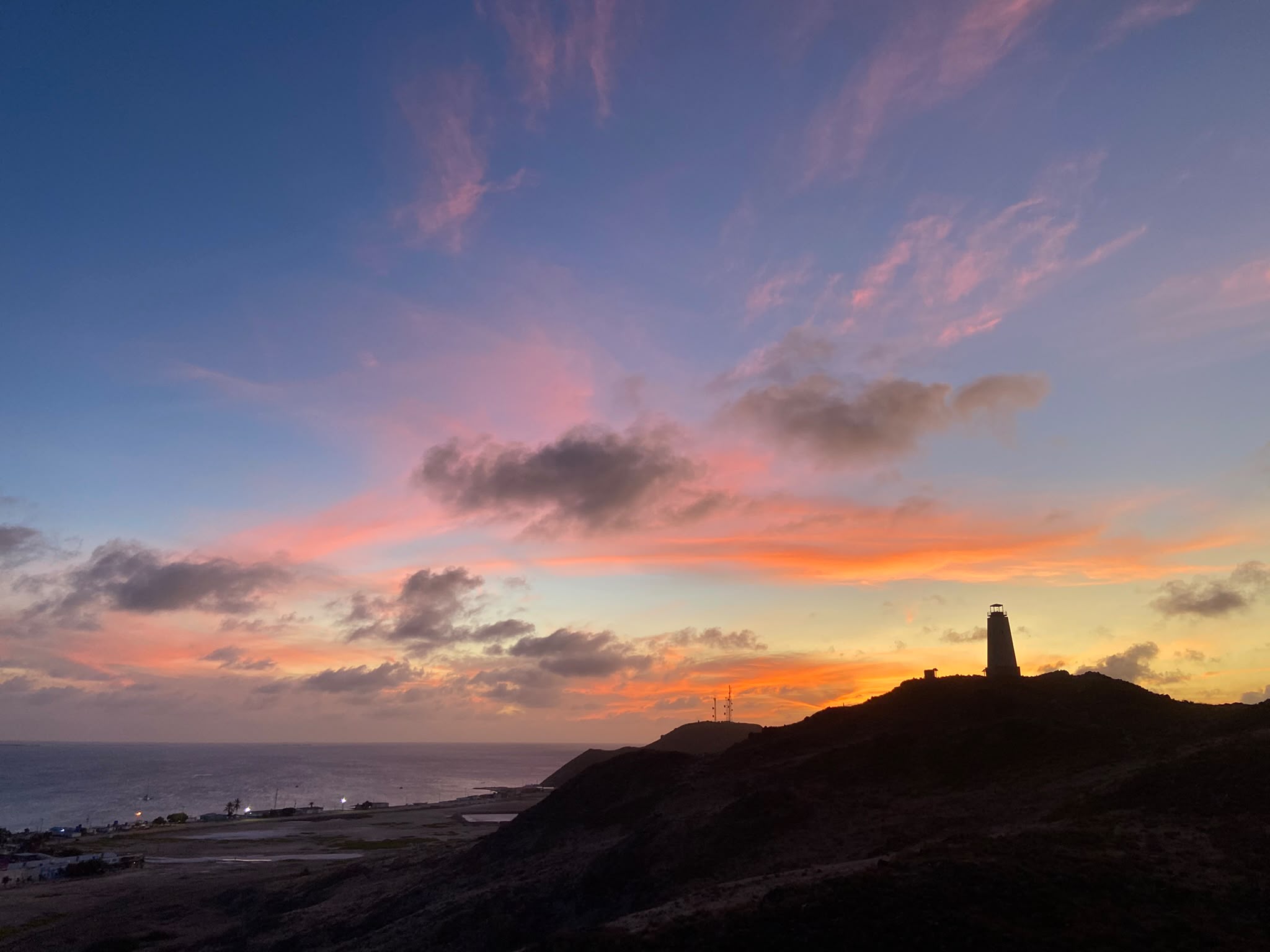
Three days is enough to visit the most famous beaches and settle into the archipelago's rhythm. The main inhabited island, Gran Roque, is the hub: one airstrip, one circular footpath around the island, approximately 1,200 residents, whitewashed posada buildings and a lighthouse with views over the full archipelago. The surrounding cays are uninhabited and reached by daily boat from your posada.

Cayo de Agua is the non-negotiable stop: a white coral sandbar with ankle-deep turquoise water on both sides, the most photographed location in the archipelago. Francisquí links three small cays with different water characters, good snorkelling on the eastern reef. Crasquí has some of the best coral diving. Nurse sharks move through the shallow lagoons at ankle-to-knee depth on multiple cays; they are harmless and entirely indifferent to waders.

There are plenty of budget accommodation options on Gran Roque within the posada system. The posada typically includes all meals and daily boat transfers to the cays; this is the standard package. Bring sufficient USD cash: there are no ATMs on Los Roques and card acceptance is essentially zero. The national park entry fee is approximately $20 to $30 USD, payable on arrival at Gran Roque.

Days 20 to 24: Canaima and Angel Falls

Fly from Caracas southeast to Canaima National Park. The main airline serving Canaima is Conviasa; flights operate on Thursdays and Sundays. The approach over the Gran Sabana and its tepui landscape is extraordinary in itself: flat-topped table mountains rising from the rainforest floor like lost worlds, which is literally what Conan Doyle had in mind when he wrote The Lost World in 1912 after reading accounts of the region. Canaima National Park covers 30,000 square kilometres and is a UNESCO World Heritage Site.

The experience here can range from three to six days depending on how many excursions you want to do. The minimum meaningful visit is three days. The maximum, incorporating multiple tepui hikes, extended canoe journeys and a longer stay in the park, is six.

Day 1 at Canaima: Cross the Canaima lagoon by curiara (motorised wooden canoe) to visit the Salto Sapo waterfall. A rock ledge behind the full curtain of water allows you to walk between the cliff and the fall; you will be completely drenched. This is the warm-up excursion. The camp in or near the lagoon area is the overnight base.

Angel Falls day: Depart early by curiara up the Río Carrao and Río Churún. The three-hour upstream navigation through canyon jungle is itself a serious experience: black tannin-rich river water, walls of vegetation closing in, tepui walls appearing above the canopy. At the landing point, a one-hour hike through jungle leads to the base of Auyán-tepui where the falls begin their 979-metre drop. The scale becomes comprehensible only at close range; the waterfall drops from a height that vanishes into cloud above you. In the wet season (June to November) the full volume roars at the base with spray visible from kilometres away. In the dry season (December to April) the water can reduce to a ribbon and the river levels may require walking the final sections rather than boating. The best window is May, June or November.

Practical notes: Bring cotton socks rather than water shoes for wet rock sections; local experience consistently rates ordinary cotton socks as the superior grip on slippery riverside rocks. Bring waterproof bags for electronics. Temperatures in jungle camps drop to around 14°C at night despite the equatorial location; bring a layer. Apply DEET repellent at dawn and dusk. Charge all electronics before you leave Caracas; generator power in Canaima runs approximately 6 pm to 9 pm.

Book through a Canaima lodge rather than independently. Waku Lodge is the most consistently recommended premium option with the best guides and logistics; book directly. All Canaima accommodation is basic; the appeal is the location.

Days 25 to 28: Mérida and the Venezuelan Andes

Fly from Caracas to El Vigía (EJA), the nearest airport to Mérida. The flight takes approximately one hour. From El Vigía, the road ascends into Mérida over approximately two hours of progressively dramatic mountain driving. Mérida is a university city at 1,600 metres surrounded by Venezuela's highest peaks, including Pico Bolívar at 4,978 metres. The student population of approximately 200,000 makes it one of the safer and more energetic cities in the country.

You can base in Mérida city itself or go higher into the mountains, staying in Mucuchíes, Mucubají or Santo Domingo. This section involves a lot of driving; the mountain roads between villages and viewpoints require patience and a good vehicle. Hire a local driver for the highland sections rather than driving independently if you are unfamiliar with Andean mountain roads.

Mukumbarí Cable Car: The world's highest cable car system and the second longest, running 12.5 km from the Barinitas base station at 1,577 metres to Pico Espejo at 4,765 metres in four sections. The journey takes 45 minutes and passes through four distinct ecosystems: cloud forest at the lower stations, the transition zone where frailejones begin appearing at the third station (La Aguada, 3,452 m), open páramo grassland at the fourth station (Loma Redonda, 4,045 m), and finally the snow zone near the summit. Each section reveals a different world. The base station has a viewpoint toward the Sierra Nevada, an art gallery and food options.

⚠️ Status: The cable car announced a temporary closure for maintenance in May 2026. Verify current operational status with the Mérida tourism authority or Inatur before planning around it.

The páramo: Drive from Mérida into the highland plateau for the definitive Andean landscape experience. Mucubají at 3,550 metres has a glacial lake and surrounding páramo covered in frailejones, the distinctive rosette plant found only in the northern Andes that looks unlike any other vegetation on Earth. Mucuchíes is the historic Andean village most associated with the Mucuchíes dog breed (large white mountain dogs that feature prominently in Venezuelan Andean culture). Santo Domingo is the gateway town for the high páramo lakes and is where the road begins to climb seriously toward the highest accessible sections.

Mérida city: The Plaza Bolívar and the streets around it are walkable and the city's safety calculus is significantly better than Caracas. The Heladería Coromoto holds the Guinness record for the greatest number of ice cream flavours: over 860 documented options including trout, spaghetti, black bean and avocado alongside conventional flavours. It is on the list of things that are both absurd and genuinely worth doing. Andean cuisine here is distinct from the coast: pabellón de montaña with root vegetables, wheat-flour arepas denser than the coastal version, freshwater trout from the mountain rivers grilled with garlic butter, and hervido andino, a thick mountain soup.

Connecting flights: all domestic connections in Venezuela typically route back through Caracas rather than connecting directly between destinations. A direct connection between, say, Margarita and Canaima, or between Los Roques and Mérida, is unlikely. Verify current routing options with your airline or local operator; the June 2026 earthquake may have changed some connections, and any improvements in direct routing should be confirmed rather than assumed.

In pictures

No items found.

Traveller suggestions

Accomodation

Caracas

Stay in the Chacao area - Los Palos Grandes, Altamira, Centro de Chacao or La Castellana.

Premium : JW Marriott Hotel Caracas, Renaissance Caracas La Castellana Hotel, Eurobuilding Hotel and Suites Caracas

Mid-tier : Shelter Suites, Hotel Chacao and Suites, Lidotel Caracas

Budget : budget accommodation options in the safe eastern districts are limited; For travellers on tighter budgets, Airbnb in Chacao and Altamira can give good value while remaining in the right area; confirm the specific building and street before booking.

Margarita Island

Premium : Venezuela Marriott Hotel Playa Grande, Wyndham Concorde Isla Margarita, Sunsol Unik Luxury Hotel

Mid-tier : Hotel Costa Linda Beach, LD Plus Playa El Agua, Maloka Hotel Boutique and Spa, Tibisay Hotel Boutique Margarita

Budget : Posada Entre Playas (gated community near Playa El Agua), Casa Maya El Yaque (beachfront posada, host Aida well-reviewed), Yaque Beach Hotel (near El Yaque kitesurfing beach, simple and well-positioned)

You can base in Porlamar for the most hotel options or go directly to the beach area you prefer; as long as you have a car the island is fully accessible from anywhere.

Los Roques

Premium : Laguna by LD, Posada La Quigua

Mid-tier : Posada Piano y Papaya (kitesurf school on site), Posada Acuario (five-minute walk from the beach, small and well-run), Posada Guaripete (three-minute walk to the beach), Posada Acquamarina

Budget : Posada Macondo ( hammock terrace, fresh fish cooked to local tradition), Posada Lagunita (best value for money on the island), Posada Doña Carmen (genuinely cheap option)

Canaima

Premium : Waku Lodge

Budget : Basic jungle camps near the Canaima lagoon and the Angel Falls base; these are hammock or mattress-frame setups and are how most independent travellers experience Canaima. Book through a Canaima-based operator contacted through your Caracas hotel rather than independently; logistics for the camp system change frequently.

Mérida

You can stay in Mérida city itself or go up into the mountains: Mucuchíes, Mucubají or Santo Domingo are the highland village options. Staying in the city gives better infrastructure, more restaurant options and easier access to the cable car. Staying in the mountains gives the páramo atmosphere, cold mornings and direct access to the highland walks.

Mid-tier : Hotel Chama (Mérida city centre), Hotel El Tisure (city option), Posada Casa Sol (Mucuchíes)

Budget :  ask your Caracas accommodation for current recommendations; posada quality and management changes faster than online reviews reflect.

Food & Drink

Caracas (Chacao area)

Premium : Maute Grill (celebrated steakhouse, family-run, El Barquero (best traditional seafood, order the grilled fish or the traditional asopao de mariscos), Astrid and Gastón (upscale Peruvian)

Mid-tier : La Casa Bistró (breakfast and brunch), Tasting Lab (fixed-price lunch menu, popular with local workers), El Budare (traditional Venezuelan platters), Sushi Club (Japanese), Café Arabica (good arepas and sandwiches until 4 pm)

Budget and street food : Arepera La Coriana (quick counter service), Empanadas Mery (fresh-fried empanadas until mid-afternoon), Mercado de Los Palos Grandes Saturday morning cachapa stall (best cachapas in the city), Mercado de Chacao general food market (traditional chicha from the morning, fruit stalls, corn cakes, go before noon)

Essential Venezuelan dishes to eat in Caracas : Pabellón criollo (the national dish: shredded beef, black beans, white rice and fried sweet plantain on one plate), arepas reina pepiada (corn bread split and filled with avocado chicken salad), cachapas (thick sweet corn pancakes with queso de mano or mortadella, best at Mercado de Los Palos Grandes on Saturday), chicha (sweet fermented corn drink from the market, essential), hallacas (steamed corn parcels filled with spiced meat, olives and raisins, wrapped in banana leaf; available year-round but most abundant at Christmas)

Evenings and bars : La Excelente (beers and karaoke, local institution, low-key and genuinely fun), El León (same character as La Excelente, cheap beers and karaoke in an unpretentious local setting), Modo (more upscale evening option)

Galipán and the Ávila

Il Picaccio (Italian on the mountain above Caracas, reached by jeep)

Casa Pakea (long afternoon lunch with mountain views)

Colonia Tovar

The bakeries and cafés of the village serve the German-heritage products: Black Forest cake, strudel, Bienenstich (bee sting cake) and locally made sausages. This is not refined gastronomy; it is the surreal and enjoyable experience of eating German pastry in the Venezuelan cloud forest.

Margarita Island

The waterfront restaurants at Juangriego (the fishing village in the north) serve grilled fish, langostino and traditional pabellón margariteño with views over the bay at sunset; this is the definitive Margarita meal.

Playa El Agua's beachfront food stalls serve cold cerveza, grilled fish and empanadas directly from the sand.

For a sit-down seafood lunch: La Dorada in Porlamar

Mérida

Mid-tier : Heladería Coromoto (the Guinness record holder for ice cream flavours), La Abadía (reliable Andean cooking), Mi Tasca (Spanish-Venezuelan)

Budget : Local restaurants around the central market for Andean daily food: hervido andino (thick mountain soup), pabellón de montaña (highland version with root vegetables), trout with garlic butter and wheat-flour arepas.

The essential Andean dishes: hervido andino (thick mountain soup of root vegetables and meat), trucha al ajillo (freshwater trout with garlic butter), cachapa andina (the Andean version, denser and earthier than Caracas), pabellón de montaña, and hot chocolate with pan de trigo as breakfast on cold mountain mornings.

Reminders & Cautions

SECURITY: READ BEFORE BOOKING - Venezuela carries a US State Department Level 4: Do Not Travel advisory, the highest classification. The UK FCDO, Canadian and Australian governments issue equivalent warnings. Venezuela has one of the highest violent crime rates in the world. This is not a standard travel destination with manageable risks that careful behaviour can navigate entirely; it is a country with systemic insecurity that requires specific logistics, trusted local contacts and genuine risk assessment. The itinerary is built on direct local knowledge to maximise safety within those constraints. It is not a guarantee.

EARTHQUAKE UPDATE (June 2026): On 24 June 2026, earthquakes of magnitudes 7.2 and 7.5 struck near the Venezuelan coast west of Caracas. Simón Bolívar International Airport (CCS/Maiquetía) was closed following the event and a state of emergency declared. As of mid-2026, international flights are only available from Barcelona, Barquisimeto, Maracaibo and Valencia. Aftershocks remain possible. Verify all airport, infrastructure and domestic flight status before booking any element of this trip.

Transport in Caracas: Use Ridery (no local number needed to sign up, the most practical option for arriving travellers) or Yummy Rides for all journeys. Uber does not operate in Venezuela. Street taxis have no meters and carry significantly higher robbery risk; avoid entirely. Book airport transfers in advance through your hotel. Never accept an unmarked taxi at the airport.

Domestic flights: All domestic connections in Venezuela currently route through Caracas. There are no reliable direct connections between the main destinations on this itinerary. Margarita, Canaima, Los Roques and Mérida all require returning to Caracas first. Verify any exceptions with local operators; the situation may have changed following the June 2026 earthquake and the collapse of some airline routes in recent years. Venezuelan domestic airlines have had unstable operational histories; confirm your booking with the airline directly in the week before departure.

Money: Venezuela uses the Venezuelan Bolívar (VES) for most daily transactions, but US Dollars are universally accepted and in many cases preferred at hotels, posadas, tour operators and anything tourism-facing. Bring clean, undamaged USD $50 and $100 notes. There are no reliable ATMs that dispense dollars outside Caracas, and card acceptance is inconsistent throughout. Los Roques is entirely cash-only with no ATMs. Bring significantly more USD than you think you need before leaving Caracas for any of the outer destinations. The Venezuelan economy has been in severe crisis for over a decade; prices in dollars are low by international standards, but cash availability is critical.

Travel insurance: Most mainstream insurers will not cover travel to Venezuela. You need a specialist underwriter who explicitly confirms coverage in Venezuela, and specifically confirms coverage in a Level 4 Do Not Travel destination. Read the policy wording carefully. At minimum, ensure medical evacuation to Miami or Bogotá is covered; Venezuelan hospitals outside Caracas have very limited capacity and supplies. A medical evacuation without insurance costs approximately $50,000 USD.

Security practices: Stay within the Chacao area (Los Palos Grandes, Altamira, La Castellana) in Caracas at all times; do not wander into unfamiliar neighbourhoods. Do not walk at night anywhere; use Ridery. Never display expensive cameras, watches or phones in public. Carry a photocopy of your passport; keep the original in the hotel safe. Use the hotel safe for all valuables. Book all tours and transfers through your hotel or a trusted local contact rather than approaching operators independently in the street. Register with your embassy on arrival.

Hacienda Santa Teresa: Book directly through the hacienda's official website before travelling; tours run on set schedules and the experience includes rum tasting, cocktail-making classes and, unusually, rugby. Confirm current availability, pricing and the tour schedule online. The hacienda is approximately 90 minutes from Caracas.

Canaima logistics: The only airline serving Canaima consistently is Conviasa, with flights on Thursdays and Sundays. Book through your lodge rather than independently; flights are not on mainstream booking platforms. The lodge package typically includes mainland flights, all meals, guides and activities. Waku Lodge is the most reliably reviewed premium operator. Bring cash in USD; there are no banking facilities in Canaima.

Los Roques access: Flights are on small propeller aircraft from the mainland, 35 to 40 minutes. Round-trip approximately $200 to $400 USD per person. Airlines include Aerotuy and charter operators; book through your posada. There are no ATMs on the islands and card acceptance is zero. National park entry fee approximately $20 to $30 USD, payable in cash on Gran Roque.

Morrocoy road: The highway from Caracas to Morrocoy has a higher incidence of highway incidents. Travel only in daylight and with a trusted driver; do not drive this road alone at night.

Season: The dry season (December to April) gives the best weather for Margarita, Morrocoy, Los Roques and Caracas coastal activities. The wet season (May to November) is better for Angel Falls at full volume and more navigable rivers in Canaima. Baseball season runs October to February. The best overall window for the complete itinerary is October to January: dry enough for most of the trip, baseball season in full swing in Caracas, and Angel Falls still carrying reasonable water from the end of the wet season.

Health: Yellow fever vaccination is recommended for the Canaima and jungle regions. Malaria prophylaxis is advisable for the Gran Sabana area around Canaima; consult a travel health clinic before departure. Tap water is not safe to drink anywhere in Venezuela; use bottled water throughout. Medical facilities outside Caracas are severely limited; treat any health issue that requires more than basic first aid as a potential evacuation situation.

Connectivity: Mobile data in Caracas (Movilnet, Movistar, Digitel) is functional in the eastern districts. Signal is patchy to non-existent in Canaima, Los Roques and the higher Andes sections. Download offline maps before leaving Caracas for each destination. Internet shutdowns have occurred during periods of civil unrest; plan for periods without connectivity.

image of vibrant dining space (for a mexican restaurant)

Angel Falls and the Lost World of Canaima

Canaima’s tepui table-top mountains rise straight out of the jungle, crowned by cloud forests and thunderous waterfalls. From these sheer cliffs, Angel Falls drops nearly a kilometer into the rainforest below, the tallest uninterrupted waterfall on Earth.

image of a guided tour group

Caribbean Islands of Margarita and Los Roques

From Margarita’s surf-washed beaches and fishing towns to Los Roques’ white-sand cayos and shallow turquoise lagoons, Venezuela’s Caribbean coast offers some of the most untouched island systems in the hemisphere.
image of a local tour guide (for a travel agency)

Andean Highlands of Mérida and the Páramo

High-altitude cities, glacial lakes, and cold-weather farming villages define Venezuela’s Andes. Cable cars climb above clouds, while páramo grasslands stretch beneath snow-dusted peaks.

Reminders from Collective travellers

SECURITY: READ BEFORE BOOKING - Venezuela carries a US State Department Level 4: Do Not Travel advisory, the highest classification. The UK FCDO, Canadian and Australian governments issue equivalent warnings. Venezuela has one of the highest violent crime rates in the world. This is not a standard travel destination with manageable risks that careful behaviour can navigate entirely; it is a country with systemic insecurity that requires specific logistics, trusted local contacts and genuine risk assessment. The itinerary is built on direct local knowledge to maximise safety within those constraints. It is not a guarantee.

EARTHQUAKE UPDATE (June 2026): On 24 June 2026, earthquakes of magnitudes 7.2 and 7.5 struck near the Venezuelan coast west of Caracas. Simón Bolívar International Airport (CCS/Maiquetía) was closed following the event and a state of emergency declared. As of mid-2026, international flights are only available from Barcelona, Barquisimeto, Maracaibo and Valencia. Aftershocks remain possible. Verify all airport, infrastructure and domestic flight status before booking any element of this trip.

Transport in Caracas: Use Ridery (no local number needed to sign up, the most practical option for arriving travellers) or Yummy Rides for all journeys. Uber does not operate in Venezuela. Street taxis have no meters and carry significantly higher robbery risk; avoid entirely. Book airport transfers in advance through your hotel. Never accept an unmarked taxi at the airport.

Domestic flights: All domestic connections in Venezuela currently route through Caracas. There are no reliable direct connections between the main destinations on this itinerary. Margarita, Canaima, Los Roques and Mérida all require returning to Caracas first. Verify any exceptions with local operators; the situation may have changed following the June 2026 earthquake and the collapse of some airline routes in recent years. Venezuelan domestic airlines have had unstable operational histories; confirm your booking with the airline directly in the week before departure.

Money: Venezuela uses the Venezuelan Bolívar (VES) for most daily transactions, but US Dollars are universally accepted and in many cases preferred at hotels, posadas, tour operators and anything tourism-facing. Bring clean, undamaged USD $50 and $100 notes. There are no reliable ATMs that dispense dollars outside Caracas, and card acceptance is inconsistent throughout. Los Roques is entirely cash-only with no ATMs. Bring significantly more USD than you think you need before leaving Caracas for any of the outer destinations. The Venezuelan economy has been in severe crisis for over a decade; prices in dollars are low by international standards, but cash availability is critical.

Travel insurance: Most mainstream insurers will not cover travel to Venezuela. You need a specialist underwriter who explicitly confirms coverage in Venezuela, and specifically confirms coverage in a Level 4 Do Not Travel destination. Read the policy wording carefully. At minimum, ensure medical evacuation to Miami or Bogotá is covered; Venezuelan hospitals outside Caracas have very limited capacity and supplies. A medical evacuation without insurance costs approximately $50,000 USD.

Security practices: Stay within the Chacao area (Los Palos Grandes, Altamira, La Castellana) in Caracas at all times; do not wander into unfamiliar neighbourhoods. Do not walk at night anywhere; use Ridery. Never display expensive cameras, watches or phones in public. Carry a photocopy of your passport; keep the original in the hotel safe. Use the hotel safe for all valuables. Book all tours and transfers through your hotel or a trusted local contact rather than approaching operators independently in the street. Register with your embassy on arrival.

Hacienda Santa Teresa: Book directly through the hacienda's official website before travelling; tours run on set schedules and the experience includes rum tasting, cocktail-making classes and, unusually, rugby. Confirm current availability, pricing and the tour schedule online. The hacienda is approximately 90 minutes from Caracas.

Canaima logistics: The only airline serving Canaima consistently is Conviasa, with flights on Thursdays and Sundays. Book through your lodge rather than independently; flights are not on mainstream booking platforms. The lodge package typically includes mainland flights, all meals, guides and activities. Waku Lodge is the most reliably reviewed premium operator. Bring cash in USD; there are no banking facilities in Canaima.

Los Roques access: Flights are on small propeller aircraft from the mainland, 35 to 40 minutes. Round-trip approximately $200 to $400 USD per person. Airlines include Aerotuy and charter operators; book through your posada. There are no ATMs on the islands and card acceptance is zero. National park entry fee approximately $20 to $30 USD, payable in cash on Gran Roque.

Morrocoy road: The highway from Caracas to Morrocoy has a higher incidence of highway incidents. Travel only in daylight and with a trusted driver; do not drive this road alone at night.

Season: The dry season (December to April) gives the best weather for Margarita, Morrocoy, Los Roques and Caracas coastal activities. The wet season (May to November) is better for Angel Falls at full volume and more navigable rivers in Canaima. Baseball season runs October to February. The best overall window for the complete itinerary is October to January: dry enough for most of the trip, baseball season in full swing in Caracas, and Angel Falls still carrying reasonable water from the end of the wet season.

Health: Yellow fever vaccination is recommended for the Canaima and jungle regions. Malaria prophylaxis is advisable for the Gran Sabana area around Canaima; consult a travel health clinic before departure. Tap water is not safe to drink anywhere in Venezuela; use bottled water throughout. Medical facilities outside Caracas are severely limited; treat any health issue that requires more than basic first aid as a potential evacuation situation.

Connectivity: Mobile data in Caracas (Movilnet, Movistar, Digitel) is functional in the eastern districts. Signal is patchy to non-existent in Canaima, Los Roques and the higher Andes sections. Download offline maps before leaving Caracas for each destination. Internet shutdowns have occurred during periods of civil unrest; plan for periods without connectivity.

Reminders from Collective travellers

SECURITY: READ BEFORE BOOKING - Venezuela carries a US State Department Level 4: Do Not Travel advisory, the highest classification. The UK FCDO, Canadian and Australian governments issue equivalent warnings. Venezuela has one of the highest violent crime rates in the world. This is not a standard travel destination with manageable risks that careful behaviour can navigate entirely; it is a country with systemic insecurity that requires specific logistics, trusted local contacts and genuine risk assessment. The itinerary is built on direct local knowledge to maximise safety within those constraints. It is not a guarantee.

EARTHQUAKE UPDATE (June 2026): On 24 June 2026, earthquakes of magnitudes 7.2 and 7.5 struck near the Venezuelan coast west of Caracas. Simón Bolívar International Airport (CCS/Maiquetía) was closed following the event and a state of emergency declared. As of mid-2026, international flights are only available from Barcelona, Barquisimeto, Maracaibo and Valencia. Aftershocks remain possible. Verify all airport, infrastructure and domestic flight status before booking any element of this trip.

Transport in Caracas: Use Ridery (no local number needed to sign up, the most practical option for arriving travellers) or Yummy Rides for all journeys. Uber does not operate in Venezuela. Street taxis have no meters and carry significantly higher robbery risk; avoid entirely. Book airport transfers in advance through your hotel. Never accept an unmarked taxi at the airport.

Domestic flights: All domestic connections in Venezuela currently route through Caracas. There are no reliable direct connections between the main destinations on this itinerary. Margarita, Canaima, Los Roques and Mérida all require returning to Caracas first. Verify any exceptions with local operators; the situation may have changed following the June 2026 earthquake and the collapse of some airline routes in recent years. Venezuelan domestic airlines have had unstable operational histories; confirm your booking with the airline directly in the week before departure.

Money: Venezuela uses the Venezuelan Bolívar (VES) for most daily transactions, but US Dollars are universally accepted and in many cases preferred at hotels, posadas, tour operators and anything tourism-facing. Bring clean, undamaged USD $50 and $100 notes. There are no reliable ATMs that dispense dollars outside Caracas, and card acceptance is inconsistent throughout. Los Roques is entirely cash-only with no ATMs. Bring significantly more USD than you think you need before leaving Caracas for any of the outer destinations. The Venezuelan economy has been in severe crisis for over a decade; prices in dollars are low by international standards, but cash availability is critical.

Travel insurance: Most mainstream insurers will not cover travel to Venezuela. You need a specialist underwriter who explicitly confirms coverage in Venezuela, and specifically confirms coverage in a Level 4 Do Not Travel destination. Read the policy wording carefully. At minimum, ensure medical evacuation to Miami or Bogotá is covered; Venezuelan hospitals outside Caracas have very limited capacity and supplies. A medical evacuation without insurance costs approximately $50,000 USD.

Security practices: Stay within the Chacao area (Los Palos Grandes, Altamira, La Castellana) in Caracas at all times; do not wander into unfamiliar neighbourhoods. Do not walk at night anywhere; use Ridery. Never display expensive cameras, watches or phones in public. Carry a photocopy of your passport; keep the original in the hotel safe. Use the hotel safe for all valuables. Book all tours and transfers through your hotel or a trusted local contact rather than approaching operators independently in the street. Register with your embassy on arrival.

Hacienda Santa Teresa: Book directly through the hacienda's official website before travelling; tours run on set schedules and the experience includes rum tasting, cocktail-making classes and, unusually, rugby. Confirm current availability, pricing and the tour schedule online. The hacienda is approximately 90 minutes from Caracas.

Canaima logistics: The only airline serving Canaima consistently is Conviasa, with flights on Thursdays and Sundays. Book through your lodge rather than independently; flights are not on mainstream booking platforms. The lodge package typically includes mainland flights, all meals, guides and activities. Waku Lodge is the most reliably reviewed premium operator. Bring cash in USD; there are no banking facilities in Canaima.

Los Roques access: Flights are on small propeller aircraft from the mainland, 35 to 40 minutes. Round-trip approximately $200 to $400 USD per person. Airlines include Aerotuy and charter operators; book through your posada. There are no ATMs on the islands and card acceptance is zero. National park entry fee approximately $20 to $30 USD, payable in cash on Gran Roque.

Morrocoy road: The highway from Caracas to Morrocoy has a higher incidence of highway incidents. Travel only in daylight and with a trusted driver; do not drive this road alone at night.

Season: The dry season (December to April) gives the best weather for Margarita, Morrocoy, Los Roques and Caracas coastal activities. The wet season (May to November) is better for Angel Falls at full volume and more navigable rivers in Canaima. Baseball season runs October to February. The best overall window for the complete itinerary is October to January: dry enough for most of the trip, baseball season in full swing in Caracas, and Angel Falls still carrying reasonable water from the end of the wet season.

Health: Yellow fever vaccination is recommended for the Canaima and jungle regions. Malaria prophylaxis is advisable for the Gran Sabana area around Canaima; consult a travel health clinic before departure. Tap water is not safe to drink anywhere in Venezuela; use bottled water throughout. Medical facilities outside Caracas are severely limited; treat any health issue that requires more than basic first aid as a potential evacuation situation.

Connectivity: Mobile data in Caracas (Movilnet, Movistar, Digitel) is functional in the eastern districts. Signal is patchy to non-existent in Canaima, Los Roques and the higher Andes sections. Download offline maps before leaving Caracas for each destination. Internet shutdowns have occurred during periods of civil unrest; plan for periods without connectivity.

Reminders from Collective travellers

SECURITY: READ BEFORE BOOKING - Venezuela carries a US State Department Level 4: Do Not Travel advisory, the highest classification. The UK FCDO, Canadian and Australian governments issue equivalent warnings. Venezuela has one of the highest violent crime rates in the world. This is not a standard travel destination with manageable risks that careful behaviour can navigate entirely; it is a country with systemic insecurity that requires specific logistics, trusted local contacts and genuine risk assessment. The itinerary is built on direct local knowledge to maximise safety within those constraints. It is not a guarantee.

EARTHQUAKE UPDATE (June 2026): On 24 June 2026, earthquakes of magnitudes 7.2 and 7.5 struck near the Venezuelan coast west of Caracas. Simón Bolívar International Airport (CCS/Maiquetía) was closed following the event and a state of emergency declared. As of mid-2026, international flights are only available from Barcelona, Barquisimeto, Maracaibo and Valencia. Aftershocks remain possible. Verify all airport, infrastructure and domestic flight status before booking any element of this trip.

Transport in Caracas: Use Ridery (no local number needed to sign up, the most practical option for arriving travellers) or Yummy Rides for all journeys. Uber does not operate in Venezuela. Street taxis have no meters and carry significantly higher robbery risk; avoid entirely. Book airport transfers in advance through your hotel. Never accept an unmarked taxi at the airport.

Domestic flights: All domestic connections in Venezuela currently route through Caracas. There are no reliable direct connections between the main destinations on this itinerary. Margarita, Canaima, Los Roques and Mérida all require returning to Caracas first. Verify any exceptions with local operators; the situation may have changed following the June 2026 earthquake and the collapse of some airline routes in recent years. Venezuelan domestic airlines have had unstable operational histories; confirm your booking with the airline directly in the week before departure.

Money: Venezuela uses the Venezuelan Bolívar (VES) for most daily transactions, but US Dollars are universally accepted and in many cases preferred at hotels, posadas, tour operators and anything tourism-facing. Bring clean, undamaged USD $50 and $100 notes. There are no reliable ATMs that dispense dollars outside Caracas, and card acceptance is inconsistent throughout. Los Roques is entirely cash-only with no ATMs. Bring significantly more USD than you think you need before leaving Caracas for any of the outer destinations. The Venezuelan economy has been in severe crisis for over a decade; prices in dollars are low by international standards, but cash availability is critical.

Travel insurance: Most mainstream insurers will not cover travel to Venezuela. You need a specialist underwriter who explicitly confirms coverage in Venezuela, and specifically confirms coverage in a Level 4 Do Not Travel destination. Read the policy wording carefully. At minimum, ensure medical evacuation to Miami or Bogotá is covered; Venezuelan hospitals outside Caracas have very limited capacity and supplies. A medical evacuation without insurance costs approximately $50,000 USD.

Security practices: Stay within the Chacao area (Los Palos Grandes, Altamira, La Castellana) in Caracas at all times; do not wander into unfamiliar neighbourhoods. Do not walk at night anywhere; use Ridery. Never display expensive cameras, watches or phones in public. Carry a photocopy of your passport; keep the original in the hotel safe. Use the hotel safe for all valuables. Book all tours and transfers through your hotel or a trusted local contact rather than approaching operators independently in the street. Register with your embassy on arrival.

Hacienda Santa Teresa: Book directly through the hacienda's official website before travelling; tours run on set schedules and the experience includes rum tasting, cocktail-making classes and, unusually, rugby. Confirm current availability, pricing and the tour schedule online. The hacienda is approximately 90 minutes from Caracas.

Canaima logistics: The only airline serving Canaima consistently is Conviasa, with flights on Thursdays and Sundays. Book through your lodge rather than independently; flights are not on mainstream booking platforms. The lodge package typically includes mainland flights, all meals, guides and activities. Waku Lodge is the most reliably reviewed premium operator. Bring cash in USD; there are no banking facilities in Canaima.

Los Roques access: Flights are on small propeller aircraft from the mainland, 35 to 40 minutes. Round-trip approximately $200 to $400 USD per person. Airlines include Aerotuy and charter operators; book through your posada. There are no ATMs on the islands and card acceptance is zero. National park entry fee approximately $20 to $30 USD, payable in cash on Gran Roque.

Morrocoy road: The highway from Caracas to Morrocoy has a higher incidence of highway incidents. Travel only in daylight and with a trusted driver; do not drive this road alone at night.

Season: The dry season (December to April) gives the best weather for Margarita, Morrocoy, Los Roques and Caracas coastal activities. The wet season (May to November) is better for Angel Falls at full volume and more navigable rivers in Canaima. Baseball season runs October to February. The best overall window for the complete itinerary is October to January: dry enough for most of the trip, baseball season in full swing in Caracas, and Angel Falls still carrying reasonable water from the end of the wet season.

Health: Yellow fever vaccination is recommended for the Canaima and jungle regions. Malaria prophylaxis is advisable for the Gran Sabana area around Canaima; consult a travel health clinic before departure. Tap water is not safe to drink anywhere in Venezuela; use bottled water throughout. Medical facilities outside Caracas are severely limited; treat any health issue that requires more than basic first aid as a potential evacuation situation.

Connectivity: Mobile data in Caracas (Movilnet, Movistar, Digitel) is functional in the eastern districts. Signal is patchy to non-existent in Canaima, Los Roques and the higher Andes sections. Download offline maps before leaving Caracas for each destination. Internet shutdowns have occurred during periods of civil unrest; plan for periods without connectivity.

Journey adjustments

If you have less time, the cleanest cuts are Morrocoy and Colonia Tovar.

Both are already the shortest sections: Morrocoy at three days and Colonia Tovar at two. Removing them saves five days and reduces the route to a 21-day version without losing the defining experiences. Colonia Tovar can always be done as a day trip rather than an overnight if you want the experience without the nights; Morrocoy can be replaced with a La Guaira beach day from Caracas for the coastal fix.

If you want to slow down, extend Los Roques to four or five days.

Three days is enough to see the famous beaches; four or five days is when the island's rhythm becomes the point rather than the sightseeing. You have covered the main cayos by day three and the extra days are for nothing more than water, silence and doing the same things more slowly. This is where Los Roques works best. Add two days; adjust other sections accordingly.

If you want to extend Canaima, add the full six-day version.

The experience can range from three to six days depending on how many excursions you want. The additional days in the full version include extended tepui exploration, a second canoe journey on a different river system, a hike to a second waterfall group and more time in the park without the pressure of a return flight the next morning. For travellers whose primary reason for coming to Venezuela is the Gran Sabana landscape, building six days here is the correct decision.

If you want to add El Hatillo, slot it into the Caracas section as a half-day.

El Hatillo is a preserved colonial village 20 km southeast of Caracas, reached by taxi in approximately 30 minutes. Its central plaza, colonial church and craft shops occupy an afternoon cleanly and give a sense of Venezuelan colonial architecture without the security concerns of the historic centre. Multiple Caracas restaurant reviews mention El Hatillo specifically; it is a popular lunch destination for Caraqueños on weekends. This requires no rearrangement of the main itinerary; simply use one Caracas afternoon for it.

If you want a more adventurous Mérida section, add trekking in the Sierra Nevada.

The Mérida highlands beyond the cable car and the main páramo circuit have serious trekking: multi-day routes toward Pico Bolívar (4,978 m, technical mountaineering above the glacier), the Mucuchíes lakes circuit, and the Los Nevados trail (a colonial village at 3,200 m reached by a full-day hike from the cable car). A proper trekking guide hired through a Mérida tour operator transforms the section from a driving-and-viewpoint experience into something more physical and remote. Add two days.

If you want to skip Caracas as much as possible, structure the trip as a series of direct regional visits.

Domestic connections currently require returning to Caracas between destinations. If the security concerns around Caracas make you reluctant to spend extended time there, use it purely as a transit hub rather than a destination: arrive, transfer to Margarita on day one, use Caracas only for overnight connections between destinations. The five-day Caracas section becomes two or three short transits. You lose the Ávila, Galipán, Mercado and baseball season experiences, but you reduce time in the most security-intensive city. This requires more careful flight scheduling and honest acknowledgement that every return to Caracas is a logistics exercise, not a leisure stop.

Collective travellers' testimonials

Diana - Caracas, Venezuela

Venezuela has a challenging domestic situation, so travelling here may feel inappropriate or difficult. You have to ensure you have a support network there to assist you in your travels and if you do and are ok with going, I 100% recommend it.

Marie - Antwerp, Belgium

Los Roques was the most beautiful water I have ever seen anywhere in the world. No crowds, no noise, just islands and sea. Never have I been to such stunning islands at such a short hop from a bustling metropolis like Caracas.

Edoardo - Milan, Italy

"My expectations of Venezuela were mixed given what you hear on the news. On the ground, there is an incredibly rich culture worth appreciating and exploring."